
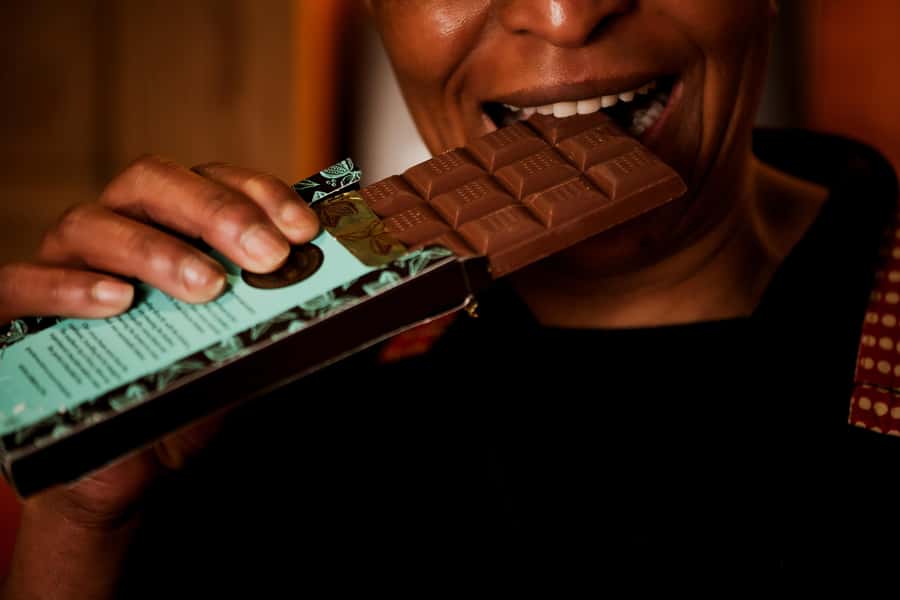
Review · SOUTH AFRICA
AFRIKOA Bean-to-Bar Chocolate Experience
Chocolate begins long before the first bite. AFRIKOA’s 30-minute Bean-to-Bar session in Cape Town shows you how Tanzanian cacao moves from fermentation to finished chocolate, with tastings along the way. I like the single-origin focus, which lets you connect the final flavor to cacao from one part of Tanzania. I also like the clear look at the full 12-step process, rather than a quick chocolate sample with little explanation.
The main tradeoff is time. Thirty minutes is enough for a lively introduction and several tastes, but it is not a long workshop where you make your own bar. The session runs Wednesday through Sunday, from 10:00 a.m. to 3:00 p.m., and children under seven cannot join.
Key points to know before you book
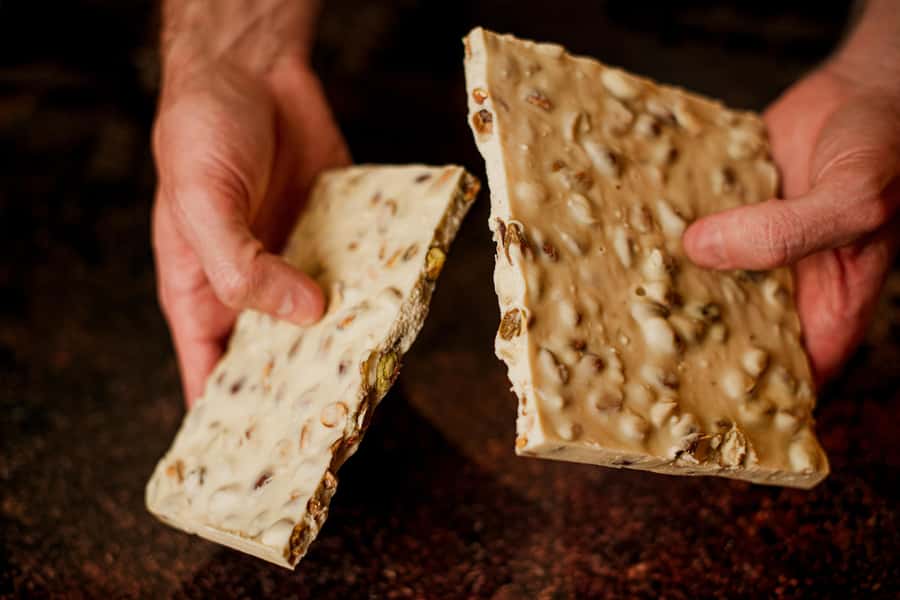
- From Tanzanian cacao to finished bar: Follow the beans through fermenting, drying, roasting, grinding, refining, conching, and tempering.
- Single-origin chocolate: AFRIKOA sources heirloom cacao directly from Tanzanian farmers and keeps the source region central to the finished product.
- Live production details: You see how particular products are made, not just a display of finished sweets.
- Chocolate tasting included: Sampling is part of the $13 price, while extra products and gifts cost more.
- A short Makers Landing stop: The activity takes 30 minutes, making it easy to fit into a wider Cape Town outing.
- Wheelchair accessible and English-speaking: The session is conducted in English and is listed as wheelchair accessible.
Finding AFRIKOA at Makers Landing
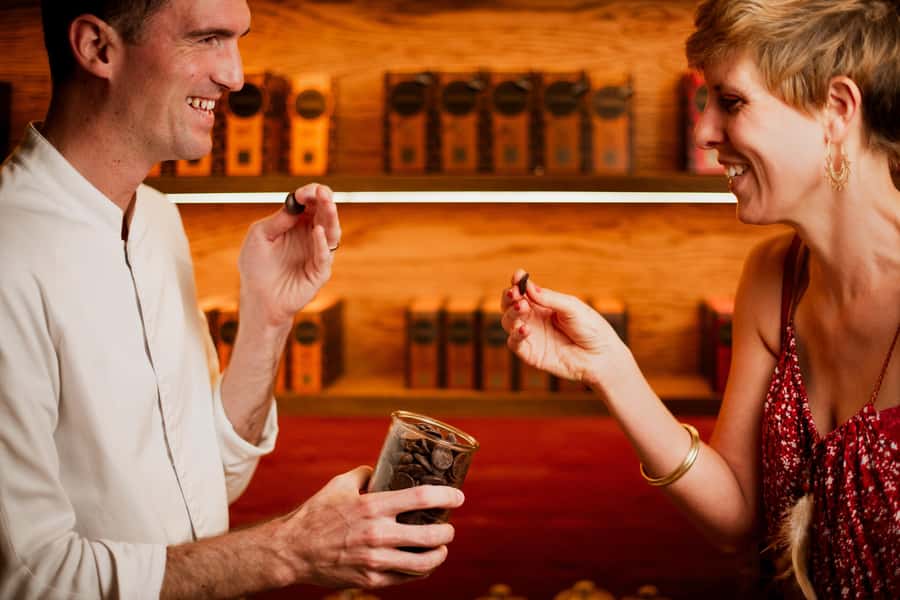
You meet at the AFRIKOA store, G11, inside Makers Landing in the Western Cape. The simplest guide is your nose: follow the smell of chocolate into the store.
That setting matters because the activity begins in a working retail space, not a grand museum or a large factory tour. You should expect a compact introduction centered on the chocolatier’s explanation, product demonstrations, and tasting. The information provided does not give a group size, so I would not assume a private lesson or a quiet one-on-one format.
Arrive ready to pay attention from the start. With only 30 minutes, there is little spare time for wandering in late and catching up. The store also gives you a chance to see the products available for purchase after the session, but those additional items are not included in the price.
More Bean-to-Bar Chocolate Tours in the world:
- 1.5h Belgian Chocolate Workshop in Brussels (bean to bar)
★ 4.5 · 462 reviews - Bean to Bar Chocolate Workshop in Puerto Vallarta
★ 5.0 · 381 reviews - Bean to Bar Chocolate Workshop in Barcelona
★ 5.0 · 172 reviews
The first steps: fermentation and drying
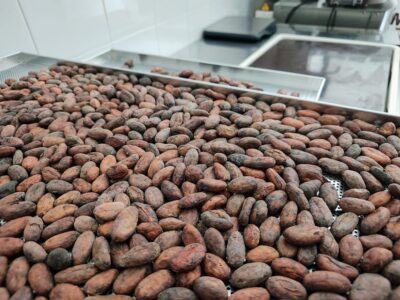
The chocolate story starts with cacao beans, not with a glossy bar. Fermentation is one of the early stages that helps shape the flavor of the beans. Drying follows, reducing moisture and preparing them for the next part of production.
These stages are easy to overlook when you buy chocolate in a supermarket. Here, they help explain why the source of the cacao matters. AFRIKOA works with heirloom cacao beans bought directly from Tanzanian farmers, so the finished chocolate begins with a clearly identified agricultural origin.
The activity does not promise a long agricultural lecture, and you should not expect a farm visit. What you do get is a useful link between farming, processing, and flavor. That connection is one of the strongest reasons to choose this session over a simple tasting counter.
Roasting brings out the bean’s character
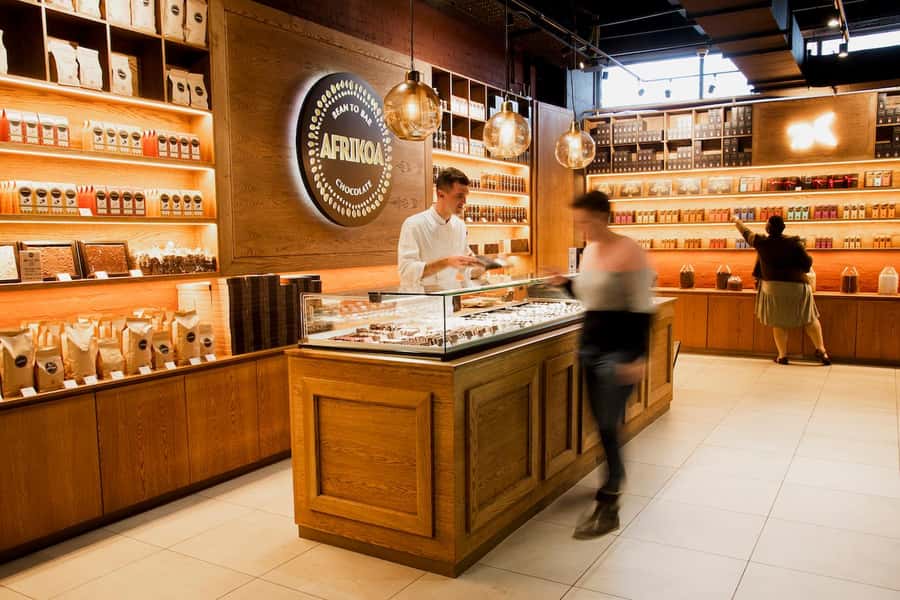
After drying, the cacao is roasted. Roasting changes the aroma and flavor of the beans, much as it does with coffee. It is also one of the stages where the maker has to handle the raw ingredient with care.
The supplied details do not specify the roasting equipment, temperatures, or exact demonstration format. You should therefore treat this as an explanation and live look at the craft, not a technical class with measurements and hands-on control.
Still, the process is valuable for anyone who wants to understand why chocolate can taste so different from one bar to another. Tanzanian cacao is not simply a generic ingredient in this story. AFRIKOA uses single-origin sourcing so the finished chocolate can express characteristics linked to its particular growing region.
Grinding, refining, and conching
Once the beans are roasted, they are ground. Grinding breaks down the cacao and turns it into a smoother chocolate mixture. Refining then works on texture, reducing roughness and helping create the mouthfeel you expect from a finished bar.
Conching is another key step. It helps develop the chocolate’s texture and flavor over time. In a 30-minute session, you are unlikely to watch every part of a long production cycle from beginning to end. Instead, the chocolatier explains the role of each stage and shows how specific products are crafted.
That distinction is important. This is a demonstration of a full process, not a promise that every machine will run for the entire session. I like that the focus reaches beyond roasting and tasting. The later stages are where much of the skill becomes clear, especially if you have wondered why two chocolates made from similar beans can feel and taste so different.
A few more chocolate tours around the world worth a look
- Lindt Home of Chocolate Museum Entry Ticket
★ 4.7 · 9,329 reviews - Choco-Story Brussels: Chocolate Museum Entrance with Tasting
★ 4.3 · 4,883 reviews - Zurich: City Tour, Cruise, and Lindt Home of Chocolate Visit
★ 4.5 · 4,624 reviews - The Chocolatarium Chocolate Tour Experience in Edinburgh
★ 5.0 · 4,322 reviews
Tempering gives chocolate its finish
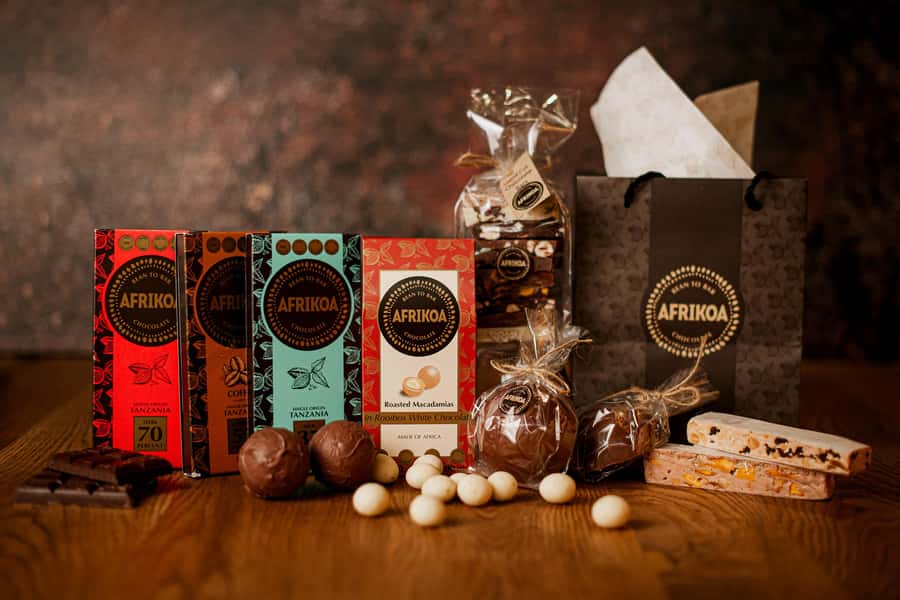
Tempering is the final stage named in the activity. It controls how the cocoa butter sets, helping chocolate achieve a firm finish and a pleasant break. It is a small technical detail with a big effect on the finished product.
For you, this is a useful part of the demonstration because it explains why professional chocolate has a polished appearance and clean texture. The session takes you through the process from fermenting to tempering, so you get a complete outline rather than a few isolated facts.
The presentation may move quickly. One person who enjoyed the activity wished the session were longer, which is fair. The friendly chocolatier and energetic delivery were praised, but a short session cannot give every step equal attention. If you already know the basics of chocolate making, you may want a more advanced class. If you are new to Bean-to-Bar chocolate, the brisk pace should feel manageable.
Why Tanzanian single-origin cacao matters
AFRIKOA’s strongest point is its commitment to cacao from Tanzania. The company procures heirloom beans directly from Tanzanian farmers and keeps production focused on a specific source region.
Single-origin chocolate means the beans in a particular creation come from one defined region rather than being blended from several places. That gives you a clearer sense of place in the final product. The aim is not just to sell chocolate with a country name on the wrapper. It is to let the cacao’s distinct qualities remain part of the conversation.
The direct sourcing also brings sustainability, transparency, and ethical production into the session. The supplied information does not give detailed farmer names, pricing arrangements, or certification claims, so you should not expect a full supply-chain audit during the visit. Even so, the basic message is clear: responsible chocolate begins with knowing where the cacao came from and how it was handled.
That makes the tasting more meaningful. You are not only asking if a sample is sweet or bitter. You can also think about how origin, processing, and production choices affect the result.
Tasting the finished chocolate
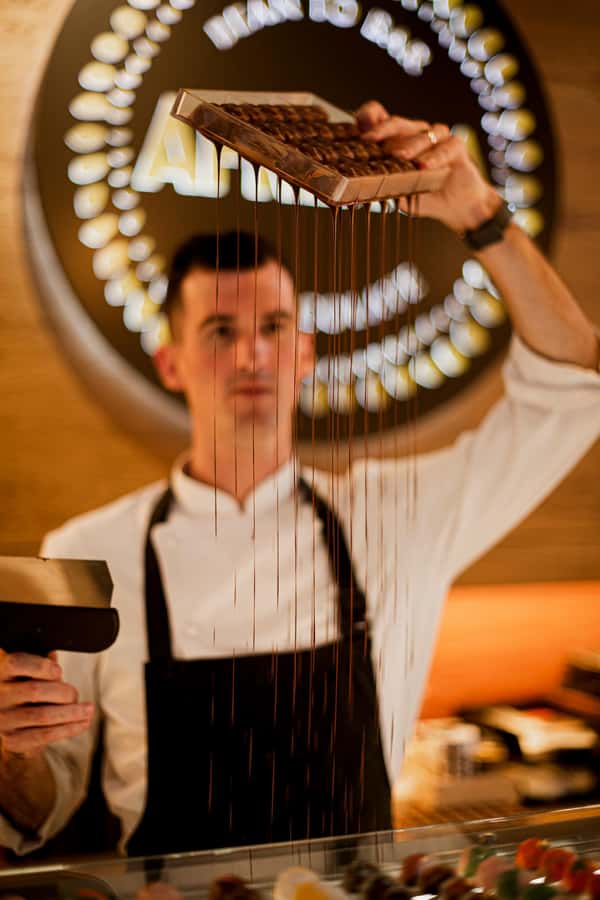
Sampling is included in the $13 price. The tasting gives you the payoff after the production explanation, and it is one of the most praised parts of the session. The comments available describe it as an excellent tasting experience, with good information about sourcing and production.
The exact number of samples and product varieties is not specified. I would not assume an unlimited tasting or a meal replacement. Think of it as a guided sample of AFRIKOA’s chocolate, with the chance to notice differences in flavor and texture.
The atmosphere seems to be part of the pleasure. The store smells strongly of chocolate, and the chocolatier has been praised for being friendly and energetic. That warmth matters in a short activity. A dry technical talk could make 30 minutes feel long, while a personable presenter can keep the process moving.
You may also find that the tasting makes the single-origin idea easier to understand. Terms such as fermentation, conching, and tempering can sound abstract until you taste the result. The sample gives those production stages a practical purpose.
What $13 gets you
At $13 per person, this is a modestly priced food activity, particularly if you already plan to visit Makers Landing. You receive an explanation of the Bean-to-Bar process, a look at how specific products are made, and chocolate samples.
The value is strongest for first-time chocolate enthusiasts, curious families with older children, and anyone interested in ethical food production. You are paying for access to the story behind the product as much as for the chocolate itself.
The value is weaker if you want a hands-on class. The supplied information does not say that you mold, temper, or take home a bar that you made yourself. Additional products are available to buy, but they cost extra. Keep that in mind if you are budgeting for gifts.
I would also avoid treating the session as a substitute for lunch. It is a tasting and demonstration lasting half an hour. The right expectation makes the price feel fair.
Buying gifts after the session
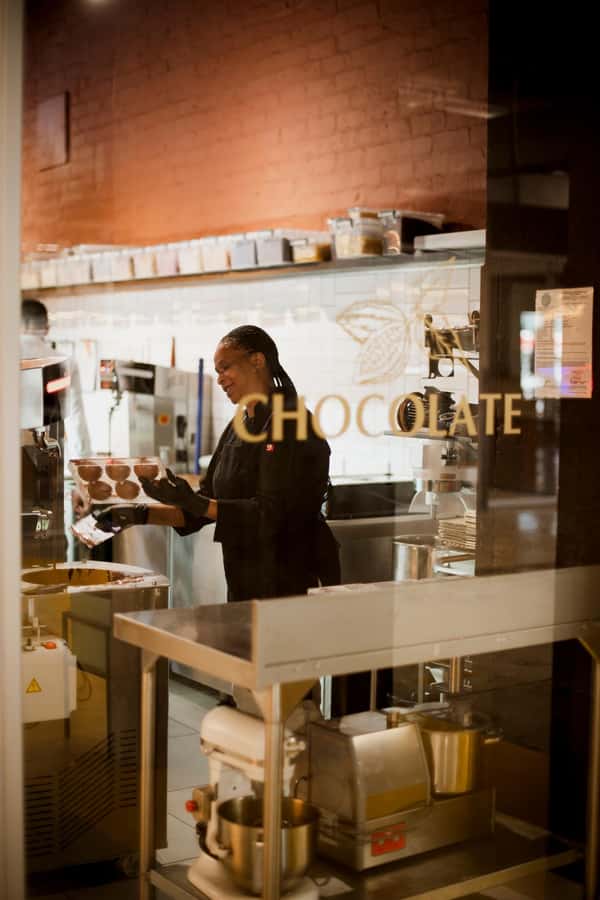
AFRIKOA sells products at the store, and the activity specifically points to unusual chocolate items and gifts for family and friends. This is useful if you want a small edible reminder of your time in the Western Cape or a present connected to Tanzanian cacao.
The details do not list exact products, prices, or packaging options. You should browse with an open mind rather than arrive expecting one particular bar or gift box. Purchases are not part of the admission fee.
Buying after the tasting also lets you choose based on what you liked. If one sample catches your attention, you can look for a related product in the store. That is more helpful than shopping blindly before you understand AFRIKOA’s style.
Who will enjoy this short chocolate session
I would recommend the activity to you if you:
- Want a concise introduction to Bean-to-Bar chocolate
- Enjoy tasting food with a story behind it
- Care about cacao sourcing and ethical production
- Are already visiting Makers Landing
- Need a compact activity between other Cape Town plans
- Want chocolate gifts from a local store
Children must be at least seven years old. Older children may enjoy the tasting and the sensory side of the visit, though the technical steps may move quickly for young participants.
The session also suits adults who do not want a long cooking workshop. You get the key stages without giving up half a day. On the other hand, serious chocolate hobbyists may find the format too brief and may prefer a longer class with detailed equipment, recipes, or hands-on work.
Timing, access, and practical planning
The activity is offered Wednesday through Sunday between 10:00 a.m. and 3:00 p.m. The last booking is for 3:00 p.m. It is not offered on December 25, December 26, or January 1.
Check the available starting time before setting your wider schedule. Since the activity lasts 30 minutes, it is easy to place before or after another stop, but a late arrival could mean missing much of the explanation.
The session is in English and is listed as wheelchair accessible. Alcohol and drugs are not allowed. Free cancellation is available up to 24 hours in advance for a full refund, and you can reserve now and pay later, which is useful when your Cape Town schedule is still shifting.
There is no transport information included, so plan to reach Makers Landing independently. The meeting point is specific: store G11. Once inside, follow the chocolate smell rather than searching for a separate tour office.
How this compares with a basic chocolate tasting
A basic tasting asks you to judge the finished product. AFRIKOA adds the production story. You learn why fermentation, drying, roasting, grinding, refining, conching, and tempering all matter before you sample the result.
That extra context is the real reason to book. The experience does not simply hand you chocolate and send you on your way. It connects the bar to Tanzanian farmers, processing choices, and the principles of sustainability and transparency.
The limitation is depth. The session is designed as a compact introduction, not a full factory tour or advanced workshop. You will probably leave with a better sense of how chocolate is made, not with professional chocolatier skills.
Should you book AFRIKOA?
Book it if you want a friendly, well-priced introduction to Bean-to-Bar chocolate and you can fit 30 minutes into a visit to Makers Landing. The single-origin Tanzanian cacao, full 12-step explanation, included tasting, and chance to shop for gifts give the activity more substance than a quick sample alone.
Skip it if you need a hands-on class, a long factory visit, or a large tasting menu. The session moves quickly, and extra products cost more.
For most curious food lovers, I think the $13 price is easy to justify. Follow the smell of chocolate to G11, arrive on time, and expect a short but useful lesson with a sweet ending.
FAQ
Where does the AFRIKOA Bean-to-Bar Chocolate Experience take place?
It takes place at the AFRIKOA store, G11, inside Makers Landing in the Western Cape, South Africa.
How long does the experience last?
The activity lasts 30 minutes.
What days and times is it available?
It is available Wednesday through Sunday between 10:00 a.m. and 3:00 p.m. The last booking is for 3:00 p.m.
What is included in the price?
The experience includes an explanation of chocolate making from fermenting through tempering, live information about crafting specific products, and chocolate tastings.
Are additional chocolate products included?
No. Additional products are available to purchase separately at the store.
Is the experience suitable for children?
Children under seven are not permitted to join. The session is conducted in English.
Is the activity wheelchair accessible?
Yes. It is listed as wheelchair accessible.
Just added around the world
- Lindt Chocolate Museum with Cruise Transfer from Zurich★ 4.6 · 7 reviews
- Zagreb: Lake Bled and Ljubljana Day Tour with Chocolate Gift★ 5.0 · 26 reviews
- Zurich: Chocolate Tasting and Walking Tour with a Local★ 4.2 · 13 reviews
- Zurich Open-top Tour and Chocolate and Cheese Countryside★ 3.5 · 11 reviews
- Wine and Chocolate experience★ 4.6 · 3 reviews
- York: Introduction to Chocolate Making Experience★ 4.9 · 10 reviews
- Zaandijk-Near Zaanse Schans Chocolate making demo & tasting★ 4.8 · 13 reviews
- Private Wine and Chocolate Tasting Experience★ 4.4 · 3 reviews
Bean-to-Bar Chocolate Tours, compared.
1.5h Belgian Chocolate Workshop in Brussels (bean to bar)
Read our review →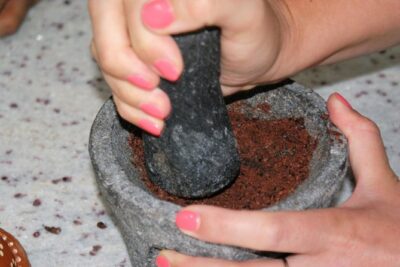
Bean to Bar Chocolate Workshop in Puerto Vallarta
Read our review →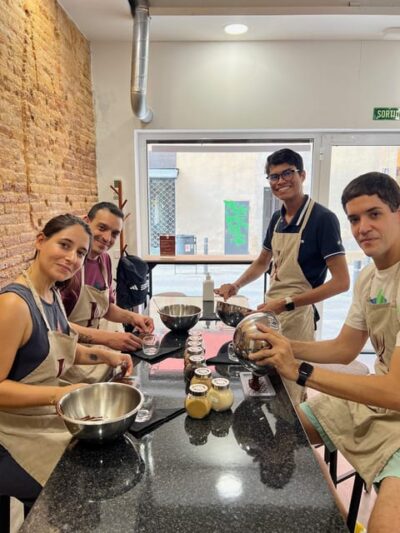
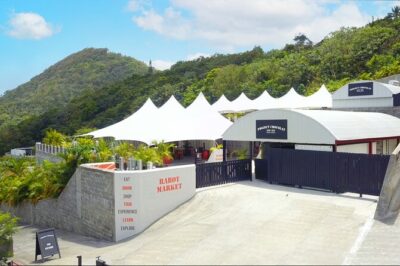
Project Chocolat Bean to Bar Experience from Hotel Chocolat
Read our review →
Puerto Viejo hands on chocolate making class. From bean to bar, get chocolatey!
Read our review →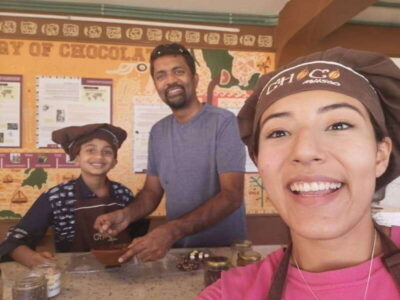
Chocolatier for a day: raw bean to bar chocolate in Modica
Read our review →
Browse the lists this tour appears in