
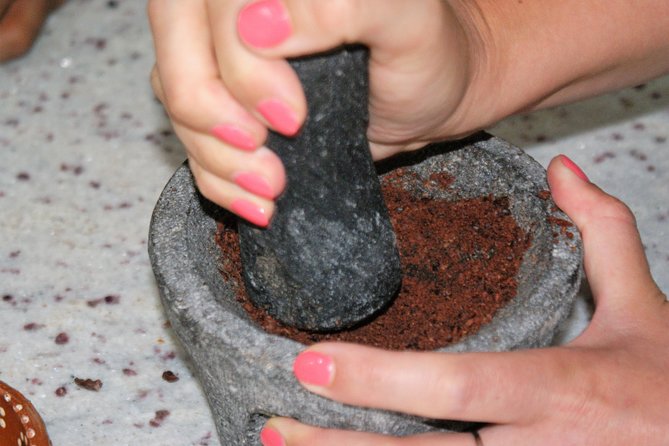
Review · MEXICO
Bean to Bar Chocolate Workshop in Puerto Vallarta
Chocolate has a story worth tasting. This two-hour workshop at ChocoMuseo Puerto Vallarta mixes Mexican cacao history with hands-on candy making, so you learn about the Olmecs, Maya, Aztecs, and Spanish influence while tasting chocolate in several forms. I especially like the chance to make custom chocolate bars with your own toppings, and I like the way the session works for both children and adults. The main consideration is the setting: you are indoors, seated on counter-height stools, and Puerto Vallarta heat can matter if the air conditioning is not running properly.
The $62.90 price is not simply for a tasting. It covers a guided museum visit, cacao beans, chocolate, toppings, an apron, and a hat for the workshop. You also need to make your own way to the downtown meeting point, and anyone who enjoys the class can leave a customary 15% to 20% tip for the teacher.
Key things to know before you book
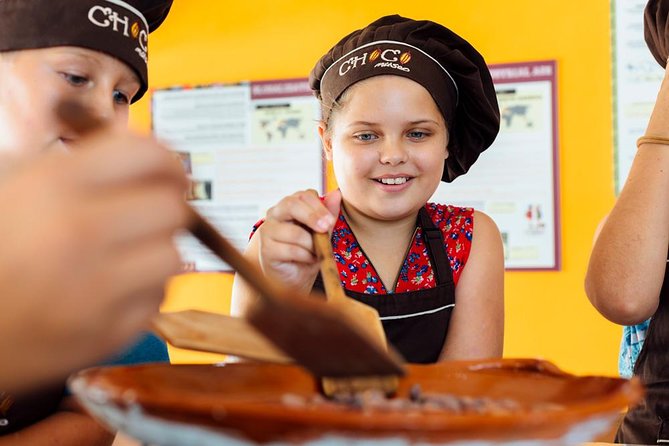
- You roast and work with cacao beans: The hands-on portion can include shelling beans, making cacao-shell tea, preparing hot chocolate, and forming your own chocolate bars.
- The history is part of the main event: Your guide connects chocolate to Olmec, Maya, Aztec, and European traditions rather than treating it as only a sweet snack.
- Small groups make participation easier: The experience is listed for a maximum of eight people, which gives you a better chance to ask questions and take part.
- Children from age five can join: Families have found the mix of tasting, stories, and chocolate making easy to enjoy across age groups.
- Bring a little patience for the indoor setup: The workshop takes place upstairs, with counter-height seating and stairs with handrails.
- Plan ahead: It is booked about 20 days in advance on average, so last-minute spaces may be hard to find.
What the two-hour ChocoMuseo visit includes
Your experience begins and ends at ChocoMuseo Puerto Vallarta, at Josefa Ortiz de Domínguez 128 in Centro. Transportation is not provided, so you arrange your own route to the museum. The location is near public transportation, making it practical to fit into a day of walking around downtown.
The full session lasts about two hours. That is long enough to give the subject some substance without taking up an entire afternoon. You are not simply handed a few chocolates and sent on your way. The guide leads you through the museum and explains where cacao grows, how the bean changes into chocolate, and how people have used it over time.
The guides are one of the strongest parts of the experience. Rodrigo, often called Rod, is praised for being funny, patient, and good at including everyone. Martin is described as organized and clear, while Elias and Zoar are also noted for engaging presentations. The exact teacher depends on the session, but the pattern is consistent: expect a host who teaches as well as demonstrates.
More Chocolate Making Workshops in Mexico
- Chocolate Workshop
★ 5.0 · 92 reviews - Make Your Own Chocolate with Oaxacan Tradition Private Class
★ 5.0 · 45 reviews - Puerto Vallarta: Bean to Bar Chocolate Workshop
★ 4.9 · 41 reviews
Cacao history from the Olmecs to modern chocolate
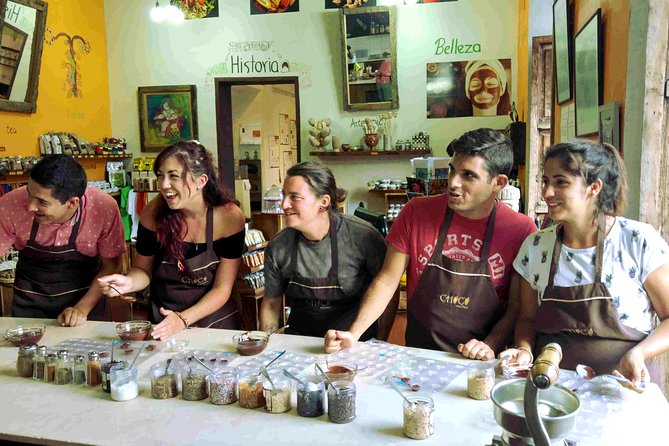
The museum portion gives the workshop a useful Mexican context. You learn about cacao’s connection to the Olmecs, Maya, and Aztecs, then follow its transformation as European traditions changed the way chocolate was prepared and served.
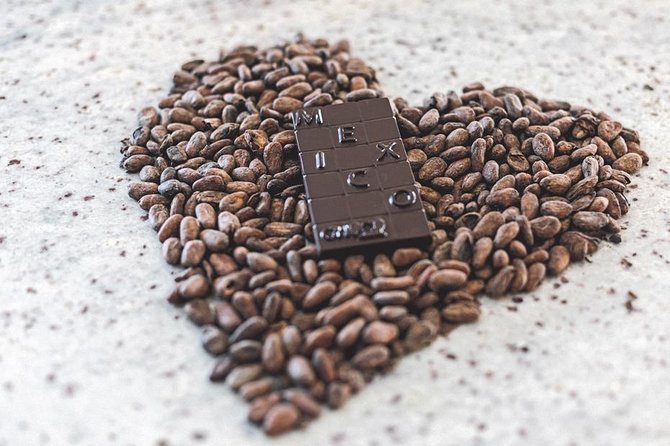
This is especially valuable if you have only thought of chocolate as a modern candy. The class explains that chocolate has not always meant a sweet bar. You may taste different drinks as cacao changes through time, including hot chocolate prepared in more than one style. One activity includes making tea from cacao shells, which gives you a simple reminder that the whole bean has uses beyond the center alone.
The presentation also covers how cacao beans are grown and how they are transformed into chocolate. That bean-to-bar path helps connect the museum displays to the work you do later in the class. You get a better sense of why roasting, shelling, grinding, and mixing matter.
The teaching style seems conversational rather than academic. Guides use posters and visual material to support the explanation, and the best sessions add humor without losing the historical thread. For adults interested in food culture, this provides more substance than a basic chocolate sampling. For children, the drinks and hands-on work keep the history from becoming a long lecture.
Roasting, shelling, and tasting the cacao
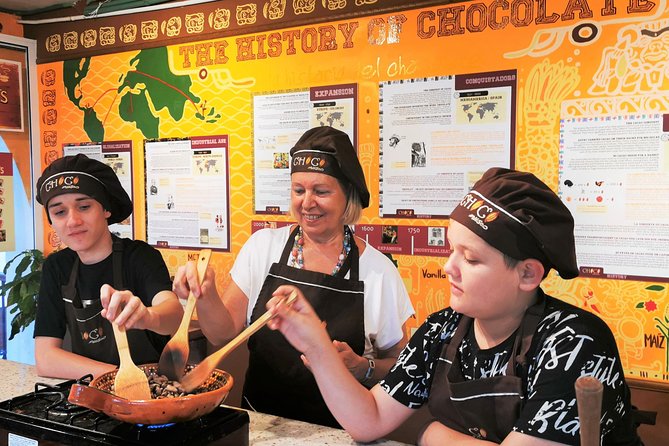
The workshop becomes more active once you handle the cacao. Depending on the flow of your session, you can roast cacao beans, remove the shells, prepare cacao-shell tea, and taste hot chocolate made with the bean.
These steps are simple, but they help you understand the process with your hands and nose, not just through an explanation. You can see that chocolate begins as a bean with a shell and a distinct flavor, not as a glossy bar waiting in a shop.
The tasting also shows how chocolate changes as ingredients and preparation methods change. You might sample several chocolate products from different points in its development. One practical suggestion is to arrive a little early so you have time to try samples downstairs before the class begins.
A small limitation is that palate-cleansing water is not guaranteed. One participant specifically suggested offering water between tastings. If you are sensitive to strong flavors, it may be useful to bring water with you, provided the venue permits it.
Making your own chocolate bars
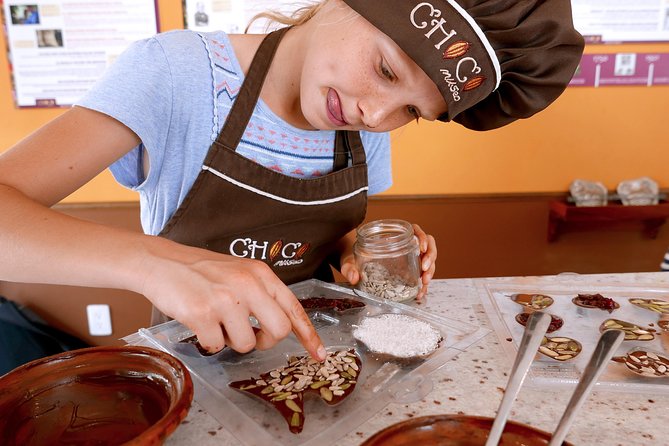
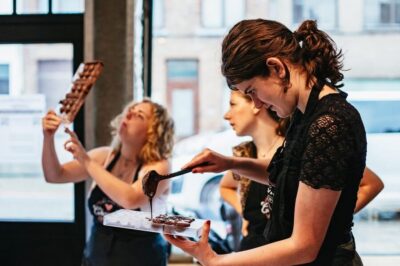
The final part is the payoff for most people. You create chocolate using your preferred blend of spices and toppings, then shape it into bars or molds to take with you.
This is not a demonstration where you watch a chocolatier do all the work. You get direct instruction and a chance to decide how your finished chocolate tastes. The available toppings let you make something mild, adventurous, or somewhere between the two.
For children, this part gives the session a clear goal. They can listen to the historical explanation, taste the drinks, then finish with something they created themselves. Adults tend to appreciate the same feature for a different reason: your take-home chocolate feels more personal than a box purchased in a store.
Wear the provided apron and hat during the class. They help protect your clothing, but chocolate remains chocolate, so sensible vacation clothes are still a good idea. Your creations may need some care in Puerto Vallarta’s warm weather after you leave.
More Bean-to-Bar Chocolate Tours in Mexico:
- Artisanal Chocolate Bean to Bar Workshop in Cancún
★ 5.0 · 4 reviews - 1.5h Belgian Chocolate Workshop in Brussels (bean to bar)
★ 4.5 · 462 reviews - Bean to Bar Chocolate Workshop in Barcelona
★ 5.0 · 172 reviews - Project Chocolat Bean to Bar Experience from Hotel Chocolat
★ 4.5 · 107 reviews
Why the small group matters
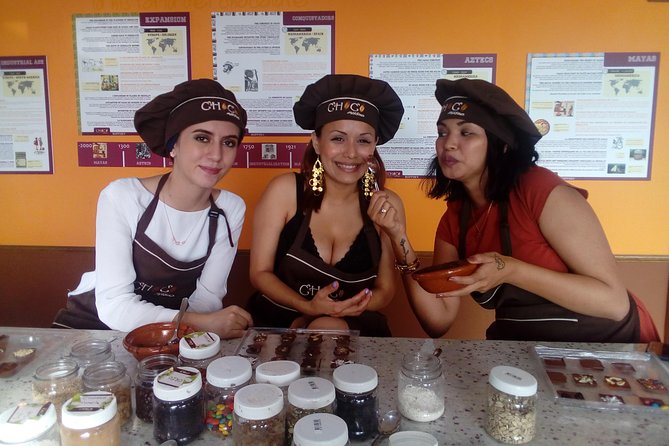
The experience is listed for a maximum of eight people. That size suits this kind of class because the work is hands-on and the guide needs to keep an eye on several stations at once.
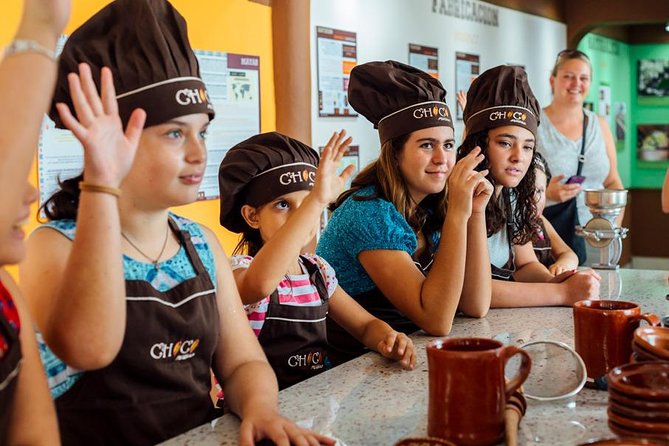
A small class also makes it easier to ask about the cacao traditions, compare flavors, and get help while making your bars. The guide can call people by name and keep the pace moving. One family found the format worked well for children aged nine and thirteen, while another family said even a five-year-old enjoyed the session.
The small setting does not mean every group will feel identical. A class with energetic children may be livelier, and the guide may need to manage different attention spans. The teaching staff appear used to mixed groups, though, and the activities give younger participants something concrete to do.
Is the $62.90 price good value?
At $62.90 per person, this is not the cheapest way to eat chocolate in Puerto Vallarta. If your goal is only a quick tasting, you can likely spend less elsewhere.
The value improves if you count the whole experience: roughly two hours of instruction, the museum visit, several tastings, cacao preparation, use of workshop clothing, and chocolate you make yourself. You are also paying for a guide who connects food to Mexican history and explains each stage rather than simply passing around samples.
I would consider it good value for a family, a couple wanting an indoor activity, or anyone who enjoys food workshops. It is less compelling for someone who dislikes sweets, prefers independent sightseeing, or wants a short stop of less than an hour.
There is also a practical value in its location. Because the activity begins and ends at the museum in Centro, you can combine it with other downtown plans. You do not lose time on a long transfer, but you must budget for getting there and returning to your accommodation on your own.
Comfort, access, and the hot-weather question
The workshop is indoors, but comfort depends on the room conditions. One dissatisfied participant found the upstairs area uncomfortably hot on a very warm, humid day and left before the class began. The provider explained that air conditioning is normally turned on before the workshop and kept on during the activity.
That conflicting experience is worth keeping in mind. If Puerto Vallarta is especially hot when you visit, check that the room is comfortable before settling in. The workshop lasts about two hours, and heat can make a pleasant tasting session tiring.
The class uses counter-height stools, which may not suit everyone for an extended period. There are stairs to the second floor with handrails. The activity allows service animals, is near public transportation, and is described as suitable for most participants.
Accessibility needs can vary, so contact the provider before booking if you require seating or movement arrangements beyond those details. The available information confirms stairs and counter-height seating, but it does not promise step-free access.
Who will enjoy this Puerto Vallarta chocolate class?
I would recommend this activity most strongly to:
- Families with children age five and older
- Couples looking for a relaxed indoor activity
- Food lovers interested in how ingredients become finished products
- Visitors who want Mexican cultural context with their tasting
- Small groups that enjoy making and eating something together
- Cruise or downtown visitors who can reach Centro without arranged transportation
It is a particularly good choice early in your stay. The workshop gives you a useful introduction to cacao, local food traditions, and the city center, while the hands-on finale creates an easy first afternoon activity.
I would be more cautious if you do not tolerate heat well, dislike counter-height seating, or want a polished professional cooking lesson. This is a friendly chocolate workshop, not a formal chocolatier certification course.
Booking, timing, and cancellation details
The activity is offered in English and provides a mobile ticket. It is often booked around 20 days ahead, so reserve in advance if your Puerto Vallarta dates are fixed.
The meeting point is ChocoMuseo Puerto Vallarta, Josefa Ortiz de Domínguez 128, Centro, Puerto Vallarta, Jalisco 48300. The activity finishes at the same place, and transportation to or from the museum is not included.
You can cancel for a full refund up to 24 hours before the scheduled start time. Cancellations or changes made within 24 hours are not refunded or accepted. The cut-off follows local time.
Should you book the Bean to Bar Workshop?
Yes, if you want more than a chocolate sample. The best part is the combination of Mexican cacao history, tasting, and making your own chocolate to take away. Guides such as Rod, Martin, Elias, and Zoar are praised for humor, patience, and clear teaching, which matters when a group includes both children and adults.
Before booking, make sure the price fits your plans, arrange your own transportation, and be comfortable with an upstairs class using counter-height stools. I would also check the room temperature on a very hot day and arrive early enough to try the shop samples.
For families and curious food lovers, this is one of the more useful two-hour activities in central Puerto Vallarta. You leave with chocolate, but the bigger souvenir is understanding how cacao moved from bean to drink, bar, and Mexican cultural tradition.
FAQ
How long does the Bean to Bar Chocolate Workshop last?
The workshop lasts approximately two hours, including the guided museum visit, tastings, historical presentation, and chocolate-making activity.
How much does the workshop cost?
The listed price is $62.90 per person.
Where does the workshop take place?
It takes place at ChocoMuseo Puerto Vallarta, Josefa Ortiz de Domínguez 128, Centro, Puerto Vallarta, Jalisco 48300, Mexico.
Is transportation included?
No. Transportation to and from ChocoMuseo Puerto Vallarta is not included. The museum is near public transportation.
What is included in the price?
The experience includes a museum guide, cacao beans, chocolate, toppings, and an apron and hat to use during the workshop.
What age can participate?
The activity is open to children and adults age five and older. Most participants can take part.
Is the workshop offered in English?
Yes. The workshop is offered in English.
How many people can join the class?
The activity has a listed maximum of eight participants.
What is the cancellation policy?
You can cancel at least 24 hours before the start time for a full refund. Cancellations and changes made less than 24 hours before the experience are not accepted, and the payment is not refunded.
Just added around Mexico
- Tulum: Chocolate & Honey Sanctuary Experience with Lunch★ 4.2 · 34 reviews
- Tulum: Chocolate & Honey Sanctuary Experience with Cenote★ 3.5 · 6 reviews
- Cultural Adventure: Artisanal Chocolates, Coffee and Doll Making★ 5.0 · 2 reviews
- Private Make Your Own Chocolate Experience in Puerto Vallarta★ 5.0 · 8 reviews
- Tarot Reading with Coffee & Chocolate or Smoothie★ 5.0 · 17 reviews
- Sayulita Magical Town Tour: Local food, and chocolate.★ 5.0 · 18 reviews
- Chocolate Macarons Workshop in Puerto Vallarta★ 5.0 · 5 reviews
- Amazing Walk through the Zapotec Mountains with Hot Chocolate★ 5.0 · 4 reviews
Chocolate Making Workshops, compared.
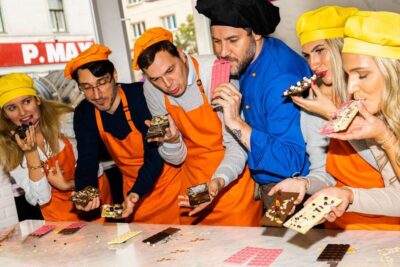
Chocolate Workshop in Chocolate Museum w/ Tasting
Read our review →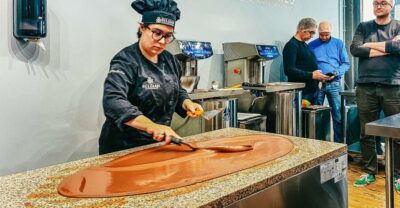
Belgian Chocolate Making Workshop with Tastings
Read our review →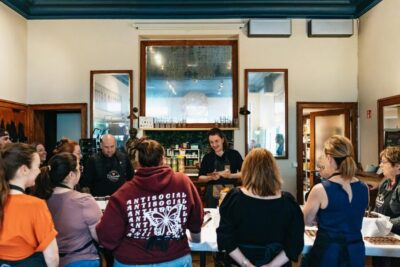
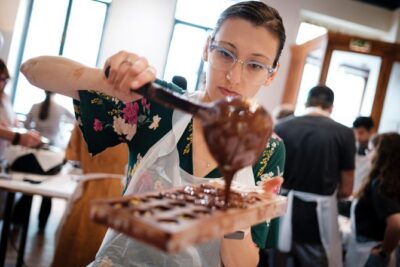
Belgian Praline and Mendiants Chocolate Workshop
Read our review →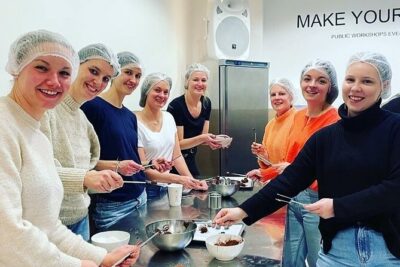
1.5h Belgian Chocolate Workshop in Brussels (bean to bar)
Read our review →
45-minute Chocolate Making Workshop at Choco-Story
Read our review →
Chocolate Bar Making Workshop at York Cocoa Works
Read our review →Browse the lists this tour appears in