
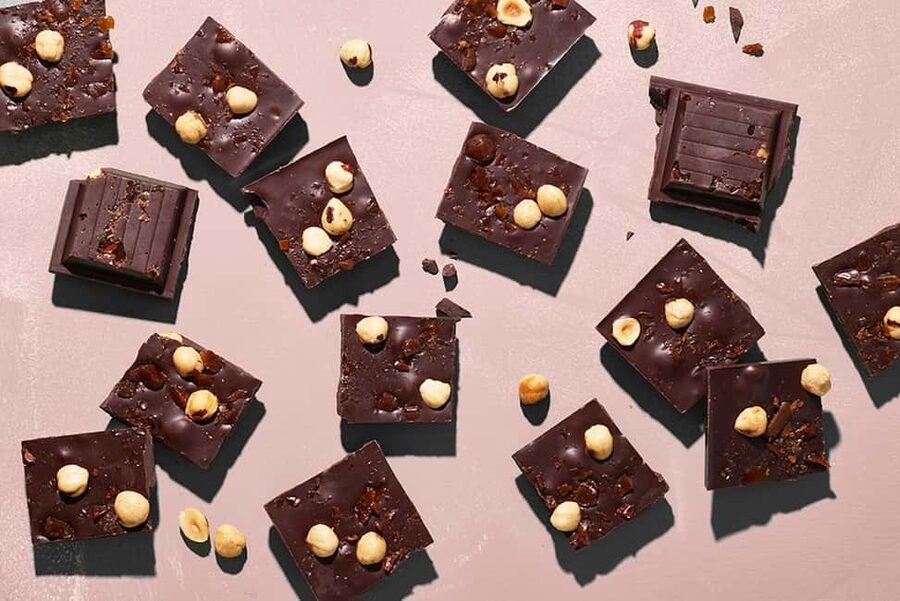
Review · NETHERLANDS
Zaandijk-Near Zaanse Schans Chocolate making demo & tasting
Chocolate is better when you see its beginnings. At Kin & co. chocolate in Zaandijk, a short, hands-on workshop follows cacao beans from roasting through grinding and tempering, with tastes along the way. I like the small semi-mechanized setup, where you can see the work clearly, and the chance to operate the winnowing machine rather than simply watch a polished demonstration.
The session also gives useful local context about cacao production along the Zaan River, then finishes with chocolate to eat. The main consideration is value: at $29 per person, the workshop is not a bargain if you only want a few samples, and one participant felt a similar €25 price was high for the time provided. You are paying for the explanation, the process, and the intimate format.
Key points about this Zaandijk chocolate workshop
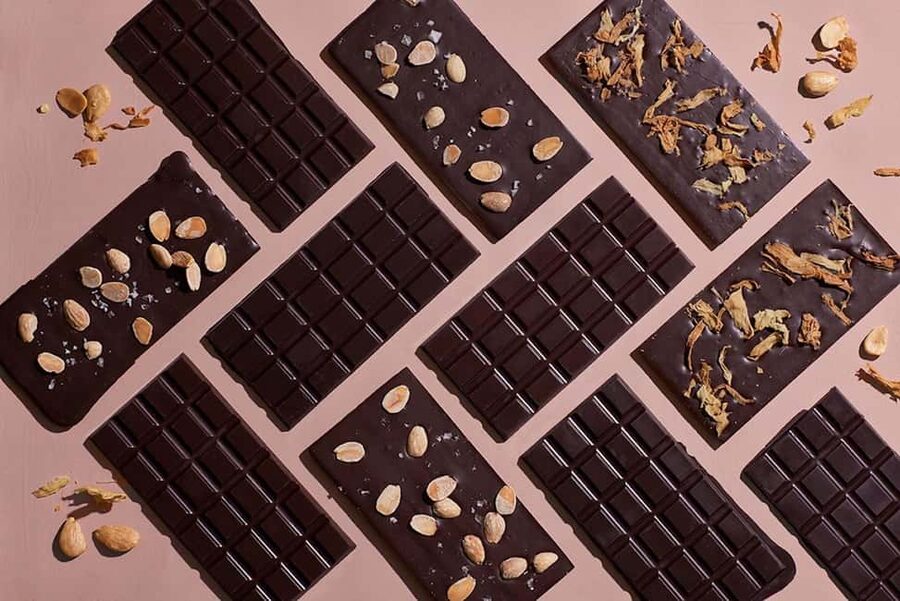
- Bean-to-bar process: Follow cacao from roasting and winnowing to grinding and tempering.
- Hands-on moments: Help operate the winnowing machine and, in some sessions, make your own Dutch truffle.
- Tasting at every stage: Try intermediate products, finished chocolate, bonbons, and possibly cacao fruit juice.
- Strong local connection: Learn how cacao became important along the Zaan River and how the area’s chocolate tradition developed.
- Easy Zaanse Schans pairing: The atelier is in Zaandijk, close to the famous windmill village.
- Friendly multilingual teaching: Sessions are offered in English, Dutch, Portuguese, and Spanish.
Why this small atelier works better than a polished factory tour
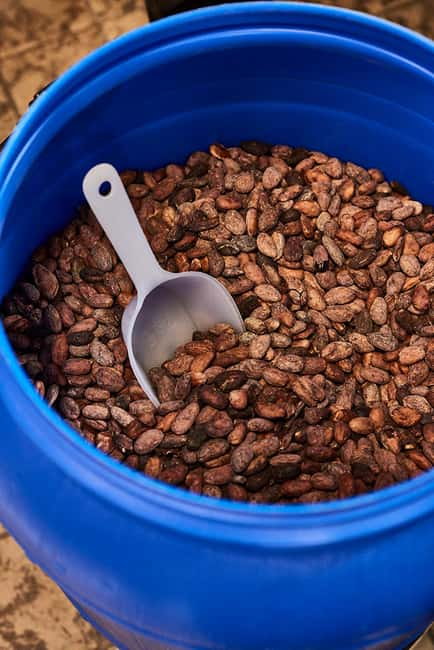
The appeal here is scale. You are not watching chocolate pass through a huge industrial plant behind glass. The workshop takes place in a small production atelier, where the equipment is semi-mechanized and the steps are easy to follow.
That matters because cacao can seem mysterious when you only meet it as a chocolate bar. Here, you can see the beans before they become smooth and sweet. You can smell the roast, handle the process, and taste the changes. The workshop turns a familiar snack into a food lesson you can enjoy with your hands and your appetite.
The setting is in historical Zaandijk, close to Zaanse Schans. That makes this a natural add-on to a day focused on the area’s traditional windmills, wooden buildings, and industrial past. You do not need to give chocolate its own full day. The 45-minute length fits neatly before or after a visit to the open-air attractions nearby.
I also like that the business connects chocolate to the Zaan region instead of presenting the workshop as a generic candy class. The local story gives the tasting more meaning. You learn why cacao matters in this part of North Holland and how the river area became connected with processing and trade.
More Chocolate Making Workshops in the world:
- Vienna: Chocolate Workshop in Chocolate Museum w/ Tasting
★ 4.5 · 1,802 reviews - Brussels: Belgian Chocolate Making Workshop with Tastings
★ 4.7 · 1,629 reviews - Brussels: 2.5-Hour Belgian Chocolate Making Workshop
★ 4.8 · 933 reviews
Finding Kin & co. in Zaandijk
Look for the building with a pitched green roof. The door carries the name Kin & co., and window decals read Chocolade, From Bean to Bar, and cacao, sugar, love & you.
Those details are useful because the meeting point is not described as a large museum entrance or a major visitor center. You will want to match the green roof and chocolate-themed window lettering rather than expect a big tour sign.
The experience provider is Kin & co. chocolate. The workshop is offered in English, Dutch, Portuguese, and Spanish, so you can request the language that works best for your group when checking availability.
The group setup appears to be small enough for questions and close viewing. That is important in a production space. At a larger demonstration, you might see the equipment but miss the texture, smell, or small changes in the cacao. Here, the format is meant to keep the process right in front of you.
Roasting the beans and choosing the flavor
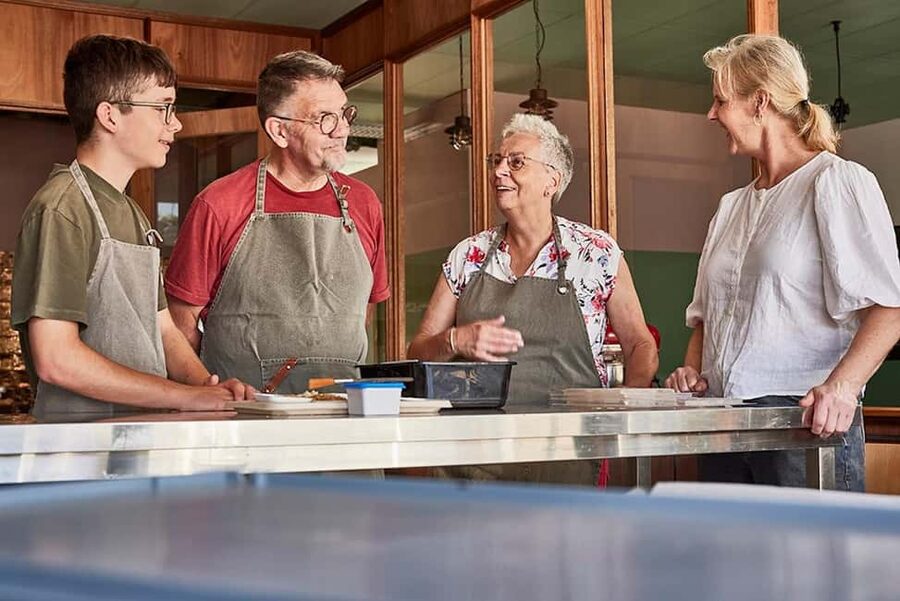
The process begins with unprocessed cacao beans. Roasting is the first major transformation, and it is more than a warm-up for the demonstration. Roast level affects the aroma and flavor of the final chocolate.
You get to consider what degree of roasting seems best. That small choice gives you a practical way to understand that chocolate flavor is not fixed at the farm. The maker shapes it through decisions made in the atelier.
This is also where your senses begin doing the work. You can smell the beans as they roast and compare that early aroma with the chocolate you taste later. If you are visiting with children, this step gives them something concrete to watch and discuss. They can see that chocolate does not begin as a sweet, ready-to-eat product.
The workshop does not present the process as a series of hidden trade secrets. Instead, the simple equipment lets you follow each change. That suits curious beginners who want a clear introduction rather than a technical course.
Winnowing gives you a hands-on role
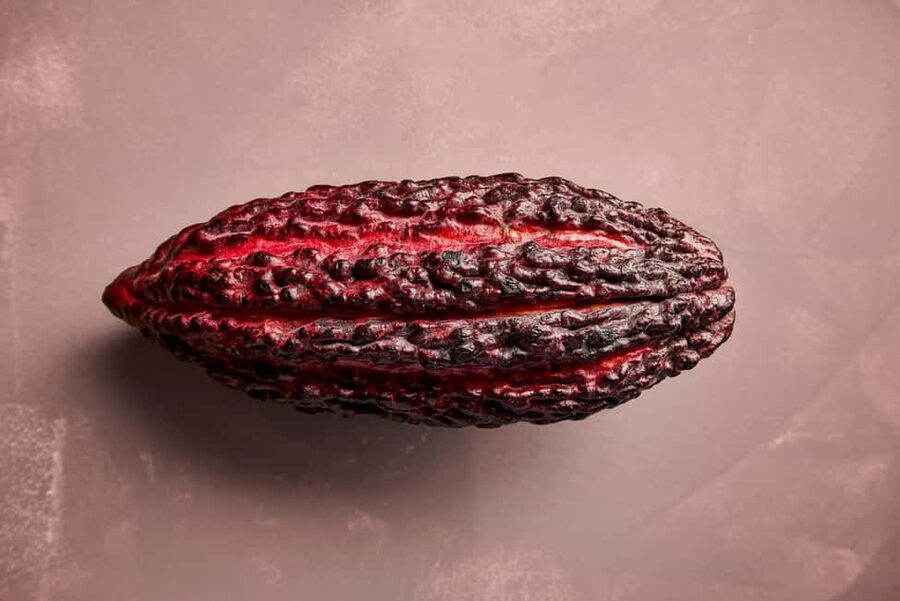
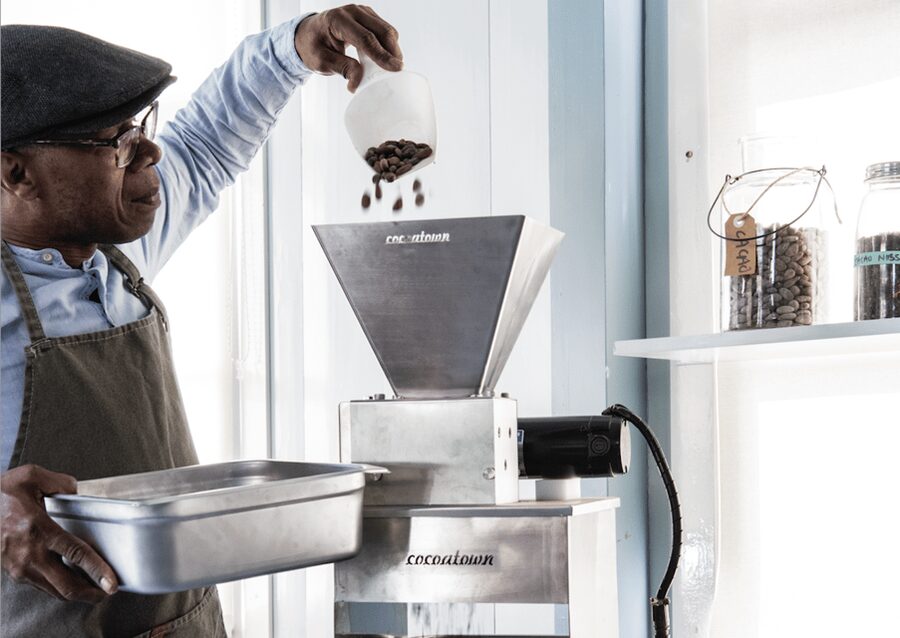
After roasting, the beans need to be separated from their husks. This is where the winnowing machine comes in, and you get the opportunity to operate it.
That is one of the best parts of the session. Many food tours let you taste but keep the machinery off limits. Here, the winnowing step gives you a job and shows why cacao beans need more work before they can become chocolate.
The hands-on role is still short and guided, so you do not need prior experience. You are not expected to produce a finished chocolate bar on your own. Instead, you help with one clear part of the process and see how the cleaned cacao moves on to the next stage.
For me, this is the kind of participation that earns the workshop its price. You are not simply standing in a room while someone recites facts. You are watching a working method and taking part in it.
A few more chocolate tours around the world worth a look
- Lindt Home of Chocolate Museum Entry Ticket
★ 4.7 · 9,329 reviews - Choco-Story Brussels: Chocolate Museum Entrance with Tasting
★ 4.3 · 4,883 reviews - Zurich: City Tour, Cruise, and Lindt Home of Chocolate Visit
★ 4.5 · 4,624 reviews - The Chocolatarium Chocolate Tour Experience in Edinburgh
★ 5.0 · 4,322 reviews
Grinding and tempering explain the texture
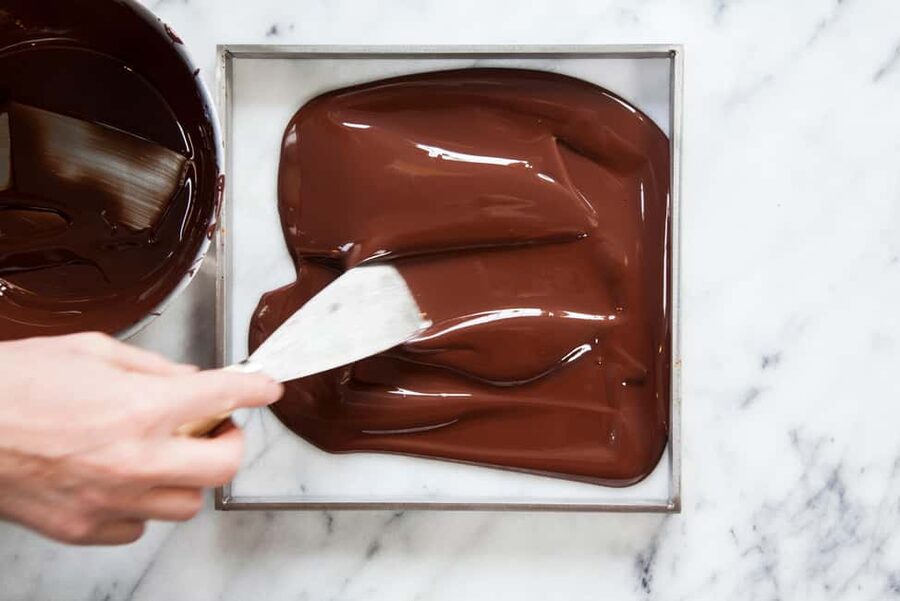
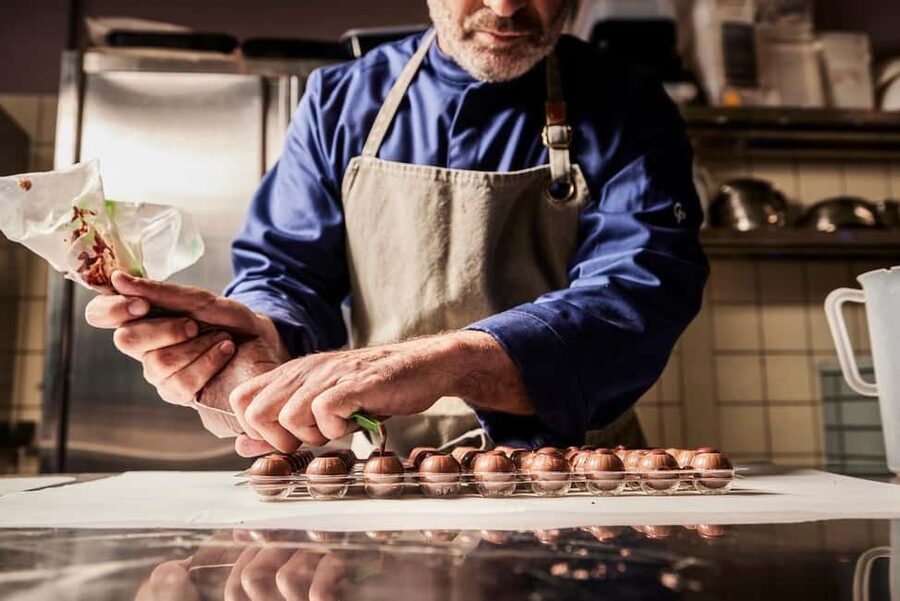
Once the beans are prepared, the demonstration moves through grinding and tempering. These steps help explain why a finished chocolate feels smooth, firm, and pleasant rather than rough or crumbly.
Grinding shows how the cacao changes from pieces into a more workable chocolate mixture. Tempering is the finishing discipline that helps create the texture and appearance people expect from quality chocolate.
You may not leave with the technical skill to temper a batch at home, but you will understand why the process takes patience. The workshop’s semi-mechanized format helps here. The equipment is present, yet the operation is still simple enough to watch without getting lost in factory-scale machinery.
The instructor explains the sequence as it happens. That is useful for anyone who has wondered why chocolate makers cannot just melt cacao and pour it into a mold. Each stage has a job, and the tasting helps connect the explanation to the result.
Tasting cacao before it becomes a bonbon
The tasting is not saved for the final few minutes. You get to try intermediate products as the process develops, then sample finished chocolate and bonbons.
This is where the workshop becomes more than a demonstration. A cacao bean, a processed cacao product, and a finished bonbon are very different experiences. Tasting them in sequence helps you notice the gradual move from earthy and bitter flavors toward the sweetness and smoothness most people associate with chocolate.
One session included juice from the cacao flesh, the fruit surrounding the beans. That is an especially interesting taste because many people know the chocolate but have never considered the fruit that contains the cacao seeds. You may also sample several kinds of chocolate before the final treat.
The amount and exact selection can vary with the session, so do not expect a formal tasting menu with a fixed number of pieces. The point is comparison and discovery. You taste what is being discussed, which keeps the lesson active.
If you are sensitive to strong or bitter flavors, this is worth knowing in advance. The early stages may not taste like a familiar candy bar. That contrast is part of the lesson, not a flaw.
Making a Dutch truffle to finish
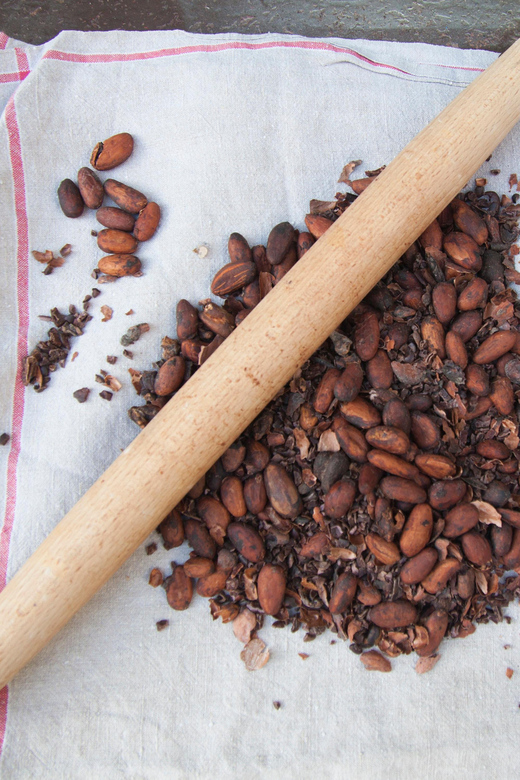
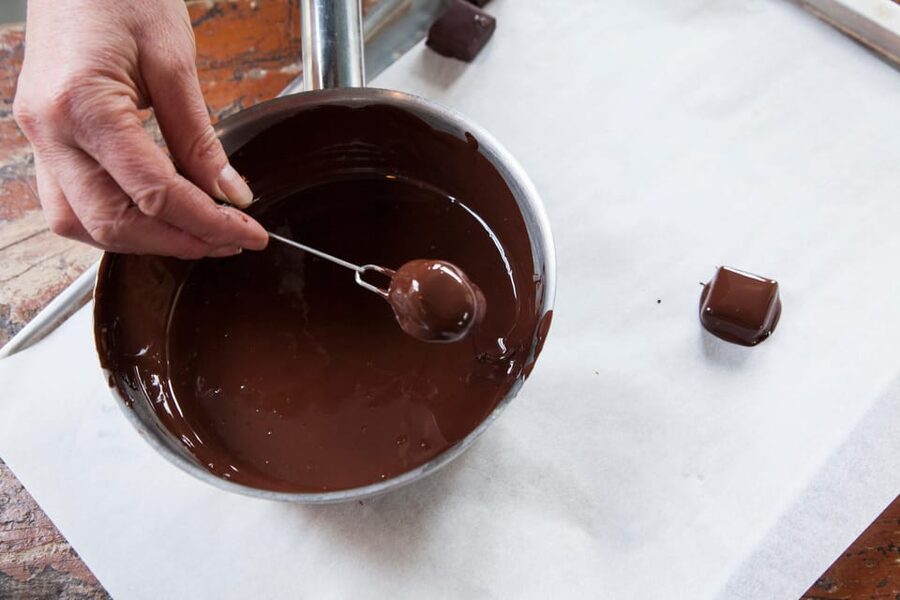
The closing activity can include making your own Dutch truffle. This gives you a small finished product to shape or prepare after watching the larger bean-to-bar process.
It is a good ending because you move from seeing chocolate made to handling it yourself. The truffle is also a more personal souvenir than another sample from a tray. One participant described this final step as a particularly enjoyable way to finish, and another praised the result.
Do not confuse this with a full confectionery class. The main focus remains the cacao process, not a long session on decorating bonbons or producing a box of chocolates. The truffle is a compact activity within a 45-minute workshop.
You can also visit the provider’s shop around the corner afterward for bonbons or chocolate to take home. That makes sense if you want to extend the experience, but purchases are separate from the workshop price.
The Zaan cacao connection adds real context
The Zaan area has a strong connection with food production and industry, and the workshop places cacao within that local story. You hear about the heritage of cacao making along the river and how chocolate fits into the region’s working past.
This context helps distinguish the experience from a chocolate tasting that could happen anywhere. You are learning about a product while standing in the area where cacao processing has mattered for generations.
Kin & co. says its beans come through local cocoa suppliers who work to ensure fair prices for cacao growers. The stated aim is better-quality beans and fuller flavor. You can taste the result rather than treating the claim as an abstract promise.
It is fair to keep expectations measured. A 45-minute session cannot provide a full account of global cacao farming, labor, trade, and chocolate manufacturing. What it can do is introduce the local connection and give you enough background to understand the products in front of you.
Is $29 a fair price for 45 minutes?
The listed price is $29 per person. For a 45-minute activity, that is not the cheapest tasting in the Netherlands.
The value depends on what you want. If you only want to eat chocolate, the price may feel high. One participant considered a €25 price too expensive for what was included, especially when a companion decided not to join at that cost.
If you want a short educational activity with demonstrations, several tastings, a hands-on machine step, local stories, and possibly a handmade truffle, the price is easier to justify. You are paying for a small-group-style experience rather than a quick retail sample.
The workshop also saves planning time because it pairs well with Zaanse Schans. You can place it inside a larger Zaandijk visit instead of arranging a separate trip to a distant chocolate maker.
Families and chocolate fans will likely find the price easier to accept because the activity gives you more than a tasting. Adults who already know a lot about chocolate may want to ask about the exact content before booking. The session is designed as a basic introduction, not an advanced professional course.
How long the visit really takes
The stated duration is 45 minutes. One account described a session lasting about an hour, so allow a little flexibility if the demonstration runs long or questions take time.
That extra time can be a benefit. The workshop is meant to be explained with care, and the small format leaves room for questions. Still, do not schedule another timed activity immediately afterward if you need to arrive at an exact minute.
The compact length is one of the experience’s strongest practical features. You can fit it around a visit to Zaanse Schans, a meal, or other plans in the area. It is long enough to cover the full process but short enough that children and casual chocolate fans are less likely to lose interest.
The best timing depends on your day. Book it before the Zaanse Schans visit if you want the chocolate experience to set the local industrial context. Book it after if you prefer a sweet finish to your time among the windmills.
Who will enjoy this most
I would recommend this workshop to:
- Chocolate lovers who want to understand how cacao becomes a finished product.
- Families looking for a short activity with smells, tastes, and a hands-on step.
- Visitors already planning Zaanse Schans.
- Curious food tourists who prefer small producers to large attractions.
- Groups that appreciate friendly explanations and the chance to ask questions.
- Anyone who wants a beginner-level introduction in English, Dutch, Portuguese, or Spanish.
It is less suitable if you want a long, advanced course or a large quantity of chocolate to take home. The experience centers on explanation and tasting. The shop nearby may offer extra chocolate, but that is an additional purchase.
The session also may not suit anyone expecting a completely passive visit. You will be close to the production process, and bare feet are not allowed. Alcohol and drugs are also prohibited.
My verdict on the Kin & co. experience
This is a friendly, focused way to add chocolate to a Zaanse Schans day. I like the clear bean-to-bar sequence, the direct tasting of intermediate products, and the chance to operate the winnowing machine. The local Zaan connection gives the workshop a sense of place, while the small atelier keeps the explanation personal.
The price requires a little thought. At $29, it is best viewed as a short workshop with tastings, not as a cheap snack stop. If you care about how food is made, enjoy asking questions, and want a truffle-making finish, I think it offers fair value. If you only want a handful of chocolates, buy from the shop instead.
Book it if you want a practical introduction to cacao that fits neatly into a North Holland sightseeing day. Skip it if your schedule is tight, your interest in chocolate is only about eating it, or the price feels too high for 45 minutes. For most curious visitors, the combination of process, tasting, and local storytelling makes this a worthwhile small stop.
FAQ
Where does the chocolate workshop take place?
It takes place at the Kin & co. chocolate atelier in Zaandijk, North Holland, close to Zaanse Schans.
How do I identify the meeting point?
Look for a pitched green roof, Kin & co. on the door, and window decals reading Chocolade, From Bean to Bar, and cacao, sugar, love & you.
How long does the experience last?
The stated duration is 45 minutes. One session was reported to last about an hour, so allow some extra time if you have another timed activity afterward.
What languages are available?
The workshop is offered in English, Dutch, Portuguese, and Spanish.
What does the chocolate-making demonstration include?
You see roasting, winnowing, grinding, and tempering. You can also taste intermediate and finished products during the process.
Can I take part in the workshop?
Yes. You can operate the winnowing machine, and sessions can include making your own Dutch truffle.
Can I combine this with a visit to Zaanse Schans?
Yes. The atelier is close to Zaanse Schans, making the workshop easy to add before or after a visit there.
What is the cancellation policy?
You can cancel up to 24 hours in advance for a full refund. You can also reserve now and pay later, subject to availability and booking conditions.
Just added around the world
- Lindt Chocolate Museum with Cruise Transfer from Zurich★ 4.6 · 7 reviews
- Zagreb: Lake Bled and Ljubljana Day Tour with Chocolate Gift★ 5.0 · 26 reviews
- Zurich: Chocolate Tasting and Walking Tour with a Local★ 4.2 · 13 reviews
- Zurich Open-top Tour and Chocolate and Cheese Countryside★ 3.5 · 11 reviews
- Wine and Chocolate experience★ 4.6 · 3 reviews
- York: Introduction to Chocolate Making Experience★ 4.9 · 10 reviews
- Private Wine and Chocolate Tasting Experience★ 4.4 · 3 reviews
- Wine and Chocolate Bike Tour: ride, taste, lunch, vineyards.★ 4.1 · 10 reviews
Chocolate Making Workshops, compared.
Chocolate Workshop in Chocolate Museum w/ Tasting
Read our review →
Belgian Chocolate Making Workshop with Tastings
Read our review →
Belgian Praline and Mendiants Chocolate Workshop
Read our review →
1.5h Belgian Chocolate Workshop in Brussels (bean to bar)
Read our review →
45-minute Chocolate Making Workshop at Choco-Story
Read our review →
Chocolate Bar Making Workshop at York Cocoa Works
Read our review →Browse the lists this tour appears in