
Review · SPAIN
Bean to Bar Chocolate Workshop in Barcelona
Chocolate is better when you make it. At Kina Chocolates in Barcelona, this two-hour bean-to-bar workshop takes you from cacao pod to finished chocolate, with roasting, peeling, grinding, tasting, and a bar you prepare yourself. I especially like the hands-on work and the clear look at cacao farmers and production. I also like that the small group is limited to eight people, so you can ask questions without shouting across a classroom.
The main consideration is that this is partly a lesson and tasting, not a free-form confectionery class. You will make your own bar, but much of the workshop focuses on demonstrations, discussion, samples, and cocoa drinks. At $47 per person, it is good value for chocolate lovers, families with teenagers, and curious food-minded visitors, but less useful if you only want to decorate sweets.
Key points
- Roast, peel, and grind real cacao beans before turning them into cocoa paste.
- Taste chocolate from different regions and learn how origin affects flavor.
- Prepare cocoa-based drinks while exploring ancient and modern chocolate traditions.
- Make one chocolate bar to take home, with the workshop providing the materials and tools.
- Learn in a group of no more than eight, with instruction in Spanish or English.
- Meet enthusiastic instructors, including Oscar, Renée, and Franklin, who bring plenty of personality to the class.
Starting with the cacao pod at Kina Chocolates
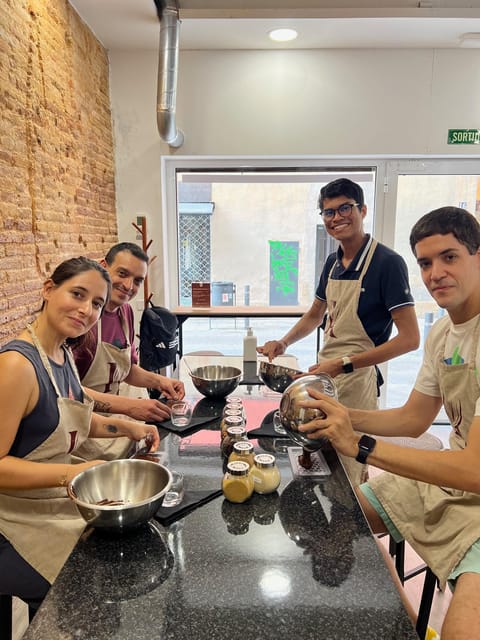
The workshop takes place at Local Kina Chocolates, a small artisan chocolate shop in Barcelona. That setting matters. You are not sitting in a large tourist classroom with a polished script and little connection to the product. The shop itself is part of the lesson, and you can see how a local chocolate business treats cacao as a serious ingredient rather than just a source of sugar.
The session begins with cacao cultivation. You will examine a cacao pod and learn what happens in the fields before beans ever reach a chocolate maker. The explanation covers cultivation, fermentation, geography, and the work involved in producing usable cacao.
This opening gives the rest of the workshop a useful purpose. Chocolate can seem simple when it comes wrapped in foil. The pod, bean, shell, and nibs show you how much work comes before the familiar bar. You also hear about local cacao-producing communities and the bean-to-bar movement, including the importance of fair treatment for farmers.
That social and agricultural context is one of the best parts of the experience. You are not only learning a recipe. You are learning why origin, processing, and buying practices affect the final product and the people who produce it.
More Bean-to-Bar Chocolate Tours in Barcelona:
- 1.5h Belgian Chocolate Workshop in Brussels (bean to bar)
★ 4.5 · 462 reviews - Bean to Bar Chocolate Workshop in Puerto Vallarta
★ 5.0 · 381 reviews - Project Chocolat Bean to Bar Experience from Hotel Chocolat
★ 4.5 · 107 reviews
Roasting and peeling the beans yourself
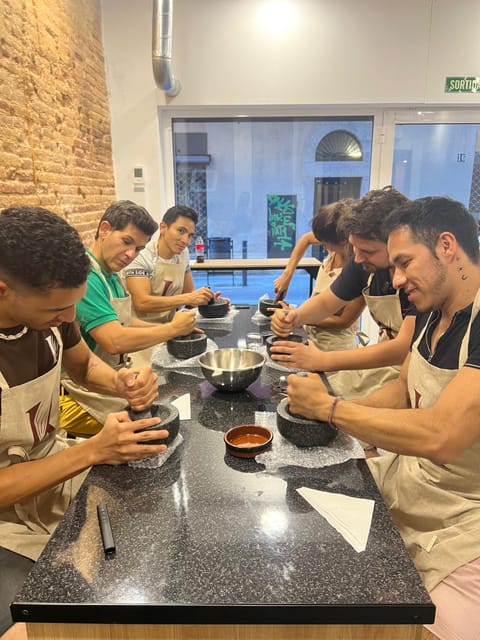
The most memorable practical section begins with roasting cacao beans. You get to handle the beans, work through the stages, and see how heat changes their smell and flavor. This is the kind of task that makes the process stick in your mind because you are not simply watching someone else do it.
After roasting, you peel the beans. The shells come away to reveal the cacao nibs inside. You will also learn about cocoa bean shells and the different ways cacao can be used beyond a standard chocolate bar. One participant enjoyed cocoa bean shell tea and other cacao products enough to buy some afterward, although purchases are not required during the class.
Next comes grinding. You turn the nibs into a cocoa paste, giving you a direct sense of the transformation from agricultural product to chocolate ingredient. This part is hands-on, but it is worth setting expectations correctly: the workshop guides you through the key stages rather than asking you to independently produce a finished commercial bar from start to finish.
That balance works well for a two-hour session. You get real contact with the beans without spending the entire afternoon on technical production. If you want a professional chocolatier course with tempering theory, recipe development, and extended practice, this is not that. If you want to understand the basic route from bean to bar and physically take part, it fits nicely.
Tasting chocolate by origin and texture
Tasting is woven through the class rather than saved for a final plate. You may sample chocolate made from beans grown in different climates and compare how the origin affects the flavor. The workshop also introduces different parts and byproducts of the cacao bean, helping you notice that cocoa is not one single taste.
This is where the class can change how you eat chocolate. You begin to pay attention to bitterness, sweetness, texture, roast character, and other flavor differences. The point is not to pretend every visitor needs to become a professional taster. The point is to give you a vocabulary for understanding why one chocolate tastes earthy or sharp while another tastes mild or fruity.
The tasting also supports the workshop’s message about quality. Good chocolate does not need to be buried under excessive sugar or artificial flavoring. The emphasis here is on the cacao itself, with only enough added sweetness to make the character of the beans clear.
I like that the tasting is paired with explanation. You are not handed samples and left to guess what makes them different. Oscar, Renée, and Franklin are praised for making the subject easy to follow, answering questions, and keeping the tone friendly rather than formal.
Cocoa drinks and the older traditions of chocolate
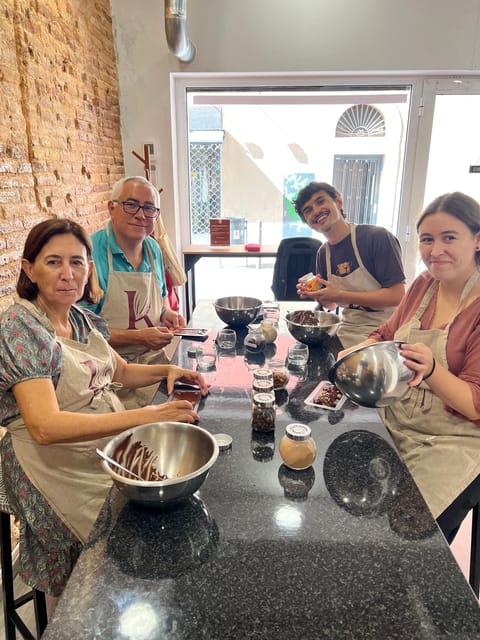
Chocolate has not always meant a solid candy bar. During the class, you prepare several cocoa-based drinks and learn about the ways cacao was consumed in ancient times as well as today.
These drinks broaden the session beyond modern confectionery. You see cacao as a plant with several uses, not just an ingredient in milk chocolate. Tasting the drinks also gives you a chance to notice flavors that can be missed when cacao is combined with a large amount of sugar.
The historical section helps place the workshop in a wider context. You learn how chocolate developed from earlier cacao traditions into the products sold today. The explanations are designed to be engaging rather than academic, and several instructors are singled out for their storytelling and enthusiasm.
For children and teenagers, this variety keeps the class moving. For adults, it adds depth to what could otherwise be a simple make-and-take activity. The workshop gives you something to taste, something to handle, and something to think about at nearly every stage.
More Chocolate Making Workshops in Barcelona:
- Vienna: Chocolate Workshop in Chocolate Museum w/ Tasting
★ 4.5 · 1,802 reviews - Brussels: Belgian Chocolate Making Workshop with Tastings
★ 4.7 · 1,629 reviews - Brussels: 2.5-Hour Belgian Chocolate Making Workshop
★ 4.8 · 933 reviews - Belgian Chocolate Workshop in Bruges
★ 5.0 · 660 reviews
Making your own chocolate bar
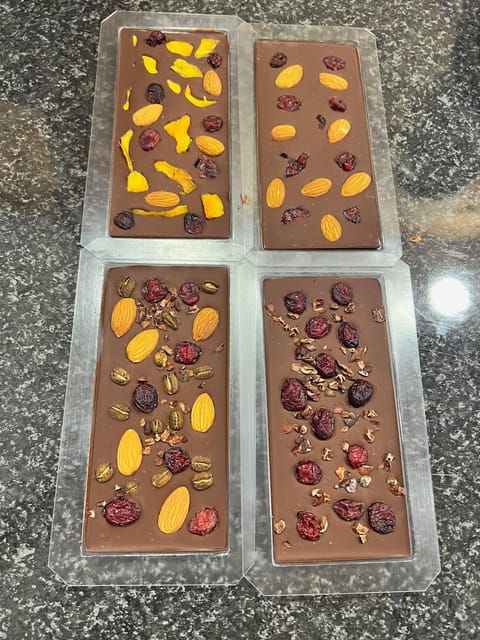
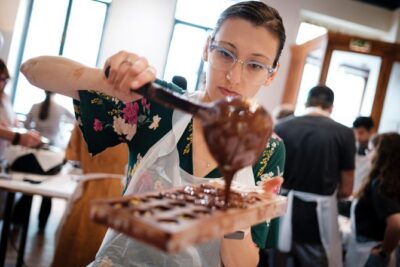
The class ends with the part most people anticipate: creating a chocolate bar to take home. You work with the chocolate and shape your own finished piece, using the skills and ingredients introduced earlier.
The bar is a modest but meaningful souvenir. It is not a factory-perfect product, and that is part of its charm. You know what went into it and can connect it to the beans you roasted, peeled, and ground.
Bring some care to the trip afterward. Barcelona can be hot, and one participant found that the heat affected their homemade bar. If you are visiting during warm weather, ask how best to carry or store it before leaving the shop. The product is both a snack and a small food lesson, so it would be a shame to let the Mediterranean sun turn it into a pocket-sized puddle.
The workshop also includes an apron and hat, all necessary utensils and materials, a personalized completion certificate, and a written summary of the session. The summary is useful if you want to remember the process later, especially the sequence from pod to bean, nib, paste, and bar.
What the two-hour format feels like
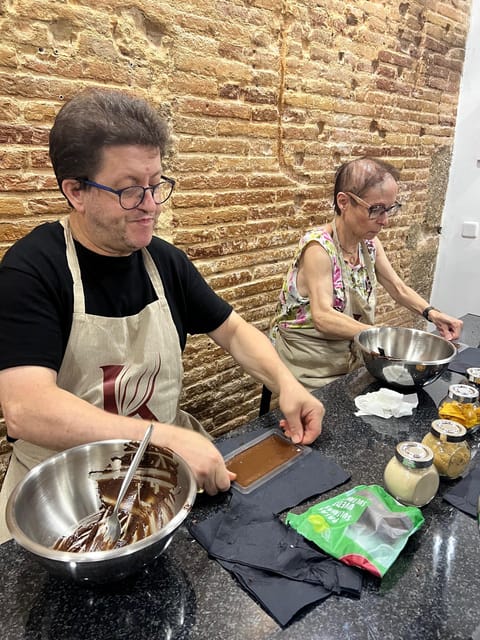
Two hours is enough time to cover the process without making the class feel like a full-day course. The workshop moves through instruction, physical tasks, tastings, drinks, and chocolate making. That variety is why teenagers tend to cope well with it, and why several families found it a strong indoor activity.
The format is especially useful on a rainy day in Barcelona. You get a warm, food-centered activity that does not depend on good weather, long walks, or a particular view. It also gives you a break from major sights without feeling like a filler appointment.
The group limit of eight is a real advantage. You can see the demonstrations clearly, handle the materials, and ask questions. It also lets the instructor adjust the pace and respond to different levels of interest. Oscar is praised for his playful style, and Renée for her warmth and clear explanations. That personality matters in a small workshop, where a dull instructor would make two hours feel much longer.
Some content may be presented in its original language, but instruction is offered in Spanish and English. If you have a specific language concern, check the available session before booking.
Who will enjoy this Barcelona workshop
This experience suits adults and teenagers who like food, practical activities, and the story behind what they eat. It is a strong choice for couples, families with older children, and small groups of friends looking for something different from standard sightseeing.
It also works for people who do not consider themselves chocolate experts. You do not need prior knowledge or technical skill. The process is explained step by step, and the atmosphere appears designed to welcome questions.
Families should use the age guidance with care. The experience is listed for adults and teenagers, while individual families have brought children around ten and older, with positive results. Younger children may enjoy the tasting and the hands-on portions, but the amount of explanation could be a stretch for some. Ask before booking if your group includes small children.
Chocolate enthusiasts will get the most from the origin tasting, cocoa drinks, and bean-to-bar discussion. If you are mainly looking for elaborate decoration, praline filling, or a large box of finished sweets, choose a different type of class.
Price, accessibility, and practical value
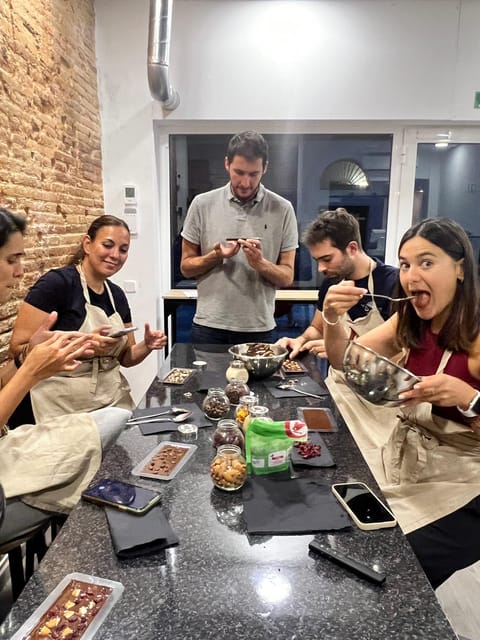
At $47 per person, the price covers two hours of instruction, tastings, cocoa drinks, all materials, protective clothing, your own chocolate bar, a certificate, and a workshop summary. That is a fair package, especially because the session is capped at eight people.
The value also comes from what you learn about the supply chain. A basic tasting might give you a few samples and a pleasant hour. This workshop adds the agricultural story, the physical work of processing beans, and a clearer understanding of how small chocolate producers operate.
The experience is wheelchair accessible. You should tell the provider about allergies or food intolerances in advance so the workshop can be adapted. That is important in a session involving cacao, drinks, and tasting samples.
You can cancel up to 24 hours before the activity for a full refund, and a reserve-now, pay-later option is available. Starting times vary, so check availability when choosing a date.
After the class, Kina Chocolates also gives you the chance to browse its premade chocolate and other cacao products. Buying something is optional, but it can be a good way to support the shop and continue the tasting at your accommodation.
The instructors make the difference
The strongest praise for this workshop centers on the people leading it. Oscar is repeatedly described as passionate, funny, attentive, and deeply interested in every stage of production. Renée is praised for her warmth, enthusiasm, and ability to explain the process clearly. Franklin is noted for his engaging style and willingness to answer questions.
That consistency is worth noting. A bean-to-bar class can become dry if it focuses only on temperatures, equipment, and production terms. Here, the instructors use stories, tastings, questions, and occasional humor to keep the subject approachable.
You should still expect a structured workshop rather than a private lesson. The group may include people with different interests, from serious chocolate fans to families trying an unusual activity. The small size helps, but the session cannot be tailored completely to one person.
The instructors also avoid making the workshop feel like a sales pitch. You may want to buy a bar, shell tea, or another cacao product afterward, but the class itself focuses on learning and making.
Should you book the Bean to Bar Chocolate Workshop?
Book it if you want a compact, friendly Barcelona activity with real hands-on work and a clear sense of place. The combination of cacao cultivation, processing, tastings, drinks, and your own finished bar gives the $47 price solid value.
I would especially recommend it for families with teenagers, couples, curious eaters, and anyone looking for a good rainy-day plan. The small group and enthusiastic instructors add a personal touch, while the wheelchair accessibility and allergy accommodations make planning easier.
Skip it if you want a long, advanced chocolatier course or a class focused mostly on decoration. Much of the session is instruction and tasting, and you make one bar rather than producing a large collection of sweets.
For most chocolate lovers, though, the balance is right. You leave with a bar, a certificate, new tasting skills, and a better understanding of the work hidden inside an ordinary piece of chocolate.
FAQ
Where does the Bean to Bar Chocolate Workshop take place?
It takes place at Local Kina Chocolates in Barcelona, Catalonia, Spain.
How long does the workshop last?
The workshop lasts two hours.
How much does the experience cost?
The listed price is $47 per person.
What languages are available?
The workshop is offered in Spanish and English. Some content may be shown in its original language.
How many people are in the group?
The group is limited to eight participants.
Will I make chocolate during the workshop?
Yes. You will roast, peel, and grind cacao beans, make cocoa paste, and prepare one chocolate bar to take home.
What else will I do besides make a chocolate bar?
You will learn about cacao cultivation, chocolate production, and the history of chocolate. You will also taste chocolate from different origins and prepare cocoa-based drinks.
Are materials and equipment included?
Yes. The necessary materials and utensils are included, along with an apron and hat.
Is the workshop suitable for teenagers?
Yes. The activity is designed for adults and teenagers. Families have also brought children around ten and older.
Can the workshop accommodate allergies or intolerances?
Yes, but you should inform the provider about allergies or intolerances in advance so the workshop can be adapted.
Is the activity wheelchair accessible?
Yes, the workshop is wheelchair accessible.
Can I cancel my booking?
You can cancel up to 24 hours in advance for a full refund. A reserve-now, pay-later option is also available.
Just added around Barcelona
- Gaudi’s Casa Batlló and La Pedrera with Chocolate Tasting★ 5.0 · 5 reviews
- Visit with tasting of Vicens nougat and Jolonch chocolates★ 5.0 · 4 reviews
- Delicious Chocolate Tour Barcelona★ 5.0 · 37 reviews
- Exclusive Champagne & Chocolate Getaway – with excellent lunch★ 5.0 · 24 reviews
- Barcelona: Delicious Chocolate walking tour★ 5.0 · 2 reviews
- Barcelona: Casa Batlló, La Pedrera, & Chocolate Tasting Tour★ 5.0 · 6 reviews
- Barcelona: Experience the Best Churros with Hot Chocolate★ 4.6 · 47 reviews
- Barcelona: Churros, Hot Chocolate, and Games Family Tour★ 4.8 · 66 reviews
Chocolate Making Workshops, compared.
Chocolate Workshop in Chocolate Museum w/ Tasting
Read our review →
Belgian Chocolate Making Workshop with Tastings
Read our review →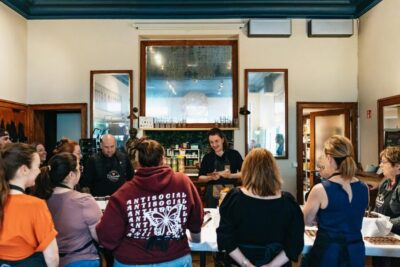
Belgian Praline and Mendiants Chocolate Workshop
Read our review →
1.5h Belgian Chocolate Workshop in Brussels (bean to bar)
Read our review →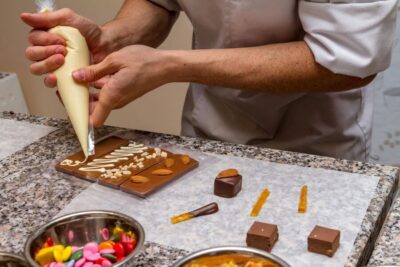
45-minute Chocolate Making Workshop at Choco-Story
Read our review →
Chocolate Bar Making Workshop at York Cocoa Works
Read our review →Browse the lists this tour appears in