
Review · ST LUCIA
Project Chocolat Bean to Bar Experience from Hotel Chocolat
Chocolate tastes better when you make it. Hotel Chocolat’s Bean to Bar Experience gives you a quick, hands-on look at St Lucia’s cacao traditions, from fresh cacao pulp to a finished chocolate bar. I like the tasting of local Rabot Estate chocolate, and I like that you leave with something you made yourself. The main drawback is that the actual chocolate-making portion can feel short, with some waiting around before or after the hands-on work.
At about one hour, this fits neatly into a busy St Lucia day. Guides such as Nathan, Marina, and John have earned praise for their humor, warmth, and clear explanations. Still, you should arrive early and allow extra time if you want lunch, shopping, or a longer look around Project Chocolat.
Key points to know before you go
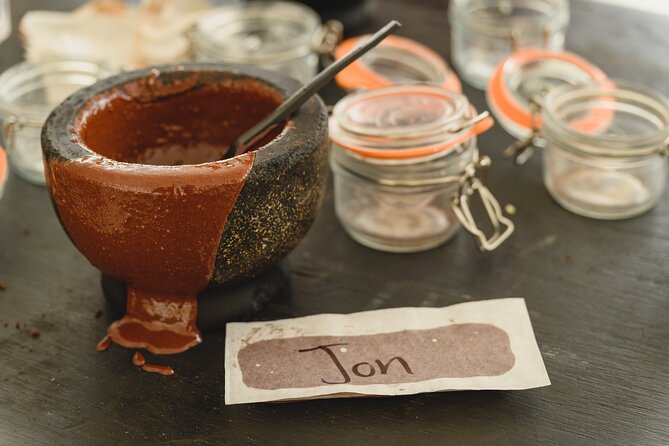
- Taste fresh cacao pulp: You get to try the soft fruit surrounding the cacao beans, a detail many people never encounter.
- Make your own bar: The hands-on session involves real effort, including plenty of stirring to reach the right texture.
- Learn St Lucia’s chocolate story: The experience covers chocolate history and the stages that turn cacao beans into a finished treat.
- Plan for a short class: The full visit lasts about an hour, but the active chocolate-making section may take closer to 20 minutes.
- Bring transport plans: Project Chocolat is at Malgretoute, and transportation from your hotel or port is not included.
- Save room for more: Lunch, drinks, chocolate, soaps, lotions, candles, and other goods can be bought on site.
A short class with a distinctly St Lucian ingredient
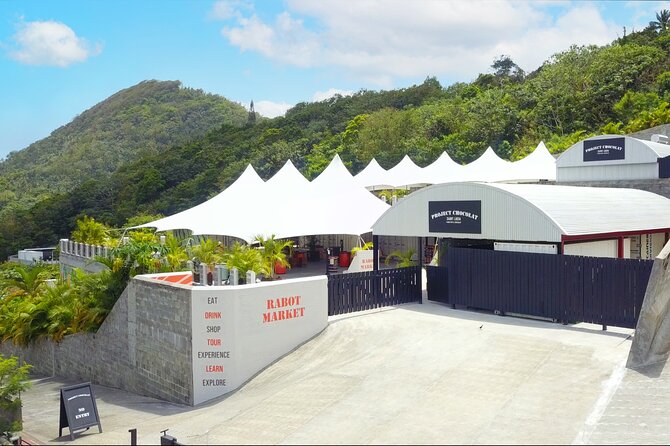
Project Chocolat’s Bean to Bar Experience is not a full plantation tour. It is a compact introduction to cacao and chocolate, built around tasting, explanation, and making one bar to take home.
The setting is Project Chocolat from Hotel Chocolat in Malgretoute, St Lucia. You meet at the site and return there when the activity ends. Since transport is not included, you need to arrange your own taxi, rental car, or other ride from your destination.
I see the one-hour format as both its strength and its limit. It is easy to fit between other plans, especially if you are staying in St Lucia for only a short time. At the same time, you should not expect a long farm visit or a detailed factory tour. The separate Tree to Bar tour is not included.
The experience works best as a focused introduction. You learn enough to look at a chocolate bar differently, but you do not spend a full morning tracing every stage of cacao production.
More Bean-to-Bar Chocolate Tours in the world:
- 1.5h Belgian Chocolate Workshop in Brussels (bean to bar)
★ 4.5 · 462 reviews - Bean to Bar Chocolate Workshop in Puerto Vallarta
★ 5.0 · 381 reviews - Bean to Bar Chocolate Workshop in Barcelona
★ 5.0 · 172 reviews
Starting with cacao pulp, not a candy wrapper
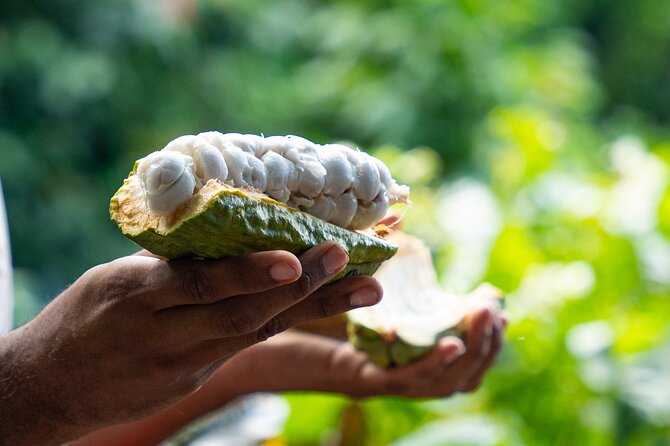
One of the most interesting parts comes right at the source. You taste cacao pulp from a freshly cut pod, the white fruit that surrounds the beans inside the cacao fruit.
This is useful because most people know cacao only after it has been roasted, ground, sweetened, and shaped. Fresh pulp gives you a very different reference point. It helps explain that cacao begins as a fruit, not as the dark, firm bar in a shop.
You also taste Rabot Estate chocolate, a product associated with St Lucia. The tasting adds local character to the class and gives you a chance to compare the finished chocolate with the raw ingredients discussed during the session.
The tasting element is especially good for families and groups of friends. It keeps the lesson active instead of turning the hour into a talk. Children under eight are not permitted, but older children can take part, and the activity has been described as easy to enjoy across age groups.
From roasted beans to your own chocolate bar
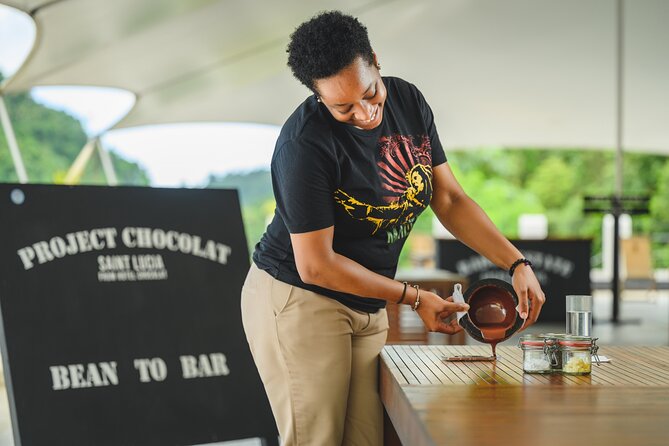
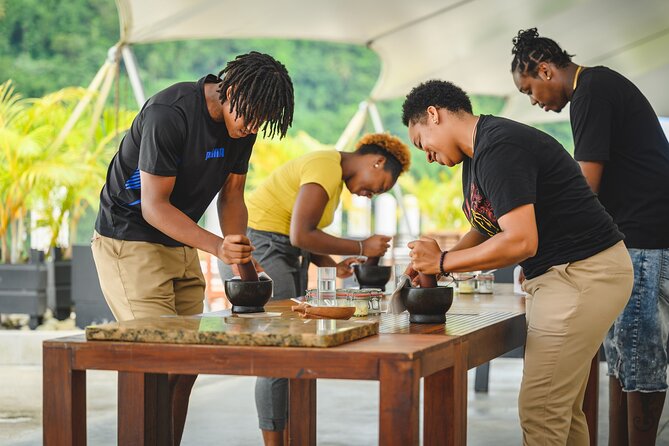
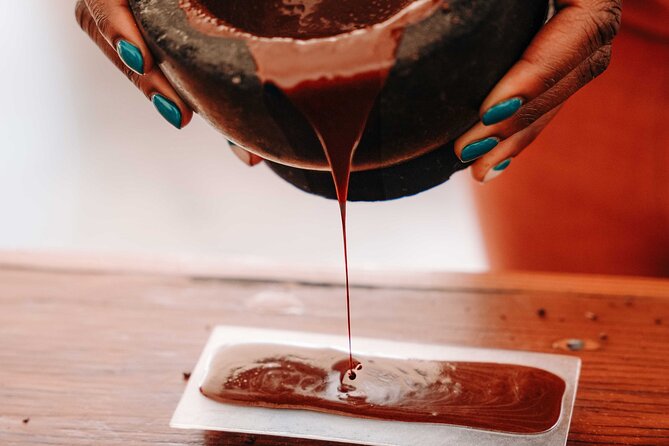
The central activity is making your own chocolate bar. You learn what happens after cacao beans have been harvested and roasted, then work with the chocolate mixture yourself.
This is not just a quick pour into a mold. You need to stir and work the mixture until it reaches the right consistency. That gives the activity a little physical effort, and you may find that your arm gets more exercise than expected. The work is simple enough for beginners, but it is not entirely hands-off.
That practical step is where the class earns much of its value. You can read about roasting and grinding, but working the chocolate shows you how much care goes into getting the texture right. It also makes the finished bar feel less like a free sample and more like a souvenir you produced.
Once finished, your bar is yours to take home. Pack it carefully, especially in warm weather. One useful tip from the experience is to refrigerate it once you get home if it has started to soften. A chocolate bar made in the Caribbean sun does not always survive a long, warm journey without help.
Guides who keep the lesson lively
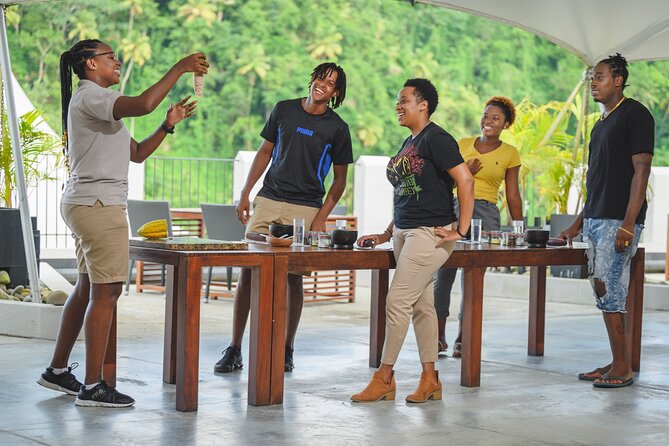
The guide can make a big difference in a short experience. Nathan has been praised for being funny, friendly, and easy to talk with. Marina is known for making the history and chocolate-making process clear while keeping the mood light. John has also received strong praise for his guidance during the walking portions and for answering questions directly.
The common thread is energy. The best guides do not simply list stages of production. They explain why each stage matters, connect the process to St Lucia, and make room for questions.
That matters because an hour can feel either full or thin. A good guide keeps the group moving from tasting to explanation to chocolate making. If the session is poorly timed, you may spend too long waiting for the next part.
A maximum of 50 people is listed for the activity. That is a fairly large possible group for a hands-on class, though the actual size can vary. During quieter periods, the class may be much smaller. One couple attending during an off-peak period described having what felt like a private lesson, which is a major bonus if the timing works in your favor.
A few more chocolate tours around the world worth a look
- Lindt Home of Chocolate Museum Entry Ticket
★ 4.7 · 9,329 reviews - Choco-Story Brussels: Chocolate Museum Entrance with Tasting
★ 4.3 · 4,883 reviews - Zurich: City Tour, Cruise, and Lindt Home of Chocolate Visit
★ 4.5 · 4,624 reviews - The Chocolatarium Chocolate Tour Experience in Edinburgh
★ 5.0 · 4,322 reviews
What the hour really includes
The advertised duration is approximately one hour. A typical visit includes several pieces:
- An introduction to cacao and chocolate history
- A look at the stages from cacao fruit to roasted beans
- A taste of fresh cacao pulp
- A tasting of Rabot Estate chocolate
- Instruction on turning roasted cacao into chocolate
- Hands-on preparation of your own bar
The actual active chocolate-making can take around 20 minutes, according to one detailed account. The remaining time may include explanations, tasting, preparation, waiting, or browsing around the Project Chocolat site.
This is the main point to understand before paying. If you want 60 straight minutes of hands-on work, you may feel the class is light. If you see it as a short educational stop with one practical activity, the timing makes more sense.
Some people would like to see more of the cacao plant, including how ripe pods look and how they are picked. Staff members may be able to show you a pod or explain more if you ask, but a full plantation or processing visit is not part of this experience. For that, you would need to consider the separate Tree to Bar option.
The setting, food, and extras at Project Chocolat
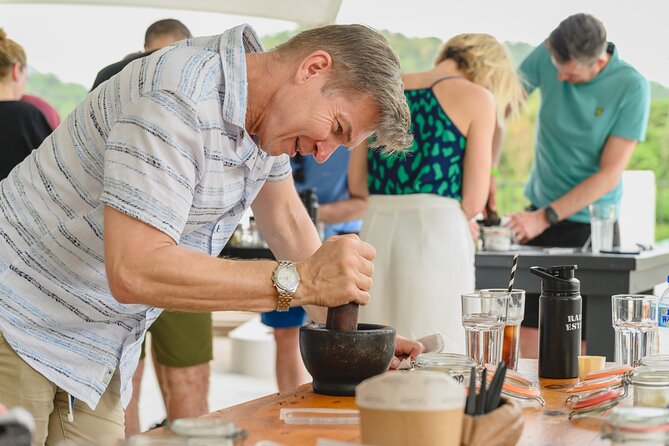
The experience takes place at Project Chocolat, which has grounds, shops, food options, and areas under large tents. The covered setup can be useful in rainy weather. One visit during heavy rain still worked well because the group could remain under cover.
You can purchase lunch on arrival, but it is not included in the Bean to Bar price. Food at the site has received both praise and criticism. Some people enjoyed the meals and described the food as a major part of the visit. Others found the restaurant expensive and the food too basic for the price.
I would treat lunch as an optional extra, not part of the value calculation for the class. If you want to eat there, allow time and check the menu before ordering. The Bean to Bar session itself is the product you are paying for.
The shop gives you another reason to linger. You might find additional chocolate, drinks, soaps, lotions, candles, and other gifts. The selection can turn the visit into a broader stop, though some chocolate bars have been considered expensive. A 70-gram bar priced around $10 was specifically questioned, so compare prices before filling your bag.
Is the $69 price fair?
The cost is $69 per person. That is not a cheap chocolate tasting, so the value depends on what you want from the hour.
The price makes better sense if you value three things: a local ingredient, a guided lesson, and a handmade souvenir. You are not simply eating chocolate. You taste fresh cacao pulp, learn about the work behind the finished product, and make a bar that is yours to take home.
The price feels less attractive if your main goal is a long tour of the estate or a detailed look at commercial chocolate production. Those elements are limited here, and the Tree to Bar tour is separate.
For couples, the activity has a pleasant shared rhythm. You can compare your bars, taste together, and make a small memory without committing to a half-day outing. It also suits families with children aged eight and above, provided everyone is comfortable with a short lesson and some manual work.
For serious food enthusiasts, the value will depend on your expectations. The raw cacao tasting and local chocolate focus are worthwhile, but the class does not appear to cover every technical stage in great detail.
Group size, timing, and practical planning
Arrive with good time. Late arrival can mean missing the introduction, and one poorly timed visit resulted in people being added after the class had already begun. That is especially inconvenient here because the opening explanation covers cacao pods, seeds, and the first stages of production.
The class ends back at the meeting point, at Project Chocolat on an unnamed road in Malgretoute. Transportation from your hotel, cruise port, or other starting point is not included. Build transport time into your plan, rather than treating the one-hour class as the full length of your outing.
The activity is listed as requiring good weather. If poor weather causes cancellation, you are offered another date or a full refund. It also requires a minimum number of participants, so a cancellation is possible if that number is not met.
The site includes steps to some facilities, including toilets down several steps. If that matters to you, ask about the setup before booking. The available information does not provide a full accessibility description.
A mobile ticket is accepted, and confirmation arrives at booking. Free cancellation is available until 24 hours before the start time. Within 24 hours, refunds and changes are not accepted.
Who will enjoy this most?
I would recommend the experience to:
- Couples seeking a short activity with a souvenir
- Families with children aged eight or older
- Cruise passengers or day visitors with limited time
- People interested in local food production
- Chocolate fans who want to work with cacao rather than just buy it
- Anyone looking for an indoor or covered option during changeable weather
I would be more cautious if you want a long plantation visit, a serious production tour, or a full day of activities. You may find the hour too brief, especially if the chocolate-making section is your only reason for going.
It is also worth separating the class from the wider Project Chocolat visit. The grounds, restaurant, and shops can add interest, but they cost extra time and money. Do not assume they are included in the $69 price.
My verdict on the Bean to Bar Experience
I like this experience because it turns a familiar food into something you can understand through taste and touch. Fresh cacao pulp, Rabot Estate chocolate, and the effort of stirring your own mixture give the lesson a local, practical feel.
The strongest part is the combination of friendly guides and hands-on work. Nathan, Marina, and John have each been praised for making the class fun and clear. The weakest part is the uneven pacing. The chocolate-making itself may last only about 20 minutes, and waiting can make the one-hour visit feel shorter than expected.
Book it if you want a compact St Lucia activity and would enjoy taking home a bar you made yourself. Skip it if you expect a full cacao plantation tour or a detailed look at industrial production. For the best value, arrive early, arrange transport carefully, ask questions about the cacao plant, and allow extra time for the grounds, shop, or an optional meal.
FAQ
How long does the Bean to Bar Experience last?
The experience lasts approximately one hour. The hands-on chocolate-making portion may take around 20 minutes, with the rest of the time used for tasting, explanations, preparation, and other parts of the visit.
What is included in the $69 price?
Chocolate making is included. You also taste cacao pulp and Rabot Estate chocolate as part of the experience.
Is lunch included?
No. Lunch is not included, but it can be purchased when you arrive at Project Chocolat.
Is transportation included?
No. Transportation from your hotel, port, or other destination is not included. The meeting point is Project Chocolat in Malgretoute, St Lucia.
Are children allowed to participate?
Children under eight years old are not permitted. The experience is suitable for children aged eight and older.
Can I cancel for a refund?
Yes. You can cancel at least 24 hours before the start time for a full refund. Cancellations or changes made less than 24 hours before the start time are not refunded or accepted.
Just added around the world
- Lindt Chocolate Museum with Cruise Transfer from Zurich★ 4.6 · 7 reviews
- Zagreb: Lake Bled and Ljubljana Day Tour with Chocolate Gift★ 5.0 · 26 reviews
- Zurich: Chocolate Tasting and Walking Tour with a Local★ 4.2 · 13 reviews
- Zurich Open-top Tour and Chocolate and Cheese Countryside★ 3.5 · 11 reviews
- Zaandijk-Near Zaanse Schans Chocolate making demo & tasting★ 4.8 · 13 reviews
- Wine and Chocolate experience★ 4.6 · 3 reviews
- York: Introduction to Chocolate Making Experience★ 4.9 · 10 reviews
- Private Wine and Chocolate Tasting Experience★ 4.4 · 3 reviews
Bean-to-Bar Chocolate Tours, compared.
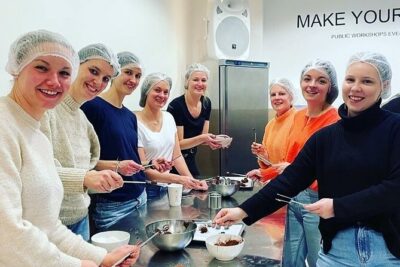
1.5h Belgian Chocolate Workshop in Brussels (bean to bar)
Read our review →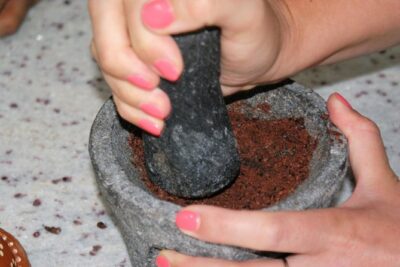
Bean to Bar Chocolate Workshop in Puerto Vallarta
Read our review →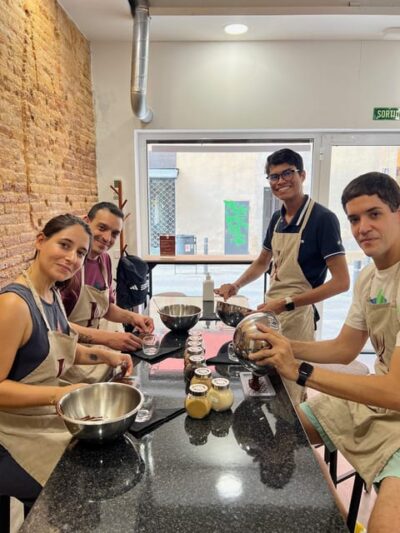
Puerto Viejo hands on chocolate making class. From bean to bar, get chocolatey!
Read our review →
Chocolatier for a day: raw bean to bar chocolate in Modica
Read our review →
KAICAO bean to bar and design your chocolate experience
Read our review →Browse the lists this tour appears in