
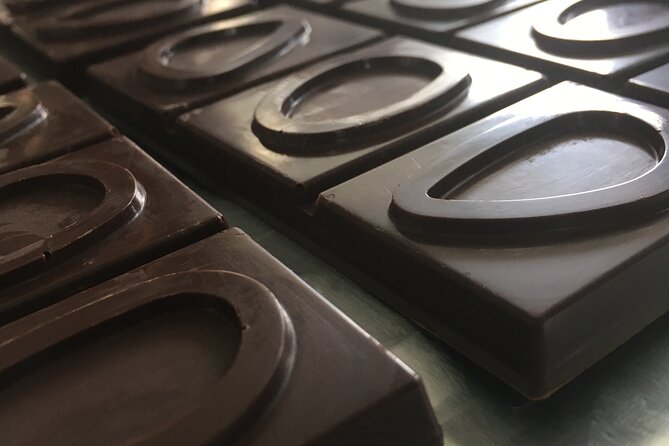
Review · JAMAICA
Make your own Bean to Bar Chocolate Factory Tour
Chocolate has a past worth tasting. This 90-minute Falmouth experience links Jamaican cocoa farming, island history, and hands-on chocolate making in a way a basic sweets class cannot. I especially like the family connection to cocoa and the chance to work with real pods, roasted beans, nibs, and finished chocolate. I also like that you leave with custom inclusion bars rather than only a few samples.
The main consideration is the dark chocolate focus. Everything is vegan, and the flavor may surprise anyone used to sweet milk chocolate. The 9:00 am start also makes timing important, especially if you are visiting Falmouth by cruise ship and need to account for local time.
Key points at a glance
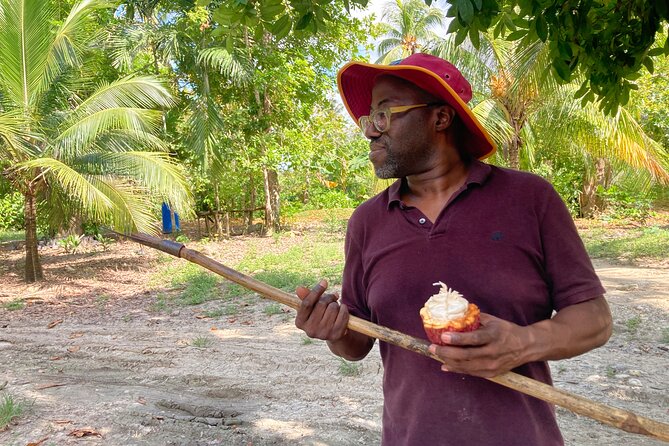
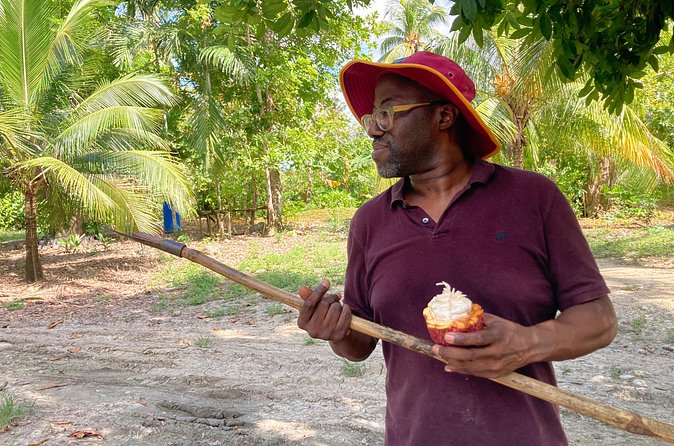
- Family cocoa roots: Your host, Nick, comes from a Jamaican family that has grown cocoa in the Falmouth area for generations.
- From pod to bar: You handle the full story of chocolate, including cocoa fruit, fermentation, roasting, nib processing, tempering, and molding.
- A former BBC correspondent leads the session: Nick explains how he moved from journalism into chocolate making, adding a personal layer to the food story.
- Traditional Jamaican spice with a twist: You make a local-style spiced chocolate before creating your own custom inclusion bars.
- A useful home technique: Tempering is demonstrated with a bowl, spatula, and hair dryer, so the lesson does not end when you leave Jamaica.
- Small group setting: The experience accepts no more than 12 people, which suits a hands-on class better than a large factory presentation.
Falmouth cocoa with a family story
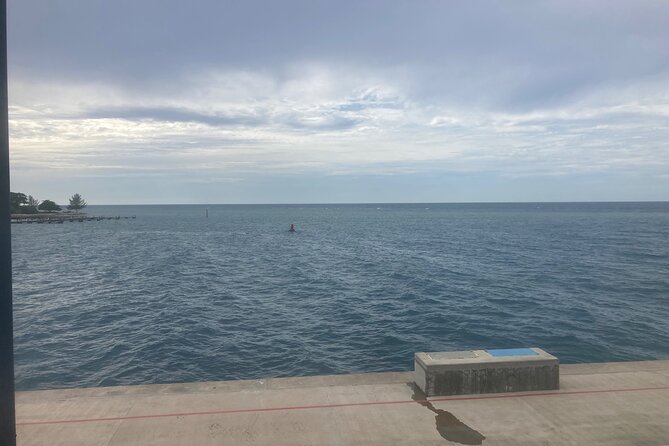
The experience begins at 23 Harbour Lane in historic Port of Falmouth, beside the Caribbean Sea. This setting matters because the class is not presented as an isolated cooking lesson. It places chocolate inside Jamaica’s own story, from early Indigenous use to present-day cocoa making.
Nick’s family has grown cocoa in the area for generations. That gives the opening talk a direct connection to the place rather than a generic explanation of chocolate production. He also shares a short history of Jamaica and explains how chocolate was used by the island’s earliest Taíno people.
I like this approach because cocoa becomes more than an ingredient. You learn why food changes as it passes through different hands, farms, cultures, and markets. The subject is still chocolate, but the class also gives you a way to understand Jamaica through something you can taste.
Nick’s own career adds another unusual strand. Before becoming a chocolate maker, he worked as a BBC correspondent. That background helps explain why the session begins with context and storytelling before moving into the practical work. If you enjoy food experiences that answer the question of how a dish or ingredient came to be, this introduction should suit you.
More Bean-to-Bar Chocolate Tours in the world:
- 1.5h Belgian Chocolate Workshop in Brussels (bean to bar)
★ 4.5 · 462 reviews - Bean to Bar Chocolate Workshop in Puerto Vallarta
★ 5.0 · 381 reviews - Bean to Bar Chocolate Workshop in Barcelona
★ 5.0 · 172 reviews
Opening a cocoa pod and following the bean
The most useful part of the class is its attention to the stages people usually skip. You are introduced to cocoa pods up close and look inside the fruit. That physical connection helps explain that chocolate does not begin as a neat brown square in a wrapper.
You then learn how cocoa beans are fermented on the farm. Fermentation is a key part of the process, and seeing where it fits makes the later roasting and grinding steps easier to understand. The beans become nibs through processing, and those nibs are part of the route toward finished chocolate.
The session does not promise a full plantation visit, so you should not book it expecting a long farm walk. Its strength is the compact explanation of the food chain, with the raw fruit and processing stages brought into the room. For a short port activity, that is a sensible use of time.
Roasting cocoa in industrial machines
The class includes roasting cocoa in large industrial machines. This is where the experience shifts from history lesson to working chocolate factory. You see and take part in a stage that changes the beans’ flavor and prepares them for later use.
That industrial equipment also gives you a better sense of scale. The finished bar may look simple, but the process behind it involves careful heat, timing, and treatment of the beans. The machinery makes the work feel like genuine production rather than a demonstration built only for tourists.
Still, the tour lasts about an hour and a half, so each stage receives an introduction rather than a long technical study. You will not come away as a professional chocolatier. You will come away knowing what happens between the cocoa pod and the chocolate mixture in your bowl.
Jamaican spiced chocolate, made by hand
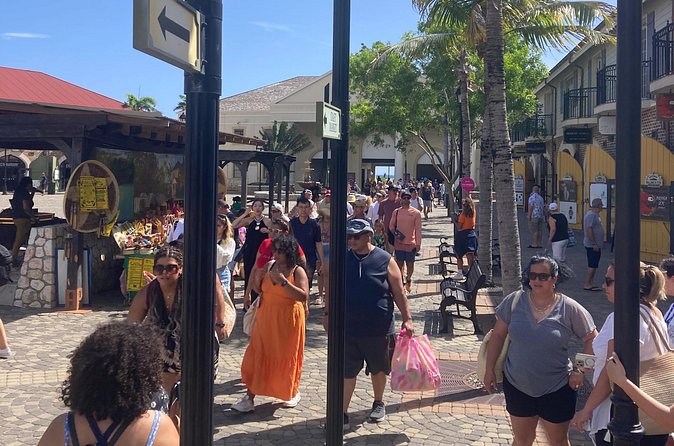
After the introduction to cocoa and the factory process, you get to know the people in your group before making traditional Jamaican spiced chocolate with a twist. This is the most social part of the experience, and it gives the class a clear local flavor.
The spiced chocolate is important because it connects the finished sweet back to Jamaican cooking. Instead of treating the island as a backdrop, the recipe becomes part of the lesson. You are not only melting chocolate and adding random decorations. You are working with a style tied to the place.
The all-vegan format keeps the ingredients focused on dark chocolate. That will appeal to people who prefer a less milky, more cocoa-forward taste. If you usually choose milk chocolate, prepare for a sharper flavor and a less sugary finish. The description compares the taste to Christmas, which suggests a warming, spiced character rather than a plain dark bar.
More Chocolate Making Workshops in the world:
- Vienna: Chocolate Workshop in Chocolate Museum w/ Tasting
★ 4.5 · 1,802 reviews - Brussels: Belgian Chocolate Making Workshop with Tastings
★ 4.7 · 1,629 reviews - Brussels: 2.5-Hour Belgian Chocolate Making Workshop
★ 4.8 · 933 reviews - Belgian Chocolate Workshop in Bruges
★ 5.0 · 660 reviews
Tempering with a bowl and hair dryer
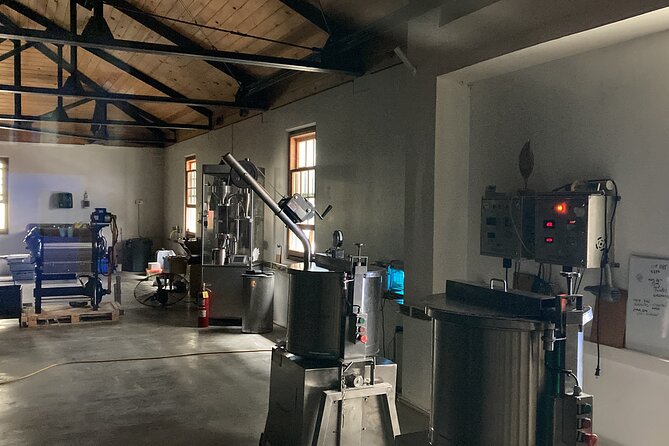
One of the cleverest details is the home tempering demonstration. Nick shows how to temper chocolate at a kitchen table using a bowl, a spatula, and a hair dryer.
You do not need a large factory setup to understand the basic idea. The lesson turns a process that can seem professional and mysterious into something you might try at home. That is practical value, especially because many chocolate classes end with a finished product but offer little help for repeating the work later.
The hair dryer method is also a memorable detail. It makes the session feel inventive rather than overly formal. You should still follow the instructions carefully, since chocolate responds to heat and handling, but the point is clear: basic chocolate work does not require a room full of specialist machines.
This section also helps you judge the class honestly. It is not just a tasting stop. You are shown a technique, given a reason for it, and offered a way to continue experimenting after the tour.
Designing your own inclusion bars
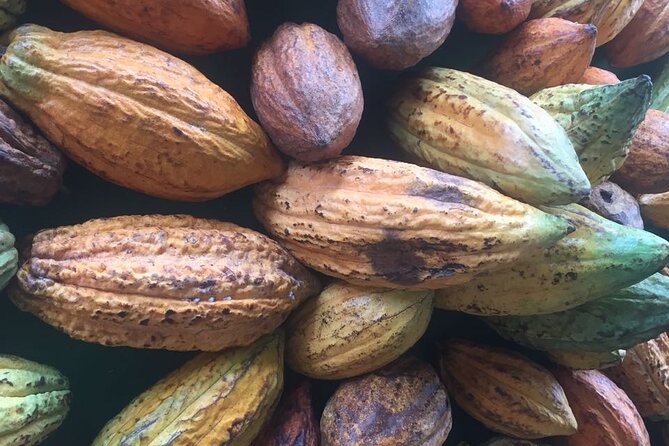
The final practical stage is creating custom inclusion chocolate bars. You choose what goes into your bars, then wait for the finished pieces to be unveiled.
The term inclusion refers to ingredients placed within the chocolate, so this is your chance to create something personal rather than simply follow a fixed recipe. The supplied details do not specify the exact choices available, so you should not arrive expecting a particular list of fruits, spices, nuts, or other additions.
What is clear is that the bars are bespoke to your session. That makes the experience feel more complete than a tasting alone. You have handled the raw materials, watched cocoa being roasted, learned about tempering, made spiced chocolate, and then produced a take-home result linked to your own choices.
The custom bars also provide a useful souvenir. Instead of buying a standard packaged product, you leave with chocolate that represents the activity itself. That matters if you want a food memory with a story attached to it.
Why the small group size matters
The maximum group size is 12 people. That is a good limit for a class involving ingredients, equipment, and personal chocolate bars.
A smaller group should make it easier to see the cocoa pods, follow the roasting stage, ask questions, and take part in the practical work. It also gives the session a more personal feel than a large factory tour where you might spend most of the time standing behind other people.
Do not read the small capacity as a guarantee of private attention throughout every minute. Twelve people is still a group, and the experience follows a set schedule. But the number is reasonable for an activity where everyone is meant to handle chocolate and create a custom result.
The experience has an average booking lead time of 64 days. That is useful planning information. If your Jamaica dates are fixed, especially around a cruise visit, reserving well ahead is sensible.
Location and timing in Port of Falmouth
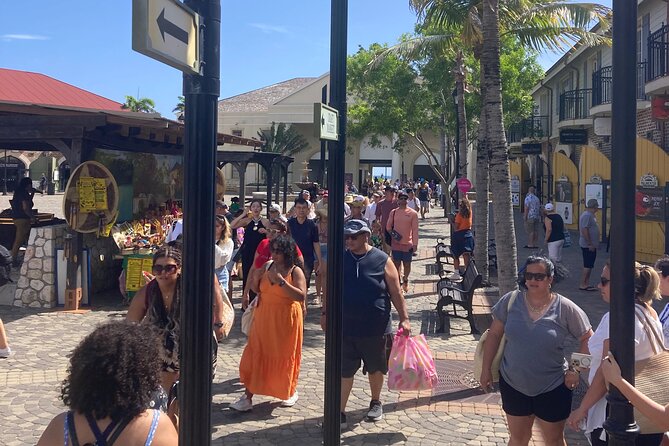
The meeting point is 23 Harbour Lane, Falmouth, Jamaica, and the activity ends back there. It is near public transportation, which gives you a practical option beyond arranging a private vehicle.
The location sits in historic Port of Falmouth on the edge of the Caribbean Sea. The experience is normally accessible only to cruise ship passengers, so it is particularly suited to a port day when you want an activity close to the ship area rather than a long trip inland.
The start time is 9:00 am. Pay close attention to local time if you are arriving by ship. One couple arrived an hour early because they were using ship time instead of island time, and Nick accommodated them. That is a kind response, but you should still check the correct time before setting out rather than rely on flexibility.
Because the tour ends where it begins, you do not need to arrange a second pickup point. The listed duration is approximately one hour and 30 minutes. That leaves some room in a port-day schedule, but you should allow extra time for finding Harbour Lane and returning to your ship or next activity.
Is the $75 price good value?
At $75 per person, this is not the cheapest way to spend an hour and a half in Jamaica. The value depends on what you want from the outing.
If you only want to taste chocolate, the price may feel high. You are paying for a compact food lesson, hands-on participation, local storytelling, factory equipment, a spice-making activity, a tempering demonstration, and custom bars. The personal connection to a cocoa-growing family adds something that a standard candy shop stop would not provide.
I see the price as easier to justify if you enjoy food history, small-group workshops, or souvenirs you make yourself. It is also a strong fit for people who have already seen the usual port attractions and want a focused activity in Falmouth.
The value is less clear if you dislike dark chocolate, prefer a passive tour, or want a full farm visit. The experience centers on the chocolate-making process in and around the factory, not on a long countryside excursion. It is also short, so you should not expect a full-day cultural program for the price.
Who should book this experience?
I would recommend it most strongly to:
- People who enjoy learning how food is made
- Couples looking for a distinctive Falmouth activity
- Families with older children who can follow a hands-on class
- Dark chocolate fans and vegan visitors
- Cruise passengers who want an activity near Port of Falmouth
- Anyone interested in Jamaica’s cocoa traditions and food culture
It may be a weaker match for someone who wants a beach day, a large sightseeing tour, or a long farm visit. Milk chocolate fans can still enjoy the process, but the all-vegan, dark chocolate format is a real part of the experience, not a minor detail.
The three published ratings for this activity are all five out of five. The praise centers on its unusual format, educational value, Jamaican cocoa history, and Nick’s engaging presentation. Those strengths fit the structure of the experience: it gives you a story, a process, and something you make with your own hands.
Booking and cancellation details
A mobile ticket is provided, and confirmation arrives when you book. Free cancellation is available if you cancel at least 24 hours before the 9:00 am start time.
Changes or cancellations made inside that 24-hour window are not accepted for a refund. The cut-off follows local time, so check the time zone carefully if you are arranging the activity from a cruise schedule.
Should you book the Falmouth Chocolate Factory tour?
Book it if you want more than a quick tasting. The best parts are the cocoa pod demonstration, the family connection to Jamaican farming, the industrial roasting, and the practical tempering trick you can try at home.
I would skip it only if you strongly prefer milk chocolate, need a much longer tour, or want to spend your Falmouth stop outdoors. For everyone else, $75 buys a focused, personal food experience with a clear sense of place and a useful souvenir at the end.
FAQ
Where does the chocolate experience start?
It starts at 23 Harbour Lane in Falmouth, Jamaica.
Where does the activity end?
The activity ends back at the meeting point.
What time does the tour begin?
The scheduled start time is 9:00 am.
How long does the experience last?
It lasts approximately one hour and 30 minutes.
How much does the experience cost?
The listed price is $75 per person.
Is the experience vegan?
Yes. The chocolate-making experience is entirely vegan and focuses on dark chocolate.
How many people can join?
The maximum group size is 12 people.
Is the tour near public transportation?
Yes. The meeting point is near public transportation.
Will I receive a mobile ticket?
Yes. The experience includes a mobile ticket, and booking confirmation is provided at the time of booking.
Can I cancel for a full refund?
Yes, if you cancel at least 24 hours before the experience start time. Cancellations made less than 24 hours in advance are not refunded.
More Chocolate Factory Tours in the world
- Lindt Home of Chocolate Museum Entry Ticket
★ 4.7 · 9,329 reviews - Zurich: City Tour, Cruise, and Lindt Home of Chocolate Visit
★ 4.5 · 4,624 reviews - Zurich Sights: Cruise, Lindt Chocolate and optional FIFA Ticket
★ 4.0 · 1,028 reviews - Full-Day Tour: Concord Waterfall, Chocolate Factory, Rum Distillery, Grand Etang
★ 5.0 · 871 reviews
Just added around the world
- Lindt Chocolate Museum with Cruise Transfer from Zurich★ 4.6 · 7 reviews
- Zagreb: Lake Bled and Ljubljana Day Tour with Chocolate Gift★ 5.0 · 26 reviews
- Zurich: Chocolate Tasting and Walking Tour with a Local★ 4.2 · 13 reviews
- Zurich Open-top Tour and Chocolate and Cheese Countryside★ 3.5 · 11 reviews
- Wine and Chocolate experience★ 4.6 · 3 reviews
- York: Introduction to Chocolate Making Experience★ 4.9 · 10 reviews
- Zaandijk-Near Zaanse Schans Chocolate making demo & tasting★ 4.8 · 13 reviews
- Private Wine and Chocolate Tasting Experience★ 4.4 · 3 reviews
Chocolate Making Workshops, compared.
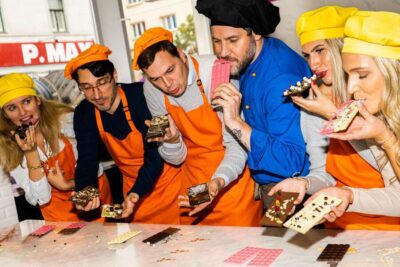
Chocolate Workshop in Chocolate Museum w/ Tasting
Read our review →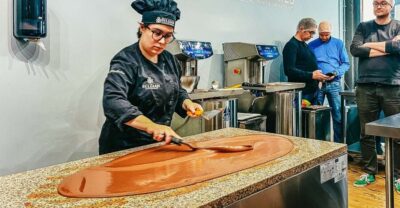
Belgian Chocolate Making Workshop with Tastings
Read our review →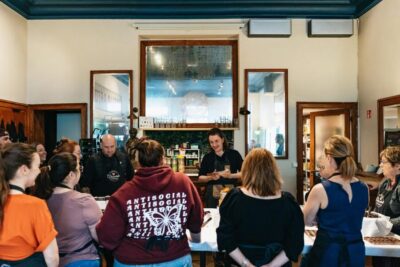
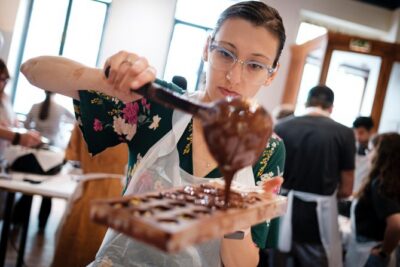
Belgian Praline and Mendiants Chocolate Workshop
Read our review →
1.5h Belgian Chocolate Workshop in Brussels (bean to bar)
Read our review →
45-minute Chocolate Making Workshop at Choco-Story
Read our review →
Chocolate Bar Making Workshop at York Cocoa Works
Read our review →Browse the lists this tour appears in