
Review · MEXICO
Make Oaxacan-style take-home chocolate
Chocolate gets better when you make it yourself. This small Oaxaca City workshop links cacao’s past with hands-on cooking, letting you prepare 150 grams of take-home chocolate while learning how Oaxacan flavors shaped the treat we know today. I like the personal scale, with no more than six people, and I like that Tomás brings family stories and local feeling to the lesson. The main thing to consider is that this is a focused two-and-a-half-hour class, not a broad food tour around Oaxaca.
I especially like the chance to taste locally grown cacao and prepare chocolate from start to finish. The coffee, tea, snacks, equipment, and take-home sweets make the $60.95 price easier to justify, although visitors looking for a full meal or a market visit will find the activity more limited.
Key points at a glance
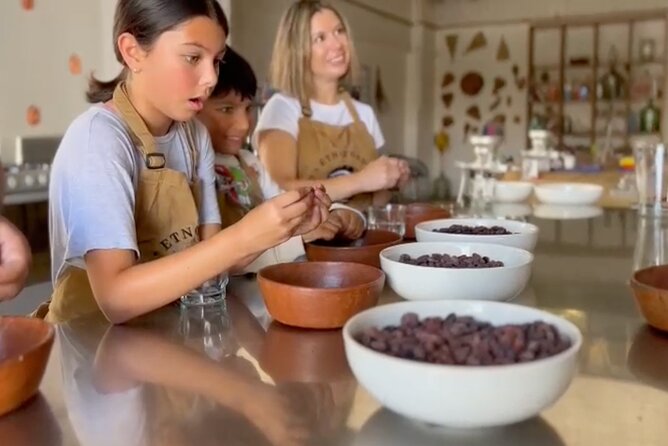
- Make 150 grams of your own chocolate: You design the chocolate and take the finished batch home.
- Learn with Tomás: His personal story, including his grandmother’s influence, adds a human touch to the lesson.
- Taste Oaxacan cacao and hot chocolate: The class includes tastings, snacks, and a prepared Oaxacan hot chocolate.
- Small group of up to six people: This gives you more room to ask questions and use the equipment.
- English-language instruction: The activity is offered in English and includes a mobile ticket.
- Central Oaxaca meeting point: You begin and end at TeoLabXicoténcatl 609 in Centro.
Starting at TeoLabXicoténcatl 609 in Centro
The class begins at TeoLabXicoténcatl 609, Centro, 68000 Oaxaca de Juárez. It also ends there, which keeps the logistics simple. You do not need to arrange a second meeting point or work out where the cooking session finishes.
The activity lasts about two hours and 30 minutes. That is enough time for an explanation, tasting, preparation, and clean-up without turning the lesson into an all-day commitment. I see this as a good fit for a free morning or afternoon in Oaxaca City.
The central location is also useful because the meeting point is near public transportation. Exact travel times from your lodging are not provided, so you should allow enough time to reach the address and arrive ready for the scheduled start.
The class is offered in English. That matters here because much of the value comes from understanding the story behind cacao, not only from stirring ingredients together. If you are curious about food traditions but do not speak Spanish comfortably, the language option removes one possible barrier.
A few more chocolate tours around Mexico worth a look
- Finca 18 Puerto Vallarta Tequila Tour + Chocolate Pairing
★ 5.0 · 393 reviews - Bean to Bar Chocolate Workshop in Puerto Vallarta
★ 5.0 · 381 reviews - Chocolate Tour in Vallarta
★ 5.0 · 226 reviews
The story of cacao before the chocolate bar
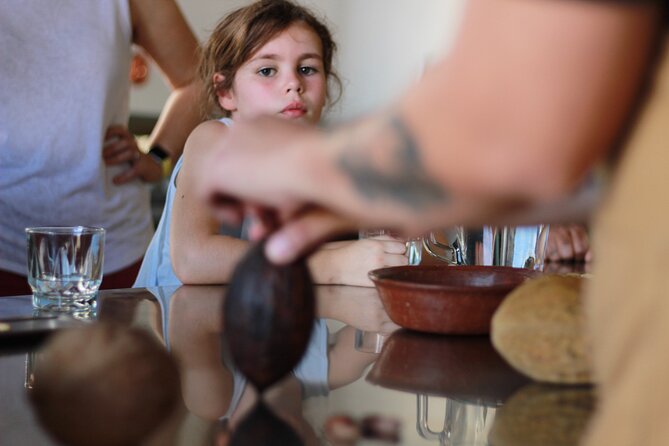
The lesson begins with cacao’s origins, history, and changing role. The class presents southern Mexico as the true place where cacao was discovered and explains how chocolate developed over roughly the last 300 years into the familiar bar.
That historical framing gives the cooking a purpose. You are not simply making a sweet snack. You are learning how a local ingredient moved through different methods and cultures before becoming a worldwide product.
Oaxaca’s southeastern region is described as a source of high-quality Criollo cacao from the tropical jungle near the Pacific. The class uses this background to explain flavor and place. For you, that means the tasting is tied to Mexican agriculture and regional identity rather than treated as a generic chocolate lesson.
The workshop also presents chocolate as more than candy. The material touches on drinks, food, pharmaceutical uses, and edible aphrodisiacs. Some of these subjects may be treated as cultural or historical ideas rather than a medical lesson, so I would approach that part with curiosity rather than expecting health advice.
What I like most about this opening is the connection between food and memory. Chocolate becomes a way to talk about Oaxaca, family traditions, local ingredients, and the many ways people use cacao.
Meeting Tomás and learning through family stories
Tomás is one of the strongest reasons to choose this class. His teaching is described as warm, interactive, and heartfelt, and his personal account of his grandmother’s inspiration gives the activity a family link.
That detail matters. A cooking class can feel mechanical if the instructor only lists steps. Here, the story behind Tomás’s chocolate career helps explain why the work matters to him and why the recipes belong in Oaxaca.
You should ask questions as you go. The class works best when you take part instead of waiting for a lecture to finish. Ask about the cacao, the grinding process, the flavors you are tasting, or how the chocolate is used locally. The small group, capped at six people, should make that easier.
The limited group size is also helpful if you are traveling as a couple or small family. You are less likely to feel lost at the back of a large demonstration. Still, the activity will not suit everyone. If you prefer to watch quietly and avoid hands-on work, you may find the interactive format less appealing.
From cacao bean to finished chocolate
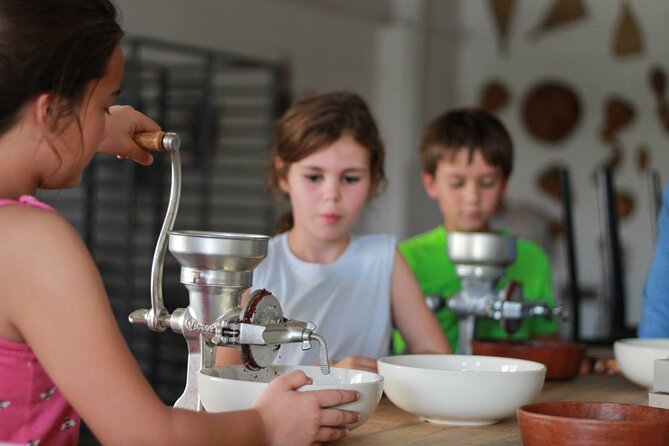
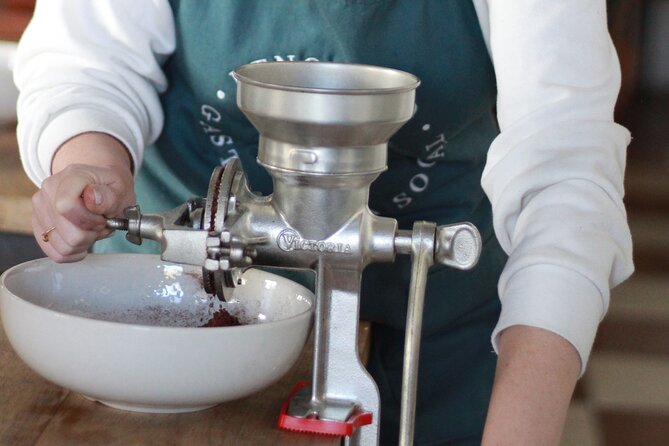
The practical part of the class follows the process of turning cacao into chocolate. The available equipment includes aprons, mills, stoves, and molds. These tools give you a clear sense that the finished product is made through several stages, not simply melted from a package.
You will take part in designing your chocolate. The description connects that choice to mood, personal expression, and the way you want to make loved ones feel. That gives the finished sweets a personal purpose, especially if you plan to bring them home as gifts.
The exact flavor choices and mold shapes are not specified, so I would not expect a fixed menu of ingredients or a particular design. What you can count on is making chocolate that reflects your own choices within the class format.
This is where the $60.95 price has to be judged carefully. You are paying for instruction, food tastings, equipment, a small group, and 150 grams of chocolate to take home. You are also paying for a local food experience rather than only for the ingredients.
If your main goal is to buy chocolate cheaply, the price will feel high. If you want a guided activity with a story, practical work, and a finished souvenir, the value is stronger. The class also gives you something that a shop purchase cannot: an understanding of how the chocolate was made.
Same place, a different sort of tasting:
- Chocolate & Margarita Workshop
★ 5.0 · 207 reviews - Chocolate and truffles workshop
★ 5.0 · 157 reviews - San Jose del Cabo Art Walk, Beer Tasting &Chocolate Demonstration
★ 5.0 · 141 reviews - Artisanal Mezcal and Fine Chocolate Tasting
★ 5.0 · 132 reviews
Tasting local cacao and Oaxacan hot chocolate
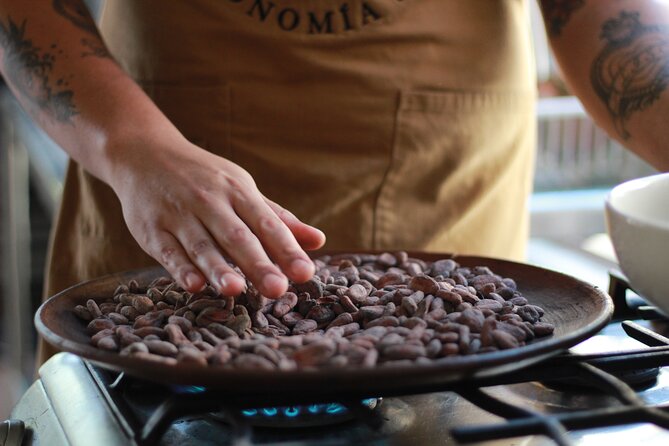
Tasting is built into the workshop. You can expect to sample chocolate creations from the shop, taste the quality of locally grown cacao, and prepare an Oaxacan hot chocolate.
The hot chocolate is an important part of the experience because it shows cacao in drink form, not just as a molded bar. It also helps explain the broader role of chocolate in Mexican food traditions. You get to compare the drink with the candies you prepare.
The class includes snacks, and coffee or tea can be requested when you arrive. Bottled water is listed as available, but the activity does not use plastic bottles. That is a small practical detail, though you should not mistake the snacks for a full meal.
The 150 grams of chocolate is the main food souvenir. It should be enough to share with loved ones or keep for yourself, but it is not a large supply. If you are hoping to bring home several boxes of gifts, plan to buy additional chocolate elsewhere.
One particularly appealing detail is the chance to taste special creations connected with Día de Muertos. These seasonal or themed sweets add another link between cacao and Oaxacan culture. The exact timing and availability of those creations are not guaranteed, so treat them as a possible highlight rather than a fixed promise for every date.
Why the small group changes the experience
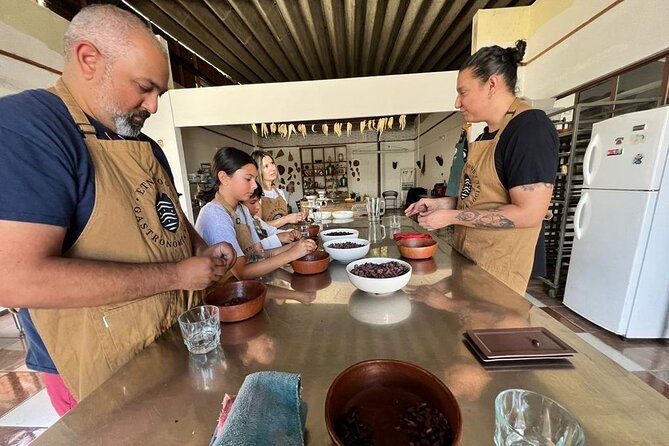
A maximum of six people makes this feel more like a workshop than a standard demonstration. You have a better chance to handle the mills, stoves, and molds directly, and you can ask questions without competing with a large crowd.
The group size also affects the social side. You may be sharing the table with couples, families, or other people interested in food traditions. Since the class is interactive, you should be ready to participate and talk.
I like this setup for first-time cooking classes because the equipment may be unfamiliar. Having a smaller group can make it easier to follow the steps and ask for help. It may also give Tomás more time to explain the reasons behind each stage.
The trade-off is that a small class can feel more intimate than some people expect. If you want a private experience just for your own party, the maximum of six does not guarantee exclusivity. It only tells you the total group size will be limited.
What the 2.5-hour schedule means for your day
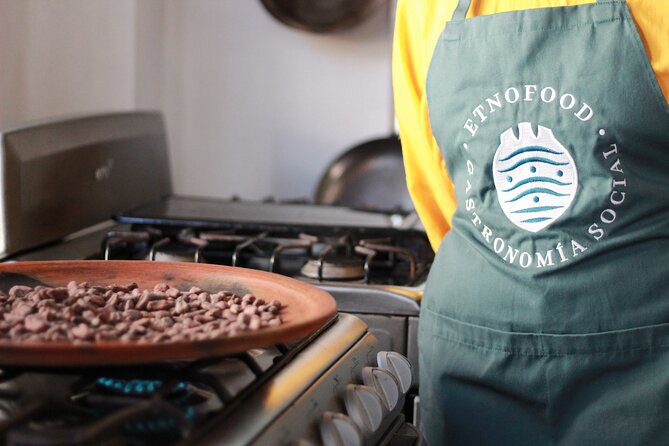
Two hours and 30 minutes is a useful middle ground. The class is long enough for history, tasting, preparation, and a finished product, but short enough to fit around other Oaxaca plans.
I would avoid scheduling a major timed activity immediately afterward. Cooking classes can run close to their planned length, especially when people are asking questions or finishing their chocolate designs. The meeting point and return point are the same, which helps, but you should still leave a buffer.
The class is best placed on a day when you want a slower food-focused activity. It is not designed as a sightseeing route, so you will not be moving between multiple parts of Oaxaca City. That can be a benefit after a busy day of churches, museums, and markets.
You also do not need to bring special equipment. Aprons, mills, stoves, and molds are supplied. Coffee or tea is available on arrival, and water is provided without relying on plastic bottles.
Who should book this chocolate class
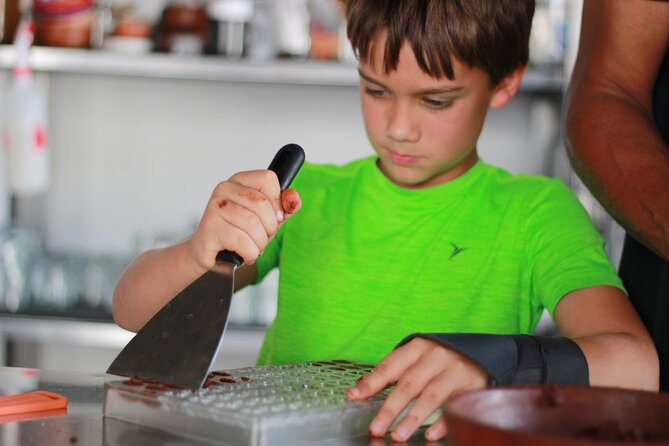
I would recommend this experience to food lovers, couples, small families, and anyone who prefers to learn by doing. It is especially suitable if you want a meaningful edible souvenir rather than another standard shop purchase.
It also suits people who enjoy cultural context. The class covers cacao’s origin, its changing uses, and its place in Mexican food traditions. Tomás’s connection to his grandmother adds a family element that may appeal to you if you like personal stories alongside recipes.
The workshop is less suitable if you want a full Oaxaca food crawl, a large meal, or a long market tour. It is also not the best match for someone who dislikes hands-on activities or wants a completely private lesson.
Because the class is offered in English, it is practical for English-speaking visitors. Service animals are allowed, and the meeting point is near public transportation. The provided information does not describe other accessibility details, so you should contact Etnofood Experiencias directly if you need specific accommodations.
Booking ahead and cancellation flexibility
The activity is often booked about 21 days in advance. That suggests you should reserve early if your Oaxaca dates are fixed, especially because the group holds no more than six people.
The cancellation policy is fairly forgiving if your plans change. You receive a full refund when you cancel at least 24 hours before the local start time. Cancellations or changes made within 24 hours are not refunded or accepted.
Confirmation arrives when you book, and the ticket is mobile. Those details make it easy to keep the reservation on your phone while moving around Oaxaca.
Is the $60.95 price fair?
At $60.95 per person, this is not a bargain snack stop. The price makes sense if you value the full package: a small English-language class, local cacao context, hands-on equipment, tastings, hot chocolate, snacks, and 150 grams of chocolate to take home.
The strongest value comes from the instruction and personal connection. You are not just buying a portion of chocolate. You are spending two and a half hours learning how cacao is understood and prepared in Oaxaca, with Tomás guiding the process.
The value is weaker if you measure the experience only by the amount of chocolate you receive. One hundred and 50 grams is a modest take-home portion, and the class does not include a full meal or transportation around the city.
For me, the deciding question is simple: do you want a cooking lesson or only a sweet souvenir? If you want the lesson, the tastings, and the story, the price is reasonable. If you only want chocolate, shop prices will be lower.
Should you book the Oaxacan Chocolate Class?
Book it if you want a small, personal food workshop with a clear Oaxaca connection. The combination of Tomás’s family story, local cacao, Oaxacan hot chocolate, and your own 150-gram creation gives the class more substance than a basic confectionery demonstration.
I would book early because of the six-person limit and the typical advance booking window of about 21 days. Ask questions, take part in each step, and leave enough time afterward rather than rushing to your next appointment.
Skip it if you want a full meal, a city tour, or a large shopping haul. For everyone else, this is a sweet, practical way to spend part of a day in Oaxaca and return home with something you actually made.
FAQ
Where does the chocolate class begin?
The class begins at TeoLabXicoténcatl 609, Centro, 68000 Oaxaca de Juárez, Oaxaca, Mexico.
Where does the activity end?
The activity ends back at the same meeting point.
How long does the workshop last?
The workshop lasts approximately two hours and 30 minutes.
How much chocolate will I take home?
You will take home 150 grams of chocolate designed by you.
Is the class offered in English?
Yes. The experience is offered in English.
How many people can join the class?
The activity has a maximum of six travelers.
Are food and drinks included?
Yes. Snacks and chocolate tastings are included. Coffee or tea can be requested upon arrival, and water is available without using plastic bottles.
Can I cancel for a full refund?
Yes. You can receive a full refund if you cancel at least 24 hours before the experience start time. Cancellations within 24 hours are not refunded.
Just added around Mexico
- Tulum: Chocolate & Honey Sanctuary Experience with Lunch★ 4.2 · 34 reviews
- Tulum: Chocolate & Honey Sanctuary Experience with Cenote★ 3.5 · 6 reviews
- Cultural Adventure: Artisanal Chocolates, Coffee and Doll Making★ 5.0 · 2 reviews
- Private Make Your Own Chocolate Experience in Puerto Vallarta★ 5.0 · 8 reviews
- Tarot Reading with Coffee & Chocolate or Smoothie★ 5.0 · 17 reviews
- Sayulita Magical Town Tour: Local food, and chocolate.★ 5.0 · 18 reviews
- Chocolate Macarons Workshop in Puerto Vallarta★ 5.0 · 5 reviews
- Amazing Walk through the Zapotec Mountains with Hot Chocolate★ 5.0 · 4 reviews
Chocolate Tours, compared.
Choco-Story Brussels: Chocolate Museum Entrance with Tasting
Read our review →
City Tour, Cruise, and Lindt Home of Chocolate Visit
Read our review →
The Chocolatarium Chocolate Tour Experience in Edinburgh
Read our review →
Award-Winning Geneva Chocolate &Old Town Tour with Boat Ride (3h)
Read our review →
Yarra Valley Wine, Gin, Whisky and Chocolate Tour
Read our review →
4×4 Dominican Adventure with Chocolate and Coffee Tasting
Read our review →
Browse the lists this tour appears in