
Review · MEXICO
Tulum: Chocolate & Honey Sanctuary Experience with Lunch
Chocolate tastes better in the jungle. This three-hour sanctuary visit combines Maya cocoa traditions, stingless-bee honey, a home-style organic lunch, and a swim in a cenote. I especially like the family-run setting and the slow pace, which feels far removed from Tulum’s louder beach scene. The main consideration is that the hands-on parts may vary, and some visitors watched demonstrations instead of making every product themselves.
You’ll meet at Chococacao Maya, across from the Starbucks at Hotel Aldea Coba, then check in at the Shamans’ Palapa. I like that the visit connects food with local culture instead of treating chocolate as a quick tasting stop. Bring insect repellent, swimwear, a towel, and patience: this is a relaxed cultural outing, not a tightly timed production line.
Key details at a glance
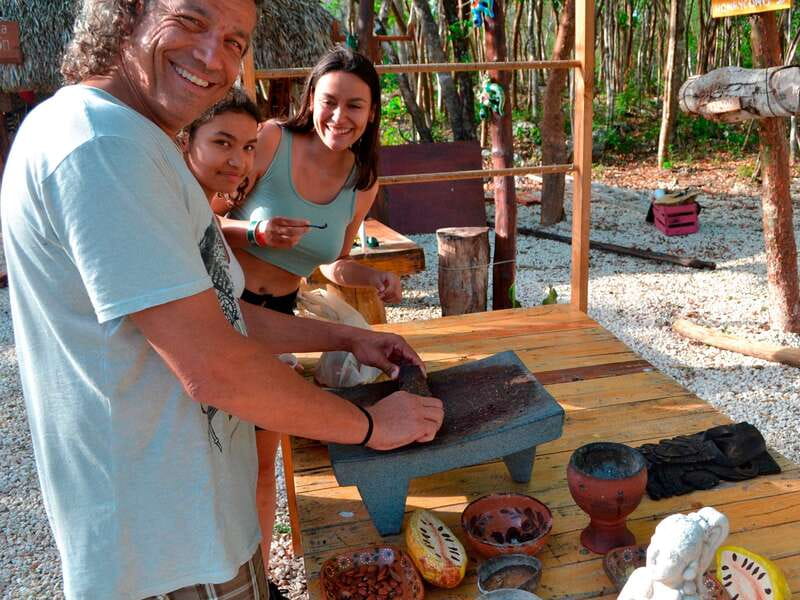
- A shaman-led welcome: The visit begins with a blessing before you enter the jungle sanctuary.
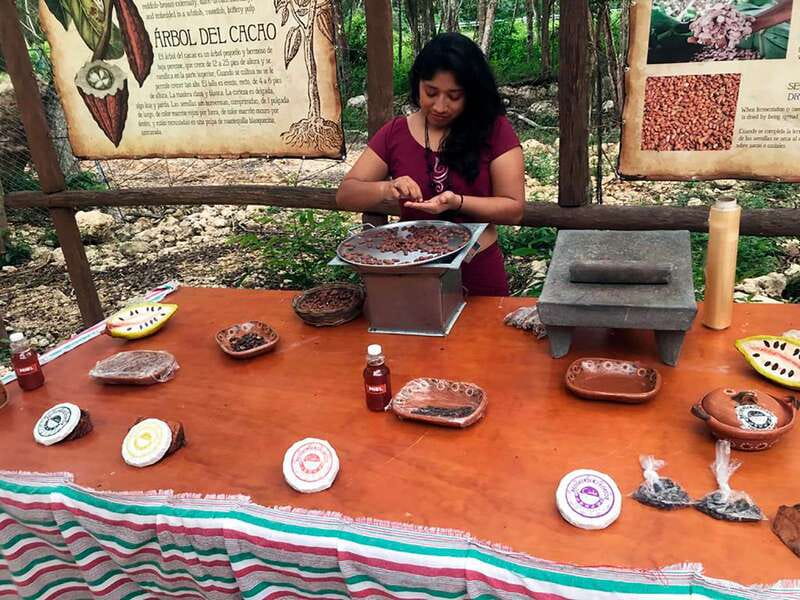
- Maya cocoa preparation: You see cacao beans roasted, peeled, and ground on a metate, then taste chocolate with flavors such as vanilla, amaranth, coffee, and habanero.
- Stingless Maya bees: You learn about the local bee and its honey, then make a honey soap when supplies and the day’s setup allow it.
- Organic lunch included: The meal uses honey or chocolate, with chicken in chocolate sauce offered during some visits.
- Cenote swimming: The final stop is a swim in clear water, with life jackets available for an additional charge.
- Good value at $59: The price covers the sanctuary, guide, food activities, lunch, and cenote access, but not drinks or transportation.
Arriving at Chococacao Maya
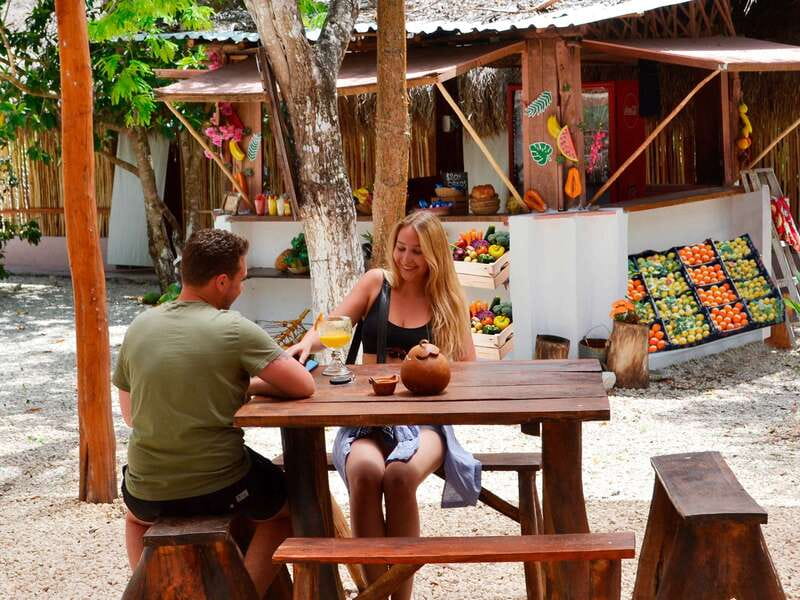
The meeting point is easy to identify: Chococacao Maya is in front of the Starbucks at Hotel Aldea Coba. Once you arrive, check in at the Shamans’ Palapa, where the visit begins.
This location is about a 45-minute drive from the Tulum beach area, according to one detailed account. That distance matters. If you are staying by the coast, allow time for the ride and do not try to squeeze this into a tight morning before another booking. The sanctuary makes more sense as a half-day outing, especially because the pace is intentionally unhurried.
The setting is family-owned and family-operated. You may find hammocks, a small shop, and a calm dog named Lola on the property. Those details help the place feel personal rather than polished for mass tourism. The trade-off is that the experience has the informal character of a small home business. Expect warmth and flexibility, but not the precise choreography of a large commercial attraction.
Spanish and English tours are available. One family found there was some language difficulty, but also noted that the guide took time to help everyone understand. If clear English instruction is important to you, confirm the language when booking.
More Lunch Trips in Mexico:
- Epic Yarra Valley Wine Tour + Lunch, Chocolate & Gin/Beer Option
★ 5.0 · 1,819 reviews - Hunter Valley Wines, 2-Course Lunch, Cheese & Chocolate Tour
★ 5.0 · 132 reviews - Hunter Valley Wine Tour ex Hunter Valley – Lunch, Cheese, Chocolate, Distillery
★ 4.5 · 80 reviews
A blessing before the Maya cocoa lesson
Before the food activities begin, a shaman offers a blessing to welcome you into the jungle sanctuary. The ceremony is presented as a way to thank the ancient spirits associated with chocolate and honey.
You do not need to share the same spiritual beliefs to appreciate the purpose of this opening. It gives the visit a sense of place and signals that cocoa and honey are being treated as part of Maya culture, not just as ingredients for a snack. The ceremony is also a quiet start after the drive.
The cultural material continues with the history of Maya cocoa. You learn how cacao seeds were once used as a form of exchange for goods. That detail gives the beans practical meaning. They were not merely the raw material for a sweet treat, and the lesson helps explain why cocoa held such importance in the region.
I found this part most useful for visitors who want context rather than a quick photo opportunity. The guide explains the process in person, and the atmosphere allows time for questions. You are not simply handed a finished chocolate bar and sent onward.
Roasting and grinding cacao by hand
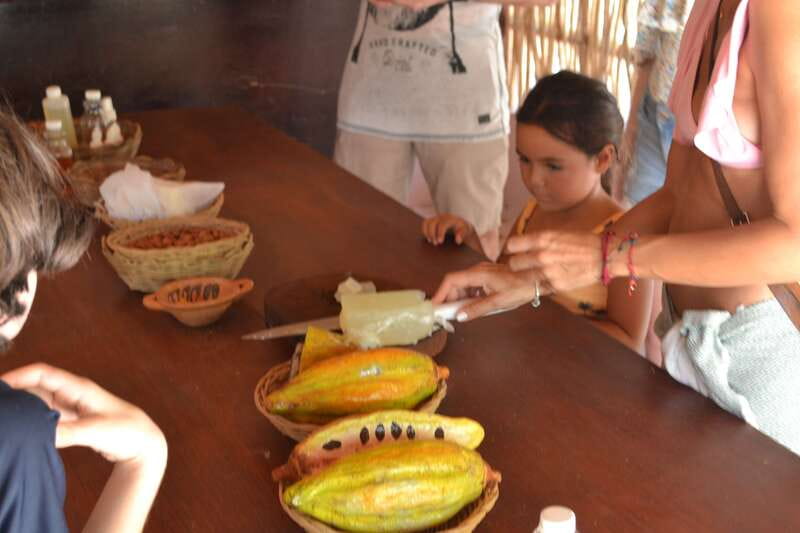
The cocoa activity follows the bean from seed to drink and chocolate. The beans are roasted and peeled, then ground on a metate, the traditional stone grinding surface. You may get a chance to help with the grinding, though the level of participation can vary.
That point is worth knowing before you book. The activity is described as hands-on, but some visits have involved watching the roasting and peeling while the hosts explained the process. Grinding the cacao on the metate was the main practical task on at least one visit, and some planned flavor choices were not available that day.
The chocolate tasting makes up for some of that uncertainty. Flavored versions may include vanilla, amaranth, coffee, or habanero. You may also try their hot chocolate, honey, honey mixed with chocolate, and chocolate liquor. These are useful tastings because they show how one basic ingredient changes with heat, sweetness, spice, and other additions.
I would treat the workshop as a demonstration with opportunities to participate, rather than promise myself a full chocolate-making class. If you are mainly seeking a craft workshop, that distinction matters. If you want food history, samples, and a chance to work with a metate, it should meet your expectations more comfortably.
Learning about the stingless Maya bee
The honey session focuses on the Maya bee, described as the only bee in the world without a stinger. The sanctuary works to preserve this bee and teaches you about its honey, including its distinctive flavor and traditional medicinal uses.
This is one of the most unusual parts of the visit. Many food tours talk about honey in general. Here, the lesson is tied to a particular bee and to local efforts to protect it. The subject also gives you a better reason to taste the honey on its own before combining it with chocolate.
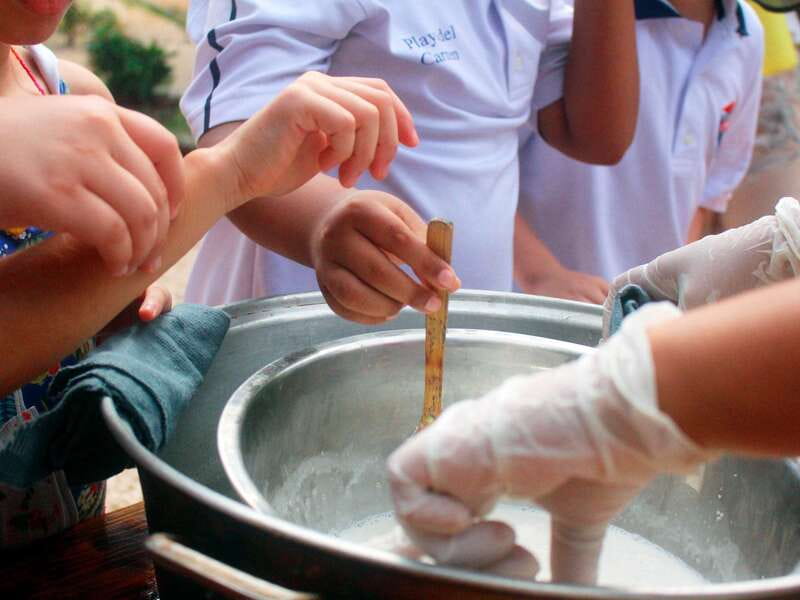
The soap workshop is designed to let you make a natural honey soap and take one product home. Again, the exact level of participation can depend on the day. On one visit, a missing ingredient meant the group could not make soap, though the hosts later showed an example and explained the process.
That limitation should not be ignored. The included honey soap experience is a real part of the plan, but it may not always operate as a complete do-it-yourself workshop. Ask at the start what you will be making that day. If the materials are ready, this is a pleasant souvenir with a clear connection to the sanctuary. If not, you may receive a demonstration instead.
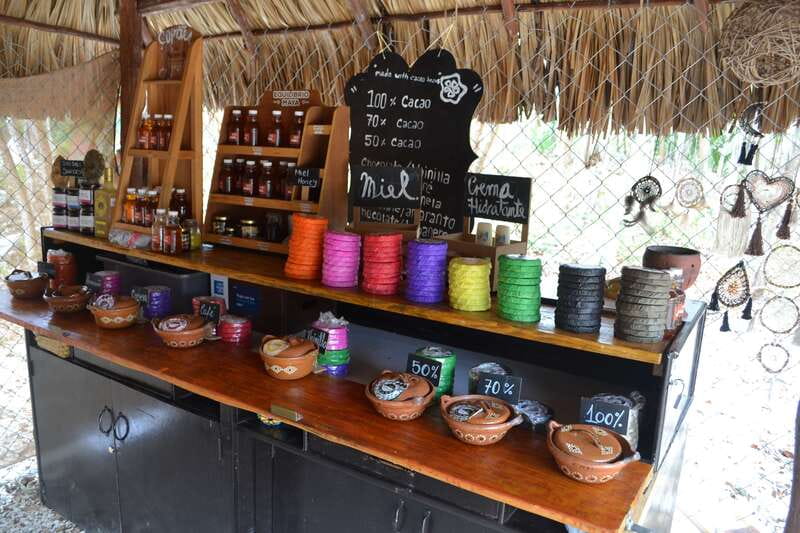
The small shop also sells organic products such as honey, chocolate, shampoo, and body oil, along with jewelry and other souvenirs. Purchases are separate from the $59 price.
A few more chocolate tours around Mexico worth a look
- Finca 18 Puerto Vallarta Tequila Tour + Chocolate Pairing
★ 5.0 · 393 reviews - Bean to Bar Chocolate Workshop in Puerto Vallarta
★ 5.0 · 381 reviews - Chocolate Tour in Vallarta
★ 5.0 · 226 reviews - Chocolate & Margarita Workshop
★ 5.0 · 207 reviews
Lunch built around honey and chocolate
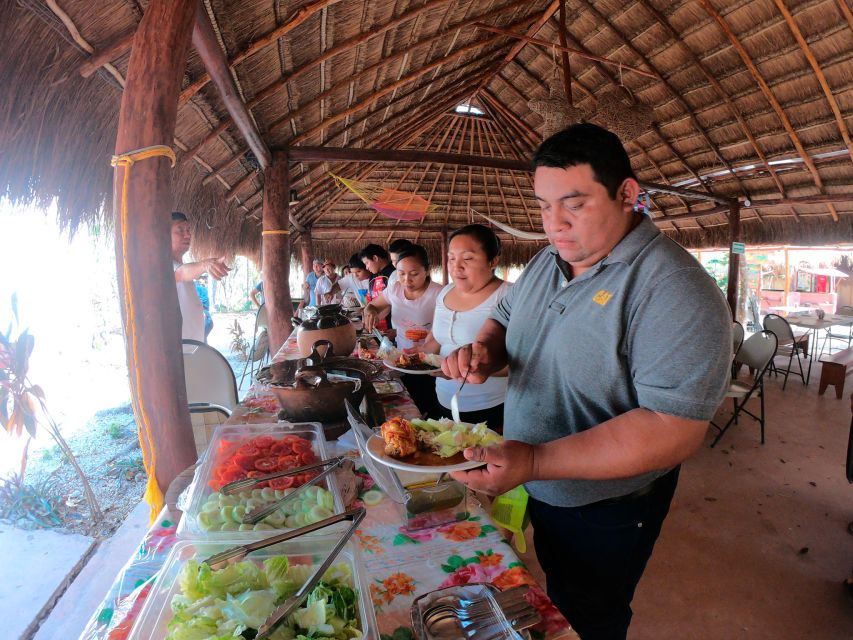
After the educational activities, you sit down to an organic meal based on honey or chocolate. The exact menu can vary, but chicken with chocolate sauce has been served. A chocolate-covered or chocolate-sauced chicken dish may sound unusual, yet it gives the cocoa lesson a practical ending. You are tasting chocolate as a savory cooking ingredient, not only as dessert.
I like this part because the meal is not an unrelated filler between activities. It continues the story of the day. Honey may appear in the food or drinks, and the chocolate can be used in a main dish or hot drink.
One account described a homemade cold honey-infused cocoa drink after a long, hot drive. Drinks are not included in the stated price, so do not assume every beverage is covered. The meal itself is included, but extra drinks and anything from the shop cost more.
The food is served rather than presented as a formal cooking class. If you want to prepare your own lunch, this is not that type of experience. If you want a generous pause, unusual flavors, and a meal connected to the earlier activities, it works well.
Cooling off in the cenote
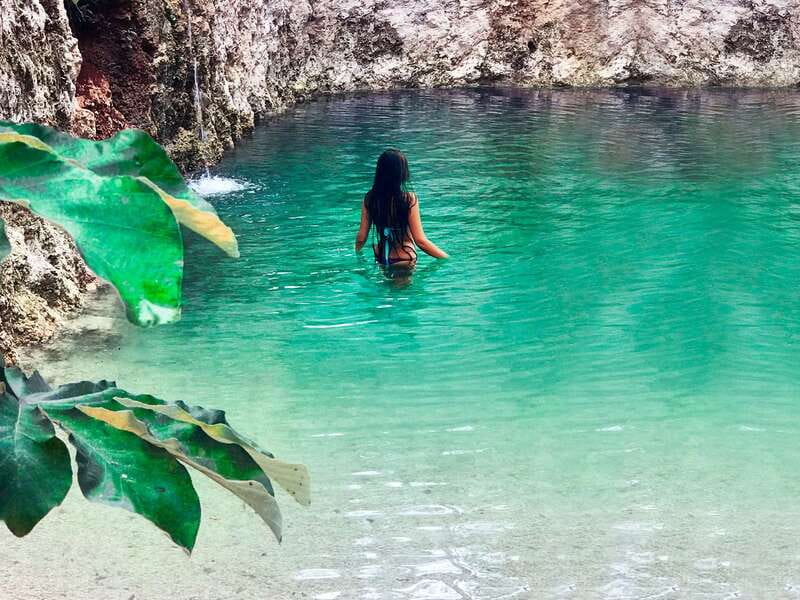
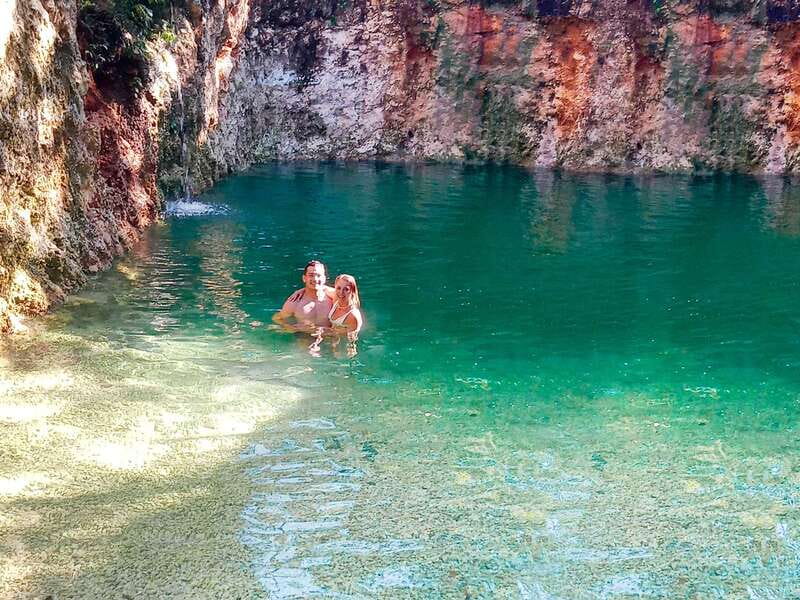
The visit ends with swimming in a cenote, a natural pool with clear water. This is more than a quick photo stop. After the jungle activities and lunch, the water offers a simple way to cool down and slow the day even further.
The cenote is described as having sacred waters, with a local legend that swimming there can add a year or two to your life. Take the story as folklore, but enjoy the refreshing swim for what it is. The setting is one of the strongest parts of the experience, especially if you want a break from Tulum’s beach clubs and busy day trips.
Pack swimwear, a towel, water shoes, and a change of clothes. Biodegradable sunscreen is requested, along with biodegradable insect repellent. These are practical choices for protecting the water and making the jungle portion more comfortable.
A life jacket is not included. If you need one, plan to pay separately. You should also avoid applying ordinary sunscreen before entering the cenote, since biodegradable products are specifically requested.
How the pace and group atmosphere feel
This is a slow, personal outing. The hosts may adjust the order of the activities, especially when a small group or private party is present. That flexibility can be a real advantage if you are visiting with children or want time to rest in a hammock before swimming.
One family described the guide as patient with a language barrier, and another group appreciated how welcoming the hosts were. The family atmosphere is a repeated strength. You are likely to receive direct attention rather than move through a large crowd.
The same quality can make the experience feel less formal. Instructions may be conversational, and the exact sequence can change. If you prefer a precise schedule, constant activity, and guaranteed participation in every workshop, you may find the format loose. If you prefer a calm day with room to talk, taste, and pause, the pace is a good match.
The tour is wheelchair accessible according to the activity information. Since the program includes jungle surroundings, a cenote, hammocks, and water activities, you should still confirm the practical details for your own mobility needs before booking.
Is $59 a fair price?
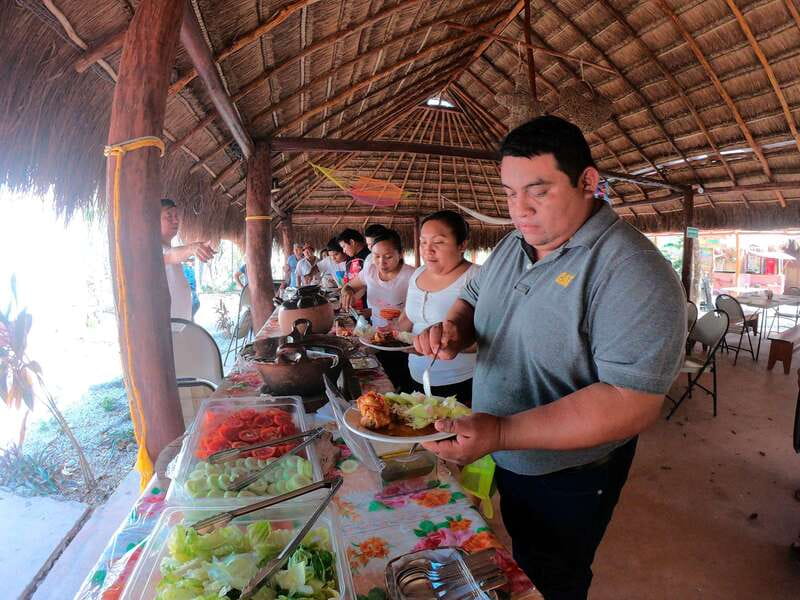
At $59 per person, the value is strong if you plan to use the full three hours. The price includes the host’s explanations, sanctuary admission, the cocoa activity, honey soap activity, organic meal, and cenote swim.
You are effectively combining several small outings into one booking: a cultural lesson, a food tasting, a craft session, lunch, and a natural swimming stop. Comparable separate activities could take more time and require more transport.
The value is slightly less clear if your main goal is a fully hands-on class. Since the soap and chocolate workshops can become demonstrations depending on supplies and the day’s setup, you should not pay this price expecting a guaranteed finished batch of both products.
For couples, families, and small groups looking for something quieter than nightlife, the price makes sense. It is also a good choice for a second Tulum day, after you have already seen the main archaeological or beach sights. You get food, culture, and water in one compact outing.
What to bring for a comfortable visit
Pack light, but bring everything needed for both the jungle and the cenote:
- Comfortable walking shoes and comfortable clothing
- Swimwear and a change of clothes
- A towel
- Water shoes
- Biodegradable sunscreen
- Biodegradable insect repellent
Mosquito repellent is especially useful. One detailed account specifically advised bringing it, and the sanctuary’s jungle setting makes that sensible.
Bring some extra money for drinks, life jacket rental, and purchases from the small shop. The sanctuary sells honey, chocolate, body products, jewelry, and other souvenirs, but those items are not part of the tour price.
Who should book this experience?
I would recommend it to couples seeking a calm day together, families wanting a cultural activity, and anyone who prefers local food and conversation to a crowded attraction. Children may enjoy the cenote, the chocolate tasting, and the friendly family setting, though the educational sections require some attention.
It suits you best if you enjoy learning where food comes from and are open to a flexible format. The Maya cocoa story, metate grinding, stingless-bee lesson, and unusual lunch offer more substance than a standard tasting.
I would hesitate if you need every advertised activity to be fully hands-on, dislike changing plans, or have only a narrow window in Tulum. The drive from the beach area takes about 45 minutes, and the workshop elements may depend on available ingredients.
Should you book the Honey and Chocolate Sanctuary?
Book it if you want a peaceful, family-run outing with real local context, unusual flavors, and a cenote swim. The most praised elements are the kindness of the hosts, the relaxed atmosphere, the Maya cultural lesson, the meal, and the refreshing cenote.
Go in with the right expectations. You may grind cacao and make soap, but you may also watch parts of those activities while the guide explains them. At $59, the full combination remains good value, especially when you count the meal and cenote access.
For a quieter alternative to Tulum’s party scene, this is an easy recommendation. Bring repellent, arrive ready for a flexible schedule, and leave room in your bag for honey or chocolate.
FAQ
How long does the experience last?
The experience lasts three hours.
How much does the experience cost?
The price is $59 per person.
Where is the meeting point?
Meet at the entrance of Chococacao Maya, located across from the Starbucks at Hotel Aldea Coba. Check in at the Shamans’ Palapa.
What languages are available?
The live tour guide service is available in Spanish and English.
Is lunch included?
Yes. An organic meal based on honey or chocolate is included. Chicken with chocolate sauce has been served during the experience.
Is swimming in the cenote included?
Yes. Swimming in the cenote is included.
Is a life jacket included?
No. A life jacket is not included.
What should I bring?
Bring comfortable shoes, comfortable clothes, swimwear, a change of clothes, a towel, water shoes, biodegradable sunscreen, and biodegradable insect repellent.
Can I cancel the booking?
You can cancel up to 24 hours in advance for a full refund. The reserve-now, pay-later option is also available.
Just added around Mexico
- Tulum: Chocolate & Honey Sanctuary Experience with Cenote★ 3.5 · 6 reviews
- Cultural Adventure: Artisanal Chocolates, Coffee and Doll Making★ 5.0 · 2 reviews
- Private Make Your Own Chocolate Experience in Puerto Vallarta★ 5.0 · 8 reviews
- Tarot Reading with Coffee & Chocolate or Smoothie★ 5.0 · 17 reviews
- Sayulita Magical Town Tour: Local food, and chocolate.★ 5.0 · 18 reviews
- Chocolate Macarons Workshop in Puerto Vallarta★ 5.0 · 5 reviews
- Amazing Walk through the Zapotec Mountains with Hot Chocolate★ 5.0 · 4 reviews
- Oaxaca : Visit of Chocolate and Ancestral Drinks★ 5.0 · 2 reviews
Lunch Experiences, compared.
Hunter Valley Wines, 2-Course Lunch, Cheese & Chocolate Tour
Read our review →
Hunter Valley Wine Tour ex Hunter Valley – Lunch, Cheese, Chocolate, Distillery
Read our review →
Wine, Cheese, Chocolate 6 Hour Tasting Tour with Lunch
Read our review →
Barossa: Enjoy Wine, Lunch, Brewery, Chocolate & Wildlife
Read our review →
Hunter Valley All Inclusive, Wine, Chocolate Tasting and Lunch
Read our review →
Exclusive Champagne & Chocolate Getaway – with excellent lunch
Read our review →
Epic Barossa Wine, Brewery, Chocolate, Lunch & Wildlife
Read our review →Browse the lists this tour appears in