
Review · MEXICO
Private Make Your Own Chocolate Experience in Puerto Vallarta
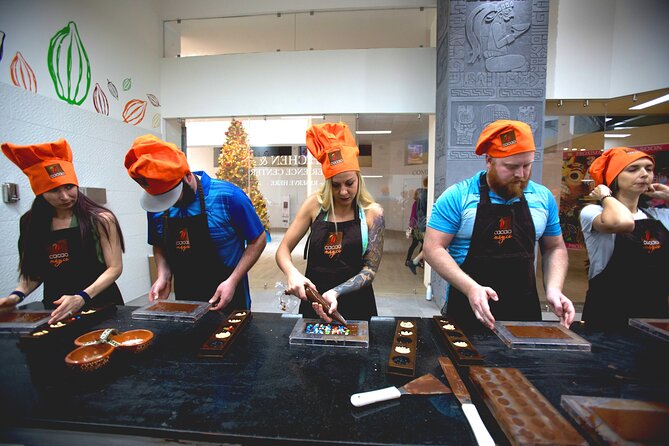
Chocolate tells Mexico’s story. This 40-minute Puerto Vallarta workshop gives you a close look at cacao’s place in Mexican culture, then lets you turn that lesson into your own chocolate bar. I like the private format, since your party gets the chef’s full attention, and I like that you take home something you made instead of only taking photos.
The price is $50 per person, which feels fair for a short, hands-on activity with a finished chocolate bar included. The main consideration is the brief duration: you will learn the basics and temper chocolate, but this is not a long pastry class or a full bean-to-bar course. Puerto Magico’s port shopping mall location makes it especially useful after a water excursion, though the setting may feel more commercial than a small neighborhood kitchen.
Key points to know before you book
- Private for your group: Only you and your travel party participate, making it easier to ask questions and work at your own pace.
- A quick 40-minute activity: You get a focused introduction to cacao, chocolate-making, tempering, toppings, and tasting without giving up half a day.
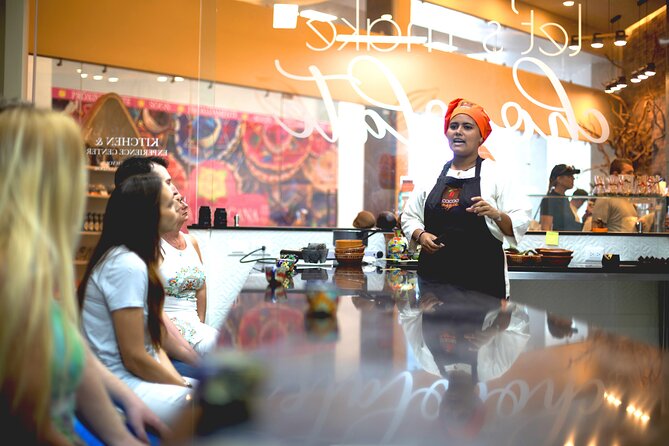
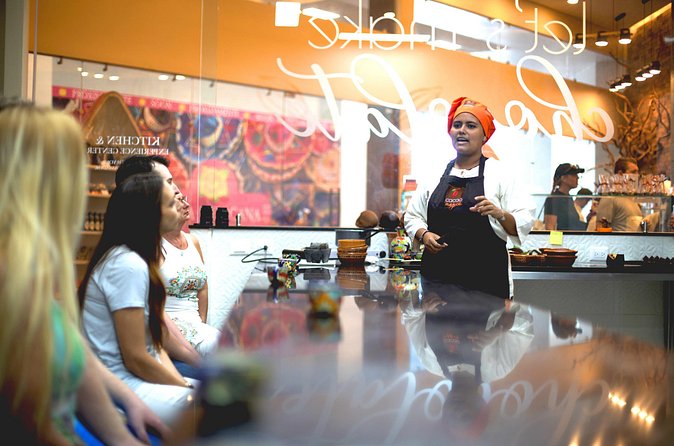
- Chef-led instruction: Guides such as Diego, Rosa, Analí, Heidi, and Mario have helped visitors through the process with friendly, patient instruction.
- You make the final product: Your chocolate bar includes a topping of your choice and goes home with you.
- A convenient port stop: The meeting point is at Puerto Magico on Blvd. Francisco Medina Ascencio, inside the Zona Hotelera Norte area.
- Best for families and short attention spans: Children, first-time chocolate makers, and anyone who dislikes long tours can get a lot from this compact class.
A short workshop with a clear purpose
This activity is built around one simple idea: learn where Mexican chocolate comes from, then make some yourself. You are not signing up for a long food tour with several stops. Instead, you spend about 40 minutes with a chef who explains cacao and guides you through a hands-on chocolate bar project.
That compact format is one of the strongest parts of the class. If you have a packed Puerto Vallarta schedule, you can fit it between other plans. It also suits children and anyone who enjoys learning by doing rather than sitting through a long talk.
I would set your expectations correctly. The workshop covers the cacao-to-chocolate process, but the information provided does not promise a full tour of a cacao farm, factory, or production kitchen. The value comes from the personal instruction and the chance to handle the chocolate yourself.
More Chocolate Making Workshops in Mexico
- Bean to Bar Chocolate Workshop in Puerto Vallarta
★ 5.0 · 381 reviews - Chocolate Workshop
★ 5.0 · 92 reviews - Make Your Own Chocolate with Oaxacan Tradition Private Class
★ 5.0 · 45 reviews
Meeting at Puerto Magico in Puerto Vallarta
The activity begins at Puerto Magico, located on Blvd. Francisco Medina Ascencio in Puerto Vallarta’s Zona Hotelera Norte. The exact meeting point is useful for cruise passengers and anyone already near the port, since one reported use of the class followed a water excursion at the shopping mall.
The activity ends at the same meeting point. That makes planning simple: you do not need to arrange a separate ride to another part of town at the end. The location is also near public transportation.
Because this is a private booking, you are not joining a large shared class. Only your group takes part. That matters if you are traveling with family or friends and want to ask basic questions without worrying about slowing down a larger crowd.
One practical point: allow enough time to find Puerto Magico and the meeting spot. The class itself lasts about 40 minutes, so a late arrival could take a noticeable bite out of your session.
Cacao’s place in Mexican culture
The first part of the workshop focuses on the importance and history of cacao in Mexico. This gives the chocolate bar a useful sense of place. You are not simply melting a sweet ingredient and adding sprinkles. You are learning why cacao matters to Mexican culture and how it becomes the chocolate people know today.
The chef also explains the process cocoa goes through during production. The available details do not list every production stage in technical order, so you should think of this as a clear introduction rather than a specialist lecture. The lesson connects the raw material with the finished bar in your hands.
That context is especially helpful for children. A young participant may not remember every detail about cacao, but the connection between the explanation and the activity is easy to follow. First you learn what cacao is and why it matters. Then you work with chocolate and see part of the process for yourself.
I also like that the teaching is handled by a chef rather than left as a self-guided demonstration. Diego has been praised for explaining both how chocolate is made and its history. Heidi and Mario have also guided groups through how cacao is grown and turned into chocolate.
Tempering chocolate, the technical part you get to try
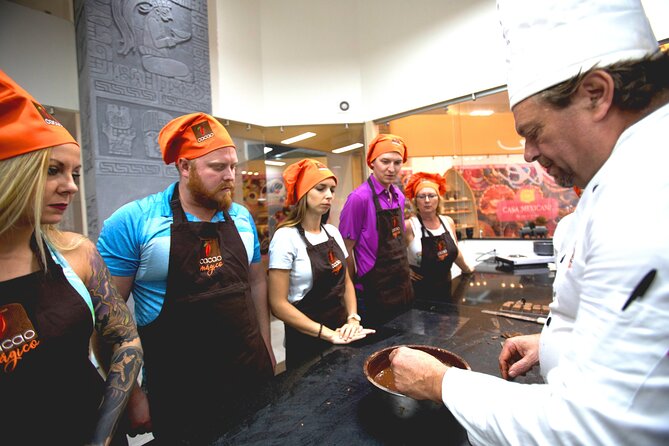
Tempering is the key practical lesson. The chef explains how to temper chocolate correctly, and your group takes part in that step. Tempering affects how chocolate sets and how it feels when you eat it, so it is more useful than simply pouring melted chocolate into a mold.
You can expect the session to include several stages: testing the chocolate, pouring it, molding it, and tasting it. Analí has guided participants through this full sequence, along with the tempering process. That gives you a sense of the class rhythm, even though the exact order may vary.
This is where the private format earns its keep. Chocolate work can be messy or unfamiliar, and you may want the chef to repeat a step. With only your party involved, the guide can focus directly on your bar instead of splitting attention among a large room.
Do not expect to become a professional chocolatier in 40 minutes. You will get an introduction to tempering and a chance to practice it, not advanced training in chocolate chemistry. Still, for a holiday activity, the hands-on lesson offers more substance than a basic tasting.
Same place, a different sort of tasting:
- Finca 18 Puerto Vallarta Tequila Tour + Chocolate Pairing
★ 5.0 · 393 reviews - Chocolate Tour in Vallarta
★ 5.0 · 226 reviews - Chocolate & Margarita Workshop
★ 5.0 · 207 reviews - Chocolate and truffles workshop
★ 5.0 · 157 reviews
Choosing toppings and making your own bar
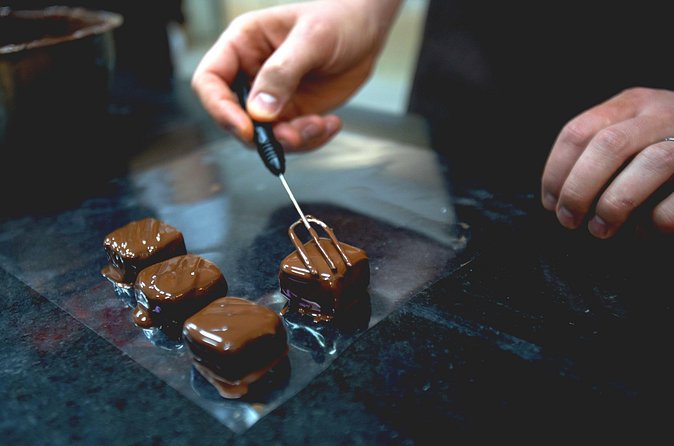
The main creation is a chocolate bar with a topping of your preference. The available details do not list the topping choices, so you will need to select from what the chef provides on the day. That personal choice is a small but important touch: your finished bar is not just a duplicate of someone else’s.
Rosa has helped participants understand what is needed to make good chocolate while allowing room for a personal twist in the ingredients. That is the right spirit for this class. You learn the basic process, then add a little of your own taste.
The activity is not only about the final bar. You will be involved in the making, including pouring and molding, and you get to taste the chocolate during the process. The result may not look like a shop-bought bar, and that is part of the fun. The point is to leave with a chocolate creation that carries your fingerprints, choices, and perhaps a slightly uneven edge.
At the end, you take your chocolate bar with you. This makes the activity easy to remember after you leave Puerto Vallarta, provided the chocolate remains in good shape in the local heat. The tour information does not state whether special packaging or temperature protection is supplied, so ask the guide if you are concerned about carrying it later.
The guides make a short class feel personal
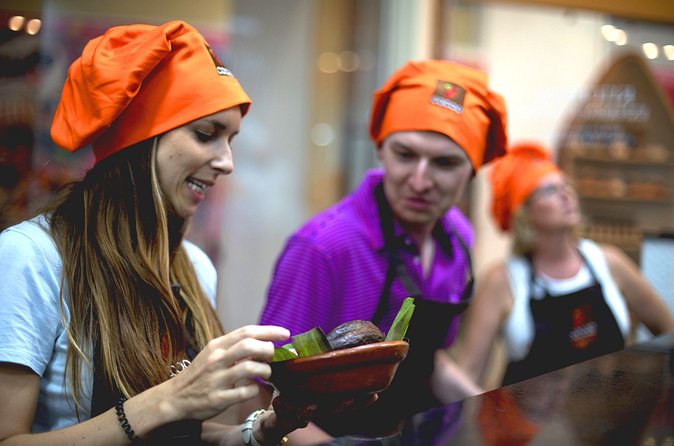
The strongest pattern in the feedback is the quality of the guides. Diego is praised for clear information about chocolate-making and history. Rosa is described as friendly and helpful while showing how the ingredients work together.
Analí receives particularly strong praise for patience, warmth, and a clear explanation of making, tempering, testing, pouring, molding, and tasting. Those are exactly the details you want from a short workshop, since there is little spare time for confusion.
Heidi and Mario have also taught participants about how cacao is grown and processed into chocolate. The guide you meet may vary, but the experience is designed around personal instruction rather than a recorded presentation.
That human element matters. A 40-minute class can feel rushed if the host simply gives directions and moves on. Here, the private booking and hands-on format give the guide room to respond to your group. Families can ask questions at a child-friendly pace, and adults can focus on technique if that interests them more.
Is $50 per person good value?
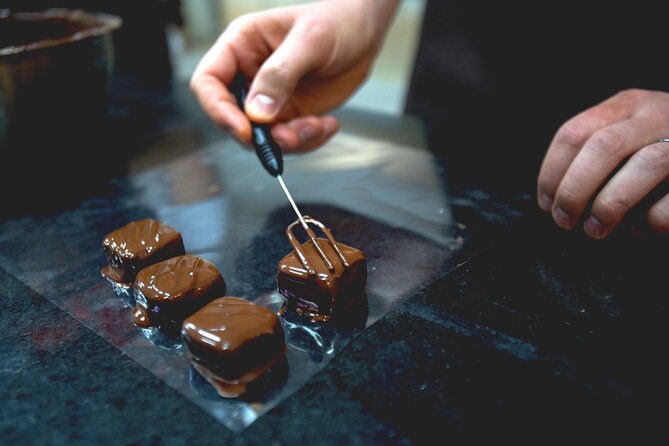
At $50 per person, this is not the cheapest chocolate purchase you can make in Puerto Vallarta. You are paying for more than the ingredients, though. The price includes admission, chef-led instruction, the cacao lesson, the tempering activity, and your own chocolate bar.
I see the value most clearly for people who want a short, private activity with a finished product. A family can share the class without joining strangers. A couple or small group can choose a convenient slot and avoid spending hours on a more elaborate food tour.
The price is less appealing if you mainly want to taste chocolate or buy a bar. In that case, a shop visit would cost less and take less time. You should book this when you want to participate in making the food, not simply eat it.
The 5.0 rating from eight reviews suggests a consistently positive small-group experience, though eight ratings are still a limited sample. I would treat that score as encouraging rather than proof that every session will be perfect.
Who will enjoy this Puerto Vallarta activity?
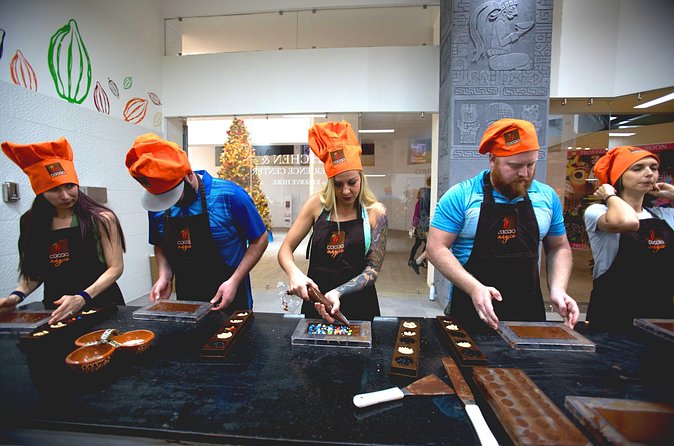
This is a good fit for families with children because the class combines a short explanation with a clear task. You do not need to sit still for a long cultural lecture before doing something. The process gives younger participants a reason to pay attention.
It also suits adults who dislike long, drawn-out tours. One booking described the short length as exactly right, and that is a useful clue for anyone trying to fit activities around a cruise stop, beach time, or dinner reservation.
Couples, parents with older children, and small groups of friends should also appreciate the private setup. You can ask questions freely and add your own twist to the ingredients without comparing your work with a large class.
I would be more cautious if you want a full cacao farm visit, an extended cooking course, or a detailed scientific study of chocolate. None of those are promised. This is a compact introduction with a practical finish.
Timing, transport, and cancellation details
The class lasts approximately 40 minutes and begins and ends at the Puerto Magico meeting point. The location is near public transportation, and it can be convenient after a water excursion because the activity is inside the port shopping mall.
A mobile ticket is provided, and the activity is offered in English. Confirmation arrives when you book. Since the workshop is private, check your timing carefully before reserving it, especially if you are coordinating with a cruise departure or another paid activity.
Free cancellation is available up to 24 hours before the start time for a full refund. Cancellations or changes made within 24 hours are not refunded or accepted, and the cut-off uses Puerto Vallarta local time.
Should you book the chocolate workshop?
Book it if you want a personal, family-friendly food activity that fits neatly into a busy Puerto Vallarta day. The private setting, friendly chef instruction, cacao background, tempering lesson, and take-home bar give the $50 price a reasonable foundation.
Skip it if your main goal is a long cultural tour, a farm visit, or a serious chocolate course. This is a short workshop, not a full-day study of cacao. For a port-area activity that lets you make something yourself and leave with a sweet souvenir, it is an appealing choice.
FAQ
How long does the chocolate-making experience last?
The activity lasts approximately 40 minutes.
How much does the experience cost?
The listed price is $50 per person.
Is the chocolate workshop private?
Yes. Only your group participates in the activity.
Where does the activity begin?
It begins at Puerto Magico, Blvd. Francisco Medina Ascencio, Zona Hotelera Norte, 48333 Puerto Vallarta, Jalisco, Mexico.
Where does the activity end?
The activity ends back at the meeting point.
Is the experience offered in English?
Yes. The activity is offered in English.
Do I get to take chocolate home?
Yes. You make your own chocolate bar and take it with you.
Can I cancel for a full refund?
Yes. You can cancel at least 24 hours before the start time for a full refund. Cancellations and changes made less than 24 hours before the start time are not refunded or accepted.
Just added around Mexico
- Tulum: Chocolate & Honey Sanctuary Experience with Lunch★ 4.2 · 34 reviews
- Tulum: Chocolate & Honey Sanctuary Experience with Cenote★ 3.5 · 6 reviews
- Cultural Adventure: Artisanal Chocolates, Coffee and Doll Making★ 5.0 · 2 reviews
- Tarot Reading with Coffee & Chocolate or Smoothie★ 5.0 · 17 reviews
- Sayulita Magical Town Tour: Local food, and chocolate.★ 5.0 · 18 reviews
- Chocolate Macarons Workshop in Puerto Vallarta★ 5.0 · 5 reviews
- Amazing Walk through the Zapotec Mountains with Hot Chocolate★ 5.0 · 4 reviews
- Oaxaca : Visit of Chocolate and Ancestral Drinks★ 5.0 · 2 reviews
Chocolate Making Workshops, compared.
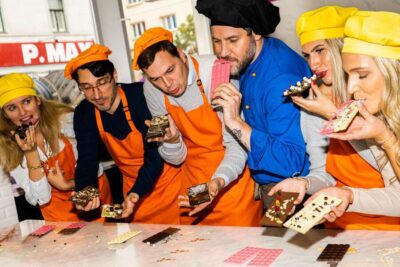
Chocolate Workshop in Chocolate Museum w/ Tasting
Read our review →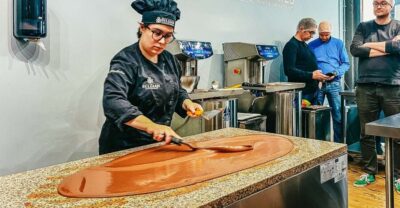
Belgian Chocolate Making Workshop with Tastings
Read our review →
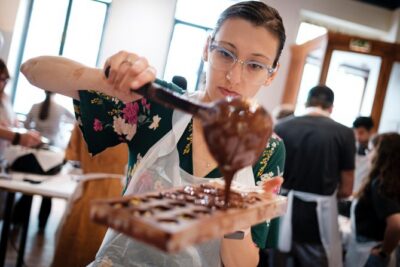
Belgian Praline and Mendiants Chocolate Workshop
Read our review →
1.5h Belgian Chocolate Workshop in Brussels (bean to bar)
Read our review →
45-minute Chocolate Making Workshop at Choco-Story
Read our review →
Chocolate Bar Making Workshop at York Cocoa Works
Read our review →Browse the lists this tour appears in