
Review · PERU
Cusco: Bean to bar chocolate workshop
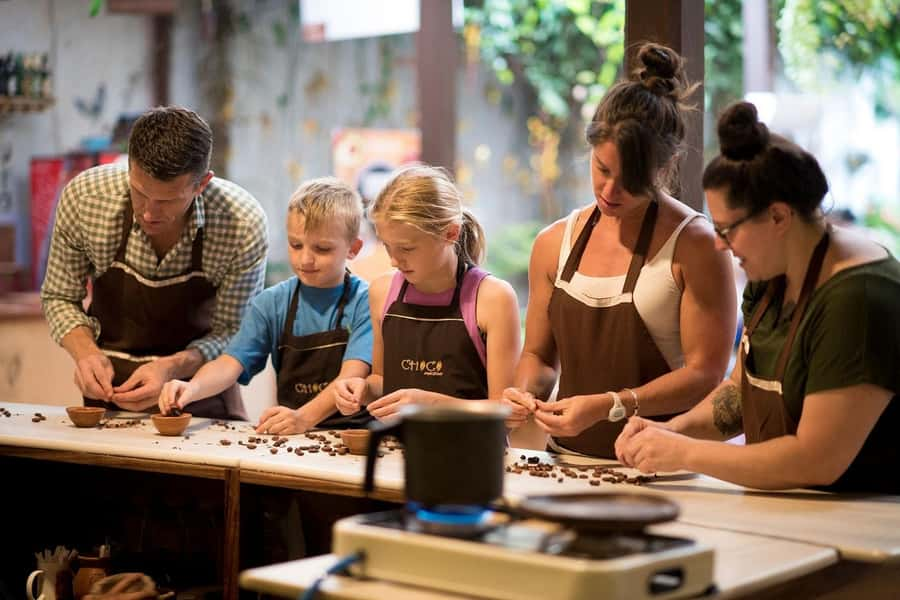
Chocolate starts with hard work, not a candy wrapper. In Cusco, this two-hour workshop follows cacao from roasted bean to finished bar, giving you a hands-on look at the steps behind Peru’s famous chocolate. I like that you do more than watch: you roast, peel, grind, refine, and mold your own chocolate. I also like the personal finish, since you choose the ingredients for your bar and take your handmade sweets with you.
The class has a clear cultural angle, too. You learn how cacao was used by the Maya and Aztecs, including the old method of grinding cacao nibs on a metate with a mano. The main drawback is that the class is brief, so anyone hoping for a long museum visit or an advanced confectionery lesson may find the pace brisk. It is best understood as a lively introduction, not a professional chocolate course.
Key points at a glance
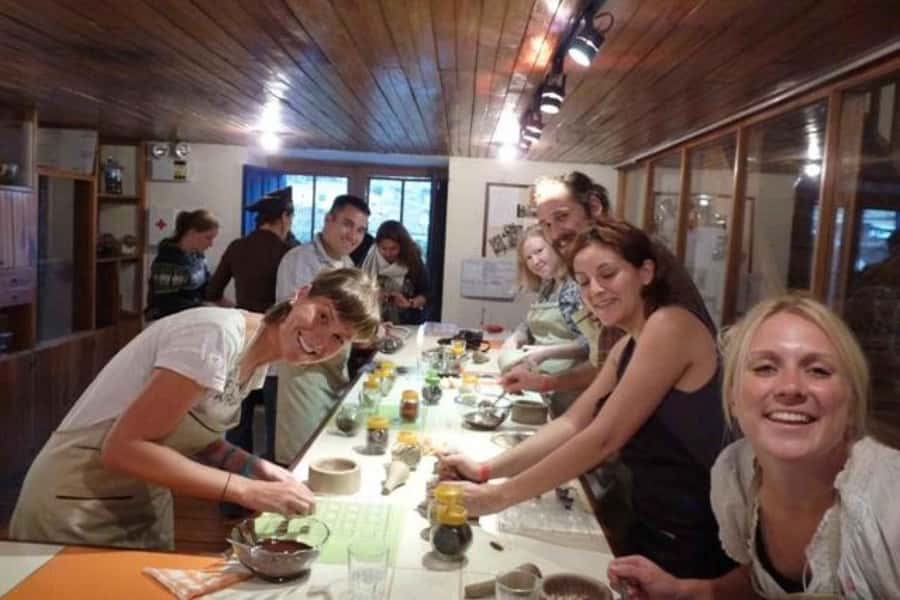
- Four hands-on cacao steps: Roast the beans, remove the husks, grind the nibs on a metate, and refine the paste in a melangeur.
- Your own organic chocolate: Make a chocolate bar with ingredients chosen to suit your taste.
- Two chocolate traditions in one class: Try drinks connected with the Maya and the conquistadores.
- A small taste of Cusco’s cacao story: Learn why the region is associated with fine chocolate.
- A useful rainy-day activity: The indoor workshop offers a change from Cusco’s ruins, markets, and mountain outings.
- English and Spanish instruction: The live guide teaches in either language.
From cacao tree to chocolate bar in two hours
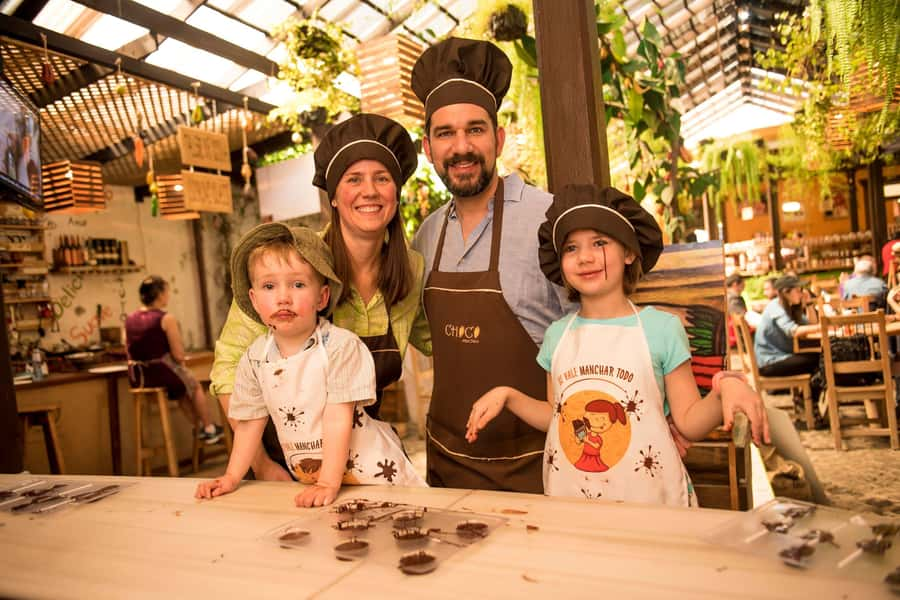
The strength of this Cusco chocolate workshop is its simple path. You begin with cacao as a raw agricultural product, then see how heat, shell removal, grinding, and refining change it into something you recognize as chocolate.
That sequence matters. Many chocolate tastings skip the messy middle and present only finished squares. Here, you get to handle the stages that shape flavor and texture. The class connects the cacao tree to the bar in your hand, which makes the final tasting more satisfying.
The two-hour length should fit neatly into a Cusco sightseeing day. You can schedule it between larger activities, use it during a break from high-altitude walking, or choose it for a quieter afternoon. Check the available starting times before booking, since the exact schedule is not fixed in the activity details.
The workshop is also a good choice if you want a souvenir that is more personal than a shop purchase. You make the chocolate yourself, select ingredients for your bar, and can take the finished pieces home. If your sweet tooth gets the better of you, the souvenir may not survive until the hotel.
More Bean-to-Bar Chocolate Tours in the world:
- 1.5h Belgian Chocolate Workshop in Brussels (bean to bar)
★ 4.5 · 462 reviews - Bean to Bar Chocolate Workshop in Puerto Vallarta
★ 5.0 · 381 reviews - Bean to Bar Chocolate Workshop in Barcelona
★ 5.0 · 172 reviews
Roasting the cacao beans
The first major step is roasting the cacao beans. This is where the class begins to feel like a working food lesson rather than a simple demonstration.
Roasting changes the raw beans and prepares them for the next stages. You get to take part in this process, which gives you a better sense of how much work happens before chocolate becomes smooth and familiar.
The supplied details do not specify the roasting equipment, batch size, or the exact roast time. That is worth keeping in mind if you want technical instruction. You will learn the four main processes, but you should not expect a professional production manual with precise temperatures and recipes.
Still, the step has real value for curious eaters. When you later taste the chocolate, you can connect the finished flavor to the bean preparation. That is a small but useful lesson, especially if this is your first bean to bar class.
Peeling the husks and handling the nibs
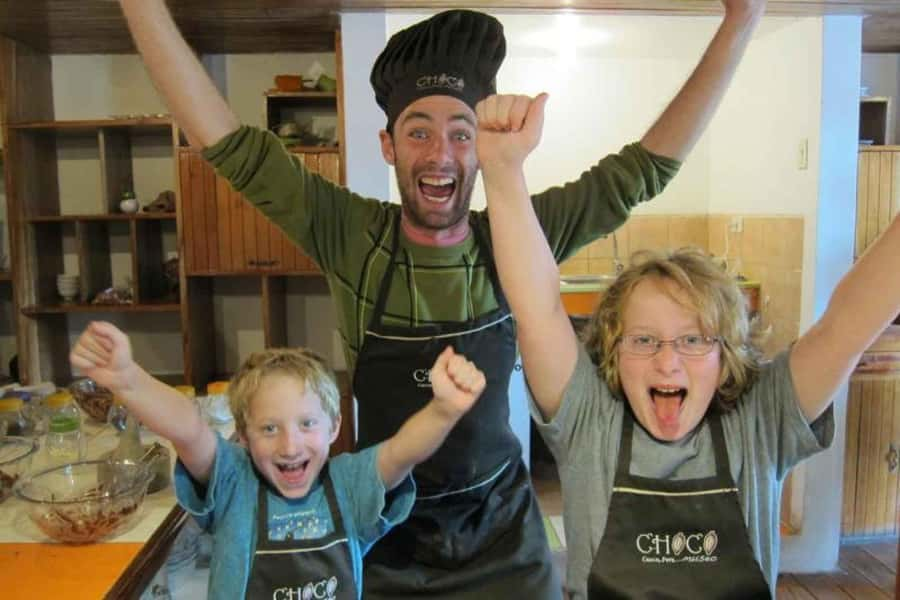
After roasting, you remove the cacao husk. This separates the outer shell from the useful cacao inside, leaving the nibs ready for grinding.
It is a basic stage, but it helps explain why cacao beans cannot simply be crushed and poured into a mold. The shells must be removed first, and the nibs then become the foundation for the chocolate paste.
The activity is described as interactive, so you should expect to participate rather than stand behind a counter. Exact group size and the amount of cacao handled per person are not provided. If those details matter to you, ask the supplier before booking.
This part may be especially appealing to families and food-minded visitors. It gives children and adults a job to do, and the process is easy to follow even if you have never made chocolate before. You may not leave with the skills of a chocolatier, but you will understand the basic chain of production.
Grinding cacao the old-fashioned way
The most distinctive step is grinding the cacao nibs on a metate with a mano. The method is associated with the Aztecs and offers a direct connection between historic food preparation and the chocolate in your cup.
This is not just a history talk. You use the tools and help turn the nibs into a paste. The movement is physical, and the texture changes as the cacao is worked. That hands-on effort gives the lesson more weight than a quick explanation about ancient chocolate.
The workshop also places cacao in a wider cultural setting. You learn about its history and the reasons Cusco is linked with high-quality chocolate. The information provided does not identify a particular cacao farm, growing area, or named guide, so I would not book this expecting a detailed agricultural tour of the Cusco Region.
What you do receive is a compact look at cacao’s cultural path. The metate and mano make that story tangible. If you enjoy food experiences that connect an everyday product with older traditions, this is likely to be one of the most memorable portions of the class.
More Chocolate Making Workshops in the world:
- Vienna: Chocolate Workshop in Chocolate Museum w/ Tasting
★ 4.5 · 1,802 reviews - Brussels: Belgian Chocolate Making Workshop with Tastings
★ 4.7 · 1,629 reviews - Brussels: 2.5-Hour Belgian Chocolate Making Workshop
★ 4.8 · 933 reviews - Belgian Chocolate Workshop in Bruges
★ 5.0 · 660 reviews
Refining the paste in a melangeur
The fourth process is refining the cacao paste in a melangeur. This is the point where the rough ground mixture moves toward a smoother chocolate texture.
The class teaches the four stated steps in order:
- Roasting the cacao beans
- Removing the cacao husk
- Grinding the cacao nibs on a metate with a mano
- Refining the cacao paste in a melangeur
That list gives the workshop a useful structure. You are not simply making a bar from ready-made melted chocolate. You start much closer to the original ingredient and follow its transformation.
The supplied information does not say how long your paste stays in the melangeur or how much of the refining is done by participants. So, expect an introduction to the process, not a full industrial-style production cycle. The goal is to understand the stages and make something delicious within two hours.
For me, this is where the class earns its name. Bean to bar is not just a marketing phrase here. You see the main changes that take place between the cacao bean and the final molded chocolate, even if the workshop necessarily simplifies some of the longer production work.
Maya and conquistador-style drinks
The drinks add a second layer to the class. You get to try hot chocolate connected with Maya and conquistador traditions, giving the session more variety than a single tasting at the end.
The supplied details do not list the exact ingredients in either drink. Do not assume they will match the sweet, milky hot chocolate familiar from home. The historical labels suggest that the drinks represent different approaches to cacao, but the class description does not provide a full recipe or tasting profile.
What is clear is that you make delicious hot chocolates as part of the workshop. This is a practical reward for all the roasting, peeling, and grinding. You also get to see how the form of cacao changes when it becomes a drink rather than a bar.
If you are sensitive to ingredients, ask the guide what goes into the drinks before tasting. The workshop is described as using organic chocolate, but the available information does not specify every ingredient, dietary accommodation, or allergy policy.
Making a chocolate bar to your taste
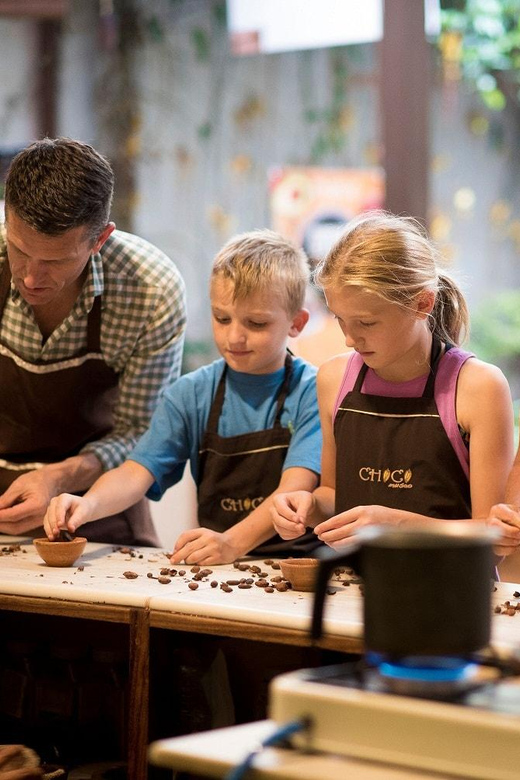
The final creative step is molding your own chocolate bar. You choose the ingredients, so the result can reflect your preferences instead of following one fixed recipe.
That choice is important because it turns the class into a personal activity. You are not only learning how chocolate is made. You are deciding how your own bar should taste and look.
The activity description does not list the available add-ins, the number of bars, or the size of the finished pieces. For that reason, I would avoid booking it with a precise souvenir expectation. Think of it as a handmade take-home treat rather than a large box of chocolate.
You can take all of your handmade chocolates with you, unless you eat them during or after the class. That makes the workshop a good fit for a short visit to Cusco, when you want a small souvenir that carries a memory of what you did rather than simply where you shopped.
It also works well for couples, families, and friends. Everyone can make a bar suited to their own taste, and the activity gives you something to compare afterward. The process is social without requiring a full day or a demanding physical outing.
Why Cusco is a fitting place for this class
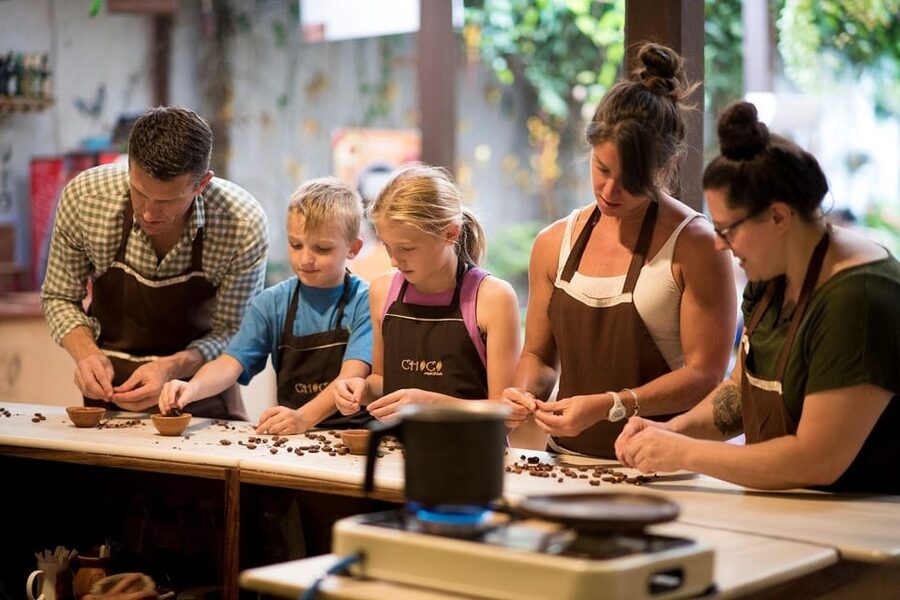
Cusco is widely associated with cacao and fine chocolate, and the workshop explains why the region has that reputation. The class does not take you to a cacao plantation, so it cannot replace a farm visit. But it does show how cacao becomes a finished product in an urban setting.
That distinction helps you choose wisely. If you want to see trees, farms, and the full agricultural setting, you need a different type of excursion. If you want to understand the transformation from bean to chocolate and make something yourself, this workshop is more focused.
The cultural references also make the class feel connected to Peru rather than like a generic cooking lesson. The metate method, the Maya and conquistador drinks, and the discussion of cacao’s past give the activity a clear place in the Americas.
You should still keep expectations measured. The description does not promise a long lecture on Peru’s cacao regions, export trade, or indigenous farming communities. Its emphasis is practical: handle the cacao, learn the basic process, drink hot chocolate, and make a bar.
Who will enjoy this Cusco chocolate workshop?
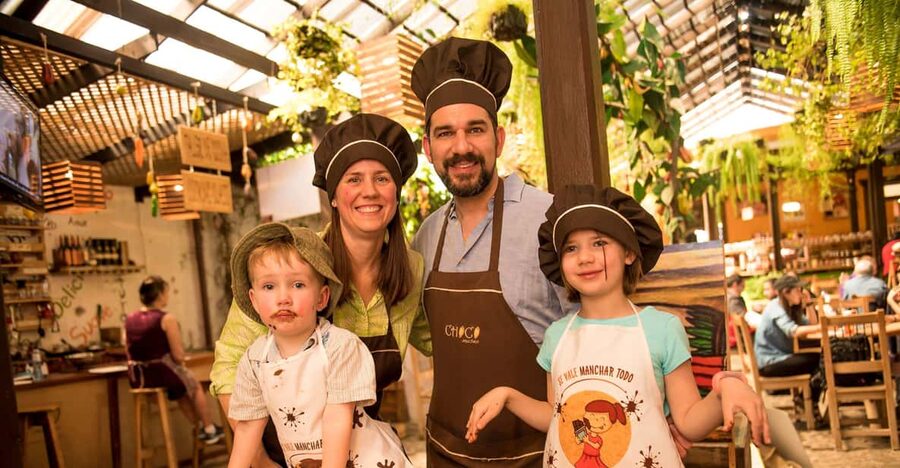
I would recommend the class to you if you enjoy food, short cultural activities, and souvenirs you can make yourself. It is also a sensible option for a day when you want something indoors and less strenuous than a mountain excursion.
It suits:
- First-time chocolate makers
- Families looking for an interactive activity
- Couples and friends who enjoy making food together
- Visitors curious about cacao’s cultural background
- People who want a small handmade souvenir from Cusco
- Anyone with two hours available between other plans
It may not suit you if you want a long professional course, a visit to a cacao farm, or detailed technical training. The group size is not stated, and the class may feel less personal if you prefer one-on-one instruction. You can contact the supplier to ask about the session format before reserving.
The language options are English and Spanish, which makes the lesson accessible to many international visitors. If you need another language or have food restrictions, the available information does not confirm those options, so ask before booking.
Value, timing, and booking practicalities
A price is not provided in the available details, so I cannot judge the exact cost against similar Cusco activities. I can judge the structure. In two hours, you receive instruction, hands-on work across four cacao stages, hot chocolate, and handmade chocolate to take away. That is a solid package if the price fits your budget.
The value also comes from the activity’s focus. You are paying for participation and context, not only for a finished bar. If you would happily buy the same amount of chocolate in a shop, the class may not be the cheapest way to get candy. If you care about learning how it is made, the added value is the process.
The tour is offered with free cancellation up to 24 hours before the start for a full refund. You can also reserve now and pay later, which helps if your Cusco schedule is still changing. These terms are useful when you are arranging the class around weather, altitude, or a shifting sightseeing plan.
For a last-minute reservation, contact the supplier by email to confirm availability before booking. You should also enter your phone number with the full country code and have WhatsApp available. That is a small but important practical point, since poor contact details can cause trouble with meeting information.
The activity is provided by Uyuni Experience EIRL. The listed live instruction is available in English and Spanish. Starting times vary, so check the schedule that appears for your chosen date.
How this compares with a full Cusco sightseeing day
This workshop is not a replacement for a Sacred Valley trip, a Rainbow Mountain outing, or a Machu Picchu visit. Those are full sightseeing experiences built around archaeological sites and dramatic scenery. This is smaller, calmer, and centered on food.
That difference is a benefit if you have already spent several days walking steep streets and visiting major sites. Two hours at a chocolate workshop gives your body a rest while keeping your day active. It also gives you a different view of Peru, one based on taste, tools, and local food traditions.
I would place it on a flexible afternoon rather than on a day already packed with major sights. The class has enough moving parts that you will enjoy it more if you are not watching the clock for a bus or trying to rush to another reservation.
The available rating is 5 out of 5 from three reviews, including a verified July 2025 booking. One particularly useful detail from that feedback is that the class included roasting, peeling, and grinding cacao paste for hot chocolate, not just molding finished chocolate. That confirms the workshop’s most valuable feature: you take part in the earlier stages, too.
Should you book the Cusco bean to bar workshop?
Book it if you want a short, hands-on Cusco activity with a clear result at the end. The combination of cacao history, old-style grinding, hot chocolate, and a personalized bar offers more substance than a simple tasting.
I would especially choose it for a family, a couple, or a food-loving solo visitor with a spare two hours. You will get the most from it if you enjoy doing the work yourself and do not need a full farm visit or advanced chocolate training.
Skip it if you dislike sweet foods, need a highly technical course, or want to spend your limited time only on major archaeological sites. Otherwise, this is an easy activity to fit into a Cusco itinerary, with a handmade souvenir that may disappear before you reach your next stop.
FAQ
Where does the chocolate workshop take place?
The workshop takes place in the Cusco Region of Peru. The supplied information does not give a more specific street address.
How long does the workshop last?
The workshop lasts two hours.
What languages are available?
Live instruction is available in English and Spanish.
Do I make my own chocolate?
Yes. You make your own organic chocolates and create a chocolate bar with ingredients chosen to suit your taste.
Can I take the chocolate home?
Yes. You can take home your handmade chocolates unless you have already eaten them.
What cacao-making processes are included?
The class covers roasting cacao beans, removing the cacao husk, grinding cacao nibs on a metate with a mano, and refining cacao paste in a melangeur.
Do I get to make hot chocolate?
Yes. The activity includes making hot chocolates and trying drinks connected with the Maya and the conquistadores.
Is the class taught by a live guide?
Yes. The workshop includes a live tour guide.
Can I cancel for a full refund?
You can cancel up to 24 hours in advance for a full refund.
Can I reserve now and pay later?
Yes. The activity allows you to reserve your spot and pay later.
What should I do for a last-minute booking?
For a last-minute reservation, check availability with the supplier by email before booking.
Do I need WhatsApp?
You should provide your phone number with the correct country code and have WhatsApp available.
Just added around the world
- Lindt Chocolate Museum with Cruise Transfer from Zurich★ 4.6 · 7 reviews
- Zagreb: Lake Bled and Ljubljana Day Tour with Chocolate Gift★ 5.0 · 26 reviews
- Zurich: Chocolate Tasting and Walking Tour with a Local★ 4.2 · 13 reviews
- Zurich Open-top Tour and Chocolate and Cheese Countryside★ 3.5 · 11 reviews
- Wine and Chocolate experience★ 4.6 · 3 reviews
- York: Introduction to Chocolate Making Experience★ 4.9 · 10 reviews
- Zaandijk-Near Zaanse Schans Chocolate making demo & tasting★ 4.8 · 13 reviews
- Private Wine and Chocolate Tasting Experience★ 4.4 · 3 reviews
Chocolate Making Workshops, compared.
Chocolate Workshop in Chocolate Museum w/ Tasting
Read our review →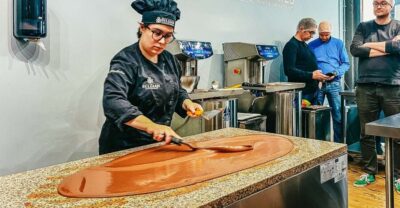
Belgian Chocolate Making Workshop with Tastings
Read our review →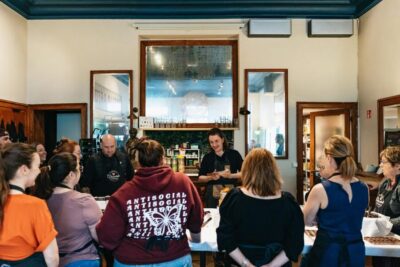
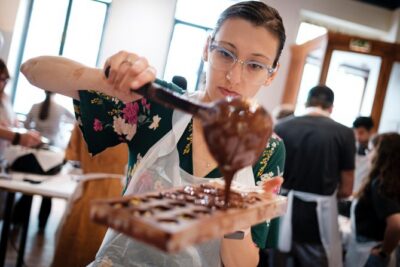
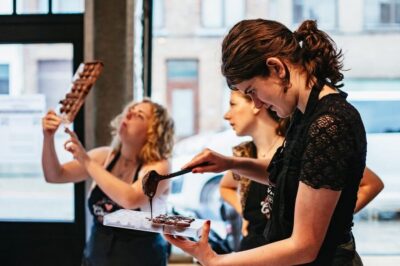
Belgian Praline and Mendiants Chocolate Workshop
Read our review →
1.5h Belgian Chocolate Workshop in Brussels (bean to bar)
Read our review →
45-minute Chocolate Making Workshop at Choco-Story
Read our review →
Chocolate Bar Making Workshop at York Cocoa Works
Read our review →Browse the lists this tour appears in