
Review · MEXICO
Cancún: Chocolate Making Class and Tasting with Chef
Chocolate has a story worth tasting. This small-group Cancún class turns Mexican cacao into a hands-on lesson in Mayan culture, local ingredients, and craft chocolate, rather than a simple tasting at a shop. I like the bean-to-bar process and the chance to handle fresh ingredients, and I also like that you leave with three chocolate bars of your own. The main drawback is the price: at $109 per person, this is a special-interest activity, not a cheap filler for a rainy afternoon.
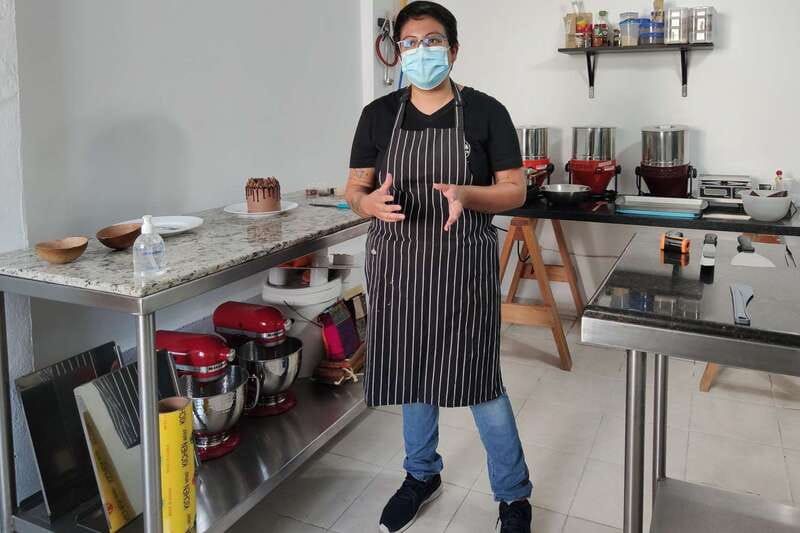
The class is led in English by a local chef and is limited to six participants. That intimate size should give you more time to ask questions and work directly with the instructor. The meeting point is a parking lot at the Carl’s Junior Plaza Outlet mall in Cancún city, so you need to arrange your own transport unless you pay extra for a pickup.
Key points at a glance
- Chocolate starts with the bean: You learn about roasting cacao and the steps that turn it into a finished bar.
- Mayan traditions shape the class: The experience explains how cacao was used by Mayan nobility more than 3,000 years ago.
- Tasting goes beyond sweet bars: You sample a welcoming chocolate drink, a pre-Columbian cocoa drink, homemade snacks, and dessert.
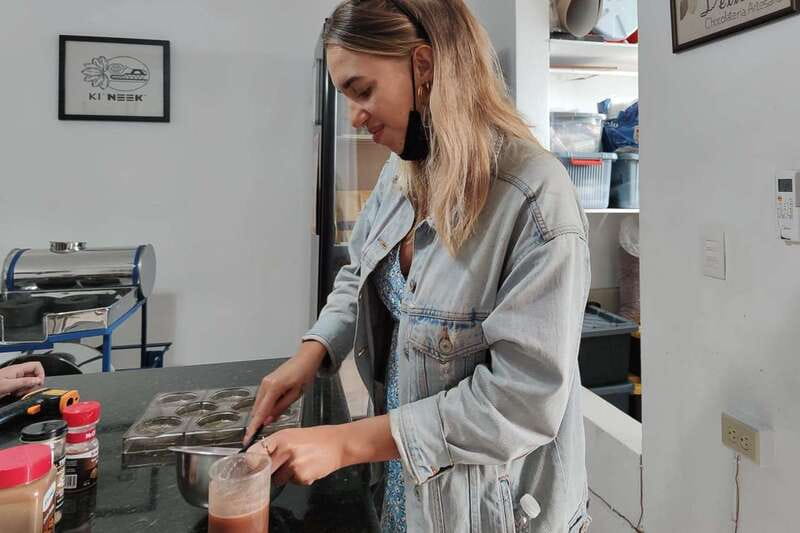
- Small groups make a difference: With no more than six participants, the chef can guide you through the hands-on work.
- You take home three bars: Your finished craft chocolates give the class a useful souvenir, not just a memory.
- The meeting point requires planning: Transport is not included, though round-trip service may be arranged for an extra fee.
Why Mexican chocolate deserves its own class
Many people arrive in Mexico thinking of chocolate as a sweet treat. This experience presents it as a food with a long cultural life, tied to cacao, ceremony, drinks, and local preparation methods.
You begin with the history of chocolate and the role it played among Mayan nobility more than 3,000 years ago. That background matters because the class is not only about producing a bar that tastes good. It helps you understand why cocoa-based drinks and less-sweet chocolate preparations have such an important place in Mexican food culture.
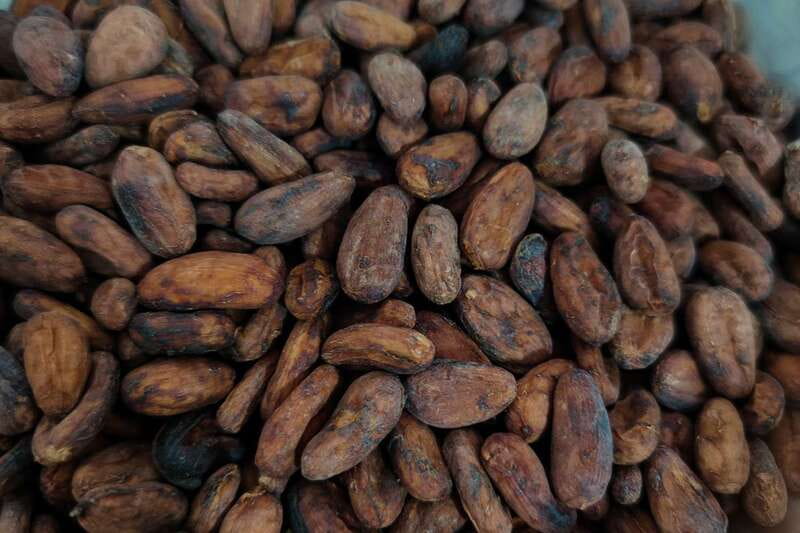
The focus is on artisanal Mexican chocolate. That means you get to look closely at the ingredients and production steps rather than simply buying a finished product. You use your hands, nose, and palate throughout the session, which makes the lesson easy to follow even if you know little about cacao.
I especially like this approach for anyone who has visited archaeological sites or museums in the Yucatán region and wants a food experience connected to the area’s past. The class gives that cultural background a practical form: you learn it, taste it, and then make something yourself.
More Chocolate Making Workshops in Mexico
- Bean to Bar Chocolate Workshop in Puerto Vallarta
★ 5.0 · 381 reviews - Chocolate Workshop
★ 5.0 · 92 reviews - Make Your Own Chocolate with Oaxacan Tradition Private Class
★ 5.0 · 45 reviews
A small kitchen setting with personal instruction
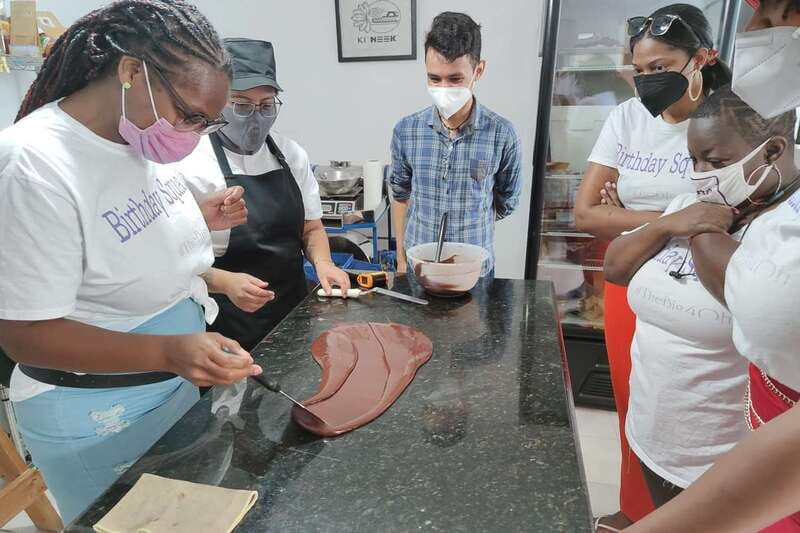
The class is limited to six people, one of its strongest features. A large demonstration can leave you standing at the back and watching someone else do the work. Here, the small format should give you a better chance to touch ingredients, ask questions, and get help as you make your bars.
The English-speaking instructor leads you through the process step by step. The supplied information names several hosts and guides who have helped with the class, including Axel Flores, Christy, Michelle, Vanessa, Andrea, and Mando. Axel was praised for explaining Mayan culture and for introducing local places where residents spend time. Christy was singled out for making the chocolate work friendly and enjoyable.
That range of hosts suggests a personal experience rather than a fixed, highly scripted presentation. Still, the exact instructor may vary, so you should not book expecting one particular person unless the operator confirms it.
The studio is air-conditioned, a meaningful detail in Cancún. Chocolate work can become messy and uncomfortable in a hot room, especially during an afternoon activity. The cool setting makes it easier to focus on roasting, mixing, shaping, and tasting.
The class is also listed as wheelchair accessible. If you need specific arrangements, it is sensible to confirm them before booking, since the available information does not describe the exact layout or restroom setup.
From cacao bean to chocolate bar
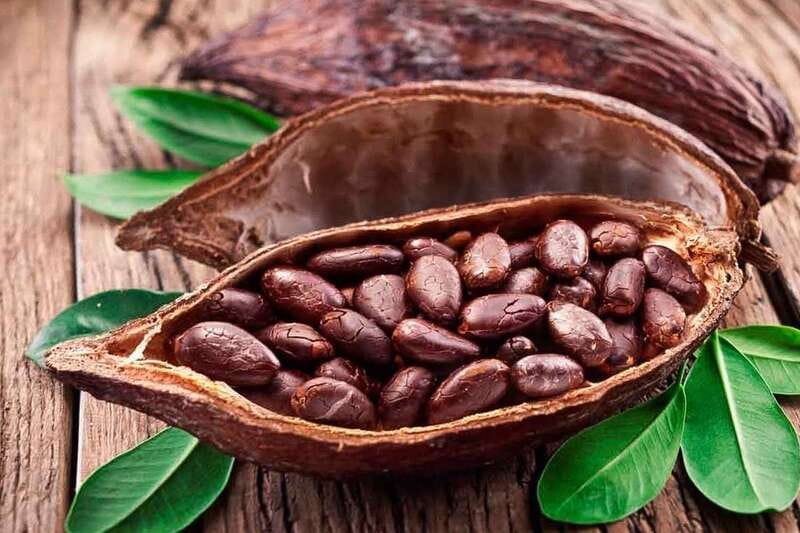
The central lesson is the hands-on production process. You learn how chocolate begins with cacao and how it changes as you roast and prepare it.
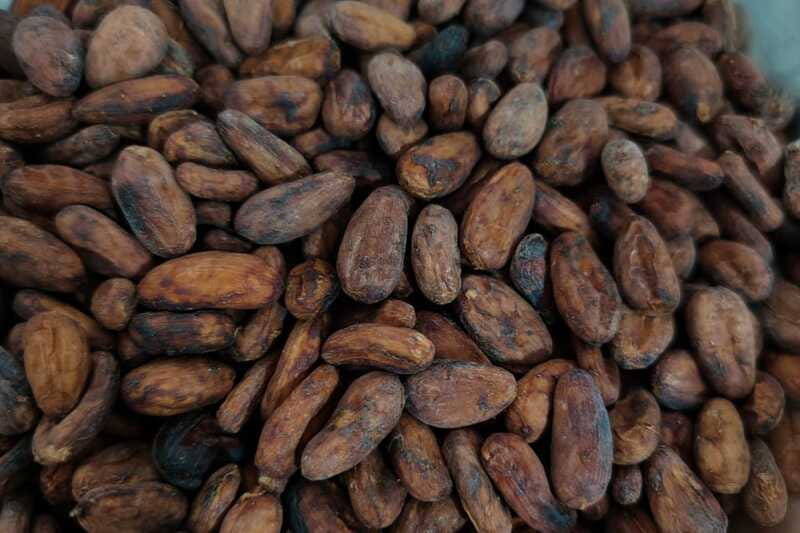
One of the particularly useful tasks is roasting the beans. This step lets you see that chocolate flavor does not appear by magic in a finished candy bar. Heat changes the aroma and taste, and you can connect what you smell in the kitchen with what you later taste in the chocolate.
The instructor then guides you through the next stages. The available description does not specify every tool or recipe measurement, so you should not expect a professional chocolatier’s technical course with detailed equipment specifications. Instead, think of it as an accessible introduction to traditional and artisanal methods.
You handle fresh ingredients and pay attention to their smell, texture, and flavor. This sensory approach is one of the better reasons to choose the class over a standard tasting. You are not just told that cacao has certain qualities. You get a chance to notice them for yourself.
The chef shares practical tips for making a good bar and helps you work through the process. The finished chocolates are made during the class, and three craft bars are included for you to take home. That makes the souvenir more personal than a packaged bar from a supermarket, even if the final shapes are not perfectly professional.
Do not expect a factory tour or a long production-line demonstration. The appeal is the close-up work at a small scale. You learn by doing, with the chef correcting or guiding you along the way.
Tasting the drinks, snacks, and dessert
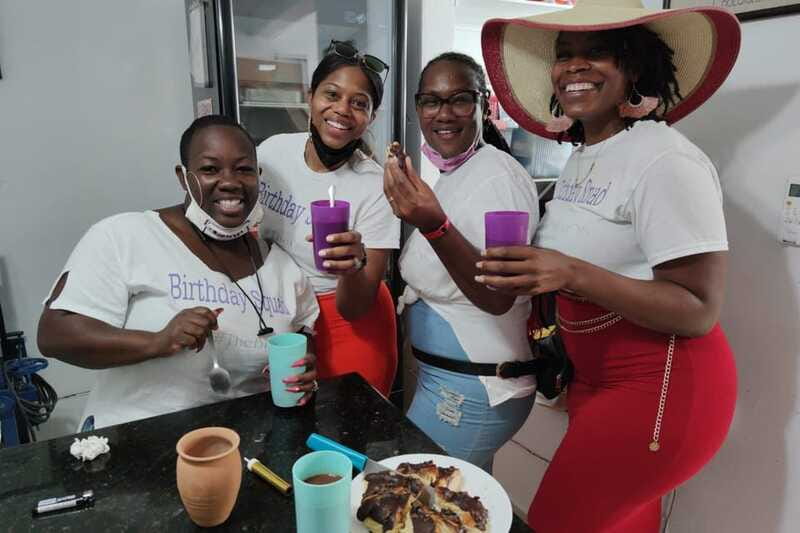
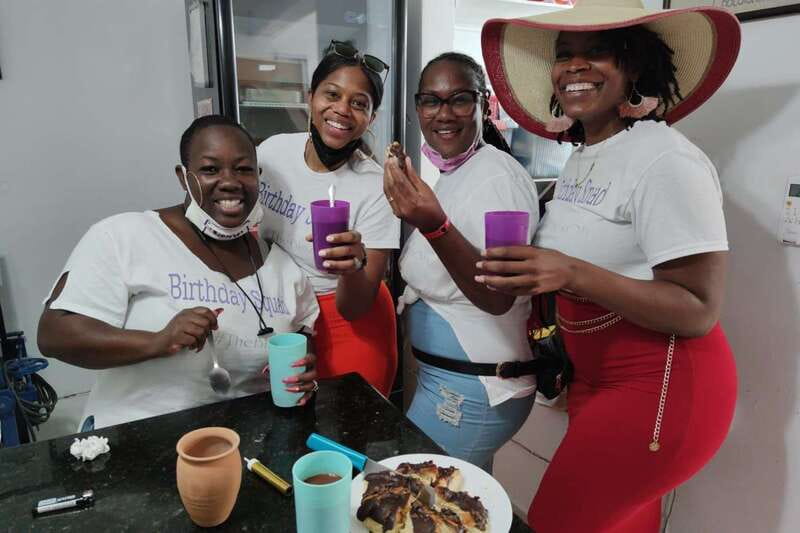
The tasting portion adds variety to the class. You receive one welcoming chocolate drink, homemade chocolate snacks, one dessert, and one pre-Columbian cocoa-based drink.
The pre-Columbian drink is the cultural centerpiece. It connects the class to the older forms of cacao preparation discussed at the start. It may be a surprise if your idea of chocolate is based mostly on milk chocolate or heavily sweetened desserts. This is a good place to pay attention to flavor, texture, and the balance of ingredients.
The welcoming drink and dessert show how chocolate can work in more familiar sweet forms. Having both the traditional-style beverage and dessert gives you a wider view of Mexican chocolate. You can compare the drink used for cultural context with the richer, more immediately familiar preparations.
Homemade snacks fill out the tasting without making it feel like a formal meal. If you are hungry enough to expect lunch or dinner, adjust your expectations. The class includes several things to eat, but it is designed around learning and tasting rather than serving a full meal.
The pairings use local ingredients and are prepared under stated quality and safety standards. The supplied information does not list every ingredient, so anyone with allergies or dietary restrictions should ask before booking.
The strongest part of this tasting is the connection between the lesson and the food. You learn a step, then taste its result or a related preparation. That keeps the history from feeling like a lecture.
Same place, a different sort of tasting:
- Finca 18 Puerto Vallarta Tequila Tour + Chocolate Pairing
★ 5.0 · 393 reviews - Chocolate Tour in Vallarta
★ 5.0 · 226 reviews - Chocolate & Margarita Workshop
★ 5.0 · 207 reviews - Chocolate and truffles workshop
★ 5.0 · 157 reviews
What the two to two-and-a-half hours feel like
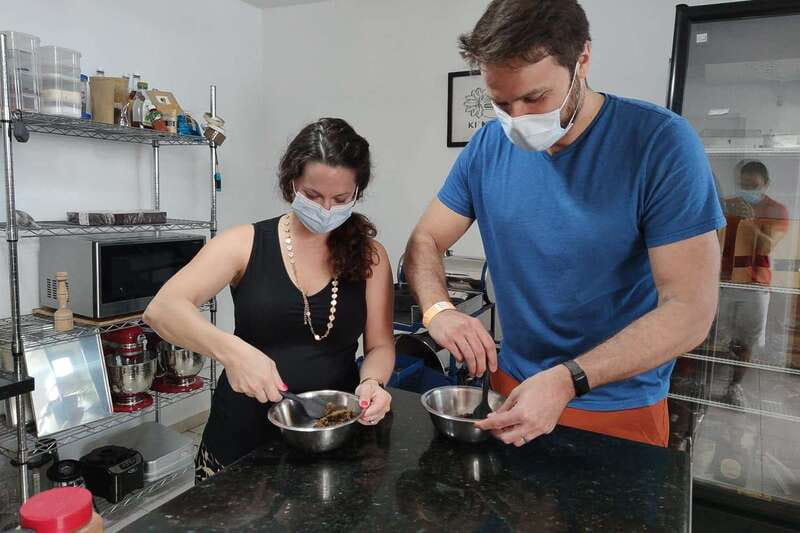
The experience is described in different places as both two hours and two and a half hours. The overview calls it a 2.5-hour course, while the activity details list a two-hour duration. Treat the class as roughly an afternoon block of two to two and a half hours, and confirm the exact timing when you reserve.
The session generally unfolds in a clear order:
- You meet the English-speaking chef and hear about cacao’s place in Mayan culture.
- You examine and smell the ingredients used for chocolate making.
- You roast cacao beans and learn how the production process begins.
- You taste the chocolate drinks and homemade preparations.
- You make your own craft chocolate under the chef’s direction.
- You leave with three bars and the other included chocolate treats.
The pace should suit you if you prefer a focused activity with several stages. It may feel too short if you want a full culinary course with extensive recipe practice. The description promises a guided introduction, not a certificate program or a day-long workshop.
The afternoon timing is practical for a hot Cancún day. You can spend the hottest part of the day indoors in air conditioning, though you still need to plan the journey to and from the meeting point.
Is $109 per person a fair price?
At $109 per person, the cost is higher than a basic food tasting. The value depends on what you want from the afternoon.
The fee includes a chef-led lesson, several tastings, a pre-Columbian drink, homemade snacks, dessert, a translator, and three craft chocolate bars. It also buys you a small-group setting, which is often the difference between an activity that feels personal and one that feels like a demonstration.
I see the price as reasonable for someone who values instruction and cultural context. The three bars help the package feel more substantial, since you take home something you made rather than only receiving samples.
The cost is harder to justify if you mainly want to eat chocolate. You could spend much less on Mexican sweets or a standard dessert outing. You are paying for the process, the chef’s guidance, and the connection to Mayan cacao traditions.
Transport is not included. The meeting point at the Carl’s Junior Plaza Outlet mall in Cancún city may be easy to reach for some people, but inconvenient for others staying in a hotel zone or outside the city. Round-trip transport can be arranged for an extra cost, so add that to your budget before deciding.
Getting to the meeting point
You meet at the parking lot of the Carl’s Junior Plaza Outlet mall in Cancún city. The exact location is provided through a Google Maps link, which you should open before leaving your hotel.
Since no transport is included, leave enough time to reach the mall and identify the meeting area. If you prefer not to arrange the journey yourself, ask about paid round-trip transport when booking.
Bring comfortable shoes and clothing. Chocolate making involves hands-on work, so clothes that can tolerate a small splash or smear are more sensible than anything delicate. Water is also recommended, especially in Cancún’s heat.
A camera is useful for recording the process and your finished bars. Bring cash as well, although the supplied information does not specify exactly what it is needed for. A face mask or protective covering is also listed among the recommended items.
The class is conducted in English. A translator is included, which may help if the chef uses food terms or cultural references that are new to you.
Who will enjoy this experience most?
This is a strong fit for couples, families with older children, and small groups of friends who like food with a cultural angle. The intimate setting works particularly well if you prefer asking questions instead of following a guide through a crowded attraction.
It also suits anyone who wants a break from Cancún’s beaches and resort activities. You get an indoor afternoon with a clear purpose, and the air conditioning is welcome on a hot day.
Chocolate lovers will enjoy the tasting, but you do not need prior cooking experience. The class is built around guided instruction, and the chef takes you through each stage.
You may want to skip it if you dislike hands-on activities, have a very limited budget, or want a full meal. The food included is chocolate-focused, so it does not replace a restaurant visit.
People with allergies should ask about ingredients before reserving. The available details do not provide a complete ingredient list or promise any specific dietary accommodation.
Booking flexibility and practical limits
You can cancel up to 24 hours in advance for a full refund. You can also reserve now and pay later, which helps if your Cancún schedule is still changing.
The activity is usually offered in the afternoon. Check the exact start time because the duration is listed inconsistently as two hours and 2.5 hours.
The group limit is six people. That is a major reason to reserve ahead if you want a particular date, especially for a couple or small family.
The class is taught in English and is listed as wheelchair accessible. Transport remains the main logistical issue. You either reach the outlet mall parking lot yourself or arrange a paid round-trip option.
FAQ
How long does the chocolate-making class last?
The experience is described as lasting between two and 2.5 hours. Confirm the exact duration and start time when you book.
What is the price?
The price is $109 per person.
Where is the meeting point?
You meet at the parking lot of the Carl’s Junior Plaza Outlet mall in Cancún city. A map link is provided with the booking information.
Is transportation included?
No. Transport is not included, but round-trip transportation from your accommodation may be arranged for an extra cost.
What food and drinks are included?
You receive one welcoming chocolate drink, one pre-Columbian cocoa-based drink, homemade chocolate snacks, one chocolate dessert, and three craft chocolate bars.
Do I get to make my own chocolate?
Yes. The chef provides the ingredients and guides you through making your own craft chocolate. You take three bars home.
Is the class taught in English?
Yes. The instructor speaks English, and a translator is included.
How many people are in the group?
The class is limited to six participants.
Can I cancel the booking?
Yes. You can cancel up to 24 hours in advance for a full refund. The activity also offers a reserve-now, pay-later option.
Should you book this Cancún chocolate class?
Book it if you want more than a quick tasting. The best parts are the small group, the chance to roast cacao and make chocolate yourself, the Mayan cultural context, and the three bars you take home.
I would especially choose it for a hot afternoon when you want an indoor activity with real substance. The air-conditioned studio, personal instruction, and mix of drinks, snacks, and dessert make the time feel well used.
Think twice if $109 feels high for a two to 2.5-hour activity, or if the outlet mall meeting point creates a transport problem. For a chocolate enthusiast, a curious cook, or anyone who wants a personal connection to Mexican food traditions, this is a worthwhile splurge.
Just added around Mexico
- Tulum: Chocolate & Honey Sanctuary Experience with Lunch★ 4.2 · 34 reviews
- Tulum: Chocolate & Honey Sanctuary Experience with Cenote★ 3.5 · 6 reviews
- Cultural Adventure: Artisanal Chocolates, Coffee and Doll Making★ 5.0 · 2 reviews
- Private Make Your Own Chocolate Experience in Puerto Vallarta★ 5.0 · 8 reviews
- Tarot Reading with Coffee & Chocolate or Smoothie★ 5.0 · 17 reviews
- Sayulita Magical Town Tour: Local food, and chocolate.★ 5.0 · 18 reviews
- Chocolate Macarons Workshop in Puerto Vallarta★ 5.0 · 5 reviews
- Amazing Walk through the Zapotec Mountains with Hot Chocolate★ 5.0 · 4 reviews
Chocolate Making Workshops, compared.
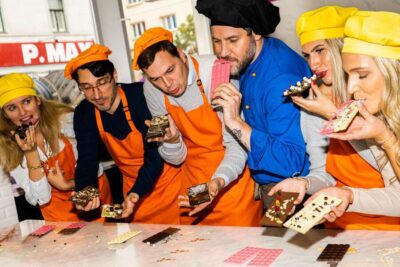
Chocolate Workshop in Chocolate Museum w/ Tasting
Read our review →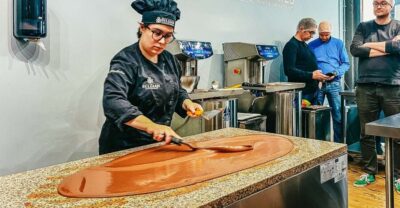
Belgian Chocolate Making Workshop with Tastings
Read our review →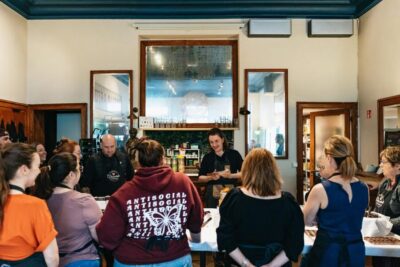
Belgian Praline and Mendiants Chocolate Workshop
Read our review →
1.5h Belgian Chocolate Workshop in Brussels (bean to bar)
Read our review →
45-minute Chocolate Making Workshop at Choco-Story
Read our review →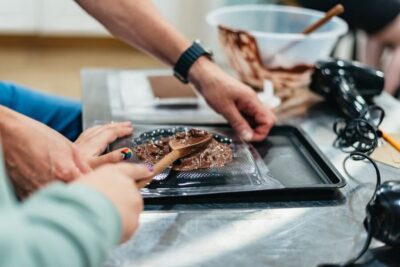
Chocolate Bar Making Workshop at York Cocoa Works
Read our review →Browse the lists this tour appears in