
Review · MEXICO
Oaxaca: The Cocoa Experience, from the Grain to Your Cup
Chocolate begins long before the candy aisle.
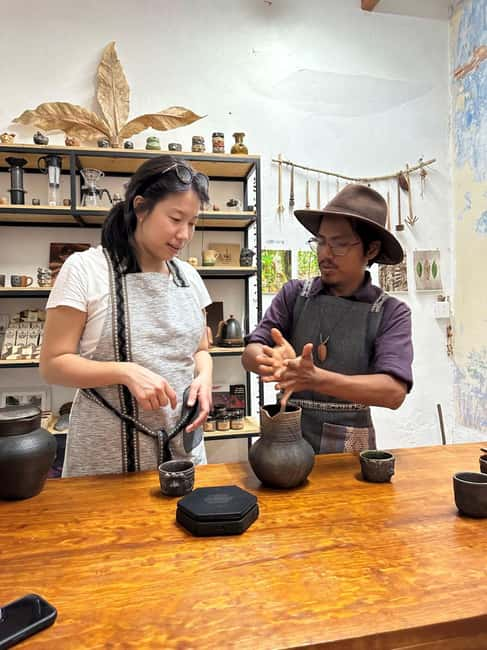
This three-hour workshop gives you a close look at Oaxacan cocoa, from tasting raw beans to roasting, peeling, grinding, sweetening, and preparing a traditional drink. I like the hands-on work, especially using a clay comal from San Marcos Tlapazola and a wooden molinillo. I also like the small group limit of six, which leaves room for questions and personal help. The main consideration is that this is about drinking chocolate, not making a box of sweets, and people with food allergies should not book it.
You meet at 5 de Mayo 210 in central Oaxaca de Juárez, then spend the session working with simple tools found in local markets. The experience is offered in English and Spanish, costs $98 per person, and includes a cocoa-based snack plus handcrafted chocolate to take home.
Key Points Before You Book
- Roast cocoa on a clay comal: The griddle comes from San Marcos Tlapazola in Oaxaca’s Central Valleys, adding a direct link to local craft traditions.
- Taste the beans at several stages: You learn to notice the sensory qualities of different seeds before turning them into chocolate.
- Make drinking chocolate, not candy bars: Your finished product is prepared as a beverage, with your chosen level of sugar and regional ingredients.
- Use a traditional molinillo: You learn how this kitchen tool blends and aerates the chocolate drink.
- Small groups make the work easier: With no more than six people, you should have a better chance to ask questions and handle the tools.
- The chocolate story includes social responsibility: The session explains the difference between cocoa, commercial chocolate, and conscious chocolate, including environmental and community concerns.
Starting With Oaxacan Cocoa in Central Oaxaca
The meeting point at 5 de Mayo 210 sits in the RUTA INDEPENDENCIA area of Centro, Oaxaca de Juárez. Transportation is not included, so you need to make your own way there. If you are already staying or walking in central Oaxaca, this is a practical setup. If you are staying farther out, allow time to reach the address.
The experience begins with an introduction to cocoa from Oaxaca. This first part matters because it changes the way you think about the ingredient. Cocoa is not simply a brown powder waiting to become a sweet treat. The seed has its own smell, taste, texture, and character before sugar or other ingredients enter the picture.
You learn to identify the organoleptic qualities of each seed. In plain language, that means using your senses to notice what is in front of you. This is useful for anyone who wants to understand food at its source, rather than treating chocolate as one uniform flavor.
The session also explains the difference between cocoa, commercial chocolate, and conscious chocolate. The last category refers to chocolate made with attention to environmental sustainability and social responsibility. That discussion gives the workshop more weight than a simple cooking class, since it asks you to consider how cocoa is grown, handled, and turned into something you buy.
A few more chocolate tours around Mexico worth a look
- Finca 18 Puerto Vallarta Tequila Tour + Chocolate Pairing
★ 5.0 · 393 reviews - Bean to Bar Chocolate Workshop in Puerto Vallarta
★ 5.0 · 381 reviews - Chocolate Tour in Vallarta
★ 5.0 · 226 reviews
Tasting the Beans Before the Sugar
One of the most useful parts is tasting cocoa before it has been heavily sweetened. The experience makes room for comparisons between beans and explains that chocolate has different categories, rather than simply different species. This distinction is a small but worthwhile detail, especially if you have mostly encountered chocolate as a finished European-style product.
A review of the session described the native chocolate as far less bitter than expected. That is a useful warning not to arrive with a fixed idea of what Oaxacan chocolate must taste like. The final drink may be sweet, spiced, earthy, or shaped by the regional ingredients you choose, but the point is to understand the cocoa itself first.
You also hear about cocoa’s role in Oaxacan community life. Here, chocolate is presented as more than a morning beverage. It has been used for celebrations and as a way for people to connect. That cultural setting helps explain why the preparation process receives so much attention. The drink is important not just because it tastes good, but because it belongs to a shared tradition.
The introduction is likely to appeal most to food lovers and curious first-time visitors. If you only want a quick chocolate tasting, the three-hour format may feel longer than necessary. If you want context and participation, the extra time earns its place.
Roasting Cocoa on a Comal From San Marcos Tlapazola
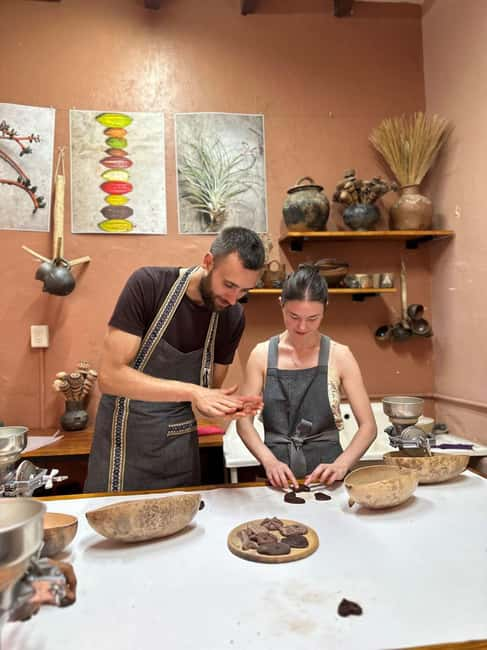
Next, you roast the cocoa beans on a clay griddle called a comal. This is one of the clearest links between the activity and the wider region. The comal comes from San Marcos Tlapazola in the Central Valleys of Oaxaca, a community known here through its pottery tradition.
The process is simple in equipment but not passive. You work with the beans as they roast, paying attention to the changes in smell and appearance. Basic utensils are part of the lesson, and you are shown a method that can be repeated with tools bought at a local market.
That practical angle adds real value. You are not watching a specialist perform a ritual while you stand at a distance. You are learning a process that you could try again at home, provided you can find the ingredients and suitable tools.
You should wear comfortable clothing and shoes. Cocoa preparation is hands-on, and you will be handling roasted beans, grinding ingredients, and working around the cooking area. Water and snacks are also recommended, though the experience includes a cocoa-based snack at the end.
Peeling and Grinding the Roasted Beans
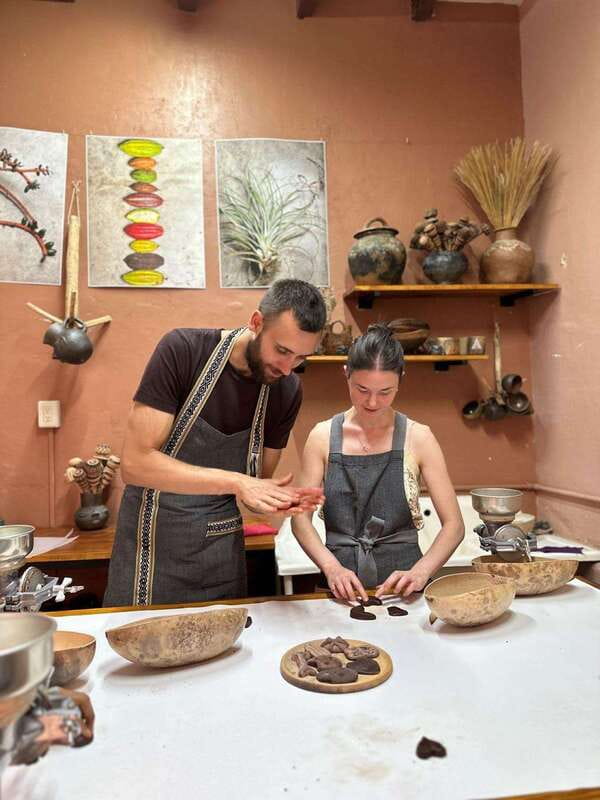
Once the cocoa has been roasted, you peel it by hand. This is a slow, tactile step, and that is exactly why it works well in a workshop. Peeling makes you notice the structure of the bean and the amount of work hidden inside a finished cup of chocolate.
The peeling ritual is paired with stories about the history and culture of cocoa in the community. I like this combination because the story is attached to something your hands are doing. You are not receiving a long lecture separated from the activity. You are hearing about cocoa while transforming it yourself.
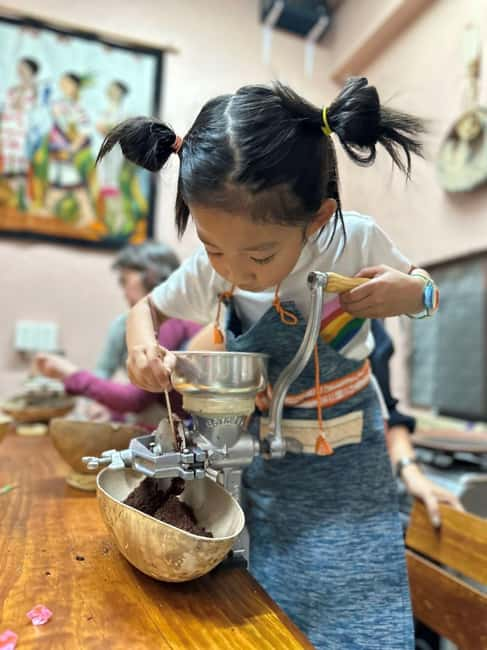
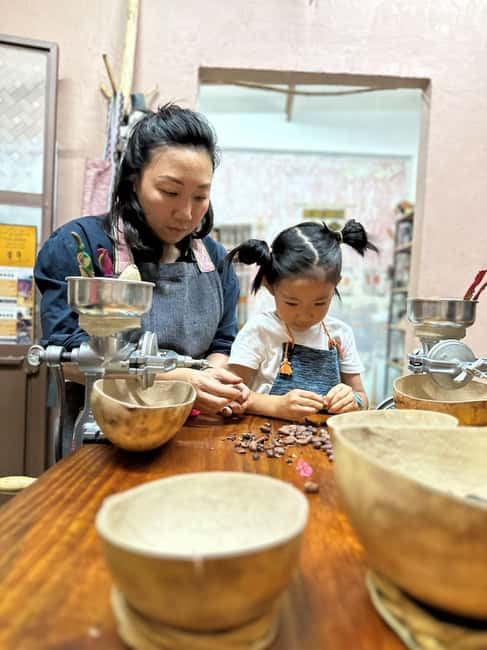
After peeling, you grind the beans and begin forming a cocoa paste. A verified booking described the pleasure of toasting and grinding the beans before preparing the paste. That sequence is central to the experience, and it gives you a better sense of how traditional chocolate is made without industrial equipment.
Do not expect a polished factory-style result. The charm is in the direct work, the changing texture, and the knowledge that you are following an artisanal method. If you prefer a spotless, highly controlled cooking class, this may feel more rustic than refined. If you enjoy food with a clear connection to its ingredients, it should be one of the strongest parts of the session.
Same place, a different sort of tasting:
- Chocolate & Margarita Workshop
★ 5.0 · 207 reviews - Chocolate and truffles workshop
★ 5.0 · 157 reviews - San Jose del Cabo Art Walk, Beer Tasting &Chocolate Demonstration
★ 5.0 · 141 reviews - Artisanal Mezcal and Fine Chocolate Tasting
★ 5.0 · 132 reviews
Choosing Sugar and Regional Ingredients
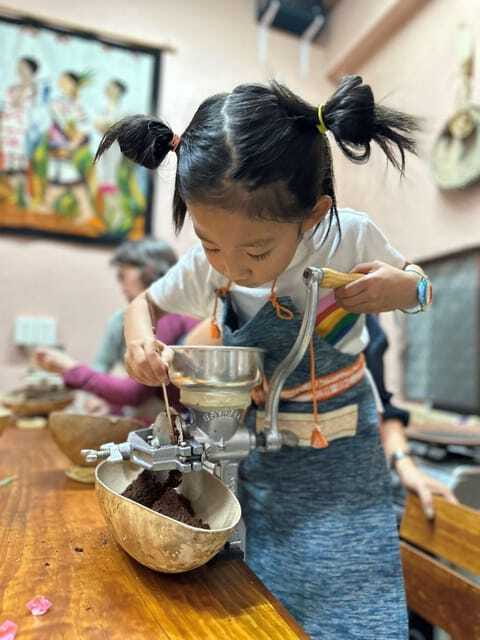
After grinding the cocoa, you decide how much sugar to use. You also mix in different regional ingredients, shaping the flavor of your own chocolate.
This is where the workshop becomes personal. Two people can follow the same process and end up with noticeably different drinks, depending on their sweetness preference and ingredient choices. You are not simply handed a fixed recipe and told to copy it.
The sugar decision also gives you a better sense of what commercial chocolate does. Many prepared products are designed to deliver a consistent, sweet flavor. Here, you can taste the cocoa more clearly and adjust the balance yourself.
The finished chocolate is intended for drinking rather than eating as a solid bar. That point is worth keeping in mind before booking. The experience does include handcrafted chocolate to take home, but the activity focuses on preparing a beverage. If you are hoping to temper chocolate or mold truffles, this is the wrong kind of class.
Learning to Use the Traditional Molinillo
The final preparation uses a molinillo, a traditional kitchen utensil designed to blend and incorporate the chocolate. You learn how to work the tool so the drink comes together properly.
The molinillo is one of the most memorable details because it turns a familiar drink into a physical skill. You are not stirring with an ordinary spoon and calling it finished. The utensil connects the preparation to Mexican kitchen practice and gives the last stage its own rhythm.
This is also the point where the earlier steps make sense. The roasted beans, peeled shells, ground paste, sugar, and regional ingredients now become a cup of chocolate. The result is not only something to taste. It is the end of a process you have handled from beginning to end.
One past participant called the location beautiful and peaceful, which is useful context for the pace of the class. The setting appears designed for attention rather than speed. You can ask questions, compare flavors, and enjoy the preparation without being pushed through a large-group schedule.
Finishing With a Cocoa-Based Snack
The session ends with a tasting of the chocolate drink and a snack based on cocoa flavors. This gives you a chance to try the finished beverage alongside something designed to complement it.
The snack is included in the $98 price, as is the handcrafted chocolate you take home. That helps the cost feel more reasonable than a short demonstration with one small sample. You receive instruction, several tasting stages, hands-on preparation, a final drink, food, and something to keep.
Still, $98 is not a bargain activity for a simple cup of cocoa. You are paying for the small group, the instruction, the ingredients, the cultural explanation, and the time spent making the drink yourself. I would consider it good value if you care about Oaxacan food traditions or want an activity with real participation. It is less attractive if you are mainly looking for a cheap snack or a quick stop between sightseeing visits.
The final drink also helps correct a common assumption about cocoa. It need not be harsh or bitter. The balance depends on the bean, the roasting, the regional ingredients, and the sugar level you select.
Group Size, Language, and Pace
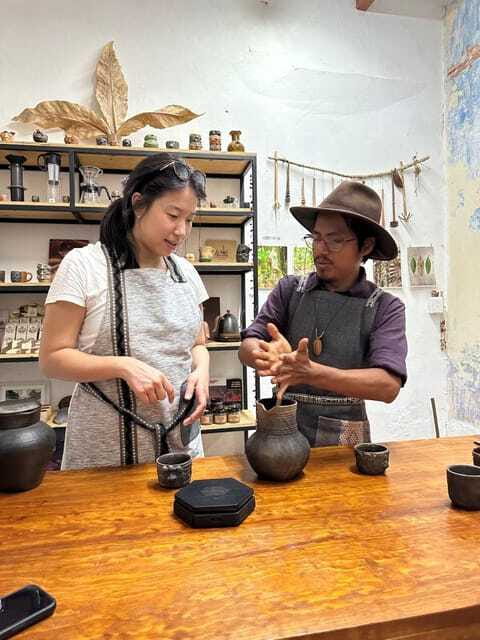
The group is limited to six people. That is a strong advantage for a workshop involving roasting, peeling, grinding, and using a molinillo. With a small group, you should have more direct access to the tools and more time to ask about flavor, history, and technique.
Instruction is available in English and Spanish. This makes the experience workable for English-speaking visitors, while Spanish speakers may appreciate hearing explanations in the language most connected to the local setting.
The full duration is three hours. That gives enough time for the cocoa to move through several stages, but you should plan around the complete block rather than treating it as a short tasting. Check the available starting times when booking, since the start time is not fixed in the information provided.
The experience has a current rating of 5 from four reviews. The strongest praise focuses on the quality of the explanations, the friendly atmosphere, the peaceful setting, the bean tastings, and the chance to make drinking chocolate from scratch. Those strengths match what the activity is built to do.
Who Will Enjoy This Cocoa Workshop Most
I would recommend this for:
- Food-focused visitors who want to understand a local ingredient
- Couples or friends who enjoy hands-on activities
- People interested in Oaxacan history, culture, and community traditions
- Anyone who likes small groups instead of large demonstrations
- Visitors who want a thoughtful indoor activity lasting three hours
- Chocolate drink fans who want to adjust sweetness and regional flavors themselves
It may not suit children under three, and pets are not allowed. Smoking is also not permitted. Most important, the experience is not suitable for people with food allergies.
You should bring comfortable shoes, comfortable clothes, water, and snacks. The activity includes food, but bringing something small is still recommended in the practical instructions. Personal purchases are not included, so budget separately if you want to buy anything beyond the included handcrafted chocolate.
Should You Book It?
Book this experience if you want to understand how cocoa becomes traditional drinking chocolate, not simply sample a finished beverage. The strongest reasons are the small six-person group, the clay comal from San Marcos Tlapazola, the hand peeling and grinding, and the use of a molinillo at the end.
Skip it if you want edible chocolate bars, truffles, or a quick tasting with little explanation. Also skip it if you have food allergies or if three hours feels too long for a single ingredient.
For food-minded visitors in Oaxaca, I think the price is justified by the amount of participation and the clear link to local practice. You leave with more than a drink: you understand the work behind it, the choices that shape its flavor, and why cocoa carries such a strong place in Oaxacan social life.
FAQ
Where does the cocoa experience take place?
It takes place at 5 de Mayo 210, RUTA INDEPENDENCIA, Centro, 68000 Oaxaca de Juárez, in Oaxaca, Mexico.
How long does the experience last?
The experience lasts three hours.
How much does it cost?
The price is $98 per person.
Is transportation included?
No. Transportation to the venue is not included.
What languages are available?
The instructor offers the experience in English and Spanish.
How many people can join the group?
The group is limited to six participants.
Will I make solid chocolate bars?
The activity focuses on preparing traditional drinking chocolate. You also receive handcrafted chocolate to take home.
What will I do during the experience?
You learn about Oaxacan cocoa, roast beans on a clay comal, peel and grind them, mix the chocolate with sugar and regional ingredients, prepare the drink with a molinillo, and taste it with a cocoa-based snack.
Can children under three join?
No. The experience is not suitable for children under three years old.
Can I cancel for a full refund?
Yes. You can cancel up to 24 hours in advance for a full refund. You can also reserve now and pay later.
Just added around Mexico
- Tulum: Chocolate & Honey Sanctuary Experience with Lunch★ 4.2 · 34 reviews
- Tulum: Chocolate & Honey Sanctuary Experience with Cenote★ 3.5 · 6 reviews
- Cultural Adventure: Artisanal Chocolates, Coffee and Doll Making★ 5.0 · 2 reviews
- Private Make Your Own Chocolate Experience in Puerto Vallarta★ 5.0 · 8 reviews
- Tarot Reading with Coffee & Chocolate or Smoothie★ 5.0 · 17 reviews
- Sayulita Magical Town Tour: Local food, and chocolate.★ 5.0 · 18 reviews
- Chocolate Macarons Workshop in Puerto Vallarta★ 5.0 · 5 reviews
- Amazing Walk through the Zapotec Mountains with Hot Chocolate★ 5.0 · 4 reviews
Chocolate Tours, compared.
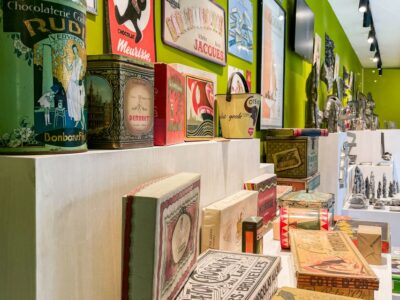
Choco-Story Brussels: Chocolate Museum Entrance with Tasting
Read our review →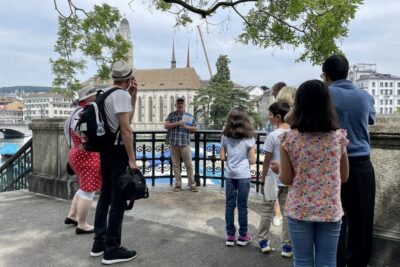
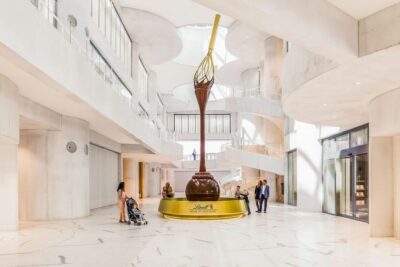
City Tour, Cruise, and Lindt Home of Chocolate Visit
Read our review →
The Chocolatarium Chocolate Tour Experience in Edinburgh
Read our review →
Award-Winning Geneva Chocolate &Old Town Tour with Boat Ride (3h)
Read our review →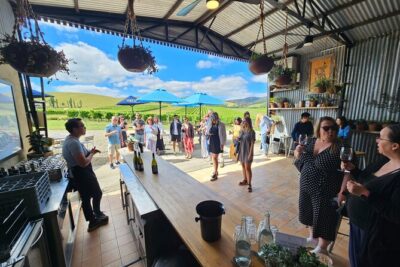
Yarra Valley Wine, Gin, Whisky and Chocolate Tour
Read our review →
4×4 Dominican Adventure with Chocolate and Coffee Tasting
Read our review →
Browse the lists this tour appears in