
Review · MEXICO
✨Make chocolate to take home Oaxacan style ☕️✨
Chocolate gets better when you make it yourself. This 2.5-hour class at Teolab gives you a close look at cacao, traditional techniques, and the care behind a finished bar or molded treat. I especially like the small six-person limit, which gives the chocolatier time to help each participant, and the chance to take home 150 grams of chocolate that you designed yourself. The main thing to consider is that this is a workshop rather than a broad Oaxaca food tour, so you should book it for hands-on chocolate making, not for sightseeing around the city.
The instructors bring real personal experience to the table. Roberto is praised for his patience, humor, and useful Oaxaca recommendations, while Tomas is known for his warm teaching style and his connection to techniques learned from his grandmother. The class costs $64 per person, which is fair if you value instruction, tasting, supplies, and a sizeable edible souvenir.
Key points to know before booking
- A six-person class keeps the lesson personal: You should have room to ask questions and get help with each stage.
- You make 150 grams of chocolate to take home: Your souvenir is something you created, not just something bought in a shop.
- The lesson covers cacao before the cooking begins: You learn about origins, chocolate types, ingredients, and production in Mexico.
- Roberto and Tomas receive especially warm praise: Their patience, humor, and passion shape much of the experience.
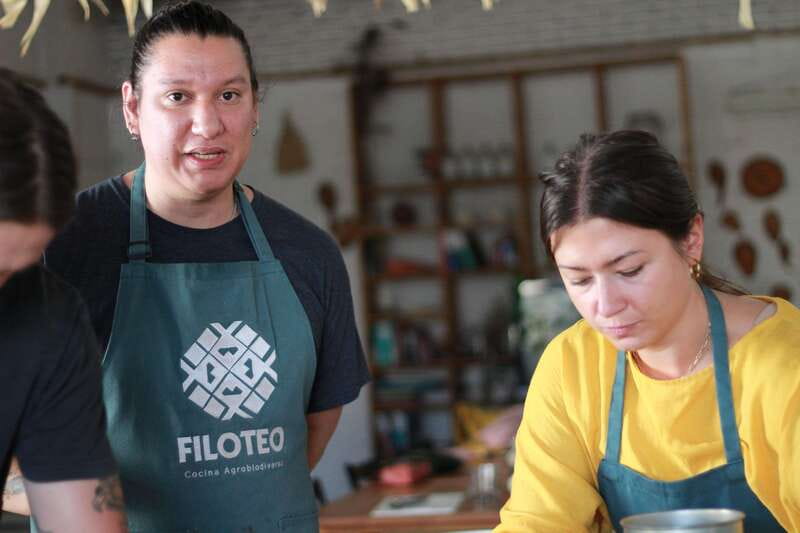
- Teolab is easy to identify: Look for the word FILOTEO outside and a large dog on the facade.
- English and Spanish are available: The class also welcomes wheelchair users, strollers, and guide animals.
Finding Teolab and settling into the workshop
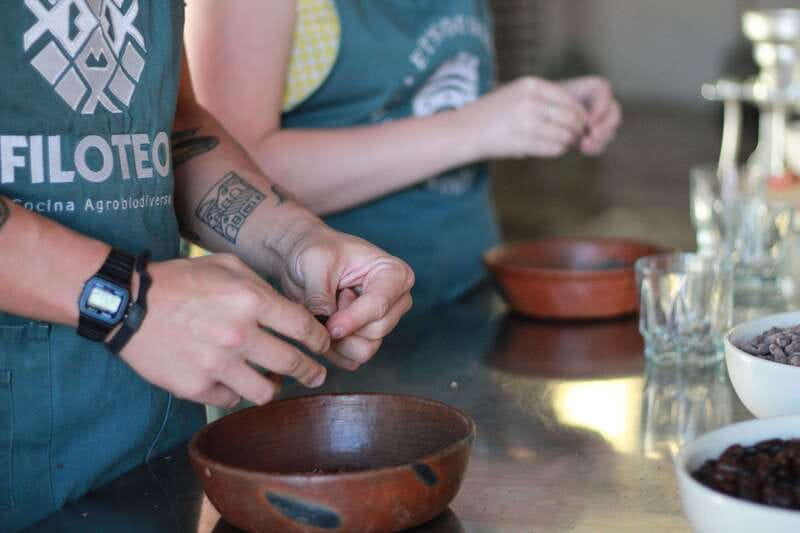
Your meeting point is Teolab, a workshop space that also houses the chocolate shop. The address is easier to spot by its visual clues than by relying on a quick glance at a street number: look for FILOTEO outside and the large dog on the facade.
That small detail matters in Oaxaca, where a clearly marked storefront can save you a few minutes of wandering. You should still check your confirmed meeting information before setting out, but the supplied directions give you two useful signs to watch for.
The welcome is meant to be relaxed. On arrival, you can request coffee or tea, and bottled water is included. There is also access to water without relying on plastic bottles, a thoughtful touch for an activity built around food and sustainability.
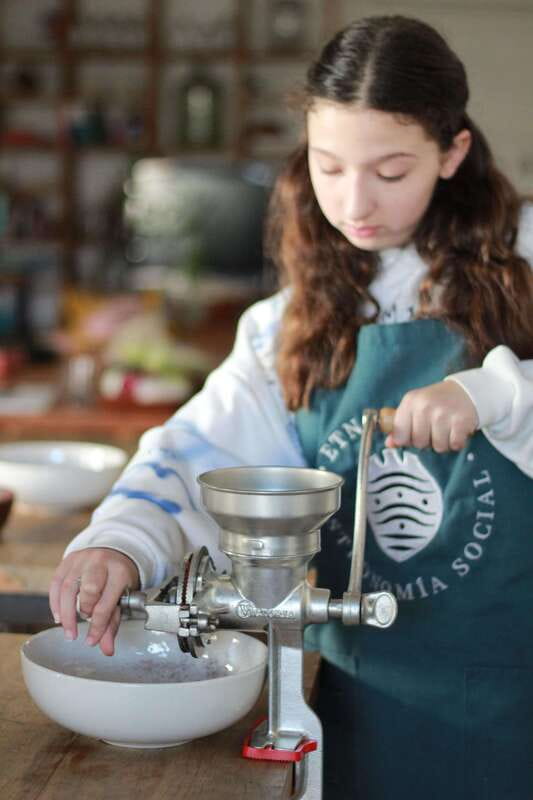
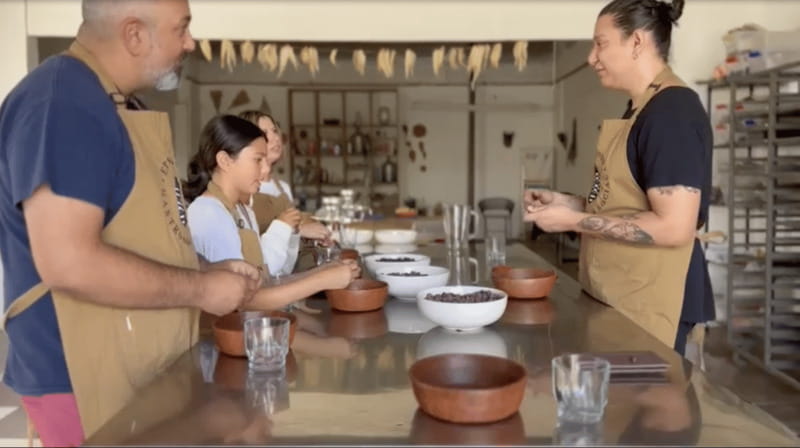
The space is set up for work rather than a formal restaurant meal. Aprons, grinders, stoves, and molds are supplied, so you do not need to bring equipment. You should wear clothing that can handle a little chocolate contact, though the apron gives you a useful layer of protection.
A few more chocolate tours around Mexico worth a look
- Finca 18 Puerto Vallarta Tequila Tour + Chocolate Pairing
★ 5.0 · 393 reviews - Bean to Bar Chocolate Workshop in Puerto Vallarta
★ 5.0 · 381 reviews - Chocolate Tour in Vallarta
★ 5.0 · 226 reviews
The first lesson: cacao, chocolate, and Mexican traditions
Before you start making anything, the chocolatier explains where chocolate comes from and how different kinds vary. This introduction gives the practical work some context. You are not simply mixing ingredients and waiting for a result. You learn why chocolate behaves differently depending on its type and how the ingredients affect flavor and texture.
The class also covers cacao production in Mexico. That is one of its strongest features, because it connects the food in front of you with the people, crops, and methods behind it. The lesson is especially useful if your idea of chocolate begins and ends with a sweet candy bar. Here, cacao becomes an ingredient with different forms and uses.
Tomas has been praised for introducing less familiar kinds of chocolate and encouraging participants to set aside their usual expectations. Roberto also answers questions in detail and adds recommendations for food and activities in Oaxaca. That kind of local conversation can be a nice bonus, especially if you take the class early in your stay and still need ideas for the rest of your visit.
You should not expect a long academic lecture. The format is designed to move from explanation to action. The value comes from being able to ask a question, then see the answer in the bowl, grinder, or mold in front of you.
From ingredients to molds, with plenty of hands-on work
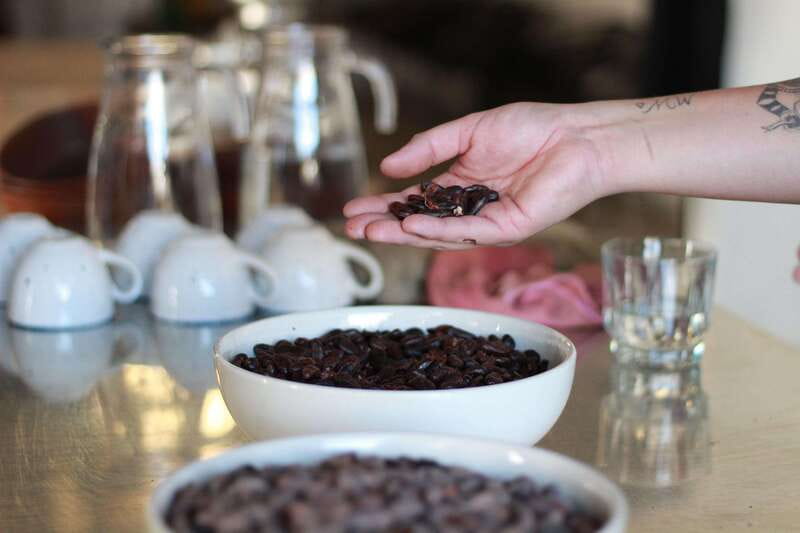
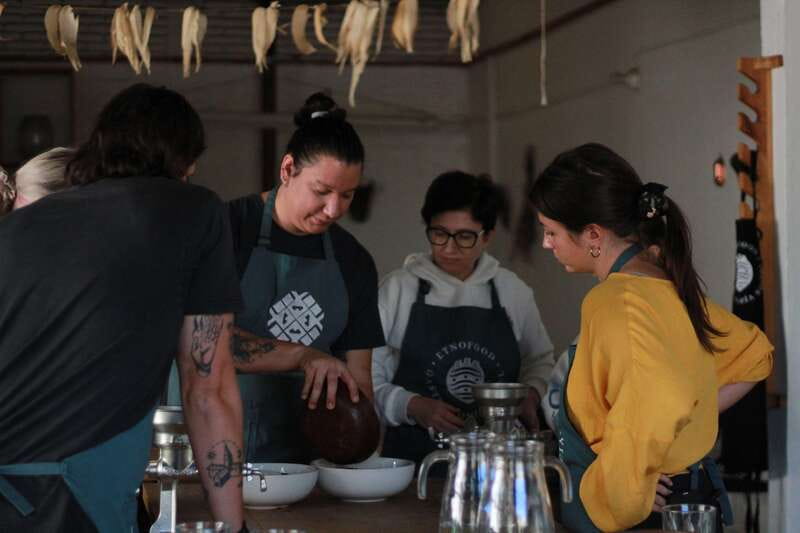
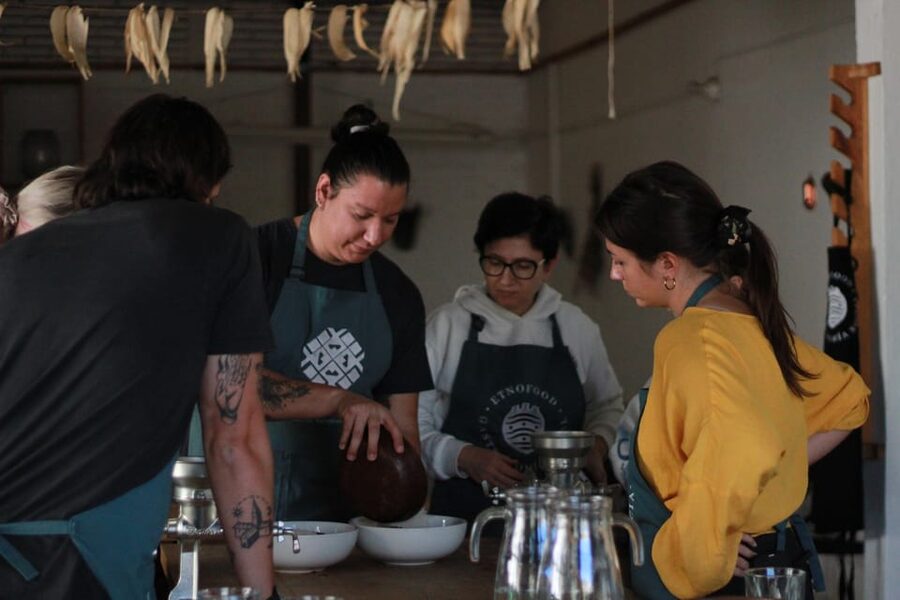
The chocolatier guides you through the process step by step, beginning with ingredient selection and continuing to the molding stage. You get to put the lesson into practice rather than watching someone else do all the work.
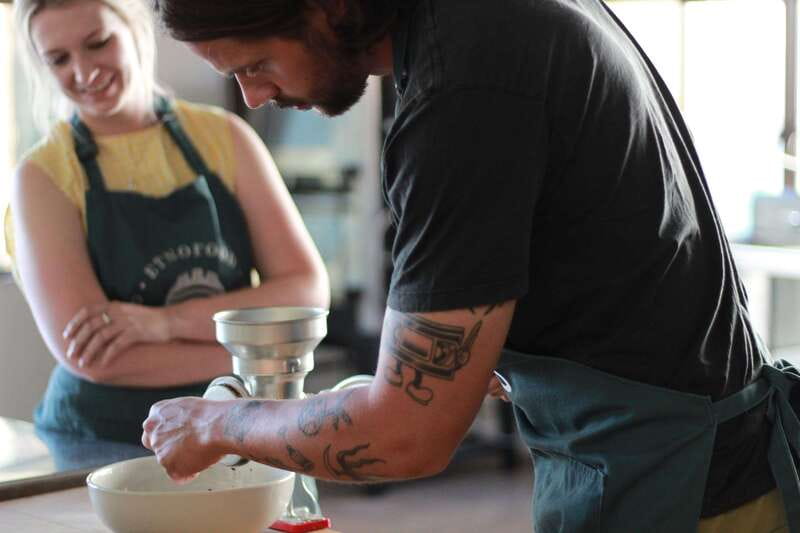
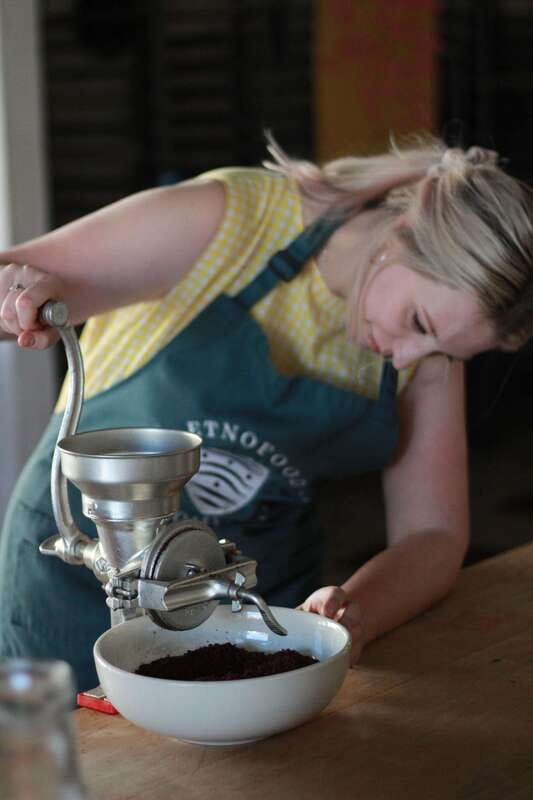
The supplied grinders and stoves point to a class built around active participation. You will handle the ingredients, follow the techniques, and work toward your own finished chocolates. The instructors supervise closely, which is helpful if you are new to chocolate making or unsure about how each stage should look.
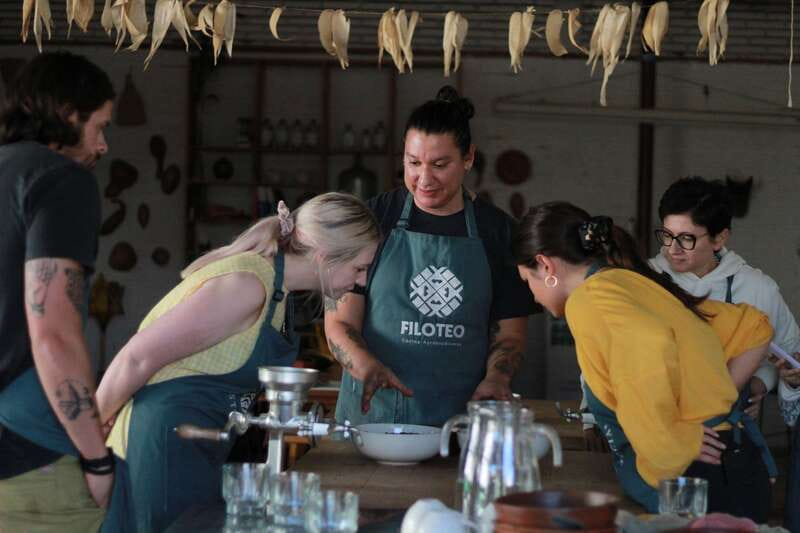
The small group size is important here. With no more than six participants, the instructor can answer individual questions and keep an eye on the work. A larger class could make the lesson cheaper to run, but it would also risk turning the activity into a demonstration. This setup is more personal.
The process may be particularly appealing to families, couples, and friends who want an activity they can do together. It also suits solo visitors who enjoy learning by hand and talking with a local craft specialist. The class is not passive, so you should be ready to take part rather than sit back with a cup of coffee.
The instructors are a major part of the experience. Roberto is described as patient, funny, and generous with his time. Tomas is praised for his passion, warmth, and ability to explain the process in an approachable way. One class even became a birthday activity, with the instructor giving the occasion a personal touch.
Tasting what you made
After the chocolate is ready, the class turns to tasting. This is more than a final reward. It gives you a chance to notice how the ingredients and techniques affected the result.
You taste chocolates made during the session and compare the flavors and textures you have just learned about. The tasting uses several senses, not only sweetness. That makes the lesson easier to remember, because the information is tied to something you can smell, touch, and eat.
I like this part because it closes the loop. You first hear about chocolate, then work with it, then taste the result. The activity has a clear beginning, middle, and end rather than stopping once the preparation is complete.
The tasting also helps set realistic expectations. Handmade chocolate is not necessarily about making a perfect professional confection on your first attempt. The pleasure is in seeing how the method works and enjoying what you produced. The instructors are there to guide you, so the atmosphere should feel encouraging rather than competitive.
Snacks are included along with the chocolate tasting. Coffee or tea is available upon arrival, and bottled water is provided, with additional access to water in the workshop.
Same place, a different sort of tasting:
- Chocolate & Margarita Workshop
★ 5.0 · 207 reviews - Chocolate and truffles workshop
★ 5.0 · 157 reviews - San Jose del Cabo Art Walk, Beer Tasting &Chocolate Demonstration
★ 5.0 · 141 reviews - Artisanal Mezcal and Fine Chocolate Tasting
★ 5.0 · 132 reviews
Taking home 150 grams of your own chocolate
The take-home portion is one of the best reasons to consider this class. Each participant leaves with 150 grams of chocolate designed by them.
That is a useful souvenir size. You can share it with friends and family, save it for a special moment, or eat it during the rest of your Oaxaca stay. It also gives the class a lasting result. Instead of returning to your hotel with only photographs, you have something connected to the time and work you put in.
The chocolate is not simply handed over as a standard gift. You make it under supervision, which gives the souvenir a personal story. If you are buying the experience as a birthday activity or a family outing, that added connection may matter more than the retail value of the chocolate itself.
You should remember that handmade food may not travel as easily as a nonfood souvenir, especially in warm conditions. The supplied information does not specify packaging or storage instructions, so it is sensible to ask the workshop how to carry and keep your chocolate after class.
Is $64 a fair price?
At $64 per person, this is not the cheapest food activity in Oaxaca. The price makes more sense when you count what is included: 2.5 hours of instruction, ingredients, tastings, snacks, equipment, an apron, drinks, and 150 grams of chocolate to take home.
The small group is another part of the value. You are paying for access to an instructor who can guide your work, answer questions, and explain the craft in English or Spanish. If the class reaches its six-person limit, the teaching time is still likely to feel more personal than in a large demonstration.
I would compare it with the cost of a good restaurant meal plus a quality chocolate purchase, then add the value of an activity you can remember. If you only want to sample Oaxacan chocolate, $64 may feel high. If you want to understand the process and make your own, the price is more reasonable.
The strongest value comes from the teaching and the personal attention, not from the amount of chocolate alone. Book it because you want the workshop. Think of the take-home portion as a very tasty extra.
Who will enjoy this class most?
I would recommend this activity to anyone who likes food experiences with a practical element. You get the most from it if you enjoy asking questions, trying a new technique, and accepting that handmade results may not look factory-perfect.
It should suit:
- Couples looking for a shared activity
- Families who want a creative food lesson
- Solo visitors who enjoy small-group classes
- Chocolate fans who want more than a tasting
- Visitors interested in Mexican cacao and traditional methods
- People looking for a useful edible souvenir
It is also a good choice for visitors who want an indoor activity during a busy Oaxaca itinerary. The 2.5-hour length is substantial enough to feel worthwhile but short enough to fit around other plans.
You may want to choose something else if you are looking for a city tour, a full meal, or a class focused only on professional pastry techniques. The experience centers on chocolate and cacao, with no listed transport or wider food-market visit.
Accessibility, languages, and practical details
The workshop is listed as wheelchair accessible, including its transports and surfaces. It is also accessible for baby strollers, and guide animals are allowed. Babies must sit on an adult’s lap.
English and Spanish instruction is available. That makes the activity approachable for international visitors, and the personal class size should make it easier to ask for clarification when needed.
You can cancel up to 24 hours in advance for a full refund, and you can reserve now while paying later. Those options are useful if your Oaxaca schedule is still changing.
Alcohol and drugs are not allowed. That is worth noting because this is a food preparation class with hot equipment and active workstations.
The duration is 2 hours and 30 minutes. Starting times depend on availability, so check the schedule before planning the rest of your day.
What makes this more than a chocolate souvenir stop?
The best part is the connection between old methods and present-day making. The workshop presents chocolate as both a food and a craft, with family techniques, cacao production, ingredients, and sustainability all part of the conversation.
Tomas’s connection to methods learned from his grandmother gives the lesson a personal thread. Roberto’s local recommendations add another layer, turning a chocolate class into a chance to get practical Oaxaca advice from someone who works in the city.
The class also gives you a better way to shop for chocolate afterward. Once you understand the differences among chocolate types and the work behind them, you can taste and buy with more confidence.
That is the real benefit. You leave with chocolate, but you also leave with a clearer idea of what you are eating and how it was made.
Should you book the Teolab chocolate class?
Book it if you want a small, personal workshop led by instructors who care about their craft. The combination of cacao background, hands-on preparation, tasting, and 150 grams of take-home chocolate gives the activity a strong balance of learning and pleasure.
I would be especially happy to recommend it to chocolate lovers, families, couples, and anyone who enjoys meeting local makers. The perfect score from 23 ratings fits the pattern of praise for patient teaching, passion, humor, and personal attention.
Skip it if you want a general Oaxaca food tour, a full meal, or a quick tasting with no practical work. For everyone else, $64 buys a well-structured two and a half hours, a useful local encounter, and a souvenir you made yourself.
FAQ
Where does the chocolate-making class take place?
The class takes place at Teolab, a workshop space that also contains the chocolate shop. Look for FILOTEO outside and a large dog on the facade.
How long does the experience last?
The class lasts 2 hours and 30 minutes.
How much does the class cost?
The price is $64 per person.
What languages are available?
The instructor can teach in English or Spanish.
How much chocolate can I take home?
Each participant takes home 150 grams of chocolate designed by them.
Are drinks included?
Yes. Bottled water is included, and you can request coffee or tea upon arrival. You also have access to water without relying on plastic bottles.
Is equipment provided?
Yes. Aprons, grinders, stoves, and molds are provided for the workshop.
Is the activity wheelchair accessible?
Yes. The experience is listed as accessible for wheelchair users, including its transports and surfaces. It also accommodates baby strollers and guide animals.
Can I cancel or pay later?
You can cancel up to 24 hours in advance for a full refund. You can also reserve your place and pay later.
Just added around Mexico
- Tulum: Chocolate & Honey Sanctuary Experience with Lunch★ 4.2 · 34 reviews
- Tulum: Chocolate & Honey Sanctuary Experience with Cenote★ 3.5 · 6 reviews
- Cultural Adventure: Artisanal Chocolates, Coffee and Doll Making★ 5.0 · 2 reviews
- Private Make Your Own Chocolate Experience in Puerto Vallarta★ 5.0 · 8 reviews
- Tarot Reading with Coffee & Chocolate or Smoothie★ 5.0 · 17 reviews
- Sayulita Magical Town Tour: Local food, and chocolate.★ 5.0 · 18 reviews
- Chocolate Macarons Workshop in Puerto Vallarta★ 5.0 · 5 reviews
- Amazing Walk through the Zapotec Mountains with Hot Chocolate★ 5.0 · 4 reviews
Chocolate Tours, compared.

Choco-Story Brussels: Chocolate Museum Entrance with Tasting
Read our review →
City Tour, Cruise, and Lindt Home of Chocolate Visit
Read our review →
The Chocolatarium Chocolate Tour Experience in Edinburgh
Read our review →
Award-Winning Geneva Chocolate &Old Town Tour with Boat Ride (3h)
Read our review →
Yarra Valley Wine, Gin, Whisky and Chocolate Tour
Read our review →
4×4 Dominican Adventure with Chocolate and Coffee Tasting
Read our review →
Browse the lists this tour appears in