
Review · MEXICO
Cultural Adventure: Artisanal Chocolates, Coffee and Doll Making
Make something, then taste the region. This four-hour Querétaro experience connects you with local artisans through Lele doll making, Oaxacan coffee, and handmade chocolate. I like that the activities are hands-on rather than just demonstrations, and I like the small maximum of seven people, which should leave room for questions and personal guidance.
The main consideration is the fixed 1:00 pm start and the fairly focused format. You are spending much of the afternoon indoors with three hosted activities, so this suits you best if you want close contact with crafts and food rather than a broad walking tour of Querétaro. Children seven and younger are not recommended.
Key Points at a Glance
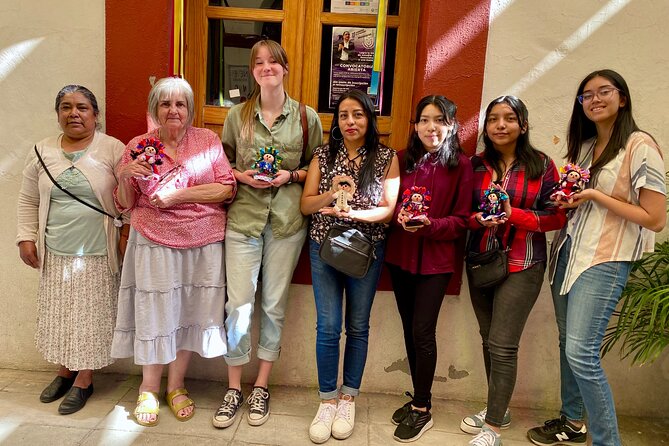
- Make your own Lele or Panchito doll: Spend about an hour and a half with Mari, a local doll maker who has practiced the craft throughout her life.
- Learn about an indigenous Mexican symbol: The Lele doll is closely linked with Querétaro’s indigenous communities and offers more cultural context than a standard souvenir stop.
- Taste four organic Oaxacan coffees: Laura and Aldo bring coffee and regional snacks from their Mixe community in the mountains of Oaxaca.
- Finish with three artisanal chocolates: A local chocolatier leads the final tasting, giving the afternoon a clear culinary finish.
- Keep the group small: The experience accepts no more than seven people, a useful size for a craft lesson and questions.
- Pay for a personal cultural experience: At $103.06 per person, the cost is high for four hours, but it includes materials, tastings, a bilingual guide, and three separate host-led encounters.
Why This Querétaro Experience Feels Different
Many city activities give you a little background, a few photo stops, and a quick look at something being made. This one asks you to take part. You do not simply watch an artisan work. You make a doll, compare coffees, and taste chocolate while hearing the stories behind each product.
That structure gives the afternoon a useful rhythm. The first part is creative and tactile. The coffee session shifts toward agriculture and regional food. Chocolate brings the program to a relaxed close. You are not racing between distant sights, and the tour ends where it begins at the Indigenous Artesanal Development Centre on Calle Ignacio Allende Sur 20 in central Querétaro.
I also like the connection between Querétaro and Oaxaca. The doll belongs to the cultural world of Querétaro’s indigenous communities, while the coffee and snacks come from a Mixe community in Oaxaca. In a few hours, you get a small but meaningful look at several Mexican traditions rather than a generic tasting built around supermarket products.
The experience is offered in English and Spanish through a local bilingual guide. That matters during the doll-making portion, where instructions and cultural explanations need to be clear. The guide also helps connect the three stops, so the afternoon feels like one cultural program instead of three unrelated appointments.
More Chocolate and Coffee Tastings in Mexico:
- Tarot Reading with Coffee & Chocolate or Smoothie
★ 5.0 · 17 reviews - Sweet Mexico City: Chocolate, Coffee, and Traditional Treats
★ 5.0 · 2 reviews - 4×4 Dominican Adventure with Chocolate and Coffee Tasting
★ 5.0 · 2,920 reviews
Starting at the Indigenous Artesanal Development Centre
Your meeting point is the Indigenous Artesanal Development Centre, C. Ignacio Allende Sur 20, Centro, 76000 Santiago de Querétaro. The activity begins at 1:00 pm and returns to the same location, which makes planning easier if you are staying in central Querétaro.
The meeting point is near public transportation. A mobile ticket is accepted, and confirmation arrives when you book. You receive a bottle of water at the beginning, a small but welcome touch before the longer craft session.
Since the program is limited to seven people, arrive ready to begin on time. A small group is especially useful here. In a large class, doll-making instructions can become crowded and personal questions may be rushed. With fewer people, you should have a better chance to follow the artisan’s method and ask about the meaning of the doll.
There is no need to expect a traditional sightseeing route. The value is inside the workshops and tasting spaces. If you want to see Querétaro’s main plazas, churches, or museums, plan those separately before or after this activity.
Creating a Lele or Panchito Doll With Mari
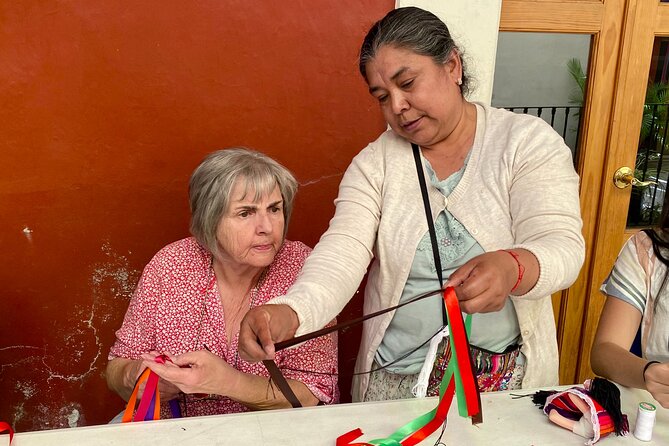
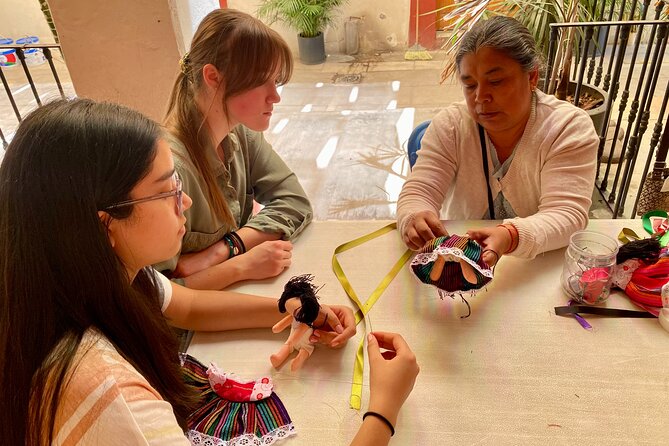
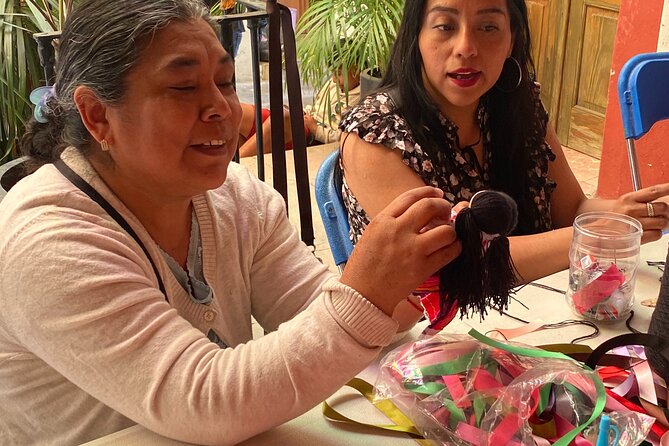
The first major session lasts about an hour and a half. Mari introduces the Lele doll and guides you through making your own version. Materials are included, and you can create either a Panchito or Lele doll.
The Lele doll is a cherished symbol associated with Querétaro’s indigenous communities. Its bright clothing and distinctive design have made it recognizable well beyond the region, but the important part of this session is learning that it is not simply a decorative figure. The doll reflects an active craft tradition and the skill of people who continue to make these figures by hand.
Mari’s role is central. She is described as a lifelong artisan, so you are learning from someone with a personal connection to the work, not just someone hired to give a short craft demonstration. The experience is praised for explaining how Lele dolls are made and for making the history understandable through the actual process.
You should expect to work at a patient pace. Creating a handmade doll in ninety minutes is not the same as buying one from a market stall. You will likely spend time following instructions, arranging materials, and making choices about the doll’s appearance. The result may not look factory-perfect, which is part of the point.
This portion is particularly good for people who enjoy practical cultural activities. You take home something you made, and the object carries a memory of the person who taught you. It also gives you a better eye for handmade dolls you may see later in Querétaro or elsewhere in Mexico.
There is one practical limit. The experience is not recommended for children seven or younger. Young children may find the careful pace difficult, and the craft lesson is designed more for older children and adults who can stay engaged through a longer seated activity.
Meeting Oaxaca Through Coffee With Laura and Aldo
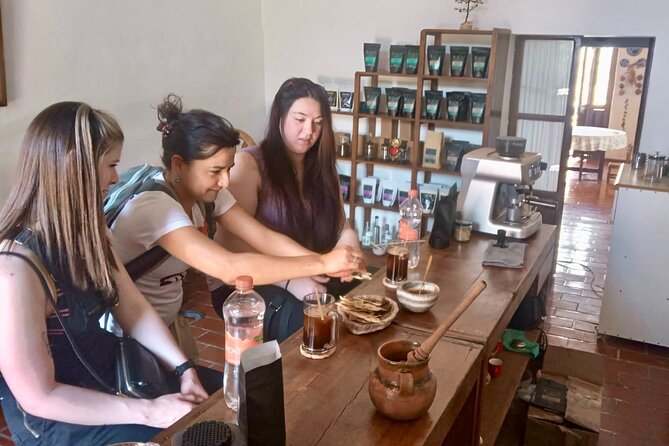
After the doll session, the focus shifts from craft to coffee. Laura and Aldo bring organic goods from their Mixe community in the mountains of Oaxaca. Their session explains coffee production while you sample about four different organic coffees and several Oaxacan snacks.
This is more useful than a simple cup of coffee placed in front of you. The tasting lets you compare several coffees and pay attention to differences in flavor and character. The production discussion adds a human and regional context, showing that the drink begins with farming communities and local knowledge long before it reaches a café.
The Mixe connection gives this portion a strong sense of place. Oaxaca is known for its many indigenous communities and regional food traditions, but the tour keeps the focus specific: coffee and goods connected with Laura and Aldo’s community. That makes the session feel personal rather than like a broad lecture about the entire state.
The snacks are also important. They give you something to eat alongside the coffee and show how local flavors work together. Since the program includes roughly four coffees, expect tasting rather than a full meal. If you arrive hungry, do not count on the coffee stop to replace lunch.
I would approach this portion with curiosity rather than a search for a single favorite coffee. The benefit is in comparing the samples and hearing how coffee is produced. If you already enjoy coffee, you will likely appreciate the chance to taste several organic varieties side by side. If you usually drink coffee casually, the guide and hosts can help you notice more.
The tour does not state that brewing equipment or a full coffee workshop is included, so keep your expectations measured. This is an interactive tasting and production conversation, not necessarily a barista class.
A few more chocolate tours around Mexico worth a look
- Finca 18 Puerto Vallarta Tequila Tour + Chocolate Pairing
★ 5.0 · 393 reviews - Bean to Bar Chocolate Workshop in Puerto Vallarta
★ 5.0 · 381 reviews - Chocolate Tour in Vallarta
★ 5.0 · 226 reviews - Chocolate & Margarita Workshop
★ 5.0 · 207 reviews
Ending With Three Artisanal Chocolates
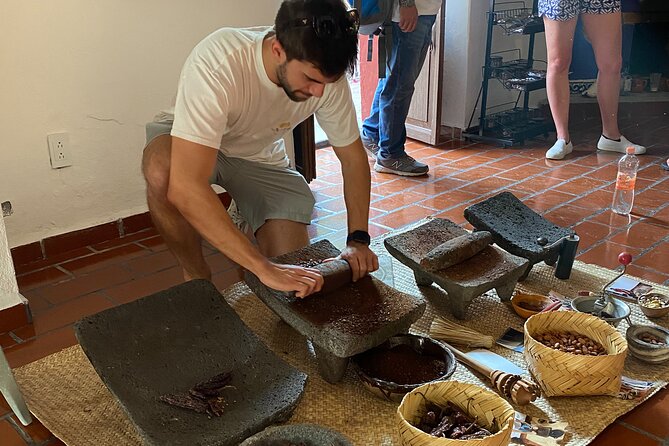
The final stop is a chocolate tasting led by a local chocolatier. You receive three artisanal chocolates, creating a neat finish to the afternoon’s sequence of handmade products.
Chocolate works well as the closing activity because it is easy to compare and discuss. You can focus on texture, flavor, and the differences between pieces while the chocolatier explains the work behind them. The format is more personal than simply buying a chocolate bar from a shop.
The chocolatier’s role adds another local voice to the experience. You have already spent time with a doll maker and coffee hosts, so the final tasting completes a trio of independent creative practices. Each person brings a different skill, but all three sessions center on making something with care.
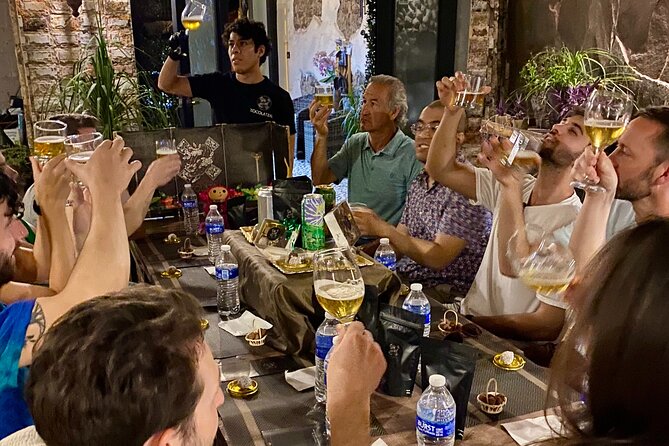
The tasting is modest in size, with three chocolates included. That is enough for a guided sample, but not a large dessert spread. The optional local craft beer pairing may be added if you want to extend the tasting, but it costs extra and is not part of the basic price.
If you do not drink alcohol, you will still receive the chocolate tasting without the beer pairing. The tour remains complete on its own, and the included coffee, snacks, and chocolates provide plenty of food-related variety for an afternoon.
What the $103.06 Price Really Covers
At $103.06 per person, this is not a bargain activity in the usual sense. You are paying more than you would for a basic market visit or an ordinary food tasting. The price makes more sense when you count the materials, the small group, the bilingual guide, and three separate experiences led by local specialists.
The doll session alone includes supplies and about ninety minutes of instruction. Then you have the coffee tasting with around four organic coffees and Oaxacan snacks, followed by three artisanal chocolates. A bottle of water is also provided at the start.
The real value comes from access. You are not just purchasing products. You are paying for time with the people who make them and for the chance to ask questions while participating. That can be worthwhile if you value personal contact and a finished handmade item more than a packed sightseeing schedule.
The cost may feel high if your main goal is eating as much as possible. The tastings are samples, not a full lunch or dinner. It may also feel expensive if you prefer to browse markets independently and choose your own purchases.
For a special afternoon in Querétaro, the price is easier to justify when you want a planned cultural activity with no need to arrange three separate appointments. Group discounts may be available, which could improve the value for families with older children or friends traveling together.
Group Size, Timing, and Comfort
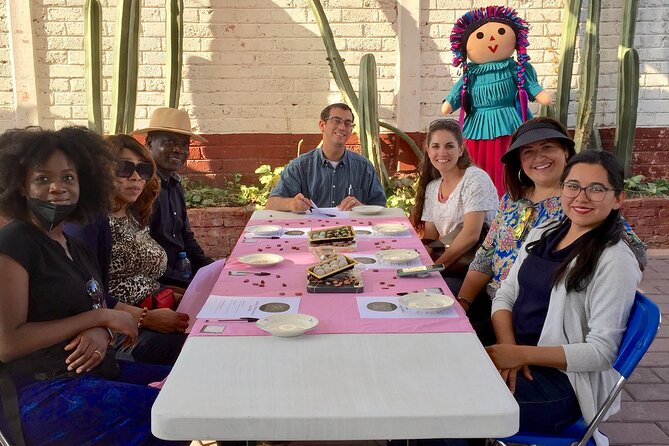
The maximum group size is seven people. That is one of the strongest practical features because craft instruction works better when the artisan can see what each person is doing. A small group also keeps the coffee and chocolate conversations from turning into crowded sampling sessions.
The tour lasts about four hours and begins at 1:00 pm. Since it ends back at the meeting point, you can plan an evening meal afterward in central Querétaro. The afternoon schedule leaves your morning free for other sightseeing.
You should allow the full four hours rather than planning a tight connection immediately afterward. Hands-on activities can take a little longer when people ask questions or need help with materials. The supplied duration is approximate, so leave some breathing room.
Most people can participate, and service animals are allowed. The activity is near public transportation, which helps if you are staying in central Querétaro without a car. No special physical requirements are stated, but the program is centered on craft work and tastings rather than a walking route.
Because the activity is indoors or centered around hosted sessions, it can be a useful choice when you want a break from outdoor sightseeing. The exact setting for each part is not specified, so you should not assume that every portion takes place at the same address or that the program includes a wider city tour.
Who Will Enjoy This Most
I would choose this experience if you enjoy meeting makers, trying regional foods, and taking home something personal. It suits adults, older children, couples, friends, and small groups who want cultural contact without committing to a full-day excursion.
It is also a good fit if you want to support local artisans directly. The hosts are not anonymous suppliers. Mari, Laura, Aldo, and the local chocolatier each contribute a specific skill and story. The guide helps you move between those voices.
Coffee fans should pay special attention to the Oaxaca session. Craft lovers will get the most from the doll-making class. If chocolate is your main interest, remember that the tasting includes three pieces, so the broader appeal is the combination of all three activities.
You may want to skip it if you dislike seated workshops, have no interest in making crafts, or want a large meal. The program has a clear focus and does not pretend to be everything in Querétaro. It is a close look at art, food, and local people, not a general city orientation.
Tips are not included, and they are greatly appreciated because the guides and hosts create a personal experience. You may also add a local craft beer pairing, but that is optional and separate from the base price.
Booking and Cancellation Details
The activity is often reserved about 26 days ahead, so booking early is sensible if your schedule in Querétaro is fixed. Confirmation is provided at booking, and the mobile ticket makes arrival simple.
Free cancellation is available if you cancel at least 24 hours before the local start time. Cancellations or changes made inside that window are not refunded or accepted. The experience also needs a minimum number of participants, so if the provider cancels for that reason, you are offered another date or experience, or a full refund.
Should You Book It?
Book this if you want a personal, small-group afternoon built around making and tasting, not a fast list of city sights. The Lele doll lesson with Mari is the strongest reason to choose it, especially if you like taking home a handmade object with a clear cultural connection.
The coffee and chocolate sessions add variety and make the $103.06 cost easier to understand, though they remain tastings rather than full meals. I would recommend it most to adults and older children who enjoy crafts, regional food, and direct contact with local makers.
Skip it if you want a walking tour, a large food tour, or a low-cost way to fill an afternoon. For the right visitor, though, this is a thoughtful way to meet Querétaro through the hands of its artisans and the flavors of Oaxaca.
FAQ
Where does the experience begin?
It begins at the Indigenous Artesanal Development Centre, C. Ignacio Allende Sur 20, Centro, 76000 Santiago de Querétaro, Qro., Mexico.
What time does the tour start?
The tour starts at 1:00 pm.
Where does the experience end?
It ends back at the meeting point.
How long does the activity last?
The experience lasts approximately four hours.
What is included in the doll-making activity?
Materials are included for creating either a Panchito or Lele doll, with instruction from a local artisan.
How many coffees and chocolates are included?
You sample approximately four organic coffees, along with Oaxacan snacks, and taste three artisanal chocolates.
Is the experience suitable for young children?
It is not recommended for children seven years old or younger. Most other participants can take part, and service animals are allowed.
Just added around Mexico
- Tulum: Chocolate & Honey Sanctuary Experience with Lunch★ 4.2 · 34 reviews
- Tulum: Chocolate & Honey Sanctuary Experience with Cenote★ 3.5 · 6 reviews
- Private Make Your Own Chocolate Experience in Puerto Vallarta★ 5.0 · 8 reviews
- Tarot Reading with Coffee & Chocolate or Smoothie★ 5.0 · 17 reviews
- Sayulita Magical Town Tour: Local food, and chocolate.★ 5.0 · 18 reviews
- Chocolate Macarons Workshop in Puerto Vallarta★ 5.0 · 5 reviews
- Amazing Walk through the Zapotec Mountains with Hot Chocolate★ 5.0 · 4 reviews
- Oaxaca : Visit of Chocolate and Ancestral Drinks★ 5.0 · 2 reviews
Chocolate & Coffee Tastings, compared.
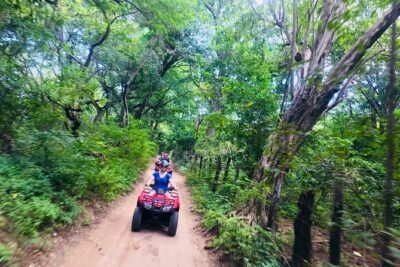
4×4 Dominican Adventure with Chocolate and Coffee Tasting
Read our review →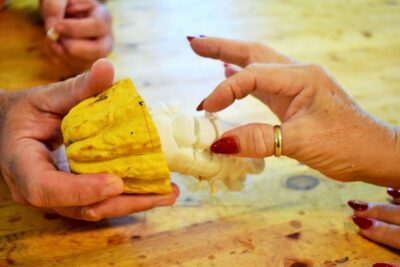
Award Winning Farm Tour: Coffee, Chocolate and Unique Gifts
Read our review →
ATV Adventure w/ Chocolate, Coffee & Cave Swim in Punta Cana
Read our review →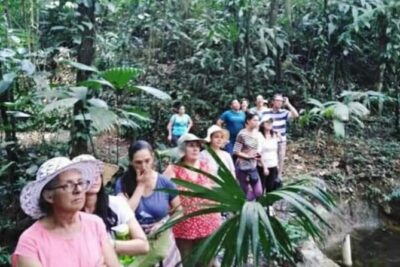
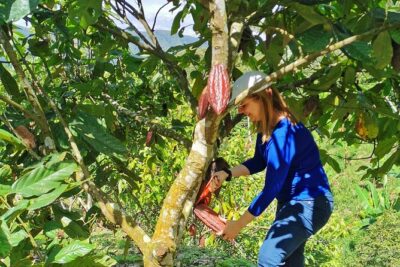
Coffee & Chocolate Private Tour in Medellin: Genuine Experience
Read our review →
Coffee & Chocolate Tour+Sloths Park & Llanos de Cortez Waterfall
Read our review →
ATV OR BUGGY Ride Into the jungle with cave coffee & chocolate
Read our review →
Punta cana Boogie into the Jungle with Coffee and Chocolate Taste
Read our review →Browse the lists this tour appears in