
Review · MEXICO
Make Your Own Chocolate with Oaxacan Tradition Private Class
Chocolate begins with a little work. This small Oaxaca City class takes you from raw cacao beans to a personal chocolate blend, using a clay comal, hand peeling, grinding, and a traditional whisking tool. I like the hands-on process and the clear link to local cooking traditions. I also like that you choose the sugar level and regional ingredients yourself, rather than simply watching a demonstration.
The setting and small group size make this feel personal, with no more than four people in a session. Guides including Fernanda, Lupita, Diego, and Ruth have been praised for their patience and warmth. The main consideration is time: the advertised duration is about two and a half hours, but you may spend closer to three hours if the tasting, grinding, and drink preparation move at a relaxed pace.
Key Points Before You Book
- Roast cacao on a clay comal: The comal comes from San Marcos Tlapazola in Oaxaca’s Central Valleys.
- Taste before you make: You learn to notice differences between cacao seeds, commercial chocolate, and more consciously made chocolate.
- Make your own blend: You select the sugar percentage and mix in ingredients from the region.
- Small groups matter: The class is limited to four people, so you get direct help with each step.
- Finish with a traditional drink: You prepare the chocolate using a grinder, then enjoy it with a cocoa-based toast or sandwich.
- Take home your chocolate: The chocolate you make with your own hands is yours to keep.
Starting at 5 de Mayo 210 in Central Oaxaca
The class begins at 5 de Mayo 210, on the RUTA INDEPENDENCIA in Centro, Oaxaca de Juárez. It also finishes at this same meeting point, so you do not need to arrange a separate return trip.
The location is near public transportation, which helps if you are staying outside the central district. Still, allow enough time to find the address. A workshop that begins with a calm introduction is much better than one that starts with you rushing through the door.
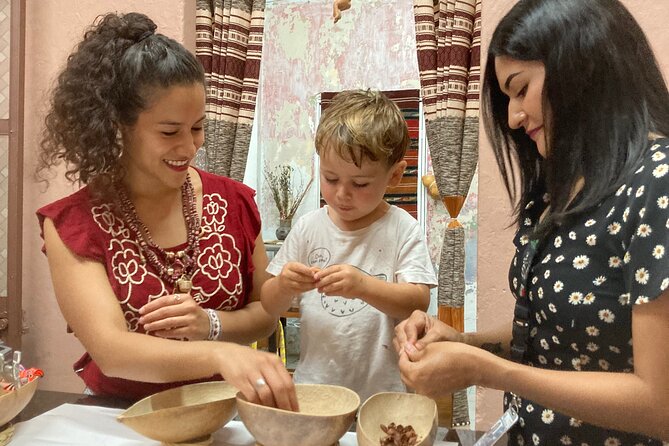
The group limit is four people. That number changes the feel of the activity. You can ask questions without waiting for a large group to quiet down, and the instructor can watch your technique as you roast, peel, and grind. For families, this also means a child gets more attention than in a large cooking class.
English is offered. Confirmation arrives when you book, and service animals are allowed.
More Chocolate Making Workshops in Mexico
- Bean to Bar Chocolate Workshop in Puerto Vallarta
★ 5.0 · 381 reviews - Chocolate Workshop
★ 5.0 · 92 reviews - Puerto Vallarta: Bean to Bar Chocolate Workshop
★ 4.9 · 41 reviews
Learning What Cacao Really Is
The first part sets up the rest of the class. You begin with an introduction to cacao from Oaxaca, including the qualities that help you identify different seeds. This is not only a lesson in chocolate vocabulary. It gives you a way to understand why two chocolate drinks can taste so different even when both start with cacao.
You learn to distinguish cacao from commercial chocolate and from what the class describes as conscious chocolate. That distinction matters because many people arrive in Oaxaca knowing chocolate mainly as a sweet bar or dessert. Here, you see it as a food with different levels of sugar, different processing methods, and a place in local daily life.
You may taste several cacao beans and ground powders. The class has included comparisons involving washed and fermented beans, as well as different styles of production. This tasting is one of the most useful parts for anyone who wants to buy cacao or chocolate in Oaxaca later. You get a better sense of what you like before reaching for a package in a shop.
The lesson also covers the cultural and social importance of cacao in the community. That context keeps the class from becoming a simple recipe session. You are not just learning how to make a drink. You are learning why the ingredient matters and how the process connects to Oaxacan kitchens.
Roasting Cacao on a San Marcos Tlapazola Comal
Next comes the clay comal. The comal used here comes from San Marcos Tlapazola in the Central Valleys of Oaxaca, a detail that gives the activity a direct local connection.
You roast the cacao on the comal rather than skipping straight to ready-made powder. This is a warm, practical step, and you need to pay attention as the beans change. The point is not to stand back and watch someone else do it. You take part in the work and begin to understand how a basic ingredient becomes something ready for grinding.
The comal also adds a sense of place. A modern pan could produce a similar result, but using a traditional clay cooking surface gives you a clearer view of how the process has been carried out in local kitchens. It is one of the details that makes this class feel tied to Oaxaca rather than interchangeable with a chocolate workshop anywhere else.
Because the session is hands-on, you should expect to handle the cacao and follow instructions closely. If you prefer a polished demonstration with no mess, this may feel more active than expected. If you like practical food experiences, the roasting is a strong part of the class.
Peeling Beans by Hand and Hearing the Story Behind Them
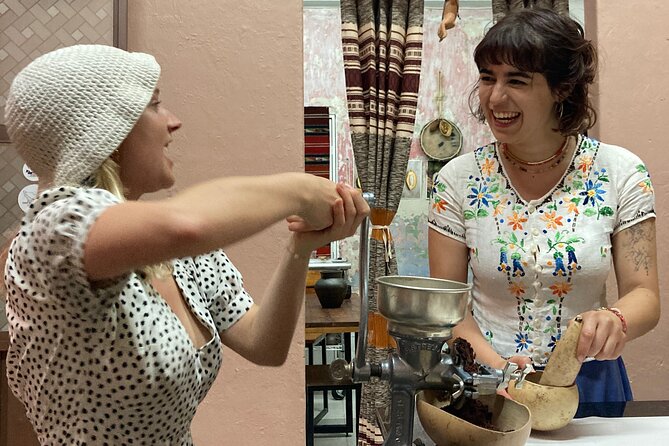
After roasting, you peel the cacao beans by hand. The work is simple, but it slows you down in a useful way. A packaged chocolate bar hides every stage before the first bite. Peeling brings one of those stages into view.
The instructors use this ritual to explain part of the history and culture of cacao in their community. The handwork gives the conversation a natural rhythm. You are doing something while you listen, rather than sitting through a long lecture.
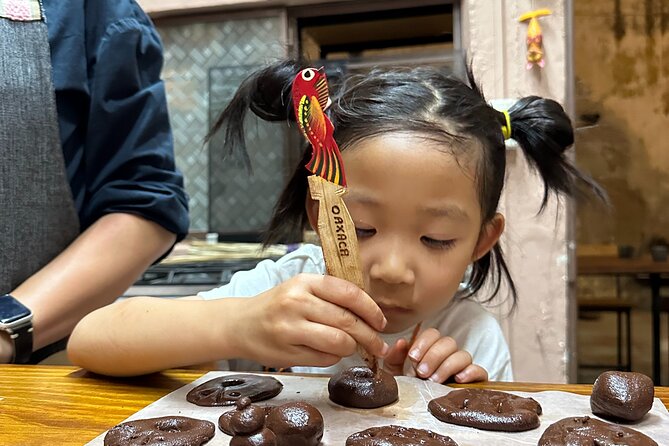
Families should pay attention here. A four-year-old has enjoyed the activity with patient help, and children around eight, eleven, twelve, and thirteen have also taken part successfully. Younger children may need an adult beside them, but the process is concrete enough to hold their attention.
The peeling step can take time. That is not a flaw, but it does explain why the class may run longer than the advertised two and a half hours. A relaxed group that asks questions and takes its time can reach roughly three hours.
Same place, a different sort of tasting:
- Finca 18 Puerto Vallarta Tequila Tour + Chocolate Pairing
★ 5.0 · 393 reviews - Chocolate Tour in Vallarta
★ 5.0 · 226 reviews - Chocolate & Margarita Workshop
★ 5.0 · 207 reviews - Chocolate and truffles workshop
★ 5.0 · 157 reviews
Grinding and Choosing Your Chocolate Blend
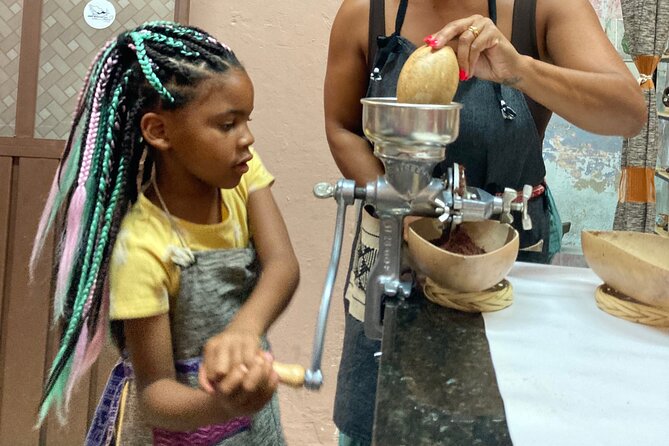
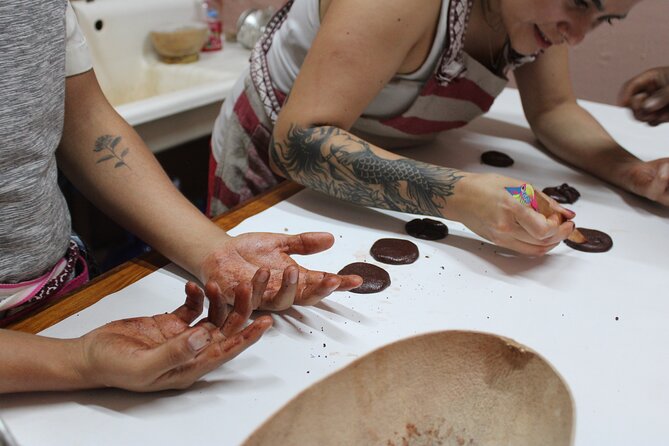
Once the beans are prepared, you transform them into chocolate in an artisanal way. This is where the class becomes personal. You decide how much sugar to use and mix the cacao with different ingredients from the region.
That choice is valuable because you can make something closer to your own taste. Some people want a sweeter drink, while others prefer more of the cacao’s bitter character. You are not simply receiving a fixed recipe. You are making decisions and seeing how those decisions change the result.
The grinding requires effort. One participant compared it to getting a workout, which is fair. The process is physical, and you should not expect instant powder from a machine. That work is part of the lesson. It shows you why traditional chocolate making takes time and why a handmade blend has a different character from a mass-produced product.
You may also sample different beans and ground powders before settling on your own mixture. This is a good time to ask questions about flavor, sugar, and processing. Guides such as Diego have been praised for being patient and clear, while Fernanda has been especially good with children. Lupita and Ruth have also helped create a welcoming, attentive class.
The result is not just a drink you consume on the spot. You keep the chocolate you make with your own hands. That makes the activity feel more worthwhile at the end, especially if you enjoy bringing home food gifts that have a story attached.
Preparing the Drink with a Traditional Grinder
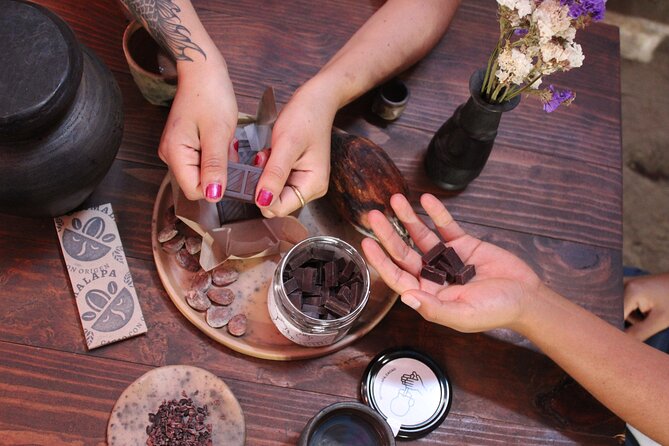
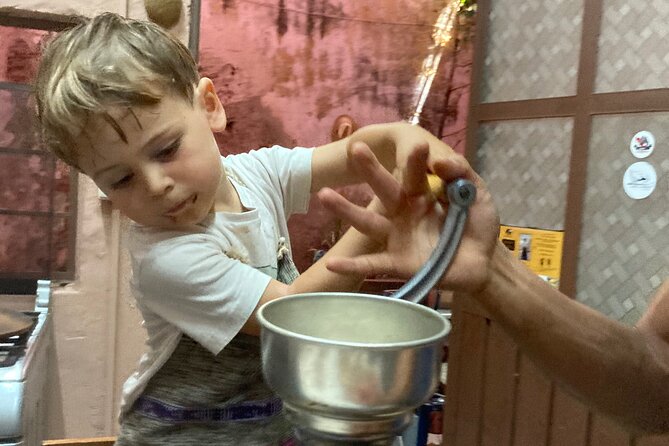
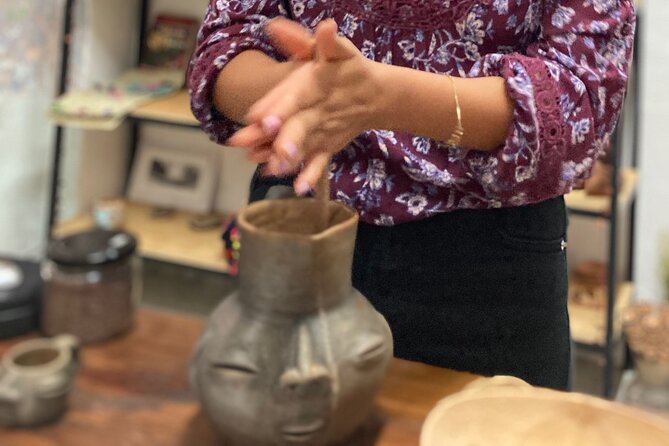
The final preparation uses a grinder, a traditional kitchen utensil that helps incorporate and blend the chocolate. This is the step that turns your work into a drink.
You prepare the chocolate yourself, rather than watching an instructor pour a finished beverage. The tool helps mix the chocolate, and the method connects the earlier roasting and grinding to a familiar Oaxacan drink.
The drink is served with a cocoa-based toast or sandwich. The menu describes it as cocoa toast, while the activity description calls it a cocoa-based sandwich. Either way, expect a small cocoa-centered bite rather than a full meal.
This closing tasting is a pleasant way to compare your finished drink with the flavors you sampled earlier. It also gives you time to enjoy the result without rushing straight to the exit. One practical note: the total experience can stretch to about three hours because the drink-making and tasting receive plenty of attention.
What the $98.57 Price Delivers
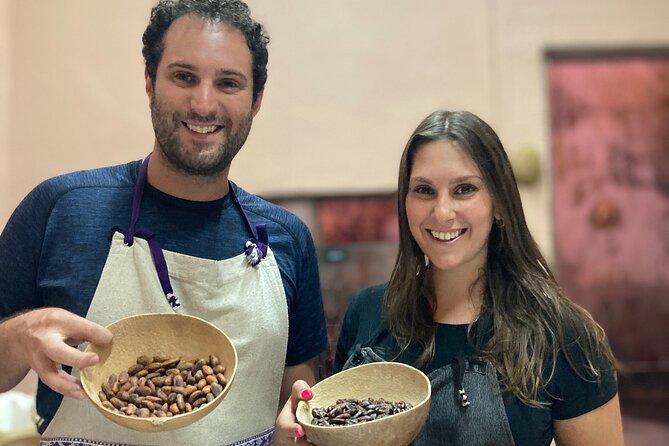
At $98.57 per person, this is not a cheap way to get a cup of hot chocolate. You are paying for a private or very small-group lesson, instruction, tastings, hands-on preparation, a finished drink, a cocoa-based snack, and the chocolate you make to keep.
The value depends on how you like to spend your time in Oaxaca. If you only want to sample local chocolate, you can do that for much less elsewhere. If you want to understand the ingredients, handle the tools, make a blend, and connect the food to local customs, the price is easier to justify.
The maximum of four people is important. A larger cooking class might cost less, but it could give you less time with the instructor. Here, you get room to ask questions and adjust your blend. For a family, the price can also cover a memorable shared activity rather than separate entertainment for adults and children.
Group discounts are available, though the exact savings are not specified. Check the price for your party before booking. The free cancellation policy also gives you some flexibility: cancel at least 24 hours before the start time for a full refund. Cancellations or changes within 24 hours are not refunded or accepted.
Who Will Enjoy This Class Most
I would choose this for people who want food with a story and families who prefer doing something together. Children can take part in peeling, grinding, and mixing, and the instructors have shown patience with young participants.
It also suits solo visitors. With a group limit of four, you are unlikely to disappear into a crowd, and the work gives you an easy way to meet the instructor and ask questions.
Chocolate fans will get the most from the tasting section. You can compare beans and powders, think about sugar levels, and leave with a better idea of what kind of cacao you prefer.
This may not suit you if you want a short, polished tasting with little physical work. Peeling and grinding take effort, and the class can run longer than the listed duration. You should also be comfortable with a process that is traditional and hands-on rather than highly streamlined.
Practical Details That Matter
The experience is offered in English and begins and ends at 5 de Mayo 210 in central Oaxaca. It is near public transportation, and mobile tickets are accepted.
The activity is limited to four people, which is useful if you want close instruction. It is also a good reason to reserve ahead. The experience is booked, on average, 16 days in advance, so last-minute availability may be limited.
Plan for two and a half hours at minimum, with the possibility of about three hours if your group takes its time. Do not schedule a tight appointment immediately afterward.
You will be handling cacao, clay cookware, and a traditional grinder. Wear something comfortable for active food preparation, and arrive ready to participate. The chocolate you make becomes your souvenir, so leave a little room in your day and luggage for it.
Should You Book This Oaxacan Chocolate Class?
Yes, if you want more than a sweet sample. The class gives you a clear sequence: learn about cacao, taste different examples, roast beans on a local clay comal, peel them, grind them, set your sugar level, prepare a drink, and take home your own chocolate.
I especially like the small group limit, the local connection to San Marcos Tlapazola, and the way children can take part. The price is high for a simple tasting, but fairer for a private, hands-on lesson that lasts about two and a half to three hours.
Book it if you enjoy food preparation, local traditions, and activities where your own effort shapes the result. Skip it if you want a quick dessert stop or dislike repetitive handwork. For most families, couples, friends, and curious solo visitors, this is a memorable way to understand Oaxacan chocolate from bean to cup.
FAQ
Where does the chocolate class begin?
The class begins at 5 de Mayo 210, RUTA INDEPENDENCIA, Centro, 68000 Oaxaca de Juárez, Oaxaca, Mexico.
Where does the experience finish?
The activity ends back at the same meeting point.
How long does the chocolate class last?
The advertised duration is approximately two hours and thirty minutes. Depending on the pace of your group, it may take about three hours.
How many people can join?
The activity has a maximum of four participants.
Is the class offered in English?
Yes, the experience is offered in English.
What will I make during the class?
You will roast, peel, and grind cacao, choose the sugar percentage and regional ingredients, make your own chocolate, and prepare a chocolate drink with a traditional grinder.
Do I get to keep the chocolate I make?
Yes. You take your own handmade chocolate with you at the end.
What is the cancellation policy?
You can cancel at least 24 hours before the start time for a full refund. Cancellations or changes made within 24 hours are not refunded or accepted.
Just added around Mexico
- Tulum: Chocolate & Honey Sanctuary Experience with Lunch★ 4.2 · 34 reviews
- Tulum: Chocolate & Honey Sanctuary Experience with Cenote★ 3.5 · 6 reviews
- Cultural Adventure: Artisanal Chocolates, Coffee and Doll Making★ 5.0 · 2 reviews
- Sayulita Magical Town Tour: Local food, and chocolate.★ 5.0 · 18 reviews
- Private Make Your Own Chocolate Experience in Puerto Vallarta★ 5.0 · 8 reviews
- Tarot Reading with Coffee & Chocolate or Smoothie★ 5.0 · 17 reviews
- Chocolate Macarons Workshop in Puerto Vallarta★ 5.0 · 5 reviews
- Amazing Walk through the Zapotec Mountains with Hot Chocolate★ 5.0 · 4 reviews
Chocolate Making Workshops, compared.

Chocolate Workshop in Chocolate Museum w/ Tasting
Read our review →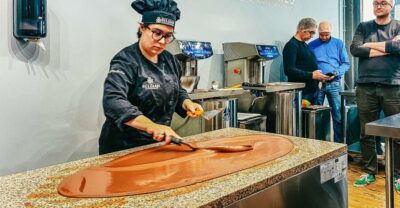
Belgian Chocolate Making Workshop with Tastings
Read our review →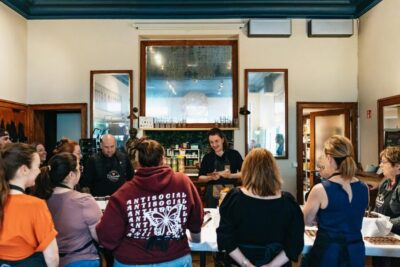
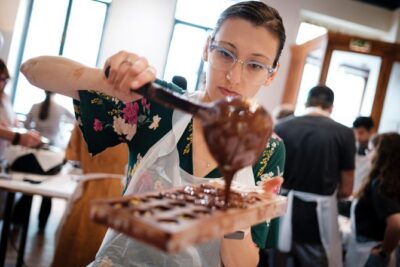
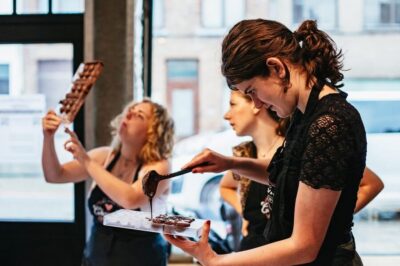
Belgian Praline and Mendiants Chocolate Workshop
Read our review →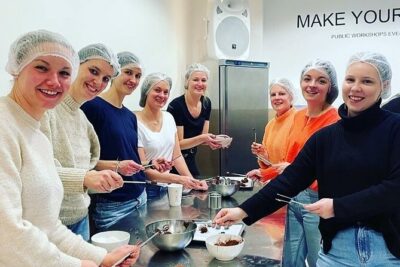
1.5h Belgian Chocolate Workshop in Brussels (bean to bar)
Read our review →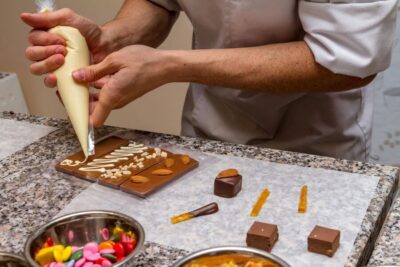
45-minute Chocolate Making Workshop at Choco-Story
Read our review →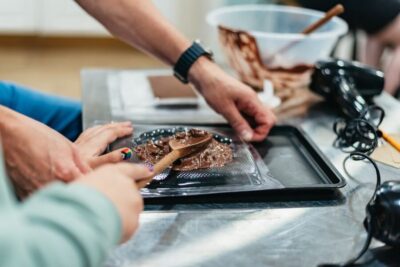
Chocolate Bar Making Workshop at York Cocoa Works
Read our review →Browse the lists this tour appears in