
Review · MEXICO
Cacao, Chocolate Experience in Oaxaca for Small Groups
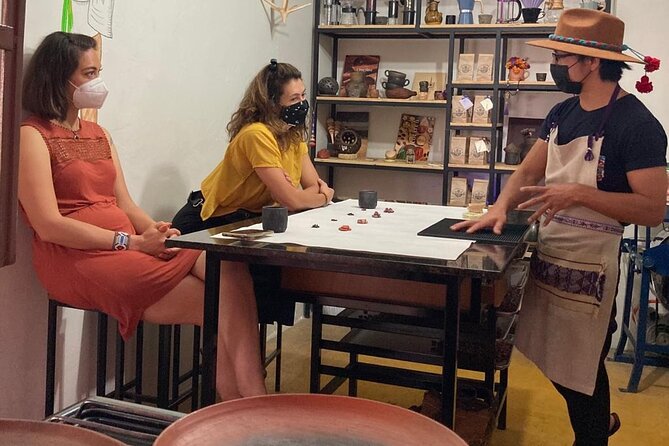
Chocolate tells Oaxaca’s story deliciously. This two-hour tasting in central Oaxaca moves from unsweetened cacao to traditional chocolate, regional varieties, drinking chocolate, bars, and a small cocoa-based meal. I like the six-person maximum, which gives the session a personal feel, and I like how the tasting explains both cacao’s cultural role and the steps from bean to finished chocolate. The main drawback is the price: at $80.65 per person, this is not a quick sample at a market stall, and one person found the talk too long for the amount of food served.
The experience is held in a lovely setting at 5 de Mayo 210, near Oaxaca’s central area, and it is conducted in English. Guides including Lucy, Martín, Elvia, Ruth, Diego, and Azomalli have been praised for their warmth, patience, humor, and command of the subject. Families, couples, solo visitors, vegans, and serious chocolate fans can all find something here, though anyone seeking a fast, highly active workshop may prefer a different format.
Five things to know before you book
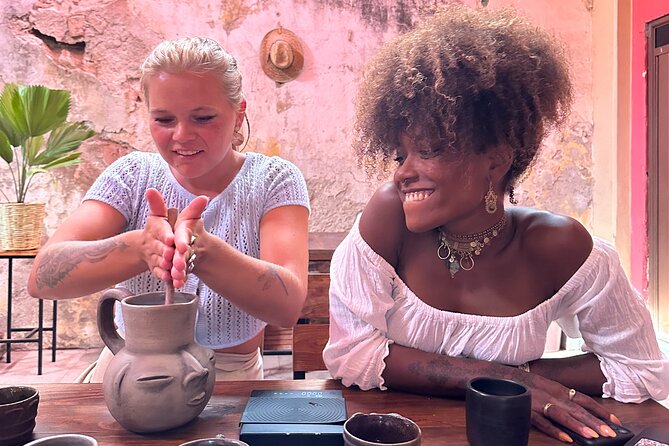
- You taste 15 to 20 forms of cacao and chocolate: Samples can include natural cacao, regional cacao, nibs, powders, bars, drinking chocolate, and products made with alternative sugars.
- The session is limited to six people: A small group means more room for questions and a better chance to adjust drinks or discuss flavors with the guide.
- The story goes beyond sweets: You hear about cacao’s traceability, cultural role in Oaxaca, varieties, fermentation, refining, and the movement from tree to table.
- There is a savory pause: A cocoa-based toast made with sourdough bread and organic ingredients breaks up the tasting before the final house drink.
- It suits families and vegans: The format is welcoming to children, and the range of preparations includes options made without conventional sugar or dairy.
Starting at 5 de Mayo 210 in central Oaxaca
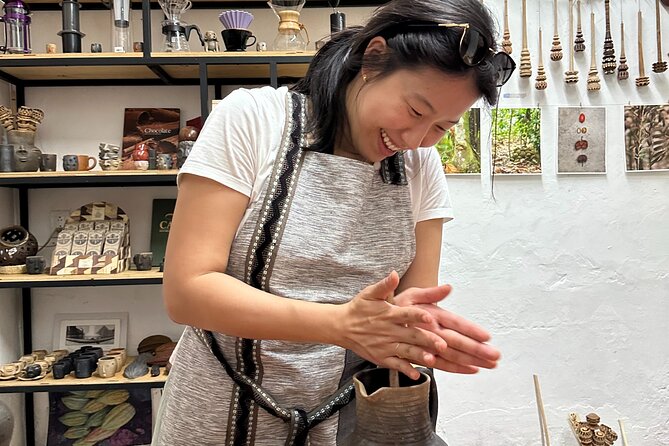
The meeting point is 5 de Mayo 210, in the Ruta Independencia area of Centro, Oaxaca de Juárez. The experience begins and ends at this same address, so you do not need to arrange a taxi between several stops or build a complicated transport plan around it.
The location is near public transportation, and service animals are allowed. Since the session lasts about two hours, it fits neatly into an afternoon or evening plan in central Oaxaca. I would avoid booking it too close to a major meal, though. The tasting includes many samples, a cocoa toast, and a final drink, so this is more filling than a simple chocolate-shop visit.
The setting has earned plenty of praise for its beauty and calm feel. That matters here because the format involves sitting in one place while the guide explains cacao and passes samples. A pleasant room helps, but it does not change the basic nature of the activity: this is a focused tasting and lesson, not a walking tour or farm visit.
A few more chocolate tours around Mexico worth a look
- Finca 18 Puerto Vallarta Tequila Tour + Chocolate Pairing
★ 5.0 · 393 reviews - Bean to Bar Chocolate Workshop in Puerto Vallarta
★ 5.0 · 381 reviews - Chocolate Tour in Vallarta
★ 5.0 · 226 reviews
From pure cacao to traditional chocolate
The tasting is built around comparison. You begin with cacao at the least sweet end of the scale, including pure cacao with no added sugar, then work through preparations with increasing sweetness and different textures.
That progression is useful because it helps you notice what sugar, milk, roasting, grinding, and other changes do to the flavor. Instead of treating chocolate as one broad category, the guide shows you how much variety exists between a raw or natural cacao product, a nib, a powder, a bar, and a prepared drink.
You may taste 15 to 20 presentations during the session. The exact lineup can vary, but the advertised range includes natural cacao, cacao endemic to the region, drinks, chocolate bars, and chocolate made with alternative sugars. Some sessions have included cacao nibs, hot and cold drinking chocolate, preparations with water and milk, and samples in bean, powder, bar, and drink form.
That range is the strongest reason to book this activity. You are not simply eating several similar squares of chocolate. You are comparing ingredients and methods. If you already enjoy dark chocolate, the unsweetened samples can be especially interesting. If you usually prefer milk chocolate, the gradual movement toward sweeter preparations gives you an easy way to understand your own preferences.
The session can also sharpen your palate. One particularly useful part is learning to notice the difference between cacao’s natural bitterness and bitterness created by the way it is processed. You do not need a trained palate to take part. The guide explains what to look for, and you can simply decide what you like.
Cacao’s Oaxacan story, explained without rushing
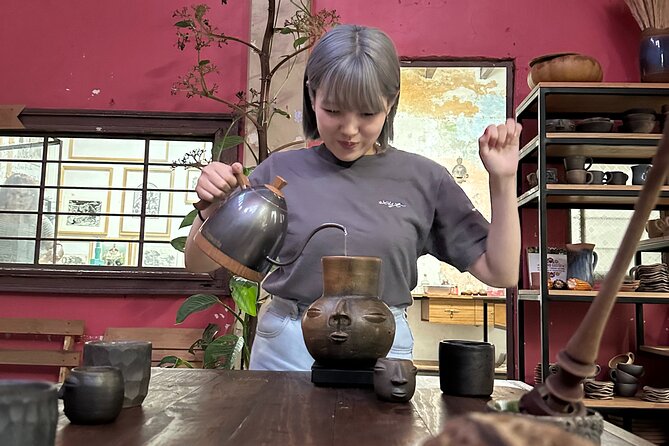
The tasting also places cacao in Oaxaca’s cultural setting. You learn about the crop’s traceability, regional varieties, the work behind fermentation and refining, and the connection between cacao and local customs.
This background gives the samples meaning. A bar is no longer just a sweet; it reflects the bean, the process, the amount of sugar, and the person or community that prepared it. The tree-to-table discussion also helps explain why a small chocolate product can cost more than a mass-produced bar.
The guides are a major part of the experience. Lucy has been praised for her patience and clear explanations, especially during questions about history and hot chocolate. Martín has led tastings of several cacao varieties and drinking chocolates, while Elvia has explained bean types, fermentation, and refining in detail. Azomalli has been singled out for her engaging approach to both cacao and Oaxaca.
Those individual styles matter because the session includes a fair amount of talking. The best fit is someone who enjoys learning while tasting, asking questions, and taking time with each sample. If you want constant movement or a short demonstration followed by a large meal, you may find the pace slow.
One person described the experience as spending too long in one place, with too much talking and a snack that was not substantial enough for the price. That is a fair caution. The activity’s value depends heavily on your interest in cacao. Chocolate lovers and curious food travelers are likely to appreciate the detail more than someone looking mainly for dessert.
The hands-on part: mixing drinks and finding your flavor
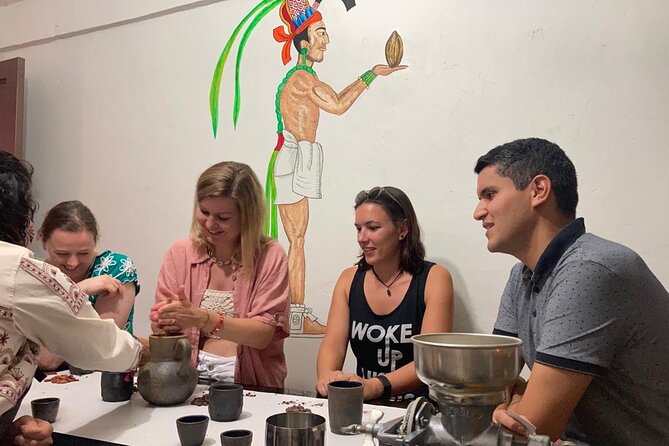
Although the main format is a tasting and presentation, the session can include hands-on work. Children and adults have mixed ingredients, adjusted preparations, and made their own hot chocolate or chocolate drink.
This is not presented as a full confectionery course with a large finished product to take home. Think of it as guided experimentation. You taste different bases, learn how chocolate behaves in water or milk, and get a chance to adjust a drink toward your preferred level of sweetness.
That small element makes a difference for families. Children may not follow every part of the cacao story, but they can remain involved by tasting, mixing, and comparing. A five-year-old has been described as enjoying the activity so much that she asked to return the next morning. Thirteen-year-olds have also been included successfully.
The experience is also suitable for vegans, with alternative sugar options and preparations that can be explored according to your needs. The supplied information does not promise that every sample is vegan, so you should tell the provider about dietary requirements when booking or at the start.
Same place, a different sort of tasting:
- Chocolate & Margarita Workshop
★ 5.0 · 207 reviews - Chocolate and truffles workshop
★ 5.0 · 157 reviews - San Jose del Cabo Art Walk, Beer Tasting &Chocolate Demonstration
★ 5.0 · 141 reviews - Artisanal Mezcal and Fine Chocolate Tasting
★ 5.0 · 132 reviews
The cocoa toast and final house drink
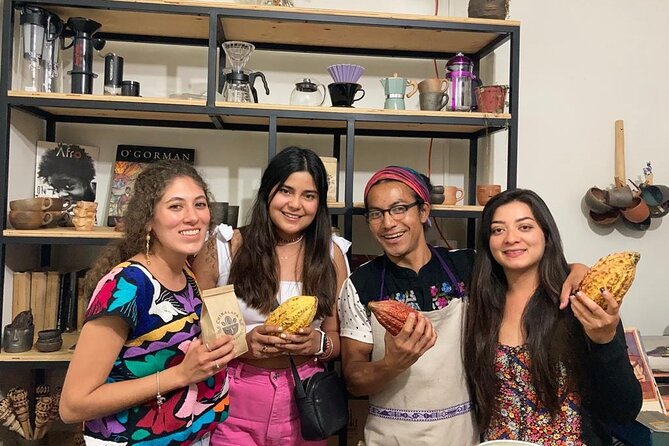
Partway through, you take a short break with a cocoa-based sandwich or toast. The listed main is a cocoa toast made with sourdough bread and organic ingredients.
This is a pleasant change from sweet samples. It gives your palate a savory pause and shows that cacao can work in food beyond candy and hot drinks. Still, keep your expectations measured. The snack is a light accompaniment, not a full lunch or dinner.
The final drink brings the tasting to a relaxed close. Depending on the session, this may be a house cocoa drink or a hot chocolate preparation. Some visitors have enjoyed chocolate made with water and milk, served hot or cold. Others have mentioned special finishing treats such as toast with strawberries or an Oaxacan-style affogato, but these extras may not be part of every booking.
The safest assumption is that you will receive the advertised cocoa-based snack and house drink, with additional touches depending on the day. If you need a substantial meal, eat beforehand or plan dinner afterward.
Why the small group changes the experience
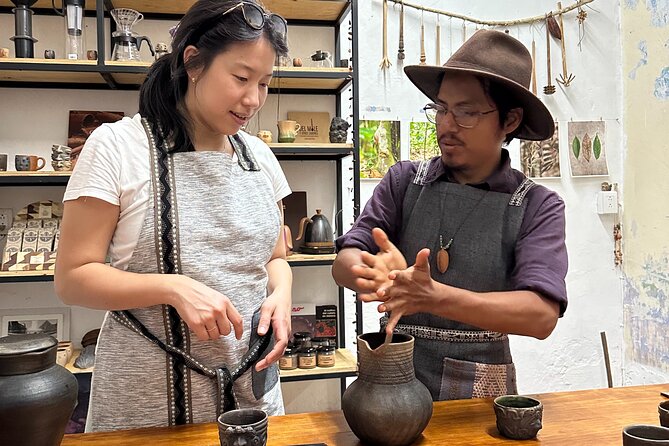
A maximum of six people is one of the clearest strengths here. In a large class, the guide would have to move quickly and limit questions. With six or fewer, you can ask about flavor, processing, local customs, sugar, or vegan options without turning the session into a lecture from the back row.
A solo booking can be especially appealing. One person found themselves alone in the group, which effectively turned the session into a private lesson. That will not happen every time, but the small capacity gives you a better chance of close conversation.
Couples and friends can also use the format as a quiet shared activity. It is social without requiring a full day together, and it gives you plenty to discuss afterward. The setting is described as peaceful and attractive, which suits the slower pace.
The tradeoff is that a small-group tasting can feel less energetic than a busy cooking class. If the guide is especially detailed, you may spend much of the two hours seated and listening. That is not a flaw for an interested food lover, but it is worth knowing before you pay the premium price.
Is $80.65 a fair price?
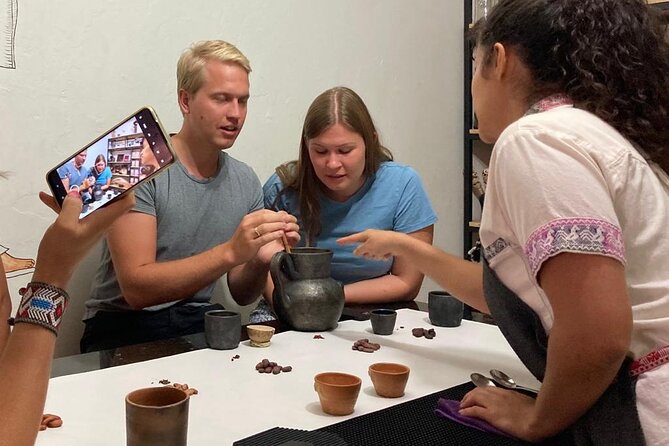
At $80.65 per person, this is an expensive chocolate tasting by casual-snacking standards. You are paying for far more than the amount of chocolate you eat. The price covers a two-hour session, an English-speaking guide, a small group, a wide sequence of samples, cultural and production background, a snack, and a final drink.
I think the value works best if you care about learning how cacao changes through processing. The chance to compare 15 to 20 forms, ask questions in a small group, and taste preparations that may not appear in an ordinary shop gives the activity a clear purpose.
The value is weaker if you measure the booking by food quantity alone. The toast is modest, and the experience does not promise a large meal or a take-home chocolate haul. One critical assessment found the activity too expensive and the snack too small, while the much stronger overall response praised the teaching, range, setting, and personal attention.
Group discounts may help reduce the cost for families or friends, though the exact savings are not specified. I would also book early if your schedule is fixed. The activity is booked an average of 16 days ahead, suggesting that popular dates can fill before a last-minute plan comes together.
Who will enjoy this most?
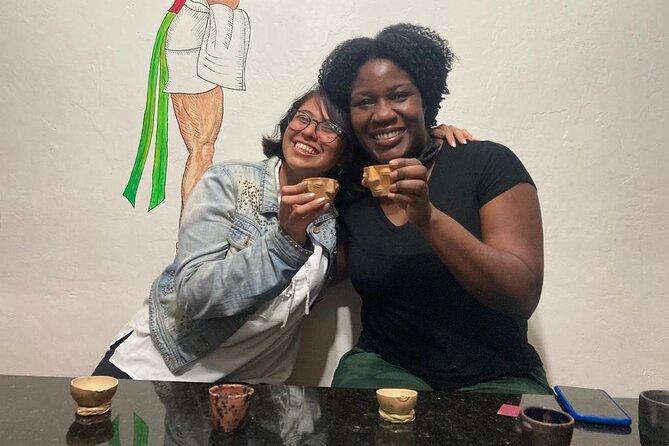
I would recommend it to:
- Chocolate lovers who want more than a standard bar tasting
- Visitors interested in Oaxaca’s food traditions and cacao production
- Families with children who enjoy tasting and mixing
- Vegans who want to explore alternative-sugar and plant-based possibilities
- Couples seeking a calm, indoor activity
- Solo visitors who like asking questions and learning at their own pace
- Anyone who values an English-language guide and a small group
I would be more cautious if you dislike long explanations, expect a substantial meal, or want a hands-on class from start to finish. The experience includes participation, but its core is guided tasting and conversation.
Booking, timing, and cancellation details
Confirmation is provided when you book, and the mobile ticket makes it easy to carry the reservation on your phone. The activity is offered in English and returns to the starting point at 5 de Mayo 210.
Free cancellation is available up to 24 hours before the scheduled start time for a full refund. Cancellations or changes made less than 24 hours before the start are not refunded or accepted, and the cut-off follows local Oaxaca time.
Should you book the Chimalapa Cacao experience?
Book it if you want to understand why cacao tastes different from one preparation to the next. The small group, broad sample list, patient guides, attractive setting, and Oaxacan cultural context make this a thoughtful food experience rather than a quick sugar stop.
Skip it if you want a large meal, a farm excursion, or nonstop activity. For the right person, $80.65 buys two hours of careful tasting and conversation. For someone who only wants a few sweets, it will feel steep. I would place it early in an Oaxaca visit, so you still have time to return to the shop for products you discover during the session.
FAQ
Where does the cacao and chocolate experience begin?
It begins at 5 de Mayo 210, Ruta Independencia, Centro, 68000 Oaxaca de Juárez, Oaxaca, Mexico.
Where does the experience end?
The activity ends back at the same meeting point where it starts.
How long does the experience last?
It lasts approximately two hours.
How many people can join the group?
The group has a maximum of six travelers.
What language is the experience offered in?
It is offered in English.
What will I taste?
You may taste 15 to 20 presentations of cacao and chocolate, including natural cacao, regional cacao, drinks, chocolate bars, and preparations using alternative sugar.
Is food included?
Yes. The experience includes a cocoa-based toast or sandwich made with sourdough bread and organic ingredients, followed by a house drink.
Can I cancel for a full refund?
Yes. You can cancel at least 24 hours before the experience starts for a full refund. Cancellations or changes made within 24 hours are not accepted and are not refunded.
Just added around Mexico
- Tulum: Chocolate & Honey Sanctuary Experience with Lunch★ 4.2 · 34 reviews
- Tulum: Chocolate & Honey Sanctuary Experience with Cenote★ 3.5 · 6 reviews
- Cultural Adventure: Artisanal Chocolates, Coffee and Doll Making★ 5.0 · 2 reviews
- Private Make Your Own Chocolate Experience in Puerto Vallarta★ 5.0 · 8 reviews
- Tarot Reading with Coffee & Chocolate or Smoothie★ 5.0 · 17 reviews
- Sayulita Magical Town Tour: Local food, and chocolate.★ 5.0 · 18 reviews
- Chocolate Macarons Workshop in Puerto Vallarta★ 5.0 · 5 reviews
- Amazing Walk through the Zapotec Mountains with Hot Chocolate★ 5.0 · 4 reviews
Chocolate Tours, compared.

Choco-Story Brussels: Chocolate Museum Entrance with Tasting
Read our review →
City Tour, Cruise, and Lindt Home of Chocolate Visit
Read our review →
The Chocolatarium Chocolate Tour Experience in Edinburgh
Read our review →
Award-Winning Geneva Chocolate &Old Town Tour with Boat Ride (3h)
Read our review →
Yarra Valley Wine, Gin, Whisky and Chocolate Tour
Read our review →
4×4 Dominican Adventure with Chocolate and Coffee Tasting
Read our review →
Browse the lists this tour appears in