
Review · BELGIUM
Private Chocolate Tasting Experience in Ghent
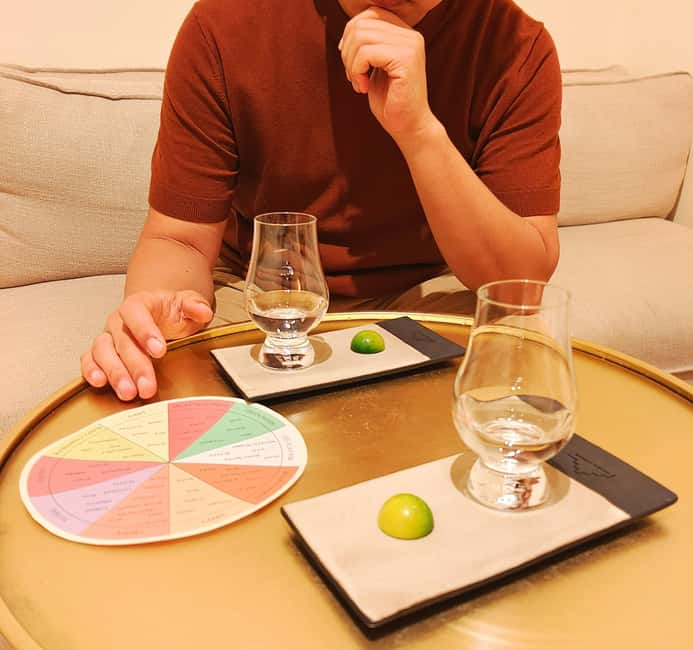
Chocolate tastes better with a story. This private Ghent tasting turns two hours near Gravensteen Castle into a guided lesson in Belgian chocolate, with samples chosen around your interests. I like the personal format and the chance to compare products from four respected Belgian chocolatiers. I also like that the session goes beyond sweets, bringing in cacao origins, sustainability, wine, beer, coffee, and the details that separate fine chocolate from ordinary candy.
The main drawback is simple: this is not a factory tour or workshop. You will not temper chocolate, make truffles, or watch bonbons being produced. At $147 per person, the price also makes most sense for serious chocolate fans, curious food lovers, and people who value a private guide rather than a quick shop tasting.
Key points at a glance
- Private and tailored: Your host contacts you after booking to learn about your chocolate interests and shape the session around them.
- Four Belgian makers represented: The shop features chocolate from four Belgian chocolatiers, from a 90-year-old family atelier to newer makers who roast their own cacao beans.
- More than bonbons: You taste artisanal chocolate, cacao products, and pairings with drinks such as beer, wine, coffee, or tea.
- A lesson in quality: You learn to notice aroma, flavor, texture, cacao origin, and production methods.
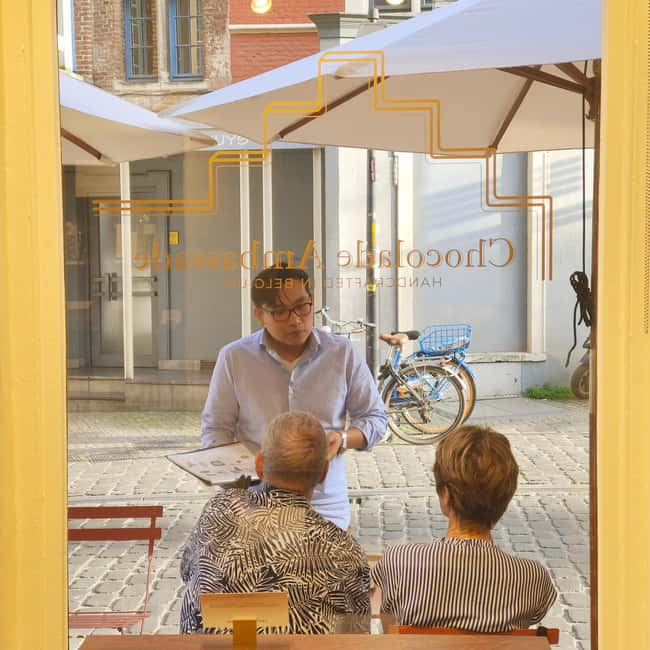
- Easy central location: The Chocolade Ambassade is just around the corner from Ghent’s Gravensteen Castle, in a tall traditional Flemish stair-step house.
- A small, personal format: The experience is private, lasts two hours, and is available in English, Dutch, or Chinese.
Starting near Gravensteen Castle
The Chocolade Ambassade sits just around the corner from Gravensteen Castle, one of Ghent’s easiest landmarks to find. Look for the tallest traditional Flemish stair-step house. That detail matters because the shop is in a historic building, not a modern visitor center with a large entrance or obvious tour desk.
I like this location for a food stop. You can pair the tasting with a walk through central Ghent, and the castle gives you a clear meeting point before the session. Since the experience lasts two hours, it fits neatly into a morning or afternoon plan.
The old building does bring one practical concern. It is not easily accessible by wheelchair. If you have mobility or support needs, contact the Chocolade Ambassade before booking so the team can discuss what may be possible.
More Chocolate Tastings in Belgium
- Ghent: Belgian Chocolate Walking Tour with Tastings
★ 4.9 · 259 reviews - Brussels: Bruges & Ghent Tour w/ Cruise & Chocolate Tasting
★ 4.2 · 144 reviews - Ghent: Famous Belgian Chocolate Walking Tour with Tastings
★ 5.0 · 131 reviews
The welcome: a tasting built around you
This is not a fixed script where every person receives the same plate in the same order. After you book, the hosts email you to arrange a time and ask about your preferences. You might want to focus on Belgian chocolate traditions, cacao from different parts of the world, food pairings, or sustainable products.
That conversation is one of the most useful parts of the booking. If you love wine, say so. If you want to compare chocolate with specialty coffee, mention it. If you are interested in the environmental side of cacao, ask for sustainability-focused examples.
The private format also gives you room to ask questions as you go. You are not trying to catch a guide’s explanation from the back of a large group. The experience can slow down when a particular chocolate sparks your interest, or move along when a topic is less important to you.
The available languages are English, Dutch, and Chinese. That makes the tasting more accessible for international visitors, though you should confirm your preferred language when arranging the time.
Understanding Belgian chocolate from bean to finished piece
The first part of the experience explains why Belgian chocolate is so well known. You learn about the process from cacao to finished product, along with the role of Belgian chocolatiers and the traditions that shaped the country’s reputation.
The focus is not just on the final taste. You look at how ingredients, roasting, recipes, and production choices affect the result. The session can include traditional chocolate from an established family atelier as well as newer work from makers who roast their own cacao beans.
That contrast gives the tasting a useful structure. A 90-year-old family business may represent classic Belgian methods and familiar styles. A younger maker may use unusual flavors or more direct control over the cacao roasting process. You begin to see Belgian chocolate as a broad field rather than one single style.
A past tasting included explanations about each chocolatier, the production method, and the origin of the cacao. That approach helps you connect a small chocolate sample to the larger story behind it. You are not simply eating one piece and hearing that it is good. You are learning why it tastes the way it does.
Learning to taste instead of simply eating
Most people can tell you if they like chocolate. Fewer people can explain why. This experience gives you a way to sort out aroma, flavor, and texture.
You may be guided to notice how a piece smells before tasting it, how quickly it melts, and what flavors remain afterward. A chocolate can be fruity, nutty, earthy, bitter, creamy, or spicy. The point is not to memorize fancy terms. It is to pay attention.
This is where the experience can change the way you shop later. You may start checking cacao percentages, origin information, ingredients, and production details instead of choosing a bar only by its packaging. You may also notice that a higher cacao percentage does not automatically mean better chocolate. Taste depends on the cacao, roasting, balance, and skill.
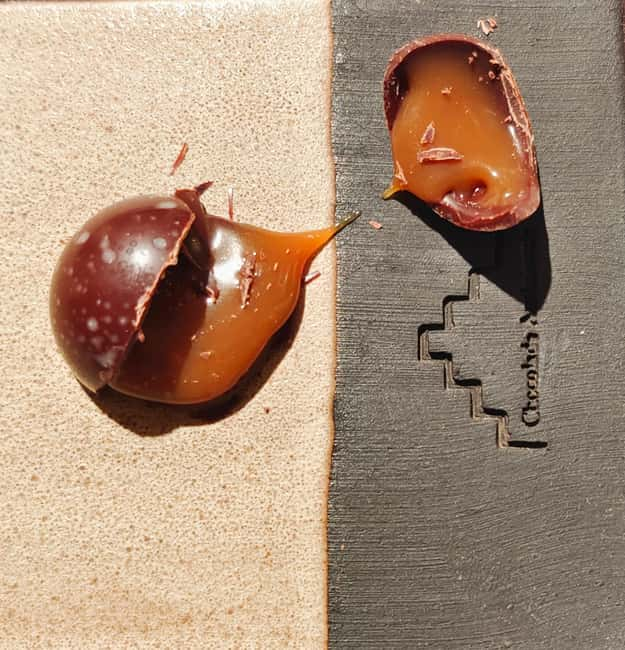
The tasting format also helps because each sample has a purpose. One may show a traditional style. Another may highlight a cacao origin. A third may demonstrate an adventurous flavor combination. Taken together, the samples make the differences easier to understand.
More Chocolate Tastings in Ghent:
- Ghent: Guided City Tour with Chocolate Tastings
★ 4.8 · 36 reviews - Ghent Chocolate Tasting and Sightseeing Tour
★ 5.0 · 21 reviews - Brussels: Belgian Chocolate Making Workshop with Tastings
★ 4.7 · 1,629 reviews - Bruges: Choco-Story Chocolate Museum Guided Tour w/Tastings
★ 4.2 · 1,379 reviews
Pairing chocolate with beer, wine, coffee, and tea
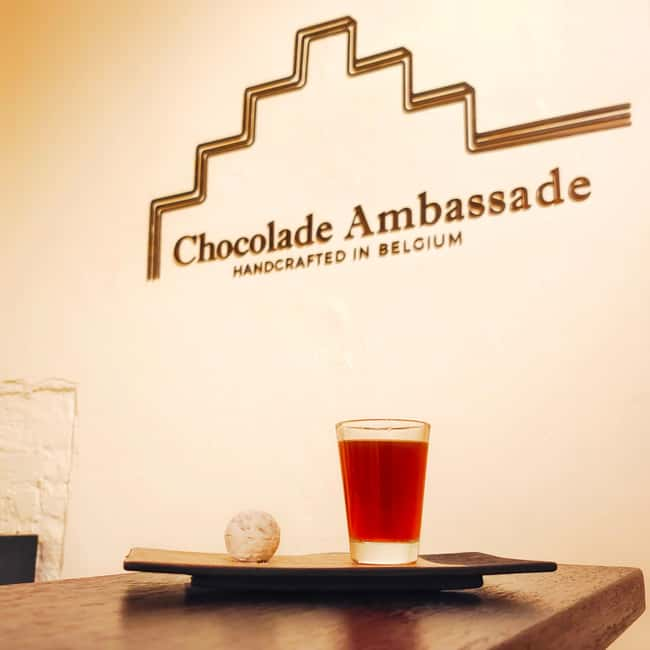
Pairing is one of the most enjoyable possible themes here, especially if you like drinks as much as sweets. Chocolate and wine can share some of the same tasting ideas, such as aroma, sweetness, acidity, body, and a long finish.
A wine-focused session might help you compare how a chocolate’s bitterness interacts with a drink’s fruit or dryness. Beer can offer another direction, with roasted or malty flavors that may work well with certain chocolates. These pairings are not described as a fixed menu, so your preferences matter.
Coffee is another possible comparison. Looking at chocolate beside specialty coffee can help you notice roasting, bitterness, acidity, and aroma in both. Coffee and chocolate are often treated as simple comfort foods, but both can show clear differences in origin and preparation.
Coffee, tea, and sparkling water are included. That gives you a neutral or familiar drink alongside the more distinctive pairing ideas. If you want a tasting centered on wine or beer, request that theme when the hosts contact you after booking.
Cacao origins, terroir, and sustainable products
The experience can also move away from Belgian production and toward cacao itself. You may compare chocolate made with cacao from different parts of the world and consider how origin affects flavor.
The word terroir is often used for wine, but cacao can also reflect growing conditions, farming practices, and local character. Comparing origins gives you a better sense of why two bars with similar cacao percentages can taste completely different.
Sustainability is another available theme. You can explore newer cacao products and ask how producers are responding to environmental and ethical concerns. The supplied information does not promise a detailed certification lecture or a farm visit, so I would treat this as a discussion supported by tasting rather than a full course in cacao sourcing.
Still, it is valuable. Chocolate production has consequences far beyond the shop counter. A private session gives you the chance to ask direct questions about what makes a product more responsible and how newer makers approach cacao.
Four Belgian chocolatiers, four different points of view
The Chocolade Ambassade shop carries artisanal chocolate from four top Belgian makers. That selection is important because the experience is not tied to just one brand or one house style.
The range includes a 90-year-old family atelier known for traditional chocolate. Alongside it are newer chocolate makers who roast their own cacao beans and experiment with adventurous flavors. This lets you compare old and new approaches within the same sitting.
I would pay attention to the differences in balance and texture. Traditional chocolate may feel familiar and polished. Bean-to-bar work may show more of the cacao’s individual character. An unusual flavor may appeal to you, or it may confirm that classic chocolate is more your style.
The point is not to declare one maker the winner. It is to understand what you value. You might prefer a smooth, restrained piece, while someone else wants a bold origin character or an unexpected ingredient.
What the two-hour flow feels like
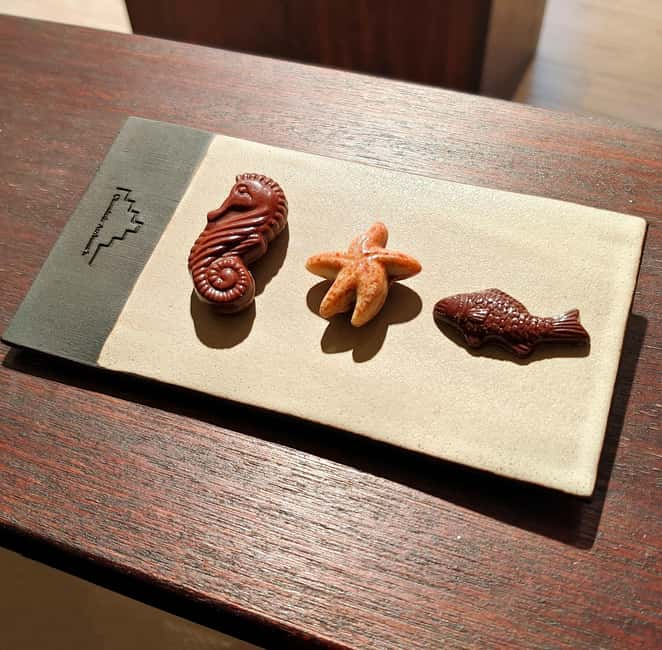
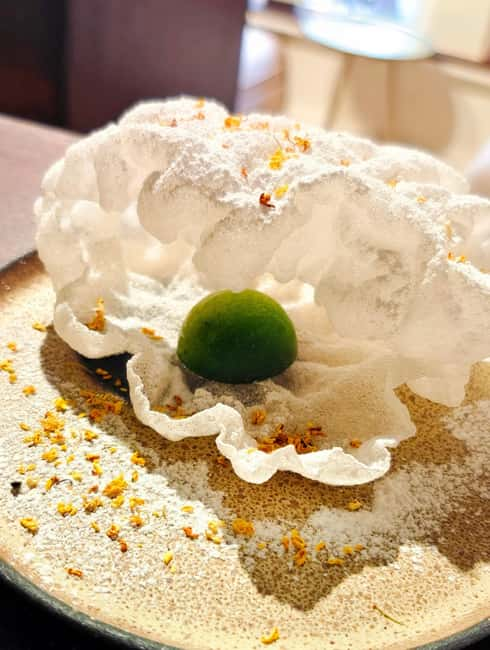
The tasting is organized as a series of chocolate courses rather than one large sample tray. A previously described session brought out a new plate every so often, with an explanation of the maker, process, cacao origin, or pairing behind each group of samples.
That pacing is a strength. You get time to taste, ask questions, and think about what you are noticing. Two hours may sound long for chocolate, but the changing subjects keep the session from becoming a sugar rush followed by a lecture.
A likely sequence could include:
- An introduction to Belgian chocolate and the hosts’ approach
- An explanation of cacao and chocolate production
- Samples from different Belgian makers
- A closer look at aroma, flavor, and texture
- A pairing with wine, beer, coffee, or another selected drink
- Cacao products or chocolates linked to origin and sustainability
- Time for questions and personal recommendations
The exact order depends on your interests. That flexibility is the reason to book this instead of a standard tasting with a preset menu.
What is included, and what is not
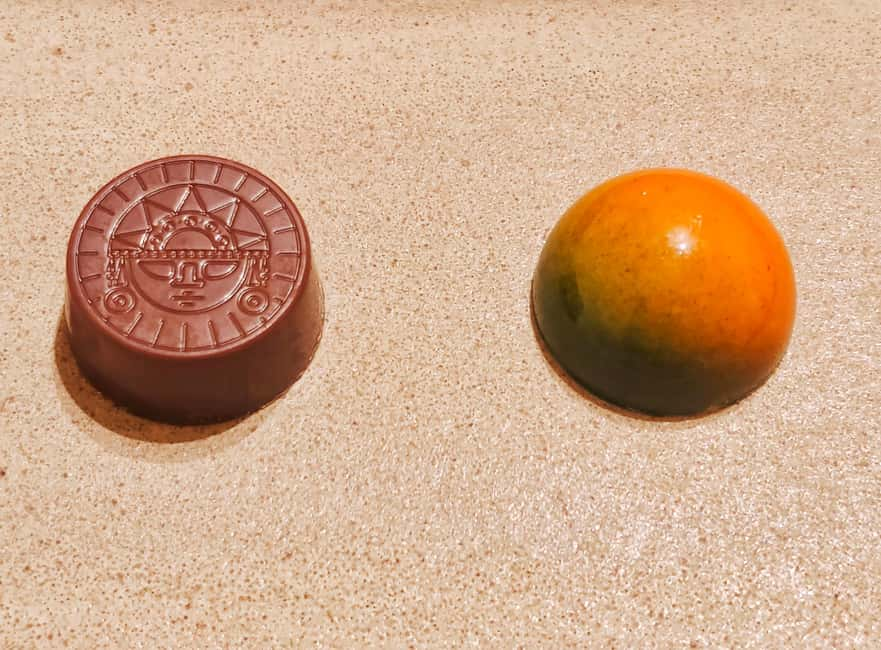
The price includes Belgian artisanal chocolates from different makers, various cacao products, a unique chocolate pairing, and coffee, tea, or sparkling water. You are paying for both the tasting material and the guided conversation around it.
What you do not get is a chocolate-making class. There is no tempering, melting, truffle-making, or bonbon crafting. You should also not expect a factory production floor or a behind-the-scenes tour of a large chocolate company.
That distinction is important. If you want to leave with something you made yourself, choose a workshop instead. If you want to understand what you are tasting and sample several high-quality products in a private setting, this format is a better match.
Is $147 per person good value?
At $147 per person, this is not a casual chocolate stop. You can buy plenty of Belgian chocolate for far less. The value comes from the private format, the two-hour length, the range of makers, and the chance to shape the subject around your interests.
I would consider the price reasonable for a special food experience, particularly if you are traveling as a couple or small private group and want something more personal than a crowded tasting. The hosts have spent about three years exploring Belgian artisanal chocolate and have tried more than 100 craft chocolate makers. That background helps explain why the shop can present a selection instead of a single commercial brand.
The price is harder to justify if you only want a few chocolates to take home or if you are not interested in learning how chocolate is made. In that case, visit a chocolate shop and spend your money on products instead.
The strongest value is for someone who enjoys guided tastings, wine or beer pairings, specialty coffee, food history, or sustainable food production. You are buying context as much as chocolate.
Who should book this Ghent experience?
I would recommend it most strongly to:
- Couples looking for a private food-focused activity
- Chocolate fans who want to understand quality
- Wine, beer, or coffee lovers interested in pairing
- Visitors who prefer small, personal experiences
- People curious about cacao origins and sustainability
- Food-minded families with older children who can engage with tasting and discussion
It may be less suitable for young children who simply want sweets, visitors searching for a hands-on workshop, or anyone who dislikes bitter flavors and detailed food discussion.
The two-hour length also makes it better for people who enjoy taking their time. This is not a quick stop between two major sights. It is the main activity for that part of your afternoon.
Booking tips for a smoother tasting
Tell the hosts what you want to explore when they contact you. A clear request such as chocolate and Belgian beer, cacao origins, or learning to identify quality will help them shape the session.
Mention allergies and sensitivities before arrival. Products may contain traces of gluten, eggs, milk, soy, nuts, and sesame. Do not assume that a particular sample is safe simply because it does not visibly contain one of these ingredients.
You can cancel up to 24 hours in advance for a full refund, and you can reserve now while paying later. Check the available starting times before building the rest of your Ghent schedule.
The shop is in a historic building with limited wheelchair access. If that affects you or someone in your group, contact the Chocolade Ambassade before confirming the booking.
Should you book the private chocolate tasting?
Book it if you want a serious, personal look at Belgian chocolate rather than a quick sample and a souvenir box. The most praised qualities are the passionate presentation, the variety of chocolates, the clear explanation from production to finished piece, and the way each plate adds a new angle.
I especially like the option to build the session around wine, beer, coffee, sustainability, or cacao origin. That makes the $147 price easier to accept for people who want more than candy.
Skip it if you want to make chocolate yourself, tour a factory, or keep your food budget low. For everyone else, this is a thoughtful two-hour addition to a Ghent visit, particularly when you arrange a theme before you arrive.
FAQ
Where does the chocolate tasting take place?
It takes place at the Chocolade Ambassade shop in Ghent, just around the corner from Gravensteen Castle. Look for the tallest traditional Flemish stair-step house.
How long does the experience last?
The private tasting lasts two hours.
How much does the experience cost?
The listed price is $147 per person.
Is the chocolate tasting private?
Yes. It is offered for a private group.
Which languages are available?
The experience is available in English, Dutch, and Chinese.
What food and drinks are included?
You receive Belgian artisanal chocolates from different makers, various cacao products, a unique chocolate pairing, and coffee, tea, or sparkling water.
Can I choose the tasting theme?
Yes. The experience is tailored to your interests. Possible themes include chocolate and beer or wine, quality tasting, specialty coffee, cacao origins, sustainability, history, and current chocolate trends.
Is this a chocolate-making workshop?
No. It is an interactive tasting and learning experience. It does not include tempering, melting, or making truffles and bonbons.
Are allergies and food sensitivities accommodated?
You should tell the hosts about allergies or sensitivities in advance. Products may contain traces of gluten, eggs, milk, soy, nuts, and sesame.
Is the experience wheelchair accessible?
The shop is in a historical building and is not easily accessible by wheelchair. Contact the Chocolade Ambassade before booking to discuss possible arrangements.
Can I cancel the booking?
Yes. You can cancel up to 24 hours in advance for a full refund. You can also reserve now and pay later.
Just added around Ghent
- Charlie’s Private Chocolate Tour (Ghent)★ 5.0 · 34 reviews
- Ghent Chocolate Tasting and Sightseeing Tour★ 5.0 · 21 reviews
- Private Chocolate Experience in Ghent★ 5.0 · 31 reviews
- Chocolate and Jenever (Belgian Gin)Tasting in Ghent★ 5.0 · 2 reviews
- Discover authentic Ghent with historian & taste the best chocolate★ 5.0 · 30 reviews
- Chocolate history workshop Ghent★ 5.0 · 34 reviews
- Ghent: Belgian Chocolate Making Workshop with Beer Tasting★ 4.3 · 15 reviews
- Ghent: Guided City Tour with Chocolate Tastings★ 4.8 · 36 reviews
Chocolate Tastings, compared.
Belgian Chocolate Making Workshop with Tastings
Read our review →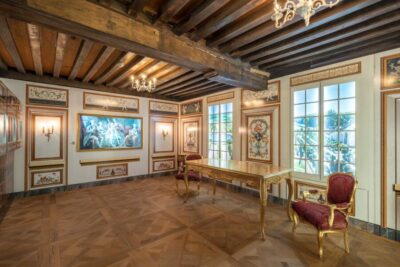
Choco-Story Chocolate Museum Guided Tour w/Tastings
Read our review →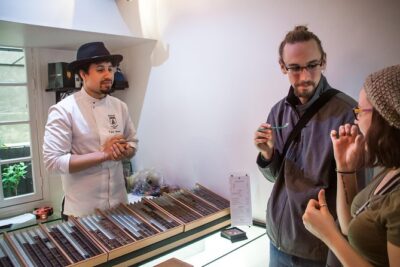
Paris French Sweets Tasting Tour with Pastries and Chocolates
Read our review →
Brussels Walking and Tasting Tour (Beers,Chocolates&Fries/Waffle)
Read our review →
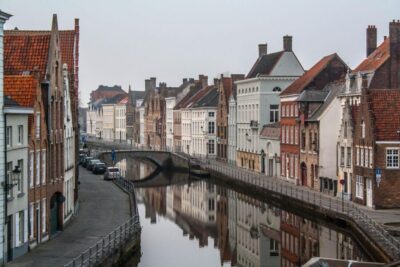
Brussels and Bruges Tour & Optional Chocolate Tasting
Read our review →

Beer Tour with 6 Beers and 3 Chocolate Tastings
Read our review →Browse the lists this tour appears in