
Review · BELGIUM
Chocolate history workshop Ghent
Chocolate can tell a surprising story. This 90-minute workshop at Chocolade Ambassade combines Belgian chocolate tasting, cacao preparation, and a guided look at how chocolate developed over time. I like the small setting, limited to a maximum of six people, and I like that you taste products from several Belgian makers without spending a day visiting shops across the country. The main point to consider is the price: at $82.90 per person, this costs more than a simple chocolate tasting.
The workshop also has a strong sense of place. You meet at Kraanlei 3, close to Gravensteen castle and about five minutes from Graslei and Korenlei, so you can fit it neatly into a day in central Ghent. Bring a sweater if you get cold, since the tasting room is kept at about 18°C to protect the chocolate.
Key points at a glance
- You work from cacao beans: Make your own chocolate bar rather than only sampling finished pralines.
- The tasting follows a timeline: Learn how cacao products developed into the chocolate people know today.
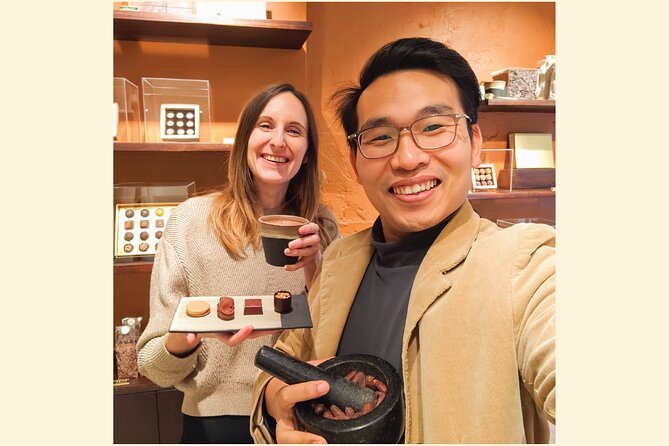
- You sample several makers: Compare Belgian artisanal chocolates from producers in different parts of Belgium.
- The group stays small: The maximum group size is six, creating room for questions and personal attention.
- You make historical chocolate items: The workshop includes versions of chocolate products from the 16th and 17th centuries.
- The location saves sightseeing time: The meeting point is near Gravensteen, Graslei, and Korenlei.
What makes this Ghent workshop different
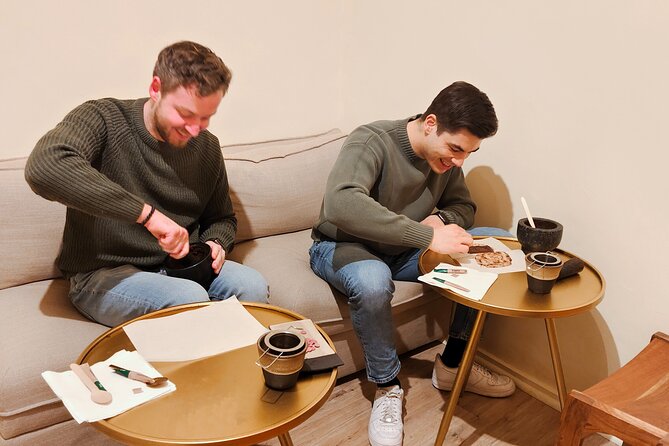
Many chocolate activities ask you to taste a few sweets, hear a short explanation, and go home with a box. This one adds hands-on work and a historical thread. You do not simply hear that chocolate came from cacao. You handle cacao products and make a chocolate bar from beans yourself.
That difference matters. A finished praline shows you the final result, but working with cacao gives you a better sense of the process behind it. The session is designed as three activities in one: tasting, chocolate making, and a guided account of chocolate’s origins and development.
The setting helps, too. The Chocolade Ambassade is in central Ghent, in a chocolate shop with a dedicated tasting room. You can visit before or after seeing Gravensteen, then walk toward the famous waterfront streets of Graslei and Korenlei without arranging extra transport.
The small group is another strong feature. With no more than six people, the workshop should feel more like a lesson around a table than a large demonstration. That is useful if you want to ask about cacao, Belgian chocolate styles, or the products you taste.
More History Tours in Ghent:
- Chocolate history workshop Ghent
★ 5.0 · 11 reviews - Brussels: Historical Tour with Chocolate & Waffle Tasting
★ 4.8 · 1,206 reviews - Brussels: Historical Walking Tour with Chocolate & Waffle Tasting
★ 5.0 · 1,165 reviews
Starting at Kraanlei 3 near Gravensteen
The meeting point is Chocolade Ambassade, The Belgian Chocolate Experience, at Kraanlei 3, 9000 Gent. The activity starts at 11:00 a.m. and ends back at the same location.
This is a practical morning start. You can visit Gravensteen afterward, continue to Graslei and Korenlei, or use the workshop as a break during a wider walk through the historic centre. Since transportation is not included, you need to make your own way to the shop, but the central location is close to public transportation.
The address is particularly useful for visitors building a sightseeing day around Ghent’s core. You are not heading out to an industrial area or a distant suburb for the chocolate session. The workshop fits into the city rather than competing with it.
Inside, the tasting room is maintained at around 18°C. That temperature keeps the chocolate in good condition, but it can feel cool if you are used to warmer indoor spaces. I would carry a light sweater, especially if you plan to sit through the full 90-minute session.
The opening lesson: cacao before chocolate
The workshop begins with the story of cacao and chocolate. The guide explains the origins of chocolate and follows its development through time, rather than treating Belgian chocolate as if it appeared fully formed.
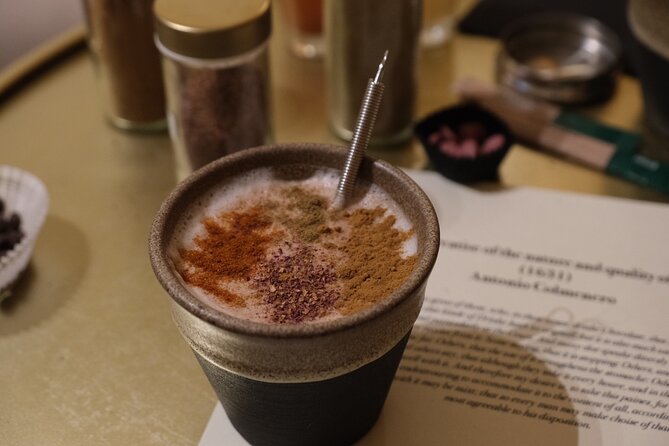
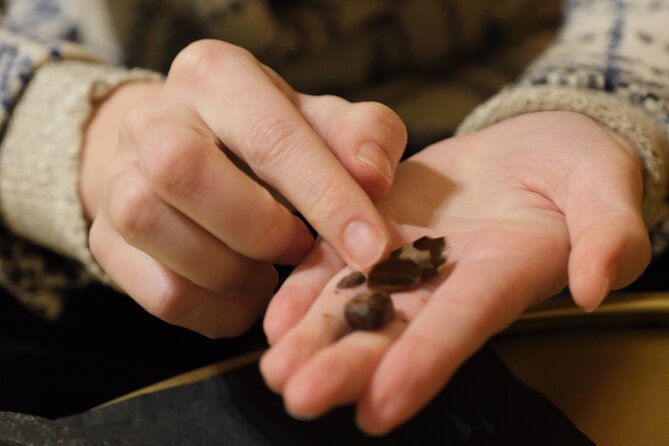
That historical approach gives the tasting more meaning. You learn about cacao products and the early forms of drinking chocolate before comparing modern Belgian sweets. One particularly interesting part is the chance to taste cacao fruit juice and cacao tea, along with an early style of drinking chocolate.
These samples help separate the cacao plant from the familiar chocolate bar. Cacao is not just a flavoring added to modern sweets. It can appear in several forms, and the workshop uses those forms to show how chocolate changed as methods and tastes developed.
The session also reaches back to the 16th and 17th centuries. You make versions of chocolate items connected to that earlier period, giving the history a practical shape. Instead of trying to remember a list of dates, you get to handle and taste something linked to the story being explained.
The guide’s role matters here. Leo is named as one of the instructors, and the experience is conducted in English by a licensed or certified guide. The feedback describes Leo as friendly and welcoming, with a teaching style that mixes clear explanations and humor. That combination suits a short workshop, where a dry lecture could make 90 minutes feel much longer.
Making your own chocolate bar from cacao beans
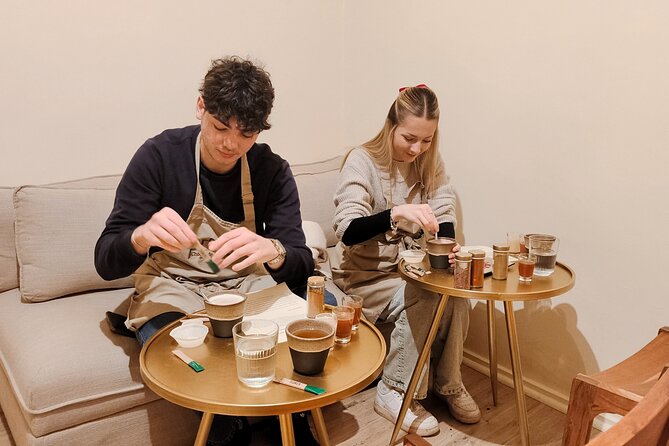
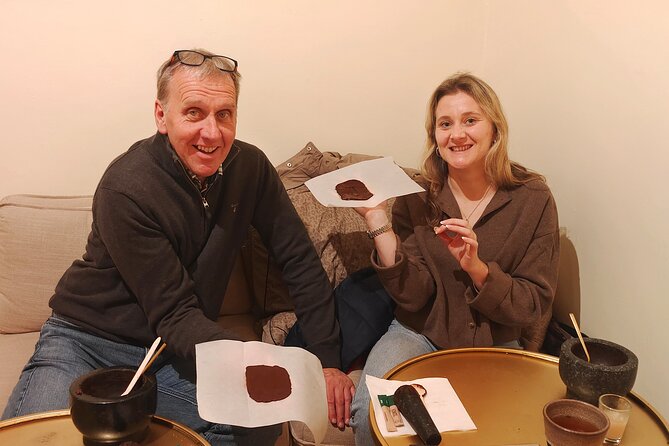
The most hands-on section is the chocolate-making activity. You create a chocolate bar from cacao beans, and the finished bar is included in the price.
This is more satisfying than simply receiving a souvenir at the end. You take part in one of the main steps that turns a raw cacao ingredient into something recognizable as chocolate. The process also makes the tasting more memorable, because you have your own result to compare with the finished products on the table.
The activity is not presented as an advanced professional chocolatier course. You should think of it as an introduction to the chocolate-making process, supported by explanation and tasting. That makes it suitable for people who want an engaging cultural activity, not only a technical lesson.
Families, couples, and small groups of friends may find this part especially appealing. It gives everyone something to do, and the group size leaves space for guidance. If you prefer a quiet tasting with no practical activity, this workshop may feel more active than you want.
A few more chocolate tours around Ghent worth a look
- Ghent: Belgian Chocolate Walking Tour with Tastings
★ 4.9 · 259 reviews - Brussels: Bruges & Ghent Tour w/ Cruise & Chocolate Tasting
★ 4.2 · 144 reviews - Ghent: Famous Belgian Chocolate Walking Tour with Tastings
★ 5.0 · 131 reviews - A Taste of Ghent: Beer & Chocolate with storytelling by a local
★ 5.0 · 77 reviews
Comparing artisanal chocolates from Belgium
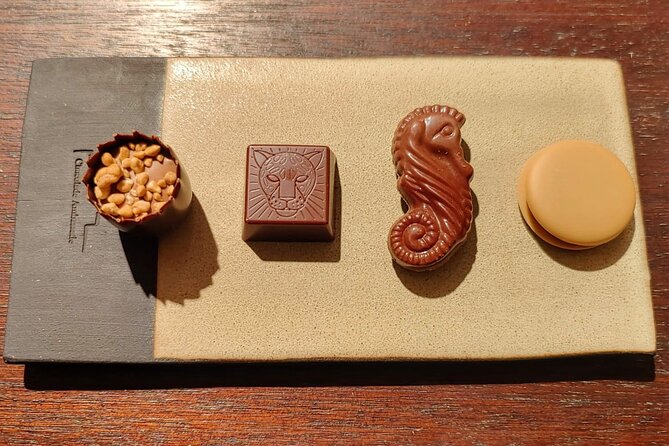
The tasting includes Belgian artisanal chocolates from different makers located throughout Belgium. This is one of the clearest reasons to book the workshop rather than simply buying a box from the first shop you pass.
You can compare styles in one place and decide what suits your taste. The point is not just to identify the most expensive piece. It is to notice how different makers approach flavor, texture, and presentation, then work out which kind of Belgian chocolate you prefer.
That comparison also adds value to later shopping. After the workshop, you have the opportunity to buy chocolate if you wish. Because you have already tasted products from several makers, you can make a more informed choice instead of buying at random.
The experience does not promise a single answer to the familiar Belgian-versus-Swiss chocolate debate. One review came from someone who already knew Swiss chocolate well and still found the workshop a useful way to compare the two chocolate cultures. The practical lesson is simple: the session is more interested in helping you understand chocolate than declaring one country the winner.
The historical drinking chocolate tasting
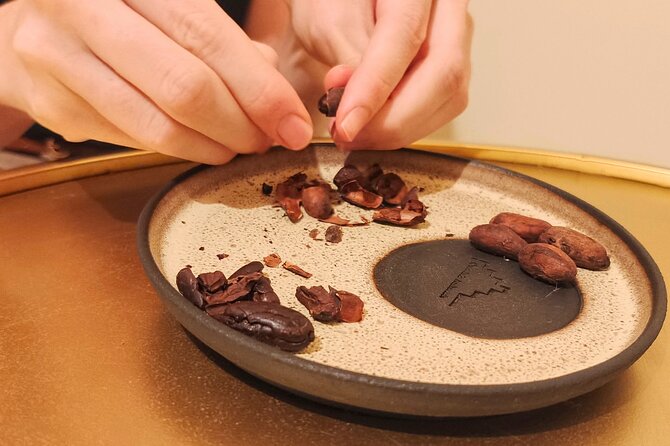
The drinking chocolate portion gives the workshop a useful change of pace. Along with the cacao fruit juice and cacao tea, you taste an early form of drinking chocolate and learn how this drink developed.
A hot chocolate is also included, with the recipe provided. That small extra is valuable because it lets you repeat part of the experience at home. It also adds a warm, familiar element after the less familiar cacao samples.
The sequence is well suited to people who enjoy food history. You move from cacao products to early drinks, then to later forms of chocolate and finally to modern artisanal pieces. The session shows that chocolate is not one fixed product. It has changed in form and use over many years.
Water is included as well. That may sound minor, but it helps clear your palate between samples. With several chocolates and cacao products in a short period, water makes it easier to notice differences instead of ending with one long blur of sweetness.
How much time should you allow?
The workshop lasts about one hour and 30 minutes. That is long enough for tasting and hands-on work, but short enough to fit into a larger Ghent itinerary.
The 11:00 a.m. start gives you a useful structure for the day. You can attend the workshop, shop for chocolate afterward, and then continue sightseeing near Gravensteen and the two waterfront streets. The activity ends at the starting point, so you do not need to arrange a pickup at another location.
The experience is often booked about 22 days ahead. That does not mean you must reserve three weeks in advance every time, but it is a useful planning signal. With a maximum of six people, available spaces can disappear faster than they would on a large group tour.
English is the offered language. If you want the guide’s explanations about history and chocolate-making to be easy to follow, check that English works for everyone in your party before booking.
Is $82.90 a fair price?
At $82.90 per person, this is not a cheap way to eat chocolate. If your goal is simply to buy pralines or have a quick sample, you can spend less in Ghent.
The price makes more sense when you count the full package. You get approximately 90 minutes of instruction, a licensed or certified English guide, cacao products, artisanal chocolates from multiple makers, a hot chocolate recipe, water, and a chocolate bar you make yourself. You are also paying for a small group rather than a crowded demonstration.
I see the best value for people who would otherwise pay for several separate tastings or spend time comparing shops without much context. The workshop puts the history, the samples, and the making activity in one place.
Still, the value depends on your interests. A dedicated chocolate fan, food-history enthusiast, or first-time visitor to Belgium is more likely to appreciate the cost. If you already plan to visit several chocolate shops and mainly want to take home a large quantity, direct shopping may suit you better.
Who will enjoy this most?
I would recommend this experience to:
- People who want more than a standard chocolate sample
- Visitors interested in food history and the origins of cacao
- Couples or small groups who prefer a personal workshop
- Families looking for an indoor activity near central Ghent
- Chocolate lovers comparing Belgian and Swiss traditions
- Anyone who wants a useful introduction before shopping for Belgian chocolate
It is less suited to anyone avoiding sweet foods, anyone who dislikes interactive activities, or anyone looking for a full-day chocolate tour. The workshop is focused and compact. It gives you a taste of the subject, not an exhaustive tour of Belgium’s chocolate industry.
The cool room may also be a concern for people who get cold easily. A sweater solves the problem for most visitors, and the temperature is part of caring for the chocolate, not a flaw in the venue.
Practical details before you book
Confirmation is provided at the time of booking. The activity is near public transportation, but transportation itself is not included, so plan your route to Kraanlei 3.
Service animals are allowed. The session is offered in English, and the guide is licensed or certified. The group has a maximum of six people, which is smaller than the stated general description of up to eight, so the six-person limit is the figure I would use when planning.
Cancellation is free if you cancel at least 24 hours before the local start time. Cancellations made less than 24 hours before the start are not refunded, and late changes are not accepted. If the minimum number of people is not reached and the activity is canceled, you will be offered another date or experience, or receive a full refund.
Should you book the Chocolate History Workshop Ghent?
Book it if you want to understand chocolate as well as taste it. The strongest parts are the small group, cacao-bean activity, historical samples, and chance to compare several Belgian makers in one sitting.
The price is the main hurdle. It is too high for a quick snack and may not suit a visitor focused on buying chocolate rather than learning about it. But for a 90-minute activity near Gravensteen, with a handmade bar, hot chocolate recipe, guided history, and multiple tastings, it offers a solid food experience in a convenient part of Ghent.
My advice is to reserve ahead if the date matters to you, bring a sweater, and schedule nearby sightseeing afterward. If you want a more thoughtful introduction to Belgian chocolate than a shop counter can provide, this is a strong choice.
FAQ
Where does the Chocolate History Workshop Ghent start?
It starts at Chocolade Ambassade, The Belgian Chocolate Experience, Kraanlei 3, 9000 Gent, Belgium.
What time does the workshop begin?
The listed start time is 11:00 a.m.
How long does the experience last?
The workshop lasts approximately one hour and 30 minutes.
Is the workshop conducted in English?
Yes. English is the offered language, and the guide is licensed or certified.
How many people can join the workshop?
The activity has a maximum of six travelers.
What is included in the price?
The price includes a chocolate bar made by you from cacao beans, Belgian artisanal chocolates from different makers, cacao products, hot chocolate with a recipe, water, and the English-guided workshop.
Is transportation included?
No. Transportation is not included, although the meeting point is near public transportation.
Can I cancel for a full refund?
Yes, if you cancel at least 24 hours before the local start time. Cancellations made less than 24 hours before the start are not refunded.
Just added around Ghent
- Charlie’s Private Chocolate Tour (Ghent)★ 5.0 · 34 reviews
- Ghent Chocolate Tasting and Sightseeing Tour★ 5.0 · 21 reviews
- Private Chocolate Experience in Ghent★ 5.0 · 31 reviews
- Chocolate and Jenever (Belgian Gin)Tasting in Ghent★ 5.0 · 2 reviews
- Discover authentic Ghent with historian & taste the best chocolate★ 5.0 · 30 reviews
- Private Chocolate Tasting Experience in Ghent★ 4.6 · 7 reviews
- Ghent: Belgian Chocolate Making Workshop with Beer Tasting★ 4.3 · 15 reviews
- Ghent: Guided City Tour with Chocolate Tastings★ 4.8 · 36 reviews
Historical Tours, compared.
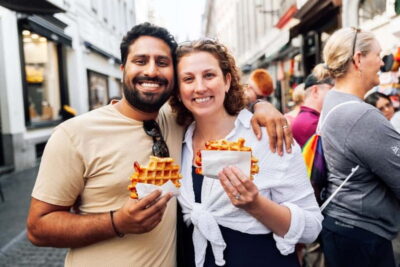
Historical Tour with Chocolate & Waffle Tasting
Read our review →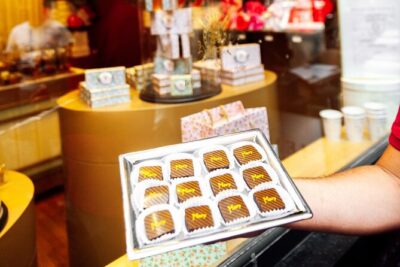
Historical Walking Tour with Chocolate & Waffle Tasting
Read our review →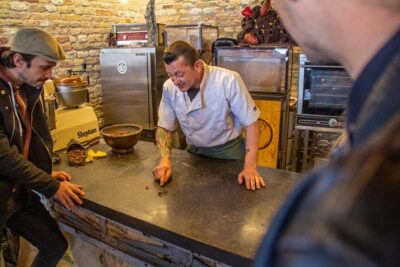
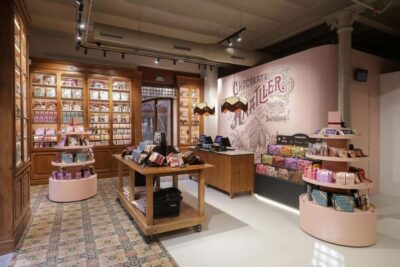
Barcelona & Chocolate Amatller History and Culture + Activity and Tasting
Read our review →
Waterfall, Rainforest, Chocolate Tour & Historical Sites
Read our review →
Tapas and history tour ending with churros with chocolate
Read our review →
York Historical Gems Tour & A Taste of York Chocolate
Read our review →Historical Gems Tour & A Taste of York Chocolate
Read our review →Browse the lists this tour appears in