
Review · GERMANY
Cologne: Chocolate Museum Entrance Ticket
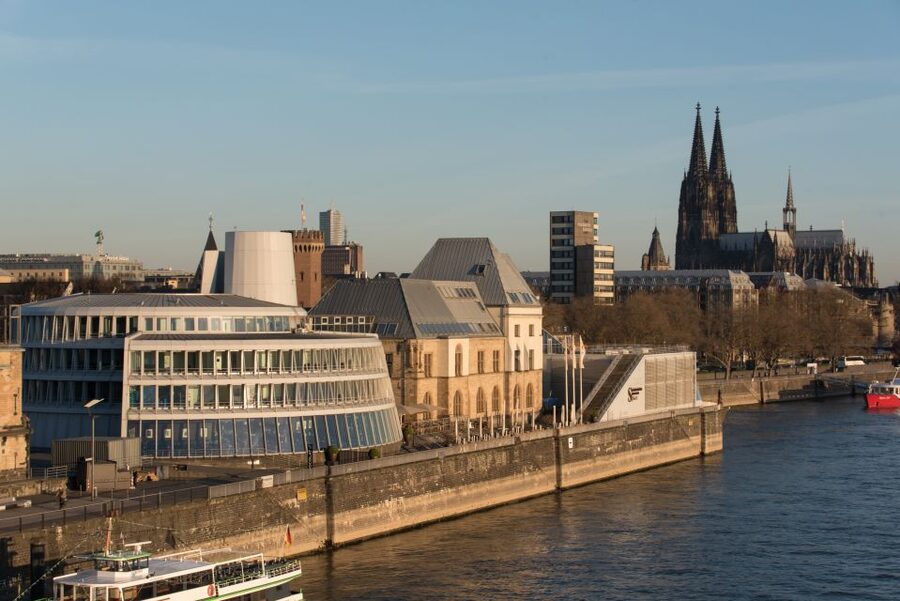
Chocolate history tastes better in person. Cologne’s Chocolate Museum turns cocoa into a full museum visit, with a tropical house, pre-Columbian artifacts, old industrial machines, working production equipment, and plenty of samples along the way. The museum sits beside the Rhine, so you get a pleasant river setting as part of the outing.
I especially like the step-by-step factory displays and the chance to see chocolate made in front of you, rather than only reading about it. The free tastings, including wafers dipped at the fountain, also make the $19 ticket feel fair. The main drawback is that this is a self-guided visit, not a guided tour, and the production areas close about 30 minutes before the museum does.
Plan on about 1 to 2.5 hours, depending on how closely you read the displays and how long you stay for the cafe. Families, chocolate fans, and curious adults all have good reasons to come, though the museum can feel warm on hot days and the toilets are limited.
Quick reasons to put this museum on your Cologne plan
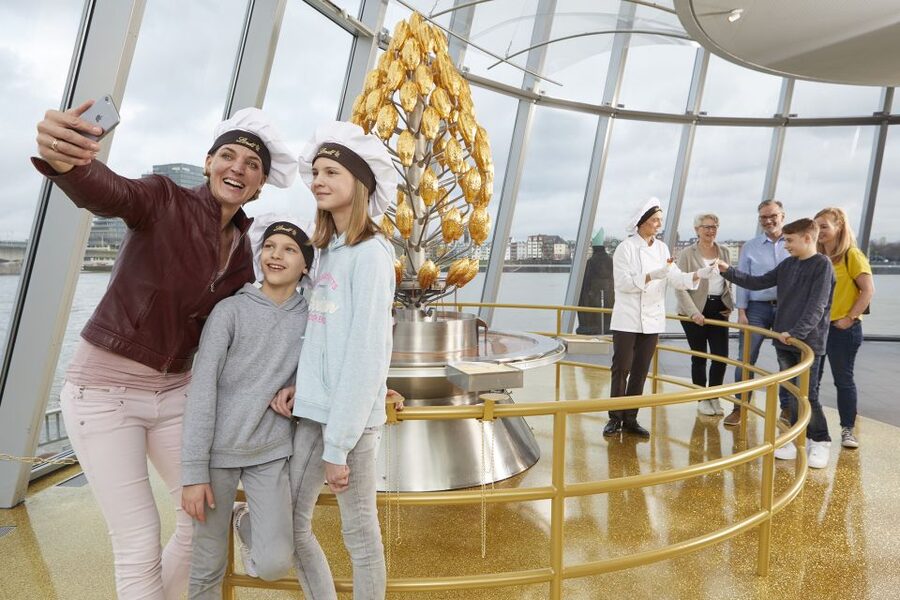
- A 3-meter chocolate fountain: About 200 kilograms of chocolate bubble constantly, with tasting encouraged.
- A real cocoa tree: The tropical house helps you see where chocolate begins, not just how it ends up in a wrapper.
- Working factory equipment: Watch chocolate move from cocoa ingredients through roasting, mixing, molding, and finished products.
- 5,000 years of cocoa culture: The displays connect chocolate with Central American cultures, European taste, trade, and industrial production.
- Samples as you go: Several small tastings are offered during the visit, with some visitors receiving around six pieces.
- A strong cafe stop: The chocolate cake, waffles, fondue, coffee, and hot chocolate give you a good reason to stay after the exhibits.
Arriving beside the Rhine
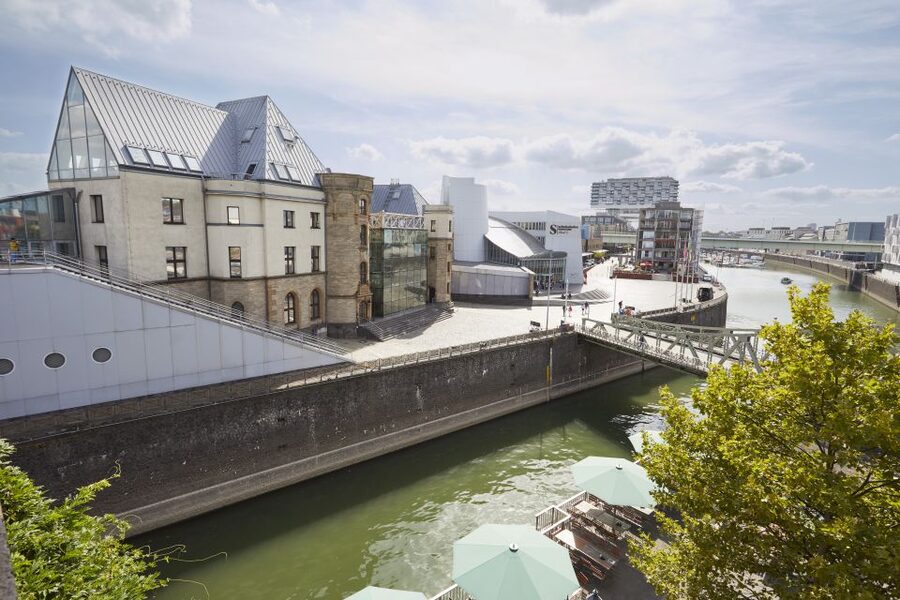
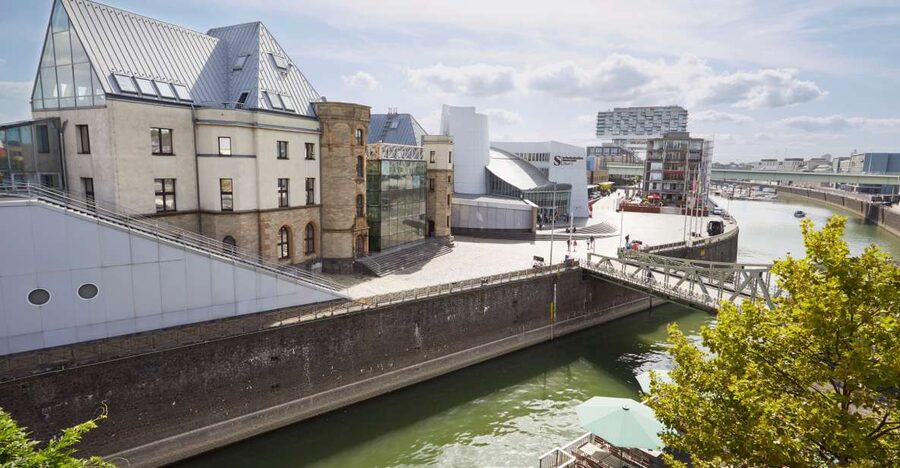
The museum is located on the banks of the Rhine, in a striking glass building that makes the factory theme visible before you even enter. Its setting works well as part of a Cologne day, especially if you plan to walk along the river before or after your visit.
With a mobile ticket, go directly to the museum entrance and scan the code. The ticket is intended to let you skip the ticket counter, although that does not always mean walking straight through a crowded entrance. On busy weekends, people with online tickets may still form a line to enter.
Going near opening time is a smart move. The museum tends to get busier later, and an early visit gives you more room around the production equipment and the chocolate fountain. If you arrive later in the day, check the closing time carefully. Last entry is one hour before closing, while the factory and production areas stop operating roughly 30 minutes before the museum closes.
Children under 12 must be with a paying adult. The museum is wheelchair accessible, and pushchairs can be used, making it a practical choice for families with young children.
More Chocolate Museums in the world:
- Lindt Home of Chocolate Museum Entry Ticket
★ 4.7 · 9,329 reviews - Choco-Story Brussels: Chocolate Museum Entrance with Tasting
★ 4.3 · 4,883 reviews - Vienna: Chocolate Workshop in Chocolate Museum w/ Tasting
★ 4.5 · 1,802 reviews
Starting with cocoa in the tropical house
The visit begins with the raw material: cocoa. A walk-in tropical house contains a real cocoa tree and gives you a visual sense of the warm, humid setting needed to grow the crop.
That small piece of forest matters because chocolate can otherwise seem to begin at the supermarket shelf. Here, you first see cocoa as a plant. Natural history information explains the bean and its place in the wider cocoa process.
This section is especially useful for children. It gives them something living and recognizable to look at before they meet the machines. It also helps adults understand the long chain between agriculture and the finished chocolate bar.
The tropical house may feel warm, particularly on a hot day. One person who visited during warm weather found the museum too hot to stay as long as planned, so bring that into your timing if you are sensitive to heat.
Five thousand years of chocolate culture
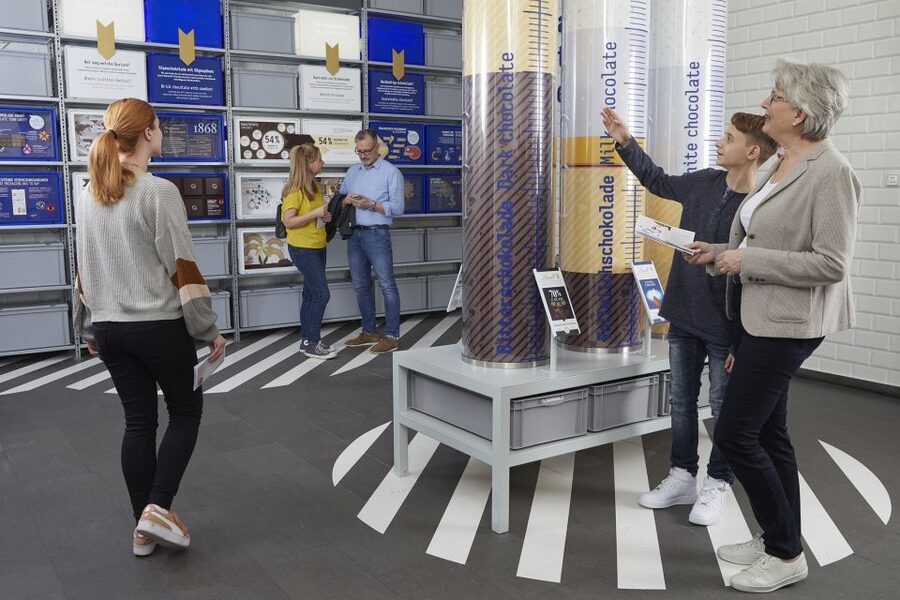
The museum does not treat chocolate as a modern European invention. Its displays trace cocoa and chocolate culture across about 5,000 years, including material connected with pre-Columbian cultures in Central America.
This historical section gives the visit more weight than a simple factory tour. You see how cocoa was used and valued before European industrial production changed the way chocolate was made and sold.
The museum also includes porcelain and silver from the Baroque period. These objects show how chocolate moved into European social life, where serving vessels and table settings became part of the experience. The collection adds a useful reminder that chocolate was once tied to ceremony and status, not only to quick snacks.
The information is presented in a way that rewards reading. You can move through it quickly if children are eager to reach the machines, or take your time if you want the cultural background. The museum is self-guided, so you control the pace. A booklet is included, but there is no standard guided tour with the entrance ticket.
From cocoa ingredients to finished chocolate
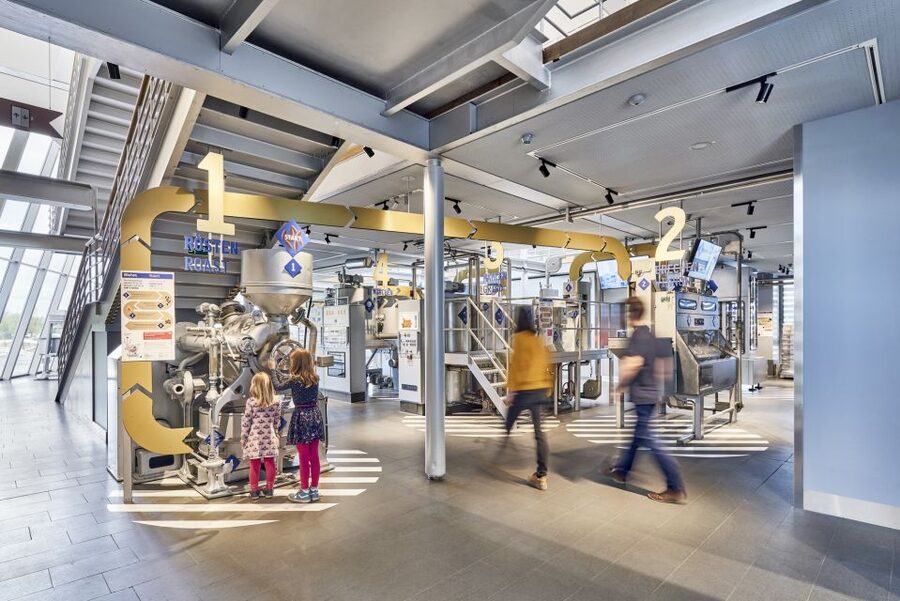
The strongest part of the museum is the modern production area. In the glass factory, you can watch chocolate being made rather than relying on static displays.
The route follows the process from cocoa bean to finished confection. You might see the stages involving roasting, cocoa ingredients, sugar, milk powder, molding, and production equipment. The glass walls let you watch the machines at work, which gives the visit a useful sense of scale.
The old machines from the industrialization period provide a contrast. They show how production changed over time, while the modern equipment explains how chocolate is made today. The combination of old and new keeps the museum from feeling like one long historical corridor.
The production area covers part of the museum’s roughly 43,055 square feet. That is enough space for the museum to mix history, natural science, machinery, and tasting without making the factory feel like a single short demonstration.
The machines are a hit with children and adults alike. Kids can follow movement and sound, while adults can see the practical difference between hand production and industrial output. It is also one of the best parts of the visit for anyone who wants to know what actually happens between cocoa and praline.
More Attraction Tickets in the world:
- Paris: Entrance Ticket to the Chocolate Museum
★ 4.1 · 1,105 reviews - Zurich Sights: Cruise, Lindt Chocolate and optional FIFA Ticket
★ 4.0 · 1,028 reviews - Princeville Botanical Gardens Tour and Chocolate Tasting Ticket
★ 5.0 · 774 reviews - Dresden: Guided Walking Tour and Chocolate Museum Ticket
★ 4.5 · 479 reviews
The chocolate fountain is the main event
The three-meter-high chocolate fountain is impossible to miss. Around 200 kilograms of chocolate bubble through it continuously, and tasting is part of the experience.
A wafer is dipped into the warm chocolate and handed over for sampling. This is a small moment, but it gives you a direct connection to the production theme. You are not just looking at chocolate behind glass. You get to taste it while standing beside the fountain.
Several small samples are offered as you walk through the museum. The exact number can vary, but some visits include about six pieces, in addition to the fountain tasting. If you have a sweet tooth, these little portions make the ticket feel even better value.
The samples are not a substitute for lunch, of course. They are small tastes spread through the visit, and the museum shop offers far more ways to spend money on chocolate afterward. Still, the tastings are generous enough to keep children interested and give adults something fun to look forward to.
The chocolate atelier and custom bars
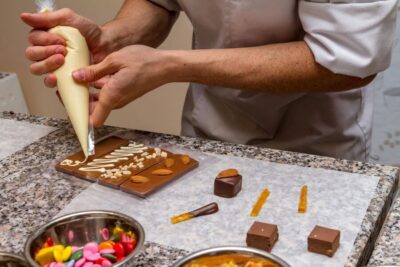
The chocolate atelier adds a hands-on element. Here you can see chocolate made individually by hand, rather than only through factory machinery.
A popular extra is creating a personal chocolate bar. You choose or arrange the ingredients, then watch the bar being made. This costs extra, but it can be worth it for children, teenagers, and anyone who wants a souvenir with a personal touch.
The custom bar also works well as a gift. It turns the museum from a place you simply walk through into something you can take home and remember. If you are traveling with children, this may be the part they talk about most afterward.
The atelier is not included as a separate unlimited activity in the basic ticket, so ask about the current cost and availability when you arrive. The entrance ticket covers the museum itself, while extras such as custom chocolate are additional purchases.
The cafe deserves its own stop
Do not rush straight from the final display to the exit. The cafe is one of the museum’s better features, with chocolate-focused drinks, cakes, waffles, and fondue.
The portions can be substantial. A waffle and a fondue together may be more food than you expect, so order with some restraint unless you are sharing. The chocolate cake receives plenty of praise, and hot chocolate, coffee, and dessert make sense after a museum built around cocoa.
Prices in the cafe are described as reasonable, which helps the overall value of the outing. It is also a useful place to sit after reading displays and standing around the factory. For families, the cafe gives everyone a chance to rest before the shop.
The building’s riverside location adds to the appeal. You can combine the museum with a walk beside the Rhine, making the visit feel like part of a broader Cologne afternoon rather than an isolated indoor attraction.
The shop is excellent, but watch the prices
The museum shop has plenty of gift choices, from standard chocolate to more unusual products. It is an easy place to find presents for friends and family, especially if you have made a custom bar or want to continue the cocoa theme.
The selection can make choosing difficult. That is a pleasant problem, but remember that the museum’s atmosphere may encourage impulse buying. One useful warning: Lindt products in the shop may cost more than the same items at home, depending on where you normally shop.
If price matters, compare before buying several large gifts. For a small souvenir, though, the shop is convenient and fits naturally with the visit.
Is the $19 ticket good value?
At $19 per person, the ticket is fairly priced for the amount of time and variety involved. You get a self-guided museum, the tropical house, historical collections, industrial machines, the glass factory, chocolate tastings, and access to the fountain.
The value improves if you spend two hours or more reading and watching the production line. A quick 45-minute walk-through would make the ticket feel less impressive, although you would still see the key displays.
The ticket does not include a guided tour. That matters if you want a specialist to explain the history or answer questions as you go. On the other hand, a self-guided format lets you skip sections that do not interest you and slow down around the parts you enjoy.
The museum also offers booking flexibility, including cancellation up to 24 hours before the visit for a full refund and a reserve-now, pay-later option. Availability and opening times should still be checked before you go.
How long should you allow?
The shortest sensible visit is about 1 to 1.5 hours. That gives you time for the main historical displays, the production area, samples, and the fountain.
Allow two hours if you want to read carefully, watch the machines, visit the atelier, and browse the shop. Some people spend 2.5 hours when they add the cafe and custom chocolate activity.
A full day ticket is valid for one day, but the museum itself does not need a full day. It works best as a substantial morning or afternoon stop, paired with the Rhine, nearby Cologne sights, or a relaxed meal.
Try to arrive before the busiest period. You will have a better view of the factory line and less competition at the fountain. If you are visiting with children, an early start can also help before everyone gets tired or overheated.
Who will enjoy it most?
This is one of Cologne’s easiest family attractions. Children get chocolate, machines, a tropical house, and the option to create a bar. Teenagers also tend to enjoy it because the visit is active and visual rather than just a series of glass cases.
Couples and solo visitors have plenty to enjoy too, especially if they like food history, design, industrial technology, or museums with a strong tasting element. You do not need to be a serious chocolate expert.
The museum is also a good rainy-day choice. Just remember that indoor warmth can become uncomfortable in hot weather. Limited toilets are another minor nuisance, especially if you are visiting with a group or young children.
Should you book the Cologne Chocolate Museum?
Yes, if you want an easy, entertaining Cologne activity with real substance behind the sweets. The best reasons to go are the working production line, the clear cocoa-to-chocolate route, the tropical house, and the tastings at the fountain.
Book it if you are visiting with children, enjoy food museums, or want something that mixes culture with a little indulgence. Arrive early, allow at least 1.5 hours, and budget extra for the cafe, shop, or custom chocolate bar.
Skip it only if you dislike indoor museums, chocolate, or self-guided visits. For most people, the $19 ticket buys a generous and enjoyable stop, with enough history and machinery to make the samples feel like part of the experience rather than the whole point.
FAQ
How much does entry to the Cologne Chocolate Museum cost?
The listed price is $19 per person. The ticket includes museum admission and an information booklet.
How long does a visit to the museum take?
Most people should allow about 1 to 2.5 hours. A shorter visit covers the main displays, while a longer one allows time for detailed reading, the cafe, shop, and optional chocolate-making activities.
Is a guided tour included?
No. The entrance ticket is for a self-guided visit. A guided tour is not included.
Can I taste chocolate inside the museum?
Yes. Chocolate tasting is encouraged, and the museum includes samples during the visit. You can also taste chocolate from the three-meter fountain, where about 200 kilograms of chocolate bubble continuously.
Is the museum wheelchair accessible?
Yes. The museum is wheelchair accessible, and pushchairs can be used.
Can I cancel my ticket?
You can cancel up to 24 hours in advance for a full refund. A reserve-now, pay-later option is also available.
Just added around the world
- Lindt Chocolate Museum with Cruise Transfer from Zurich★ 4.6 · 7 reviews
- Zagreb: Lake Bled and Ljubljana Day Tour with Chocolate Gift★ 5.0 · 26 reviews
- Zurich: Chocolate Tasting and Walking Tour with a Local★ 4.2 · 13 reviews
- Zurich Open-top Tour and Chocolate and Cheese Countryside★ 3.5 · 11 reviews
- York: Introduction to Chocolate Making Experience★ 4.9 · 10 reviews
- Zaandijk-Near Zaanse Schans Chocolate making demo & tasting★ 4.8 · 13 reviews
- Wine and Chocolate experience★ 4.6 · 3 reviews
- Private Wine and Chocolate Tasting Experience★ 4.4 · 3 reviews
Museums, compared.
Choco-Story Brussels: Chocolate Museum Entrance with Tasting
Read our review →
Chocolate Workshop in Chocolate Museum w/ Tasting
Read our review →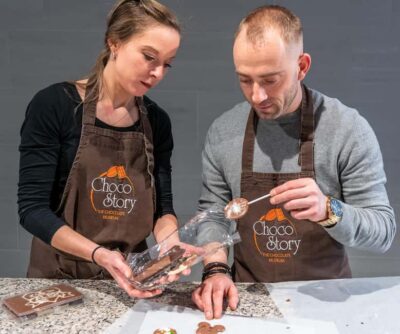
Choco-Story Chocolate Museum Guided Tour w/Tastings
Read our review →
45-minute Chocolate Making Workshop at Choco-Story
Read our review →Browse the lists this tour appears in