
Review · BELGIUM
Chocolate history workshop Ghent
Chocolate has a surprisingly wild past. In a 90-minute session at the Chocolade Ambassade, you make a bar from cacao beans, recreate a 17th-century hot chocolate, and taste Belgian chocolates in a 16th-century house near Ghent’s Castle of the Counts. I especially like the hands-on grinding and the way the host links each taste to chocolate’s long story, from the Maya and Aztecs to European royalty. The four bonbons at the end also give you a useful comparison of traditional and modern Belgian styles.
The main thing to understand is that this is not a technical chocolate-making class. You will not learn tempering, melting methods, or how to shape truffles and bonbons. Grinding cacao requires ordinary strength in your hands and wrists, and the shop is kept cool at about 18°C or lower, so bring a light jacket if you get cold easily.
Key points at a glance
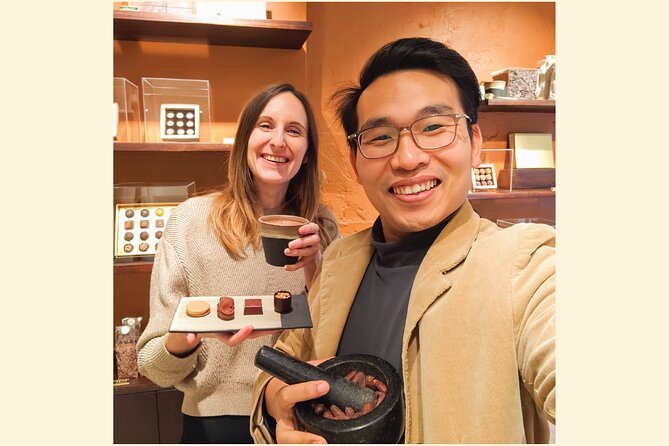
- Make a chocolate bar from cacao beans: Grind the beans yourself, then work them with sugar and other ingredients to create a bar you can eat or take home.
- Taste chocolate across 5,000 years: Sample cacao products and drinks connected with Maya, Aztec, European, and modern chocolate traditions.
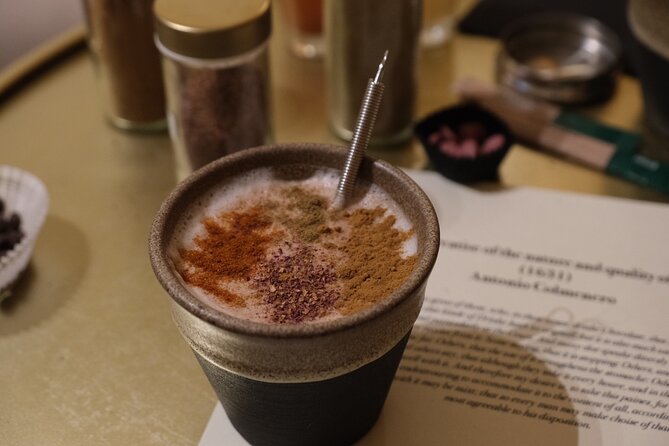
- Recreate a 17th-century hot chocolate: Adjust the chocolate, sugar, and spices yourself, but use the chili carefully.
- Compare four Belgian bonbons: Taste classic and modern chocolates from different Belgian makers, including the familiar seashell style.
- Small group in an old Ghent house: The group is limited to six people, and the workshop takes place just around the corner from Gravensteen.
- Easy to pair with sightseeing: The Castle of the Counts, Patershol, Graslei, Korenlei, and boat tours are all within about a five-minute walk.
A chocolate workshop in Ghent’s oldest quarter
The Chocolade Ambassade is easy to find. Look for the tallest traditional Flemish house with a stepped gable, just around the corner from Gravensteen, also called the Castle of the Counts. The workshop occupies one of Ghent’s oldest houses, dating from the 16th century.
That setting matters. You are not sitting in a generic cooking studio far from the sights. You are working with chocolate in the medieval heart of the city, surrounded by the old streets that make Ghent such a rewarding place to explore on foot. You can visit the castle before the workshop, or use the chocolate session as a pleasant stop after seeing it.
The group size is limited to six people. That is a good number for this kind of activity because you need room to work, ask questions, and handle the cacao. A larger group could make the practical part feel crowded. The instruction is in English.
The shop is kept cool to protect the chocolate, with temperatures around 18°C or lower. I would wear comfortable clothes and carry a light sweater. Grinding and shaping can put a small amount of chocolate on your clothing, so this is not the moment for your most delicate outfit.
More History Tours in Ghent:
- Chocolate history workshop Ghent
★ 5.0 · 34 reviews - Brussels: Historical Tour with Chocolate & Waffle Tasting
★ 4.8 · 1,206 reviews - Brussels: Historical Walking Tour with Chocolate & Waffle Tasting
★ 5.0 · 1,165 reviews
Starting with cacao, not a chocolate wrapper
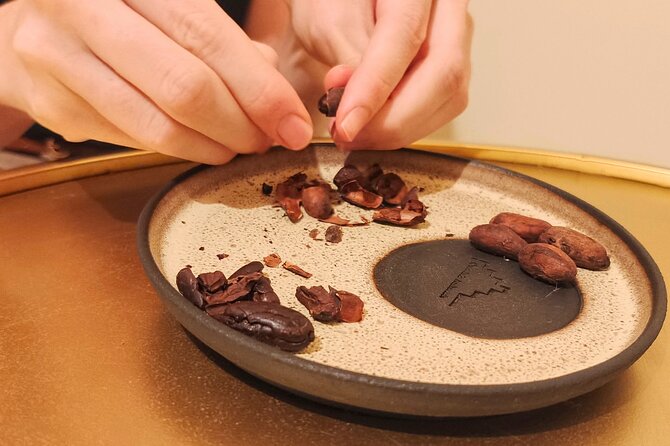
The session begins with a short explanation of how chocolate is made from cacao. This is useful because most people meet chocolate at the finished stage, in a bar or bonbon, rather than as a bean with its own texture, aroma, and character.
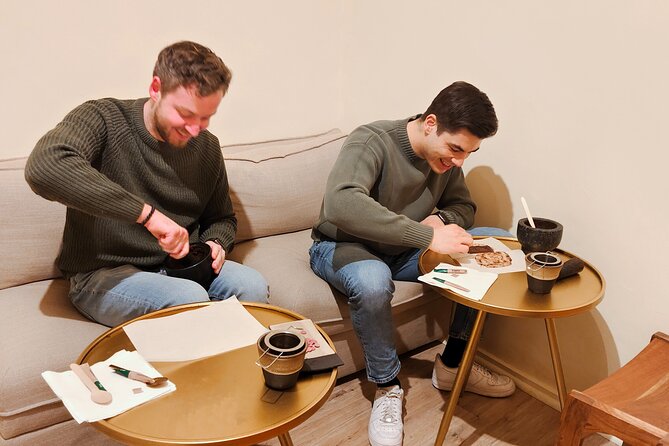
Then you begin making your own chocolate bar. The important point is that you start with cacao beans and grind them yourself. This is not a demonstration where you simply pour melted chocolate into a mold and add decorations. You take part in the earlier stage of the process, when the cacao is being worked into a smoother, partly liquid mixture.
The work requires normal strength in your hands and wrists. If you have reduced strength because of rheumatism, arthritis, or a similar condition, this stage may be difficult. That limitation is worth considering before booking, since the grinding is central to the workshop rather than an optional extra.
The host guides you through the process and helps explain how cacao, sugar, and technique combine to create chocolate. One especially interesting detail from the experience is the change from a simple bean into a partly liquid chocolate mixture using only a few basic ingredients and the right method. You get a clearer sense of how much work sits behind even a small bar.
You can shape your bar during the session. At the end, you may taste it or take it home to share with family and friends. Since the group is small, you should have a chance to ask about the cacao you are using and how its flavor develops.
Five thousand years of chocolate in 90 minutes
The history portion is woven into the practical work and tastings, rather than delivered as a long lecture at the start. That keeps the pace active. You hear about the Maya and Aztecs, the spread of chocolate into Europe, and famous figures such as Martha Washington and Marie-Antoinette.
The stories are not limited to pleasant dessert history. Chocolate has been used in very different ways across time, and the workshop touches on details such as bloodstained lips and the invention of the bonbon in a pharmacy. Those odd turns help explain why chocolate history is more than a parade of luxury sweets.
I like this approach because each historical period comes with something to taste. You are not asked to remember a list of dates. Instead, you connect a drink or cacao product with the customs and ingredients of its time.
The experience includes a taste of a chocolate drink described as 5,000 years old. This does not mean you are drinking a perfectly preserved beverage from antiquity. It refers to the long history of cacao-based drinks and the ancient tradition represented by the recipe. The taste gives the history a physical point of reference, especially for anyone who knows chocolate mainly as a solid bar.
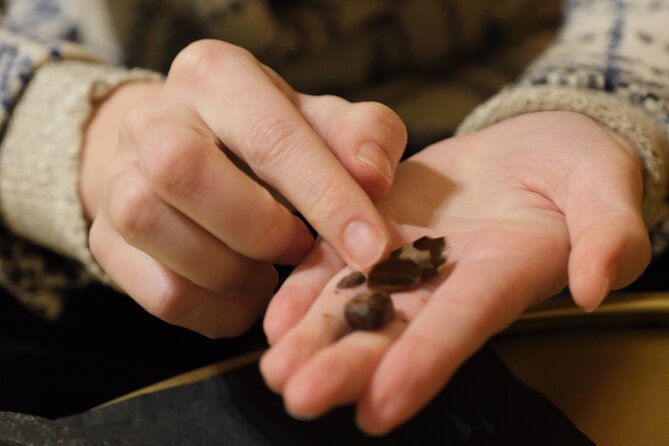
The workshop also includes various cacao products and historical drinks. Some may be new to you, including cacao fruit, which one participant particularly enjoyed after trying it here. That is one reason this activity works well for people who already know Belgian pralines but want to understand the ingredient behind them.
Making a 17th-century hot chocolate
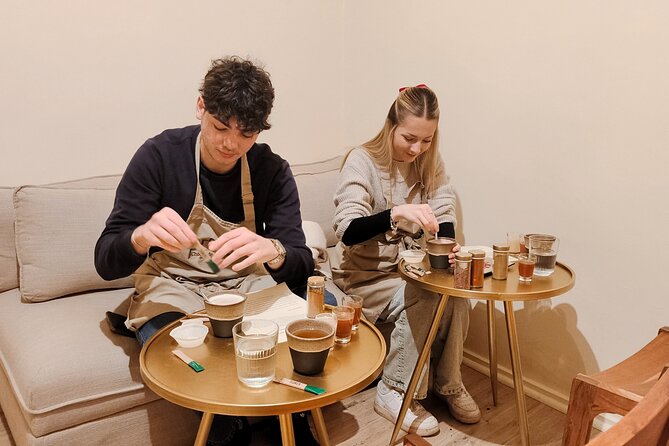
After your bar is shaped, you recreate a 17th-century hot chocolate recipe. This part gives you more control than the standard tasting. You choose how much chocolate, sugar, and spice to add, so the finished drink reflects your preference.
The spices are especially important. Use the chili with care. The warning is not decorative, and a heavy hand can quickly take over the drink. You can adjust the mixture, which makes the exercise more useful than simply being handed a cup of prepared hot chocolate.
This recipe also shows how different historic hot chocolate could be from the sweet, mild versions served in many cafés today. The drink becomes a small experiment in balance: chocolate for body, sugar for sweetness, and spices for heat and aroma.
The hot chocolate is included in the price, along with the recipe. If you enjoy experimenting with flavor, this may be one of the most memorable parts of the session. If you prefer a straightforward tasting with no physical work, it may feel more involved than expected.
A few more chocolate tours around Ghent worth a look
- Ghent: Belgian Chocolate Walking Tour with Tastings
★ 4.9 · 259 reviews - Brussels: Bruges & Ghent Tour w/ Cruise & Chocolate Tasting
★ 4.2 · 144 reviews - Ghent: Famous Belgian Chocolate Walking Tour with Tastings
★ 5.0 · 131 reviews - A Taste of Ghent: Beer & Chocolate with storytelling by a local
★ 5.0 · 77 reviews
Four Belgian bonbons, from classic to modern
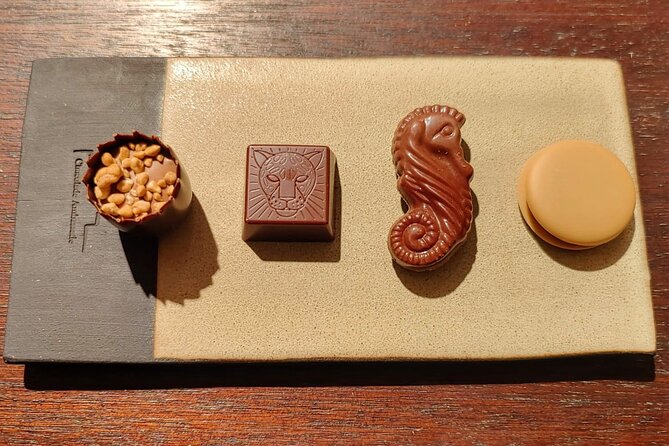
The final tasting focuses on four bonbons from different Belgian chocolatiers. The selection ranges from traditional flavors to newer styles, giving you a quick lesson in the variety of Belgian chocolate.
You can expect classic chocolate bonbons, including the familiar seashells. These seashell-shaped chocolates are closely linked with Belgian chocolate shops, and tasting them beside more modern examples helps you notice the difference between a familiar commercial style and more individual chocolatier work.
This is not a long sit-down tasting with a large number of pieces. Four bonbons is a manageable amount after the cacao products, hot chocolate, and your own bar. You get enough variety to compare, without turning the last part into a sugar endurance test.
The tasting is also practical if you plan to buy chocolate in Ghent. You can note which styles you prefer, then browse the shop afterward. The staff can offer recommendations based on your favorites, but shopping is optional. There is no pressure to purchase anything.
What the $81 price includes
At $81 per person, this is not the cheapest way to eat chocolate in Ghent. You are paying for a small group, an English-speaking chocolate expert, hands-on work, historical interpretation, a hot chocolate recipe, several cacao products, four Belgian bonbons, and the bar you make yourself.
The value depends on what you want from the experience. If you only want to taste Belgian chocolate, you can spend less at a shop or café. If you want to understand how cacao changes into chocolate and take part in making a bar, the price is easier to justify.
The small group is an important part of the value. With no more than six participants, the host can explain the grinding process and respond to individual questions. The workshop also combines several activities in a short period: history, tasting, preparation, and shopping advice.
The 90-minute length works well for a day of sightseeing. It is long enough to provide real content but short enough to fit before or after the Castle of the Counts. You leave with something tangible, rather than only a memory and a sugar rush.
Who will enjoy this most
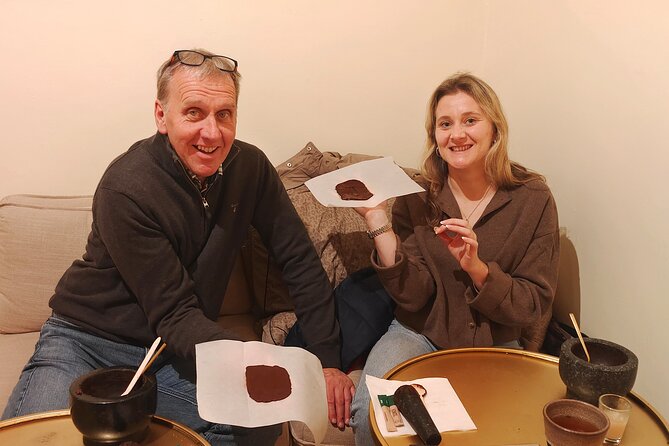
I would recommend the workshop to adults and children aged 12 and older who like food with a story behind it. It suits curious eaters who want to try cacao in forms they may not have encountered before, including historical drinks and cacao fruit.
It is also a good choice for anyone who enjoys a small, social activity. The group of six encourages conversation, and the format alternates between listening, tasting, and doing. One moment you are hearing about chocolate’s past, and the next you are working with cacao or adjusting a drink.
Families with older children can find a nice balance here. A 12-year-old who likes dark chocolate may enjoy the practical work, while adults can focus more on the historical details. Very young children are not permitted, so families should plan around the age restriction.
This is less suitable for someone seeking professional confectionery skills. You will not learn how to temper chocolate, melt chocolate with precision, or make truffles and bonbons. You will make chocolate from cacao, but the focus is understanding and tasting rather than mastering a pastry technique.
The grinding also matters. If your hands or wrists have reduced strength, the workshop may be uncomfortable. Ask yourself if you can manage a hands-on task before choosing this activity.
How to fit it into a Ghent day
The meeting point is near the Castle of the Counts, so the workshop pairs naturally with a visit to Gravensteen. You could see the castle first, attend the chocolate session, then walk into Patershol for more old streets and restaurants.
Graslei and Korenlei are also about a five-minute walk away. These waterfront streets are among Ghent’s most attractive places for a stroll, and a boat tour is nearby if you want to continue sightseeing without a long transfer.
The timing is useful on a busy city day. A 90-minute workshop provides a clear break from museums and architecture, while the central location means you do not lose time getting there. After the tasting, you should have plenty of energy to keep walking, though you may want water after so much chocolate.
Since the temperature is kept low, remember the practical clothing advice. Comfortable clothes are best, and a sweater or light jacket will make the session more pleasant if you feel cold easily.
Booking, cancellation, and practical details
The activity is available in English, and you can check the available starting times when booking. You can cancel up to 24 hours before the activity for a full refund, and the reserve-now, pay-later option gives you some flexibility when arranging a Ghent itinerary.
The workshop does not include transport. You make your own way to the Chocolade Ambassade, just around the corner from Gravensteen. The exact meeting point is the tall traditional Flemish stairs house.
The activity is limited to participants aged 12 and over. Water is included, along with your homemade chocolate bar, Belgian artisanal chocolates, the hot chocolate and recipe, various cacao products, and explanations from the chocolate expert.
Should you book the Ghent chocolate workshop?
Book it if you want more than a quick praline tasting. The best parts are the hands-on cacao grinding, the engaging stories about chocolate across 5,000 years, and the chance to compare four Belgian bonbons after making your own bar.
Skip it if your main goal is to learn professional chocolate techniques. Tempering, melting, truffle-making, and bonbon shaping are specifically not part of the session. Also think twice if grinding will be hard on your hands or wrists.
For most food-focused visitors aged 12 and older, I think the experience offers good value because it combines a small group, a historic setting, several tastings, and a finished chocolate bar. Its location near Ghent’s main sights makes it especially easy to add to a half-day in the city.
FAQ
Where does the chocolate workshop take place?
It takes place at the Chocolade Ambassade in Ghent, just around the corner from the Castle of the Counts, also known as Gravensteen.
How long does the workshop last?
The workshop lasts 90 minutes.
What language is the workshop in?
The instruction is in English.
How many people are in the group?
The group is limited to six participants.
Can I make my own chocolate bar?
Yes. You grind cacao beans and use them to craft your own chocolate bar. You can taste it at the end or take it home.
Do I learn how to temper chocolate?
No. The workshop does not focus on tempering, melting, or shaping truffles and bonbons.
What is included in the price?
The experience includes your handmade chocolate bar, Belgian artisanal chocolates from different makers, hot chocolate with the recipe, various cacao products, water, and guidance from a chocolate expert.
Is the workshop suitable for children?
Children under 12 are not permitted. Participants aged 12 and older can attend.
Does grinding the cacao require physical effort?
Yes. The activity requires normal strength in your hands and wrists. Grinding may be challenging if you have reduced strength because of rheumatism, arthritis, or a similar condition.
Can I cancel the booking?
Yes. You can cancel up to 24 hours in advance for a full refund. You can also reserve now and pay later.
Just added around Ghent
- Charlie’s Private Chocolate Tour (Ghent)★ 5.0 · 34 reviews
- Ghent Chocolate Tasting and Sightseeing Tour★ 5.0 · 21 reviews
- Private Chocolate Experience in Ghent★ 5.0 · 31 reviews
- Chocolate and Jenever (Belgian Gin)Tasting in Ghent★ 5.0 · 2 reviews
- Discover authentic Ghent with historian & taste the best chocolate★ 5.0 · 30 reviews
- Chocolate history workshop Ghent★ 5.0 · 34 reviews
- Private Chocolate Tasting Experience in Ghent★ 4.6 · 7 reviews
- Ghent: Belgian Chocolate Making Workshop with Beer Tasting★ 4.3 · 15 reviews
Historical Tours, compared.
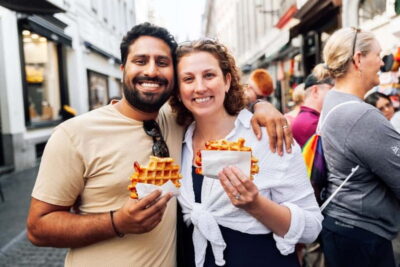
Historical Tour with Chocolate & Waffle Tasting
Read our review →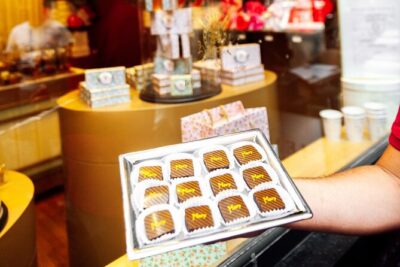
Historical Walking Tour with Chocolate & Waffle Tasting
Read our review →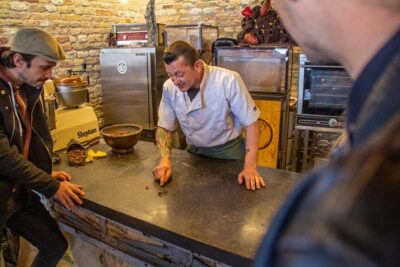
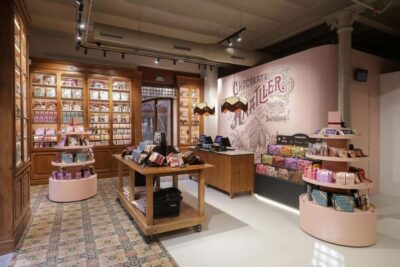
Barcelona & Chocolate Amatller History and Culture + Activity and Tasting
Read our review →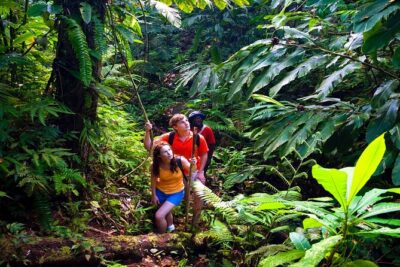
Waterfall, Rainforest, Chocolate Tour & Historical Sites
Read our review →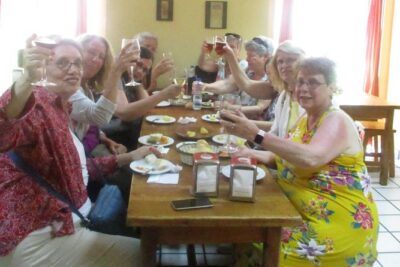
Tapas and history tour ending with churros with chocolate
Read our review →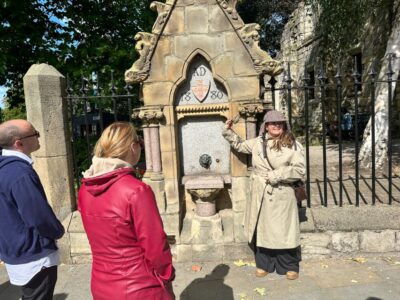
York Historical Gems Tour & A Taste of York Chocolate
Read our review →Historical Gems Tour & A Taste of York Chocolate
Read our review →Browse the lists this tour appears in