
Review · COLOMBIA
Bean to Bar: Cocoa and Chocolate Workshop
Chocolate is better when you make it yourself. I like the hands-on bonbon, truffle, and bar making and the chance to see how Colombian cacao changes from bean to finished chocolate. I also like the focus on local cacao varieties, which gives this more substance than a simple tasting stop.
The main consideration is the $101 price per person for 105 minutes. That can be good value for a private class with chocolate included, but it may feel costly if you mainly want samples or a quick look at a workshop. People with food allergies should not book, and stain-friendly clothing is a smart choice.
Key points at a glance
- A real production setting: You enter a fully equipped chocolaterie, with machinery and a local chocolate-making area rather than only a display room.
- From cacao bean to chocolate: The session covers roasting, separation, cacao varieties, and the stages that turn raw beans into chocolate.
- Private, hands-on instruction: You get a private group format and work with artisans as you make bonbons, truffles, or chocolate bars.
- Several chocolate percentages: The ingredients include white chocolate at 40 percent, milk chocolate at 46 percent, dark chocolate at 80 percent, pure cocoa at 100 percent, and blends.
- A useful rainy-day activity: The workshop takes place indoors and can fill an afternoon when Cartagena weather changes plans.
- English or Spanish guidance: The activity is offered in both languages, with guides such as Alejandra bringing energy and clear answers to the process.
Why this chocolate workshop is worth your time
Cartagena offers plenty of food stops, but this class gives you a chance to understand one Colombian ingredient through your own hands. You are not only eating chocolate. You are seeing how cacao is prepared, learning why varieties matter, and shaping the final product yourself.
I especially like the balance between explanation and making. The session begins with the working parts of a chocolaterie, then moves into cacao processing, and finally gives you a creative task. That order matters. You first learn what the ingredients and machines do, then you use that information to make something.
The experience lasts 105 minutes. That is long enough for a proper workshop without taking over your entire day. It also works well as an indoor break from Cartagena’s heat or rain. One person described it as a particularly good option when the weather was not cooperating, and that is practical advice for planning a city visit.
This is a private group activity, so it should feel more personal than a large class. You can ask questions as the process unfolds, and the instructor can focus on your group’s pace. English and Spanish are available, which helps if you want technical explanations about cacao rather than a rushed demonstration.
More Bean-to-Bar Chocolate Tours in Colombia:
- 1.5h Belgian Chocolate Workshop in Brussels (bean to bar)
★ 4.5 · 462 reviews - Bean to Bar Chocolate Workshop in Puerto Vallarta
★ 5.0 · 381 reviews - Bean to Bar Chocolate Workshop in Barcelona
★ 5.0 · 172 reviews
Finding the pink building on Arsenal Street
The meeting point is at the beginning of Arsenal Street, around the corner and across from the convention center. Look for a two-story pink building with wooden barrels outside. The barrels advertise free hugs, making the spot easier to recognize than a plain address.
When you arrive, the host takes you to the exact place where the workshop happens. That final escort is useful because the meeting point and the production space are not described as the same door. I would allow a few extra minutes to identify the pink building and get settled.
The location puts the activity near a lively part of Cartagena, so it can fit neatly into a walking day. Still, do not assume you will spot a large chocolate sign from far away. Use the pink building, wooden barrels, and convention center as your visual markers.
Wear comfortable clothing that can handle a spot of chocolate. This is not a sit-back-and-watch tasting. You will be handling ingredients, and a small smear is part of the price of admission.
Inside the chocolaterie: machines, craft, and preparation
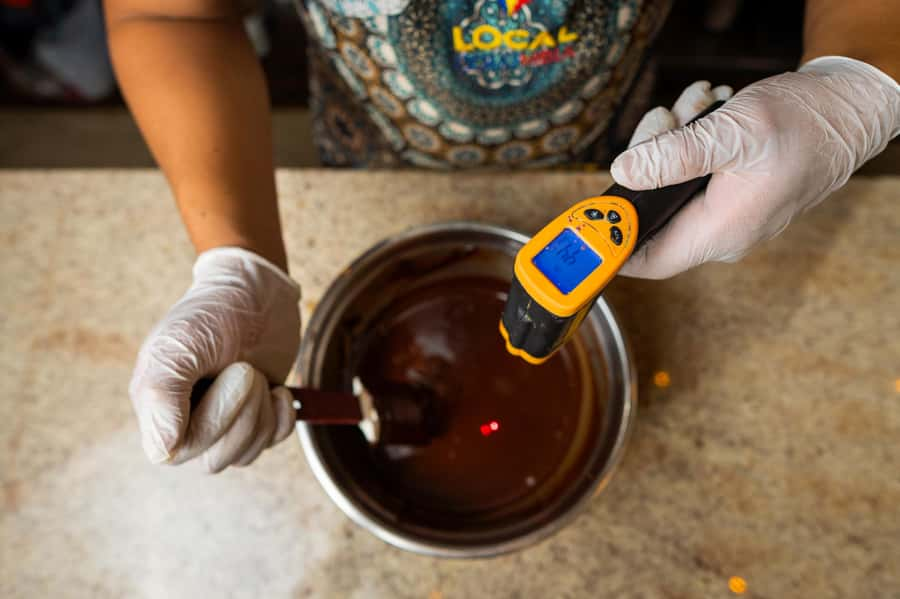
The first stage introduces you to a fully equipped chocolaterie. You see the machinery used in chocolate production and meet the artisans who work with it. The setting helps explain that chocolate is not simply melted, poured, and finished.
The equipment gives the class a practical edge. You can connect the smooth bar in your hand with the less glamorous steps that came before it. Chocolate making depends on careful handling, controlled stages, and attention to texture. Even without a technical lecture, seeing the production area makes the work feel precise rather than mysterious.
One useful detail is that some preparation may be completed before you arrive. That keeps a 105-minute session moving and leaves more time for explanation and creative work. It also means you should not expect to perform every single production step from raw bean to final bar.
If your group visits on a quiet day, the local production area may not have workers actively making chocolate at that exact moment. That is not necessarily a problem, since the space still shows how the operation works, but it is worth knowing if you expect a busy factory floor.
Roasting and separating the cacao beans
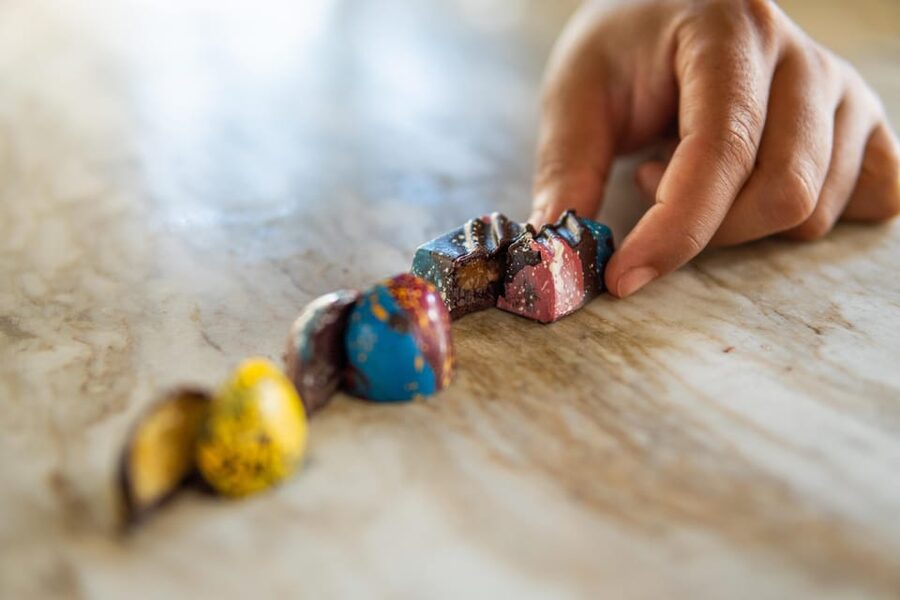
The class then follows cacao from its bean form toward finished chocolate. Roasting and separation are important steps because they show how much work takes place before chocolate becomes smooth and sweet.
You learn about the roasting process and the separation of cacao components. The point is not only to watch machinery run. It is to understand how raw cacao changes in flavor and texture as it is prepared for chocolate making.
The focus on different cacao varieties adds a Colombian angle. You hear why varieties matter at a national level, rather than treating all cacao as one generic ingredient. That can change the way you taste the final products. A dark chocolate is not defined only by its percentage. The origin and type of cacao also influence what you notice.
I would pay close attention here, even if you came mainly for the sweets. This is the section that gives the workshop its educational value. It explains why the final chocolate tastes the way it does and why local cacao deserves attention.
The class may not present every stage as a long technical demonstration. Some work is prepared ahead of time, and the available time is limited. That tradeoff keeps the experience practical and engaging, but serious chocolate students may want a longer professional course.
More Chocolate Making Workshops in Colombia:
- Vienna: Chocolate Workshop in Chocolate Museum w/ Tasting
★ 4.5 · 1,802 reviews - Brussels: Belgian Chocolate Making Workshop with Tastings
★ 4.7 · 1,629 reviews - Brussels: 2.5-Hour Belgian Chocolate Making Workshop
★ 4.8 · 933 reviews - Belgian Chocolate Workshop in Bruges
★ 5.0 · 660 reviews
Working with 40 percent white to 100 percent cocoa
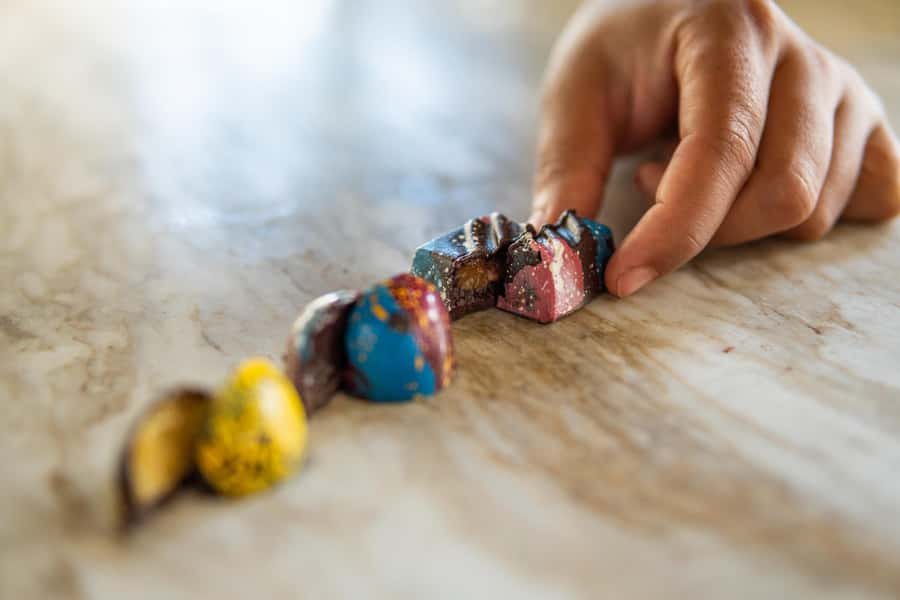
The included chocolate selection lets you compare several styles. You may work with or taste white chocolate at 40 percent, milk chocolate at 46 percent, dark chocolate at 80 percent, pure cocoa at 100 percent, and blended versions.
Those percentages give you a clear way to notice differences. The 40 percent white chocolate should provide a sweeter, creamier reference point. The 46 percent milk chocolate offers a familiar middle ground. The 80 percent dark chocolate brings more bitterness and cacao flavor, while 100 percent pure cocoa is the most intense option.
I like this range because it gives beginners a simple tasting lesson without requiring a specialist vocabulary. You can compare the chocolates directly and decide which balance suits you. A blend can show how makers adjust flavor and texture rather than relying on one cacao percentage alone.
The selection also makes the creative portion more interesting. You are not limited to one kind of chocolate. Different percentages can change the final result, so your choices have a real effect on what you make.
The supplied information does not promise a fixed recipe or a specific filling for every booking. Your exact bonbon, truffle, or bar options may depend on the class setup. Think of the workshop as guided chocolate making with room to experiment, not a guaranteed menu of identical finished pieces.
Making bonbons, truffles, or chocolate bars
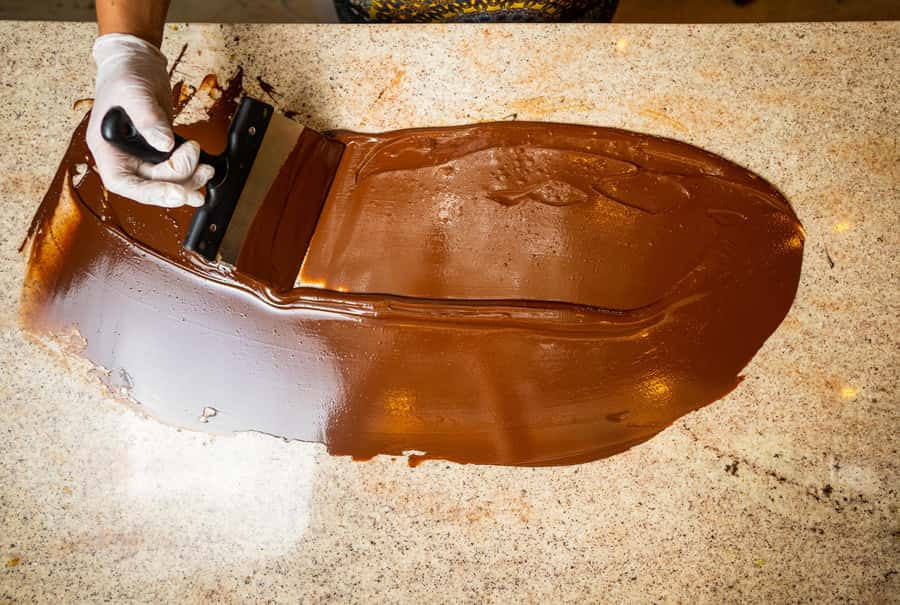
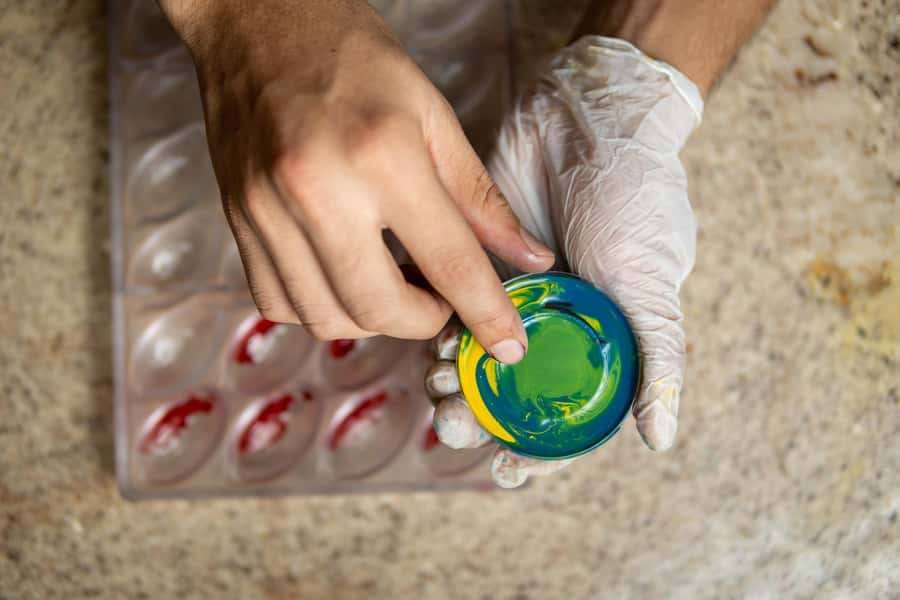
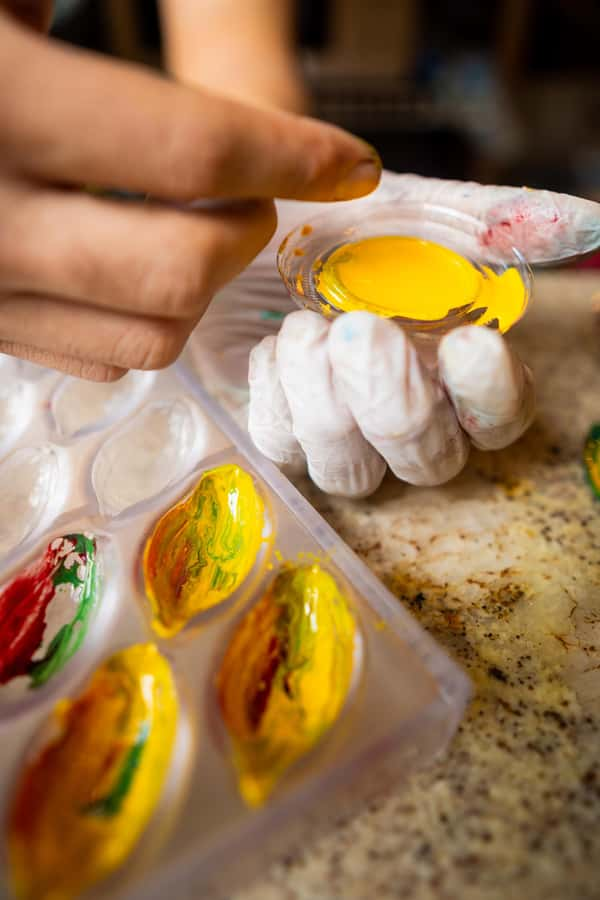
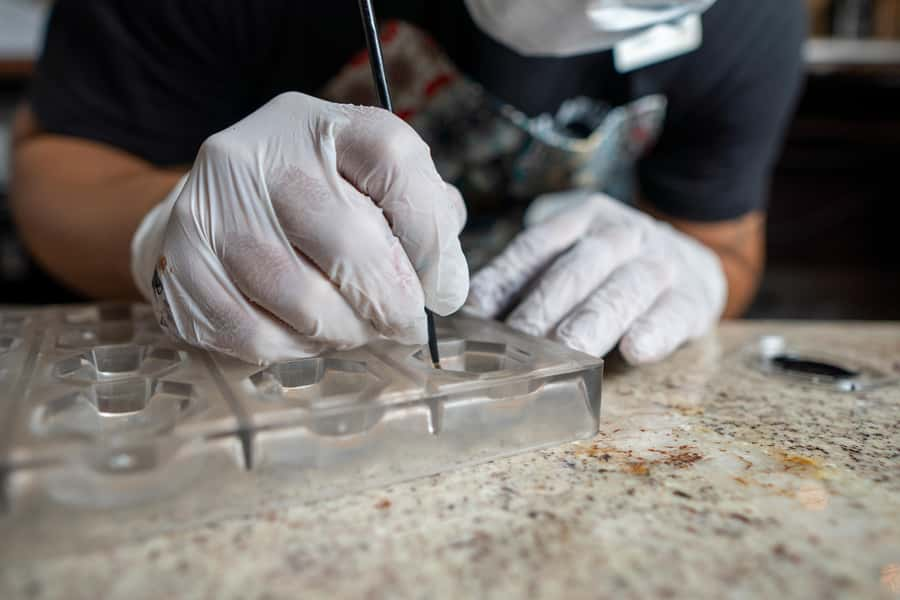
The main practical section lets you act as the chocolatier. Under artisan guidance, you can make delectable bonbons, truffles, or chocolate bars. This is where the activity becomes more than a demonstration.
You do not need advanced cooking skills. The point is to try the techniques with support, make choices, and enjoy the process. The instructors guide you through the work, while the private format gives you room to ask questions and adjust your approach.
The creative part is one of the strongest reasons to book. Chocolate can feel intimidating when you see professional equipment, but the class gives you a manageable way in. You can experiment without needing to own tempering equipment or understand every technical term before you begin.
At the same time, keep your expectations realistic. In 105 minutes, you are getting an introduction and a guided project, not professional chocolatier certification. Your finished pieces may not look like those in a high-end pastry case, which is part of the fun. A slightly uneven truffle still tastes good.
The activity is well suited to couples, families with appropriate food preferences, and small private groups who want to make something together. It also gives solo participants a clear task rather than leaving them to watch from the side. The private format should help the session feel relaxed and interactive.
The guides make a real difference
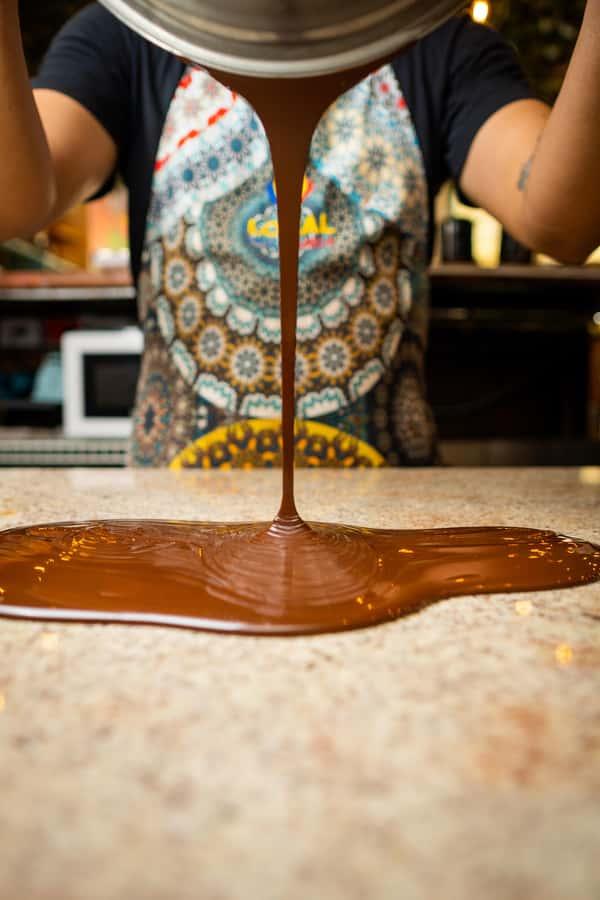
A chocolate workshop depends heavily on the instructor. The process includes unfamiliar terms and several stages, so a guide who can explain clearly makes the class much better.
Alejandra, also called Ale, received especially strong praise for her energy, passion, and willingness to answer questions. Her approach turned the bean, harvest, ecology, and hands-on work into one connected story. You may not have Alejandra for your own booking, so treat her name as a useful sign of the standard you should hope for rather than a guaranteed assignment.
The guide can also shape the balance between learning and making. If you want more detail about Colombian cacao, ask questions during the roasting and separation section. If you are more interested in technique, ask how the different chocolate percentages affect your bonbons or bars.
Instruction is available in English and Spanish. That makes the workshop practical for international visitors and Spanish-speaking participants alike. You should provide an email address and phone number with area code when booking so the confirmation and calendar reminder reach you.
Is $101 a fair price?
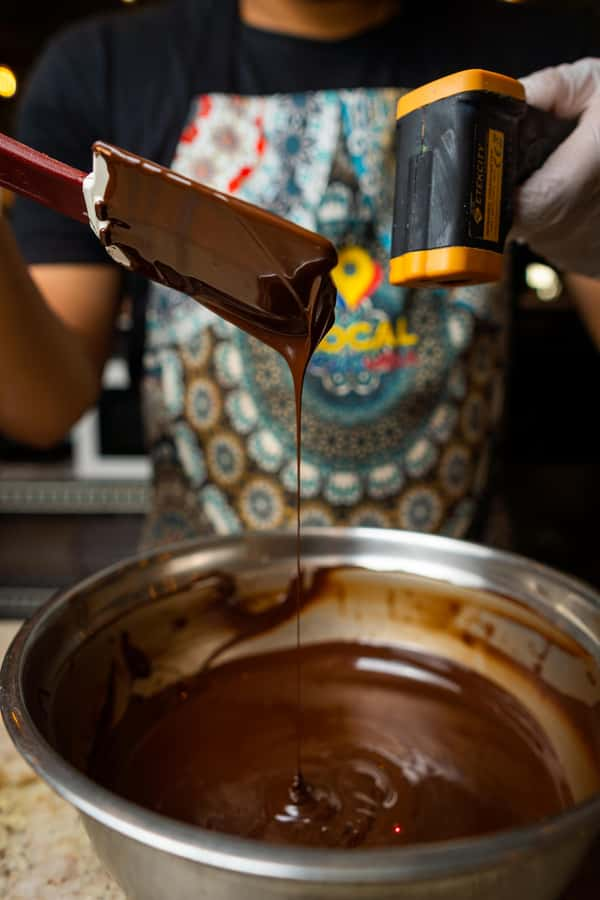
At $101 per person, this is not a budget snack stop. The value comes from the combination of a private group, a 105-minute guided session, access to a working chocolate production area, instruction in English or Spanish, and chocolate ingredients included in the activity.
I would consider the price reasonable if you want an activity rather than a tasting. You are paying for time with an instructor, a structured look at cacao production, and the chance to make your own chocolate. The private format is also important. If you are booking as a couple or small group, the cost buys a more personal session than a large public demonstration.
The price is harder to justify if you only want to sample Colombian chocolate or buy a bar. Cartagena has other ways to do that for less. This experience makes sense when you value the educational part and want to take part in the making.
The included selection of chocolate percentages and origins adds value because you can compare flavors while working. Still, no specific quantity of finished chocolate is promised in the supplied details, so I would not book it solely for the amount you expect to take home.
Who should book, and who should skip it?
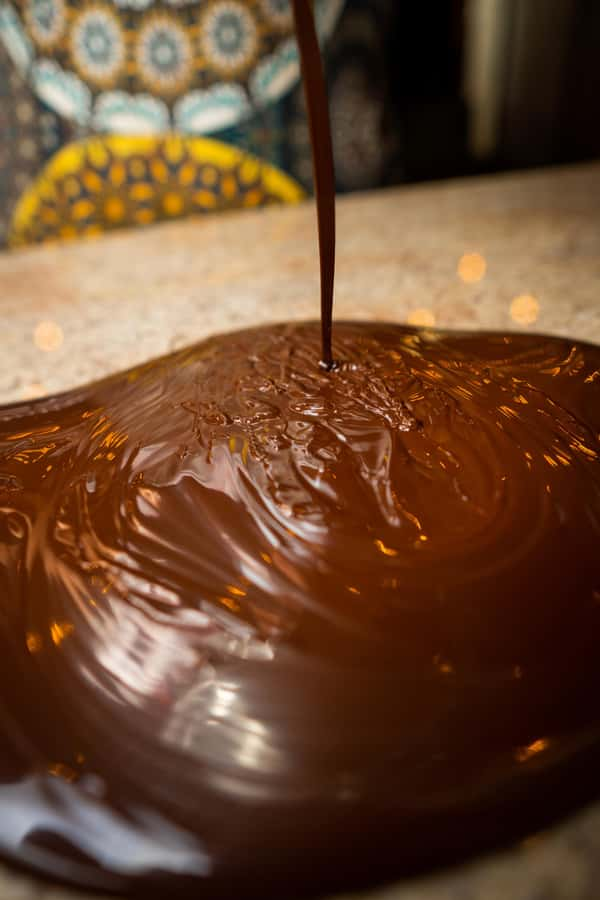
I would recommend this to you if you enjoy food experiences with a clear local connection. It suits curious beginners, couples looking for an indoor date activity, families who want a creative project, and anyone interested in how a familiar food is produced.
It is also a good choice for a rainy or very hot afternoon. The experience takes place indoors, and the workshop gives you something active to do rather than another hour of sightseeing.
You should skip it if you have food allergies. The activity involves several forms of chocolate, including milk, dark, white, pure cocoa, and blends, so this is not a sensible risk for anyone who cannot safely handle the ingredients.
You may also want to skip it if your main goal is a full professional production tour. Some preparation is completed in advance, and the class is designed for a hands-on introduction. It offers a taste of the craft, not every technical detail used by a working chocolate factory.
Booking tips for a smoother session
Plan to meet at the pink building near the start of Arsenal Street, across from the convention center. The wooden barrels outside are the key landmark, and the host will guide you to the exact workshop location.
Choose clothes that are comfortable and easy to clean. Chocolate has a way of finding sleeves and fingertips, especially when you are making your own treats.
The activity can be canceled up to 24 hours ahead for a full refund. You can also reserve now and pay later, which helps if your Cartagena schedule is still changing.
Because the group is private, book it for the people you want to share the activity with. A private class has more value when you plan to ask questions, compare your creations, and take your time with the guide.
Should you book the Bean to Bar workshop?
Book it if you want more than a chocolate tasting. The best parts are the clear path from cacao bean to finished product, the range from 40 percent white chocolate to 100 percent cocoa, and the chance to make bonbons, truffles, or bars with guidance.
At $101, it is a special-interest activity, not an everyday stop. I would choose it for a rainy afternoon, a private food-focused outing, or a memorable break from Cartagena’s usual sightseeing. I would not choose it for a quick sample or if anyone in your group has food allergies.
For most chocolate fans, the private format and hands-on work make the cost easier to accept. Go with curiosity, wear something stain-friendly, and expect to leave with a better sense of why Colombian cacao matters.
FAQ
Where does the chocolate workshop meet?
Meet at the beginning of Arsenal Street, around the corner and across from the convention center. The landmark is a two-story pink building with wooden barrels outside advertising free hugs. The host will take you to the exact workshop location.
How long does the activity last?
The workshop lasts 105 minutes.
How much does the workshop cost?
The listed price is $101 per person.
Is the workshop private?
Yes. The activity is offered as a private group experience.
Which languages are available?
The instructor can lead the activity in English or Spanish.
What kinds of chocolate are included?
The included chocolate selection features different percentages and origins, including white chocolate at 40 percent, milk chocolate at 46 percent, dark chocolate at 80 percent, pure cocoa at 100 percent, and blends.
What will I make during the workshop?
With guidance from the artisans, you may make bonbons, truffles, or chocolate bars.
Can people with food allergies participate?
No. The activity is not suitable for people with food allergies.
What should I wear?
Comfortable, stain-friendly clothing is recommended.
Can I cancel my booking?
Yes. You can cancel up to 24 hours in advance for a full refund.
Just added around Colombia
- Waterfalls, Animal Reserve and Chocolate: Mango Passage★ 5.0 · 2 reviews
- Cocoa Tour – San Rafael Antioquia from Medellín★ 5.0 · 2 reviews
- Medellín: Chocolate Tour & Exfoliation in beautiful river★ 5.0 · 3 reviews
- Chocolate tour near the Medellín★ 5.0 · 13 reviews
- Cartagena: The Legendary Colombian Rum and Chocolate Tasting★ 5.0 · 8 reviews
- Cartagena: Express Rum and Chocolate Tasting Experience★ 5.0 · 10 reviews
- Bogotá: Candelaria Tour with Cacao and Coffee Workshop★ 5.0 · 3 reviews
- Cacao and Coffee Tour★ 4.5 · 24 reviews
Chocolate Making Workshops, compared.
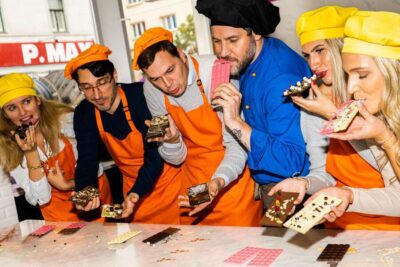
Chocolate Workshop in Chocolate Museum w/ Tasting
Read our review →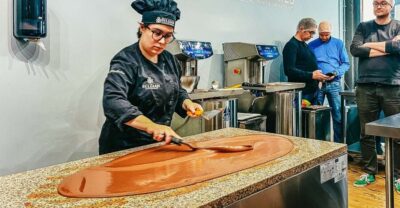
Belgian Chocolate Making Workshop with Tastings
Read our review →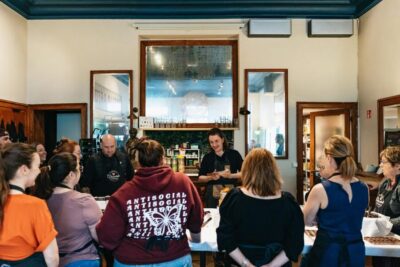
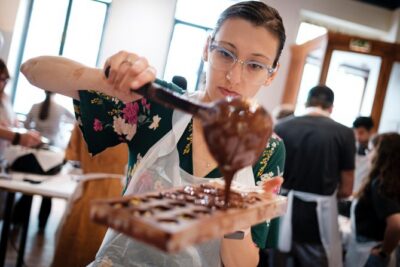
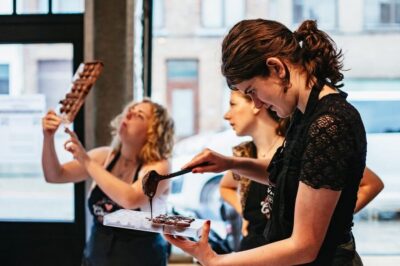
Belgian Praline and Mendiants Chocolate Workshop
Read our review →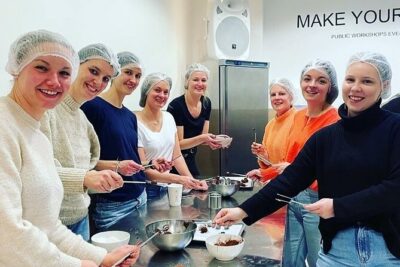
1.5h Belgian Chocolate Workshop in Brussels (bean to bar)
Read our review →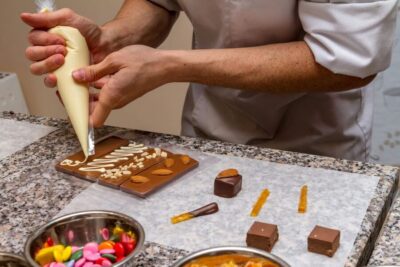
45-minute Chocolate Making Workshop at Choco-Story
Read our review →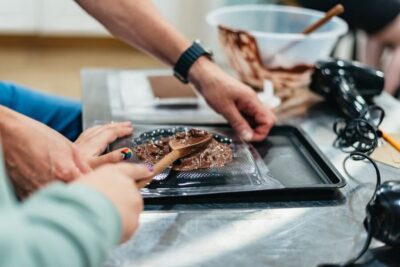
Chocolate Bar Making Workshop at York Cocoa Works
Read our review →Browse the lists this tour appears in