
Review · ITALY
Turin: Visit to the Chocolate and Gianduja Museum, Choco-Story Torino
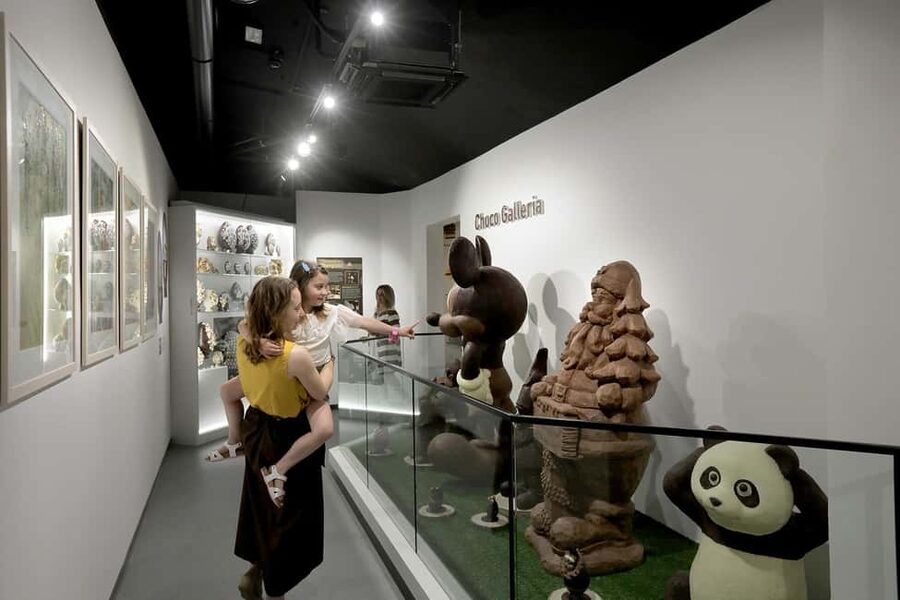
Chocolate explains Turin surprisingly well. At Choco-Story Torino, you follow cocoa from pre-Columbian America to European courts and then into the workshops of Piedmont. I like the clear local focus, and I like that the visit ends with three chocolate tastings and a gianduiotto. The main drawback is its short one-hour length, which may feel quick if you stop for every display.
The museum works especially well for families, curious food lovers, and anyone escaping a rainy Turin afternoon. The audio guide is included in Italian, English, French, Spanish, and German, though some material remains in its original language. At $14 per person, it offers good value if you want context and tasting in one compact stop, but it is not a full factory tour lasting half a day.
Key points to know before you go
- Turin gets the spotlight: The visit explains how the city helped make chocolate famous, with special attention to gianduiotti and local techniques.
- The route moves from bean to finished sweet: You see the story of cocoa, early recipes, production stages, and final chocolate creations.
- Tasting comes near the exit: Plan to save room for three types of chocolate and a freshly made gianduiotto.
- The audio guide runs the visit: It is available in five languages and activates the museum’s interactive installations.
- Families have plenty to do: Hands-on elements and colorful rooms help keep children interested.
- Accessibility is partial: Ramps and elevators are available, but the elevator doorway is 75 centimeters wide and its depth is 125 centimeters.
Why Turin is such a fitting place for a chocolate museum
Turin is not simply a convenient Italian city for a chocolate display. The museum presents the city as a key part of Italy’s chocolate tradition, showing how cocoa arrived in Europe and how Turin’s makers developed their own recipes and methods.
That local angle gives the visit more purpose than a general lesson about sweets. You are not only learning where cocoa came from. You are also seeing how a distant ingredient became part of Piedmont’s identity and Turin’s food culture.
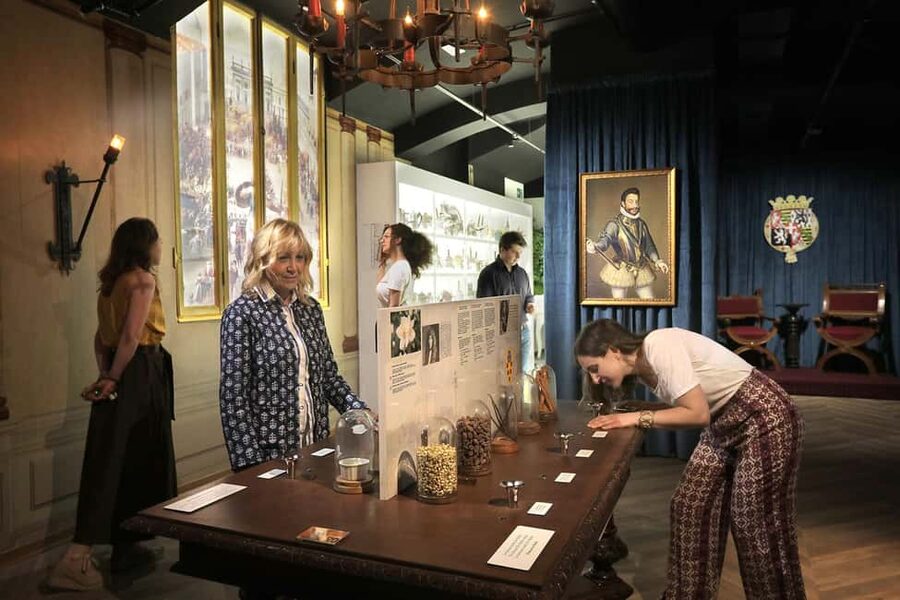
The story begins with cocoa in the New World and the pre-Columbian civilizations that first used it. From there, the exhibition follows cocoa toward Europe, where it became connected with royal and aristocratic settings. This is a useful reminder that chocolate was once a rare luxury, not the everyday snack you can buy at a supermarket.
As you move through the rooms, the focus shifts toward the earliest recipes that shaped Italian chocolate making. The museum then explains how Turin’s specialists experimented with flavors and production methods. That progression helps you understand why the city is associated with gianduiotti rather than treating the candy as a random local souvenir.
More Chocolate Museums in Turin:
- Turin: 45-Minute Chocolate Workshop at Choco-Story
★ 4.7 · 25 reviews - Lindt Home of Chocolate Museum Entry Ticket
★ 4.7 · 9,329 reviews - Choco-Story Brussels: Chocolate Museum Entrance with Tasting
★ 4.3 · 4,883 reviews
The opening rooms trace cocoa from the New World
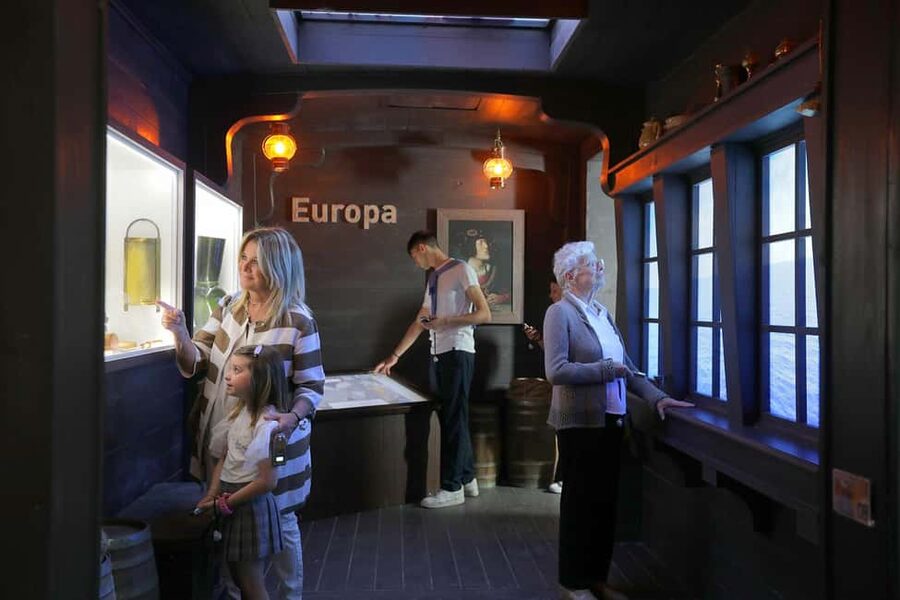
The first part of the visit lays out cocoa’s long route to Europe. You learn about its use by pre-Columbian civilizations before following its arrival across the Atlantic and into European courts.
I appreciate this order because it gives the tastings some context. A piece of chocolate at the end is more interesting when you know how many changes the ingredient underwent before reaching Turin. The museum connects agriculture, trade, courtly habits, recipes, and manufacturing without asking you to read a long textbook.
The audio guide adds structure. You can listen in Italian, English, French, Spanish, or German, then activate the interactive installations as you go. That matters because the museum is designed for more than silent viewing. If you prefer to move at your own pace, the audio guide lets you control how long you spend with each part.
Some content is presented in its original language, so do not expect every piece of material to be translated into your preferred language. Still, the available audio guide languages cover the main needs of an international audience.
For children, the subject itself helps. Chocolate has an obvious pull, but the museum also breaks the story into activities and visual displays. A child may not remember every historical detail, but the sequence from cocoa bean to finished gianduiotto is easy to follow.
Turin’s recipes and gianduja take center stage
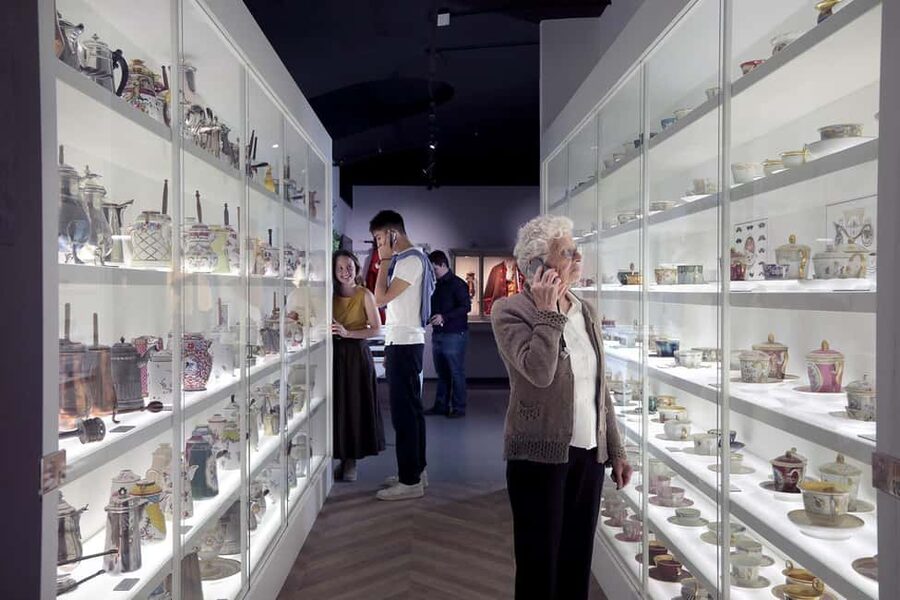
The middle part turns from broad history to Turin’s own contribution. Here you learn about the recipes and production ideas that helped the city become a chocolate capital.
The most important local reference is gianduja, the smooth chocolate and hazelnut style linked with Piedmont. The information provided for this visit emphasizes the creation of unique flavors and processes, along with the development of gianduiotti. That gives the museum a clear regional identity rather than presenting chocolate as one universal product.
I would pay close attention here if you are planning to shop for chocolate in Turin. The visit gives you useful background for understanding why gianduiotti matter and why Piedmontese chocolate has a character of its own. You may leave with more appreciation for a small wrapped sweet that could otherwise look like an ordinary souvenir.
The rooms are described as carefully arranged, with interactive activities and polished displays. That preparation matters in a museum lasting only one hour. You are unlikely to feel lost, and the route appears designed to keep the subject moving from one stage to the next.
At the same time, do not expect a long specialist seminar on confectionery science. The experience aims at a broad audience. It gives you the story, the main ideas, and a practical look at production rather than technical training for pastry professionals.
Inside the factory section, cocoa becomes a finished product
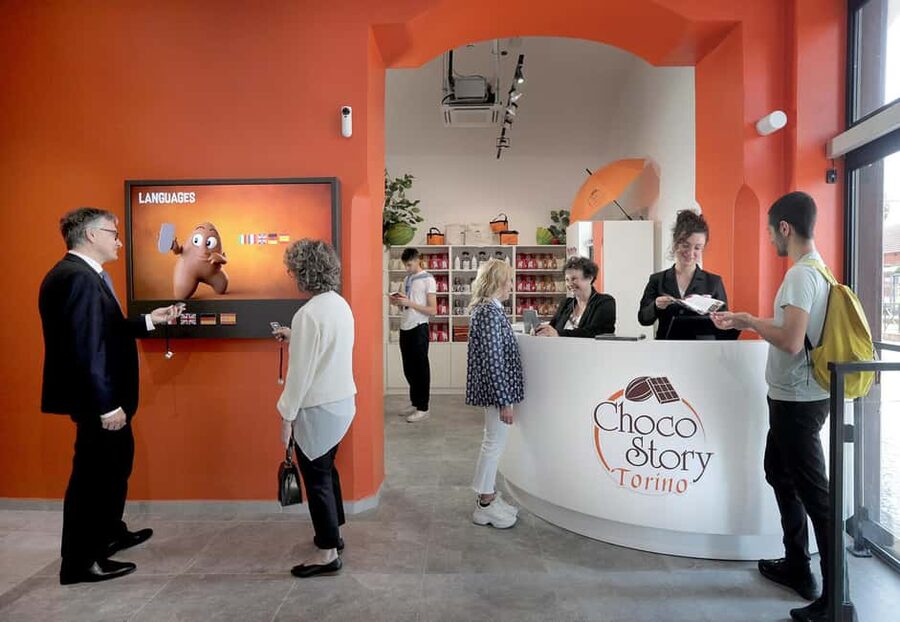
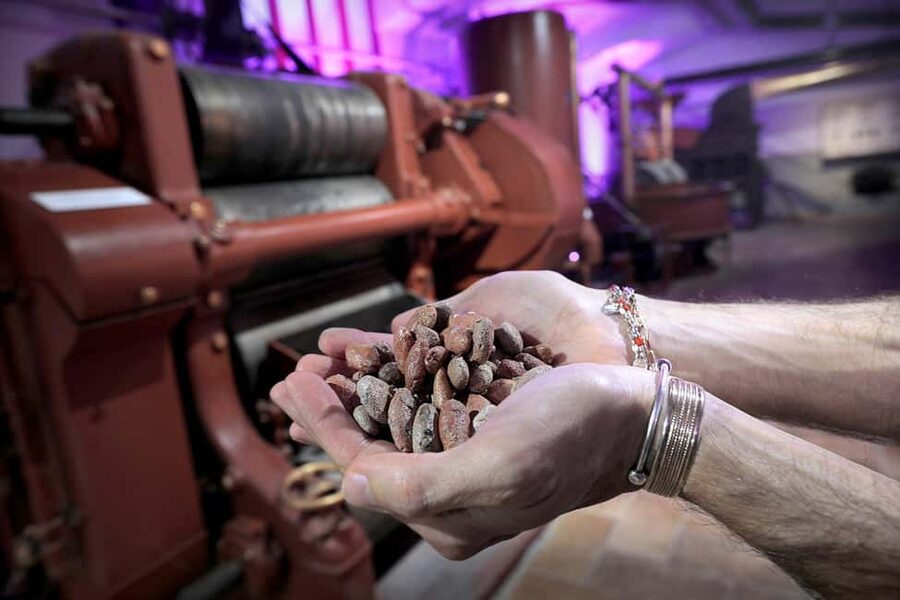
One of the strongest parts of the visit is the factory section. You get to see the various stages of production, beginning with the careful selection of cocoa beans and ending with finished chocolate creations.
That connection between raw ingredient and final sweet is valuable. Many food museums show attractive finished products but skip the work behind them. Here, the stated route includes the bean selection process and the making of gianduiotti, so you can better understand the care involved before tasting anything.
The factory element also changes the pace. After historical rooms and recipes, you move toward the practical question of how chocolate is made. You see how an ingredient with a long cultural history becomes something shaped, prepared, and ready to eat.
The available information does not specify the size of the factory area, the exact machinery, or whether production is running during every visit. I would therefore treat this as a museum factory visit, not a promise of a long live-production demonstration. You get a look at the stages and methods, but the experience remains a compact museum attraction.
For many people, that balance is right. You do not need to spend half a day reading technical panels to understand the basic process. If you are a serious chocolate professional, however, you may want more detail than this one-hour format provides.
A few more chocolate tours around Turin worth a look
- The Turin Chocolate & Wine Tasting Experience
★ 4.7 · 87 reviews - Turin Sweet & Chocolate Walking Food Tour by Do Eat Better
★ 4.5 · 86 reviews - The Turin Chocolate Tasting Experience
★ 4.7 · 83 reviews - Fine Chocolate Tasting in Turin
★ 4.8 · 71 reviews
The tasting near the exit is the payoff
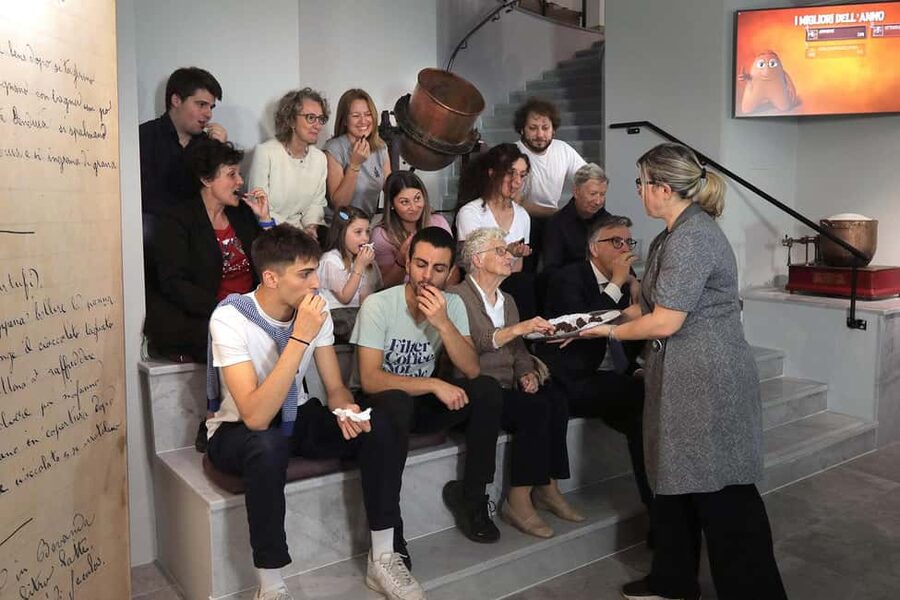
The tasting arrives close to the end, so it makes sense to save your appetite. You can sample three types of chocolate and a gianduiotto that may be freshly made.
That final location works well. You first learn the story, then see the production process, and only afterward taste the result. The food becomes part of the lesson instead of a quick sample handed out before you know what you are eating.
The three chocolate types provide a simple sensory comparison. You can focus on flavor and aroma, then think back to the ingredients and methods explained earlier. The tasting is not described as a full guided pairing session, so keep your expectations practical. It is a chance to sample several chocolates, not a formal multi-course confectionery class.
The gianduiotto is especially important because it brings the local story together. This is the Turin sweet you will likely remember most clearly, and tasting one close to its point of creation makes the museum feel tied to the city rather than interchangeable with a chocolate exhibit elsewhere.
If you are visiting with children, the tasting gives them a clear reward at the end. One useful trick is to avoid promising the sweets too early. Let the displays and audio guide carry the first part of the visit, then treat the tasting as the finale.
The audio guide makes the short visit easier to manage
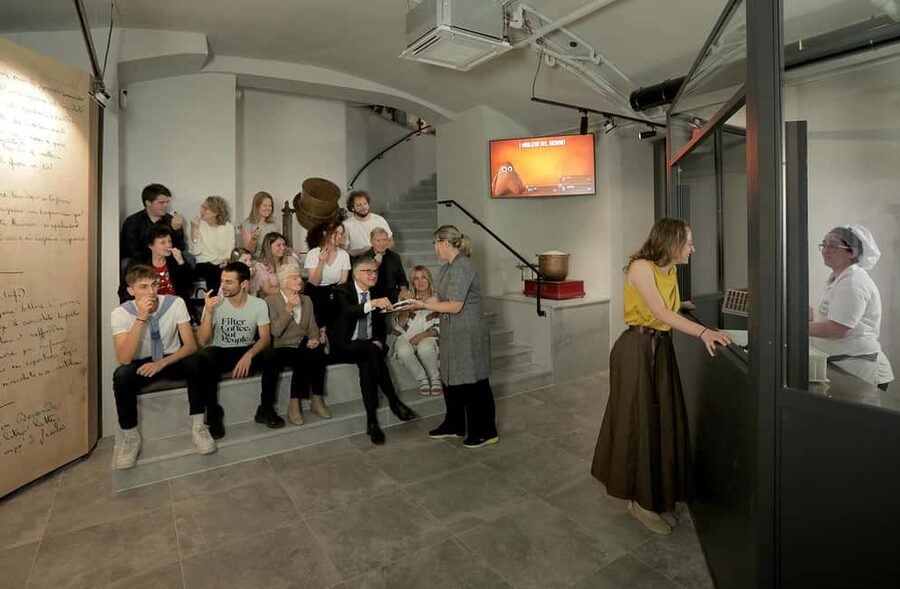
The audio guide is included, and it is available in five languages: Italian, English, French, Spanish, and German. The visit also has hosts or greeters who speak Italian, English, and French.
I like this arrangement because it gives you both basic support and personal control. You can ask for help in the available host languages, then use the audio guide for the main story and interactive features. A well-functioning audio guide was specifically praised in the supplied feedback, which matters because a poor audio system can turn a small museum into a frustrating stop.
The guide also helps families move at different speeds. One person can listen closely while another spends more time with an installation. You do not have to keep pace with a live group or wait for a guide to finish every explanation.
Some content is in its original language, so language access is not total. If you need every label translated, this may require more patience. For most English-speaking visitors, though, the English audio option should cover the central narrative.
The one-hour duration is another point to consider. I would allow the full hour rather than trying to rush through in less time. The museum is compact enough for an afternoon plan, but the tastings, audio stops, and interactive areas can use up the available minutes.
Is $14 a fair price for one hour?
At $14 per person, the value depends on what you want from a museum visit. You receive the historical story, the Turin connection, access to production displays, an audio guide, interactive elements, and chocolate tasting. That is a fair package for a short indoor attraction.
The price works best when you count the tasting and audio guide as part of the experience rather than comparing it with a simple museum admission. You are paying for both information and food, with a clear local specialty at the end.
It is less compelling if you only want to buy gianduiotti. Turin has other places to enjoy chocolate, and a one-hour museum stop may be more than you need for a quick sweet. The value comes from wanting to understand the product as well as taste it.
The flexible booking terms also help if your Turin schedule is uncertain. You can reserve and pay later, and cancellation is allowed up to 24 hours in advance for a full refund. Those options are useful for a city break when weather, train plans, or family energy levels may change.
Who will enjoy Choco-Story Torino most?
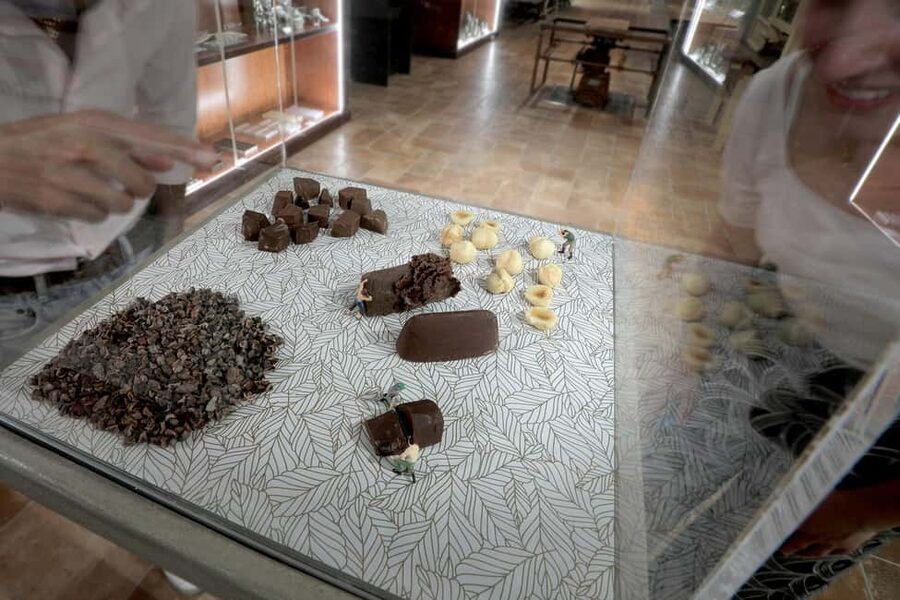
I would recommend this experience to families, first-time visitors to Turin, food lovers, and anyone interested in how familiar products are made. The subject is easy to enjoy, and the museum does not demand specialist knowledge before you arrive.
It is also a good choice for a rainy day. The visit takes only about an hour, so you can fit it between other Turin sights without giving up a whole morning or afternoon.
Chocolate fans will get the most from the Turin and gianduiotto sections. You will leave with a better idea of why local chocolate deserves attention, not just a sugar craving.
The museum may be less satisfying for someone seeking a long factory demonstration, an advanced tasting course, or a large historical museum with hours of material. Its strength is its compact format. You receive a focused story, interactive displays, production context, and samples in one neat visit.
Wheelchair users should check the details before booking. The museum is only partly accessible, though ramps and elevators are available at the entrance and exit. The elevator is 75 centimeters wide with the doors open and 125 centimeters deep. Assistance dogs are allowed, but other pets are not.
My booking advice for Turin
I would book Choco-Story Torino if you want a short, well-organized stop that connects Turin with cocoa, gianduja, and gianduiotti. The audio guide, interactive rooms, and tasting give the $14 admission several layers of value.
I would skip it if your only goal is to eat chocolate or if you want a long working-factory visit. For everyone else, especially families and curious first-time visitors, it is an easy addition to a Turin day. Plan for the full hour, use the audio guide, and save your attention for the final tasting.
FAQ
How long does the Choco-Story Torino visit last?
The visit lasts one hour.
How much does the experience cost?
The listed price is $14 per person.
What languages are available for the audio guide?
The audio guide is available in Italian, English, French, Spanish, and German.
What languages do the host or greeter speak?
Hosts or greeters speak Italian, English, and French.
Is chocolate tasting included?
Yes. The experience includes tasting three types of chocolate. A gianduiotto is also part of the tasting experience.
What will I learn about cocoa?
You will learn about cocoa’s origins, its use by pre-Columbian civilizations, its arrival in Europe, and its connection with Turin.
Does the visit include a factory section?
Yes. You can see the stages of chocolate production, from cocoa bean selection to the creation of finished products, including gianduiotti.
Is the museum wheelchair accessible?
The museum is only partially accessible. It has ramps and elevators at the entrance and exit. The elevator is 75 centimeters wide with the doors open and 125 centimeters deep.
Are pets allowed?
Pets are not allowed. Assistance dogs are permitted.
Can I cancel the booking?
You can cancel up to 24 hours in advance for a full refund. You can also reserve now and pay later.
Just added around Turin
- Willy Wonka in Turin – A chocolate adventure★ 3.7 · 6 reviews
- Turin: 45-Minute Chocolate Workshop at Choco-Story★ 4.7 · 25 reviews
- Turin’s Sweet Delights: A Chocolate Walking Tour★ 4.9 · 26 reviews
- Fine Chocolate Tasting in Turin★ 5.0 · 26 reviews
- The Turin Chocolate Tasting Experience★ 4.5 · 31 reviews
- Turin Chocolate Tasting Walking Tour★ 5.0 · 4 reviews
- CioccolaTOur, discover the sweet side of Turin tasting the most famous chocolate★ 4.5 · 3 reviews
- Guided Tour of the Chocolate Factory: Tasting Included★ 4.5 · 3 reviews
Museums, compared.
Choco-Story Brussels: Chocolate Museum Entrance with Tasting
Read our review →
Chocolate Workshop in Chocolate Museum w/ Tasting
Read our review →
Choco-Story Chocolate Museum Guided Tour w/Tastings
Read our review →
Browse the lists this tour appears in