
Review · ITALY
The Turin Chocolate Tasting Experience
Chocolate makes Turin easier to understand. This 1.5-hour tasting connects royal cafés, hazelnut-rich gianduja, modern bean-to-bar craft, and Piedmont wine in a compact walk through the city. I like the historic Bicerin stop at Caffè Elena, and I like that the tasting moves beyond sweets into cocoa quality and production. The main drawback is clear: people with hazelnut allergies or intolerances should not book this experience.
The small group, limited to 10 people, keeps the outing personal. Guides such as Fabio and Frederick have earned praise for explaining both chocolate and Turin without turning the tour into a dry history lesson. One practical note: the final tasting can be generous, so arrive hungry, and leave room in your suitcase for purchases.
What makes this chocolate tour worth your time
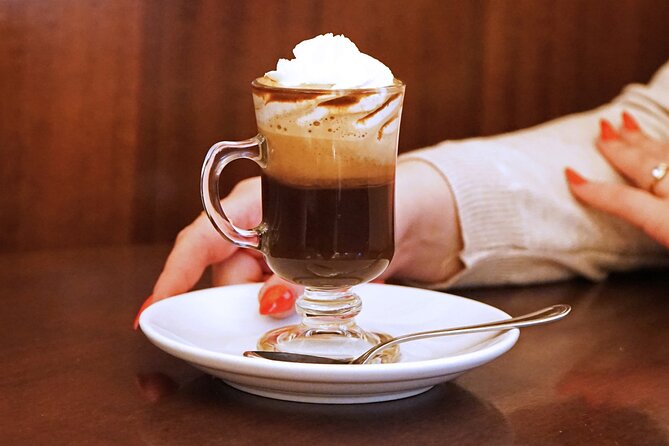
- A traditional Bicerin at Caffè Elena: Start with Turin’s famous layered coffee and chocolate drink in a historic café setting.
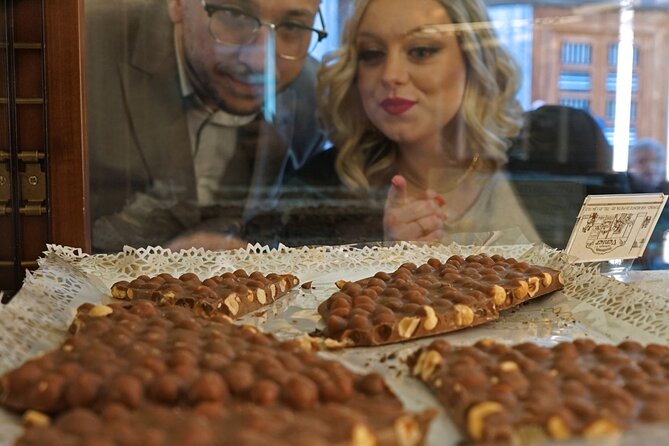
- Gianduja in several forms: Taste giandujotti, cremini, and other versions of the local hazelnut and chocolate blend.
- Bean-to-bar dark chocolate: Sample organic chocolate made with carefully selected cocoa, including bars from outside Turin.
- Barolo Chinato pairing: Try an aromatized wine from the Barolo area alongside dark chocolate.
- A short city walk with context: See Piazza Vittorio Veneto, the Gran Madre church, and lesser-known corners between tastings.
- A small, flexible group: With no more than 10 participants, the guide can adjust the tasting to the group’s preferences.
Turin’s chocolate story begins with coffee
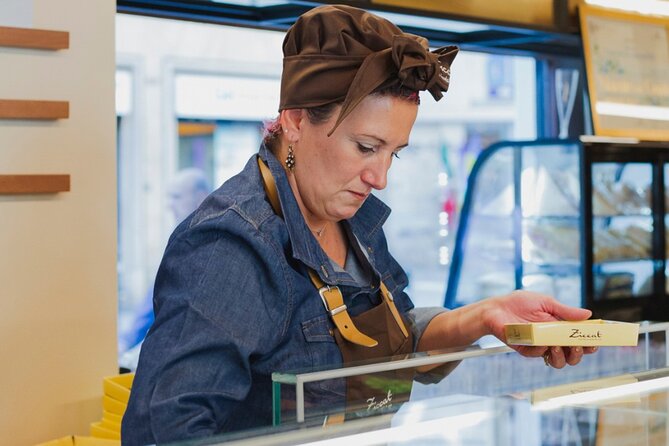
Meet under the arcades in front of Caffè Elena at Piazza Vittorio Veneto 5/B. This is a sensible starting point because the square gives you an immediate feel for Turin’s grand, covered city center, while the café sets the tone for the tasting.
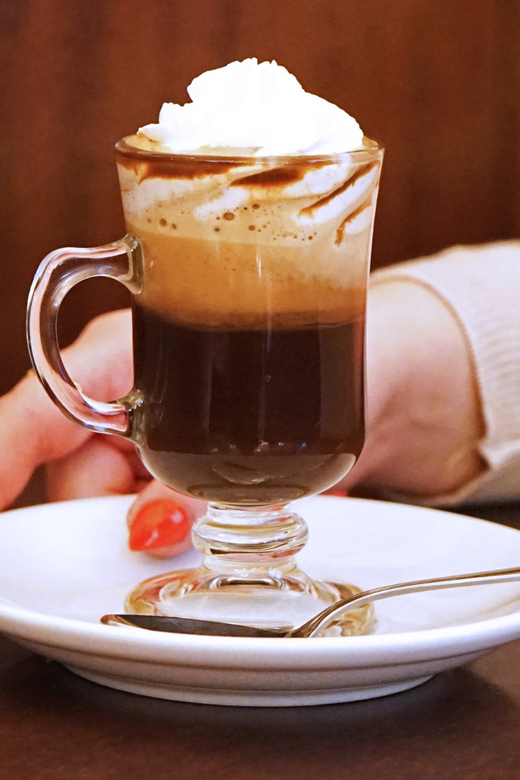
Your first drink is usually a Bicerin, though a Marocchino or a typical local ice cream may be offered as an alternative. The Bicerin combines coffee, chocolate, and milk or cream in distinct layers. It is not just a sweet coffee break. It is one of the drinks tied closely to Turin’s old café culture.
The café stop lasts about 20 minutes. That is enough time to taste the drink and hear why chocolate became so important in Piedmont. Turin’s royal and noble households helped make chocolate fashionable, and the city’s cafés turned it into a daily ritual rather than a rare luxury.
I like this opening because it gives you a useful point of reference. Later, when you taste a giandujotto or a dark chocolate square, you can compare it with the softer, creamier Bicerin. The experience begins with comfort, then gradually becomes more technical.
One small caution: a Bicerin is filling. If you have a large breakfast or plan to eat lunch immediately afterward, the full tasting may feel like a lot. For most people, though, the drink is the right introduction.
More Chocolate Tastings in Italy
- The Turin Chocolate & Wine Tasting Experience
★ 4.7 · 87 reviews - Fine Chocolate Tasting in Turin
★ 4.8 · 71 reviews - The Turin Chocolate & Wine Tasting Experience
★ 5.0 · 62 reviews
A five-minute walk with Turin as the backdrop
After the café, you walk through the area around Piazza Vittorio Veneto and toward the Chiesa Parrocchiale della Gran Madre di Dio. The sightseeing portions are brief, usually around five minutes at each point, so this is not a major architectural tour.
That is actually useful if you have limited time in Turin. The chocolate remains the main event, but the walking sections give the food a sense of place. You are not being driven from one shop to another with no idea where you are.
The route includes a photo stop, a pass by a less obvious spot, and another stop described as a local favorite. The exact order can vary, but the total walking is short and takes place under Turin’s famous porticoes for much of the route.
Rain should not ruin the outing. The covered walkways offer shelter, and the indoor workshop portion has air conditioning during the summer. Wear comfortable shoes, but do not approach this as a strenuous walking tour. It is a tasting with a city walk between courses.
Gianduja explains Turin better than a souvenir shop
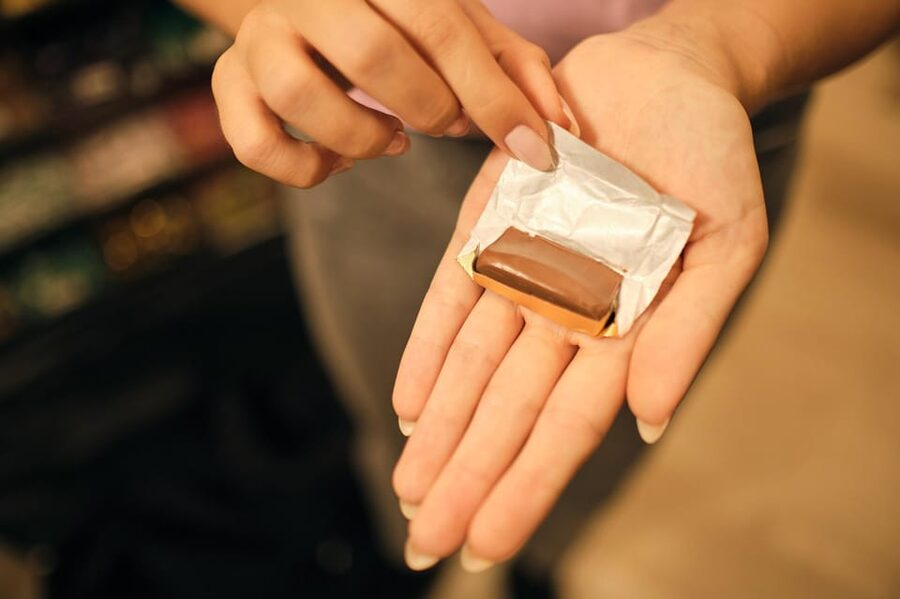
The traditional chocolate portion introduces you to gianduja, the Piedmontese mixture of chocolate and finely ground hazelnuts. Its roots reach back to the 19th century, when cocoa was scarce and expensive. Adding local hazelnuts made chocolate go further while producing a smooth, fragrant candy in its own right.
You may taste several forms, including:
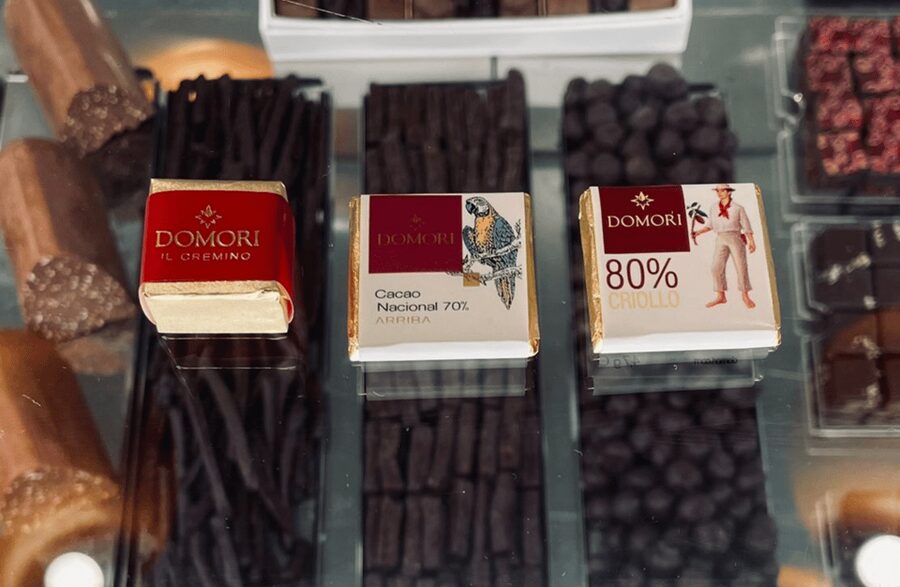
- Giandujotto, the classic small, foil-wrapped chocolate with a soft, hazelnut-rich texture
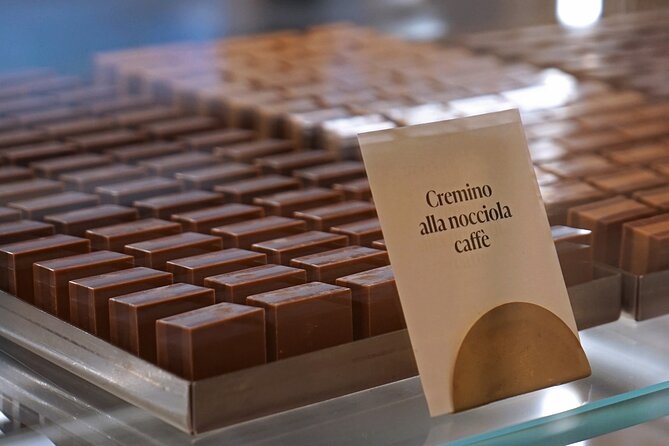
- Cremino, usually made in layers, with a creamy center between chocolate sections
- Other traditional gianduja pieces selected by the guide and chocolatier
This is where the experience becomes more useful than simply buying a box of sweets. You learn how texture, roasting, cocoa percentage, and hazelnut flavor change from one piece to another.
The tasting is personalized to the group’s preferences. If you prefer darker chocolate, the guide can spend more time there. If you are curious about classic Piedmontese sweets, you will have plenty to compare. This flexibility has been one of the strongest parts of the experience for couples and families.
The caution about hazelnuts is important. Gianduja is not a minor part of this tour. It is one of the central themes, so this is not a suitable choice for anyone with a hazelnut allergy or intolerance.
The workshop shifts from candy to cocoa
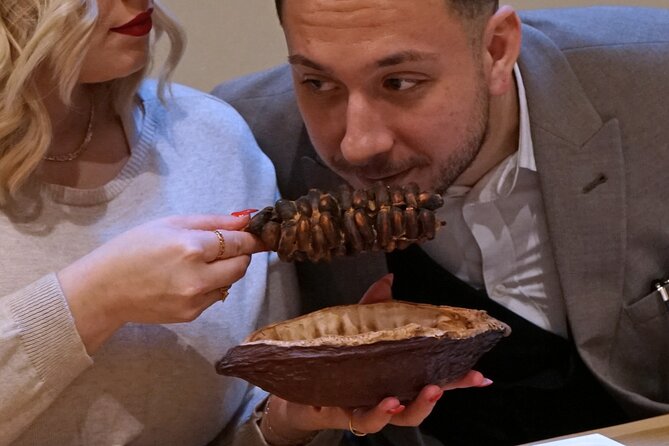
The main tasting takes place at a bistrot or boutique chocolate venue and lasts about 45 minutes. This part feels more like a lesson than a standard shop visit.
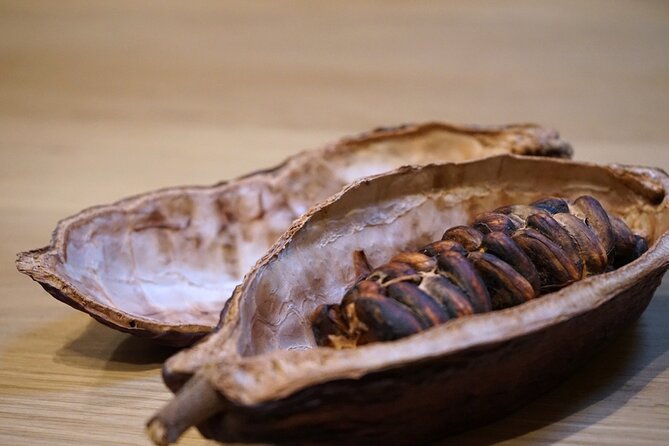
You taste organic, bean-to-bar chocolate made with high-grade cocoa. The guide explains how cocoa becomes chocolate and why origin, processing, and cocoa content affect flavor. The experience also includes premium dark chocolate bars made with cocoa described as part of roughly 10 percent of world production, a useful way to show how selective the ingredients can be.
The selection is not limited to Turin. You may taste bars from other parts of the world alongside local specialties. That comparison matters. Turin is famous for gianduja, but the city’s chocolate culture also includes modern makers who pay close attention to cocoa origin and production methods.
I would pay attention to texture here. Dark chocolate can be fruity, earthy, bitter, nutty, or surprisingly floral. You do not need a trained palate. The guide’s job is to give you words and context, not to test you.
The workshop venue is air conditioned in summer, which is a small but welcome detail. Chocolate tastings can become uncomfortable in hot weather, especially after walking outdoors. This indoor break also gives you time to slow down and ask questions.
A few people have found the shop portion so generous that they wanted to buy nearly everything. Plan for that possibility. Prices for purchases are not included, but the tasting can help you decide which styles are worth taking home.
More Chocolate Tastings in Turin:
- The Turin Chocolate Tasting Experience
★ 4.5 · 31 reviews - Fine Chocolate Tasting in Turin
★ 5.0 · 26 reviews - Chocolate Made in Piedmont: Guided Tour with Tastings
★ 4.5 · 10 reviews - Turin Chocolate Tasting Walking Tour
★ 5.0 · 4 reviews
Barolo Chinato brings Piedmont into the glass
The pairing with Barolo Chinato is one of the more unusual features. This is an aromatized wine produced in the Barolo area of Piedmont, flavored with botanicals and designed to work well with chocolate.
It is sweeter and more complex than an ordinary table wine, and the pairing helps cut through the richness of gianduja and dark chocolate. You do not need to be a wine expert to enjoy it. The guide explains why the wine works with the cocoa, then lets you compare the flavors for yourself.
This is also a useful reminder that Piedmont’s food culture is not only about pasta, truffles, and wine at dinner. The same region has a long tradition of pairing small sweets with coffee, fortified wine, and after-dinner drinks.
The wine is included, but gratuity is not. If you appreciate the guide’s work, carry a little cash or ask about the preferred way to leave a tip at the end.
The guides make the difference
The strongest praise has gone to the guides’ warmth and command of the subject. Fabio is frequently singled out for his friendly style, clear explanations, and ability to connect the chocolate with Turin’s streets and landmarks. Frederick has also been praised for being helpful and engaging with a family group.
That matters because tastings can easily become a string of samples with no story. Here, the guide explains the history of gianduja, the bean-to-bar process, the role of the royal court, and the reason each chocolate is on the table.
The tone seems relaxed rather than formal. One guide was especially helpful when a participant had trouble finding the meeting point, which suggests a patient approach. Still, give yourself extra time to reach Caffè Elena. The meeting point is under the porticoes in front of the café, not necessarily inside it.
The tour runs in Italian or English. If you have specific dietary needs, tell the guide at the start. Lactose-free alternatives are available, but hazelnut-free participation is not a realistic expectation given the focus on gianduja.
Is $51 a fair price?
At $51 per person, this is not a cheap coffee-and-candy stop. It is a fair price if you value explanation, several tastings, a guided walk, and the wine pairing.
You receive a Bicerin, Marocchino, or city ice cream, six different chocolates, gianduja, dark bean-to-bar samples, Barolo Chinato, and more than an hour with a local food expert. You are also paying for access to a small group, with a maximum of 10 people, rather than a large scripted outing.
The value is strongest for first-time visitors who want a pleasant introduction to Turin’s food traditions. It is less compelling if you simply want to buy giandujotti at a shop. You can spend far less on a coffee and a box of chocolates on your own, but you will miss the comparisons, explanations, and city context.
The tasting can also help you avoid random souvenir purchases. After trying different styles, you have a better idea of whether you prefer soft gianduja, layered cremino, or intense dark chocolate.
Who should book this experience?
I would recommend it to couples, families with children over three, and small groups of friends who enjoy food with a story. It is especially good for anyone who has already seen Turin’s major sights and wants a lighter activity with local flavor.
It also suits people who find standard history tours tiring. You still hear about Turin’s role in Italian identity and its royal past, but the information arrives through coffee, chocolate, wine, and a short walk.
Families should know that the tasting is designed for children old enough to enjoy chocolate, though children over three who do not want to participate can use the free infant booking category. Ask about this when reserving rather than assuming every child arrangement is automatic.
I would not choose this tour for someone with a hazelnut allergy or intolerance. I would also skip it if your schedule is so tight that you cannot spare 90 minutes, since rushing between stops would undercut the relaxed pace.
Practical details before you go
The meeting point is Caffè Elena, Piazza Vittorio Veneto 5/B. Meet the guide under the porticoes in front of the café.
The activity lasts 1.5 hours, with starting times available on the booking calendar. It runs in rain because much of the walking is under covered arcades.
The experience is offered in Italian and English. The group is limited to 10 participants, which allows for questions and some adjustment to personal tastes.
You can cancel up to 24 hours in advance for a full refund, and you can reserve now while paying later. These terms are useful in Turin, where weather and train schedules can change your plans.
Final verdict: book it for taste and context
Book this experience if you want Turin’s chocolate traditions explained rather than simply sampled. The Bicerin at Caffè Elena, the range of gianduja, the bean-to-bar workshop, and the Barolo Chinato pairing give the 90 minutes a clear progression.
I especially like that it balances old and new: a historic café drink on one side, carefully made dark chocolate on the other. Add the small group and warm guiding style, and the price makes sense for visitors who want an enjoyable introduction to the city’s sweet side.
Skip it if hazelnuts are a problem, if you dislike dark chocolate and wine, or if you are looking only for the cheapest way to buy local candy. For everyone else, this is a thoughtful, tasty break from museum-hopping, with enough Turin history to make each bite more meaningful.
FAQ
Where does the Turin Chocolate Tasting Experience begin?
It begins under the porticoes in front of Caffè Elena at Piazza Vittorio Veneto 5/B in Turin.
How long does the experience last?
The experience lasts 1.5 hours.
How many people can join the group?
The group is limited to 10 participants.
Which languages are available?
The tour is available in Italian and English.
What drink is included at the café?
You receive one cup of Bicerin or Marocchino. A typical ice cream from Turin may be offered as an alternative.
How many chocolates are included?
Six different chocolates are included, along with gianduja and dark bean-to-bar chocolate samples.
Is Barolo Chinato included?
Yes. The tasting includes a pairing with Barolo Chinato, an aromatized wine from the Barolo area of Piedmont.
Is the experience suitable for people with lactose intolerance?
Lactose-free alternatives are available. Tell the guide at the beginning of the experience.
Is the tour suitable for people with hazelnut allergies?
No. The experience is not suitable for people who are allergic or intolerant to hazelnuts because gianduja and hazelnut-based chocolates are central to the tasting.
Can children join the experience?
Families can join, and children over three who do not want to take part in the tasting can be booked in the free 0 to 3 years infant category.
Does the experience run in rainy weather?
Yes. Part of the walk takes place under Turin’s porticoes, and the workshop portion is indoors.
Just added around Turin
- Willy Wonka in Turin – A chocolate adventure★ 3.7 · 6 reviews
- Turin: 45-Minute Chocolate Workshop at Choco-Story★ 4.7 · 25 reviews
- Turin’s Sweet Delights: A Chocolate Walking Tour★ 4.9 · 26 reviews
- Fine Chocolate Tasting in Turin★ 5.0 · 26 reviews
- Turin Chocolate Tasting Walking Tour★ 5.0 · 4 reviews
- The Turin Chocolate Tasting Experience★ 4.5 · 31 reviews
- CioccolaTOur, discover the sweet side of Turin tasting the most famous chocolate★ 4.5 · 3 reviews
- Guided Tour of the Chocolate Factory: Tasting Included★ 4.5 · 3 reviews
Chocolate Tastings, compared.
Belgian Chocolate Making Workshop with Tastings
Read our review →
Choco-Story Chocolate Museum Guided Tour w/Tastings
Read our review →
Paris French Sweets Tasting Tour with Pastries and Chocolates
Read our review →
Brussels Walking and Tasting Tour (Beers,Chocolates&Fries/Waffle)
Read our review →
Brussels and Bruges Tour & Optional Chocolate Tasting
Read our review →
Beer Tour with 6 Beers and 3 Chocolate Tastings
Read our review →Browse the lists this tour appears in