
Review · PORTUGAL
Port Wines & Chocolate Pairing
Port and chocolate make a fine first step. This 40-minute tasting pairs three Quevedo Port wines with bean-to-bar chocolates made in Porto, all served at a small family-run lodge near Santa Marinha Church in Vila Nova de Gaia. I like the focused format and the fact that each chocolate has a job, helping you notice how different Ports behave with fruit, citrus, nuts, and spice. The main consideration is simple: $34 buys a short tasting, not a full cellar tour or a meal.
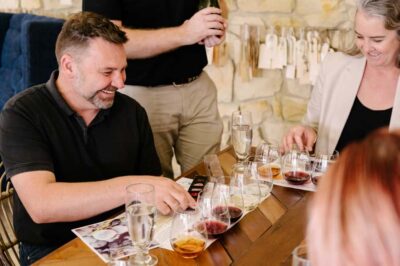
I also like the small group limit of eight, which gives the staff room to explain the wines and answer questions. The tasting can feel private with only a few people, as happened to one couple, while another group of four enjoyed a friendly, detailed introduction with humor. If you do not drink alcohol, are pregnant, or are under 18, this is not the right activity for you.
Key points to know before booking
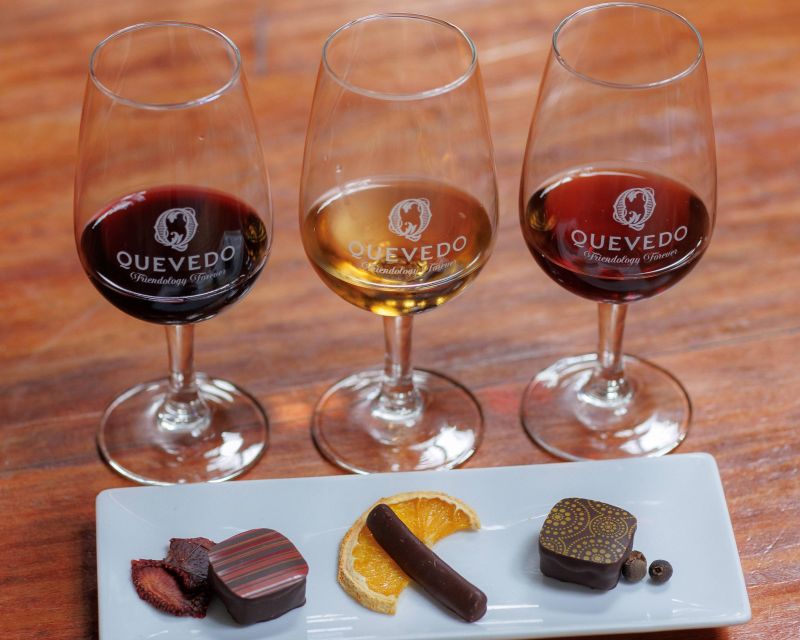
- Three Ports, three chocolates: Taste an LBV with raspberry chocolate, a 10 Year Old White Port with dark chocolate and candied orange, and a 20 Year Old Tawny with praline and pepper chocolate.
- A central Gaia meeting point: Find the lodge directly in front of Santa Marinha Church, just past Bordalo II’s Rabbit sculpture when walking up from the river.
- A small family-owned Port house: Quevedo has five generations of Port-making experience and has bottled under its own brand since 1993.
- A short, focused format: The 40-minute schedule works well before dinner, another cellar visit, or a walk along the Douro.
- A tasting built around contrast: The chocolate pairings are designed to help you spot differences between young, white, and aged Port.
- A relaxed group size: Up to eight people can join, and the staff speak Portuguese, English, and Spanish.
A short introduction to Quevedo Port
Quevedo is a family business with five generations of Port-making behind it. The company began bottling under its own name in 1993, after Portugal joined the European Union and small producers had more freedom to sell wine under their own brands.
That detail gives the tasting useful context. Quevedo is not presented as one of the old, grand Port names that dominate the riverfront. It is a newer branded house with older family knowledge behind it, and the tasting lets you hear that story while trying the wines.
The grapes come from the Douro Valley, the region where Port begins its life. Quevedo cultivates 100 hectares of vineyards and 25 hectares of organic olive groves spread across five properties. For you, the important point is variety: grapes from different sites can bring different aromas and flavors to the final wines.
The staff also place strong value on the vineyard. That matters because Port is not simply a sweet drink made in Gaia cellars. It starts with grapes grown in a hot, rugged inland valley, then matures before being bottled and served. The tasting gives you a compact way to connect that wider Douro story with what is in your glass.
More Chocolate Pairings in the world:
- Finca 18 Puerto Vallarta Tequila Tour + Chocolate Pairing
★ 5.0 · 393 reviews - Maltese Wine & Chocolate Pairing
★ 5.0 · 112 reviews - Malta: Wine and Chocolate Pairing Experience
★ 4.9 · 52 reviews
Finding the lodge near Santa Marinha Church
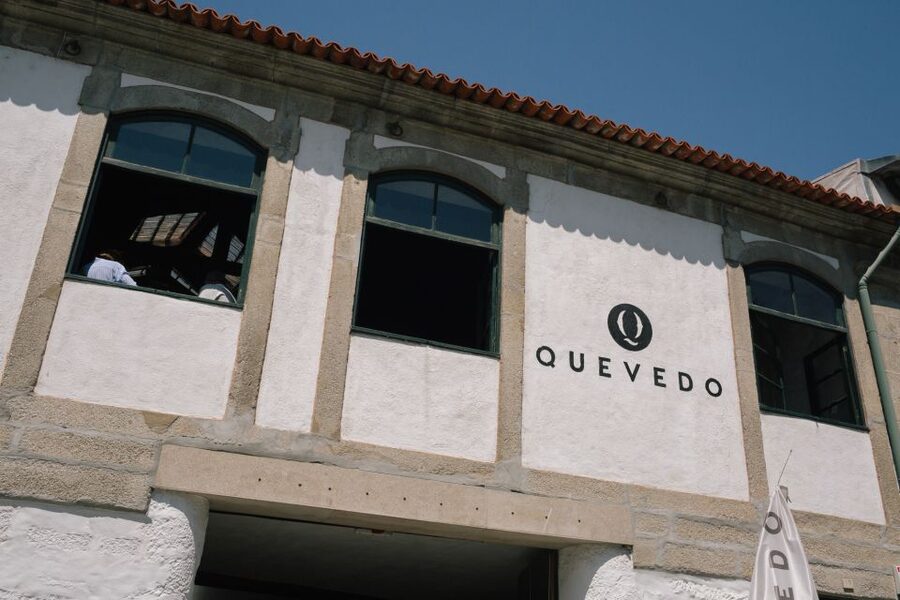
The meeting point is easy to locate once you know the landmarks. Quevedo’s lodge is directly in front of Santa Marinha Church in Vila Nova de Gaia. If you are coming uphill from the river, walk past the large Bordalo II Rabbit sculpture and continue to the church.
When you arrive, speak with a staff member. That person will direct you to the tasting area. This is useful because the meeting point and the exact tasting room are not necessarily the same thing, and you should not assume that you can simply walk in and choose a table.
The location fits nicely into a Gaia day. You can pair the tasting with a walk beside the Douro or a visit to another Port house. Since the appointment lasts only 40 minutes, it is easier to fit into your plans than a long winery visit.
Still, keep the setting in perspective. The supplied details promise a lodge in the heart of Vila Nova de Gaia, but they do not promise a panoramic river view, underground barrel rooms, or a production tour. Choose this for the tasting and conversation, not for a grand architectural visit.
How the 40-minute tasting unfolds
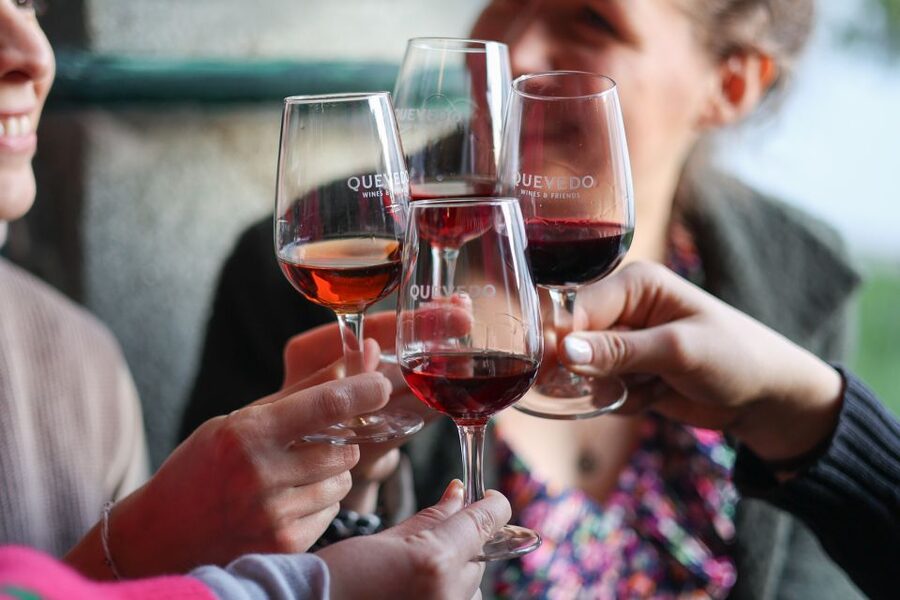
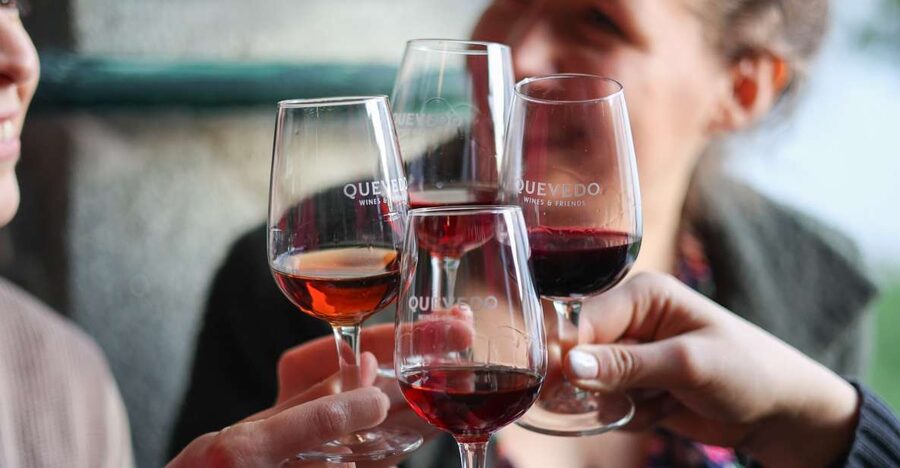
The experience begins with a welcome and an introduction to Port. The staff speak Portuguese, English, and Spanish, so you can ask questions in any of those languages. The small group cap of eight should make it easier to follow the explanation and discuss what you taste.
The core tasting includes three glasses of Quevedo Port. Each is matched with one Porto-made bean-to-bar chocolate. The pairings are not random sweets placed beside the wine. They offer three different ways to compare sweetness, fruit, age, texture, citrus, and spice.
You will likely spend much of the session moving from one pairing to the next. The schedule is compact, so the value comes from paying attention rather than rushing through large quantities. If you want a long evening of drinking, this is too brief. If you want a clear introduction, the timing is sensible.
One particularly useful feature is the explanation of why each Port works with its chocolate. A small glass can taste quite different when you take a bite of chocolate before or after sipping. That makes the session more than a basic flight of wines.
First pairing: LBV with raspberry chocolate
The first match is Late Bottled Vintage Port with raspberry chocolate. LBV, usually shortened from Late Bottled Vintage, is a style that offers some of the character associated with a vintage Port while being bottled after a longer period of aging.
Here, the raspberry chocolate should give you a clear fruit-focused comparison. You can pay attention to the way the Port’s dark fruit character meets the berry notes in the chocolate. The pairing is a friendly starting point because both elements point toward fruit, but not necessarily in the same way.
I would use this first glass to notice freshness and intensity. Do not worry about identifying every aroma. Instead, taste the Port alone, take a bite of the raspberry chocolate, then taste the Port again. The change between those two sips is the useful part.
This pairing may appeal most to you if you enjoy fruit-forward sweets. It may be less interesting if you prefer dry, bitter chocolate, but it still gives the tasting a clear opening point before the pairings become more layered.
More Wine and Chocolate Tours in the world:
- Melbourne: Yarra Valley Wine, Gin, Whisky and Chocolate Tour
★ 5.0 · 3,667 reviews - Epic Yarra Valley Wine Tour + Lunch, Chocolate & Gin/Beer Option
★ 5.0 · 1,819 reviews - Amazing Yarra Valley Wine Tour + Chocolate, Farm Fresh, Gin
★ 5.0 · 1,566 reviews - Melbourne: Yarra Valley Wine, Gin, Whisky and Chocolate Tour
★ 4.9 · 1,209 reviews
Second pairing: White Port with candied orange
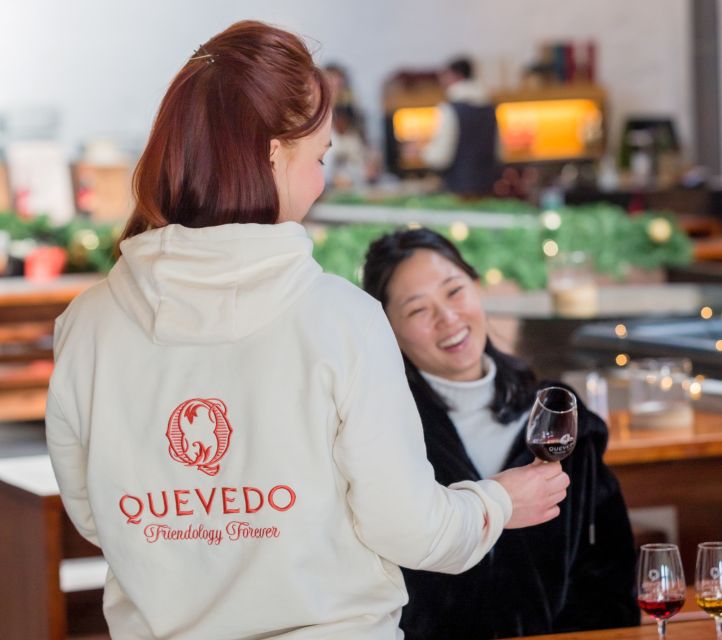
The second glass is a 10 Year Old White Port paired with dark chocolate covered candied orange. This is the most obviously citrus-led match in the flight.
White Port can be served in several ways, but the information provided here centers on the aged style and its pairing. The candied orange adds both sweetness and citrus peel character, while the dark chocolate supplies bitterness. That combination should give you a very different experience from the raspberry pairing.
This is where the tasting becomes especially useful for beginners. Many people first think of Port as one dark, sweet wine. A White Port shows that the category is broader. Its color, aromas, and flavor profile can take you in another direction, and the orange pairing makes that contrast easier to understand.
Try the wine before touching the chocolate. Then taste the candied orange and dark chocolate, and return to the glass. Notice if the wine seems rounder, brighter, sweeter, or more bitter after the food. You do not need expert vocabulary. A simple comparison is enough.
If you are especially interested in White Port, ask the staff how age changes it. The included tasting identifies this as a 10 Year Old White Port, but the supplied details do not promise a longer technical lesson on production. The small group format should give you a fair chance to ask.
Third pairing: Tawny with praline and pepper chocolate
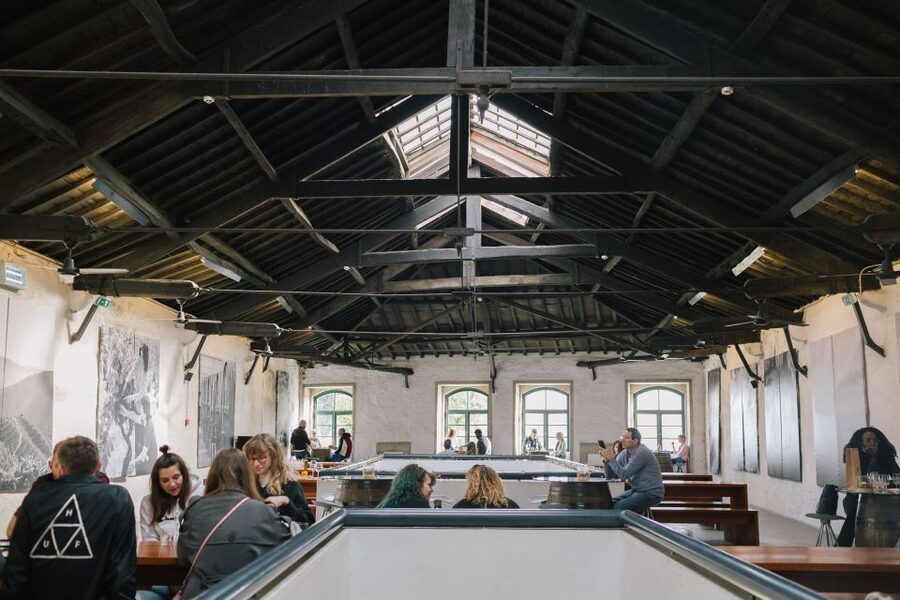
The final pairing brings a 20 Year Old Tawny Port with praline and pepper chocolate. This is the oldest Port in the tasting and the most complex chocolate match.
Tawny Port is known for time spent aging before bottling, and the 20 Year Old designation gives you a chance to compare a mature style with the younger-feeling fruit of the LBV and the citrus-led White Port. The praline adds nutty sweetness, while pepper introduces a sharper edge.
This pairing should reward slower tasting. Let the wine sit for a moment before you sip, then try it again after the chocolate. The pepper may draw out different notes than the raspberry and orange, while the praline gives the match a fuller, dessert-like feel.
For me, this is likely to be the most revealing glass for someone who already enjoys fortified wine. It also gives beginners a clear reason to care about age. You are not just told that the Port is older. You can compare it directly with the other two glasses in the same sitting.
The limitation is quantity. Three tasting glasses do not allow you to explore every Port style, and additional wines and snacks cost extra. But within 40 minutes, the sequence gives you a sensible range without making the session feel like a drinking contest.
What the chocolate adds to the lesson
The chocolates come from local makers in Porto and are made in a bean-to-bar style. That local connection matters. You are not pairing Port with generic supermarket candy, but with a product tied to the same northern Portuguese food culture.
Each chocolate brings a different idea:
- Raspberry chocolate highlights fruit.
- Dark chocolate with candied orange brings citrus and bitterness.
- Praline and pepper chocolate adds nuts, sweetness, and spice.
This progression helps you understand pairing through taste rather than theory. You can hear an explanation of fruit, age, or spice, but chocolate makes those ideas immediate.
It is also worth remembering that sweetness can change your impression of wine. A chocolate pairing may make a Port seem softer or more dessert-like. That is part of the fun, but it is not a full picture of how each wine tastes on its own.
If you want to assess the Ports seriously, taste each one before eating the chocolate. Then try the pairing. That small habit will help you separate the qualities of the wine from the effect of the food.
The value of $34 for 40 minutes
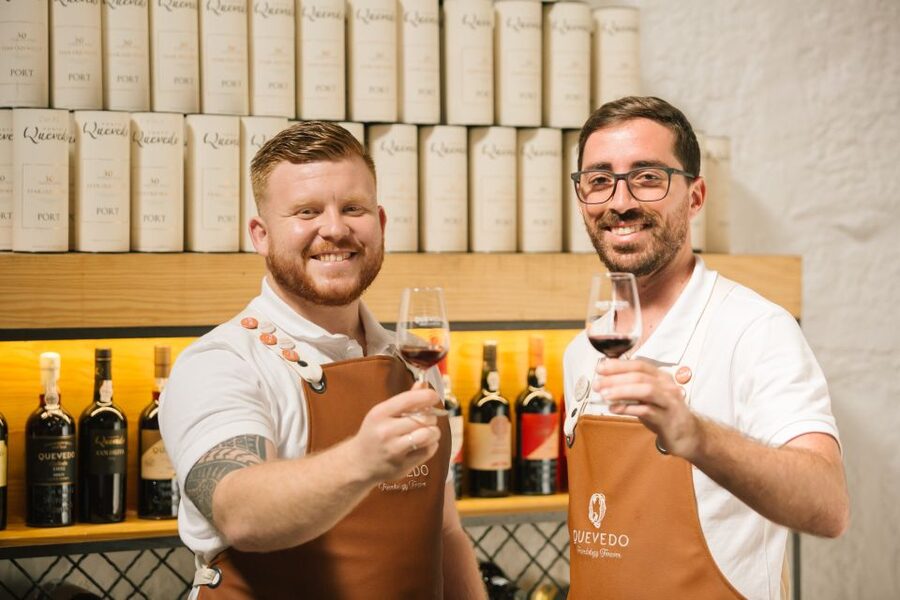
At $34 per person, this is not the cheapest way to sample alcohol in Porto. You receive three glasses, three chocolates, and guided instruction, but no additional wine or snacks are included.
The value depends on what you want. If you only want a quick taste of Port, $34 may feel high for 40 minutes. If you want an organized explanation, a small group, and carefully chosen pairings in a central Gaia location, the price is easier to defend.
I see the strongest value in the structure. You are not left with three random pours and no context. The wines cover LBV, aged White Port, and 20 Year Old Tawny, while the chocolates give you a simple method for comparing them.
The price also makes sense for a first Port experience. You are paying for guidance and a chance to ask questions, not just for the liquid in the glasses. One four-person group received a thorough introduction in a friendly, humorous setting. Another booking turned into an unexpected private tasting because the group was so small.
That private feel is possible, but not guaranteed. The activity accepts up to eight participants, so your experience depends on how many people book your time. If the room fills, expect a shared tasting rather than personal attention at every moment.
Who will enjoy this tasting most
I would recommend this experience to you if you want a manageable introduction to Port without spending half a day at a winery. The 40-minute length works well for a first visit to Gaia, a pre-dinner plan, or a break between sightseeing stops.
It should also suit anyone who likes food pairings. The chocolates are central to the design, not an afterthought. You will get the most from the session if you are willing to compare each wine before and after tasting the chocolate.
It is a good fit for:
- First-time Port drinkers
- Couples looking for a short tasting
- Small groups who prefer conversation
- Visitors interested in Porto-made chocolate
- Wine drinkers who want to compare Port styles
- People building a flexible Gaia itinerary
I would choose something else if you want a full Douro Valley vineyard visit, a meal, a large selection of wines, or a long technical seminar. None of those are promised here.
The activity is not suitable for pregnant women or children under 18. It is wheelchair accessible, and the staff can welcome you in Portuguese, English, or Spanish.
Planning your visit around the tasting
The tasting’s central Gaia location lets you keep your schedule flexible. You can book it during a day along the river, then continue to other sights nearby. Since the appointment is short, allow time to find Santa Marinha Church and speak with staff when you arrive.
The booking terms are also useful for uncertain plans. You can cancel up to 24 hours in advance for a full refund, and the reserve-now, pay-later option lets you hold a place without paying immediately.
Check the available start times before building the rest of your day. The supplied information does not give fixed hours, and availability determines the exact appointment. Arriving at the correct church and sculpture landmarks should reduce confusion.
Do not count on the included tasting to replace lunch. Additional wines and snacks are not included, so plan another food stop if you need something substantial.
The bottom line: should you book?
Book this Port and chocolate tasting if you want three well-defined Port styles, local chocolates, and a friendly introduction in a small setting. The pairings are the real strength, especially the way raspberry, orange, praline, and pepper help you notice differences between the wines.
At $34, it is best viewed as a guided tasting rather than a bargain drink stop. The experience is short, and the amount of wine is limited. But the small group, family background, central location, and clear progression make it a useful choice for curious first-time Port drinkers.
I would book it for a relaxed Gaia afternoon, especially if you can share the session with a small group. I would skip it only if you want extensive cellar access, many wines, or a full meal. For a compact lesson with something sweet on the side, Quevedo offers a well-focused introduction.
FAQ
Where does the Port and chocolate tasting take place?
The tasting takes place at Quevedo’s lodge in Vila Nova de Gaia, directly in front of Santa Marinha Church.
How do I find the meeting point from the river?
Walk past Bordalo II’s Rabbit sculpture when coming from the river. You will find the lodge near Santa Marinha Church.
How long does the experience last?
The tasting lasts 40 minutes.
How many Port wines are included?
Three glasses of Quevedo Port are included: a Late Bottled Vintage Port, a 10 Year Old White Port, and a 20 Year Old Tawny Port.
What chocolates are paired with the wines?
The LBV comes with raspberry chocolate. The 10 Year Old White Port comes with dark chocolate covered candied orange. The 20 Year Old Tawny comes with praline and pepper chocolate.
Are additional wines and snacks included?
No. Additional wines and snacks are not included.
What languages are spoken?
The staff speak Portuguese, English, and Spanish.
Is the tasting wheelchair accessible?
Yes, the activity is wheelchair accessible.
Can I cancel my booking?
Yes. You can cancel up to 24 hours in advance for a full refund. You can also reserve now and pay later.
Just added around the world
- Lindt Chocolate Museum with Cruise Transfer from Zurich★ 4.6 · 7 reviews
- Zagreb: Lake Bled and Ljubljana Day Tour with Chocolate Gift★ 5.0 · 26 reviews
- Zurich: Chocolate Tasting and Walking Tour with a Local★ 4.2 · 13 reviews
- Zurich Open-top Tour and Chocolate and Cheese Countryside★ 3.5 · 11 reviews
- Wine and Chocolate experience★ 4.6 · 3 reviews
- York: Introduction to Chocolate Making Experience★ 4.9 · 10 reviews
- Zaandijk-Near Zaanse Schans Chocolate making demo & tasting★ 4.8 · 13 reviews
- Private Wine and Chocolate Tasting Experience★ 4.4 · 3 reviews
Chocolate Pairing Experiences, compared.

St. Augustine Distillery: A Bourbon & Chocolate Pairing
Read our review →
Nashville: Whiskey or Wine and Chocolate Pairing Experience
Read our review →
Discover Brussels beer world with a chocolate pairing by a young local
Read our review →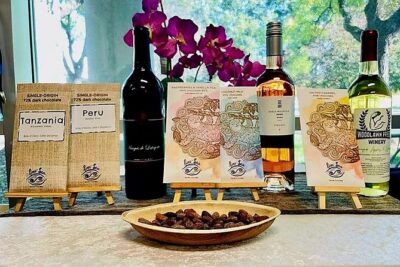
Browse the lists this tour appears in