
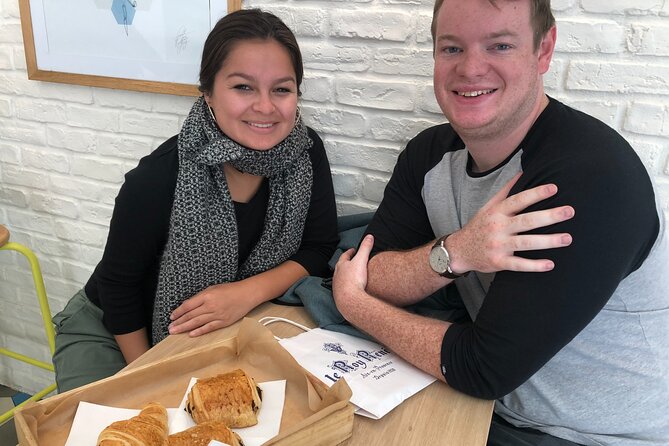
Review · FRANCE
Marseille French Pastries and Chocolate Tour
Sweet treats, old streets, and Marseille stories.
This two-hour walk combines the city’s historic center with a generous tasting of French pastries and chocolate. I like the personal feel of meeting a local guide such as Elisabeth, and I like that the food is tied to Provençal customs, from the famous navette to Candlemas traditions. The main drawback is the pace: you spend the full tour walking, and it is not suitable for people with mobility impairments.
The $112 price is not cheap for a two-hour activity, but it includes all tastings, a small-group walk, and a guide who adds cultural context. If you want a quick, friendly introduction to Marseille through its food, this is a more personal choice than simply visiting a pastry shop on your own.
Key points to know before booking
- Taste Marseille’s signature navette: Learn how this dry, orange-blossom-style biscuit became a local favorite, especially around Candlemas.
- Meet a guide with a personal touch: Elisabeth has led visitors through pastries, French phrases, local stories, and even a game of pétanque.
- Expect more than sweets: The walk includes stories about Marseille and Provençal customs, with past tours touching on lesser-known wartime events.
- Try several French classics: The tasting can include a buttery croissant, chocolate from a family business, choux pastry, baked goods, and other surprises.
- Walk through the central districts: The route begins and ends at the Burger King at 19 Quai des Belges and covers the historic center and the 1st arrondissement.
- Plan for outdoor weather: The tour runs rain or shine, so comfortable shoes and weather-ready clothing matter.
Why this Marseille food walk works
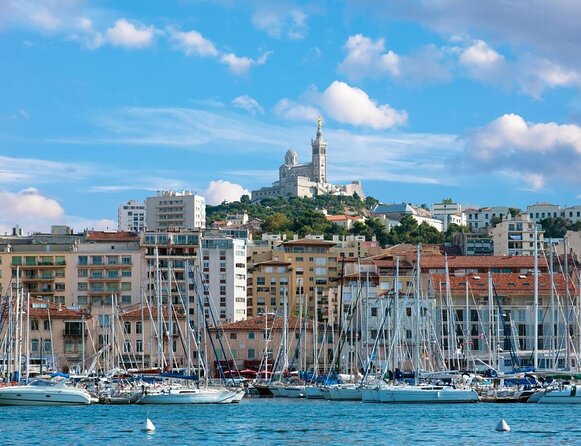
Marseille is easy to reduce to its waterfront, seafood, and famous basilica. Those sights matter, but the city also has a strong everyday food culture. This tour takes you into that world through the sweets people buy, share, and associate with local customs.
I like the balance between eating and walking. Two hours is enough time to sample several specialties without turning the outing into a full-day commitment. You also get a guide’s explanation of what makes each item local or distinctly French, which gives the tasting more meaning than a simple succession of snacks.
The tone is meant to be friendly rather than formal. That matters in Marseille, where a relaxed café stop or a conversation with a shopkeeper can tell you as much about the city as a major monument. The small-group format should make it easier to ask questions, compare favorites, and keep the walk moving at a comfortable social pace.
The strongest praise for this experience centers on the guide. Elisabeth is described as warm, professional, personable, and informative. One group of six adults also enjoyed learning French phrases and playing pétanque, suggesting that the outing may include light cultural touches beyond the listed food stops.
More Pastry and Chocolate Tours in France
- Paris French Sweets Tasting Tour with Pastries and Chocolates
★ 4.5 · 947 reviews - Saint-Germain: Gourmet Chocolate & Pastry Walking Food Tour
★ 4.8 · 495 reviews - Paris Chocolate, Macaron & Pastry Food Tour: 10 Gourmet Tastings
★ 5.0 · 339 reviews
Meeting at 19 Quai des Belges
The tour starts in front of the Burger King at 19 Quai des Belges. This is a practical meeting point in the center, but you should allow time to locate the exact entrance and arrive ready to walk.
The same place is also the return point. That makes the activity simple to fit into a day of sightseeing because you do not need to arrange transport back from another neighborhood. The route stays within central Marseille, covering the historical center and the 1st arrondissement.
No private vehicle or public transport is part of the experience. You move on foot from stop to stop, which lets the guide point out local places as you go. It also means you should not book this expecting a seated tasting in one venue.
The first hour: Marseille’s historic center and food culture
The first part is a guided walk through central Marseille. Rather than treating food as an isolated subject, the guide connects the pastries and chocolate to Provençal traditions and local life.
This is where the tour’s cultural value comes through. You hear why certain sweets matter in Marseille, how local customs shape what people eat, and how small food businesses fit into the city. The tour is not only about identifying a croissant or biscuit. It helps you understand why these foods have a place in local celebrations and daily routines.
The guide also introduces special food shops and relaxed cafés in the center. Exact businesses are not specified in advance, so you should think of this as a guided introduction to local stops rather than a fixed list of famous addresses.
The walk may also include stories about Marseille’s past. One past outing included information about events that some participants had not heard before, including parts of the city’s story during the Second World War. That detail suggests the history is not limited to postcard facts.
You may appreciate this mix if you want food and place to work together. If you prefer a tour devoted only to eating, the historical commentary will take up part of your two hours.
The navette, Marseille’s traditional biscuit
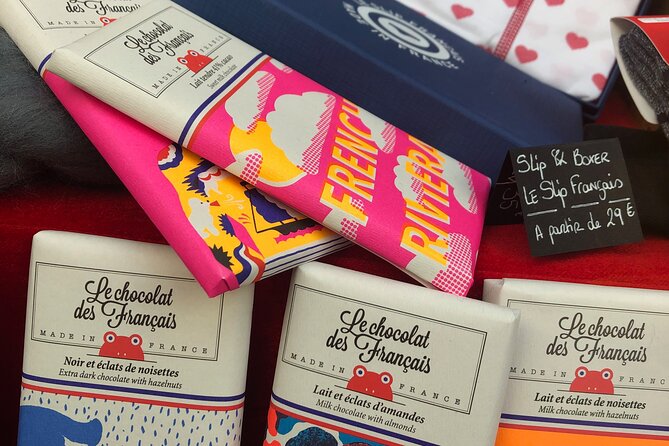
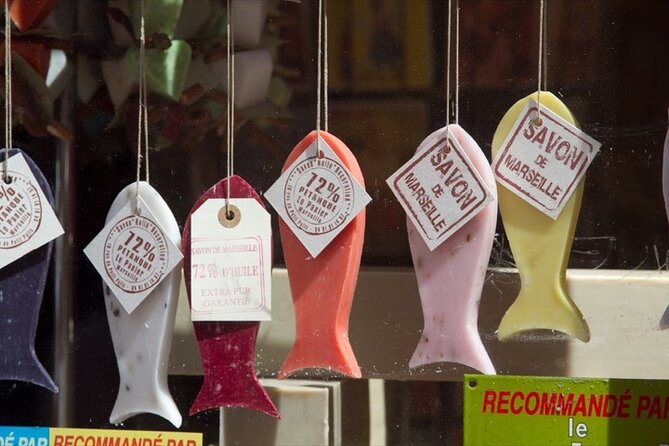
One of the most useful parts of the tour is the explanation of the navette. This dry biscuit is a familiar local specialty and an important part of Marseille’s sweet-food identity.
The guide explains how the navette became especially associated with Candlemas. That connection gives the biscuit a place in the calendar and in local tradition, rather than treating it as just another item in a bakery case.
Its dry texture also makes it different from the soft pastries you may expect on a French food tour. I would approach it as a biscuit with a strong sense of place, not as a replacement for a buttery croissant. The contrast is part of the fun: Marseille’s sweets are not all delicate cream pastries.
If you are buying edible souvenirs, the navette may also be easier to carry than a fresh pastry. The tour itself is about tasting, however, and does not promise shopping time or packaged gifts.
Same place, a different sort of tasting:
- Paris: Entrance Ticket to the Chocolate Museum
★ 4.1 · 1,105 reviews - A Morning in Paris Food Tour: Croissants, Baguettes & Chocolate
★ 5.0 · 556 reviews - Paris: 45-minute Chocolate Making Workshop at Choco-Story
★ 4.4 · 444 reviews - Passy-Grigny: Chocolate and Champagne Tasting Tour
★ 4.8 · 284 reviews
Chocolate from a family business
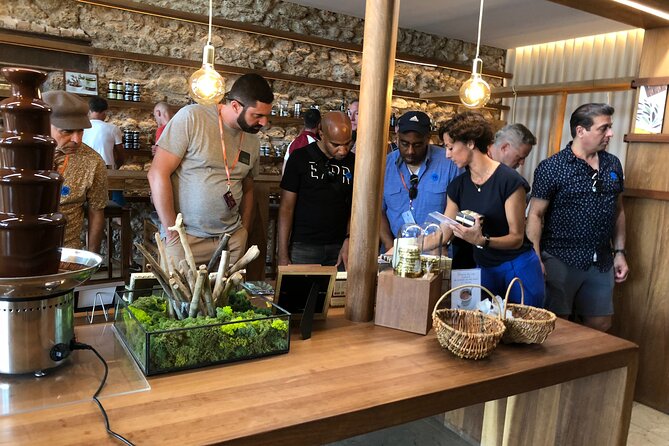
Chocolate is another major part of the experience. You taste French chocolate made by a family business, with attention given to the cocoa beans and to how chocolate is produced.
The guide uses the tasting to build your understanding of chocolate. That can include noticing differences in flavor and quality, rather than eating a piece quickly and moving on. The description presents the chocolate as made with some of the best cocoa beans, but you should treat that as the producer’s quality claim, not as an objective ranking.
This stop is valuable if you enjoy learning how a food is made and want more context than a standard candy sample. It also adds a human scale to the tour. A family business feels more connected to the craft side of French food than a generic chocolate counter.
The exact chocolate varieties are not listed, so do not book this expecting a particular percentage of cocoa or a named product. The appeal is the tasting and the explanation.
The croissant au beurre and other pastries
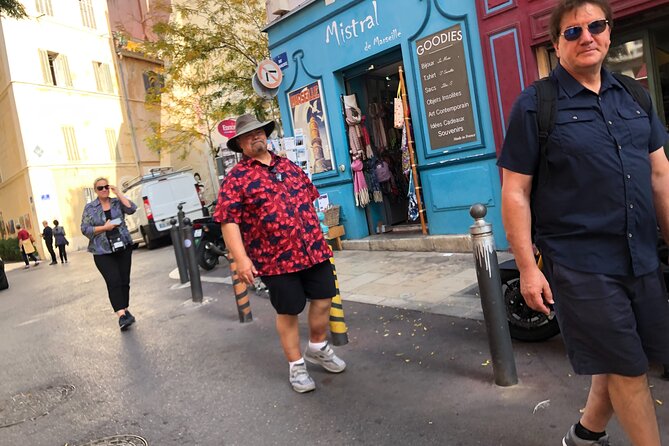
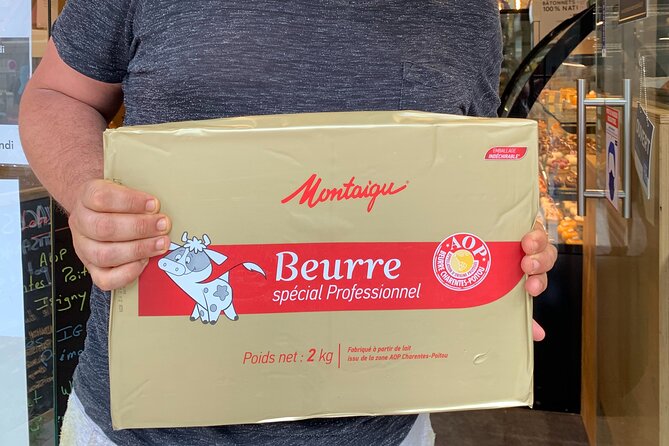
Croissant fans get a chance to try a croissant au beurre, the classic butter-rich version. This is likely to be one of the most anticipated stops, and past feedback singled it out as exceptionally good.
The tour also includes choux pastry and other baked goods or desserts. Choux is a useful addition because it has a different texture from a croissant or dry navette. Depending on the stops and the day, you may encounter additional surprises.
I like this variety because it prevents the tasting from becoming repetitive. You move among crisp, buttery, creamy, and chocolate-based flavors. The guide can also explain French names and customs as you go, helping you order pastries with more confidence later in your trip.
There is one practical point to keep in mind: the experience does not provide a published tasting menu. The exact selection may vary. If you have allergies or strict dietary needs, ask before booking because the available information does not identify vegetarian, vegan, gluten-free, or allergy-friendly options.
Walking through the 1st arrondissement
The second hour continues in Marseille’s 1st arrondissement before returning to the starting point. This part keeps the focus on central neighborhoods, local food shops, and the city’s everyday rhythm.
The route is not presented as a major-monument tour. You will not be promised entry to museums, historic buildings, or a long list of landmarks. Instead, the setting provides context for the cafés, pastry shops, and local traditions discussed by the guide.
That makes this a good early-trip activity. You can use the food stops to get your bearings and ask the guide for ideas about other places to eat or visit. The experience is also short enough to pair with another central Marseille activity later in the day.
The tradeoff is that two hours passes quickly. You should not expect an exhaustive tour of Marseille, and the route cannot cover every neighborhood or major sight. It is a focused taste of the center.
A guide-led experience with a friendly feel
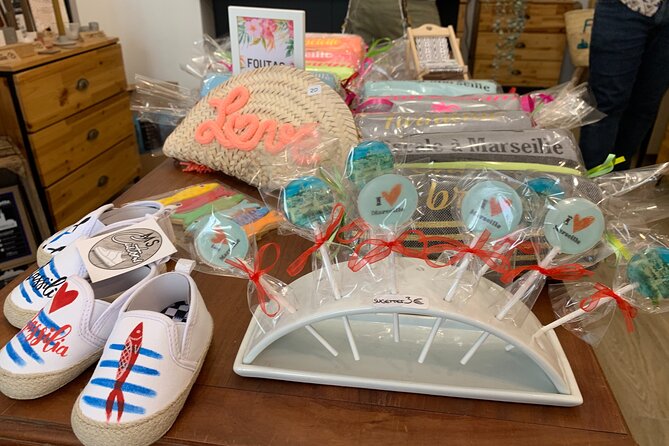
The guide makes the difference here. Elisabeth has been praised for being friendly, informative, and particularly good with families. One group with three small children had a positive experience, while another group enjoyed the relaxed conversation and cultural details.
That does not mean the tour is designed only for children. Adults can enjoy the chocolate, pastry technique, local history, and French phrases just as much. The small-group setting should help keep the atmosphere conversational rather than lecture-like.
The mention of pétanque is a nice example of the tour’s broader approach. It shows how the guide may add a simple local activity or cultural reference to the walk. Still, pétanque is not listed as a guaranteed part of every tour, so consider it a possible extra rather than a promised feature.
The tour is offered in English, French, and Spanish. You should select the language that lets you ask questions comfortably, especially if you want to discuss ingredients, traditions, or Marseille’s history.
Is $112 a fair price?
At $112 per person, this is a premium short food tour. The advertised duration is two hours, so the headline cost works out to about $56 per hour before placing a separate value on the tastings.
The price makes more sense if you value three things:
- Several pastry and chocolate tastings in one outing
- A local guide who explains Marseille’s traditions
- The convenience of a small-group walk beginning and ending in the center
If you simply want a croissant and coffee, you can spend far less on your own. You are paying here for the range of tastings, the route, the explanations, and the company of a guide.
The tour also has a strong personal element. The positive feedback about Elisabeth’s warmth and flexibility suggests that the quality of the experience depends partly on the guide’s conversation and energy. That is common with small food walks. A good guide can make familiar foods feel new, while a less engaging guide would leave you with snacks but little context.
The full rating is based on six reviews, a small sample. The response is consistently positive, but I would still judge the tour by what you want from it. For a focused, social introduction to Marseille’s food traditions, the price may feel worthwhile. For a budget-minded visitor who already knows the city’s bakeries, it is harder to justify.
Who should book this experience?
I would recommend it to you if you like food with a story attached. It suits first-time visitors who want an easy introduction to the center, couples looking for a relaxed activity, and families who enjoy trying small portions of different treats.
It also fits people who prefer a local guide to a large sightseeing group. The guide can explain French words, answer questions, and adjust the conversation to the group’s interests.
You may want to skip it if walking is difficult, since the tour is specifically not suitable for people with mobility impairments. You should also think twice if you dislike sweet foods, need a tightly controlled diet, or want a full meal rather than a tasting.
The activity runs rain or shine. Bring suitable clothing and shoes, and do not assume bad weather will cancel the walk automatically.
Booking and cancellation details
You can cancel up to 24 hours before the tour for a full refund. A reserve-now-and-pay-later option is also available, which helps if your Marseille plans are still changing.
Starting times depend on availability. Since the tour lasts two hours and returns to the same central meeting point, it should be fairly easy to place around other plans, but leave yourself enough time to arrive at the Burger King on Quai des Belges.
Should you book the Marseille pastry and chocolate tour?
Book it if you want a short, social food walk with local stories, several sweet tastings, and a guide who adds personality to the experience. The navette, croissant au beurre, family-made chocolate, choux pastry, and Provençal traditions give the tour a clear sense of place.
I would be more cautious if $112 feels high for two hours or if you are looking for a full meal, a major-monument tour, or a fully listed tasting menu. For everyone else, this is a pleasant way to spend part of a Marseille day, especially near the beginning of your visit when you want local orientation and a few good ideas for what to eat next.
FAQ
Where does the Marseille French pastries and chocolate tour start?
Meet in front of the Burger King at 19 Quai des Belges in Marseille.
How long does the tour last?
The tour lasts two hours. It includes one hour of guided touring followed by another guided hour in Marseille’s 1st arrondissement before returning to the starting point.
What food is included?
The experience includes pastries and chocolate tastings. Items specifically described include a navette, a croissant au beurre, chocolate from a family business, choux pastry, and other sweet surprises.
Which languages are available?
The live guide can conduct the tour in English, French, or Spanish.
Does the tour operate in bad weather?
Yes. The tour takes place rain or shine.
Is the tour suitable for people with mobility impairments?
No. The activity is listed as not suitable for people with mobility impairments.
Just added around France
- Wine and Chocolate experience★ 4.6 · 3 reviews
- Private Wine and Chocolate Tasting Experience★ 4.4 · 3 reviews
- Wine and chocolat tasting at Chablis.★ 4.9 · 5 reviews
- Trio Chocolaté – Tour en français – Champagne Passy-Grigny★ 5.0 · 5 reviews
- Private Wine and Chocolate Tasting in Paris★ 4.5 · 4 reviews
- Paris Sweet & Chocolate Family Treasure Hunt★ 5.0 · 37 reviews
- Molded Bonbons Chocolate making class in Paris (collective)★ 4.5 · 20 reviews
- Paris Saint-Germain Private Tasting Tour with Chocolate plus Pastries & Macaron★ 5.0 · 10 reviews
Pastry & Dessert Tours, compared.
Historical Tour with Chocolate & Waffle Tasting
Read our review →
Historical Walking Tour with Chocolate & Waffle Tasting
Read our review →
Paris French Sweets Tasting Tour with Pastries and Chocolates
Read our review →
Brussels Walking and Tasting Tour (Beers,Chocolates&Fries/Waffle)
Read our review →
Brussels Chocolate Beer Waffle and Belgian Whiskey All-in-One (Small Group) Tour
Read our review →
Saint-Germain: Gourmet Chocolate & Pastry Walking Food Tour
Read our review →
Paris Chocolate, Macaron & Pastry Food Tour: 10 Gourmet Tastings
Read our review →
Walking Food Tour with Chocolate, Beer, & Waffles
Read our review →Browse the lists this tour appears in