
Review · FRANCE
Passy-Grigny: Chocolate and Champagne Tasting Tour
Champagne and chocolate make a fine local education. At Champagne Dom Caudron in Passy-Grigny, you get a guided look at how Champagne is made, followed by three Champagne tastings paired with three chocolates. I like the clear, friendly explanations and the chance to see a working production house rather than only polished tasting rooms. The price, $32 for 90 minutes, is also fair for a guided tour with six tastings.
The main catch is getting there. Passy-Grigny is in the Marne Valley, away from the main city centers, and public transportation is limited. You may need a car, taxi, Uber, or Bolt, and the tour itself is fairly brisk if you want a long cellar visit or a detailed history lesson.
Key points before you book
- A working Champagne house: You see the production side, from the first press used by local growers to the modern vat house.
- Aime Caudron’s 1929 story: The tour explains how a village priest helped bring Passy-Grigny’s winemakers together.
- Three Champagne and chocolate pairings: The tasting is the final course, with juice offered to children.
- English and French guides: Guides such as Clémentine, Fanny, and Katja have been praised for warmth, humor, and clear explanations.
- A useful 90-minute stop: It fits neatly into a day exploring the Marne Valley, though some people may wish it lasted longer.
- Plan your transport: The setting is attractive and rural, but reaching it without a car can be awkward.
Why Passy-Grigny gives this tour its character
Passy-Grigny sits in the Marne Valley, a part of the Champagne region where the village setting matters. You are not simply visiting a famous name in Reims or Épernay and moving on. You are going to the place connected with Champagne Dom Caudron, a house rooted in local growers and the village itself.
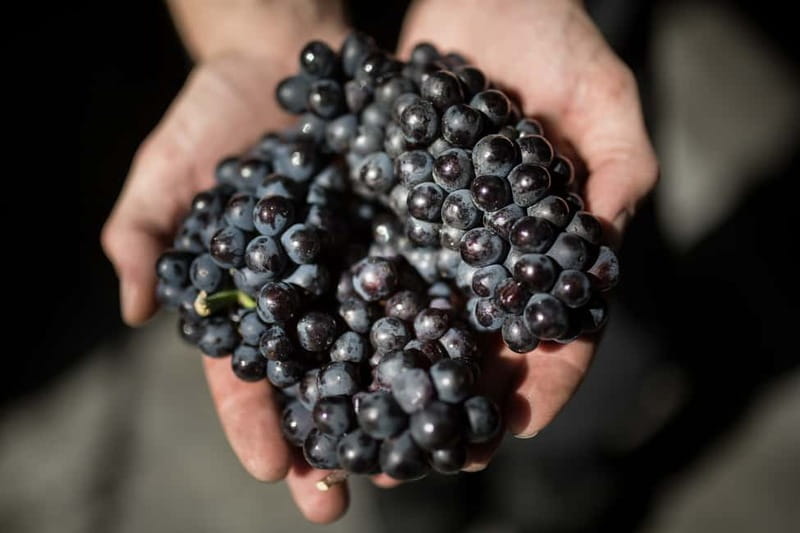
The story begins with Aimé Caudron, a priest who gathered the winemakers of Passy-Grigny in 1929. His idea helped create the Champagne house that carries his name. The tour uses that story to explain how local growers worked together and how the Meunier grape became central to the area.
That local focus gives the visit a useful sense of scale. Champagne can seem like a grand, expensive product made for luxury hotels and special occasions. Here, you get a closer look at the growers, equipment, pressing, fermentation, bottling, and presentation behind the label.
I especially like that the tour does not treat Champagne as a mysterious drink reserved for experts. You can arrive knowing very little and still follow the process. If you already know your difference between a brut and a demi-sec, you should still find enough production detail to keep the visit worthwhile.
More Chocolate Tastings in France
- Paris French Sweets Tasting Tour with Pastries and Chocolates
★ 4.5 · 947 reviews - Paris Chocolate, Macaron & Pastry Food Tour: 10 Gourmet Tastings
★ 5.0 · 339 reviews - Paris: Discover Brussels and Bruges & Optional Chocolate Tasting
★ 4.5 · 219 reviews
The 75-minute tour, from pressing to modern vats
The guided portion lasts about 75 minutes, leaving the remaining time for the tasting and movement through the site. The exact order may vary, but the visit takes you behind the scenes of Champagne production.
You begin with the origins of the house and the local growers. This is where the Aimé Caudron story helps set the tone. It is not just a biography of one priest. It explains why a group of winemakers chose to work together and how that decision shaped the identity of the house.
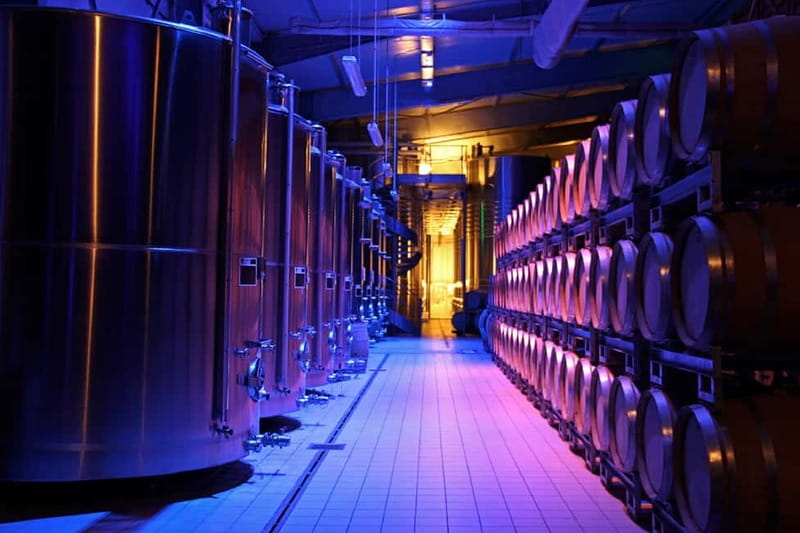
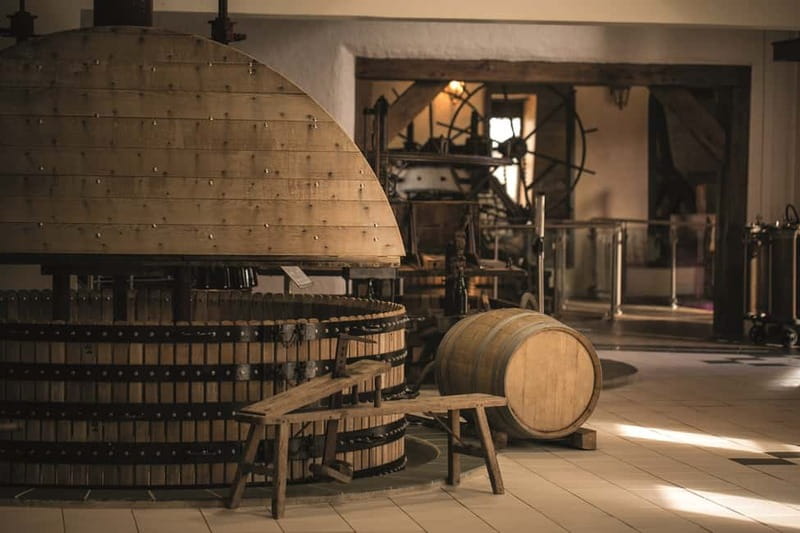
The tour then connects the old and new sides of production. You learn about the first press used by the Passy-Grigny vine growers, then see the modern vat house used in current production. That contrast is one of the most useful parts of the visit. It gives you something concrete to look at while the guide explains the work behind the bottle.
A short film or documentary presentation may form part of the tour. It covers the harvest and Champagne-making process, adding visual context to the equipment and displays. One visitor felt the film could use an update, but it still adds another layer to the explanation.
The focus is production rather than a long account of Champagne’s past. That distinction matters. If you want a grand historical presentation like the tours offered by major houses in Reims, this may feel more modest. If you want to understand how Champagne is pressed, processed, and bottled, the balance is better suited to you.
The guides are a major part of the visit. Clémentine has been praised for her warmth and charm, while Fanny and Katja have also received strong comments for their presentation and care during the tasting. The guide may answer questions throughout the tour, so you should feel free to ask about the process instead of saving every question for the end.
The tasting: three Champagnes and three chocolates
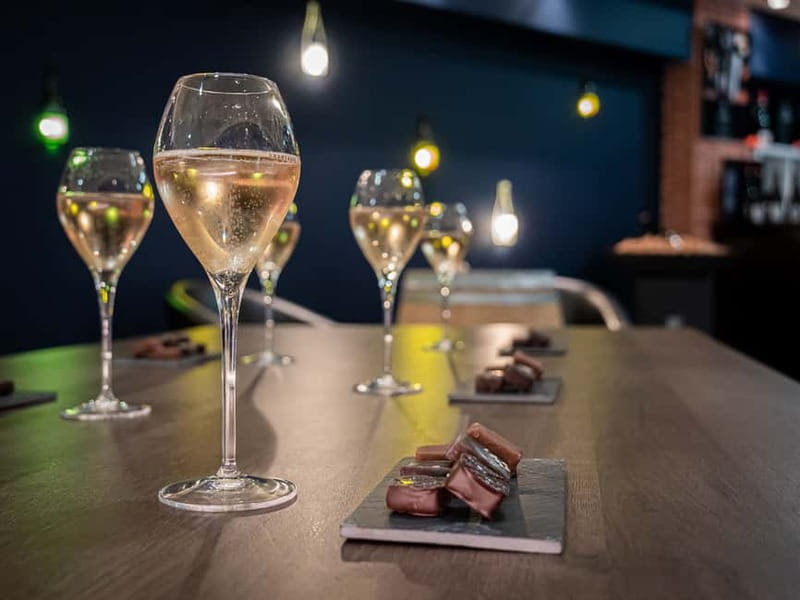
The tasting is the payoff, but it works best because you have just seen how the wine is made. You sample three different Champagnes, each paired with a chocolate. The pairing gives the tasting more purpose than simply drinking three glasses in a row.
Chocolate can change how you notice Champagne. Sweetness, bitterness, acidity, and texture all affect the wine. You may find that one pairing makes a Champagne taste fruitier, while another brings out its sharper or creamier qualities. The guide can help explain what you are noticing, especially if this is your first guided pairing.
The chocolates receive almost as much praise as the wine. Several visitors describe them as excellent or superb, and the tasting seems to be carefully built around the combination rather than treating the chocolate as an afterthought.
Three samples is a sensible amount for a 90-minute visit. You get variety without turning the tasting into a drinking marathon. It also keeps the activity suitable for a wider range of ages and interests. Children do not receive Champagne, but juice has been offered to younger visitors.
That family detail makes a difference. One family specifically enjoyed the tour with children and teenagers, and another child watched a bottle opened with a sabre. The sabrage demonstration is not guaranteed as part of the advertised program, so do not book solely expecting it, but it shows the kind of personal touch that may occur during a lively visit.
If you are driving, remember that even a small tasting requires care. The price includes samples, not a designated driver. You can also ask about purchasing bottles, since several people have taken home Dom Caudron Champagne after the visit.
What makes the guide so important
The strongest part of this tour is not a single machine or display. It is the guide. The best tours here turn technical steps into plain explanations and adjust the pace for beginners.
Clémentine has been described as especially pleasant, and Fanny has been praised for making the visit feel personal. Katja has also been noted for her service during the tasting. These names are useful to know, but staffing can change, so you should think of them as examples of the standard visitors have encountered rather than a promise that one particular person will lead your session.
The guiding style appears to be friendly rather than formal. That helps if you are new to wine tourism. You do not need to arrive with a vocabulary list or a working knowledge of Champagne rules. At the same time, the production focus gives experienced drinkers enough substance to ask more detailed questions.
The tour is offered in English or French, with a live guide. If you book the English option, the information should be easy to follow, but the pace may still depend on the group. Ask questions when you have them. A 75-minute tour moves quickly, and waiting until the end could mean missing your chance.
More Wine and Chocolate Tours in France
- Libourne: Winery Tour with Wine and Chocolate Tasting
★ 4.9 · 74 reviews - tasting workshop of 6 to 8 wines with charcuterie chocolate cheese
★ 5.0 · 48 reviews - Wine and chocolat tasting at Chablis.
★ 4.9 · 5 reviews - Trio Chocolaté – Tour en français – Champagne Passy-Grigny
★ 5.0 · 5 reviews
A smaller house instead of a grand Reims visit
This tour is a useful alternative to the large Champagne houses in Reims and Épernay. The major names offer impressive buildings, long-established brands, and highly polished presentations. They can also feel more staged and less connected to daily production.
Dom Caudron gives you a different view. You see a modern production house with a local identity and a direct link to the village growers. One person described this as a refreshing look at current production, while another called the tour more personal than the larger options.
That does not mean it is automatically better. The museum and showrooms may feel more compact, and the historical material is not the main event. The presentation is also short enough that you may leave wanting more detail.
For me, the choice comes down to your interest. Pick a major Reims house if you want elaborate architecture, famous labels, and a long brand story. Pick Passy-Grigny if you want production, village context, a friendly guide, and a tasting built around chocolate.
You can also do both if you have several days in the region. This tour makes a good change of pace after a larger house, especially because it offers a more local setting.
Is $32 good value for 90 minutes?
At $32 per person, the visit is reasonably priced for the Champagne region. You receive a live guided tour in English or French, access to the production story, three Champagne samples, and three chocolates.
The value improves if you care about learning how Champagne is made. You are not paying only for the drinks. The first press, current vat house, film, local history, and guide all add useful context.
The price may feel less attractive if you want a longer visit, extensive cellar access, or a large number of pours. One person felt the tour was shorter than expected, and another found it interesting but wished it included more information. At 90 minutes, this is a compact introduction, not a full-day wine course.
Still, the tasting itself is generous enough to make the cost feel sensible. You get three distinct Champagne samples and three chocolates, with a guide explaining the connection. Compared with many activities in the Champagne region, it offers a good amount in a short block of time.
Getting to Champagne Dom Caudron
The meeting point is Champagne Dom Caudron at 10 Rue Jean York, though you should check the precise option you book because the meeting point can vary. The tour returns to the same address.
Transport is the practical weak spot. Passy-Grigny is not as easy to reach as Reims or Épernay, and public transportation is not readily available. A car is the simplest choice if you want to combine the visit with other villages and vineyards in the Marne Valley.
Uber or Bolt may be possible, but you should think about the return journey before setting off. Finding a ride from a small village may not be as simple as finding one in central Reims. A taxi arranged in advance can be a safer plan if you are not driving.
The rural setting is part of the charm, so I would not treat the distance as a reason to dismiss the tour. I would build it into a larger day instead. Visit Passy-Grigny as one stop, then continue exploring the surrounding Champagne villages rather than making a long trip only for the 90-minute program.
Who will enjoy this Champagne tasting most?
I would recommend the tour to several kinds of visitors:
- First-time Champagne drinkers: The guide explains the process without assuming specialist knowledge.
- Chocolate lovers: The pairings give the tasting a clear purpose and add variety.
- Families with older children or teenagers: Children can follow the production story, and juice may be available.
- Visitors staying in the region for several days: It offers a different experience from the major houses in Reims and Épernay.
- People who prefer local producers: The Passy-Grigny setting and grower history give the tour a village connection.
- Wine fans who like machinery and process: The press and modern vat house provide something practical to study.
I would hesitate if you need easy rail access, dislike organized tastings, or want a long historical presentation. I would also avoid driving immediately afterward if you plan to sample all three Champagnes.
Wheelchair access is listed as available, which makes the visit more practical for many people. You should still confirm the details for your particular booking if you have specific mobility needs.
Practical timing and booking advice
The activity lasts 90 minutes, with starting times based on availability. Because the tour takes place outside the main city centers, leave extra time for arrival. Do not plan to reach the door at the last minute after a long drive.
You can cancel up to 24 hours in advance for a full refund, and the reserve-now, pay-later option lets you keep your plans flexible. Those terms help if your Champagne schedule depends on weather, transport, or another winery appointment.
Book the English option if you want the full explanation in English. French is also available. If you are visiting with children, mention their presence when booking or arriving, since juice has been offered in place of Champagne.
The tour is best treated as a focused morning or afternoon stop. Its strength is its clear shape: local story, production, tasting. You do not need to give it half a day, but you should give yourself enough time to reach Passy-Grigny and enjoy the surrounding area.
Should you book the Passy-Grigny tour?
Yes, if you want a friendly and fairly priced introduction to Champagne production, especially with a tasting that includes chocolate. The guides are the heart of the experience, and the combination of local history, modern production, and three pairings gives you more than a simple cellar visit.
I would book it as a contrast to the large houses in Reims or Épernay, not as a replacement for every type of Champagne tour. Expect a compact 90-minute program, not a long historical production course. Plan your transport carefully, and this can be one of the more enjoyable stops in the Marne Valley.
FAQ
Where does the Champagne and chocolate tour take place?
The tour takes place at Champagne Dom Caudron, 10 Rue Jean York, in Passy-Grigny in France’s Grand Est region.
How long does the experience last?
The full activity lasts 90 minutes. The guided tour itself lasts about 75 minutes, followed by the tasting.
What do you taste during the visit?
You taste three different Champagnes paired with three different chocolates.
Is the tour available in English?
Yes. Live tours are offered in English and French.
Is the experience suitable for children?
Yes. Children can join the tour, and juice has been offered to children during the tasting.
Is the site wheelchair accessible?
Yes, the experience is listed as wheelchair accessible.
Can I cancel if my plans change?
You can cancel up to 24 hours in advance for a full refund. A reserve-now, pay-later option is also available.
Just added around France
- Wine and Chocolate experience★ 4.6 · 3 reviews
- Private Wine and Chocolate Tasting Experience★ 4.4 · 3 reviews
- Wine and chocolat tasting at Chablis.★ 4.9 · 5 reviews
- Trio Chocolaté – Tour en français – Champagne Passy-Grigny★ 5.0 · 5 reviews
- Private Wine and Chocolate Tasting in Paris★ 4.5 · 4 reviews
- Paris Sweet & Chocolate Family Treasure Hunt★ 5.0 · 37 reviews
- Molded Bonbons Chocolate making class in Paris (collective)★ 4.5 · 20 reviews
- Paris Saint-Germain Private Tasting Tour with Chocolate plus Pastries & Macaron★ 5.0 · 10 reviews
Chocolate Tastings, compared.
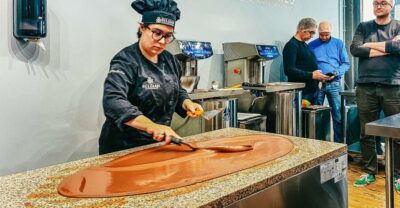
Belgian Chocolate Making Workshop with Tastings
Read our review →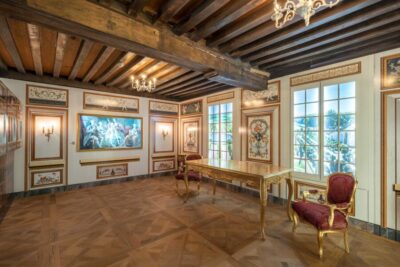
Choco-Story Chocolate Museum Guided Tour w/Tastings
Read our review →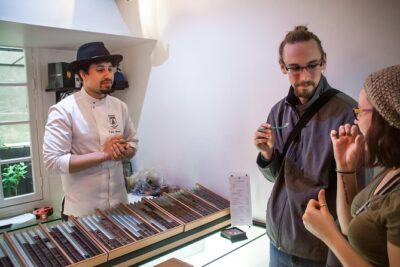
Paris French Sweets Tasting Tour with Pastries and Chocolates
Read our review →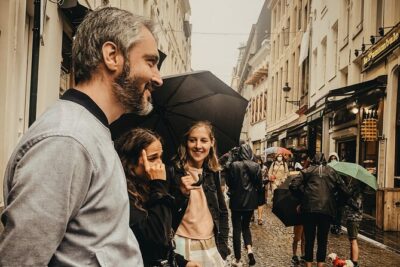
Brussels Walking and Tasting Tour (Beers,Chocolates&Fries/Waffle)
Read our review →
Brussels and Bruges Tour & Optional Chocolate Tasting
Read our review →
Beer Tour with 6 Beers and 3 Chocolate Tastings
Read our review →Browse the lists this tour appears in