
Review · PERU
Cusco: Chocolate Workshop with the Best Local Organic Cacao
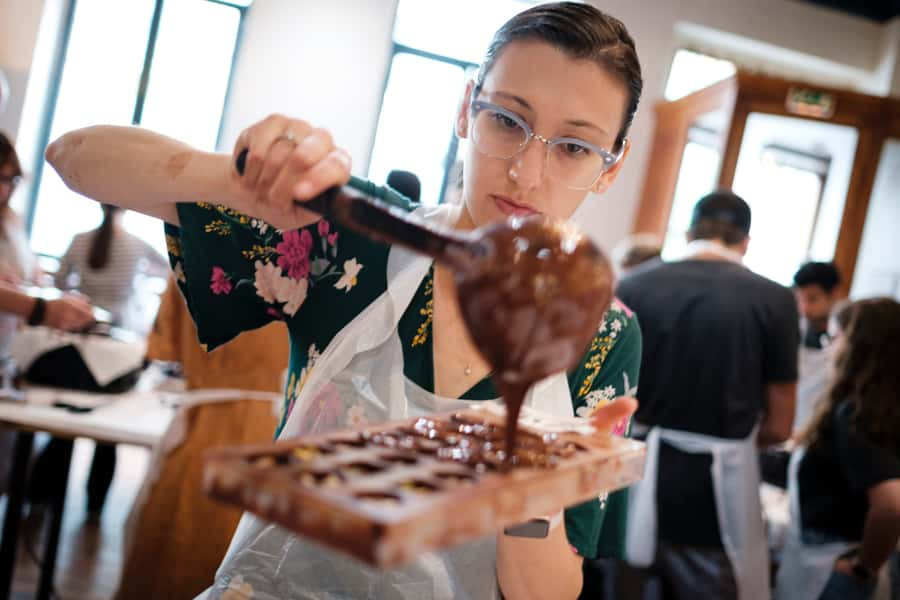
Chocolate can tell a local story. This 150-minute workshop in central Cusco combines Belgian-style praline making with Peruvian cacao, giving you a hands-on way to learn about a product grown in the Cusco region. I especially like the chance to make around 21 pralines and 10 mendiants, then pack them in a personal box for later. The hot chocolate tasting is another strong touch, since you do not only work with chocolate, you taste it in a warm drink as well.
I also like the setting at Limbus Restobar, where the class comes with a wide view over Cusco. Guides such as David, Marco, Ken, and Angel have been praised for their humor and friendly teaching style. The main drawback is that the class does not include the roasting or opening of cacao beans, so anyone hoping to see the full bean-to-bar process may find the lesson more focused on finished chocolate work.
Key points before you book
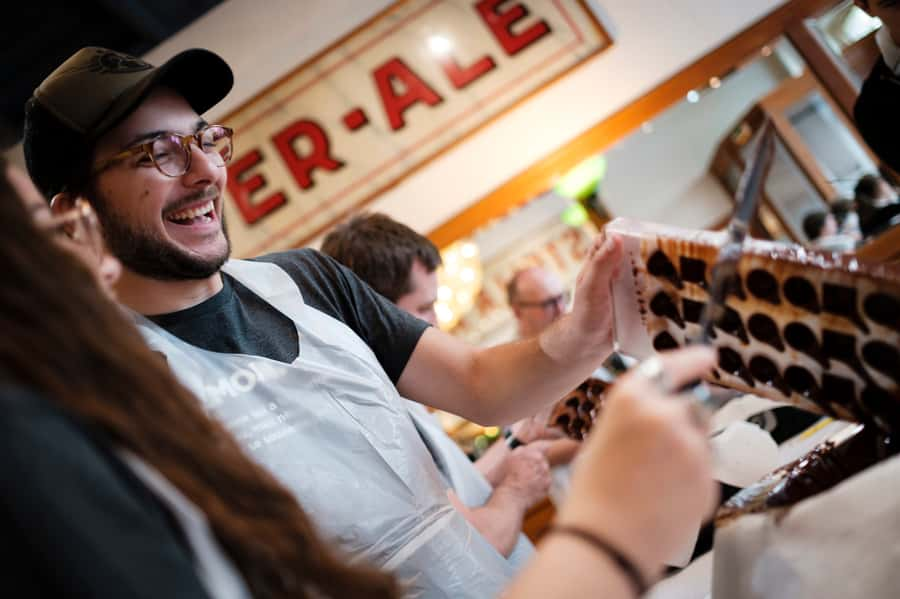
- Make about 21 pralines and 10 mendiants: You create a generous batch of sweets rather than just one sample.
- Work with local Chuncho cacao: This organic cacao comes from the jungle area of the Cusco region and is presented as one of the world’s finest.
- Learn Belgian-style techniques: The workshop covers pralines, fillings, ganache, molds, toppings, and tempering.
- Enjoy hot chocolate during the class: You learn how to prepare it and get a tasting as part of the experience.
- Meet at Limbus Restobar: There is no pickup, and the reception team directs you to the workshop.
- Best for ages 12 and older: Children under 12 and unaccompanied minors are not allowed, and the activity is not suitable for people with diabetes.
Why Chuncho cacao gives this class a Cusco identity
Many chocolate classes could take place in any city. This one has a clearer local link because it uses organic Chuncho cacao from the jungle of the Cusco region. The workshop explains why Peruvian chocolate has a distinct reputation and why Chuncho cacao is considered especially fine.
That local connection matters. You are not simply melting a generic chocolate bar and pouring it into a mold. The class introduces you to a product tied to the region, then turns it into Belgian-style sweets. It is a nice meeting of two traditions: cacao from southeastern Peru and praline methods associated with Belgium.
The wording around Chuncho cacao is strong, with the product described as one of the best organic cocoas in the world. Treat that as the workshop’s position rather than an independent ranking, but it still gives the class a useful focus. You get a reason to pay attention to the cacao itself, not just the decorations on top.
The session also includes an introduction to the history and culture of chocolate before the practical work begins. That opening helps you understand what you are handling. It should appeal to you if food is one of your favorite ways to connect with a place.
More Chocolate Making Workshops in the world:
- Vienna: Chocolate Workshop in Chocolate Museum w/ Tasting
★ 4.5 · 1,802 reviews - Brussels: Belgian Chocolate Making Workshop with Tastings
★ 4.7 · 1,629 reviews - Brussels: 2.5-Hour Belgian Chocolate Making Workshop
★ 4.8 · 933 reviews
Arriving at Limbus Restobar in central Cusco
You meet directly at Limbus Restobar. There is no hotel pickup, so plan to reach the venue on your own. At reception, say chocolate workshop or el taller de chocolate, and the receptionist will direct you to the experience.
The venue brings one of the class’s most memorable features: a panoramic view of Cusco. You get the chance to look out over the city while working with chocolate, which makes the setting feel more special than a plain indoor classroom. The view has been repeatedly praised, and it is worth arriving with enough time to get your bearings before the workshop starts.
The meeting arrangement is simple, but do not go expecting a separate shop or a street-level chocolate studio. The activity takes place at the restobar. If you have trouble finding the exact room, the reception staff is there to guide you.
Because the class lasts two and a half hours, the location also gives you a pleasant place to spend part of an afternoon or evening. Starting times vary, so you need to check availability when booking.
The opening lesson: chocolate, culture, and Peruvian flavor
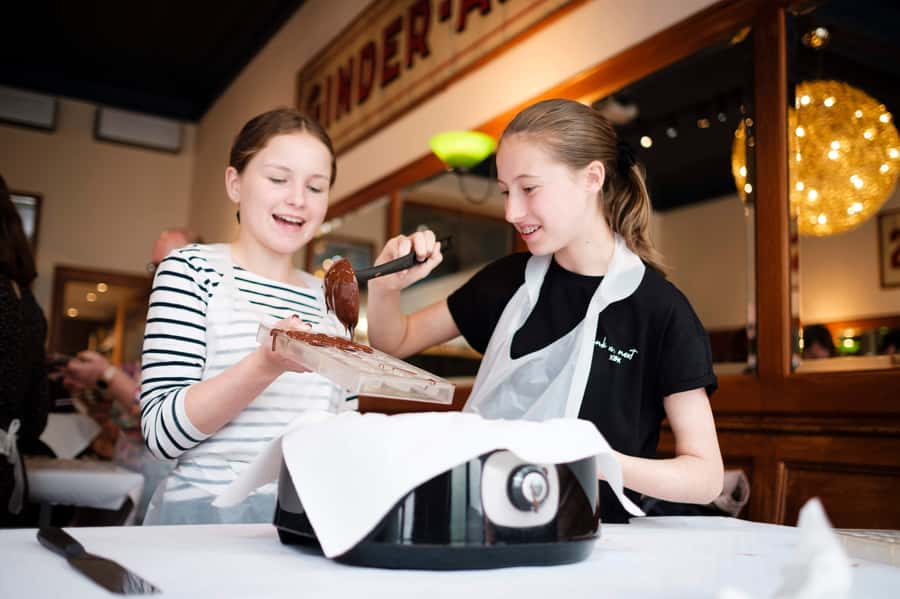
Before you begin making sweets, the instructors discuss chocolate’s history and cultural importance. The material focuses on why Peruvian chocolate is different and what makes cacao from the region special.
This part is useful because it gives the practical work some context. You learn about the cacao before turning it into a ganache or molded chocolate. The class is not only about following instructions. It also explains why a local ingredient matters.
David has received particular praise for bringing humor and energy to the teaching. Marco, Ken, and Angel have also been named as friendly members of the teaching team. The tone appears social and interactive, so you should expect to take part rather than sit quietly and watch a demonstration.
Instruction is available in English, Spanish, and French. That broad language support makes the workshop easier to follow, especially when you are learning steps that involve timing and texture. The exact instructor depends on the session, but the team has been described as approachable and entertaining.
Making pralines from scratch
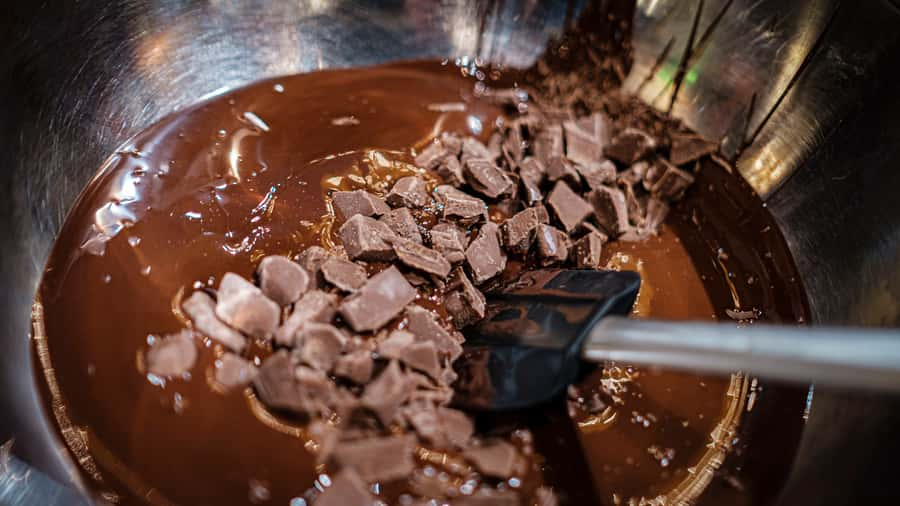
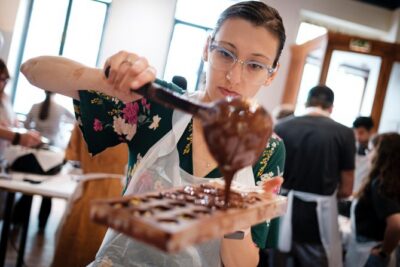
The main event is the production of Belgian-style pralines. You work with chocolate, fillings, and molds, using the supplied ingredients and equipment. The workshop includes around 300 grams of chocolate per person, which is enough for a substantial finished collection.
The process includes making ganache yourself. You can then choose fillings and toppings from the options provided. These may include homemade local jam and a selection of local and organic nuts. This choice is one of the better parts of the class because your chocolates do not all have to look or taste alike.
You can make around 21 pralines. That is a generous number for a two-and-a-half-hour class, though the exact appearance will depend on your technique and the help you receive. Do not expect professional pastry-shop perfection on your first attempt. The pleasure is in shaping and filling your own chocolates, with the instructors assisting from start to finish.
The hands-on nature also makes this a good activity for people who want more than a tasting. You are not just handed a small square of chocolate and told about cacao. You mix, fill, mold, and decorate your own sweets.
A few more chocolate tours around the world worth a look
- Lindt Home of Chocolate Museum Entry Ticket
★ 4.7 · 9,329 reviews - Choco-Story Brussels: Chocolate Museum Entrance with Tasting
★ 4.3 · 4,883 reviews - Zurich: City Tour, Cruise, and Lindt Home of Chocolate Visit
★ 4.5 · 4,624 reviews - The Chocolatarium Chocolate Tour Experience in Edinburgh
★ 5.0 · 4,322 reviews
Mendiants, toppings, and the creative part
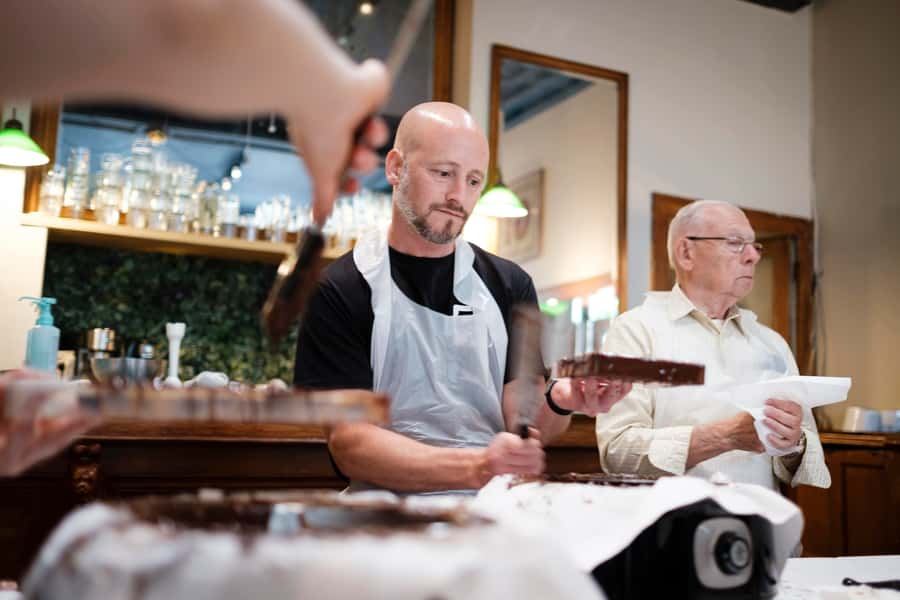
Alongside the pralines, you make about 10 mendiants. These are simpler chocolate pieces finished with toppings, so they offer a different kind of work from the filled bonbons.
The topping selection includes local and organic nuts, while the filling choices include ganache and local jam. These ingredients give the finished chocolates a stronger connection to Peru than plain candy decorations would. You can experiment with combinations, although the information does not specify the full range of toppings available on every session.
This is where the class feels relaxed and social. The work gives you something to do with your hands, while the instructors explain techniques and help correct mistakes. A previous participant specifically appreciated the demonstrations and the interactive format, while another wished the class had shown more of the raw cacao preparation. That distinction is important: the workshop is about creating finished chocolates, not touring a cacao farm or processing facility.
If your main interest is pastry technique, the lesson should keep you occupied. If your main interest is agricultural production, you may want to pair this with another cacao-related visit in Peru.
Learning tempering and tasting hot chocolate
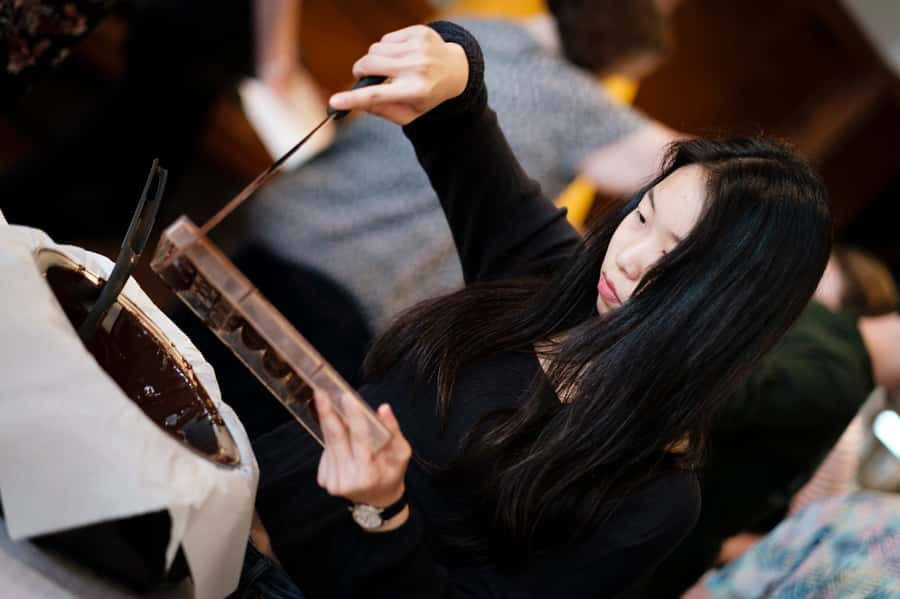
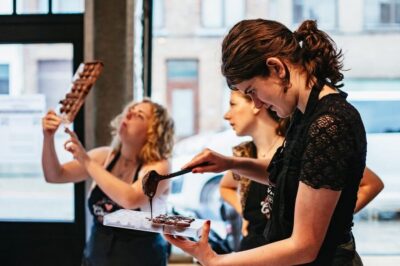
Tempering is part of the chocolate lesson. This technique affects the texture and finish of chocolate, so learning it gives the workshop more substance than a simple melt-and-pour activity.
The exact level of technical detail may depend on the instructor and your group, but the session includes demonstrations and assistance throughout. You should be prepared to follow instructions carefully, especially when working with melted chocolate and molds.
The class also includes a hot chocolate tasting, with instruction on how to make the drink. This is a welcome change from the praline work. You get to taste the cacao in a softer, warmer form, and the hot chocolate has been singled out as one of the tastiest parts of the experience.
It also breaks up the activity. Two and a half hours of chocolate work can feel long if every step is similar. The hot drink gives you a natural pause before you finish the molded sweets and prepare them to take home.
Taking home your chocolate box
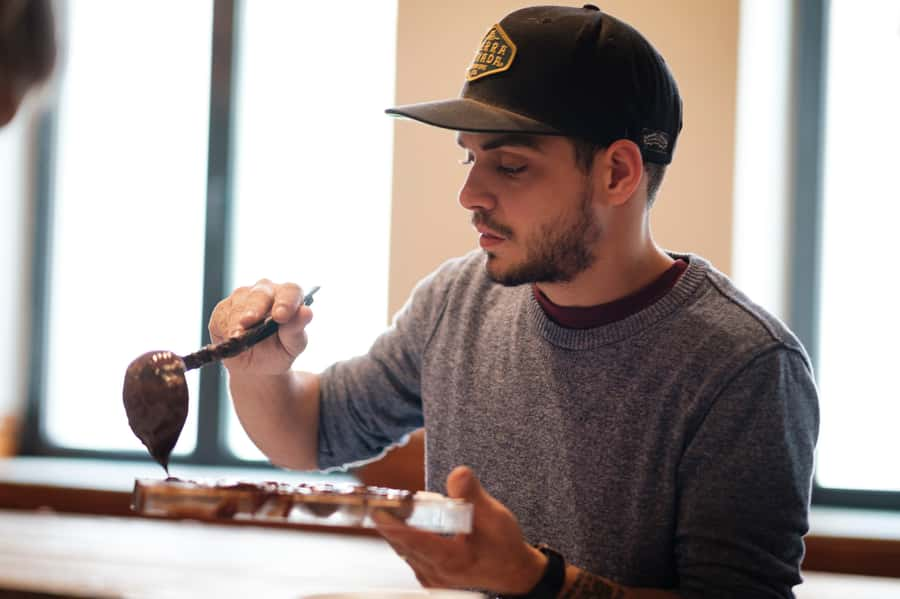
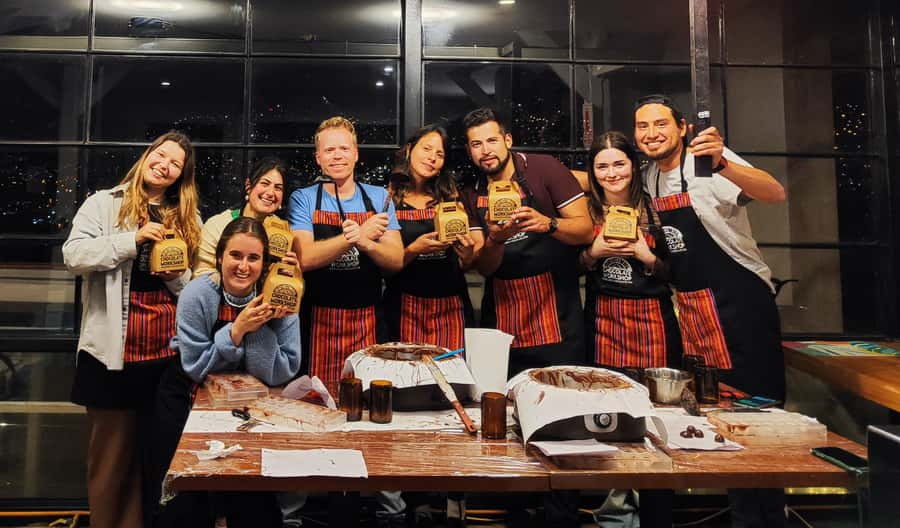
At the end, you receive a personalized box for your creations. The stated amount is around 21 pralines and 10 mendiants, along with the chocolate made during the class. That is enough to share with family or friends, though you may prefer to keep a few pieces for yourself after doing the work.
The take-home box adds real value to the price. At $47 per person, you are paying for a guided activity, ingredients, utensils, instruction, hot chocolate, and a finished collection of handmade sweets. You are not merely paying for a drink and a small tasting portion.
The value is strongest if you enjoy interactive food activities. You get an edible souvenir and a story to go with it. The box also makes the class a practical choice for an afternoon when you want an activity that is lighter than a full sightseeing tour.
Do remember that handmade chocolates can be delicate. The information does not specify special transport packaging beyond the provided box, so handle your creations carefully if you are carrying them around Cusco or taking them onward.
Is $47 a fair price?
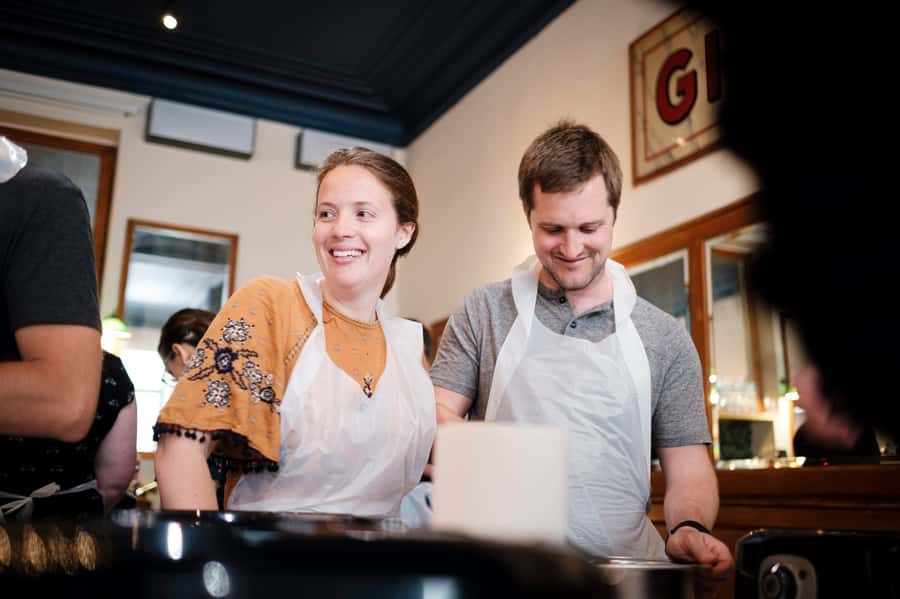
The price is reasonable for a two-and-a-half-hour class that includes 300 grams of chocolate per person, all ingredients, equipment, instruction, hot chocolate, and packaging. The quantity you make is a major part of the value. You leave with far more than a single decorative piece.
You are also paying for the setting and the teaching atmosphere. The panoramic Cusco view adds something that a basic kitchen classroom would not provide, while the friendly style of instructors such as David and Marco appears to be a strong part of the experience.
The price may feel less attractive if you only want to taste Peruvian chocolate. In that case, a chocolate shop or tasting may be cheaper and more focused. This class makes the most sense when you want to spend time making something yourself.
One booking issue deserves attention. The activity has had at least one reported cancellation shortly after booking, followed by a delay in receiving a refund. That does not define the whole experience, but it is a sensible reason to avoid scheduling it immediately before an important connection or fixed tour.
Free cancellation is available up to 24 hours before the activity for a full refund, and you can reserve now and pay later. Check the current terms and availability before committing.
Who should take this workshop?
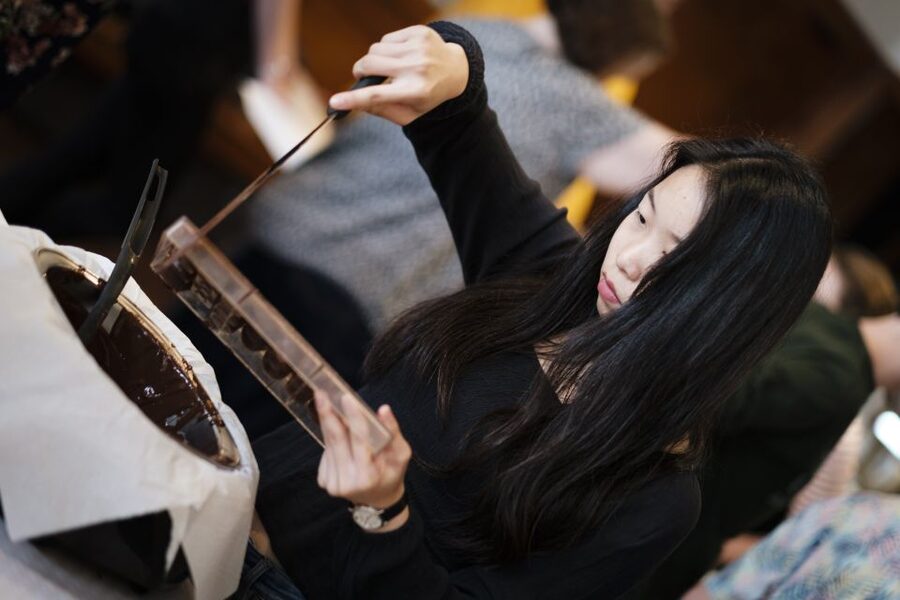
This is a good fit for adults, couples, friends, and families with children aged 12 or older who enjoy food-based activities. It also suits you if you want a social class with a friendly instructor rather than a formal culinary course.
Chocolate lovers will appreciate the chance to work with a regional cacao and compare different forms, including ganache, pralines, mendiants, and hot chocolate. You do not need to be an experienced cook. Assistance is provided from the beginning to the end.
It may be less suitable if you want a quiet, highly technical class. The teaching style appears lively and humorous, and the experience does not allow spectators. Everyone attending needs to take part.
It is also not suitable for children under 12, unaccompanied minors, or people with diabetes. If you have dietary or medical concerns, the supplied information does not list alternative ingredients, so ask the provider before booking.
What the workshop does not include
The class does not include pickup. You meet at Limbus Restobar and arrange your own way there.
It also does not appear to include a visit to cacao-growing country, a farm tour, or a full demonstration of roasting and opening the beans. One participant specifically wanted to see those steps. If that is your priority, this workshop may feel incomplete.
What you do get is a focused session on turning prepared chocolate into pralines and mendiants. The emphasis is on technique, fillings, decoration, tasting, and taking home your finished work.
Filtered water is included. All ingredients and utensils are provided, so you do not need to bring cooking equipment. The instructors assist throughout the process.
Should you book the Cusco chocolate workshop?
Book it if you want a hands-on Cusco activity with a strong local ingredient, a fine city view, and plenty of chocolate to take home. The combination of Chuncho cacao, Belgian-style pralines, homemade ganache, local jam, organic nuts, and hot chocolate gives the class more substance than a quick tasting.
I would especially recommend it for people who enjoy making their own souvenirs. The class is social, practical, and easy to fit into a Cusco stay. David’s energy and the friendly teaching style also seem to be central to its appeal.
Skip it if you mainly want to see cacao beans roasted and processed from the beginning, or if you prefer a short tasting with no hands-on work. For everyone else, $47 is a fair price for 150 minutes of instruction, ingredients, a view, a hot drink, and a box of handmade chocolates.
FAQ
How long does the chocolate workshop last?
The workshop lasts 150 minutes, or two and a half hours.
How much does the experience cost?
The price is $47 per person.
Where is the meeting point?
You meet at Limbus Restobar in Cusco. At reception, say you are there for the chocolate workshop or el taller de chocolate, and the receptionist will direct you.
Is hotel pickup included?
No. You need to meet the group directly at Limbus Restobar.
What will I make during the class?
You will make Belgian-style pralines and mendiants from scratch using chocolate, fillings, and toppings.
How many chocolates can I take home?
You can take home around 21 pralines and 10 mendiants of your own creation. A personal box is provided.
Is hot chocolate included?
Yes. The experience includes a hot chocolate tasting, and the instructors teach you how to make it.
What languages are available?
Instruction is available in English, Spanish, and French.
Are children allowed to attend?
Children under 12 are not allowed, and unaccompanied minors cannot attend. Spectators are not allowed, so everyone at the workshop must participate.
Just added around the world
- Lindt Chocolate Museum with Cruise Transfer from Zurich★ 4.6 · 7 reviews
- Zagreb: Lake Bled and Ljubljana Day Tour with Chocolate Gift★ 5.0 · 26 reviews
- Zurich: Chocolate Tasting and Walking Tour with a Local★ 4.2 · 13 reviews
- Zurich Open-top Tour and Chocolate and Cheese Countryside★ 3.5 · 11 reviews
- Wine and Chocolate experience★ 4.6 · 3 reviews
- York: Introduction to Chocolate Making Experience★ 4.9 · 10 reviews
- Zaandijk-Near Zaanse Schans Chocolate making demo & tasting★ 4.8 · 13 reviews
- Private Wine and Chocolate Tasting Experience★ 4.4 · 3 reviews
Chocolate Making Workshops, compared.
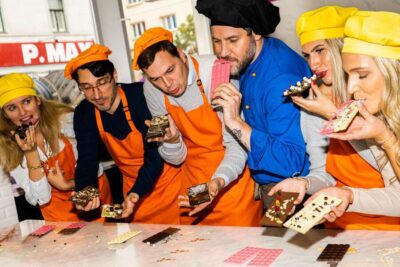
Chocolate Workshop in Chocolate Museum w/ Tasting
Read our review →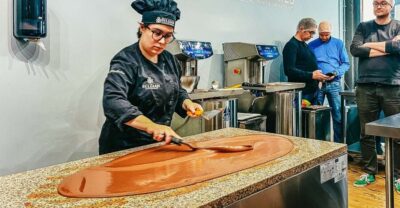
Belgian Chocolate Making Workshop with Tastings
Read our review →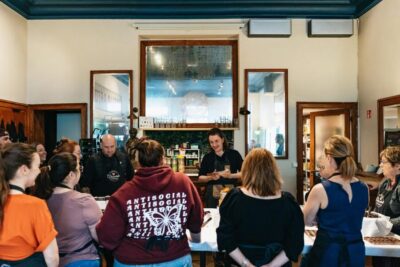
Belgian Praline and Mendiants Chocolate Workshop
Read our review →
1.5h Belgian Chocolate Workshop in Brussels (bean to bar)
Read our review →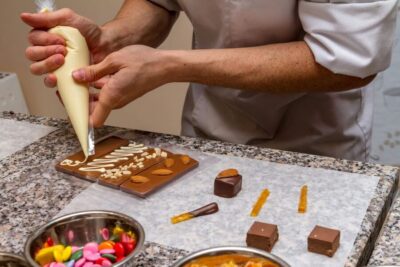
45-minute Chocolate Making Workshop at Choco-Story
Read our review →
Chocolate Bar Making Workshop at York Cocoa Works
Read our review →Browse the lists this tour appears in