
Review · PUERTO RICO
Cacao Walking Tour in Puerto Rico
Fresh cacao tastes nothing like a chocolate bar. That surprise is what makes this two-and-a-half-hour farm tour in Moca so appealing. I like the chance to see cacao growing on a working 20-acre farm, and I like that the visit goes beyond a basic tasting to cover compost, worm tea, contour farming, harvesting, and the full path from flower to chocolate. The main consideration is the hillside walking: you need a moderate level of fitness, and wet weather can affect the outing.
I also appreciate the family-friendly feel. Children as young as five and adults up to 70 have taken part, with the walk described as manageable. The tasting lineup is generous for the $35 price, though you may want to bring cash if you hope to buy chocolate bars at the end.
Key details at a glance
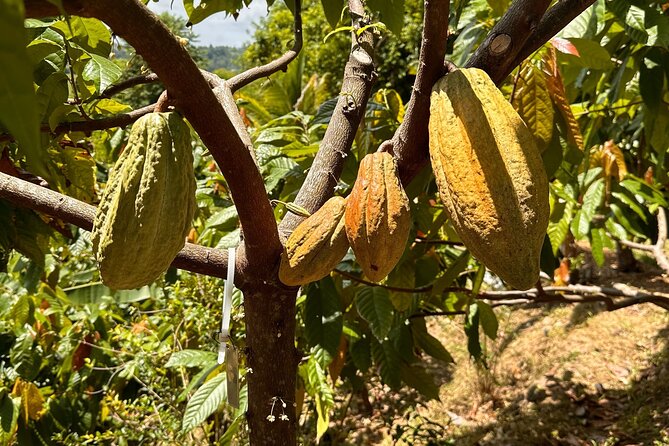
- Fresh cacao fruit straight from the tree: You get to taste cacao in its natural fruit form, before it becomes a dried bean or chocolate.
- A working 20-acre farm: The visit takes place at Finca La Providencia in Moca, with hillside paths and active farming methods.
- A full bean-to-bar lesson: The guide explains cacao from flower and fruit through harvesting, processing, and finished chocolate.
- Several tasting stages: Expect cacao fruit, dark chocolate in different percentages, hot chocolate, and cacao-husk tea.
- Family-friendly pacing: The walk has been suitable for children and older adults, though moderate physical fitness is still advised.
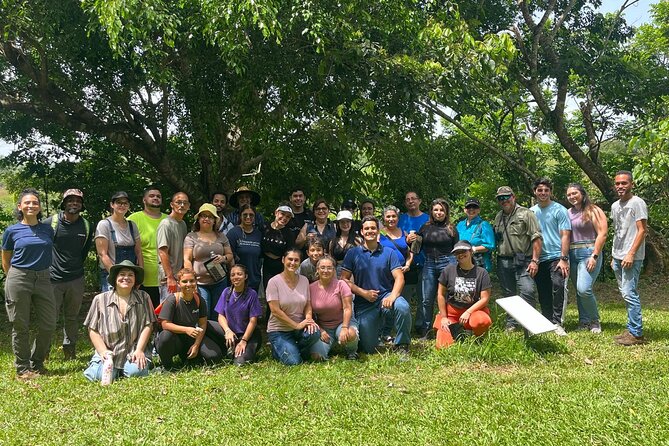
- Small enough to feel personal: The maximum group size is 30 people, so the guide can explain the farm without managing a huge crowd.
Arriving at Finca La Providencia in Moca
The tour begins and ends at Finca La Providencia, Carr 4419 km 1.2, Moca, Puerto Rico 00676. Since there is no separate drop-off point, you should plan to arrive at the farm and keep your transportation arranged for the same location after the tour.
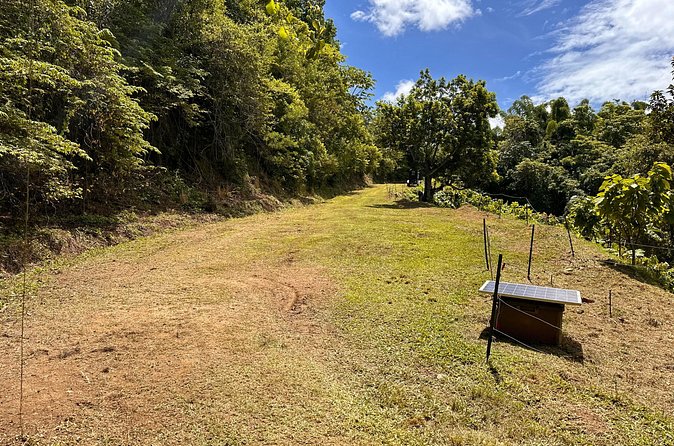
The setting matters here. This is not a chocolate shop with a few potted cacao trees out front. You are visiting a 20-acre farm where cacao is grown, maintained, harvested, and explained in place. That gives the visit a practical focus: you see the crop in the same environment where the farm team works with it.
The advertised duration is about two hours and 30 minutes, while the main farm visit is also described as a two-hour experience. I would allow the full two and a half hours, especially if you want to listen carefully during the tasting and browse the chocolate available for purchase afterward.
A mobile ticket makes entry simple. Confirmation is provided when you book, and the maximum group size is 30 people. That is large enough for a lively group but much more manageable than a big coach outing.
More Chocolate Walking Tours in the world:
- Brussels: Historical Walking Tour with Chocolate & Waffle Tasting
★ 5.0 · 1,165 reviews - Brussels Walking and Tasting Tour (Beers,Chocolates&Fries/Waffle)
★ 5.0 · 929 reviews - Brussels Chocolate Walking Tour and Workshop
★ 4.5 · 885 reviews
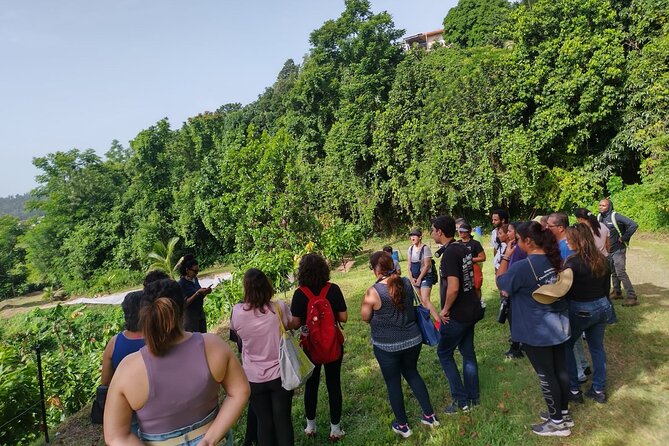
Walking the hillside paths and seeing contour farming
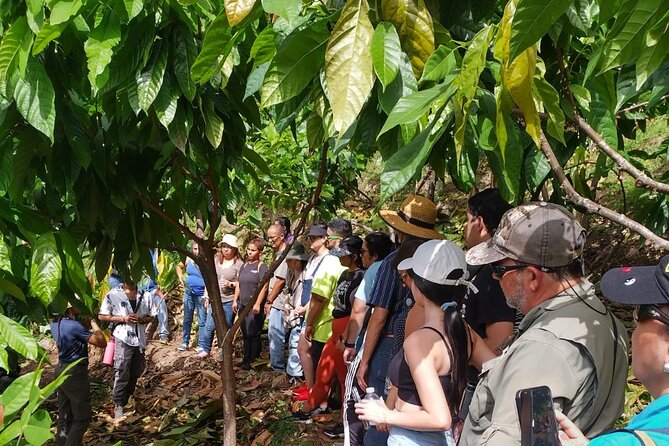
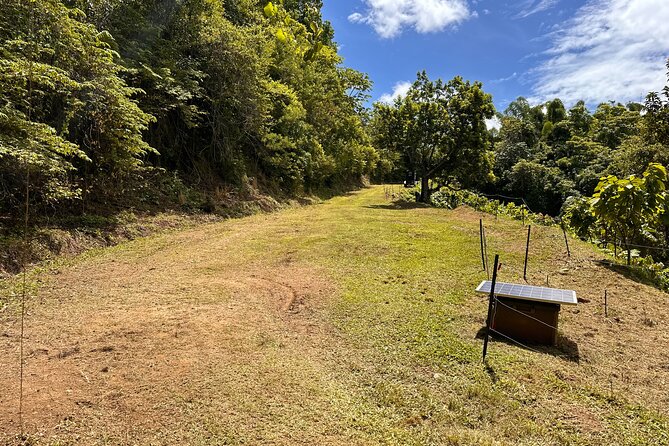
The walking portion takes you along prepared paths through the farm. These are hillside walkways, so this is more than a level stroll from a parking area to a tasting table. You should expect some uneven or sloped ground and wear shoes that you can walk in comfortably.
The farm uses contour farming, a method that follows the shape of the hillside rather than cutting straight up and down it. You do not need a farming background to understand why this matters. The arrangement helps the farm work with the slope and forms part of the wider effort to care for the soil and manage water.
This section gives the tour substance. Cacao tasting is easy to enjoy, but learning how a crop is grown helps you understand why fine chocolate costs more than an ordinary candy bar. You see that the final product begins with patient work in the soil long before anyone melts a bean into a drink.
The farm also explains organic compost and the preparation of worm tea. The name may sound unusual if you have not encountered it before, but the point is straightforward: the farm uses natural material and composting methods to support its plants. These details are especially useful if you like food tours that explain production rather than simply presenting finished samples.
Because the walk takes place outdoors, weather matters. The activity requires good weather, so a poor forecast can lead to a different date or a full refund. That is a sensible condition for a hillside farm visit, but it means you should avoid placing this tour immediately before an important departure if your schedule has no flexibility.
Following cacao from flower to fruit
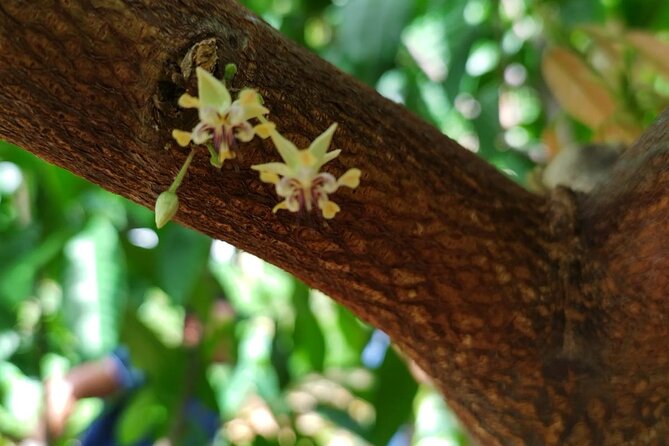
One of the best parts of the visit is the explanation of the cacao plant’s life cycle. The guide covers the path from delicate flower to mature fruit, helping you connect the plants around you with the chocolate you will taste later.
Cacao does not arrive at the table as a ready-made chocolate bar. The fruit grows on the tree, and inside it are the beans that later become the basis for chocolate. Seeing the fruit in place makes the bean-to-bar process easier to picture.
The farm includes a live cacao harvesting demonstration. This is a useful moment because it turns an abstract lesson into a visible farm task. You see how the fruit is selected and handled, then get the unusual chance to taste cacao fruit directly from the tree.
That fresh fruit tasting is likely to be the biggest surprise of the tour. The flavor and texture are different from the chocolate most people know, so it helps to approach it as a separate food rather than expecting a melted candy bar. I like this part because it gives you a clear before-and-after comparison: first the fruit in its natural state, then the processed forms served later.
The guide also explains the transition from bean to bar. The supplied information does not give every processing step or a detailed production timetable, so you should not expect a full factory demonstration. What you do get is a clear introduction to how cacao changes as it moves toward finished chocolate.
Tasting cacao at several stages
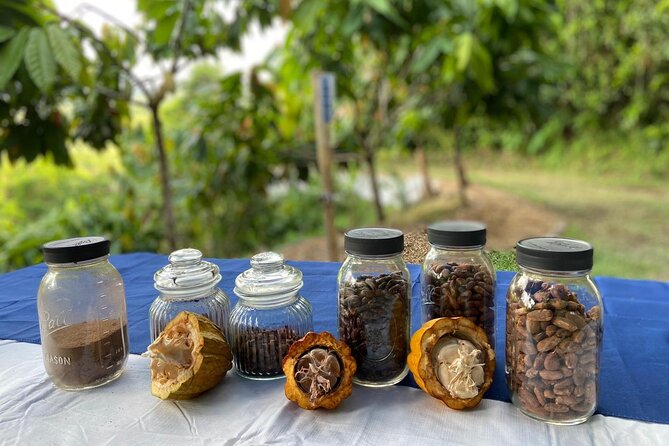
The tasting is not limited to one square of dark chocolate. You sample single-source fine cacao at different percentages, including 65 percent and 75 percent cacao. Comparing the two gives you a simple way to notice how a higher cacao percentage can change the taste and balance of a chocolate.
You also receive hot chocolate. After walking the farm, this is a pleasant way to finish the tasting portion, and it helps show how cacao works in a drink as well as in a bar. The tour includes snacks and bottled water too, so you are not relying on the chocolate samples alone during the visit.
Cacao-husk tea adds another useful comparison. The husk is part of the cacao material left after processing, and the tea offers a lighter, more aromatic way to experience the crop. It is not simply another cup of hot cocoa. I would pay attention to the difference between the tea and the hot chocolate, since they show how many forms one crop can take.
The tasting is well suited to curious eaters rather than people seeking a full meal. Breakfast and lunch are not included, so plan your food around the tour. The included snacks help, but they should not be treated as lunch.
Chocolate bars are available for purchase at the farm. One practical tip comes directly from the experience: bring cash if you want to shop at the end. The information does not specify the payment methods accepted, so cash is the safest choice. Buying a bar also gives you a way to take the farm’s single-source cacao home, though the purchase is optional.
A few more chocolate tours around the world worth a look
- Lindt Home of Chocolate Museum Entry Ticket
★ 4.7 · 9,329 reviews - Choco-Story Brussels: Chocolate Museum Entrance with Tasting
★ 4.3 · 4,883 reviews - Zurich: City Tour, Cruise, and Lindt Home of Chocolate Visit
★ 4.5 · 4,624 reviews - The Chocolatarium Chocolate Tour Experience in Edinburgh
★ 5.0 · 4,322 reviews
What the $35 price gets you
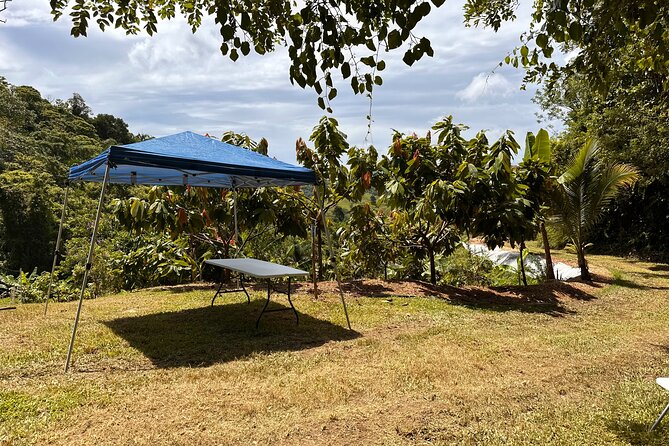
At $35 per person, this is a solid value if you want more than a quick tasting. The fee includes an in-person guide, the farm walk, bottled water, snacks, cacao-husk tea, hot chocolate, fresh cacao tasting, and dark chocolate samples at different cacao percentages.
The price works because the tour combines several kinds of activity:
- A working farm visit
- An introduction to sustainable growing methods
- A cacao life-cycle lesson
- A harvesting demonstration
- A bean-to-bar explanation
- Multiple food and drink tastings
If you only want a large serving of hot chocolate, this is not the most direct use of your money. You are paying for the setting, the explanation, and the chance to taste cacao at stages that are difficult to experience in a regular shop.
I also think the group limit helps the value. With no more than 30 people, the guide has a better chance of answering questions and making the plant-focused parts understandable. It is not a private tour, so the experience can still feel group-oriented, but it should be more focused than a mass-market attraction.
The price does not include a meal, transportation, or chocolate purchases. Those are not hidden drawbacks, just costs to plan around. If you are already in the Moca area, the tour is easier to justify. If you need a long transfer from another part of Puerto Rico, compare the total time and transportation cost with the $35 admission.
Why families may enjoy this farm visit
The tour has a useful mix of hands-on sights and short explanations. Children can see cacao fruit on trees, watch a harvesting demonstration, and taste chocolate and tea. Adults get more from the sections on farming methods, compost, and the bean-to-bar process.
The walk has worked for a wide age range, including children from five to 18 and adults up to 70. That does not mean every person will find the hills easy. The stated requirement is moderate physical fitness, so anyone with trouble walking on slopes should consider that before booking.
Language can also work well for a mixed family group. One family group received explanations in Spanish for adults and English for children. No specific guide names are provided, but that bilingual approach may be helpful if your group uses both languages.
I would bring water even though bottled water is included, especially if you are sensitive to heat. Comfortable walking shoes are more important than anything fancy. You may also want sun protection, though the available information does not specify how much shade the route provides.
The practical trade-offs to consider
The tour’s best qualities come with a few limits. It is outdoors, it includes hills, and the weather can cancel or change the schedule. This is not a problem if you plan with some flexibility, but it is worth noting before you book.
The activity is also centered on cacao rather than Puerto Rican food in general. If you want a broad local cooking tour, this will feel narrow. If you want to understand one important crop from cultivation through tasting, the focused subject is a strength.
There is no separate lunch stop. The included snacks and drinks support the visit, but you should eat beforehand or plan a meal afterward. Since the tour returns to the farm meeting point, you can organize the rest of your day around that location.
The walk lasts roughly two to two and a half hours, so it deserves a real place in your schedule. Do not squeeze it between two appointments with only a few minutes to spare. The visit is more enjoyable when you have time to stop, taste, ask questions, and shop without rushing.
Cancellation is free if you cancel at least 24 hours before the local start time. Changes or cancellations made less than 24 hours before the start are not refunded. If poor weather or an insufficient number of bookings causes the farm to cancel, you are offered another date or a full refund.
Who should book the cacao tour
I would recommend this experience to anyone who enjoys food with a clear sense of place. It is especially good for families, chocolate fans, visitors interested in sustainable farming, and people who prefer a working farm to a polished retail attraction.
It also suits you if you like learning through comparison. Fresh cacao fruit, cacao-husk tea, hot chocolate, and 65 percent and 75 percent dark chocolate give you several ways to notice how the crop changes.
I would think twice if you dislike outdoor walking, have difficulty with hills, or want a full meal included. The farm paths are prepared, but this is still a working hillside property. I would also choose another activity if your schedule cannot handle a weather-related change.
Should you book Finca La Providencia?
Book it if you want a fairly priced, family-friendly look at cacao in Puerto Rico, with real farm context and plenty to taste. The strongest reasons are the fresh fruit from the tree, the live harvesting demonstration, the clear bean-to-bar lesson, and the range of chocolate and tea samples.
Skip it if you want a short indoor tasting or a general Puerto Rican food tour. For most people who can manage a moderate hillside walk, the $35 cost buys a well-rounded visit rather than a single chocolate sample. Bring comfortable shoes, leave room in your schedule, and carry cash if you plan to take home a bar.
FAQ
Where does the cacao tour begin and end?
The tour begins and ends at Finca La Providencia, Carr 4419 km 1.2, Moca, Puerto Rico 00676.
How long does the experience last?
The experience lasts approximately two hours and 30 minutes. The farm visit itself is also described as a two-hour tour, so allow the longer time when planning your day.
What food and drinks are included?
The tour includes snacks, bottled water, cacao-husk tea, hot chocolate, cacao fruit tasting, and dark chocolate tasting at 65 percent and 75 percent cacao.
Is lunch included?
No. Lunch and breakfast are not included.
Is the tour suitable for children?
The experience has been suitable for children from age five through teenagers, as well as adults up to age 70. A moderate level of physical fitness is advised because the tour includes walking on hillside paths.
What happens if the weather is poor?
The activity requires good weather. If the farm cancels because of poor weather, you can receive a different date or a full refund.
Just added around the world
- Lindt Chocolate Museum with Cruise Transfer from Zurich★ 4.6 · 7 reviews
- Zagreb: Lake Bled and Ljubljana Day Tour with Chocolate Gift★ 5.0 · 26 reviews
- Zurich: Chocolate Tasting and Walking Tour with a Local★ 4.2 · 13 reviews
- Zurich Open-top Tour and Chocolate and Cheese Countryside★ 3.5 · 11 reviews
- Wine and Chocolate experience★ 4.6 · 3 reviews
- York: Introduction to Chocolate Making Experience★ 4.9 · 10 reviews
- Zaandijk-Near Zaanse Schans Chocolate making demo & tasting★ 4.8 · 13 reviews
- Private Wine and Chocolate Tasting Experience★ 4.4 · 3 reviews
Walking Tours, compared.
Historical Walking Tour with Chocolate & Waffle Tasting
Read our review →
Brussels Walking and Tasting Tour (Beers,Chocolates&Fries/Waffle)
Read our review →

Saint-Germain: Gourmet Chocolate & Pastry Walking Food Tour
Read our review →
Walking Food Tour with Chocolate, Beer, & Waffles
Read our review →
Melbourne Lanes & Arcades Chocolate and Dessert Walking Tour
Read our review →
Browse the lists this tour appears in