
Review · GHANA
Accra: Aburi Botanical Garden, Cocoa Farm, and Waterfall …
Nature starts outside Accra. This six-hour private outing combines Aburi Botanical Garden and its old tropical trees with the hands-on appeal of cocoa farming. I like the mix of plants, local history, and forest scenery, and I also like that transport, lunch, water, entry fees, and a live English-speaking guide are included. The main consideration is time: three stops plus the drive leave little room for lingering.
The cocoa farm gives this trip a clear sense of place. You do not just look at trees, you learn how pods are grown, opened, fermented, and dried, then taste fresh cocoa beans. The final walk to Asenema Waterfall adds a cool, quiet finish, though you should be ready for moderate walking and a short forest hike.
Key points at a glance
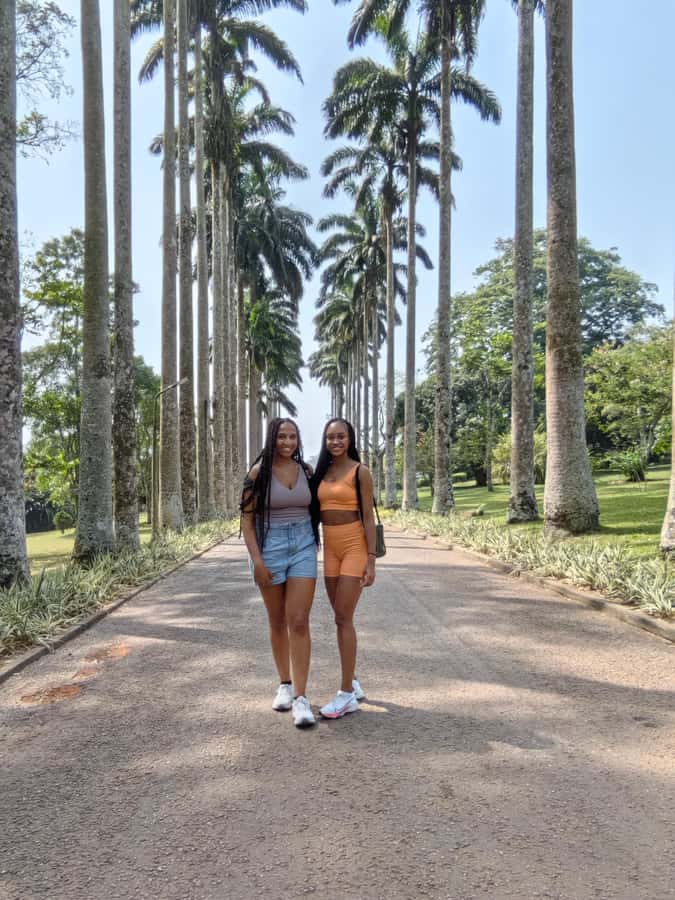
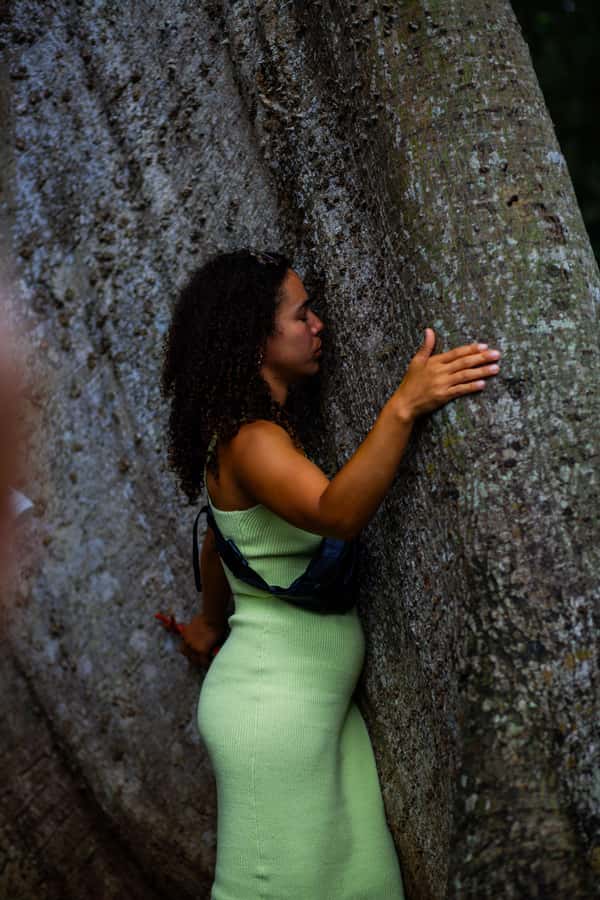
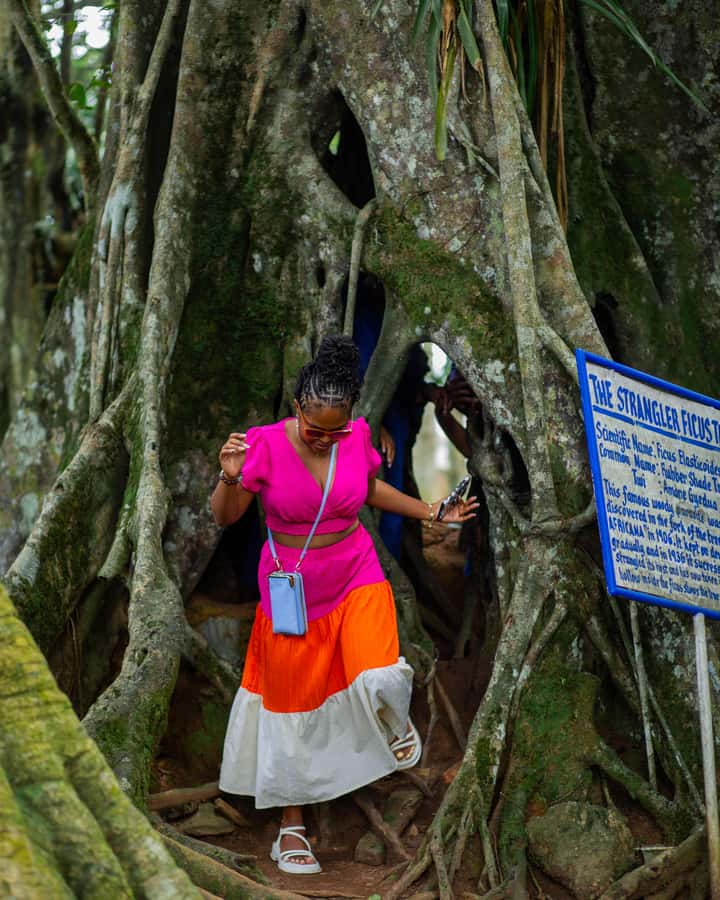
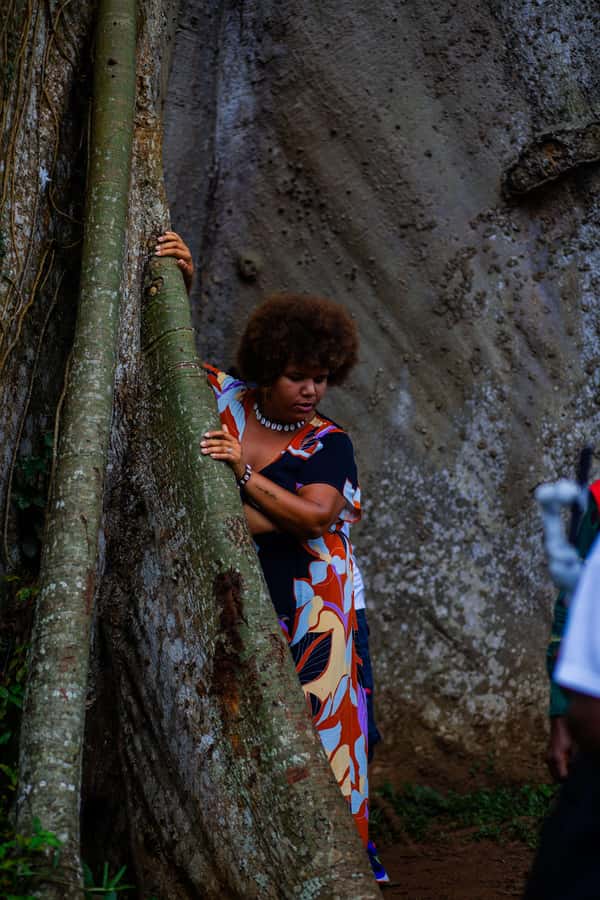
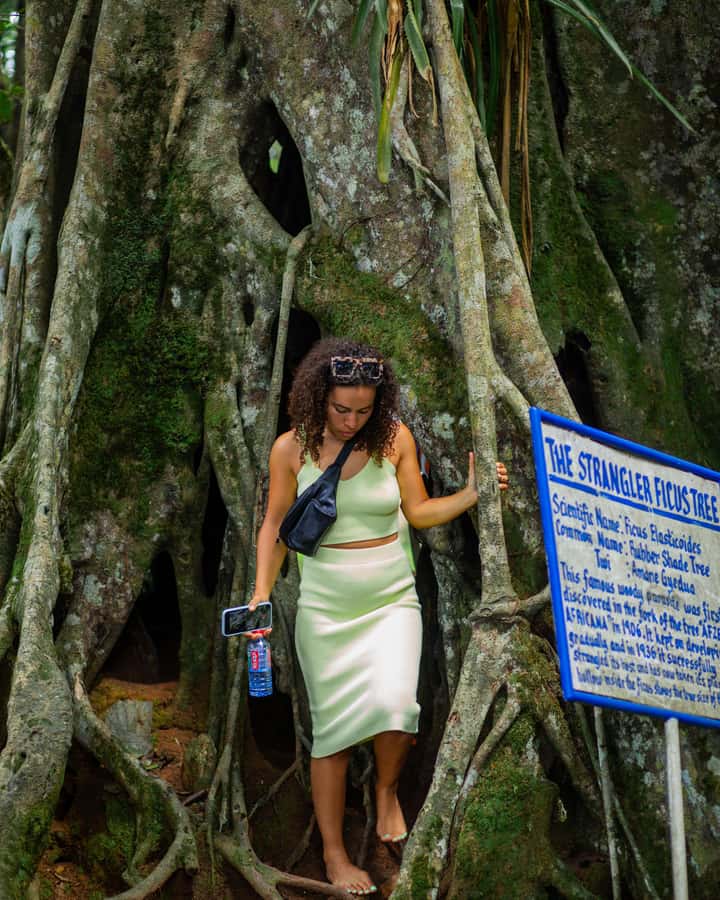
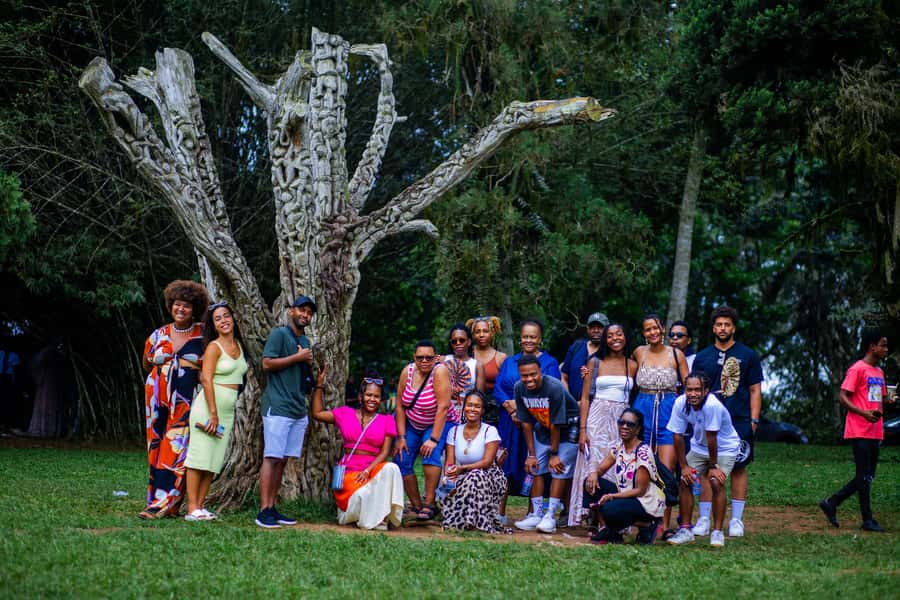
- A 160-acre garden founded in 1890: Aburi offers wide grounds, tropical plants, towering Kapok trees, an old Strangler Fig, and a royal palm avenue.
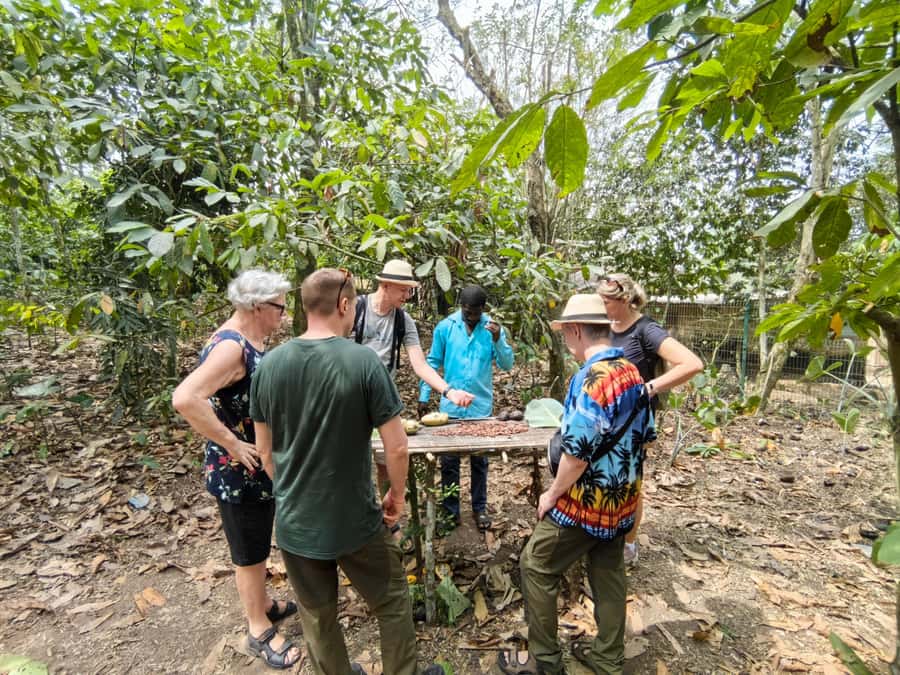
- Cocoa history you can taste: At Tetteh Quarshie Cocoa Farm, you can open a cocoa pod and sample the fresh beans.
- A short walk to falling water: The path to Asenema Waterfall passes through forest and ends at a pool below a rocky cliff.
- A private six-hour outing: Your group has its own car and live English-speaking guide, rather than joining a large shared group.
- A mostly bundled price: The $194 per-person cost covers transport, lunch, water, guides, and entry fees, with personal spending left out.
Why this Accra day trip works
Accra is a useful base, but its traffic and warm city streets can make you crave open air. This trip heads toward Ghana’s Eastern Region, where the roads lead into rolling hills and greener views. The drive is part of the experience, not just a transfer, since it moves you from the city into a setting shaped by gardens, farms, and forest.
I see the itinerary as three different lessons in one day. The botanical garden explains Ghana’s plant life. The cocoa farm connects agriculture with national history and daily work. Asenema Waterfall gives you a simple place to slow down before returning to Accra.
That variety is the strongest reason to book. You are not spending six hours on one narrow theme. If you enjoy nature but also want cultural context, the trip gives you both without requiring a separate booking for every stop.
The private format matters, too. A car and a dedicated guide make it easier to ask questions and keep the pace suited to your group. The published experience does not give a precise pickup schedule or detailed driving time, so check the available start times before booking. Since the outing includes three destinations, an early start may help you get more time at each stop.
More Cacao Farm Tours in the world:
- Lahaina: Maui Ku’ia Estate Guided Cacao Farm Tour and Tasting
★ 5.0 · 1,103 reviews - Award Winning Farm Tour: Coffee, Chocolate and Unique Gifts
★ 5.0 · 484 reviews - Lahaina: Maui Ku’ia Estate Guided Cacao Farm Tour & Tasting
★ 4.8 · 137 reviews
The drive from Accra into the Eastern Region
The trip begins with transportation by car from Accra. As the urban setting gives way to hills and plant-covered countryside, you get a useful change of pace. This is not a long wilderness expedition, but it does offer a calm break from the city.
I would treat the drive as a chance to watch Ghana shift around you. The trip description points to rolling hills and greener views, so keep your camera handy rather than packing it away between stops. Exact road conditions and traffic can affect how long you spend at each destination, and the six-hour total includes the transfers.
Your English-speaking guide is with you during the experience. One five-star booking from the United States specifically praised the guide, calling the guide awesome. That short comment does not tell you the guide’s name or give a full account of the day, but it does underline an important part of this outing: the guide is not an optional extra. The explanations at the garden and cocoa farm are central to making the stops worthwhile.
Aburi Botanical Garden and its old tropical trees
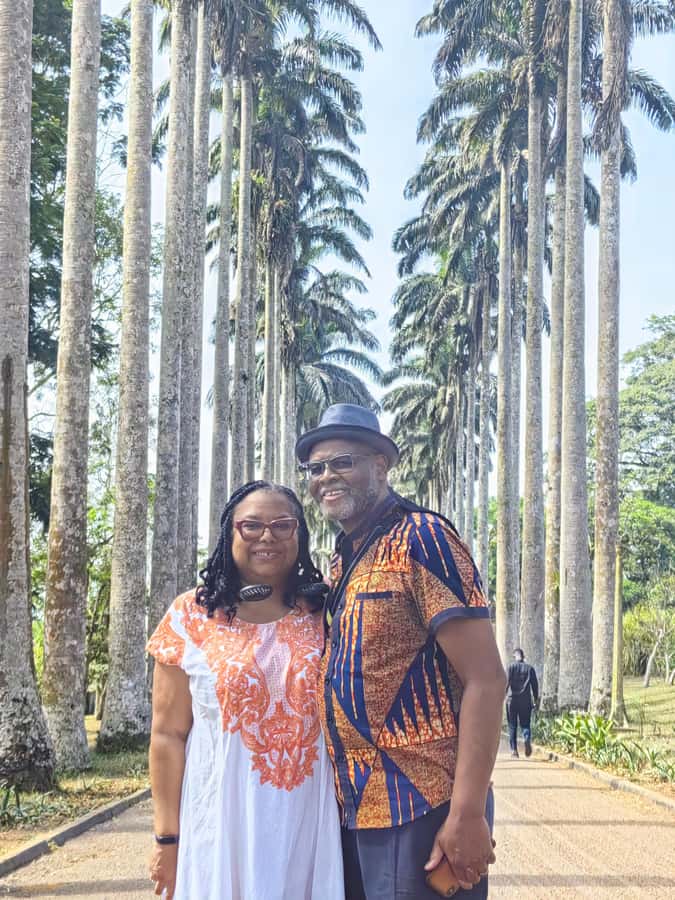
Aburi Botanical Garden was established in 1890 and covers 160 acres. That gives you room to walk among tropical plants, trees, and flowers rather than simply stopping at a small urban park for a quick photograph.
The garden’s age adds meaning. It is not only a pleasant place for shade and fresh air. It also reflects the long history of organized plant study and cultivation in Ghana. A guided visit helps you understand what you are seeing instead of passing every tree as anonymous greenery.
Several features are singled out as highlights:
- Tall Kapok trees
- An ancient Strangler Fig
- An avenue lined with royal palms
- Sections containing tropical plants, trees, and flowers
The royal palm avenue should make a strong photo stop, while the Kapok trees give you a sense of the scale possible in a mature tropical garden. The Strangler Fig is the sort of feature that benefits from a guide’s explanation, especially if you want to understand how a tree that begins by growing around another structure can develop over time.
The grounds are broad, so comfortable footwear is important. The outing calls for a moderate amount of walking, not just a few steps from a vehicle to a viewpoint. A hat and sunscreen also make sense, even though some parts of the garden may offer shade.
The drawback is that a six-hour trip cannot give you unlimited time across 160 acres. You will probably see selected areas rather than inspect every corner. I would focus on the guided route and ask questions while you are there, since the guide can help you notice the most significant plants quickly.
Tetteh Quarshie Cocoa Farm and Ghana’s cocoa story
The cocoa farm is the most distinctive stop on this outing. It connects a familiar product, chocolate, with a specific Ghanaian story.
The farm is named for Tetteh Quarshie, a Ghanaian blacksmith who brought the first cocoa beans from Fernando Po, now Bioko in Equatorial Guinea, in the late nineteenth century. The farm marks the beginning of Ghana’s path toward becoming one of the world’s leading cocoa producers.
That context gives the visit more weight than a simple agricultural walk. Cocoa has played a major role in Ghana’s economy, and the farm lets you connect that national story to the work of growing and processing the crop. You see how a product sold around the world begins with a tree, a pod, and careful post-harvest treatment.
A guide takes you through the basic process:
- Planting and caring for cocoa trees
- Harvesting mature cocoa pods
- Opening the pods
- Fermenting the beans
- Drying the beans before production
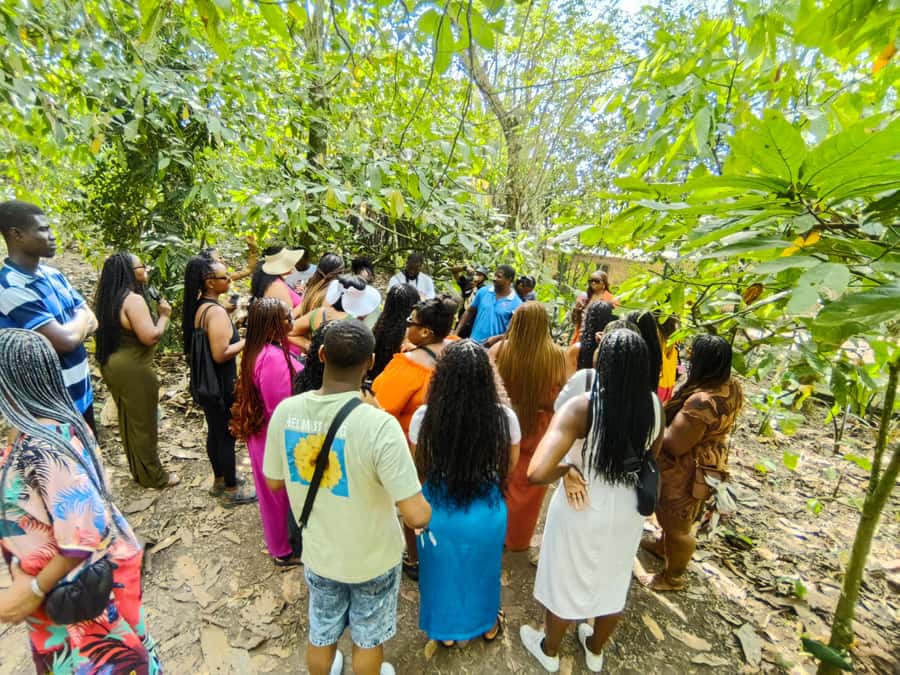
The hands-on moment comes when you crack open a pod and taste the fresh beans. Do not expect the flavor of a finished chocolate bar. Fresh cocoa beans are part of an earlier stage in the process, and tasting them helps you understand how much work comes between the farm and the sweets sold in shops.
This is also the stop where questions pay off. Ask about the stages you are shown, especially fermentation and drying, because those steps affect the quality of the final cocoa. The included guide is useful here, since the farm’s value comes from explanation as much as from the trees themselves.
You should also keep your expectations practical. This is a visit to a working cocoa farm with a historical connection, not a chocolate factory tour. The supplied details do not promise chocolate-making demonstrations, a shop, or a large tasting menu. You get the farm setting, the cultivation story, and a taste of fresh beans.
A few more chocolate tours around the world worth a look
- Lindt Home of Chocolate Museum Entry Ticket
★ 4.7 · 9,329 reviews - Choco-Story Brussels: Chocolate Museum Entrance with Tasting
★ 4.3 · 4,883 reviews - Zurich: City Tour, Cruise, and Lindt Home of Chocolate Visit
★ 4.5 · 4,624 reviews - The Chocolatarium Chocolate Tour Experience in Edinburgh
★ 5.0 · 4,322 reviews
The short forest walk to Asenema Waterfall
The day ends at Asenema Waterfall near Adukrom. Reaching it requires a short, easy hike along a forested path. The walk adds just enough effort to make the waterfall feel like a reward, without turning the outing into a demanding trek.
At the end of the path, water drops over a rocky cliff into a clear pool below. You can take photos, dip your feet, or sit and listen to the falling water. After time in the sun and on the road, this quieter stop gives the day a natural pause.
The waterfall is especially useful as a change of rhythm. Aburi asks you to look closely at plants. The cocoa farm asks you to follow a process. Asenema asks you to stop doing much at all. I like that progression.
Bring shoes you can walk in comfortably. The hike is described as short and easy, but the full outing includes moderate walking, and a forest path may not feel as smooth as a paved garden route. Sunscreen and a hat remain sensible for the wider day, while a camera will help capture the water, trees, and rocky setting.
The information provided does not confirm swimming conditions or changing facilities. You can dip your feet, but do not plan the day around a full swim unless your guide confirms that it is suitable. The safest expectation is a peaceful rest stop with photo opportunities.
What the $194 price includes
At $194 per person, this is not a bare entry-ticket outing. The price includes car transportation, a guided tour of Aburi Botanical Garden, the cocoa farm visit, the waterfall stop, a live English-speaking guide, lunch, water, and entry fees at all destinations.
That package changes how I judge the cost. You are paying for a private group experience rather than simply hiring transport to one attraction. You also avoid having to calculate separate admission charges and arrange a guide at each main stop.
The value is strongest for people who want a straightforward day outside Accra. If you had to organize a car, driver, garden entry, cocoa farm access, waterfall transport, lunch, and local explanations separately, the convenience could be worth a lot. The included meal and water are helpful on a warm day, when stopping to buy basics can eat into your sightseeing time.
Still, the price may feel high for someone traveling alone or someone interested in only one destination. The experience is built around a full three-stop route, and you pay for the private structure and bundled services. Personal expenses are not included, so set aside money for anything beyond the listed package.
Who should book this experience
I would recommend this outing to you if you want a broad introduction to the Eastern Region without arranging several separate trips. It suits people who enjoy gardens, local agriculture, short walks, and scenic drives more than people looking for a strenuous outdoor adventure.
It also works well for a private group that values flexibility and conversation. With your own car and guide, you can ask about the garden, cocoa, and local area as you go. The English-language format is useful if you want the explanations delivered directly rather than relying on written signs.
Families and mixed-interest groups may appreciate the variety. One person can focus on plants, another on Ghana’s cocoa story, and another on the waterfall. The moderate walking requirement is worth noting for anyone who needs a low-effort day, since the itinerary still includes garden paths and a forest route.
I would be less likely to choose it if you want a slow, highly specialized visit. Three attractions in six hours means the day has a clear pace. You will see a useful selection at each stop, but you should not expect hours of unstructured time at the garden or waterfall.
Practical preparation for the day
Wear comfortable walking shoes. That is the most important packing choice, since the garden involves walking and the waterfall requires a forest path.
Bring a hat, sunscreen, and a camera. The hat and sunscreen protect you during the outdoor portions, while the camera is useful for the royal palms, large trees, cocoa pods, and waterfall.
Water and lunch are included, so you do not need to plan around buying those during the day. Personal expenses are not included, so keep funds available for anything outside the package.
The experience offers free cancellation up to 24 hours before the start time, with a full refund, and you can reserve now and pay later. Check the available starting times before you commit, since the exact schedule is not stated and the six-hour route needs enough daylight and travel time.
Should you book it?
Book this trip if you want one well-rounded day that links Ghanaian plants, cocoa farming, and a forest waterfall. The strongest features are the private car, included guide and meals, the chance to taste fresh cocoa beans, and the contrast between Aburi’s historic garden and Asenema’s quiet water.
Think twice if you prefer one slow attraction or dislike moving between several stops. For most visitors with limited time in Accra, though, $194 per person is a reasonable package price when you value private transport, entry fees, lunch, water, and guided context. Pack good shoes, expect a full day of walking and driving, and let the cocoa farm be the cultural center of the outing.
FAQ
Where does this experience take place?
The trip starts in Accra and visits destinations in Ghana’s Eastern Region, including Aburi Botanical Garden, Tetteh Quarshie Cocoa Farm, and Asenema Waterfall near Adukrom.
How long does the experience last?
The experience lasts six hours.
Is transportation included?
Yes. Transportation by car is included.
Is this a private tour?
Yes. It is offered for a private group.
What language is the tour conducted in?
The live tour guide speaks English.
Are entry fees included?
Yes. Entry fees to all destinations are included.
Is lunch included?
Yes. Lunch and water are included in the price.
What should I bring?
Bring comfortable shoes, a hat, sunscreen, and a camera. The day includes moderate walking and a short hike to the waterfall.
Just added around the world
- Lindt Chocolate Museum with Cruise Transfer from Zurich★ 4.6 · 7 reviews
- Zurich Open-top Tour and Chocolate and Cheese Countryside★ 3.5 · 11 reviews
- Zagreb: Lake Bled and Ljubljana Day Tour with Chocolate Gift★ 5.0 · 26 reviews
- Zurich: Chocolate Tasting and Walking Tour with a Local★ 4.2 · 13 reviews
- Wine and Chocolate experience★ 4.6 · 3 reviews
- York: Introduction to Chocolate Making Experience★ 4.9 · 10 reviews
- Zaandijk-Near Zaanse Schans Chocolate making demo & tasting★ 4.8 · 13 reviews
- Private Wine and Chocolate Tasting Experience★ 4.4 · 3 reviews
Cacao Farm Tours, compared.
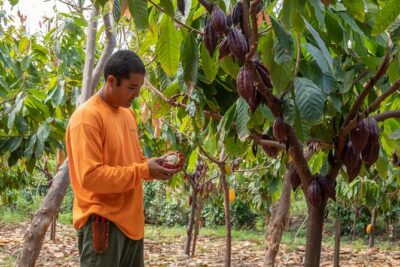
Maui Ku’ia Estate Guided Cacao Farm Tour and Tasting
Read our review →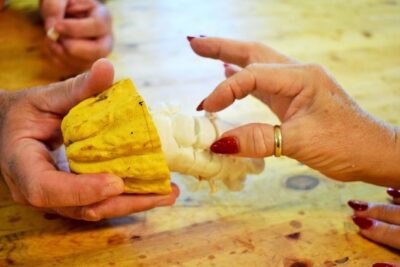
Award Winning Farm Tour: Coffee, Chocolate and Unique Gifts
Read our review →
Maui Ku’ia Estate Guided Cacao Farm Tour & Tasting
Read our review →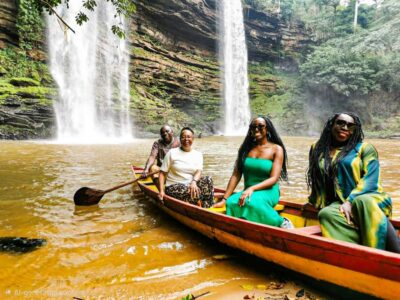
Boti Falls, Umbrella Rock, Aburi Gardens & Cocoa Farm Tour
Read our review →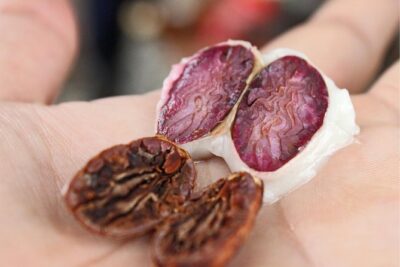
Cuenca to Guayaquil one-way tour with Cajas Park and a Cacao Farm visit
Read our review →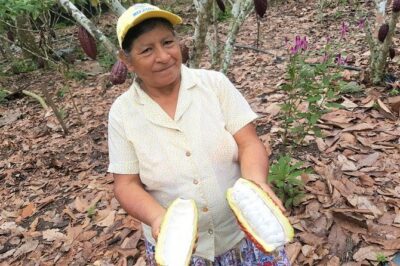
Guayaquil to Cuenca one-way tour with Cajas Park and a Cacao Farm visit
Read our review →
Floating Market, Canal, Cacao Farm & Mekong’ Life
Read our review →Browse the lists this tour appears in