
Review · KENYA
A Visit To KIBERA The Chocolate City.
Kibera gives Nairobi another face. This three-hour walk pairs local guidance with a close look at daily life in one of Africa’s largest informal settlements. I like the direct, community-based approach, and I like that public transport forms part of the outing instead of keeping you behind a tour vehicle.
The main consideration is comfort. You will walk through narrow paths and busy areas, and the tour is not suitable for children under five, wheelchair users, visually impaired people, or babies under one. You also need to follow the guide’s safety instructions closely, especially when moving through unfamiliar parts of the neighborhood.
The experience costs $20 per person, which is a fair price if you want context rather than a quick drive-by view. Guides named Musa and Moses have been praised for their warm manner and clear explanations, with one guide even sharing parts of his home and family life. Confirm the exact meeting point before setting out, since the details mention both a mall meetup and the main gate of Olympic Primary School.
Key points before you book
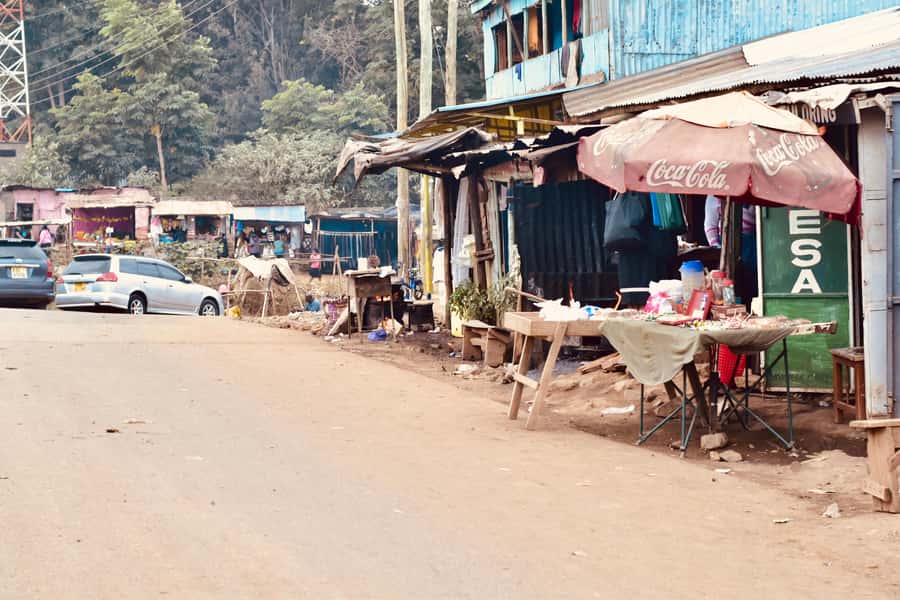
- Start at Olympic Primary School: The stated meeting point is the school’s main gate, near Olympic Estate in Nairobi.
- Public transport is part of the experience: You do not simply arrive by private vehicle and leave again. Getting to Kibera forms part of the visit.
- Expect a walking tour of about three hours: The route includes sightseeing, local snacks, a food market, a safety briefing, and time to stop along the way.
- Meet local residents through a personal guide: The strongest part of the experience is the guide’s connection to the community.
- You may visit homes, a pub, and a factory: The exact stops can vary, but past tours have included several everyday places rather than only major landmarks.
- The tour is about understanding, not spectacle: It aims to explain Kibera’s past, present, daily pressures, and improvement efforts.
Starting at Olympic Primary School

The tour begins at the main gate of Olympic Primary School. This gives you a clear public landmark and a practical place to meet your English-speaking guide. You should allow time to find the gate and arrive ready to walk, since the meeting point is described specifically as the school entrance rather than a hotel pickup.
There is a small detail worth checking before booking: the inclusions refer to meeting at a mall, while the meeting instructions name the main gate of the school. That may simply refer to an initial meetup followed by the walk, but you should confirm the exact arrangement with Kibera Explorer before the day of your visit.
Once you meet your guide, the safety briefing sets the tone. This is not a place for wandering off to take photographs or treating homes and people as scenery. The guide helps you understand where to walk, when to stop, and how to behave respectfully.
That guidance matters in Kibera. A local guide can explain the difference between looking at a neighborhood and entering it with some care. The best moments come from listening, asking sensible questions, and allowing the guide to decide how close you get to private spaces.
A few more chocolate tours around the world worth a look
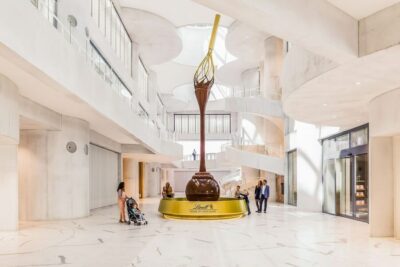
- Lindt Home of Chocolate Museum Entry Ticket
★ 4.7 · 9,329 reviews - Choco-Story Brussels: Chocolate Museum Entrance with Tasting
★ 4.3 · 4,883 reviews - Zurich: City Tour, Cruise, and Lindt Home of Chocolate Visit
★ 4.5 · 4,624 reviews
Reaching Kibera by public transport
Public transport is included as part of the route to Kibera. That choice adds useful context. You are not only being shown the destination, you are also getting a sense of how people move through Nairobi as part of ordinary life.
The transport section may feel less polished than a private transfer. That is part of the point, but it also means you should expect a little less control over timing and personal space. The tour lasts three hours, so the journey and walking sections share the available time.
I like this setup because it keeps the experience connected to the city around Kibera. You are not placed in a sealed sightseeing bubble. The guide can explain what you are seeing as the route moves from the wider Nairobi area toward the settlement.
The tour is conducted in English. If you want to ask about housing, schools, work, services, or local projects, prepare a few questions in advance. A good question often turns a passing view into a useful conversation.
Walking through Kibera’s everyday streets
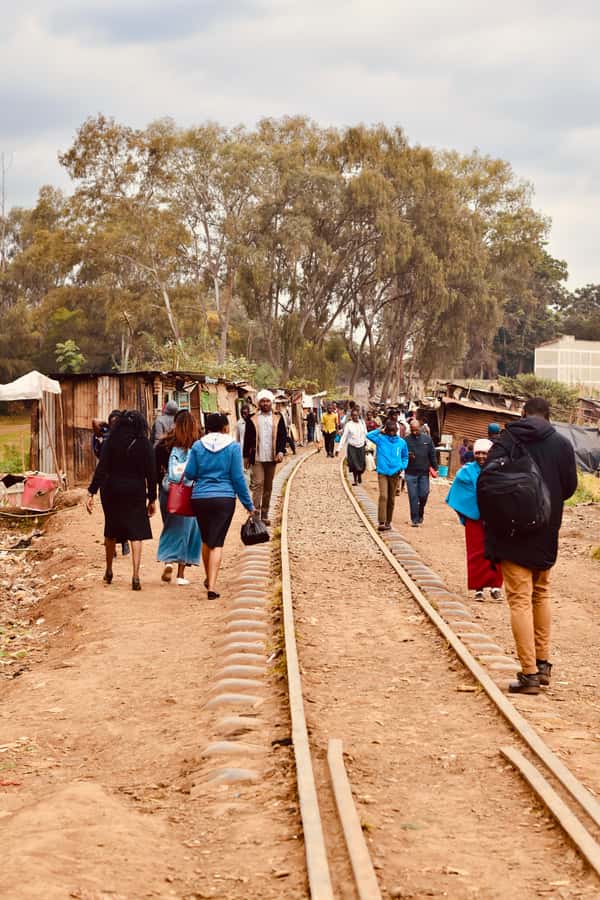
The central part of the tour is on foot. You follow narrow pathways through the community while the guide explains how residents manage daily life with limited resources and ongoing pressure on infrastructure.
The point is not to collect dramatic images. Kibera is also a place where people work, raise families, socialize, and build businesses. Your guide’s job is to show the ordinary side of the neighborhood, not only its difficulties.
The experience includes visits to significant local places tied to Kibera’s story. The exact route is not fixed in the information provided, but past outings have included several districts, a pub, a house, and a factory. Those stops give the walk more variety than simply following a road and hearing general facts.
A visit to a home can be especially revealing, but it also requires care. You should follow the guide’s lead and avoid assuming that every resident wants to speak or be photographed. The strength of this tour comes from personal access, and personal access carries a duty to behave well.
The same applies to the factory and pub. These are not grand attractions with formal displays. They are everyday places that help show how the community functions. You may find the factory visit more useful than a standard viewpoint because it connects the neighborhood to work and local production.
Meeting the people behind the place
The guides are the heart of this experience. Musa and Moses are the names that appear in the strongest accounts of the tour, and both are described as friendly, clear, and generous with their time. One guide took a guest to parts of his own home, introduced personal details about his family, and explained the surrounding area.
That personal connection changes the tone. Instead of hearing a distant description of Kibera, you hear about the community from someone who knows it directly. You can ask how residents deal with limited resources, what changes have taken place, and how local people view improvement efforts.
The guide also helps you avoid easy stereotypes. A slum tour can go wrong when it reduces a large community to poverty alone. This experience aims to show resourcefulness, social ties, work, and hope alongside the real challenges.
You should still keep your expectations in check. The tour cannot explain every part of Kibera in three hours, and one guide cannot represent every resident’s view. What you receive is a personal, grounded introduction, not a final word on the whole community.
Same place, a different sort of tasting:
- The Chocolatarium Chocolate Tour Experience in Edinburgh
★ 5.0 · 4,322 reviews - Award-Winning Geneva Chocolate &Old Town Tour with Boat Ride (3h)
★ 5.0 · 3,721 reviews - Melbourne: Yarra Valley Wine, Gin, Whisky and Chocolate Tour
★ 5.0 · 3,667 reviews - 4×4 Dominican Adventure with Chocolate and Coffee Tasting
★ 5.0 · 2,920 reviews
Local snacks and the food market

The route includes local snacks and a food market visit. This is a welcome part of the tour because food offers a simple way to understand daily routines and local trade.
The information does not specify which snacks you will receive or exactly what the market sells, so do not book this expecting a set tasting menu. Think of it as a chance to see ordinary food buying and perhaps try something small while walking with your guide.
The market stop also gives the tour a change of pace. After listening to explanations about housing and infrastructure, you can watch the practical business of buying and selling. It helps keep the visit connected to real daily activity rather than making every stop feel like a formal lesson.
If you have allergies or dietary restrictions, ask the guide before eating anything. The tour information does not provide a food safety or menu guide, so you should make your own choices.
What the tour explains about Kibera
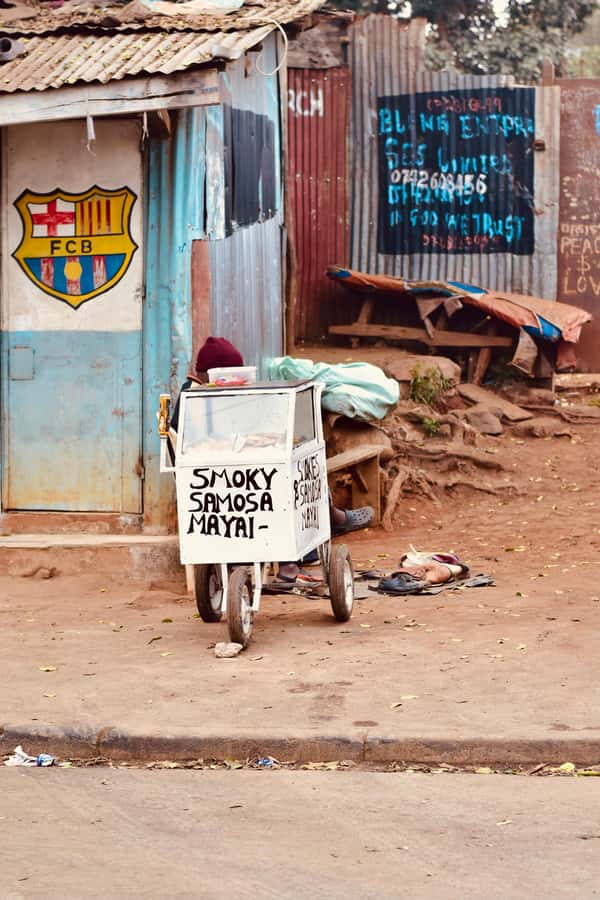
The guide covers Kibera’s past, present, and future. You will hear about the challenges faced by residents, along with local efforts and government work aimed at improving infrastructure and living conditions.
That balance is important. The tour is not presented as a simple story of hardship, and it is not a polished public-relations walk either. You are meant to see how difficult conditions exist alongside practical solutions and community initiative.
The phrase Chocolate City points to the tour’s focus on Kibera’s real identity. It is a neighborhood with many layers, and the walk tries to move beyond the label that outsiders often use. You get a view shaped by someone who lives close to the issues being discussed.
I find this kind of context more useful than a short stop for photographs. You learn how people adapt when resources are limited, how local places fit into daily routines, and why improvement is not a quick or simple process.
The guide’s own experience is a major advantage here. A person with a direct link to the area can explain small details, answer follow-up questions, and point out things you might otherwise miss. The downside is that the quality depends heavily on the guide assigned that day, although the available feedback about Musa and Moses is very strong.
Time, walking, and comfort

The tour lasts three hours, with about two and a half hours described as sightseeing, walking, food-market visits, local snacks, breaks, and the safety briefing. The remaining time appears to cover meeting and transport, so you should not expect three full hours of continuous walking.
You need reasonable mobility. Wheelchair users and visually impaired people are specifically advised not to book, and the activity is also unsuitable for babies under one, children under five, and people over 95. The paths and transport arrangements are not presented as accessible.
Wear practical clothing and shoes suitable for walking. This is not a formal dress-up outing, and comfort will make it easier to focus on the guide and the surroundings. Keep your belongings secure and take only what you need.
Safety is handled through instructions from the guide. One guest described the experience as safe when following those directions. That is the right approach: stay with the guide, listen during the briefing, and do not treat the walk as an opportunity for independent exploring.
Photography deserves special care. The activity description emphasizes respectful and culturally sensitive visits, but it does not promise unlimited photography. Ask before photographing residents, homes, workplaces, or children.
Is $20 good value?
At $20 per person, this is inexpensive for a three-hour guided experience in Nairobi. The value is not in entrance tickets because no entry fee is needed to access the settlement. You are paying for the guide’s time, local knowledge, organization, transport element, and the chance to enter places that you would not understand as easily on your own.
The price works best if you want a personal introduction rather than a polished attraction. You may visit a house, factory, pub, food market, and several parts of Kibera, but the precise stops can change. The experience is less predictable than a museum tour, yet that is also what makes it feel connected to real life.
I would not choose it if you want a short, highly structured sightseeing stop with guaranteed photo points. I would choose it if you want to hear local explanations, meet a guide with community ties, and spend time walking rather than viewing Kibera from a vehicle.
The strong 4.9 rating from 12 recorded reviews supports the idea that the guides are the main value. Praise centers on friendliness, clear explanations, personal access, and the sense that the tour offers a more honest look at Kenya beyond the hotel and visitor areas.
Who will enjoy this Kibera walk?

This tour suits adults and older children who can walk comfortably, listen carefully, and handle an experience that may be emotionally serious at times. It is a good match for you if you want to understand Nairobi through the daily lives of its residents.
It also suits solo visitors and small groups who value conversation. The guide-led format allows questions, and the personal stories from Musa or Moses can make the visit feel more direct than a standard group excursion.
You may want to skip it if you prefer luxury transport, fixed attractions, or a tour with little walking. It is also not suitable for the age groups and access needs stated above.
Most of all, you should book with the right attitude. Kibera is not a theme park. Come ready to listen, respect privacy, and accept that the tour may challenge your assumptions about poverty, work, family life, and city living.
Final verdict: book it for the human context
I recommend A Visit To KIBERA The Chocolate City if you want a direct, guide-led look at Nairobi that goes beyond standard sightseeing. The public transport, walking route, market visit, and personal stories give the outing a useful sense of place.
Book it for the guide’s perspective, not for a checklist of attractions. Confirm the meeting point, follow the safety advice, and keep your camera habits respectful. At $20, it offers strong value for an honest three-hour introduction to Kibera and the people who call it home.
FAQ
Where does the Kibera tour start?
The meeting instructions state that the guide meets you at the main gate of Olympic Primary School. The tour finishes at Olympic Estate in Nairobi. Because the activity details also mention meeting at a mall, confirm the exact starting arrangement before the tour.
How long does the tour last?
The activity lasts three hours. About two and a half hours include the guided walk, sightseeing, breaks, local snacks, the food market visit, public transport, and a safety briefing.
Is public transport included?
Yes. Using public transport to reach Kibera is part of the tour experience.
Is an entry ticket required?
No entry ticket is needed to access the settlement.
What language is the tour conducted in?
The live tour guide speaks English, and English is the language listed for the activity.
Who cannot take this tour?
The activity is not suitable for children under five, babies under one, wheelchair users, visually impaired people, or people over 95.
Just added around the world
- Lindt Chocolate Museum with Cruise Transfer from Zurich★ 4.6 · 7 reviews
- Zagreb: Lake Bled and Ljubljana Day Tour with Chocolate Gift★ 5.0 · 26 reviews
- Zurich: Chocolate Tasting and Walking Tour with a Local★ 4.2 · 13 reviews
- Zurich Open-top Tour and Chocolate and Cheese Countryside★ 3.5 · 11 reviews
- Wine and Chocolate experience★ 4.6 · 3 reviews
- York: Introduction to Chocolate Making Experience★ 4.9 · 10 reviews
- Zaandijk-Near Zaanse Schans Chocolate making demo & tasting★ 4.8 · 13 reviews
- Wine and Chocolate Bike Tour: ride, taste, lunch, vineyards.★ 4.1 · 10 reviews
Chocolate Tours, compared.

Choco-Story Brussels: Chocolate Museum Entrance with Tasting
Read our review →
City Tour, Cruise, and Lindt Home of Chocolate Visit
Read our review →
The Chocolatarium Chocolate Tour Experience in Edinburgh
Read our review →
Award-Winning Geneva Chocolate &Old Town Tour with Boat Ride (3h)
Read our review →
Yarra Valley Wine, Gin, Whisky and Chocolate Tour
Read our review →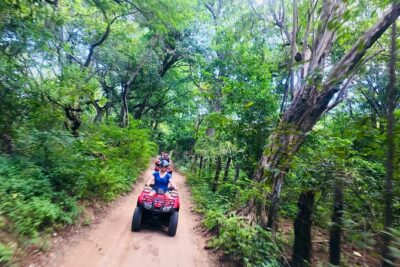
4×4 Dominican Adventure with Chocolate and Coffee Tasting
Read our review →
Browse the lists this tour appears in