
Review · COSTA RICA
Chocolate and Farm Tour with local Tico family
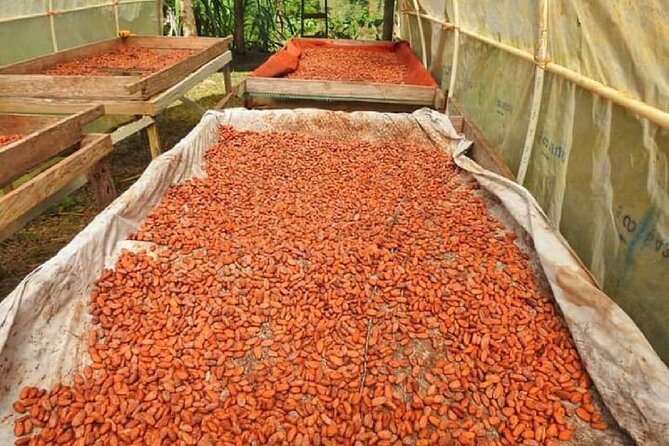
Chocolate starts as fruit, not candy. About 25 minutes outside La Fortuna, this small-group visit takes you onto a working cacao and coffee farm run by a local Costa Rican family. I like the chance to eat fresh cacao straight from the pod, and I like that the experience is built around conversation, participation, and farming rather than a polished factory display. The main point to keep in mind is that the chocolate-bar activity may depend on timing and the day’s schedule.
You’ll walk through the plantation, sample farm-grown fruit, learn how cacao develops from a tiny flower, and prepare both an Indigenous-style cacao drink and a sweeter Costa Rican hot chocolate. The family setting gives the two-hour visit a personal feel, while the group limit of 12 helps keep the cost at a sensible $45. Just allow time to reach the farm and confirm that every planned hands-on step is available when you arrive.
Key points at a glance
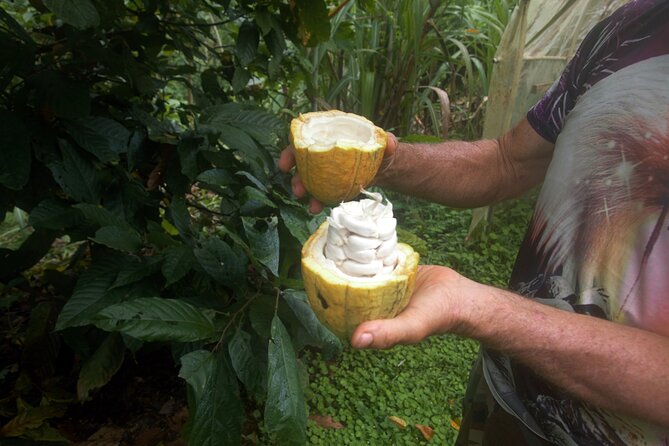
- Fresh cacao fruit from the pod: Taste cacao before it becomes chocolate, with its sweet pulp and seeds still inside.
- Two very different cacao drinks: Prepare an ancient-style drink linked with balance and connection to nature, then make a sweeter hot chocolate.
- A working family farm: See cacao, coffee, and other crops while learning about everyday agricultural life.
- Hands-on chocolate making: Mold chocolate bars with toppings to take home, although this step may not happen on every visit.
- Small groups of up to 12: The limited size makes questions and personal conversation easier.
- A compact two-hour outing: You can fit this into a busy La Fortuna schedule and keep the rest of your day open.
Reaching Finca La Esperanza from La Fortuna
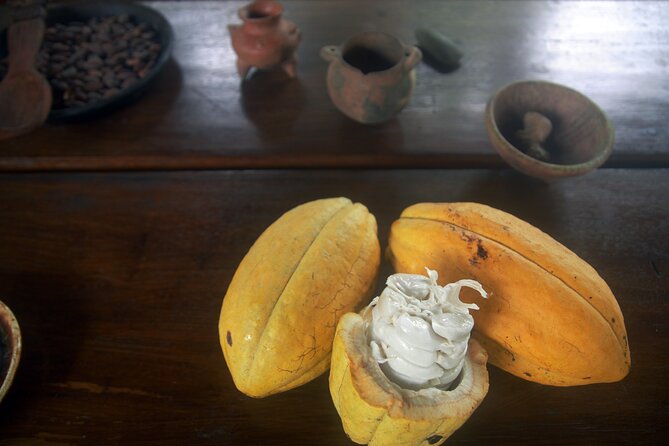
The meeting point is Finca La Esperanza: Coffee and Chocolate Tour, at Cabaña Blue Jeans in San Juan, San Isidro, in Alajuela Province. The farm is about 25 minutes outside La Fortuna, so this is not a walk-up activity from the town center.
That short trip matters when planning your day. You need to allow time to get to the farm, complete the visit, and return if you have dinner plans, a hot springs booking, or another timed activity. The tour itself lasts about two hours, but the drive makes it a half-day commitment once transport is included.
The meeting point is also where the visit ends. That is handy because you do not need to arrange a second pickup location. The supplied information says the farm is near public transportation, though it does not give a specific route or timetable. If you are not driving, ask about the easiest way to reach San Juan before booking.
You receive confirmation at the time of booking, and a mobile ticket is accepted. That keeps the practical side simple. Still, I would save the address and confirmation on your phone before leaving La Fortuna, since rural meeting points can be less obvious than a hotel lobby.
More Cacao Farm Tours in the world:
- Lahaina: Maui Ku’ia Estate Guided Cacao Farm Tour and Tasting
★ 5.0 · 1,103 reviews - Award Winning Farm Tour: Coffee, Chocolate and Unique Gifts
★ 5.0 · 484 reviews - Lahaina: Maui Ku’ia Estate Guided Cacao Farm Tour & Tasting
★ 4.8 · 137 reviews
Walking the cacao plantation
The tour begins with a walk through the family’s cacao plantation. This is where the visit earns its keep. You are not simply tasting finished chocolate. You are seeing the crop at its source and learning how a small flower eventually becomes a cacao fruit.
That change is easy to miss when you only encounter cacao as a bar in a shop. Here, the family explains the growing process as you move through the farm. The pace is likely to feel relaxed and conversational, not like a rapid lecture with one stop after another.
The farm also grows coffee and other produce. The experience therefore gives you a broader look at a family agricultural property, rather than presenting cacao as an isolated crop. You may see what the family grows for its own use or local production, and you can ask about how the different plants fit together.
One especially useful part of the visit is the discussion of organic farming. The family has explained methods for controlling fungus without relying on conventional chemical treatment. That detail gives you a better sense of the daily work behind small-scale cacao production. It also adds substance to the farm walk, since you are learning about care and maintenance rather than only taking pictures.
Wear shoes you are comfortable walking in. The information does not give a specific dress code or trail condition, so I would choose practical footwear rather than sandals you would not want to use on a farm.
Tasting cacao fresh from the pod
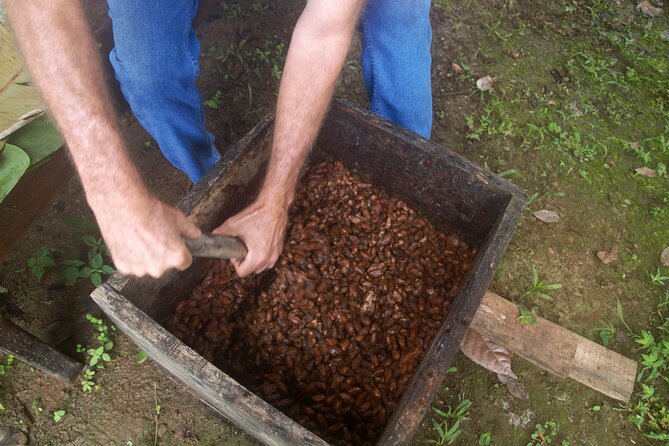
The first taste of cacao may surprise you. Fresh cacao is not the same as a chocolate bar. You harvest and taste the fruit, including the sweet pulp around the seeds, before the beans are processed into the flavor most people recognize.
This is one of the best reasons to choose the tour. A factory tasting can explain how chocolate is made, but tasting the fruit at the growing site connects the flavor to the plant itself. You get a simple lesson in how much work and transformation happens before cacao reaches a café or candy shelf.
The family also offers locally grown fruit during the visit. The exact selection is not specified, so treat this as a seasonal farm tasting rather than a fixed menu. That is part of the appeal. You are sampling what fits the farm and the day, not receiving an identical snack assembled far away.
A snack is included, and it has been described as especially tasty. It is worth remembering that this is a light food experience, not a full meal. If you arrive hungry after a morning of activities, eat beforehand or plan lunch afterward.
Preparing the traditional cacao drink
The drink portion gives the tour its cultural weight. The family prepares cacao in an older style associated with Indigenous groups, showing how it differs from the modern hot chocolate familiar to most people.
You take part in preparing and drinking it, rather than watching someone else do all the work. The stated purpose is to connect body, mind, spirit, and nature, but you do not need to accept every spiritual idea to appreciate the preparation. The drink offers a practical way to understand that cacao once had uses and meanings beyond dessert.
The flavor should not be judged by comparing it only with a sweet café cocoa. The traditional preparation is presented as its own thing, with a different balance and purpose. For me, that contrast is more valuable than a second version of ordinary hot chocolate. It shows how one ingredient can change according to culture, method, and occasion.
The tour then moves to a sweeter hot chocolate made with fresh ingredients, closer to the way many people drink it in Costa Rica. Having both versions in one visit makes the lesson clear. One is tied to older preparation traditions, while the other is familiar, comforting, and easier to compare with the chocolate you already know.
A few more chocolate tours around the world worth a look
- Lindt Home of Chocolate Museum Entry Ticket
★ 4.7 · 9,329 reviews - Choco-Story Brussels: Chocolate Museum Entrance with Tasting
★ 4.3 · 4,883 reviews - Zurich: City Tour, Cruise, and Lindt Home of Chocolate Visit
★ 4.5 · 4,624 reviews - The Chocolatarium Chocolate Tour Experience in Edinburgh
★ 5.0 · 4,322 reviews
Making a chocolate bar to take home
The final planned activity is molding chocolate bars with the family’s own cacao. Toppings are available, so you can add a personal touch and create something to take with you.
This hands-on step is a strong choice for families and anyone who enjoys making rather than merely sampling. It also gives you a small souvenir with a story behind it. You can tell people at home that the bar was made during a farm visit, not simply purchased at a shop.
There is one practical qualification. At least one visit did not include the chocolate-bar activity, even though the rest of the farm and tasting experience went well. The reason is not provided, so I would not assume the molding portion is guaranteed on every date. If taking home your own bar is a major reason for booking, confirm the plan when you arrive or ask the provider before the tour.
Even without that step, the farm walk, fruit tasting, and drinks form a complete experience. But it is fair to treat the chocolate bar as a planned feature that can be affected by timing or circumstances.
Why the small group matters
The maximum group size is 12 people. That is small enough to keep the visit personal, especially on a family farm where the main attraction is direct contact with the people who grow and prepare the cacao.
A small group also makes the walk easier to follow. You can ask about the plants, farming methods, or drinks without trying to speak over a large crowd. The family can give more attention to the participatory parts, and you have a better chance to see what is being prepared.
The group may be smaller than the limit. One visit had only four people, which allowed the family to show the property in a very personal way. You should not assume every departure will be that intimate, but the 12-person cap protects the basic character of the experience.
The tour is offered in English, based on the available visit information. That makes the farming and cultural explanations easier to follow for English-speaking visitors. Specific guide names are not provided, so you should not expect a named guide assignment in advance.
A fair look at the $45 price
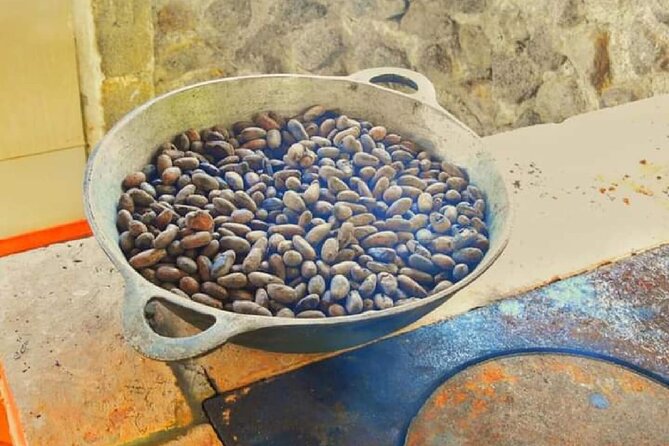
At $45, this is not the cheapest way to spend two hours near La Fortuna. But the price covers more than a chocolate tasting. You receive a guided farm walk, fresh cacao and local fruit, two drink preparations, a snack, and planned chocolate making, all in a small group.
The value depends on what you want from a tour. If you only want to eat chocolate, a shop or café will cost less and take less time. If you want to meet a family, see how cacao grows, learn about organic farm care, and participate in the preparation, the price is more reasonable.
The short length also helps. You can schedule this in the morning or afternoon and still leave room for another La Fortuna activity. For a busy itinerary, a focused two-hour visit may be easier to fit than a full-day plantation tour.
The strongest value comes from the personal setting. You are paying for access to a family-run farm and the chance to ask questions in a small group, not just for the ingredients in the drinks. That distinction matters if you want a more grounded experience than a standard commercial tasting.
Who will enjoy this farm visit most?
I would recommend this tour to anyone curious about where food comes from. It works particularly well for people who enjoy farms, cooking, local customs, and hands-on activities.
Families can make good use of the participatory format, especially if children are interested in fruit, plants, or creating their own chocolate. The two-hour length is also manageable for younger attention spans, though the information does not specify child ages or special facilities.
Couples and solo visitors may appreciate the calm pace and chance to talk with a local family. The experience is also a good fit if you have already visited La Fortuna’s more crowded attractions and want something quieter.
It may not suit you if you want a polished museum-style presentation, a long chocolate-making workshop, or a guaranteed finished bar to take home. The farm setting is informal. The attraction is the people, plants, and preparation, not a large production facility or a tightly scripted show.
Service animals are allowed. The available information does not describe general mobility access, terrain, or restroom facilities, so ask the provider if those details are important for you.
Booking, cancellations, and useful planning notes
You can cancel for a full refund if you do so at least 24 hours before the start time. Cancellations made within 24 hours are not refunded, and changes within that period are not accepted. The cut-off uses local time in Costa Rica.
Because the farm is outside La Fortuna, check the route before the day of the tour. The meeting point is fixed, and the activity returns there. A mobile ticket is accepted, and confirmation arrives when you book.
I would also confirm two things in advance: the easiest transport option from La Fortuna and whether the chocolate-bar molding will be part of your scheduled visit. Those questions do not take long, and they prevent the two most likely surprises.
Should you book the Chocolate and Farm Tour?
Book it if you want a friendly, small-scale look at cacao that includes the farm, the fruit, and the people behind the crop. I especially like the combination of fresh cacao tasting, traditional and modern drinks, and conversation with a local family. The 97 percent recommendation rate and 4.9 rating from 35 published ratings support its strong reputation, but the real appeal is the personal format.
Skip it if your schedule leaves no room for the 25-minute trip outside La Fortuna, or if your main goal is a guaranteed chocolate-making class. For most visitors who value local contact and practical food culture, this $45 experience offers a pleasant two-hour break from the usual hot springs and adventure circuit.
FAQ
Where does the Chocolate and Farm Tour meet?
It meets at Finca La Esperanza: Coffee and Chocolate Tour, Cabaña Blue Jeans, San Juan, Provincia de Alajuela, San Isidro, Costa Rica.
How far is the farm from La Fortuna?
The meeting point is about 25 minutes outside La Fortuna.
How long does the experience last?
The tour lasts approximately two hours and ends back at the meeting point.
What is included in the farm visit?
You walk through the cacao plantation, harvest and taste fresh cacao fruit, sample local fruit, prepare cacao drinks, enjoy a snack, and plan to mold chocolate bars with toppings.
Will I prepare more than one cacao drink?
Yes. The activity includes an Indigenous-style cacao drink and a sweeter hot chocolate made with fresh ingredients in a Costa Rican style.
Can I take chocolate home?
The planned activity includes molding chocolate bars to take with you. However, this step may not take place on every visit, so confirm it with the provider if it is important to you.
How many people can join the tour?
The tour has a maximum of 12 participants.
Is the tour available in English?
The experience is offered in English.
Can I cancel for a full refund?
Yes. You can receive a full refund if you cancel at least 24 hours before the experience start time. Cancellations within 24 hours are not refunded.
Just added around the world
- Lindt Chocolate Museum with Cruise Transfer from Zurich★ 4.6 · 7 reviews
- Zurich: Chocolate Tasting and Walking Tour with a Local★ 4.2 · 13 reviews
- Zurich Open-top Tour and Chocolate and Cheese Countryside★ 3.5 · 11 reviews
- Zagreb: Lake Bled and Ljubljana Day Tour with Chocolate Gift★ 5.0 · 26 reviews
- Wine and Chocolate experience★ 4.6 · 3 reviews
- York: Introduction to Chocolate Making Experience★ 4.9 · 10 reviews
- Zaandijk-Near Zaanse Schans Chocolate making demo & tasting★ 4.8 · 13 reviews
- Private Wine and Chocolate Tasting Experience★ 4.4 · 3 reviews
Cacao Farm Tours, compared.
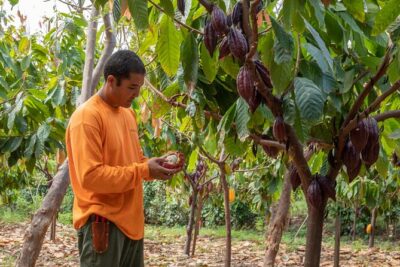
Maui Ku’ia Estate Guided Cacao Farm Tour and Tasting
Read our review →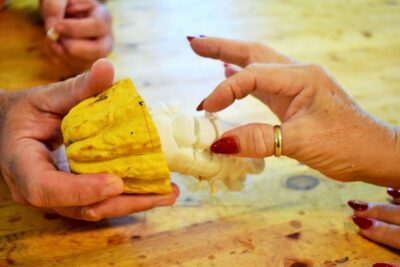
Award Winning Farm Tour: Coffee, Chocolate and Unique Gifts
Read our review →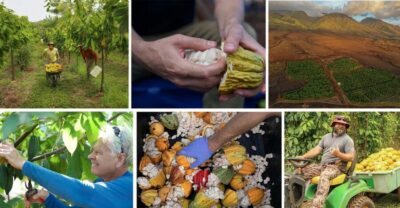
Maui Ku’ia Estate Guided Cacao Farm Tour & Tasting
Read our review →
Boti Falls, Umbrella Rock, Aburi Gardens & Cocoa Farm Tour
Read our review →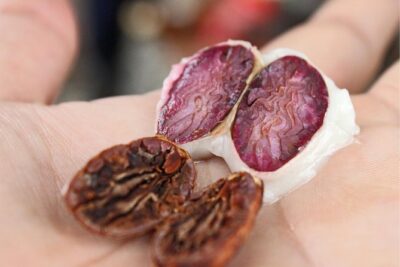
Cuenca to Guayaquil one-way tour with Cajas Park and a Cacao Farm visit
Read our review →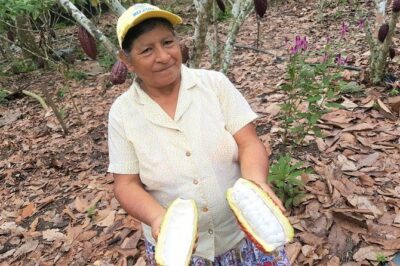
Guayaquil to Cuenca one-way tour with Cajas Park and a Cacao Farm visit
Read our review →
Floating Market, Canal, Cacao Farm & Mekong’ Life
Read our review →Browse the lists this tour appears in