
Review · ECUADOR
Cocoa farm and Chocolate making!
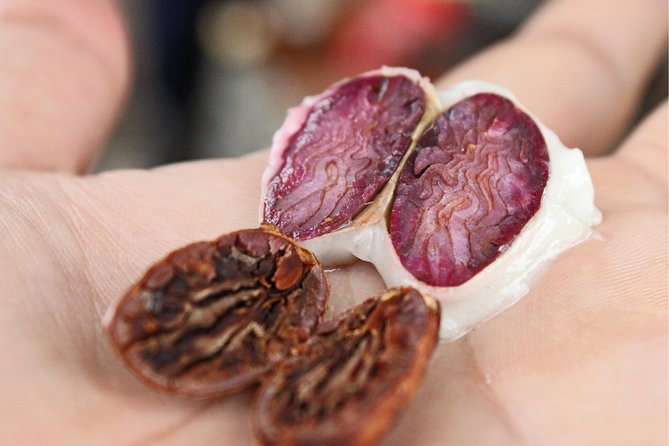
Chocolate begins in a very unexpected place. This private outing takes you beyond Guayaquil to a working cacao farm, where you can walk among the trees, harvest a pod, and turn local beans into chocolate by hand. I especially like the personal guide attention and the chance to see the entire process from tree to finished treat. The quiet farm setting also gives you a welcome break from the city.
The main consideration is time. The farm visit itself is listed at about three hours, while the complete experience takes roughly four to five hours, so this is a half-day commitment. The tour costs $155 per person, which is a serious price for a short excursion, but private transportation, a small group, hands-on activities, and a family-run setting make it easier to see where the money goes.
Key points at a glance
- Harvest your own cacao pod: You get beyond a simple plantation walk and take part in the work.
- Make chocolate from local beans: The process runs from cacao fruit to chocolate, with hands-on steps along the way.
- Private transportation from Guayaquil: Round-trip transport keeps the outing simple and comfortable.
- Meet a family-run farm: The experience connects you with the people who grow and prepare the cacao.
- Expect strong guiding: Guides such as Mario, Alison, Antonio, Tony, and Jamil have helped explain both farming and Ecuadorian life.
- Plan for a possible farm lunch: Past versions of the outing have included a home-cooked three-course meal served near the cacao trees.
Why this Guayaquil chocolate tour feels different
Many chocolate activities begin after the important work is done. You see polished bars, taste finished products, and hear a short explanation about cacao. This experience begins much earlier, with the tree and its fruit.
You walk through the farm, look at cacao trees, learn about the crop, and harvest a pod. From there, the beans are part of a hands-on process that leads to chocolate you help prepare yourself. That physical connection matters. It gives you a better sense of how much care and labor goes into even a small bar.
The farm is also more than a cacao field. Past visits have included other fruit trees and plants, with guava and citrus among the produce available to see or taste. The plant life around the cacao can affect the character of the beans, and the guide explains how pollination and nearby crops can influence flavor.
This makes the outing a good fit if you want more than a quick tasting. You are learning about agriculture, food production, family life, and Ecuadorian culture in one morning or afternoon.
More Cacao Farm Tours in the world:
- Lahaina: Maui Ku’ia Estate Guided Cacao Farm Tour and Tasting
★ 5.0 · 1,103 reviews - Award Winning Farm Tour: Coffee, Chocolate and Unique Gifts
★ 5.0 · 484 reviews - Lahaina: Maui Ku’ia Estate Guided Cacao Farm Tour & Tasting
★ 4.8 · 137 reviews
Leaving Guayaquil in a private vehicle
The tour begins at 10:00 a.m. and includes private round-trip transportation. That is a useful feature in Guayaquil, especially if you would rather not arrange your own way to a rural farm.
A private vehicle also gives the guide room to talk with you along the route. Past guides have used the drive to explain Ecuadorian customs, farming, local life, and the cacao industry. Mario, who comes from a cacao-farming family, has been praised for making the ride part of the experience rather than treating it as dead time. Other guides named by participants include Alison, Antonio Escobar, Tony, Alberto, Jamil, and Niffa.
The private format is one of the clearest reasons to consider the price. You are not simply joining a large bus group and following a fixed script. The maximum group size is 15, but the experience has also operated with only two people. A smaller party gives you more time to ask questions and lets the guide adjust the pace.
Still, the exact group size can vary. If you want the quietest, most personal version, ask about the expected party size before booking.
Walking through the cacao trees
At the farm, the focus shifts from transport to the crop itself. You walk through the cacao grove and learn how the trees grow, how the pods develop, and how different plants and pollination can affect flavor.
The farm setting has been described as peaceful, with flowering trees, a small river, and open-air areas for eating and demonstrations. This is not a polished attraction built only for photographs. It is a family property where farming and food preparation are part of daily life.
That authentic setting is a major strength, but it also means you should keep practical expectations in check. Conditions on a farm can be less predictable than in a museum or city attraction. During rainy periods, paths may be wet, and the outing may feel more rustic. One response even noted that the rainy season can make the visit more fun, but you should still dress for outdoor conditions.
Wear shoes that can handle an uneven farm path. Bring sun protection and water. The supplied information does not list a required dress code, but comfortable outdoor clothing makes sense.
From cacao pod to chocolate bar
The most rewarding part is the production process. You do not only hear how cacao becomes chocolate. You take part in the steps.
You begin with the harvested pod and work toward a finished chocolate product. The precise sequence may vary, but past versions have included opening or cutting pods, working with the beans, and preparing hot chocolate or chocolate bars. Some participants have also eaten the fresh chocolate with sweet bananas.
This is where the outing earns its place on a Guayaquil schedule. You leave with a practical understanding of the difference between cacao fruit and the chocolate most people buy in a shop. The process takes more effort than the finished bar suggests, and the guide explains the skill involved in getting the flavor right.
The activity works well for families because it is tactile and easy to follow. Children can see where chocolate comes from instead of treating it as a mystery ingredient. Children must be accompanied by an adult, and the child rate applies only when sharing with two paying adults.
For adults, the process has its own appeal. You can ask about farming, flavor, processing, and Ecuador’s role in the cacao trade. The experience is educational without feeling like a classroom.
More Chocolate Making Workshops in the world:
- Vienna: Chocolate Workshop in Chocolate Museum w/ Tasting
★ 4.5 · 1,802 reviews - Brussels: Belgian Chocolate Making Workshop with Tastings
★ 4.7 · 1,629 reviews - Brussels: 2.5-Hour Belgian Chocolate Making Workshop
★ 4.8 · 933 reviews - Belgian Chocolate Workshop in Bruges
★ 5.0 · 660 reviews
Meeting the people behind the farm
The personal connection is as important as the chocolate. The farm is family-run, and members of the family have guided visitors through the trees and the preparation process.
Rody, described as the owner’s son, has led farm walks and explained the cacao operation. Niffa has demonstrated chocolate making. Jamil has helped with the steps from cacao bean to hot chocolate. These personal introductions give the farm a sense of place that a generic plantation tour would lack.
The guides from the tour company also add a second layer. Mario has been praised for his background in cacao farming and his ability to explain Ecuador beyond the crop. Alison has been described as friendly and patient, with a gift for including everyone in each step. Antonio Escobar, Tony, Alberto, and Darwin have also been part of highly praised visits.
Because the outing is private, the guide can respond to your interests. If you have already taken a city tour, there may be room for a different focus on the farm or countryside. One past visit even included an optional stop at Guayaquil’s old cemetery after returning to town, while another included time for shopping. These extras should not be assumed, but they show how the private format can allow some flexibility.
A home-cooked meal under the trees
A three-course lunch has been part of many past experiences. It has been served at the farm, sometimes near a small river or beneath a shelter beside the cacao trees, and prepared by a member of the family.
This meal adds real value. You are not eating at an unrelated restaurant at the end of the tour. You are sharing food in the setting where the cacao grows, with the farm family connected to the experience.
The meal has included home cooking and has been repeatedly described as a highlight. Still, the formal tour details do not promise lunch as a separate feature, so confirm exactly what is included when you book. Menus can also change.
If lunch is included in your departure, allow room in your schedule. The advertised duration is approximately four to five hours, and the farm activities, meal, and driving all contribute to that length.
Is $155 per person a fair price?
At $155 per person, this is not the budget way to see cacao near Guayaquil. A simple farm admission would cost less, but that is not what you are buying here.
The price covers a private experience with round-trip transportation, a guide, access to a family farm, a walk through the cacao trees, hands-on chocolate making, and possibly a substantial farm meal. You are also paying for the convenience of having the day organized from Guayaquil.
The value improves if you are traveling as a couple, family, or small group that wants personal attention. It is especially reasonable if you would otherwise need to arrange a vehicle and separate guide. The price is harder to justify if you only want to taste chocolate or take a quick plantation photograph.
I would think of this as a cultural and food experience rather than a standard sightseeing stop. The chocolate is the hook, but the real product is access to rural Ecuador and a family-run agricultural operation.
Who will enjoy this farm experience most?
I would recommend it to families, couples, and small groups who enjoy learning by doing. Children can participate in the harvest and preparation, while adults get more context about agriculture, food, and local life.
It is also a good choice after time in the Galápagos or a busy Guayaquil schedule. The farm provides a slower setting, with trees, open air, and a chance to step away from city traffic.
You should be comfortable with a rural outing. The experience involves walking through a farm, handling cacao, and spending several hours outside. It is not designed as a fast city attraction or a luxury food tasting.
Most people can participate, and service animals are allowed. Children must have an adult with them. If anyone in your group has mobility concerns, ask for current details about the farm paths, since the supplied information does not describe surface conditions or facilities.
Timing, group size, and booking advice
The start time is 10:00 a.m., and the full experience lasts about four to five hours. Since the farm portion is listed at three hours, you should avoid scheduling a tight afternoon connection or another fixed activity immediately afterward.
The experience is often booked about three weeks ahead, with an average booking lead time of 21 days. That does not guarantee that a last-minute request will fail, but planning ahead is sensible, especially if you need a private departure on a particular date.
You receive confirmation at booking in most cases. If you book within three days of travel, confirmation may arrive within 48 hours and depends on availability.
Cancellation is free up to 24 hours before the start time. Canceling later than that means you will not receive a refund, and changes made inside that 24-hour window are not accepted. The cut-off follows local time in Ecuador.
What to bring and how to prepare
Keep your packing simple:
- Comfortable shoes for walking around a farm
- Clothing suitable for warm outdoor conditions
- Sun protection
- Water
- A camera, if you want photographs of the cacao trees and farm setting
You may want to bring a small amount of flexibility for the return to Guayaquil. Past private outings have included optional city stops based on personal interests, but these are not guaranteed parts of the experience.
Most important, arrive ready to participate. This is not a tour where you stand back while someone else handles the interesting parts. The more questions you ask and the more willing you are to try each step, the more you will get from it.
The final call: should you book it?
Book this experience if you want to understand Ecuador through food, farming, and personal contact. The strongest reasons are the private transport, the small-group feel, the family-run farm, and the chance to make chocolate from cacao you help harvest.
I would be more cautious if you are watching your budget, dislike rural paths, or have only a few hours in Guayaquil. At $155, the outing needs to be more than a quick chocolate sample to feel worthwhile.
For the right person, it offers a memorable half-day outside the city. You learn where chocolate starts, meet people who work with cacao, eat a home-cooked meal in a peaceful farm setting, and return with a much better appreciation for what sits behind a chocolate bar. That combination makes it one of the stronger choices for a personal day trip from Guayaquil.
FAQ
Where does the cocoa farm and chocolate-making experience take place?
The experience begins in Guayaquil and travels to a local cacao farm outside the city area. The farm visit includes a walk through the cacao trees and hands-on chocolate making.
What time does the tour start?
The scheduled start time is 10:00 a.m.
How long does the experience last?
The full experience lasts approximately four to five hours. The farm visit itself is listed at about three hours.
What is included in the price?
The experience costs $155 per person and includes private round-trip transportation, the farm visit, and chocolate-making activities. Past departures have also included a home-cooked meal, so confirm the current inclusions when booking.
Is this a private tour?
The experience is designed as a private tour with private transportation. The maximum group size is 15 people, though some departures have had only two participants.
Can children take part?
Yes. Children must be accompanied by an adult, and the child rate applies only when sharing with two paying adults.
What is the cancellation policy?
You can cancel at least 24 hours before the start time for a full refund. Cancellations or changes made less than 24 hours before the experience are not accepted for a refund.
Just added around the world
- Lindt Chocolate Museum with Cruise Transfer from Zurich★ 4.6 · 7 reviews
- Zagreb: Lake Bled and Ljubljana Day Tour with Chocolate Gift★ 5.0 · 26 reviews
- Zurich: Chocolate Tasting and Walking Tour with a Local★ 4.2 · 13 reviews
- Zurich Open-top Tour and Chocolate and Cheese Countryside★ 3.5 · 11 reviews
- Wine and Chocolate experience★ 4.6 · 3 reviews
- York: Introduction to Chocolate Making Experience★ 4.9 · 10 reviews
- Zaandijk-Near Zaanse Schans Chocolate making demo & tasting★ 4.8 · 13 reviews
- Yarra Valley: Wine and Chocolate tasting tour.★ 5.0 · 5 reviews
Chocolate Making Workshops, compared.

Chocolate Workshop in Chocolate Museum w/ Tasting
Read our review →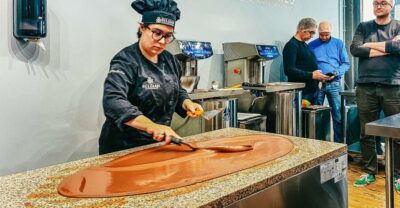
Belgian Chocolate Making Workshop with Tastings
Read our review →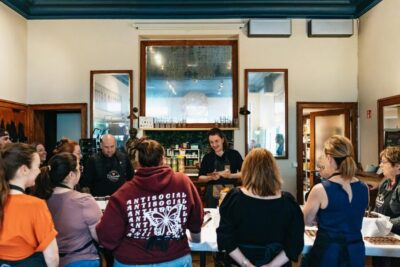
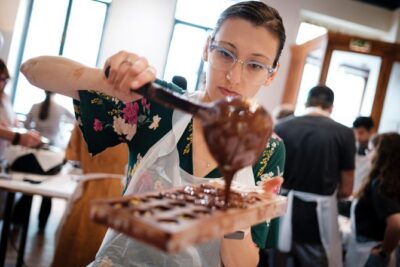
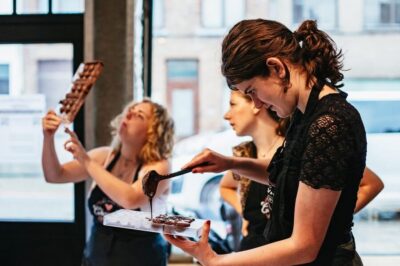
Belgian Praline and Mendiants Chocolate Workshop
Read our review →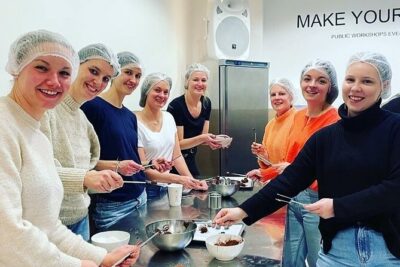
1.5h Belgian Chocolate Workshop in Brussels (bean to bar)
Read our review →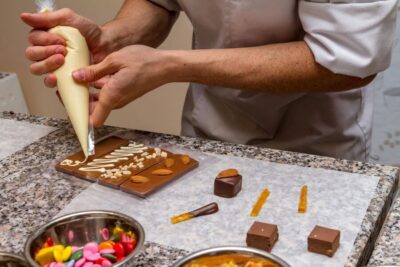
45-minute Chocolate Making Workshop at Choco-Story
Read our review →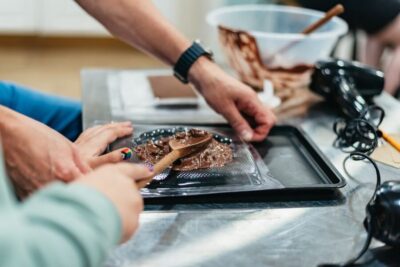
Chocolate Bar Making Workshop at York Cocoa Works
Read our review →Browse the lists this tour appears in