
Review · KENYA
Nairobi: Chocolate City Kibera Slum Walking Tour
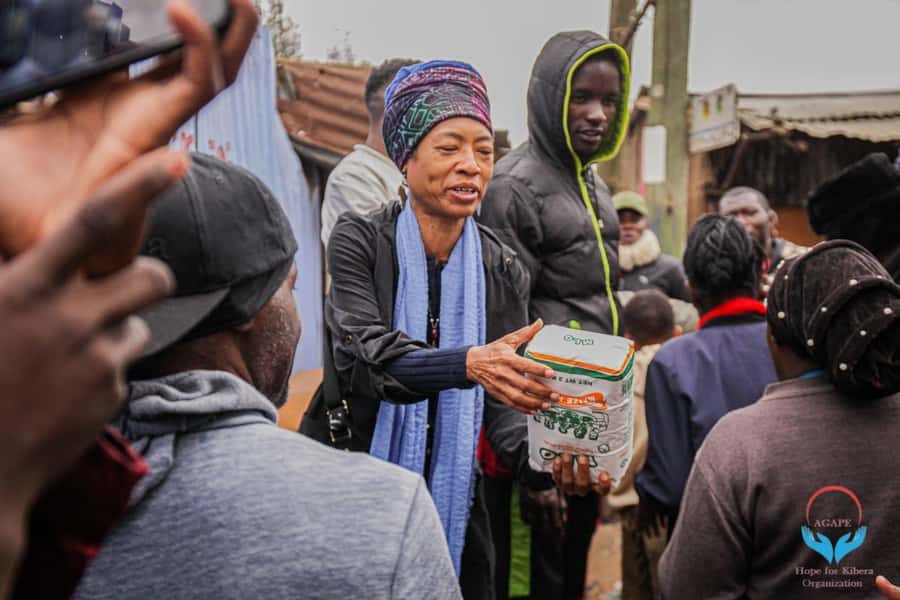
Kibera changes how you see Nairobi. This two-hour walking experience takes you through Chocolate City with local guides, a children’s centre, beadwork projects, and daily community life. I like that the tour is led by people connected to Kibera, and I like that your $15 fee supports local initiatives rather than paying only for sightseeing. The main consideration is that this is not a light city stroll. You need comfortable closed-toe shoes, an open mind, and respect for people’s privacy.
I also appreciate the careful attention to safety. Guides such as Collins and Allan have helped visitors feel comfortable, stayed with them until their taxis arrived, and answered questions throughout the walk. One practical warning: several bookings made in languages other than English were handled in English, so do not assume that selecting Japanese, French, German, Italian, or Spanish guarantees a guide who speaks that language.
Key points to know before booking
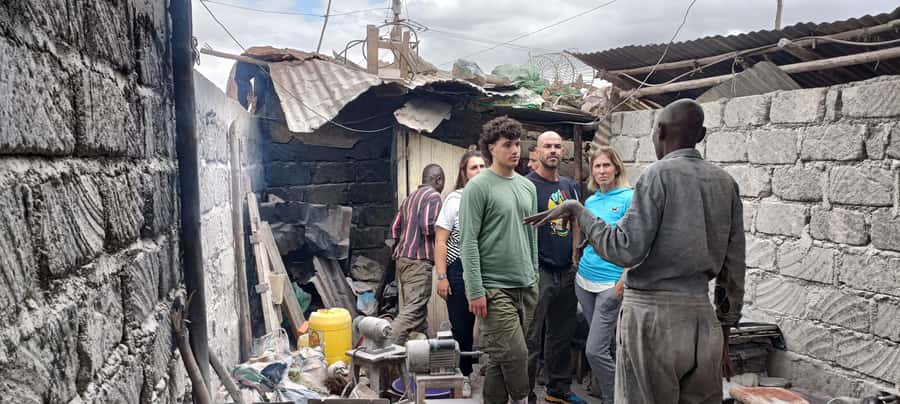
- Local guides lead the way: Collins and Allan are named guides praised for their care, explanations, and attention to personal safety.
- The route includes real community projects: You visit Agape Hope Children Centre and a beadwork factory, with the chance to support local work directly.
- Toi Market adds everyday context: The market brings together commerce, color, noise, and ordinary routines in one of Kibera’s busiest areas.
- The meeting point can vary: You may start at Agape Hope for Kibera or Prestige Plaza Shopping Mall, so check your booking details carefully.
- The advertised time needs checking: The activity is listed as two hours, while the route details describe about two and a half hours in Kibera.
- The walk is not suitable for everyone: Wheelchair users, people with mobility impairments, pregnant women, people with epilepsy, and very young children should choose another outing.
Why this Kibera walk is worth your time

Kibera is often reduced to a headline about poverty. That is exactly why a responsible walk can be useful. Instead of seeing the area from a vehicle window, you spend time on foot and hear explanations from people who know the community. The experience focuses on homes, schools, small businesses, markets, and local efforts to improve daily life.
I like the emphasis on connection rather than a quick photo stop. The visit to Agape Hope Children Centre gives the tour a clear social purpose, while the beadwork stop shows how community projects can create income and preserve practical skills. You are not simply looking at Kibera. You are being shown how people work, organize, and support one another.
Still, this is a sensitive experience. You are entering a residential community, not an open-air museum. Ask before taking photographs, listen when your guide explains local customs, and avoid treating people’s homes or children as scenery. Your attitude matters as much as your camera.
More Chocolate Walking Tours in the world:
- Brussels: Historical Walking Tour with Chocolate & Waffle Tasting
★ 5.0 · 1,165 reviews - Brussels Walking and Tasting Tour (Beers,Chocolates&Fries/Waffle)
★ 5.0 · 929 reviews - Brussels Chocolate Walking Tour and Workshop
★ 4.5 · 885 reviews
Starting at Ayany Equity Bank or Prestige Plaza
The exact starting place depends on the option you book. One departure point is Agape Hope for Kibera, while another is Prestige Plaza Shopping Mall. The route information also refers to Ayany Equity Bank Kibera as a starting point, so read the confirmation carefully and allow enough time to get to the correct location.
The Ayany area gives you an immediate sense of everyday Nairobi. It is a practical meeting place rather than a grand sightseeing landmark, which is appropriate for this kind of outing. You begin among local movement and ordinary routines before entering the narrower streets of Kibera.
Your guide should provide a safety briefing before the walk begins. Use this time to ask about photography, where to keep your phone and wallet, and how the route will work. The guides are described as experienced and attentive, but good personal habits still matter. Carry only what you need and keep your hands free.
Walking through Chocolate City

The route through Kibera is the heart of the experience. You walk through a large informal settlement while your guide explains the area and points out places connected to local life. The route is described as a guided walk, with a photo stop and, depending on the booking setup, possible bus or self-guided elements listed in the activity details.
That wording is worth clarifying before you go. The main experience is clearly presented as a walking tour, but the listed itinerary contains several route labels. Ask the provider what applies to your selected option if you want a strictly guided walking route from beginning to end.
The most useful part of this section is the explanation. Without context, narrow streets and crowded homes can leave you with a shallow impression. With a local guide, you can ask how people live, work, and manage daily challenges. One Japanese-language review described Collins as a guide who kept asking if there were questions and explained both photo points and Kibera itself in detail.
That is the kind of guiding you want here. A good guide does not rush you from one visual scene to the next. He helps you understand what you are seeing and gives you room to think.
Agape Hope Children Centre and the human side of the tour
The Agape Hope Children Centre is an important stop because it gives the tour a constructive focus. The centre is described as supporting education, healthcare, and economic empowerment. Your ticket is also presented as helping create an impact in the lives of children in Kibera.
You should approach this visit with care. Children may be curious about visitors, but you should not expect a staged performance or automatic access to them. One person felt there could have been more interaction with children, but also recognized that this was something to discuss with the guide. That is a useful lesson: if you want to understand the centre’s work, ask thoughtful questions instead of waiting for a formal presentation.
The stop can also help balance the difficult scenes you may encounter. Kibera is not only a place of hardship. Community organizations are working to give children support and create better opportunities. The centre makes that effort visible.
A few more chocolate tours around the world worth a look
- Lindt Home of Chocolate Museum Entry Ticket
★ 4.7 · 9,329 reviews - Choco-Story Brussels: Chocolate Museum Entrance with Tasting
★ 4.3 · 4,883 reviews - Zurich: City Tour, Cruise, and Lindt Home of Chocolate Visit
★ 4.5 · 4,624 reviews - The Chocolatarium Chocolate Tour Experience in Edinburgh
★ 5.0 · 4,322 reviews
Toi Market and the beadwork stops

The walk through Toi Market adds a different rhythm. Here, you encounter commerce, clothing, food, color, and the constant movement of buying and selling. A market visit can make the community feel more complete because it shows people conducting business and getting on with ordinary responsibilities.
Keep your belongings secure and follow your guide’s advice about where to stop. The market is not described as a formal shopping excursion, so do not expect a quiet browsing environment. It is a working marketplace, and your presence should not interfere with sellers or customers.
The beadwork portion is one of the most appealing parts for anyone who wants a direct connection with local enterprise. You visit a beadwork factory and participate in a community-based beadwork project. This gives you more than a quick look at finished souvenirs. You can see how a small craft business fits into a wider effort to generate income.
A useful detail is that purchasing is not forced. One visitor specifically noted that there was no pressure to buy anything at the stops. That matters on a community tour. You can support the project if you find something you like, but you should not feel that buying is the price of being welcomed.
The home visit requires respect

A home visit is included, and it may be the most personal part of the route. It can help you understand the scale and character of daily life in Kibera in a way that a market or public street cannot.
It also requires the most sensitivity. Follow the guide’s instructions, ask before photographing, and remember that you are being invited into a private space. Keep your questions polite and avoid making comparisons that sound judgmental.
I see the home visit as valuable when it is handled with consent and dignity. If you feel uncomfortable entering a home, tell the guide. The goal should be understanding, not collecting an unusual story to take home.
Safety, comfort, and the physical demands
Safety is the strongest theme in the available feedback. Collins and Allan are both described as helpful, and one guide stayed until a taxi arrived. That small detail matters in Nairobi, especially if you are unfamiliar with the area or finishing the tour at a different place from where you began.
You should still take normal precautions. Wear comfortable, closed-toe shoes, avoid high heels, and bring only necessary items. The route can involve uneven or narrow walking conditions, and the tour is not suitable for wheelchair users or people with mobility impairments.
The restrictions also list pregnant women, people with epilepsy, people with motion sickness, and children in several very young age brackets. The information is not perfectly consistent, listing children under two, three, and four in different places, so families should confirm the minimum age before booking. Babies under one are specifically excluded.
Bottled water is included. That is useful, but you should still dress for walking and Nairobi’s conditions. Weapons, sharp objects, explosive substances, bare feet, and nudity are not allowed. These rules are straightforward and reflect the need for a calm, respectful visit.
How long does the tour take?
The activity is advertised as lasting two hours. The detailed route describes the Kibera portion as two and a half hours, so you should allow at least that much time and some extra time for meeting and returning.
That difference may be a simple scheduling variation, but it is worth noting if you have an airport transfer, a restaurant booking, or another Nairobi activity afterward. The route includes several stops, including the centre, market, beadwork project, factory, and home visit. A rushed schedule would weaken the experience.
Drop-off is available at Prestige Plaza Shopping Mall or Agape Hope for Kibera, depending on your booking option. Confirm the ending point before you set up a taxi or ride pickup.
Is $15 a fair price?

At $15 per person, the tour offers strong value if you want a short, locally led introduction to Kibera. The price includes a professional English-speaking guide, bottled water, the walking tour, the children’s centre, the beadwork project, the beadwork factory, and a home visit.
The value is not about the number of sights. You are paying for access, explanation, and local organization. The fact that the tour supports community-based work gives the fee a purpose beyond transportation and guiding.
At the same time, keep your expectations realistic. This is a two-hour introduction, not a full social development program or a detailed academic study of Nairobi. The tour can help you understand more, but it cannot explain every part of Kibera in one morning or afternoon.
The rating of 4.9 from 13 reviews suggests very strong satisfaction, especially with the guides, safety, and human connection. The main weakness is language accuracy. Several people who selected Japanese received English instead, so English ability is important.
Who should book this experience?
I would recommend it to you if you want to see a different side of Nairobi and are ready to listen as much as you look. It suits adults, older children who can follow respectful behavior, students, photographers who understand privacy, and visitors interested in community projects.
It may not suit you if you want a relaxed sightseeing walk, a polished attraction, or a route with guaranteed language support beyond English. It is also a poor fit if you have mobility limitations, are pregnant, have epilepsy, or are bringing a baby under one.
The best mindset is simple: arrive curious, not superior. Kibera is a living community. The strongest part of the tour is the chance to meet people through a locally organized experience, not the chance to collect dramatic photographs.
Should you book the Chocolate City Kibera tour?
Book it if you want a compact, affordable, locally led introduction to Kibera with meaningful stops at Agape Hope Children Centre and the beadwork projects. The strong guide feedback, careful safety support, and lack of pressure to buy make it a better choice than a purely observational slum visit.
Before paying, confirm the meeting point, expected duration, guiding language, and minimum age. If you are comfortable using English and can walk on uneven ground, this $15 experience offers a thoughtful way to understand Nairobi beyond its usual sightseeing circuit.
FAQ
Where does the Kibera tour start?
The starting point may be Agape Hope for Kibera or Prestige Plaza Shopping Mall, depending on the option booked. The route information also identifies Ayany Equity Bank Kibera as a meeting location, so check your confirmation carefully.
How long does the tour last?
The activity is advertised as two hours. The detailed route describes about two and a half hours for the Kibera visit, so allow extra time.
What language is the tour conducted in?
English is specifically included. French, German, Japanese, Italian, and Spanish are also listed as available guide languages, but several bookings made in Japanese were handled in English. Confirm your language before booking if this is important to you.
What is included in the price?
The price includes a professional English-speaking guide, bottled water, the Kibera walking tour, a visit to Agape Hope Children Centre, participation in a community beadwork project, a visit to a beadwork factory, and a home visit.
Is the tour suitable for wheelchair users?
No. The activity is not suitable for wheelchair users or people with mobility impairments.
What should I wear?
Wear comfortable, closed-toe shoes. High-heeled shoes and bare feet are not allowed.
Can children join the tour?
Several age restrictions are listed, including limits for children under two, three, and four years old. Babies under one are not suitable. Families should confirm the exact minimum age for their selected option.
Can I cancel the booking?
You can cancel up to 24 hours in advance for a full refund. A reserve-now-and-pay-later option is also available.
Just added around the world
- Lindt Chocolate Museum with Cruise Transfer from Zurich★ 4.6 · 7 reviews
- Zagreb: Lake Bled and Ljubljana Day Tour with Chocolate Gift★ 5.0 · 26 reviews
- Zurich: Chocolate Tasting and Walking Tour with a Local★ 4.2 · 13 reviews
- Zurich Open-top Tour and Chocolate and Cheese Countryside★ 3.5 · 11 reviews
- Zaandijk-Near Zaanse Schans Chocolate making demo & tasting★ 4.8 · 13 reviews
- Wine and Chocolate experience★ 4.6 · 3 reviews
- York: Introduction to Chocolate Making Experience★ 4.9 · 10 reviews
- Private Wine and Chocolate Tasting Experience★ 4.4 · 3 reviews
Walking Tours, compared.
Historical Walking Tour with Chocolate & Waffle Tasting
Read our review →
Brussels Walking and Tasting Tour (Beers,Chocolates&Fries/Waffle)
Read our review →


Saint-Germain: Gourmet Chocolate & Pastry Walking Food Tour
Read our review →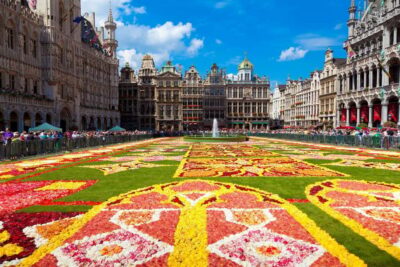
Walking Food Tour with Chocolate, Beer, & Waffles
Read our review →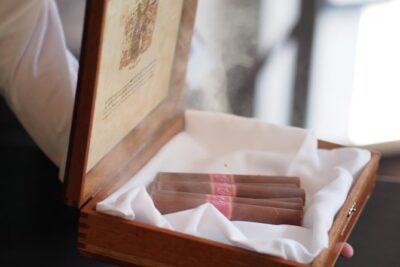
Melbourne Lanes & Arcades Chocolate and Dessert Walking Tour
Read our review →
Browse the lists this tour appears in