
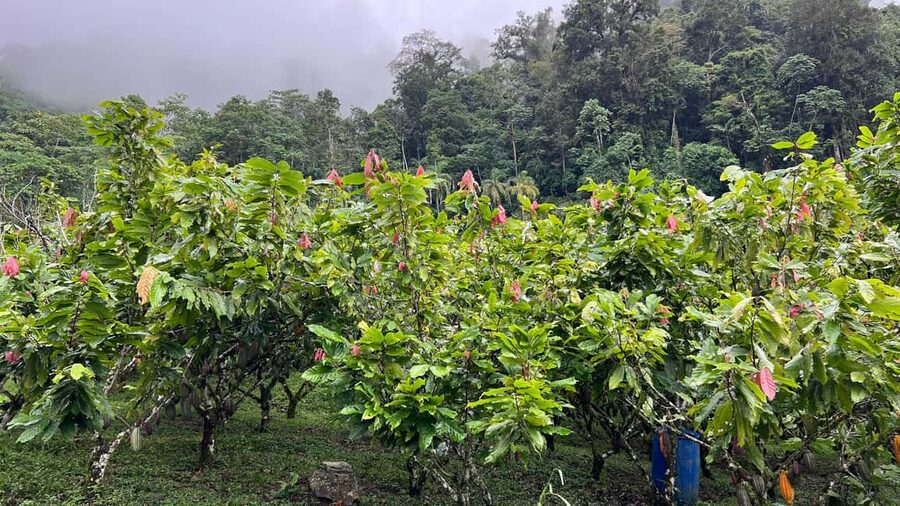
Review · SPAIN
Ancestral Cocoa Tasting in Ronda – Tree to Cup Experience
Cocoa tells a story worth sipping. At Sumay Cacao in central Ronda, Agostina guides you through the path from fresh cacao fruit to finished drink, with three ceremonial cocoa tastings from Peru and Ecuador along the way. I like the personal welcome and the clear, step-by-step explanation of how cocoa becomes chocolate. I also like that this is a small, unusual cultural experience rather than another standard food tour.
The main drawback is simple: one hour goes quickly, and this is a tasting rather than a meal or a hands-on workshop. The drinks are ceremonial cocoa, not sweet industrial hot chocolate, so you should arrive ready for earthy, natural flavors and a natural stimulant called theobromine.
Five things to know before booking
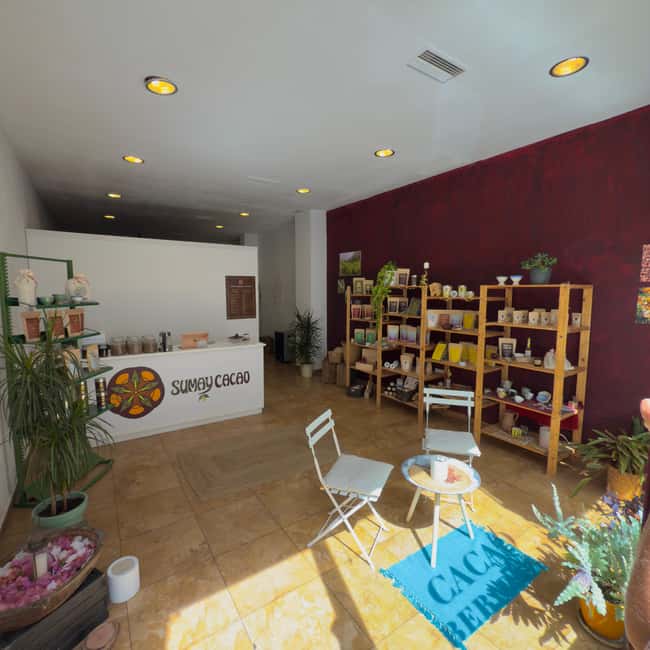
- Three pure cocoa drinks: Taste separate varieties from Peru and Ecuador, each with its own fruity, intense, or gentle character.
- Agostina leads the experience: Her warm personality and clear passion for cacao are a major part of the visit.
- The process is the subject: You learn about fermentation, roasting, grinding, and preparation, not just the final drink.
- A central Ronda location: Sumay Cacao is at Calle Pozo 9, close to La Alameda Park and La Merced Church.
- One extra drink is included: You receive a surprise drink to take home and continue exploring cocoa afterward.
Starting at Calle Pozo 9 in central Ronda
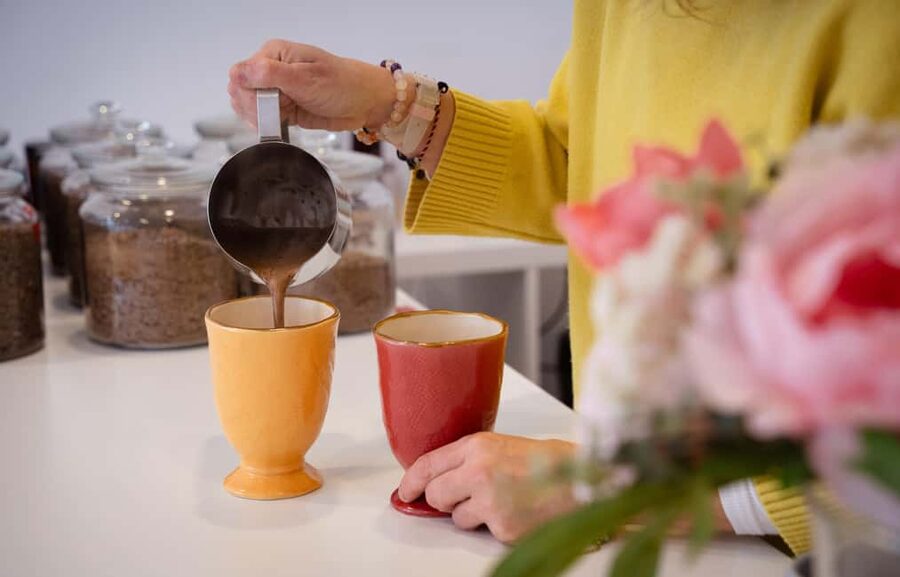
Sumay Cacao sits at Calle Pozo 9, Bajo, in the center of Ronda. The shop is only a few meters from La Merced Church and close to La Alameda Park, so it fits neatly into a walking day around town.
You meet and finish at the shop. There is no hotel pickup or transfer, which is hardly a hardship in central Ronda, but you should plan your own way there. Arrive five to ten minutes early. The activity takes place indoors, making it a useful choice when you want a break from sightseeing or the weather is not cooperating.
The space is described as cozy and intimate, with the smell of freshly ground cocoa in the air. That setting matters. This is not a large production tour with machinery and crowds. The focus stays on the ingredients, the explanation, and the cup in front of you.
The activity is available in Spanish or English. Some material may appear in its original language, so ask Agostina to clarify anything important. The experience is wheelchair accessible, and quiet pets that do not bark are welcome.
A few more chocolate tours around Spain worth a look
- Lanzarote: Vineyard Tour with Wine and Chocolate Tasting
★ 4.7 · 383 reviews - Barcelona: Nougat and Chocolate Museum Tour with Tasting
★ 4.5 · 232 reviews - Barcelona & Chocolate Amatller History and Culture + Activity and Tasting
★ 4.9 · 173 reviews
Agostina’s introduction sets the tone
Agostina, the founder of Sumay Cacao, guides the session herself. Her outgoing manner and passion for cacao make the introduction feel personal rather than rehearsed. One of the strongest reasons to book is the chance to hear the subject explained by someone who clearly cares about the ingredient and the communities connected to it.
She begins by placing cocoa in its wider cultural setting. The aim is not to rush you toward a sweet drink. Instead, you start with the idea that cacao has its own character, preparation methods, and traditions.
This introduction helps you understand why ceremonial cocoa tastes different from ordinary chocolate. A familiar chocolate bar has usually been processed, sweetened, and combined with other ingredients. Pure cocoa offers a more direct taste of the bean, including its bitterness, acidity, fruit notes, and roasted flavors.
If your idea of cocoa is a sugary winter drink, adjust your expectations. This tasting is closer to a guided food education session, with drinks used as the main way to compare different types of cacao.
From fresh fruit to fermented beans
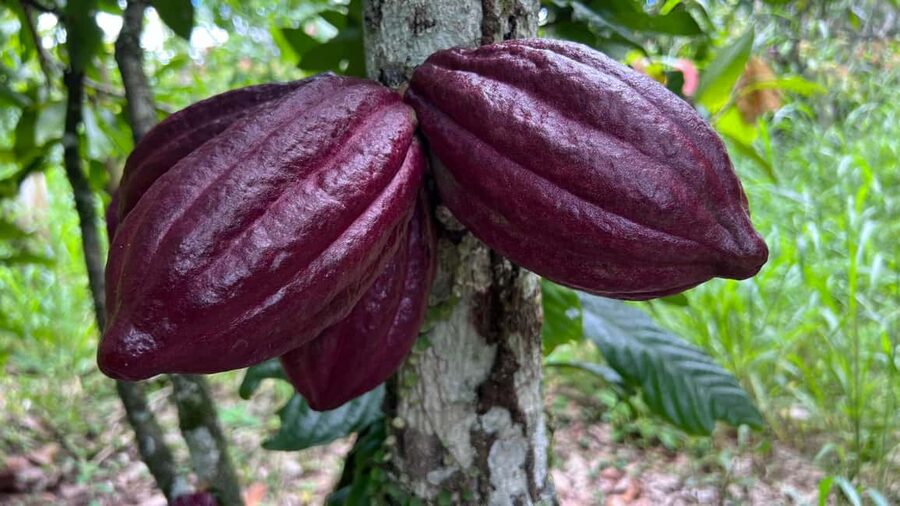
The central part of the experience follows the cocoa process in order. You learn about the fresh fruit first, then the fermentation that helps shape the beans before roasting.
This step-by-step approach is valuable because many people know cacao mainly as a finished chocolate product. Seeing how much happens before grinding gives you a better sense of why origin and preparation affect flavor.
The cocoa comes from Peru and Ecuador, two major producers in the Americas. The varieties used here are grown sustainably and made with respect for the communities that produce them. The session connects the taste in your cup with the people and agricultural work behind it, without turning the visit into a long lecture.
Fermentation is especially important to understand. It is part of the transformation from fresh cacao fruit to an ingredient that can develop the familiar flavors associated with chocolate. You do not simply taste a bean and call it chocolate. Time, heat, grinding, and preparation all change the result.
Gentle roasting and artisanal grinding
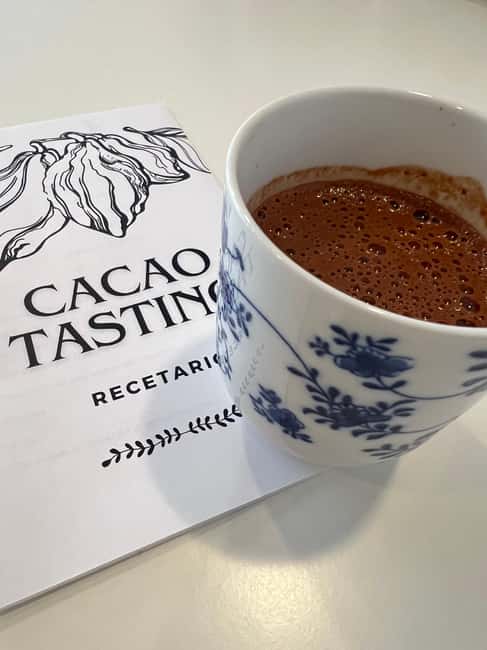
After fermentation, the beans are gently roasted. Agostina explains how this stage affects aroma and taste, then moves to artisanal grinding.
The wording matters here. This is not a factory tour, and you are not promised a full workshop where you make your own bar. You receive an explanation of the process and see how the stages connect. If you are hoping to work with the ingredients yourself, choose a separate hands-on workshop instead.
The grinding stage helps explain the difference between cocoa as a raw ingredient and chocolate as a prepared product. Once the beans are ground, the texture and aroma change, and the ingredient becomes ready for the final drink.
I like this portion because it gives you a practical way to taste with more attention. Instead of asking only if you like a sample, you can consider what you notice: fruit, intensity, smoothness, bitterness, or roast. A short session becomes more rewarding when you have a few simple ideas to guide your palate.
Same place, a different sort of tasting:
- Bean to Bar Chocolate Workshop in Barcelona
★ 5.0 · 172 reviews - Tapas and history tour ending with churros with chocolate
★ 5.0 · 119 reviews - Lanzarote: Sunset vineyard tour with wine and chocolate tasting
★ 4.8 · 97 reviews - Sweet Gaudi: the most delicious visit to Casa Vicens
★ 4.5 · 94 reviews
Three ceremonial cocoa cups from Peru and Ecuador
The tasting includes three drinks made from pure ceremonial cocoa. Each sample shows a different side of the ingredient. One may seem fruitier, another more intense, and another softer.
The purpose is comparison. You are not simply handed three identical cups. The origins and varieties give you a chance to notice how cacao changes from one sample to the next.
The term ceremonial cocoa also sets this apart from standard hot chocolate. These drinks are prepared as pure cocoa rather than as a heavily sweetened dessert. The flavor can be more direct and earthy, with the natural character of the cacao easier to notice.
Water is available throughout the experience, which is useful when comparing several samples. Take your time between drinks, especially if you are not used to unsweetened or lightly prepared cocoa. The tasting is intended to be pleasant, but it is not designed to hide the ingredient under sugar.
You also receive a surprise drink to take home. This is a nice extra because the learning can continue after you leave. It is not described as a food souvenir or chocolate product, so think of it as another cocoa sample rather than a box of sweets.
Cocoa is not the same as industrial chocolate
One of the most useful parts of the session is the explanation of the difference between pure cocoa and industrial chocolate. The distinction is easy to miss when cocoa, cacao, and chocolate are used as if they mean the same thing.
Here, you learn how the bean changes through fermentation, roasting, grinding, and preparation. You also learn what can happen when cocoa is turned into a commercial chocolate product, where sugar and other ingredients may play a larger role.
That does not make industrial chocolate bad. It simply gives you a clearer idea of what you are tasting. A confectionery bar and a cup of ceremonial cocoa serve different purposes, and this experience helps you recognize the difference.
Agostina also shares tips for enjoying cocoa at home. The advice is practical rather than focused only on the visit itself. You leave with a better sense of how to approach cocoa as a drink and how to pay attention to its natural qualities.
What the health discussion does and does not promise
The experience includes information about cocoa’s natural benefits, including stable energy, mental clarity, and a sense of well-being. It also explains that ceremonial cocoa contains theobromine, a natural stimulant.
This is worth noting before you book. Cocoa is not necessarily a late-night drink for everyone, especially if you are sensitive to stimulants. The session does not present itself as a medical treatment, and you should treat the health information as general guidance rather than personal medical advice.
If you have food allergies, tell the provider in advance. The activity is not a full meal, so eat separately if you need something substantial. The tasting includes the drinks and water, but not food or other beverages outside the cocoa samples.
The recommended minimum age is 12. Children under 12 cannot join, which suits the quiet, educational nature of the session.
How the $29 price compares with the experience
At $29 per person, this is a fair price for a one-hour guided tasting if you value explanation and unusual local activities. You receive three ceremonial cocoa drinks, a surprise drink to take home, water, and Agostina’s guidance.
The value is not in quantity. You are not getting a meal, a large box of chocolate, or an extended factory visit. You are paying for a focused introduction to cocoa, a comparison of three varieties, and the chance to understand how the ingredient reaches your cup.
For someone who already plans to visit Ronda and enjoys food culture, the central location makes the cost easier to justify. You can place it near a visit to La Alameda Park, La Merced Church, or other central sights without arranging transport.
The price may feel less attractive if you only want a sweet drink or if you are looking for a practical workshop where you make chocolate yourself. In that case, this session may seem too short. For curious adults and older children who enjoy learning through taste, it offers something you are unlikely to find in a standard cafe.
Who will enjoy this cocoa tasting most
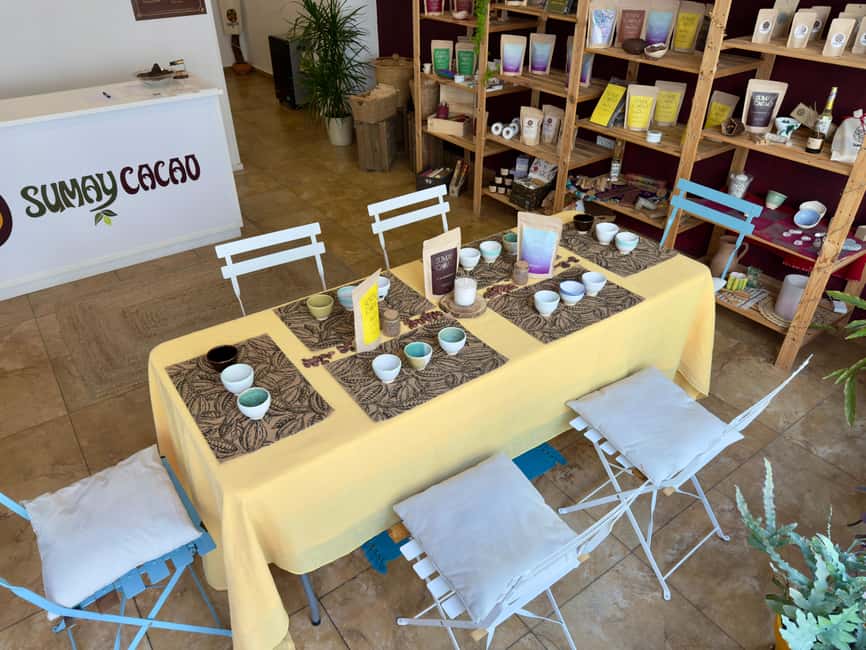
I would recommend the experience to:
- Chocolate lovers who want to understand cocoa before it becomes a confectionery product.
- Food-focused visitors looking for a local activity in Ronda that lasts about an hour.
- Culturally curious people interested in traditional preparation and the connection between ingredients and producing communities.
- Couples and small groups who prefer an intimate indoor activity.
- Visitors with flexible schedules who can fit a short tasting near central Ronda sights.
- Older families with children aged 12 or above who can appreciate a more serious tasting.
I would think twice if you dislike bitter or earthy flavors, need a full meal, or expect a hands-on chocolate-making class. The experience is educational and sensory, but it is not designed as entertainment for very young children.
The activity is also a good match for anyone who enjoys talking with a passionate guide. Agostina’s personality is part of the appeal. Her communication style and enthusiasm help keep the session warm and approachable, even when the subject becomes technical.
Timing, language, and practical details
The tasting lasts about one hour. That makes it easy to add before lunch, after a morning walk, or during a quieter part of your Ronda schedule.
Book a Spanish or English session according to your preference. You can reserve now and pay later, which helps if your Andalusia plans are still shifting. Free cancellation is available up to 24 hours before the activity for a full refund.
You should arrive five to ten minutes early because the session begins inside the Sumay Cacao shop. There is no pickup service, so allow time to reach Calle Pozo 9 on foot.
The activity is wheelchair accessible. Quiet, non-barking pets are welcome, though the indoor setting means you should still consider whether your pet will be comfortable during a focused tasting.
Should you book Sumay Cacao?
Book it if you want a small, thoughtful food experience that teaches you something and gives you several flavors to compare. The strongest reasons are Agostina’s personal guidance, the rare chance to taste ceremonial cocoa, and the clear look at the process from fruit to cup.
Skip it if you want a full meal, a sweet chocolate dessert, or a hands-on class. At one hour, this is a compact introduction, not an all-day food event. For the right audience, though, it adds a welcome change of pace to Ronda and leaves you seeing cocoa in a more informed way.
FAQ
Where does the cocoa tasting take place?
It takes place at Sumay Cacao, Calle Pozo 9, Bajo, 29400 Ronda, Málaga. The shop is close to La Alameda Park and only a few meters from La Merced Church.
How long does the experience last?
The tasting lasts about one hour.
How much does it cost?
The price is $29 per person.
Which languages are available?
The experience is available in Spanish and English. Some content may be shown in its original language.
What drinks are included?
You receive three ceremonial cocoa drinks made with cocoa from Peru and Ecuador, plus a special surprise drink to take home. Water is available during the tasting.
Is this a chocolate-making workshop?
No. This is a guided tasting and explanation of the cocoa process. A hands-on workshop is a different activity and is not included.
Is food included?
No. This is not a full meal. Food and drinks outside the cocoa tasting are not included.
Is the experience suitable for children?
The recommended minimum age is 12. Children under 12 are not permitted to join.
Can I cancel my booking?
Yes. You can cancel up to 24 hours in advance for a full refund. You can also reserve now and pay later.
Just added around Spain
- Alicante; Visit the Chocolate Museum and Villajoyosa, a colorful town★ 4.8 · 4 reviews
- Transformative 2-Hour Sound Healing Journey & Cacao Ceremony★ 4.1 · 8 reviews
- Private French Basque Tour: Biarritz, Bayonne & Chocolate★ 5.0 · 8 reviews
- KAICAO bean to bar and design your chocolate experience★ 4.5 · 18 reviews
- Madrid Segway Tour with Chocolate and Churros★ 4.5 · 16 reviews
- Private Cacao Ceremony Combined with Creative Craft Class Ibiza★ 5.0 · 2 reviews
- Delicious Chocolate Tour Barcelona★ 5.0 · 37 reviews
- Gaudi’s Casa Batlló and La Pedrera with Chocolate Tasting★ 5.0 · 5 reviews
Chocolate Tours, compared.
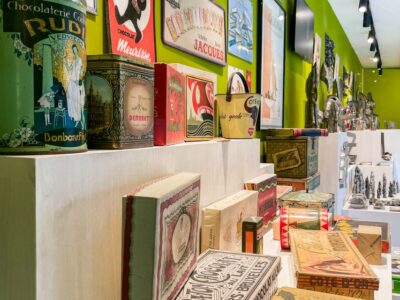
Choco-Story Brussels: Chocolate Museum Entrance with Tasting
Read our review →
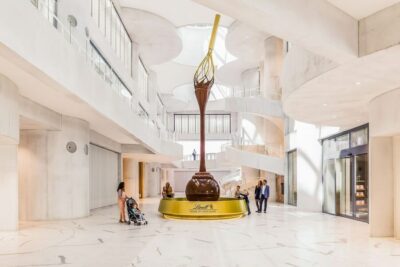
City Tour, Cruise, and Lindt Home of Chocolate Visit
Read our review →
The Chocolatarium Chocolate Tour Experience in Edinburgh
Read our review →
Award-Winning Geneva Chocolate &Old Town Tour with Boat Ride (3h)
Read our review →
Yarra Valley Wine, Gin, Whisky and Chocolate Tour
Read our review →
4×4 Dominican Adventure with Chocolate and Coffee Tasting
Read our review →
Browse the lists this tour appears in