
Review · ITALY
Fine Chocolate Tasting in Turin
Chocolate can be a serious Turin lesson. This one-hour tasting puts Gianduja at the center, then moves through local, Italian, and international chocolates with clear guidance from Giovanni. I like the generous number of samples and the way the bean-to-bar method turns a sweet snack into a lesson in flavor. The main drawback is the tiny shop, with limited seating and no wheelchair access.
At $36 per person, the experience is good value if you enjoy careful tasting rather than simply eating a truffle and moving on. You will taste all four primary chocolate types, compare different makers, and learn to notice flavor notes that are easy to miss in an ordinary bar. Tell the host about a hazelnut allergy as soon as you arrive so alternatives can be prepared.
Key points to know before booking
- Gianduja is the Turin star: You begin with the local blend of chocolate and toasted Piedmont hazelnuts, smooth, creamy, and closely tied to the city’s chocolate tradition.
- The tasting covers four chocolate types: Expect local and Italian examples, followed by international bean-to-bar chocolates in dark, milk, and white styles.
- Samples are generous: Several people found there was plenty to taste, so arrive ready for more than a token nibble.
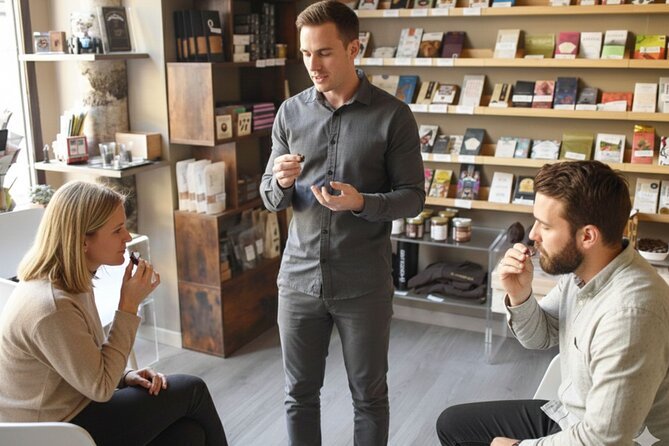
- Giovanni leads with real enthusiasm: His explanations cover chocolate history, production, makers, and tasting notes in a friendly, relaxed way.
- The setting is very small: The boutique sits to the left of a sushi restaurant, and one person found that a few more chairs would have helped.
- Allergy planning matters: Hazelnut alternatives are available, but you must mention the allergy or intolerance at the start.
Why chocolate makes sense in Turin
Turin is one of Italy’s great chocolate cities, and this tasting gives you a useful reason to pay attention. The focus is not just on famous sweets. It is on how ingredients, roasting, processing, and the maker’s choices affect the final taste.
The local signature is Gianduja, a blend of chocolate and hazelnuts from Piedmont. Its soft texture and nutty flavor help explain why Turin developed such a strong chocolate identity. You get to try it near the start, when your palate is fresh, rather than treating it as an afterthought.
I like this approach because it connects a small food experience to the place you are visiting. You are not simply sampling imported luxury bars in a generic shop. You are first given a taste of something closely tied to Turin, then shown how it compares with chocolate from other producers.
The tasting also gives you a better sense of the difference between industrial chocolate and fine chocolate. One participant said the gap was much larger than expected, while another compared the experience to a wine tasting. That comparison is useful: the point is not only sweetness, but also aroma, texture, balance, and the way flavors change as the chocolate melts.
More Chocolate Tastings in Italy
- The Turin Chocolate & Wine Tasting Experience
★ 4.7 · 87 reviews - The Turin Chocolate Tasting Experience
★ 4.7 · 83 reviews - The Turin Chocolate & Wine Tasting Experience
★ 5.0 · 62 reviews
Entering Chocolate7 and meeting the host
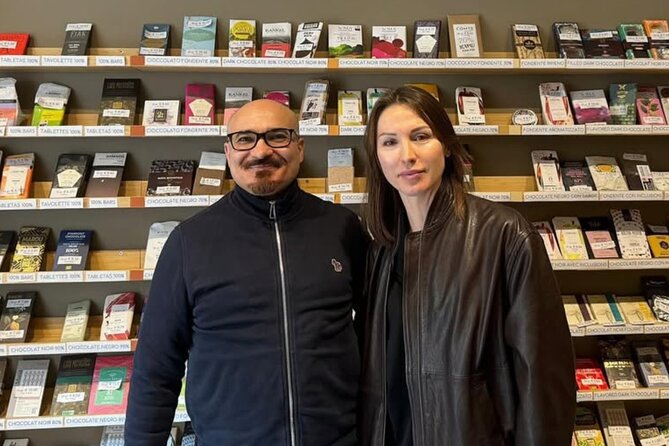
The meeting point is Chocolate7, a small boutique in Turin. Look for the shop to the left of a sushi restaurant, enter, and show your ticket to begin. Because the space is compact, you should not expect a large classroom or a formal tasting hall.
The intimate setting is part of the charm. You are close to the chocolate selection and the host, and the format feels personal rather than mass-market. The small group is limited to eight people, which gives the session room for questions and direct conversation.
Giovanni is the host most often named in the feedback, and his passion is a major part of the experience. He explains chocolate with energy but keeps the mood relaxed. Several people singled out his friendliness, generosity, and enthusiasm, while one review refers to Giuseppe instead. The experience details identify the host as Giovanni, so that is the name you should expect to hear.
The shop itself has a wide selection of chocolate in different shapes, flavors, and sizes. That matters because the tasting is also a chance to see what is available for later. You can purchase treats to take home, although those purchases are not part of the $36 fee.
The first taste: Turin’s Gianduja
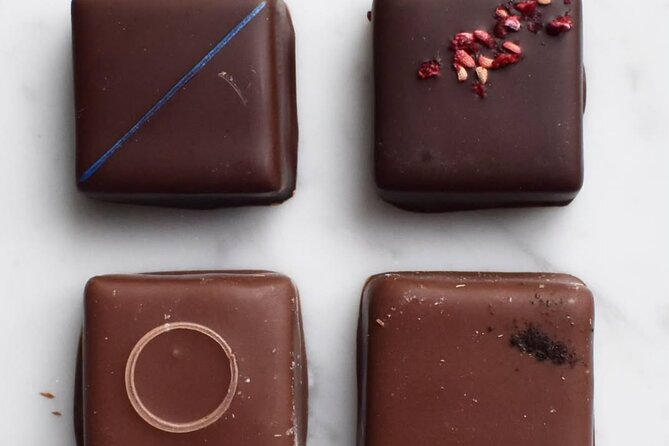
Gianduja is the natural opening act. This local specialty blends chocolate with toasted hazelnuts from Piedmont, producing a creamy, smooth texture and a warm nut flavor.
For many people, this will be the most distinctly Turin part of the hour. The tasting explains why hazelnuts are such an important partner for chocolate in the region, and the sample gives you a reference point for everything that follows.
Pay attention to texture here. Gianduja is not simply a chocolate bar with nuts scattered through it. The hazelnut is worked into the mixture, creating a soft, unified mouthfeel. That makes it a useful contrast to the firmer, sharper, or more intense chocolates you taste later.
If you have a hazelnut allergy or intolerance, say so immediately. The host can provide alternatives, but you should not wait until the tasting is underway. This is one of the few practical details that can affect your experience from the first sample onward.
Comparing local and Italian makers
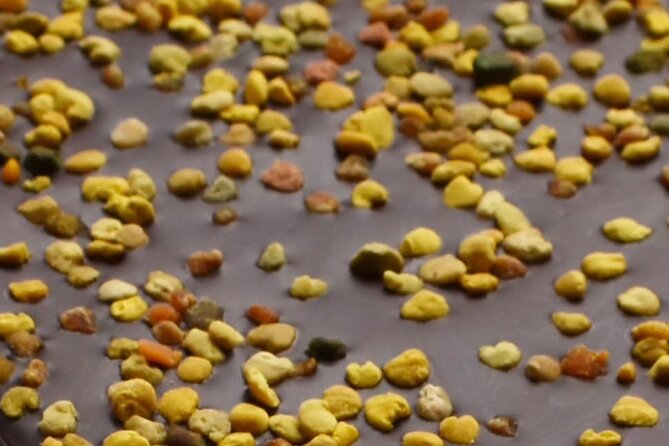
After Gianduja, the tasting moves through chocolates from local and Italian producers. This part helps you see that Italian chocolate is not one single style. Different makers can produce very different results, even when working with the same broad type of chocolate.
The host discusses tasting notes as you go. You may notice changes in sweetness, bitterness, fruit-like tones, roasted flavors, or texture. The exact selection can vary, so you should think of the experience as a guided comparison rather than a fixed menu with named bars guaranteed at every sitting.
The samples are reported to be plentiful. That is important at $36, since a small luxury tasting can feel poor value if each person receives only a few tiny pieces. Here, the hour includes enough tasting to make comparisons meaningful, and several people described the supply as generous.
The educational side also keeps the session from becoming a sugar rush. You are encouraged to slow down and consider what you are tasting. Even if you normally eat chocolate quickly, the format gives you a reason to pause and notice the differences.
More Chocolate Tastings in Turin:
- The Turin Chocolate Tasting Experience
★ 4.5 · 31 reviews - Fine Chocolate Tasting in Turin
★ 5.0 · 26 reviews - Chocolate Made in Piedmont: Guided Tour with Tastings
★ 4.5 · 10 reviews - Turin Chocolate Tasting Walking Tour
★ 5.0 · 4 reviews
Finishing with international bean-to-bar chocolate
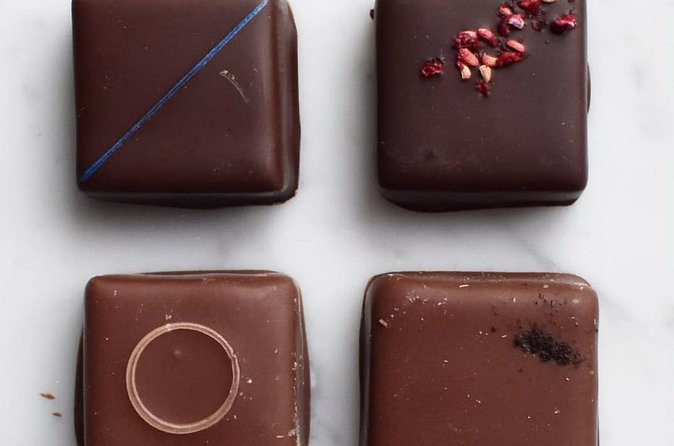
The final part brings in international chocolates made with dark, milk, and white chocolate. This wider selection gives you a chance to compare the Turin and Italian examples with makers from outside Italy.
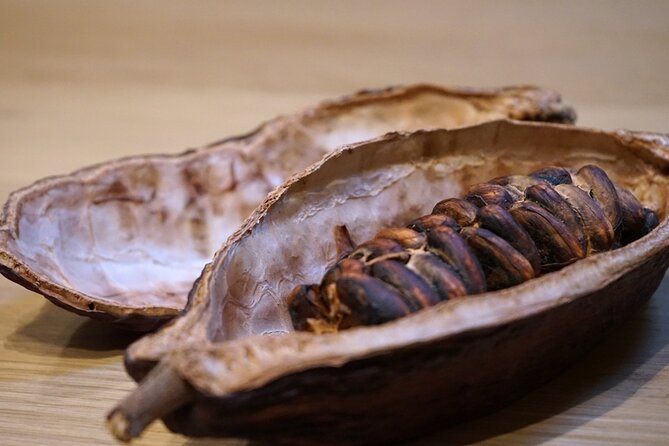
The term bean-to-bar describes a production method in which the chocolatier oversees the process from the cocoa bean through to the finished chocolate. The host explains why that control can affect quality and flavor. You learn how the maker’s attention at each stage helps create more precise tasting notes.
The chocolate served here is described as pure, mainly organic, and made without emulsifiers. For you, that means the tasting places more attention on the character of the ingredients and the maker’s technique. It also explains why a high-quality sample can taste more layered than an ordinary supermarket bar.
This is not a technical factory tour, and you will not be watching the entire production process. Instead, the bean-to-bar lesson gives you a framework for understanding what is in your mouth. That is enough to make the tasting useful, especially if you want to buy better chocolate later but are unsure what to look for.
What the one-hour format gets right
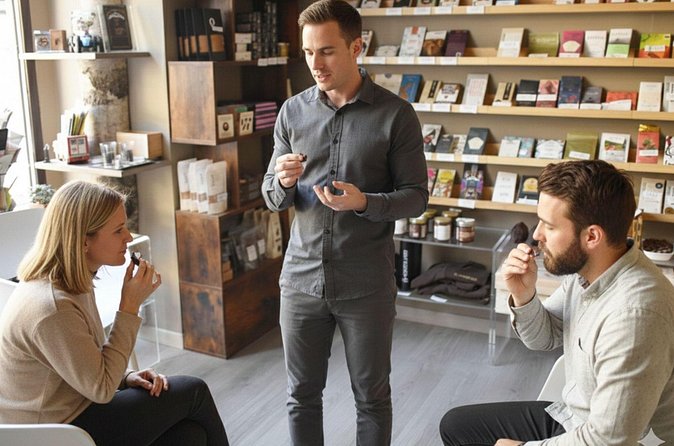
One hour is a sensible length for this activity. It is long enough to sample a broad range and hear the story behind the chocolate, but short enough to fit into a busy day in Turin.
You could place it between sightseeing stops, use it as an afternoon break, or book it when the weather makes an indoor activity appealing. There is no transportation included, so you need to make your own way to Chocolate7. The location details are simple, but check the meeting instructions carefully because the boutique is small and sits beside a sushi restaurant.
The compact schedule also helps prevent the tasting from becoming repetitive. You get a local introduction, an Italian comparison, and international examples, then finish before your palate becomes tired.
Bring comfortable shoes, as requested by the host. The tasting itself takes place in a small shop, and seating may be limited. One person specifically wished there were a couple more chairs, so do not assume this will be a fully seated event for everyone.
Small group, small room, personal attention

The maximum group size is eight. That is a strong feature for a tasting because the host can explain the samples without shouting across a crowded room. You also have a better chance to ask about ingredients, production, or a flavor you do not recognize.
The small space has a trade-off. It creates a friendly boutique feel, but it may feel tight if the group is full. The activity is not suitable for wheelchair users, and the limited seating may matter to anyone who needs to sit throughout the hour.
Languages offered are Italian, French, and English. If you are comfortable in any of these, you can take part in the explanation rather than only sampling silently. The guide’s ability to explain the chocolate is a central part of the value.
The atmosphere appears relaxed rather than formal. You are not expected to dress up, and the tone is more like a conversation in a specialty shop than a lecture. That makes the experience suitable for couples, families, and curious first-time tasters.
Is $36 a fair price?
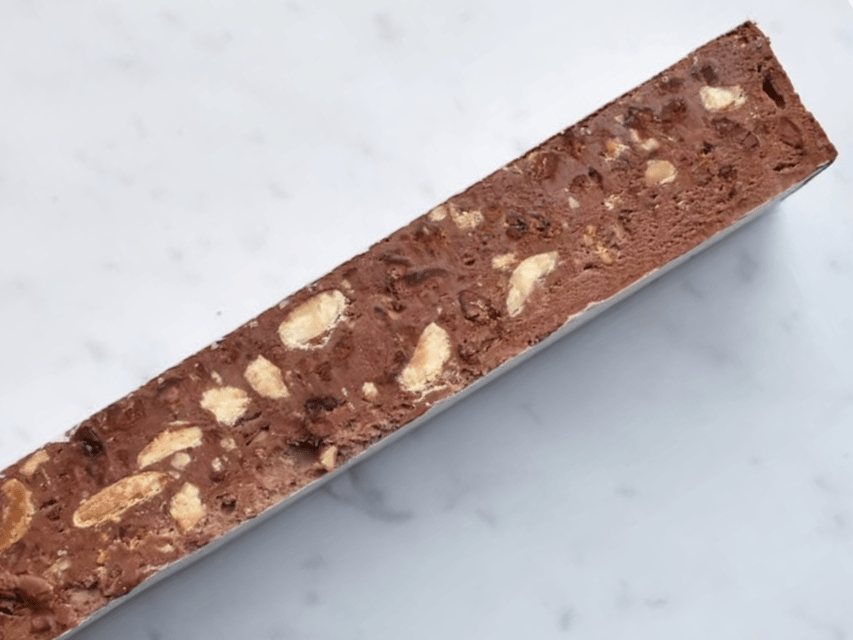
At $36 per person, the price is reasonable when you consider the guided explanation, the small group, and the number of samples. You are paying for access to a selection of fine chocolates and for the host’s ability to explain how they differ, not merely for a box of sweets.
The value is strongest if you are interested in learning. If all you want is the largest possible amount of chocolate, you might prefer to buy bars directly from a shop. But if you want to understand Gianduja, compare makers, and taste bean-to-bar chocolate with a guide, the fee is easier to justify.
The generous samples also help. Several people described the amount of chocolate as more than expected, and one family found the hour ideal. You might even want to arrive with an appetite, though the experience is a tasting rather than a full meal.
The ability to reserve now and pay later adds flexibility, and cancellation is free up to 24 hours in advance. Those terms are useful if your Turin schedule is still shifting, but the main value remains the quality and variety of the tasting itself.
Who will enjoy this Turin tasting most?
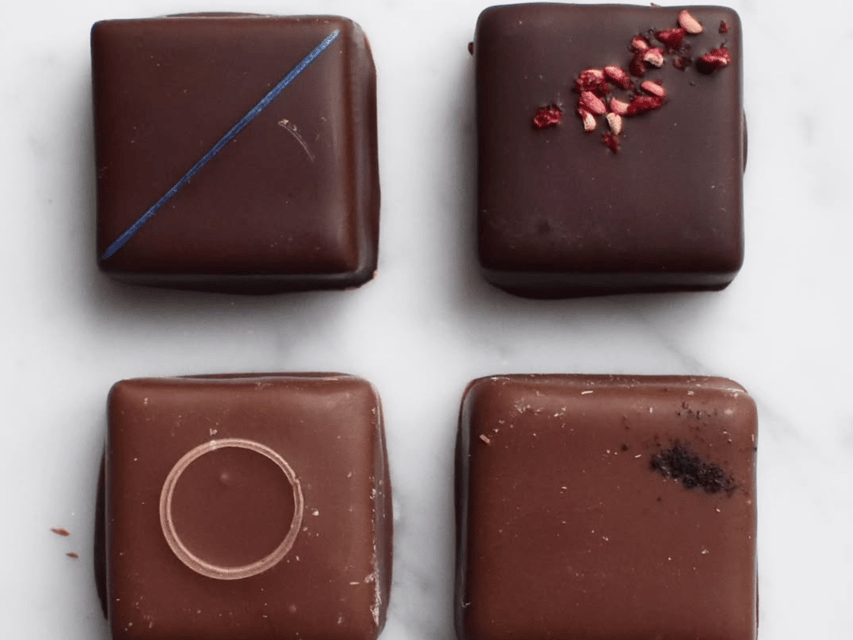
You should consider booking if you enjoy:
- Local food traditions with a clear connection to the city
- Small-group activities rather than large guided tours
- Comparing ingredients, textures, and production methods
- Dark, milk, white, and hazelnut-based chocolate
- Buying distinctive food gifts after learning what you like
- Short activities that fit around a larger Turin itinerary
It is especially good for couples and families who want something easy and enjoyable for one hour. One family described it as a perfect use of time for chocolate lovers, while another person booked it as a gift for a spouse who loved the experience.
You do not need to be a chocolate expert. In fact, the tasting works well if you normally buy ordinary chocolate and want to understand what makes fine chocolate different.
You may want to skip it if you dislike hazelnuts and do not want alternatives, need guaranteed wheelchair access, or prefer a large, formal venue with plenty of seating. The shop is small, and that is worth knowing before you arrive.
Practical details that can improve your visit
Arrive at Chocolate7 and look for the boutique to the left of the sushi restaurant. Enter the shop and show your ticket to the host. Since the meeting point can be easy to miss, keeping the location description handy is sensible.
Tell the host about any hazelnut allergy or intolerance at the beginning. Alternatives can be provided, but the timing matters.
The tasting is offered in Italian, French, and English. It lasts one hour, runs in a group of no more than eight, and does not include transportation. Comfortable shoes are recommended.
Free cancellation is available up to 24 hours before the activity for a full refund. You can also reserve and pay later, which helps if you are arranging several Turin activities at once.
Should you book the Chocolate7 tasting?
I would book this if you want a focused Turin food experience with plenty to taste and a host who clearly enjoys sharing the subject. The best parts are the opening Gianduja sample, the comparison between local, Italian, and international makers, and the bean-to-bar explanation that helps you understand why the flavors differ.
The $36 price makes sense for a one-hour guided tasting with generous samples, especially if you plan to buy chocolate afterward and want better guidance. Keep your expectations realistic about the setting: this is a small boutique, not a spacious tasting room.
Book it for a chocolate-loving family, a curious couple, or anyone who likes food with a story. Mention allergies at the start, check the access limitations, and leave room in your suitcase for a few bars.
FAQ
Where does the chocolate tasting take place?
It takes place at Chocolate7 in Turin, inside a small chocolate boutique to the left of a sushi restaurant.
How long does the experience last?
The tasting lasts one hour.
How much does the tasting cost?
The price is $36 per person.
What types of chocolate will I taste?
You will taste all four primary types of chocolate, including Gianduja and chocolates made with dark, milk, and white chocolate.
Will I taste chocolate from outside Italy?
Yes. The tasting includes international bean-to-bar fine chocolates, along with local and Italian chocolates.
Is transportation included?
No. You are responsible for getting to the Chocolate7 meeting point.
What languages are available?
The guided tasting is offered in Italian, French, and English.
How many people can join the tasting?
The group is limited to eight participants.
Can I join if I have a hazelnut allergy?
Yes, alternatives can be provided, but you must tell the host at the beginning of the tasting.
Is the experience wheelchair accessible?
No. The activity is not suitable for wheelchair users.
Just added around Turin
- Willy Wonka in Turin – A chocolate adventure★ 3.7 · 6 reviews
- Turin: 45-Minute Chocolate Workshop at Choco-Story★ 4.7 · 25 reviews
- Turin’s Sweet Delights: A Chocolate Walking Tour★ 4.9 · 26 reviews
- Fine Chocolate Tasting in Turin★ 5.0 · 26 reviews
- The Turin Chocolate Tasting Experience★ 4.5 · 31 reviews
- Turin Chocolate Tasting Walking Tour★ 5.0 · 4 reviews
- CioccolaTOur, discover the sweet side of Turin tasting the most famous chocolate★ 4.5 · 3 reviews
- Guided Tour of the Chocolate Factory: Tasting Included★ 4.5 · 3 reviews
Chocolate Tastings, compared.
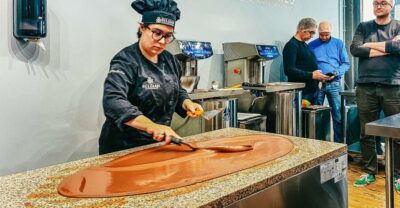
Belgian Chocolate Making Workshop with Tastings
Read our review →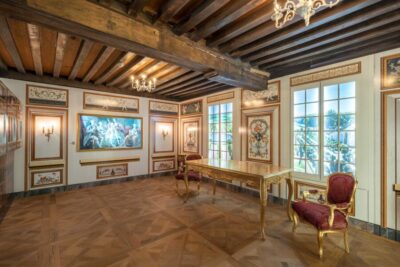
Choco-Story Chocolate Museum Guided Tour w/Tastings
Read our review →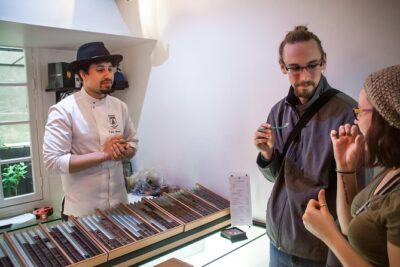
Paris French Sweets Tasting Tour with Pastries and Chocolates
Read our review →
Brussels Walking and Tasting Tour (Beers,Chocolates&Fries/Waffle)
Read our review →

Brussels and Bruges Tour & Optional Chocolate Tasting
Read our review →
Beer Tour with 6 Beers and 3 Chocolate Tastings
Read our review →Browse the lists this tour appears in