
Review · GERMANY
Düsseldorf: Chocolatier Workshop & Chocolate Tasting
Chocolate is better when you get your hands dirty. This two-hour Düsseldorf workshop lets you make your own chocolate bar, then follow cocoa from bean to finished treat through tastings from three continents. I like the hands-on format, and I also like that the session explains origin, production, and sustainability instead of treating chocolate as just a sugar fix. The main drawback is the price: at $88 per person, it is a fairly costly afternoon for a bar of chocolate and a short class.
The German-language instruction, chocolate quiz, welcome surprise, and take-home diploma give the session more shape than a simple tasting. Still, you should confirm the meeting address before setting out, since an address error has caused serious confusion for at least one booking. This is best for families, couples, and curious food lovers who enjoy making something, not just eating it.
Key Points at a Glance
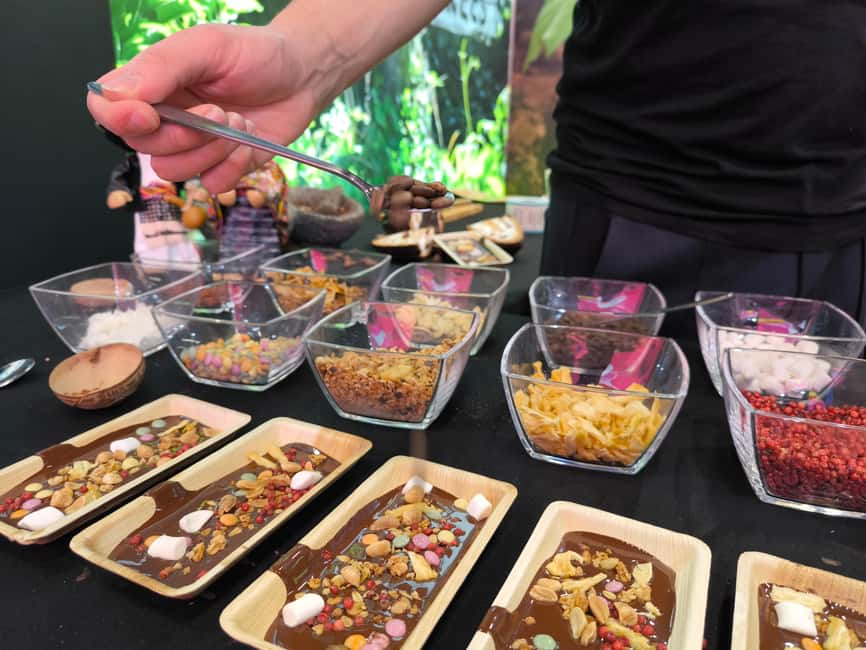
- Make a personalized chocolate bar: Decorate liquid couverture chocolate with your chosen toppings and take the finished bar home.
- Taste cocoa from three continents: Compare origin chocolates while learning how growing regions affect flavor and character.
- Learn from bean to bar: The workshop explains cocoa origins, production methods, sustainability, nutritional value, and chocolate-making basics.
- Join a quiz with prizes: The quiz adds a light, social contest to the educational part of the afternoon.
- Receive a chocolate diploma: You leave with a certificate in chocolate basics and application, along with your edible creation.
- Plan for German instruction: The activity is listed in German, and wheelchair users cannot take part.
Making Your Own Chocolate Bar in Düsseldorf
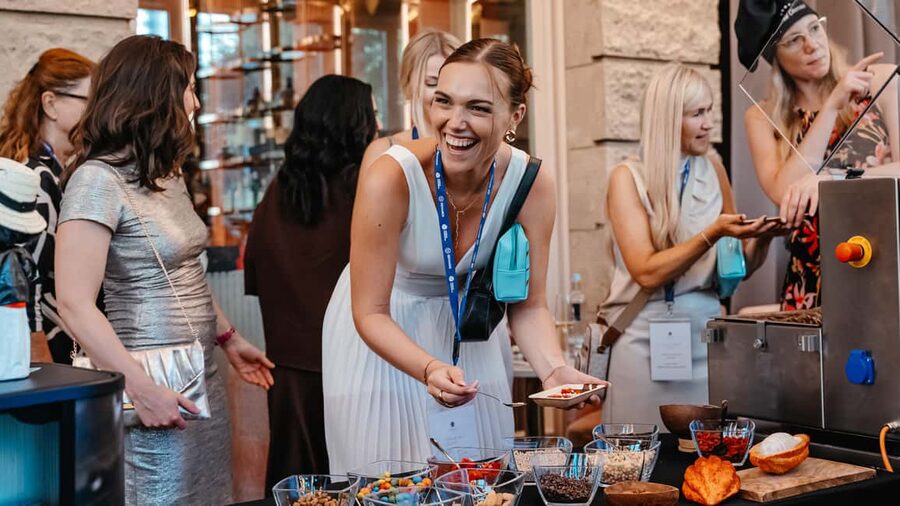
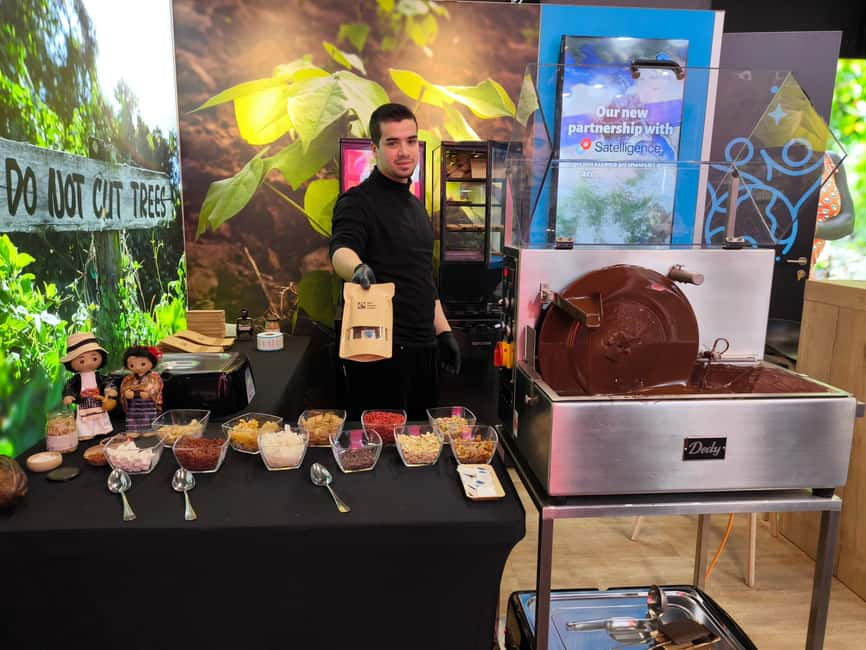
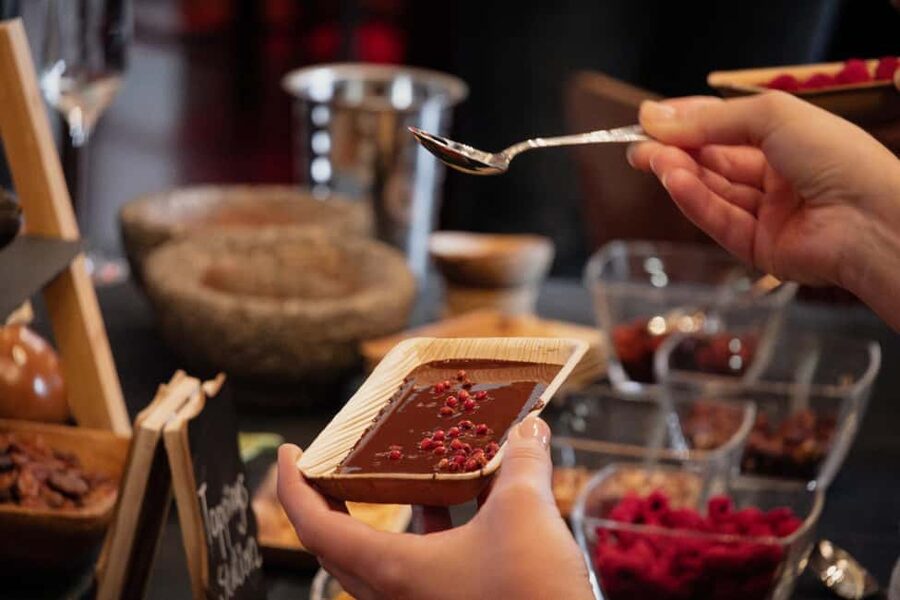
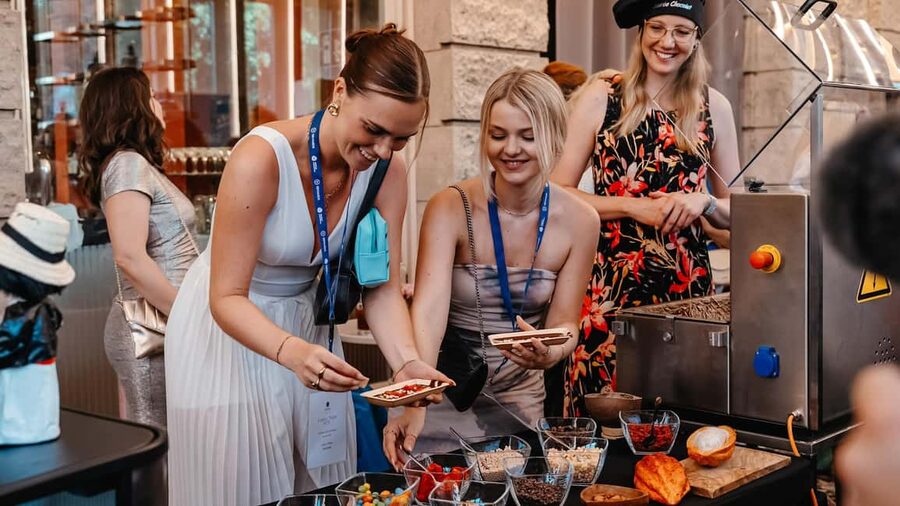
The workshop begins with the creative part: you step into the role of a chocolatier and work with liquid couverture chocolate. You decorate your bar with toppings, building something that reflects your own taste rather than simply sampling a fixed selection.
That hands-on element is the heart of the activity. You are not watching a professional make a perfect confection from across the room. You are shaping a personal bar that you can eat later or give away. For children, this makes the session feel like an activity rather than a lecture. For adults, it offers a pleasant excuse to play with food.
The supplied details do not specify the exact toppings, so you should not expect a fixed list before arriving. The important point is that the bar is customized, and the creative choices happen during the workshop. If you have strong preferences, such as a dislike of dark chocolate, it is worth asking what chocolate varieties are available at the start.
One particularly useful detail comes from the tasting itself. A participant who normally would not choose dark chocolate found the workshop changed that opinion. That suggests the session may be a good fit if you have only tried mass-market chocolate and assume dark chocolate is always bitter. The tasting can show how cocoa origin, recipe, and production affect the result.
Once decorated, your chocolate bar needs time to cool. This creates a natural pause in the schedule. Instead of waiting around, you move into the tasting and educational section while your creation sets.
More Chocolate Tastings in the world:
- Brussels: Belgian Chocolate Making Workshop with Tastings
★ 4.7 · 1,629 reviews - Bruges: Choco-Story Chocolate Museum Guided Tour w/Tastings
★ 4.2 · 1,379 reviews - Paris French Sweets Tasting Tour with Pastries and Chocolates
★ 4.5 · 947 reviews
From Cocoa Bean to Finished Chocolate
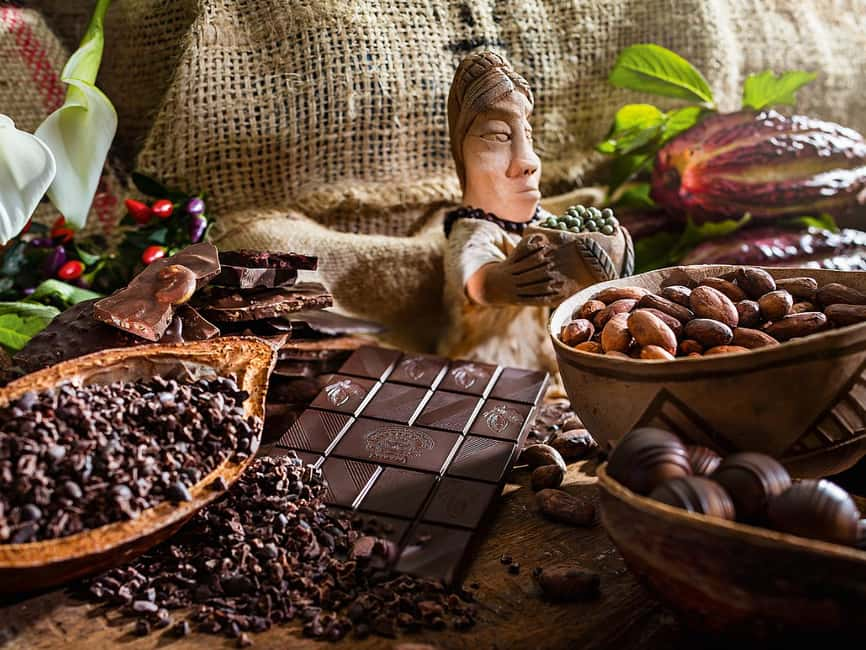
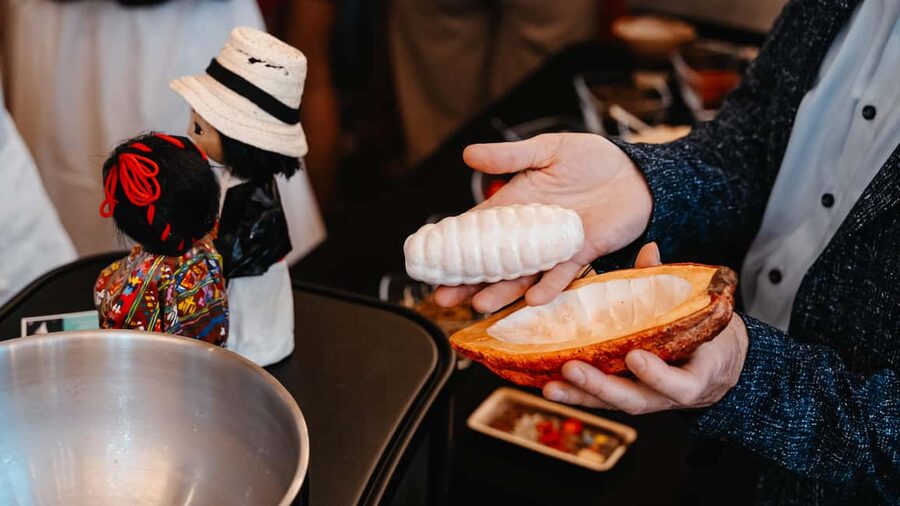
The workshop uses the cooling period to explain the route from cocoa bean to chocolate bar. That context matters because chocolate flavor is not determined by one ingredient alone. The cocoa’s origin, processing, recipe, and balance with other ingredients all shape what you taste.
You learn about the countries where cocoa beans come from, the differences between origin regions, and the basic ideas behind sustainable production. The session also covers nutritional value and the practical work involved in turning cocoa into chocolate.
I like this part because it gives a reason for the tasting. You are not simply handed several sweets and told which one to prefer. You get a framework for noticing differences. One chocolate may seem more bitter, another more fragrant, and another smoother or sweeter. The goal is not to find one universal winner. It is to understand why the bars taste different.
The class also introduces the artistry behind each bar. That phrase can sound grand, but here it has a practical meaning. Small choices in cocoa content, origin, and preparation can change the final result. Once you hear that, your own personalized bar becomes more than a souvenir. It becomes a small experiment in flavor and texture.
Because the instructor speaks German, you should be comfortable following German explanations or attend with someone who can translate. The language is not presented as an optional choice, so this is an important planning point for anyone who does not understand German well.
A Three-Continent Chocolate Tasting
The tasting journey is built around origin chocolates from three continents. Specific countries are not given, so you should not book this expecting a guaranteed lineup of named estates or particular cocoa regions. What you can count on is a comparison of chocolates connected to different parts of the cocoa-growing world.
This is likely the most educational part for food-minded visitors. Origin tasting can help you notice that chocolate is not a single flavor. The activity connects each sample to its growing region and explains the differences between cocoa origins.
I would approach this with curiosity rather than the expectation of a formal professional tasting. The workshop is designed for general visitors, not for people seeking advanced certification. You will learn useful basics, taste several examples, and gain a better sense of what you like.
The tasting also gives the price a little more justification. If this were only a make-your-own-bar activity, $88 would feel steep. The origin chocolates, explanations, quiz, and diploma make it a fuller two-hour program. Even so, the value depends on your interest in food education. If you only want a sweet souvenir, a shop visit will cost less.
The session may also be useful for parents. Children can compare flavors and discuss which sample they prefer, while adults get the background on farming, sourcing, and production. The activity is described as suitable for all ages, though the German-only instruction remains a practical limitation.
The Welcome Surprise and Chocolate Quiz

A welcome surprise comes at the beginning. The available details do not say exactly what it is, so I would treat it as a pleasant extra rather than a major reason to book. It helps set a friendly tone, but the real value comes later from the making and tasting.
The chocolate quiz adds a bit of competition to the educational material. You can test what you have learned about cocoa, origins, production, and chocolate itself, with a prize available for the winner. This keeps the class from becoming a long talk.
The quiz is also a useful social feature. If you are attending with friends or family, it gives everyone a shared challenge. You do not need specialist knowledge to enjoy it, since the class provides the information first.
Do not expect a serious exam. The purpose is fun and reinforcement, not a professional qualification. Still, it makes the facts easier to remember. A short contest can turn a detail about cocoa origin or nutrition into something you recall later when standing in front of a chocolate shelf.
A few more chocolate tours around the world worth a look
- Lindt Home of Chocolate Museum Entry Ticket
★ 4.7 · 9,329 reviews - Choco-Story Brussels: Chocolate Museum Entrance with Tasting
★ 4.3 · 4,883 reviews - Zurich: City Tour, Cruise, and Lindt Home of Chocolate Visit
★ 4.5 · 4,624 reviews - The Chocolatarium Chocolate Tour Experience in Edinburgh
★ 5.0 · 4,322 reviews
What the Diploma Really Adds
At the end, you receive a diploma in chocolate basics and application. This is not described as a professional culinary credential, so you should think of it as a playful certificate marking your completion of the workshop.
For children, the diploma can be a nice finishing touch. It gives the activity a clear ending and makes the day feel special. Adults may enjoy it as a light souvenir, especially alongside the chocolate bar they made.
The certificate does not replace serious pastry training, but it reflects what the workshop promises: an introduction to chocolate fundamentals, tasting, and practical decoration. If you like taking home something more personal than a photograph, the diploma helps.
The stronger souvenir is still the chocolate itself. You have decorated it with your own toppings, and you can eat it later or give it to someone else. Keep in mind that the activity does not list drinks as included, so budget separately if you want something to drink during or after the session.
Is $88 a Fair Price?
The cost is $88 per person for two hours. That is not a bargain workshop, especially when drinks are extra. The price makes more sense if you use all parts of the session: create a bar, take part in the origin tasting, learn about cocoa production, join the quiz, and receive the diploma.
I would rate the value as reasonable for someone who actively enjoys chocolate and wants a guided activity. You are paying for instruction, ingredients, tastings, and a structured afternoon, not just the finished bar.
For a visitor watching every euro, the value is less convincing. Düsseldorf offers many ways to enjoy chocolate without spending $88. If your main goal is simply to buy a good bar, this workshop is too much. If you want a food activity with something to do and discuss, the cost is easier to defend.
The mixed impression is worth keeping in mind. One assessment described the day as pleasant but expensive for what it offered. That is a fair warning, not a reason to dismiss the class. Go in expecting a small educational workshop and a creative souvenir, not an all-day culinary event.
Timing, Language, and Practical Planning
The activity lasts two hours, with starting times depending on availability. That makes it easy to fit into a Düsseldorf afternoon, but you should leave enough space around it for arrival and departure. Chocolate workshops are not ideal for rushing into at the last minute, particularly when the address needs careful checking.
The instructor language is German. This is the single biggest practical issue for international visitors. If you understand German, the session should be straightforward. If you do not, the visual work of decorating and tasting may still be enjoyable, but you could miss much of the explanation about cocoa origins, nutrition, and sustainable production.
I strongly suggest confirming the exact address before the day of the workshop. One booking problem involved an address that had apparently not been updated, and a phone call was needed to avoid missing the activity. That is an avoidable headache, especially when the workshop has a set start time.
Wheelchair users cannot take part, according to the activity information. You should also remember that drinks are not included. The workshop itself provides the chocolate-related elements listed above, including the bar-making session, origin tastings, welcome surprise, and quiz.
Cancellation is flexible up to 24 hours before the start for a full refund. You can also reserve now and pay later, which helps if your Düsseldorf plans are still shifting.
Who Will Enjoy This Workshop Most?
I would recommend this to families who want a creative indoor activity, couples looking for something more personal than a standard tasting, and food lovers curious about cocoa origins. It is also a good choice for anyone who likes taking part rather than sitting through a demonstration.
The workshop suits people who enjoy learning in small pieces. You taste, decorate, listen, answer questions, and leave with two souvenirs. That variety should help keep the two hours moving.
It is less suitable if you want a silent, high-end tasting with highly technical detail. The quiz, prize, and personalized bar point toward a friendly, accessible class. You should also reconsider if you do not understand German, need wheelchair access, or feel $88 is too much for a short food activity.
Dark chocolate skeptics may find more to enjoy than expected. The tasting has already convinced at least one person who would not normally choose dark chocolate, so keep an open mind before deciding what you like.
Final Verdict: Book It If Chocolate Is the Activity
I would book this workshop if you want a hands-on Düsseldorf experience and genuinely care about how chocolate is made. The best parts are the personal bar, the three-continent tasting, and the clear explanation of cocoa origins and production.
I would skip it if you only want a cheap edible souvenir or if German instruction will leave you lost. At $88, the workshop needs to provide more than chocolate, and it does so through the tasting, quiz, diploma, and guided explanation, but the value remains personal.
Before paying, verify the address and make sure the German-language format works for you. If both points are fine, this is a cheerful, practical chocolate class with enough substance to justify its price for the right visitor.
FAQ
How long does the chocolate workshop last?
The workshop lasts two hours.
How much does the experience cost?
The price is $88 per person.
Can I make my own chocolate bar?
Yes. You decorate liquid couverture chocolate with your preferred toppings and create a personalized bar to take home or give away.
Are chocolate tastings included?
Yes. The activity includes a chocolate world tour with origin chocolates from three continents.
What will I learn during the workshop?
You learn about the journey from cocoa bean to chocolate, cocoa origins, sustainable production, nutritional value, chocolate differences, and basic chocolate application.
Is there a quiz?
Yes. The workshop includes a chocolate quiz, and prizes are available.
Do I receive anything to take home?
Yes. You take home your personalized chocolate bar and receive a diploma in chocolate basics and application.
Is the workshop taught in English?
No. The listed instructor language is German.
Are drinks included?
No. Drinks are not included in the price.
Can I cancel for a refund?
Yes. You can cancel up to 24 hours in advance for a full refund.
Just added around the world
- Lindt Chocolate Museum with Cruise Transfer from Zurich★ 4.6 · 7 reviews
- Zagreb: Lake Bled and Ljubljana Day Tour with Chocolate Gift★ 5.0 · 26 reviews
- Zurich: Chocolate Tasting and Walking Tour with a Local★ 4.2 · 13 reviews
- Zurich Open-top Tour and Chocolate and Cheese Countryside★ 3.5 · 11 reviews
- York: Introduction to Chocolate Making Experience★ 4.9 · 10 reviews
- Zaandijk-Near Zaanse Schans Chocolate making demo & tasting★ 4.8 · 13 reviews
- Wine and Chocolate experience★ 4.6 · 3 reviews
- Private Wine and Chocolate Tasting Experience★ 4.4 · 3 reviews
Chocolate Tastings, compared.
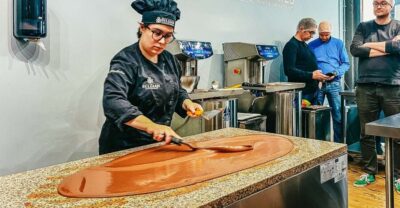
Belgian Chocolate Making Workshop with Tastings
Read our review →
Choco-Story Chocolate Museum Guided Tour w/Tastings
Read our review →
Paris French Sweets Tasting Tour with Pastries and Chocolates
Read our review →
Brussels Walking and Tasting Tour (Beers,Chocolates&Fries/Waffle)
Read our review →
Brussels and Bruges Tour & Optional Chocolate Tasting
Read our review →
Beer Tour with 6 Beers and 3 Chocolate Tastings
Read our review →Browse the lists this tour appears in