
Review · FRANCE
Colmar: Chocolate Museum Entrance Ticket
Chocolate tells a very long story. I like the way this Colmar museum turns that story into a hands-on route, with interactive displays and tastings rather than a room full of silent glass cases. I also like the mix of history, films, 3D projections, and virtual demonstrations, which gives you several ways to learn about cocoa.
The main drawback is simple: there is no live guide. You follow the museum at your own pace with an audio guide app, so the quality of your visit depends on how much time you give each section. The virtual chocolatiers add personality, but they are not a substitute for asking questions in person.
At $14 per person, this is a fairly easy addition to a Colmar day, especially for families and anyone with a serious sweet tooth. One small practical note: the final hot chocolate could use some improvement, according to the experience details, so I would treat it as a pleasant extra rather than the grand finale.
Key Points to Know Before You Go
- The route covers 5,000 years of chocolate making, from cocoa harvesting to modern production in Alsace.
- Thirty chocolate experiences keep the visit active, with tastings, films, projections, and interactive displays.
- Three master chocolatiers appear in a virtual demonstration, showing recipes and techniques.
- The museum is built around changing settings, including a tropical forest, an Aztec temple, and a 16th-century Spanish ship.
- An audio guide app is included in Chinese, English, French, German, Dutch, and Spanish.
- The $14 price includes samples, making the ticket better value for people who will use the full route rather than simply stop in for a quick look.
Starting in a Tropical Forest With Cocoa Pods
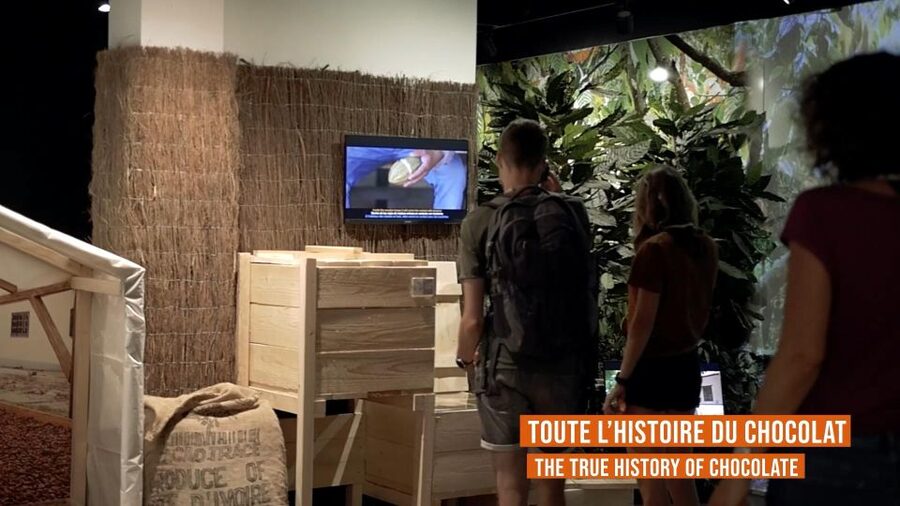
The visit begins far from a French pastry shop. You enter a tropical forest setting and meet a small monkey eating cocoa pods. It is a playful start, but it also gives you the basic fact you need for the rest of the museum: chocolate begins as an agricultural product, not as a neat square in a wrapper.
This first area focuses on cocoa trees and harvesting. You learn where the pods grow and how cocoa enters the food chain before it becomes a drink, a dessert, or a box of bonbons. That matters because many chocolate displays skip the farm stage and hurry straight to the finished product.
I appreciate this opening because it gives children something visual to watch while adults get the farming context. The monkey adds a bit of humor, which helps keep the first section from feeling like a school lecture. The display is also a good reminder that the flavor you taste later depends on a long process that starts in a warm tropical setting.
Do not expect a full agricultural course here. The museum’s goal is to move you through a broad story, not explain every cocoa-growing region or production method in great detail. Still, the forest scene gives the journey a clear starting point and makes the later sections easier to understand.
More Chocolate Museums in France
- Paris: Entrance Ticket to the Chocolate Museum
★ 4.1 · 1,105 reviews - Paris: 45-minute Chocolate Making Workshop at Choco-Story
★ 4.4 · 444 reviews - Choco-Story Paris – The Chocolate Museum
★ 4.0 · 183 reviews
Meeting Quetzalcoatl in the Aztec Temple
From the forest, the route moves into an Aztec temple. Here you meet Quetzalcoatl, the serpent god who, according to legend, introduced cocoa to humans. The museum uses this legend to show how cocoa was understood before its arrival in Europe.
This stop is useful because it separates cultural belief from modern food production. Cocoa was not simply a raw ingredient waiting to become candy. It carried religious, social, and symbolic meaning, and the museum presents that idea through a setting rather than only through written panels.
The temple scene should appeal to families because it gives the story a character and a place. You are not just reading that cocoa mattered to ancient societies. You are placed inside a theatrical version of that world.
I would keep your expectations measured. This is a short historical stage in a larger route, not a museum devoted entirely to Aztec culture. It introduces an important part of cocoa’s story, then moves on before the visit becomes too heavy.
Crossing the Atlantic on a Spanish Ship
The next setting changes again. The floor creaks, lamps move, and the windows look out toward the sea. You are now on a 16th-century Spanish ship, following cocoa’s journey to Europe.
This is one of the cleverer transitions in the museum. The moving details give the room a sense of motion, and they help you understand that cocoa reached Europe through travel, trade, and cultural exchange. The museum does not leave the ingredient floating in a vacuum. It shows a physical route from the Americas to European courts.
For me, this kind of theatrical design is more effective than a long paragraph about transatlantic trade. You can hear and see the ship setting while the story progresses. Children get atmosphere, and adults get a clear explanation of how cocoa crossed into a new part of the world.
The ship setting also marks a change in the story. In the earlier sections, cocoa belongs to tropical agriculture and ancient beliefs. Here, it becomes a product that can be transported, prepared, and presented to European consumers.
Because this is a museum with many stops, the information remains broad. You should not expect a detailed account of every stage of the voyage or every country involved. The value is in seeing the connection between origin, movement, and changing taste.
European Courts, Old Drinks, and Chocolate as Medicine
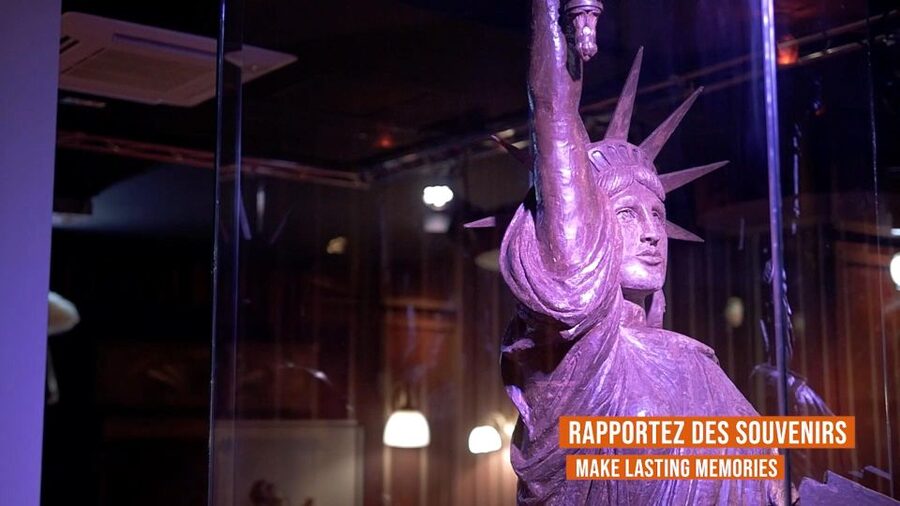
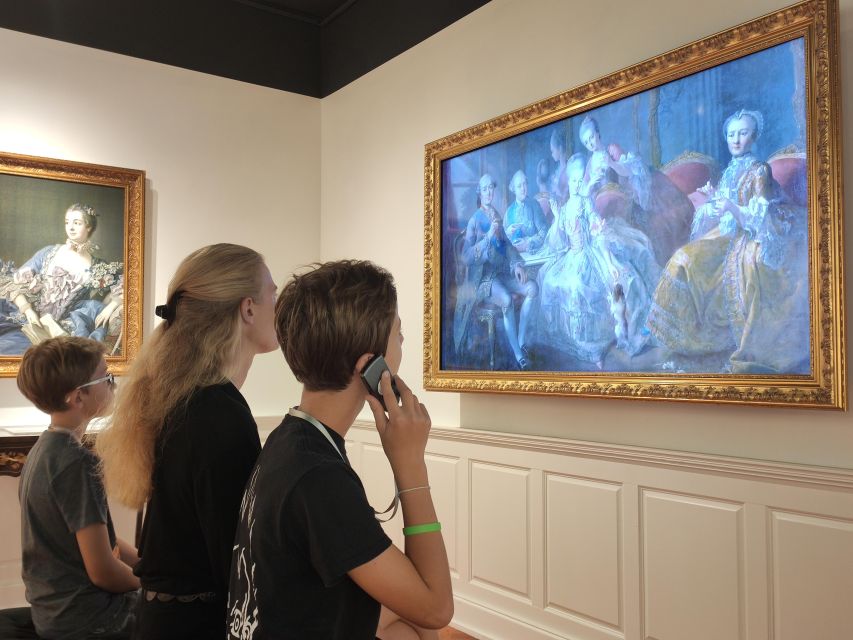
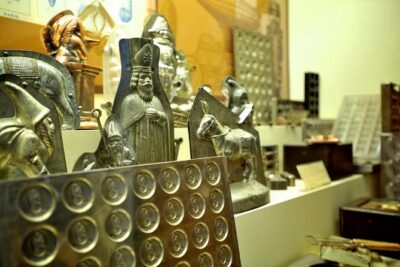
A century later, chocolate enters the European courts. The museum then shows the luxury equipment once used to drink cocoa, along with the special ways it was served.
This section gives the experience a more polished mood. You move away from forest and shipboard travel and into the world of ceremony and status. Chocolate was not always a casual snack. It could be an expensive drink, served with special objects and linked to court life.
Pay attention to the original flavors offered at the time. They provide a useful contrast with the sweet milk chocolate familiar today. I like this part because it reminds you that chocolate has changed according to place, fashion, and available ingredients.
The museum also looks at chocolate as a medicine. You will encounter both the beliefs and the supposed benefits connected to cocoa. This is an important distinction: the display considers what people believed, then gives you a chance to compare those beliefs with what is accepted today.
This section may be less exciting for very young children than the forest or ship. It relies more on objects, explanation, and historical context. If you are visiting with children, the tastings help maintain interest while you take in the details.
Same place, a different sort of tasting:
- Paris French Sweets Tasting Tour with Pastries and Chocolates
★ 4.5 · 947 reviews - A Morning in Paris Food Tour: Croissants, Baguettes & Chocolate
★ 5.0 · 556 reviews - Saint-Germain: Gourmet Chocolate & Pastry Walking Food Tour
★ 4.8 · 495 reviews - Paris Chocolate, Macaron & Pastry Food Tour: 10 Gourmet Tastings
★ 5.0 · 339 reviews
Thirty Chocolate Experiences Keep the Pace Moving
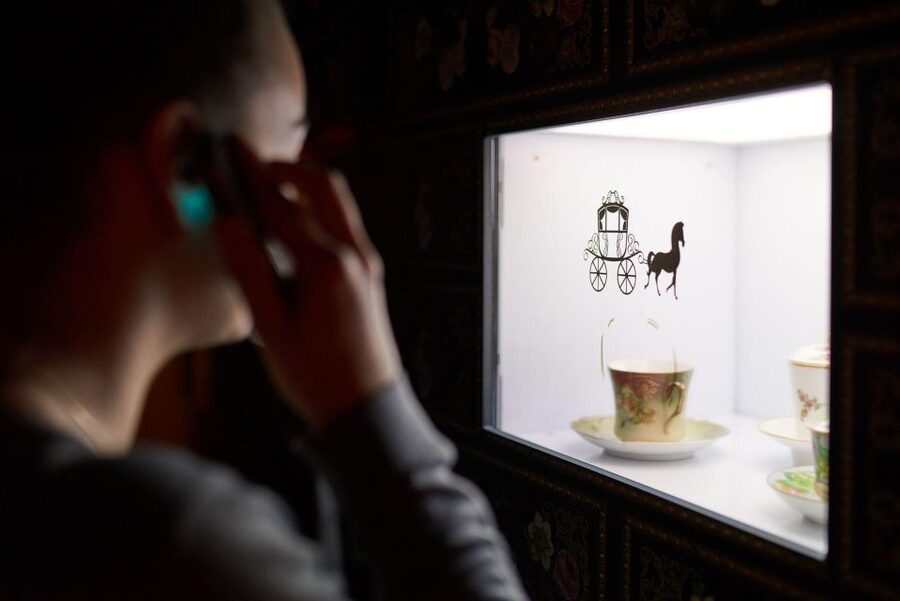
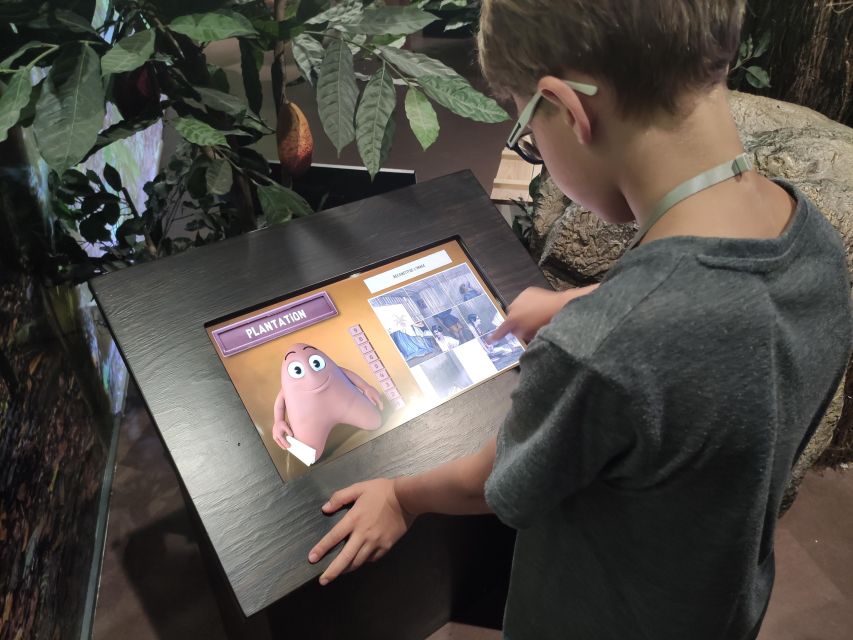
The experience includes about 30 chocolate-focused activities and presentation points. That does not mean 30 full attractions, so you should think of the number as a broad range of interactive moments, films, tastings, and displays rather than a list of major rides.
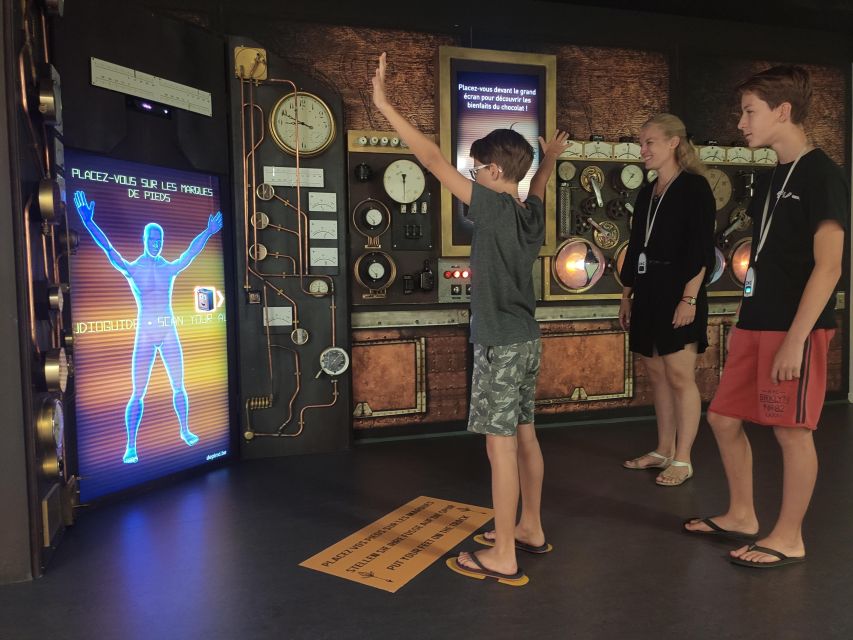
The variety is the real advantage. One room uses projection. Another uses sound and moving features. Elsewhere, you watch a film, read about chocolate, or taste a sample. This changing pace helps prevent the visit from becoming a long march past labels.
I especially like this format for mixed-age groups. A child may remember the monkey or ship, while an adult pays closer attention to the cocoa trade or the history of chocolate preparation. Older visitors can use the audio guide and move at a comfortable speed.
The tasting element also gives the information a practical link. You are learning about cocoa, then tasting chocolate while the subject is still fresh. That makes the visit feel less like a standard history museum and more like a guided story told through flavor, sound, and scenery.
There is one tradeoff. Interactive features can sometimes feel more entertaining than detailed. If you want a serious technical study of fermentation, bean grading, or industrial machinery, this museum may not go far enough. If you want a lively introduction with plenty of variety, the format works well.
The Alsace Connection on the Second Floor
The second floor turns toward industrialization and the chocolatiers who helped make Alsace the largest producer of chocolate in France. This section connects the worldwide story of cocoa with the region you are visiting.
That local focus is valuable. Without it, the museum could be almost anywhere. By showing how chocolate developed in Alsace, the visit becomes part of your Colmar experience rather than just a general attraction about candy.
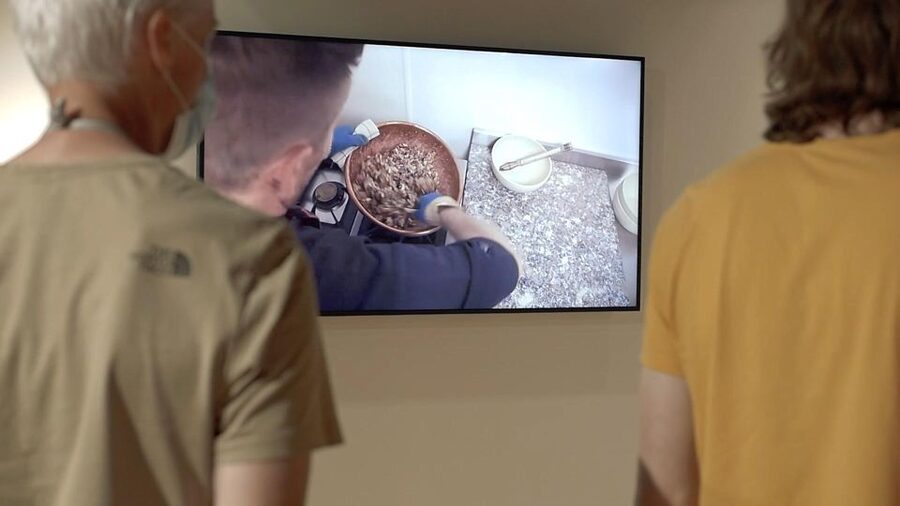
The industrialization section also explains how chocolate changed from a luxury product into something made on a larger scale. Machines, production methods, and regional makers helped bring chocolate to more people. You see the link between old courtly drinks and the modern products sold in shops.
I would give this floor enough time. The earlier theatrical rooms may attract most of your attention, but the Alsace material answers a question many people have after arriving in the region: why does chocolate have such a strong local presence here?
The supplied information does not specify every machine or chocolatier featured, so I would not arrive expecting a complete factory tour. Instead, see this as a regional history section within a wider museum route.
Three Master Chocolatiers Demonstrate Their Craft
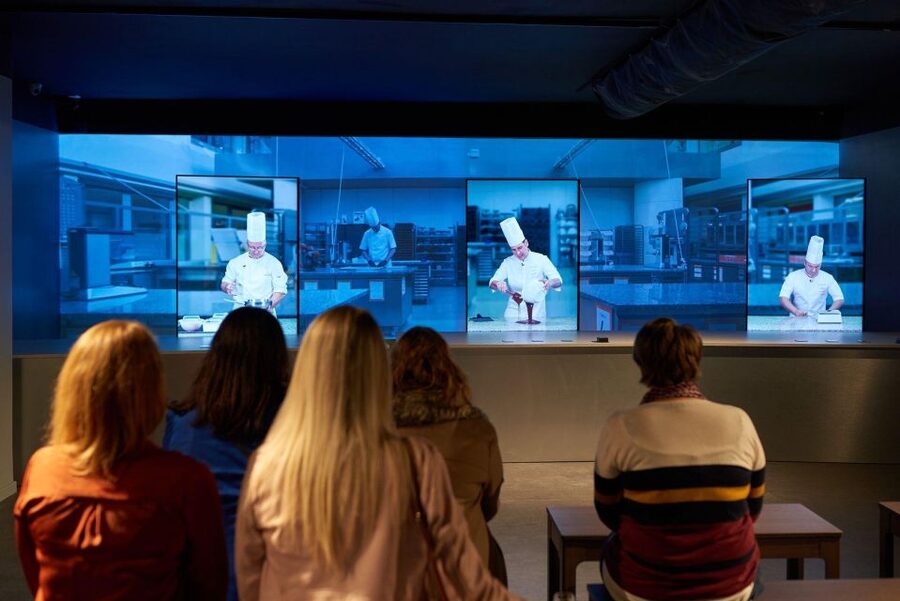
One of the final highlights is a virtual demonstration with three master chocolatiers. They present recipes and explain some of the tricks used to make chocolates successfully.
The virtual format lets the museum show several specialists without requiring a live demonstration at a fixed time. That is useful because you can fit the presentation into your own visit rather than plan around a scheduled class.
I like the practical angle here. Recipes and technique make chocolate feel less mysterious. You begin to see that a polished result depends on more than melting chocolate and pouring it into a mold. Temperature, handling, timing, and presentation all matter, even if the demonstration only introduces the subject.
This is also the closest thing to a working chocolate lesson in the experience. You are watching professionals explain how they approach their recipes, rather than simply looking at finished sweets.
Still, keep the word virtual in mind. If you want to handle ingredients, practice tempering, or ask a chocolatier to correct your technique, this will not provide that level of participation. It is a demonstration, not a hands-on workshop.
Tastings, Samples, and the Final Hot Chocolate
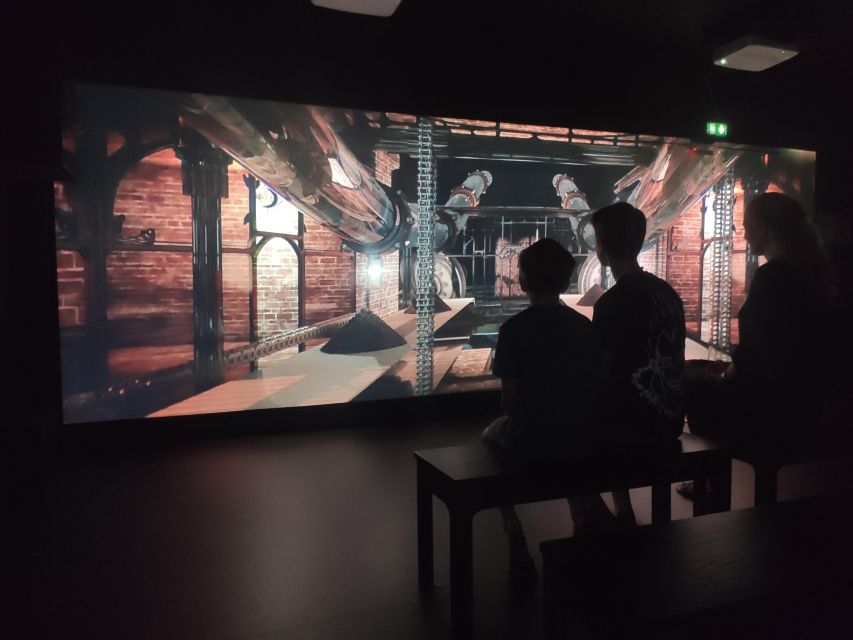
Chocolate samples are included in the admission price, and they are spread through the route. This is one of the strongest parts of the value. You do not have to pay an extra tasting fee after buying the ticket, and the samples help you compare the museum’s historical and technical explanations with actual flavor.
The tastings also make the experience feel generous for the price. At $14, you are paying for a full museum visit, an audio guide, a virtual demonstration, and samples. If you take your time with the displays, the cost is reasonable for a Colmar indoor activity.
The final hot chocolate is intended to be a pleasant finish. I would not make it the deciding reason to book, since it could be improved. The real value is the complete route, not one drink at the end.
If you are sensitive to sweets, plan your pace. You do not need to rush from sample to sample. Take breaks between sections, drink water if available, and focus on the different ideas behind the tastings rather than treating the museum like an eating challenge.
How the Audio Guide Changes the Visit
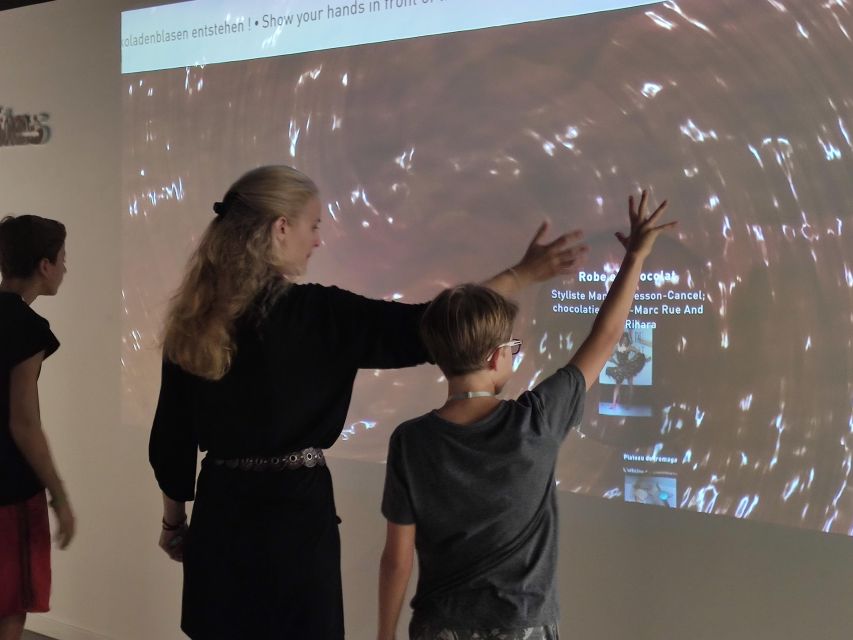
The audio guide app is included in six languages: Chinese, English, French, German, Dutch, and Spanish. That broad language range makes the museum accessible to many international visitors.
Because no live guide is included, the app becomes an important part of the experience. It lets you choose how much explanation you want and keeps the visit flexible. You can linger over the rooms that interest you, then move along when a display has made its point.
The available host or greeter languages include Chinese, English, French, German, Spanish, and Dutch, but the main visit remains self-guided. I would download or prepare to use the app as part of the ticket rather than assuming someone will lead you from room to room.
This format suits independent visitors. It is also helpful if your group has different interests or walking speeds. The downside is that you lose the chance to ask spontaneous questions or hear a local guide add personal context.
The museum is wheelchair accessible, another practical advantage for anyone who needs step-free access. The attraction is valid for one day, with starting times depending on availability, so check the available time before you build it into your Colmar plans.
Who Will Get the Most From This Museum?
I would recommend this experience most strongly to:
- Families, because the forest, temple, ship, projections, and tastings keep the visit varied.
- Chocolate fans, who will enjoy samples and the virtual demonstrations.
- First-time visitors to Alsace, who want a regional connection rather than only another shop visit.
- Museum visitors who prefer activity to long text panels, since the route uses film, sound, projection, and tasting.
- Independent explorers, who like moving at their own pace with an audio guide.
I would be less enthusiastic if your main goal is a live class with a working chocolatier. The virtual presentation is informative, but it does not offer hands-on instruction.
I would also think twice if you want a highly academic account of cocoa production. The museum covers 5,000 years in a lively, accessible way, but its strength is presentation and variety rather than specialist depth.
Is $14 Good Value in Colmar?
At $14 per person, I think the ticket offers solid value if you use the whole experience. The price includes admission, tastings, the virtual demonstration, and the audio guide. You are not paying only to walk through a display room.
The value is strongest for families, since the different formats can hold attention better than a traditional museum. It is also good for a rainy day in Colmar, when an indoor activity with a clear route and built-in samples may be welcome.
The value drops if you plan only a very quick visit. The museum’s strength comes from the sequence: cocoa harvesting, ancient belief, European travel, court culture, medicine, industrialization, Alsace, and modern technique. Give the story time to develop.
Free cancellation up to 24 hours before the visit and the option to reserve now and pay later make the booking less rigid. Those terms are useful if your Colmar schedule is still changing, but the attraction itself remains the reason to book.
Should You Book the Colmar Chocolate Museum?
I would book it if you want a friendly, active introduction to cocoa and chocolate, especially with children or with anyone who learns better through sights, sounds, and tasting. The changing rooms, 30 chocolate experiences, regional Alsace section, and three-chocolatier demonstration give the $14 ticket enough substance.
I would skip it only if you are looking for a live chocolate-making class or a very technical factory visit. For most people, it works best as a one-day Colmar stop that combines history, local context, and a fair amount of chocolate.
Go for the story, enjoy the samples, and consider the hot chocolate a bonus rather than the main event.
FAQ
Where is the Chocolate Museum experience located?
It is located in Colmar, in the Grand Est region of France.
How much does admission cost?
The listed price is $14 per person.
How long is the ticket valid?
The ticket is valid for one day. Available starting times depend on the date you choose.
Is a live guide included?
No. A live guide is not included. An audio guide app is available in Chinese, English, French, German, Dutch, and Spanish.
What is included with admission?
Admission includes entry to the Chocolate Museum, chocolate samples, the virtual demonstration, and the audio guide app.
Is the virtual demonstration live?
No. The demonstration is virtual and features three master chocolatiers presenting recipes and chocolate-making techniques.
Is the museum wheelchair accessible?
Yes. The experience is wheelchair accessible.
Can I cancel the booking?
Yes. You can cancel up to 24 hours in advance for a full refund. You can also reserve now and pay later.
Just added around France
- Wine and Chocolate experience★ 4.6 · 3 reviews
- Private Wine and Chocolate Tasting Experience★ 4.4 · 3 reviews
- Wine and chocolat tasting at Chablis.★ 4.9 · 5 reviews
- Trio Chocolaté – Tour en français – Champagne Passy-Grigny★ 5.0 · 5 reviews
- Molded Bonbons Chocolate making class in Paris (collective)★ 4.5 · 20 reviews
- Private Wine and Chocolate Tasting in Paris★ 4.5 · 4 reviews
- Paris Sweet & Chocolate Family Treasure Hunt★ 5.0 · 37 reviews
- Paris Saint-Germain Private Tasting Tour with Chocolate plus Pastries & Macaron★ 5.0 · 10 reviews
Museums, compared.
Choco-Story Brussels: Chocolate Museum Entrance with Tasting
Read our review →
Chocolate Workshop in Chocolate Museum w/ Tasting
Read our review →
Choco-Story Chocolate Museum Guided Tour w/Tastings
Read our review →
Browse the lists this tour appears in