
Review · FRANCE
Choco-Story Paris – The Chocolate Museum
Chocolate tells a surprisingly long story. Choco-Story Paris turns that story into a relaxed, self-guided visit, with three floors of exhibits, hands-on displays, and chocolate samples along the way. I especially like the 4,000-year timeline, which connects ancient Olmec, Maya, and Aztec traditions with European chocolate culture. I also like the unlimited tastings, a simple pleasure that gives the museum more flavor than a standard history display. The main drawback is that the final demonstration is virtual rather than a live chocolatier presentation.
This is a good family-friendly stop when you want something indoors and easy to fit between major Paris sights. You can look around in about 90 minutes, though children working through the activities and adults reading every panel may stay for two or even three hours. It is educational, but it is still a museum, not a full chocolate-making workshop.
Key Points Before You Go
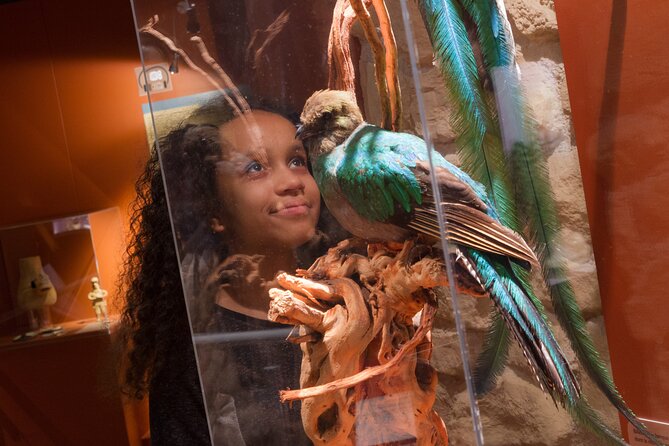
- Taste chocolate as you move through the museum: Samples include different styles and cocoa origins, with dark, milk, white, and praline options noted by visitors.
- Trace cocoa from ancient drink to modern confection: The displays cover roughly 4,000 years, from the Olmecs to European royal courts and modern production.
- Plan for a self-guided visit: There is no personal guide, but information appears in English, French, and Spanish.
- Save room for the hot chocolate: An optional upgrade includes a cup at the end, and it is one of the most praised parts of the visit.
- Bring children for the activity book: Young visitors can complete a booklet as they explore, making the museum more engaging for families.
- Allow extra time if you like museum details: The advertised visit lasts about 90 minutes, but careful readers and families often stay much longer.
What Choco-Story Paris Does Best
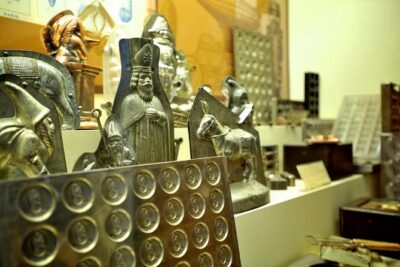
Choco-Story Paris, also called the Musée Gourmand du Chocolat, is at 28 Boulevard de Bonne Nouvelle in central Paris. The museum occupies three floors and contains more than 1,000 original objects, from chocolate-making tools and molds to posters, serving vessels, equipment, and chocolate sculptures.
I like the way the museum gives chocolate a wider setting. You are not simply shown finished sweets behind glass. You learn how cocoa began as a bitter drink, how it became tied to ceremony and status in the Americas, and how European courts helped turn it into a fashionable luxury.
The museum is small enough to manage without tiring yourself out. That matters in Paris, where a long day of museums can leave you staring at the next exhibit without seeing it. Here, you can move at your own speed, stop for a sample, and skip sections that do not hold your attention.
The overall visitor rating is 3.9 out of 5, which fits the experience well. I would not put it on the same level as Paris’s largest museums, but it offers a pleasant mix of history, objects, video, and food. Its value depends heavily on your expectations. Chocolate fans and families are likely to enjoy it more than visitors hoping for a live production class.
More Chocolate Museums in France
- Paris: Entrance Ticket to the Chocolate Museum
★ 4.1 · 1,105 reviews - Paris: 45-minute Chocolate Making Workshop at Choco-Story
★ 4.4 · 444 reviews - Paris : 45 min Chocolate Workshop at Choco-Story Paris
★ 4.0 · 51 reviews
Finding the Museum on Bonne Nouvelle
The meeting point is the museum itself at 28 Boulevard de Bonne Nouvelle, 75010 Paris. It is near public transportation, and one detailed account places it opposite the Bonne Nouvelle Metro station on Line 8.
You make your own way there and show your ticket at the entrance. A prebooked time slot guarantees entry, which can be useful if you have built the museum into a tightly planned day. Confirmation is provided at booking, but remember that this activity is non-refundable and cannot be changed after purchase.
The visit ends at the same location. There is no hotel pickup, drop-off, or escorted walk through the neighborhood, so you should treat this as an independent museum stop rather than a guided tour.
The museum is spread across an entrance level, an upper floor, and a basement. A lift is available for visitors who do not want to use the stairs. Most people can take part, and the site is near public transportation, making it an easy add-on to a day in central Paris.
The First Floor: Cocoa Before Paris
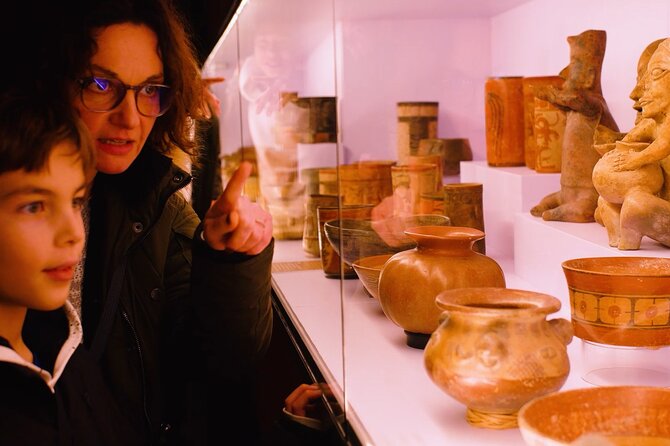
The first part of the museum sets up the long story of cocoa. You learn about the Olmec peoples of South America, who probably drank chocolate as early as around 1900 BC.
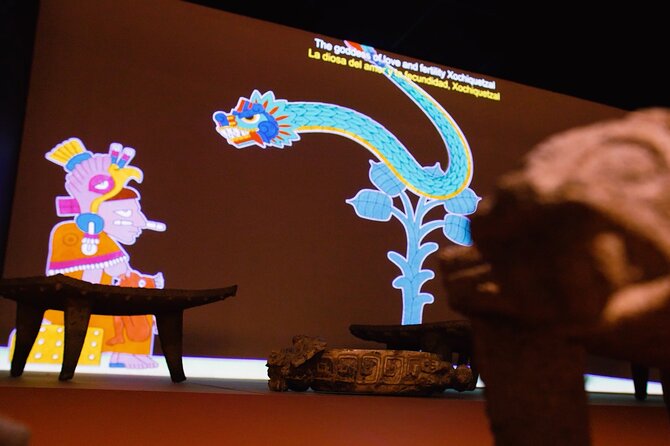
The museum then explains how chocolate became important to Maya and Aztec societies. It was not originally the sweet bar you know today. It was a drink, connected with ceremony, status, trade, and ritual. That change in perspective is one of the museum’s strongest teaching points: chocolate began as a plant product with cultural and religious meaning before it became a mass-market treat.
The panels are available in English, French, and Spanish, so you can follow the main story without depending on a guide or an audio device. A few people have wished for a personal audio guide, but the written information is clear enough for a self-guided visit.
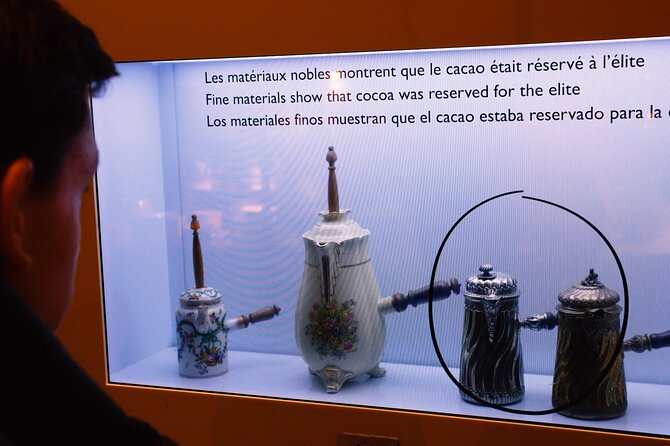
As you move through the galleries, look for the vessels and serving objects. Their shapes help explain how chocolate was prepared and presented in different periods. Children may enjoy the visual side of the displays, while adults may find the shift from cocoa bean to ceremonial drink more interesting.
This section works best if you read selectively. You do not need to absorb every date to understand the main idea. Follow the route from plant, to drink, to trade item, and then to luxury product.
From American Cocoa to European Fashion
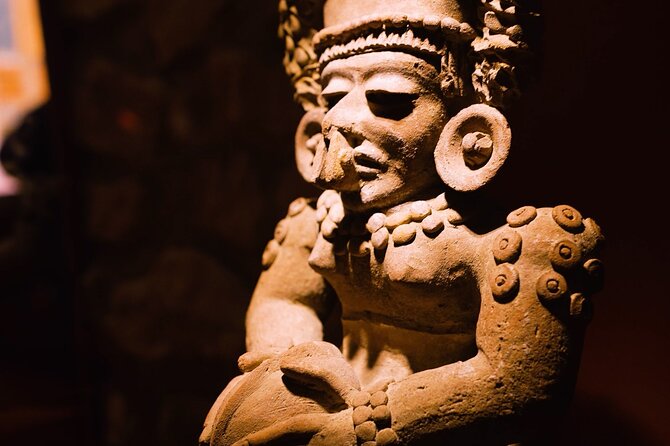
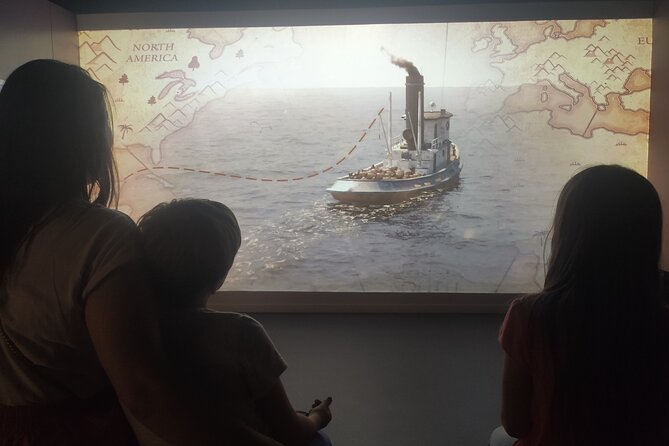
The next part follows chocolate as it traveled to Europe and became linked with royal and aristocratic life. The displays explain how European monarchs and wealthy households helped make chocolate fashionable during the 1700s and 1800s.
This is where the museum connects cocoa with French culture. Chocolate was once expensive and largely limited to privileged people. Later, improved production methods helped make it available to a much wider public, especially during the 18th century and afterward.
I found this historical shift especially useful because it explains why chocolate can feel both ordinary and luxurious today. A supermarket bar carries traces of a much older story involving trade routes, royal habits, specialized equipment, and industrial production.
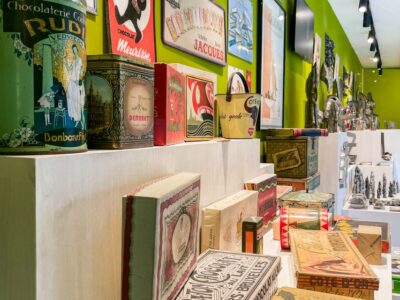
You will see historic chocolate pots, cups, tools, and molds. These objects are not all dramatic, but together they show how people drank, shaped, served, and sold chocolate across time. The collection also includes posters and chocolate-themed memorabilia, which add a lighter visual touch to the history.
If you are visiting with children, this part may need some help from an adult. Younger children may not read every panel, but they can still look for unusual vessels, tools, and shapes. The museum provides a booklet and pencils for children to use during the visit, though the materials must be returned before you leave.
More Chocolate Museums in Paris:
- Lindt Home of Chocolate Museum Entry Ticket
★ 4.7 · 9,329 reviews - Choco-Story Brussels: Chocolate Museum Entrance with Tasting
★ 4.3 · 4,883 reviews - Cologne: Chocolate Museum Entrance Ticket
★ 4.4 · 2,790 reviews - Vienna: Chocolate Workshop in Chocolate Museum w/ Tasting
★ 4.5 · 1,802 reviews
The Making Process and Virtual Demonstration
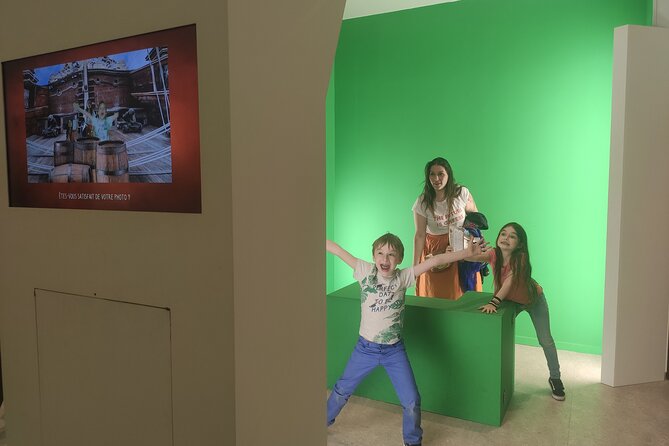
The museum also explains how chocolate is made, from cocoa tree to finished product. Displays and audiovisual material show how contemporary chocolate becomes smooth and shiny.
This is a useful part of the visit, but it is important to set your expectations. You are learning about the process rather than taking part in a live chocolate-making class. The demonstration is presented virtually, and one of the most common disappointments is the lack of direct interaction with a chocolatier.
Still, the video is well made and gives you a clear look at the stages involved. Some ticket options include tastings connected with the demonstration, so you may get to sample what is shown. That helps turn a purely visual explanation into something more memorable.
If you have visited a working chocolate factory or a museum with a live confectioner, this section may feel modest. If you want a short, accessible explanation of how cocoa becomes a finished product, it does the job.
The Tastings: The Museum’s Sweetest Feature
The chocolate samples are one of the main reasons to book this museum rather than simply read about cocoa online. Tastings are included, and the visit offers unlimited sampling as you move around the displays.
The samples may include dark, milk, white, and praline chocolate. The museum also presents chocolate linked to cocoa origins such as Costa Rica, Peru, and Vanuatu. The stated tasting descriptions include Costa Rican chocolate, fruity Peruvian chocolate, and cocoa beans from Vanuatu.
I like this approach because it gives the history a physical point of reference. You are not only reading that cocoa differs by origin. You can taste the contrast for yourself.
The selection may not feel enormous, and the exact range can vary. One visitor expected more varieties from different countries, so do not arrive expecting a grand professional tasting flight. Think of it as a series of small samples placed through a museum route.
A practical tip: use a fresh sample rather than taking one that has already been handled. This is especially worth remembering when children are reaching into shared tasting dishes. The museum experience is more enjoyable when you treat the tasting area carefully.
The chocolate is mainly a treat, but the displays also touch on possible health benefits. Consider that information as part of the museum’s educational content, not a reason to eat without limits. Unlimited samples still add up.
The Optional Hot Chocolate Finish
You can select an option that includes a cup of hot chocolate. I think this upgrade is worthwhile if you enjoy thick, dessert-like drinking chocolate or want a clear ending to the visit.
The hot chocolate receives especially strong praise, and several people describe it as a highlight. It gives you a chance to sit down after walking through the exhibits and enjoy the product in a different form.
Season matters. In warm weather, a hot drink may be less appealing. One family visited in July and found the cup too hot for the conditions, while another called it the part of the visit not to miss. If you are visiting during a hot Paris afternoon, think about your own preference before paying for the upgrade.
The ticket option must be selected in advance. If you did not purchase it, do not assume you can simply add it at the end. The details provided for the visit describe the hot chocolate as included only when that option is selected.
How Long Should You Stay?
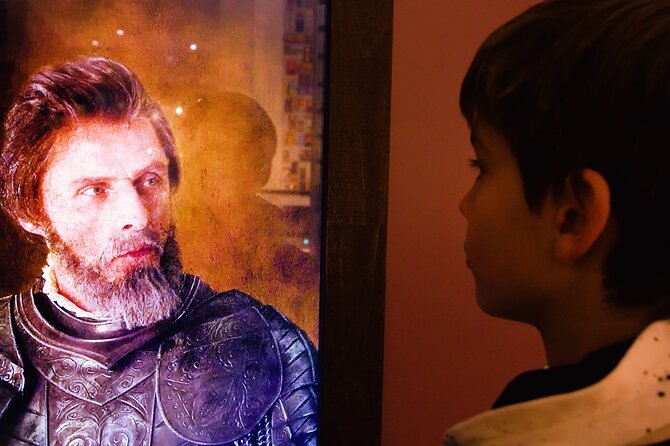
The stated duration is about 90 minutes, but the actual time depends on how you use the museum.
If you move steadily through the exhibits, watch the virtual demonstration, and take the samples, 90 minutes should be a reasonable target. If you read the panels closely, photograph the historic objects, or visit with children completing the booklet, plan on two hours.
Some visitors have stayed around two and a half to three hours. That is possible because the museum is self-guided, so you are not pushed along by a group schedule. You can pause at the parts that interest you and take breaks for tasting.
I would schedule it as a two-hour stop if your Paris day allows. This gives you enough time to enjoy the chocolate without rushing, while leaving room for another attraction afterward.
Is It Good for Children?
Yes, especially for younger children who enjoy food, short activities, and visual displays. The booklet gives them a task, and the chocolate samples provide an obvious reward for moving through the exhibits.
The museum also works well for mixed-age families because adults can read the historical panels while children focus on the molds, tools, videos, and tasting stations. Several families have spent longer than expected because the children enjoyed the activities.
Keep in mind that this is not a loud, hands-on play center. Much of the visit involves reading and looking. Children who need constant action may lose interest, while children curious about food and how things are made should have a good time.
The optional hot chocolate can be a pleasant finale, though younger visitors may be just as happy with the samples. Nearby food options include a Pizza Hut next to the museum and a bistro at the corner, useful if the visit leaves your family hungry.
How the Price Works for You
The listed price is $21.63 per person. That is a fair price if you take the tastings seriously, spend at least 90 minutes in the museum, and choose the hot chocolate option when it suits you.
It is less convincing if you only want to see a small collection of objects quickly. The museum is not huge, and one account describes finishing the exhibits and the 15-minute demonstration in about 30 minutes when the building was nearly empty.
The best value comes from using the museum as a full experience: read the story, examine the tools, taste several samples, watch the presentation, and allow children time with the booklet. A simple walk-through gives you less for your money.
The ticket includes admission, tastings, and the virtual demonstration. A cup of hot chocolate is included only with the selected upgrade. There is no guide, hotel transfer, or other food and drink included.
Who Should Book Choco-Story Paris?
I would recommend it most strongly to:
- Chocolate lovers who want more context behind what they eat
- Families with children who enjoy activity booklets and tastings
- Visitors wanting an indoor Paris stop near public transportation
- Adults interested in historic tools, molds, serving vessels, and food traditions
- Anyone looking for a relaxed visit without a fixed group pace
I would be more cautious if you want a live cooking lesson, a large museum, or an in-depth expert-led tour. The museum explains chocolate well, but it does not give you much personal contact with a chocolatier.
Its small size is both an advantage and a limitation. You can finish it without exhausting yourself, but you should not expect a full-day attraction. For me, it works best as a sweet two-hour addition to a Paris itinerary, not as the main event of the day.
Should You Book It?
Book Choco-Story Paris if you like chocolate, are visiting with children, or want an easy indoor activity with built-in tastings. Choose the hot chocolate option if you enjoy a rich cup of drinking chocolate and the weather is cool enough to make it appealing.
Skip it if you are looking for a live workshop or a major museum collection. The self-guided format, clear historical displays, chocolate samples, and family activities offer good value, but the virtual demonstration may feel limited.
For the strongest visit, reserve your time slot, allow about two hours, read enough of the cocoa story to understand the objects, and save space for the tasting stations. The museum will not replace Paris’s grand art collections, but it gives you a tasty and useful break from them.
FAQ
Where is Choco-Story Paris located?
The museum is at 28 Boulevard de Bonne Nouvelle, 75010 Paris, France. It is near public transportation, and the Bonne Nouvelle Metro station on Line 8 is opposite the museum.
How long does the visit take?
The listed duration is about 90 minutes. You may finish faster if you move quickly, or stay two to three hours if you read the exhibits carefully and complete the children’s activities.
Is the visit guided?
No. This is a self-guided visit, and no personal guide is included. Information panels are available in English, French, and Spanish.
Are chocolate tastings included?
Yes. Chocolate tastings are included, with unlimited samples available during the visit.
Is hot chocolate included?
A cup of hot chocolate is included only if you select the ticket option that includes it.
Is the demonstration live?
No. The demonstration is virtual. The museum uses audiovisual material to show how chocolate is made.
Is Choco-Story Paris suitable for children?
Yes. Children receive a booklet and pencils for activities during the visit. The museum also includes displays, videos, and chocolate tastings that can make the visit appealing to families.
Can I cancel or change my booking?
No. This experience is non-refundable and cannot be changed for any reason after booking.
Just added around Paris
- Private Wine and Chocolate Tasting Experience★ 4.4 · 3 reviews
- Private Wine and Chocolate Tasting in Paris★ 4.5 · 4 reviews
- Paris Sweet & Chocolate Family Treasure Hunt★ 5.0 · 37 reviews
- Molded Bonbons Chocolate making class in Paris (collective)★ 4.5 · 20 reviews
- Paris Saint-Germain Private Tasting Tour with Chocolate plus Pastries & Macaron★ 5.0 · 10 reviews
- Private Family Chocolate Making Class in Paris★ 5.0 · 16 reviews
- Pure Chocolate Tour in Paris★ 5.0 · 20 reviews
- Expert-Led Sweet Secrets of Paris Pastry & Chocolate Marathon★ 5.0 · 3 reviews
Museums, compared.
Choco-Story Brussels: Chocolate Museum Entrance with Tasting
Read our review →

Chocolate Workshop in Chocolate Museum w/ Tasting
Read our review →
Choco-Story Chocolate Museum Guided Tour w/Tastings
Read our review →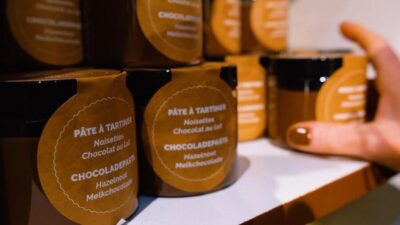
Browse the lists this tour appears in