
Review · CZECH REPUBLIC
Prague: Choco-Story Chocolate Museum Entry with Tasting
Chocolate has a surprisingly long journey. At Choco-Story Prague, you follow cocoa from Aztec and Maya customs to European confectionery, with tastings and a live praline demonstration along the way. I like the central Old Town location and the chance to sample several types of chocolate. I also like that the audio guide is included in four languages. The catch is simple: this is a small, short museum, not a full afternoon attraction.
The advertised visit lasts about 30 minutes and costs around $14 per person. That can be fair if you want a quick indoor stop near Prague’s main sights. It is less convincing if you expect to make your own chocolates or watch a long workshop. The basic ticket includes tasting, but chocolate-making classes require a different ticket.
Key Points Before You Buy
- The museum entrance is through the chocolate shop, so look for the shopfront rather than a grand museum doorway.
- The visit takes about 30 minutes, making it easy to fit between Prague’s Old Town Square and Charles Bridge.
- Tastings are included, with one recent account describing five different chocolate samples.
- A chocolatier demonstrates praline production, but the regular ticket does not include making your own chocolates.
- The audio guide is available in Czech, English, German, and Russian, which adds useful context to the displays.
- Wheelchair access is available, and you can cancel up to 24 hours before the visit for a full refund.
Finding Choco-Story Near Prague’s Old Town Square
The museum is in the very heart of Prague, in the Central Bohemian Region, so you do not need transport to reach it if you are already sightseeing in the historic center. Its location makes it a practical add-on rather than a destination that requires a special trip.
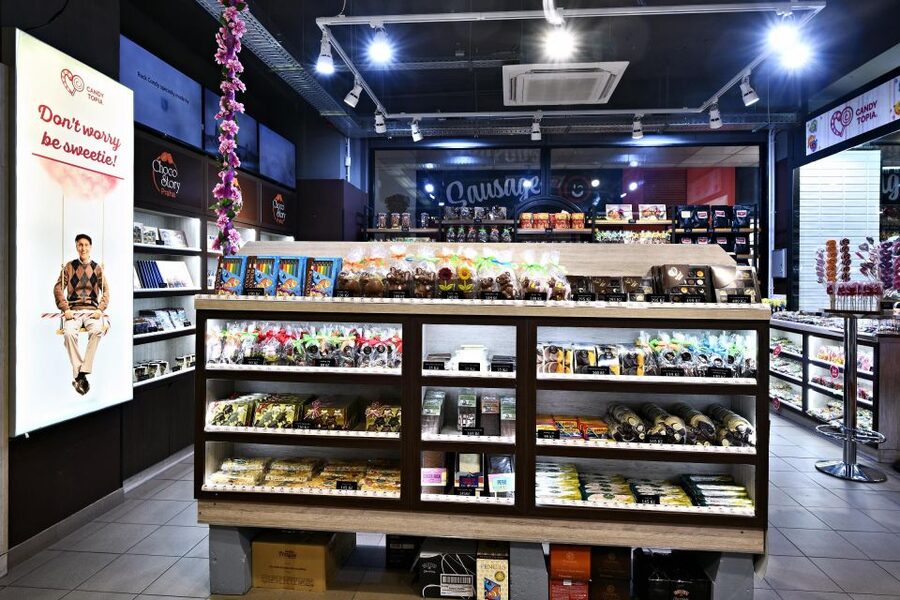
The first challenge is finding the door. The entrance comes through the chocolate shop, and it can be easy to miss from the street. Look for the shop and its chocolate displays rather than expecting a separate museum entrance with a large sign.
That arrangement has one clear advantage: you enter surrounded by chocolate. It also explains why the shop feels prominent from the start. If you are trying to keep spending under control, decide in advance whether you want only the included samples or whether you are willing to browse a tempting selection of products afterward.
Because the museum is small, finding it matters. A delayed start can eat into a 30-minute visit quickly. Allow yourself a little extra time to locate the entrance, especially if you are meeting someone or working around a tight sightseeing schedule.
More Chocolate Museums in the world:
- Lindt Home of Chocolate Museum Entry Ticket
★ 4.7 · 9,329 reviews - Choco-Story Brussels: Chocolate Museum Entrance with Tasting
★ 4.3 · 4,883 reviews - Cologne: Chocolate Museum Entrance Ticket
★ 4.4 · 2,790 reviews
The First Part of the Visit: Cocoa Before Chocolate
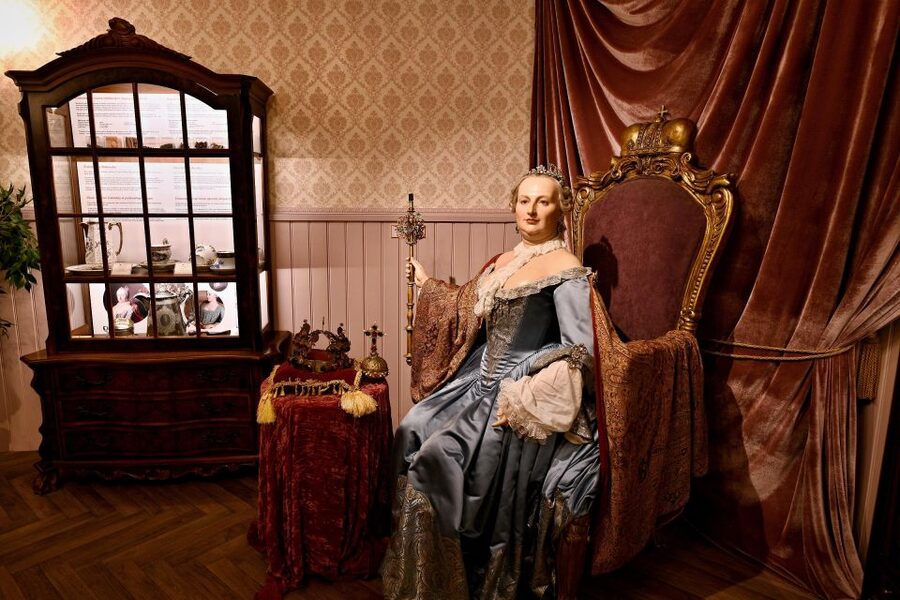
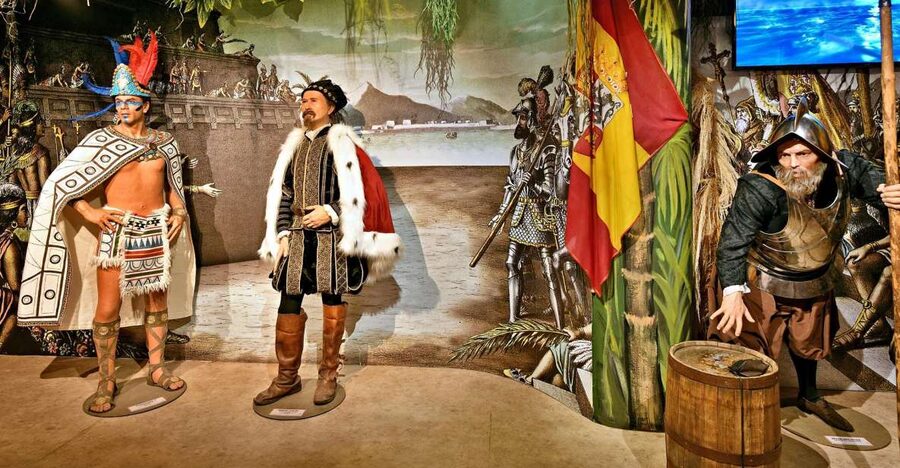
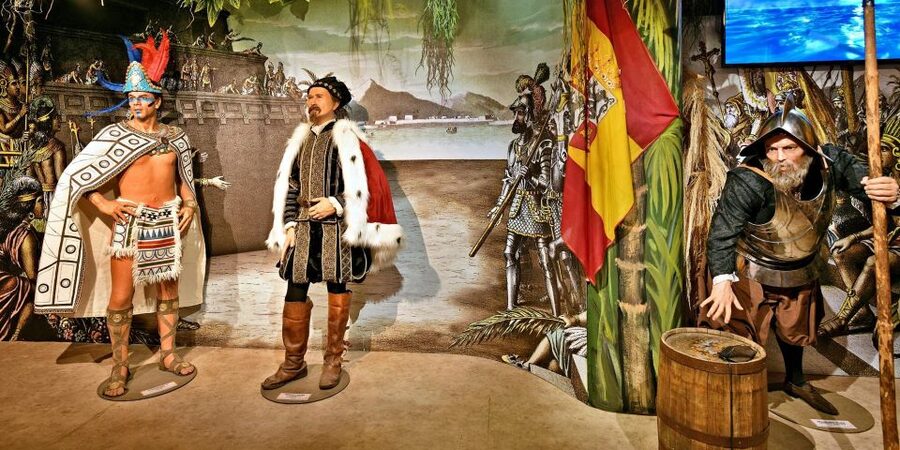
The museum begins with cocoa’s earlier story. You learn about the Aztecs and Maya, including the customs connected with cocoa before it became the sweet bar familiar today.
This section gives the tasting some purpose. Instead of treating chocolate as just a snack, you see it as a product shaped by trade, ritual, technology, and changing tastes. The material explains how cocoa reached Europe and how its use changed once European confectioners began working with it.
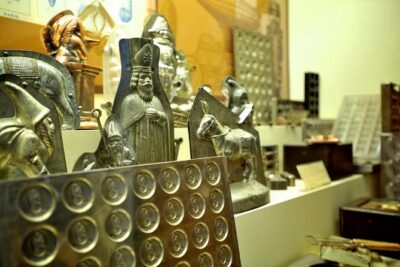
The subject is presented through illustrations, information panels, and videos. The format is fairly compact, so you should not expect a long scholarly museum visit. I would think of it as a brisk introduction that gives you the main points, then moves you toward the finished product.
The Aztec and Maya material is especially useful if you know little about cocoa’s early cultural role. The museum does not simply begin with modern chocolate bars. It takes you back to the plant, the people who used it, and the long route that carried cocoa across the Atlantic.
That historical background is the best reason to pay attention before reaching the tasting area. You begin to notice that chocolate is not one single thing. Its flavor, texture, and use depend on how cocoa is processed and what other ingredients are added.
Displays, Videos, and the Chocolate-Making Story
The exhibits combine visual material with explanatory text and video. That mix helps keep the visit moving, particularly because the total experience is short.
You can expect displays about the culture of cocoa and the steps involved in turning cocoa into chocolate. The material leads from raw origins to finished confectionery, linking the agricultural product with the sweets sold in the shop.
This is not a large museum packed with room after room of objects. The attraction works better as a compact introduction. If you enjoy learning a little before sampling, the displays provide enough context to make the tasting more interesting. If you want technical detail about farming, machinery, or modern chocolate production, you may find the treatment too brief.
The short format has two sides. I like that you can visit without giving up half a day in Prague. You can also bring children or chocolate fans who may lose patience in a longer museum. On the other hand, the experience can feel superficial if you came expecting a detailed examination of every stage of production.
One practical point: the activity is described as a 30-minute visit, and a recent assessment also called it short and fairly basic. Plan around that expectation. You are buying a quick museum stop with tastings, not a full guided tour of Prague’s food culture.
Watching Belgian Pralines Take Shape
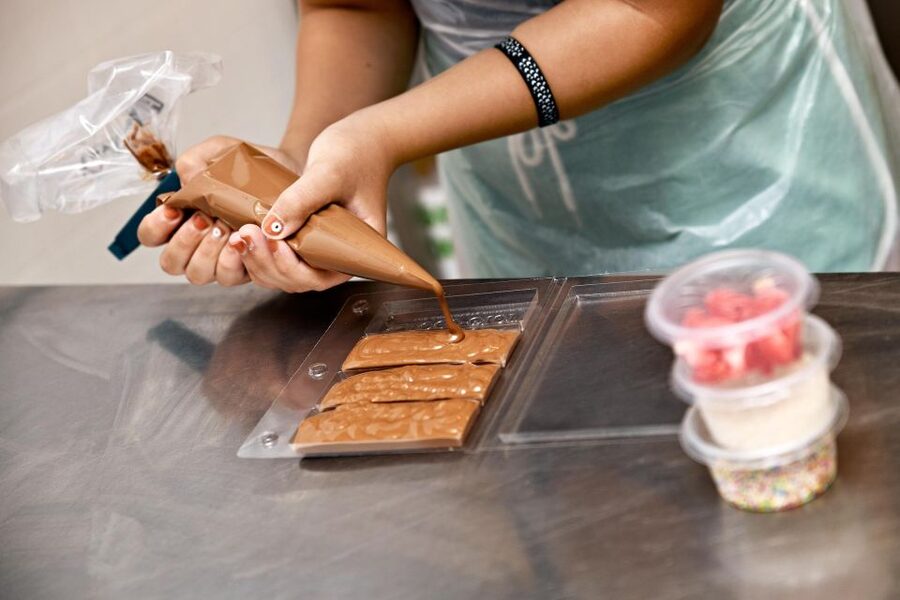
One of the main features is a live demonstration by a master chocolatier. The demonstration shows how sweets such as Belgian pralines are made.
This is the part that connects the historical displays with the chocolate in your hand. You can watch the craft behind a polished finished sweet rather than seeing only packaged products. The focus is on artisanal confectionery, so the demonstration adds a human element to an otherwise panel-and-video visit.
Keep your expectations clear. The basic admission lets you watch the production demonstration, but it does not mean you will create your own chocolates. A separate ticket is required for a workshop where you actually make chocolates.
That distinction matters because the two experiences sound similar when described casually. If you want a hands-on activity, check that you are booking the workshop rather than standard museum admission. The regular ticket is designed for looking, listening, and tasting.
The available information does not specify how long the demonstration lasts or how large the demonstration group is. I would therefore treat it as one part of a short visit, not a guaranteed extended class. It is a good extra for anyone curious about pralines, but it should not be the only reason you book.
A few more chocolate tours around the world worth a look
- Zurich: City Tour, Cruise, and Lindt Home of Chocolate Visit
★ 4.5 · 4,624 reviews - The Chocolatarium Chocolate Tour Experience in Edinburgh
★ 5.0 · 4,322 reviews - Award-Winning Geneva Chocolate &Old Town Tour with Boat Ride (3h)
★ 5.0 · 3,721 reviews - Melbourne: Yarra Valley Wine, Gin, Whisky and Chocolate Tour
★ 5.0 · 3,667 reviews
What You Actually Taste
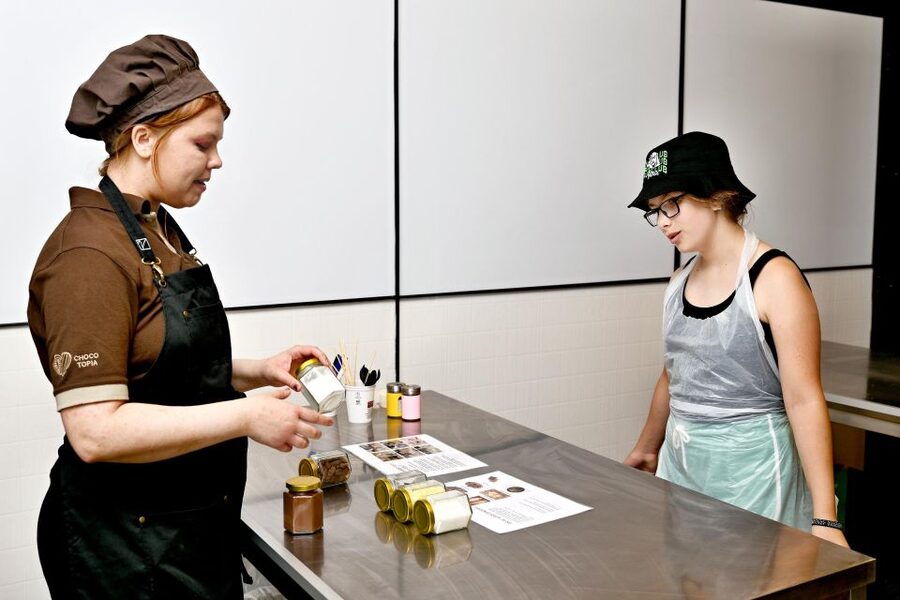
Chocolate tastings are included in the admission price. The experience promotes samples from different parts of the world, giving you a chance to compare types rather than eating one identical piece.
One recent account described five different chocolate samples. That gives you a useful sense of scale: this is a tasting of several small portions, not a meal or an unlimited chocolate buffet.
The tasting works best after the museum displays. You have just seen how cocoa developed from an important commodity into a finished sweet, so the samples become a small exercise in comparison. You can think about differences in flavor and style instead of simply asking which piece tastes sweetest.
The tasting is also what helps justify the admission price. A 30-minute museum with only panels might feel thin at $14. Add the samples and the live confectionery demonstration, and the visit becomes a more rounded short activity.
Still, do not book this as a chocolate feast. The portions are tastings, and the selection described is limited. If you want to take more chocolate home, the shop offers plenty of products to buy after the visit. That can be fun, but those purchases are extra.
The shop is both a benefit and a possible trap for your budget. You can pick up chocolates as gifts or souvenirs, but the presence of many products may make the visit cost more than the ticket price. I would set a spending limit before you go, especially if you are visiting with children.
How Much Value Do You Get for $14?
At roughly $14 per person, Choco-Story makes sense when you value convenience, a central location, and a short indoor activity. The price includes entry, an audio guide, and chocolate tastings, so you are not paying admission and then discovering that every worthwhile feature costs extra.
The value is strongest for three types of visitors. First, chocolate fans get samples and a look at praline-making. Second, families can fill a short gap in the day without committing to a long tour. Third, anyone caught by cold or wet Prague weather gets a warm indoor stop near major sights.
The value is weaker for visitors who want depth. The museum is small, and the standard visit lasts only about 30 minutes. One recent account described the content as brief and superficial, which is a fair warning for anyone expecting a major museum.
Price comparison also deserves attention. One purchaser reported paying about 48.70 euros through a booking service while seeing a 36-euro price at the museum counter. That does not establish a universal difference, since prices and currencies can change, but it is a good reason to check the final online total against the direct price before paying.
The reservation option can still be useful. You can reserve and pay later, and cancellation is free up to 24 hours in advance. For a tightly planned Prague visit, that flexibility may matter more than a small price difference. Just check the amount charged and the currency carefully.
Audio Guide Languages and Accessibility
An audio guide is included in Czech, English, German, and Russian. If you prefer reading at your own speed, the illustrations and information panels remain useful, but the audio option gives you a structured way through the exhibits.
The language choice is practical for international visitors. English is covered, along with three other languages, so you do not need to rely only on visual displays.
The museum is wheelchair accessible. That is important for visitors who need step-free access, although the supplied information does not provide details about the exact layout, restroom facilities, or seating. If you need a particular access feature beyond wheelchair access, confirm it before arrival.
No transport is included or needed as part of the activity. The appeal is its central Prague setting, where you can combine the museum with nearby sightseeing on foot.
Who Will Enjoy This Chocolate Museum Most?
I would recommend Choco-Story most strongly to:
- Chocolate lovers who want tastings and a look at praline production.
- Families seeking a short, easy activity.
- First-time Prague visitors who want a central stop between major sights.
- Museum visitors with limited time who prefer 30 minutes over a long tour.
- Rainy-day sightseers looking for an indoor attraction.
I would be more cautious if you want a serious food workshop, a large museum, or a detailed technical course. The basic ticket does not let you make your own chocolates, and the visit can feel too short if you expect extensive exhibits.
The attraction is also a better fit for people who enjoy a mix of history and sampling. If you only care about eating chocolate, the shop may be enough. If you only care about history, the museum may not offer enough depth. The appeal comes from combining both in one compact visit.
Practical Tips for a Smoother Visit
Find the shop entrance before your booked time. Since the museum entrance is inside the shop and can be hard to spot from the street, this small bit of planning can prevent unnecessary frustration.
Check exactly which ticket you are buying. Standard admission includes entry, an audio guide, and tastings. A chocolate-making workshop is separate, so do not assume the regular ticket includes hands-on production.
Allow about 30 minutes for the museum itself, then add time if you plan to shop. The displays and tasting are short, but choosing gifts can easily extend your stop.
Compare the final online price with the museum’s direct price when possible. A reported difference between booking-platform and counter prices makes this worth checking, particularly for a family or group.
Use the audio guide if you want more structure. With Czech, English, German, and Russian available, it can help you move through the compact exhibits without missing the main story.
Should You Book Choco-Story Prague?
Book it if you want a short, central chocolate experience with tastings, cocoa history, and a praline demonstration. At around $14, the package is reasonable when you value convenience and a quick indoor stop.
Skip it if you want to spend several hours learning about chocolate or making your own sweets. For that, you need a separate workshop ticket, and the standard museum visit will likely feel too limited.
My advice is to treat Choco-Story as a pleasant half-hour addition to an Old Town day, not as one of Prague’s major museums. Locate the shop entrance, verify the price, and choose the workshop ticket only if hands-on chocolate-making is your real goal.
FAQ
How long does the Choco-Story Prague visit take?
The stated duration is 30 minutes. You may spend longer if you browse and shop after the museum visit.
What is included in the admission price?
Admission includes entry to the museum, an audio guide, and chocolate tastings.
How many chocolate samples will I receive?
The activity includes multiple tastings. One account describes five different chocolate types, but the supplied information does not promise a fixed number for every visit.
Can I make my own chocolates with the standard ticket?
No. The standard ticket includes tastings and a live production demonstration. Making your own chocolates requires a different workshop ticket.
Is the museum entrance easy to spot?
The entrance is through the chocolate shop, and it can be difficult to identify from the street. Look for the shopfront rather than a separate museum doorway.
Which languages are available for the audio guide?
The audio guide is available in Czech, English, German, and Russian.
Is Choco-Story Prague wheelchair accessible?
Yes. The activity is described as wheelchair accessible.
Can I cancel my booking?
Yes. You can cancel up to 24 hours in advance for a full refund.
Can I reserve now and pay later?
Yes. The booking option allows you to reserve your place and pay later, keeping your plans flexible.
Just added around the world
- Lindt Chocolate Museum with Cruise Transfer from Zurich★ 4.6 · 7 reviews
- Zagreb: Lake Bled and Ljubljana Day Tour with Chocolate Gift★ 5.0 · 26 reviews
- Zurich: Chocolate Tasting and Walking Tour with a Local★ 4.2 · 13 reviews
- Zurich Open-top Tour and Chocolate and Cheese Countryside★ 3.5 · 11 reviews
- Wine and Chocolate experience★ 4.6 · 3 reviews
- York: Introduction to Chocolate Making Experience★ 4.9 · 10 reviews
- Zaandijk-Near Zaanse Schans Chocolate making demo & tasting★ 4.8 · 13 reviews
- Private Wine and Chocolate Tasting Experience★ 4.4 · 3 reviews
Museums, compared.
Choco-Story Brussels: Chocolate Museum Entrance with Tasting
Read our review →

Chocolate Workshop in Chocolate Museum w/ Tasting
Read our review →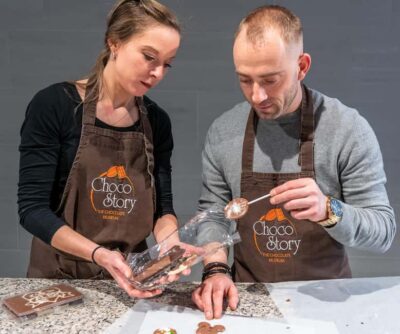
Choco-Story Chocolate Museum Guided Tour w/Tastings
Read our review →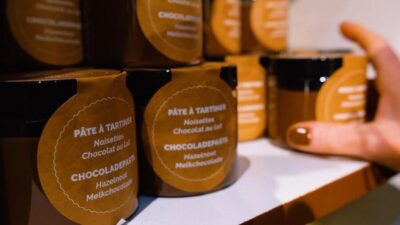
Browse the lists this tour appears in