
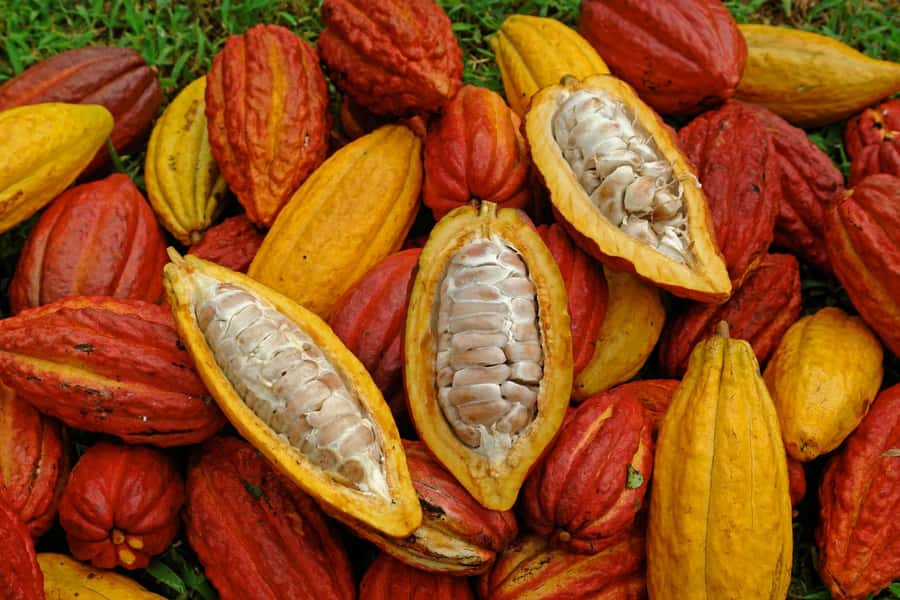
Review · COLOMBIA
Waterfalls, Animal Reserve and Chocolate: Mango Passage
Leave the coast behind for a jungle day. Paso del Mango takes you into the Sierra Nevada de Santa Marta National Park, where waterfalls, cocoa farms, animal protection, reforestation, and indigenous heritage come together in one long outing. You move through several forest types and visit places that feel far removed from Santa Marta’s better-known sights.
I especially like the small group limit of 10 people and the chance to make chocolate from cocoa grown in the area. I also like the way the day connects nature with local work, from the animal reserve to the reforestation program and jungle restaurant. The main consideration is physical comfort: this is an eight-hour outdoor day with jungle trekking, wet conditions, insects, and clothes that may get dirty.
Key points to know before booking
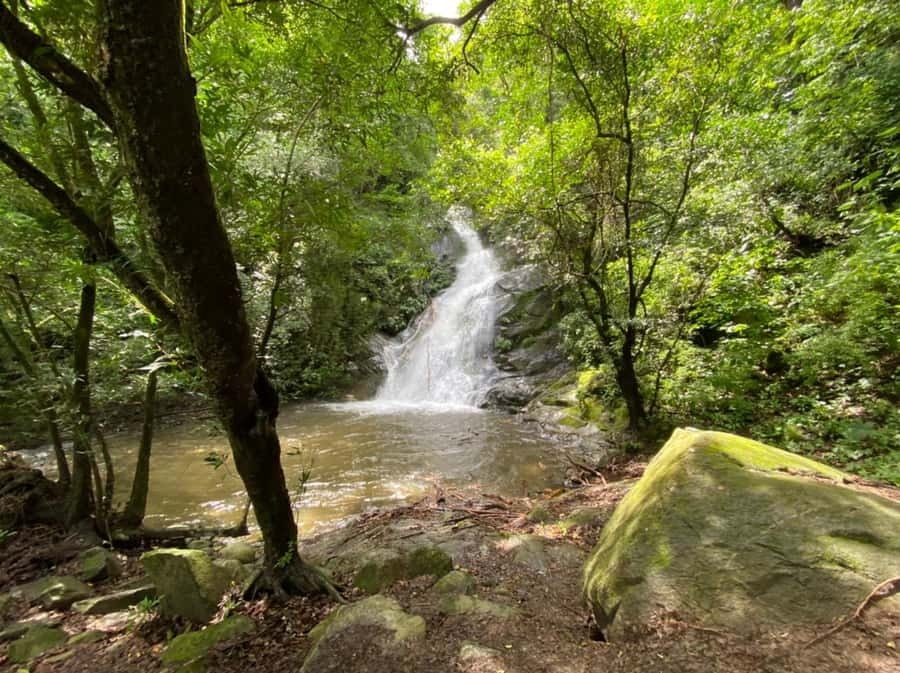
- Three jungle waterfalls are included, with time spent walking through tropical dry, cloud, primary, and secondary forest.
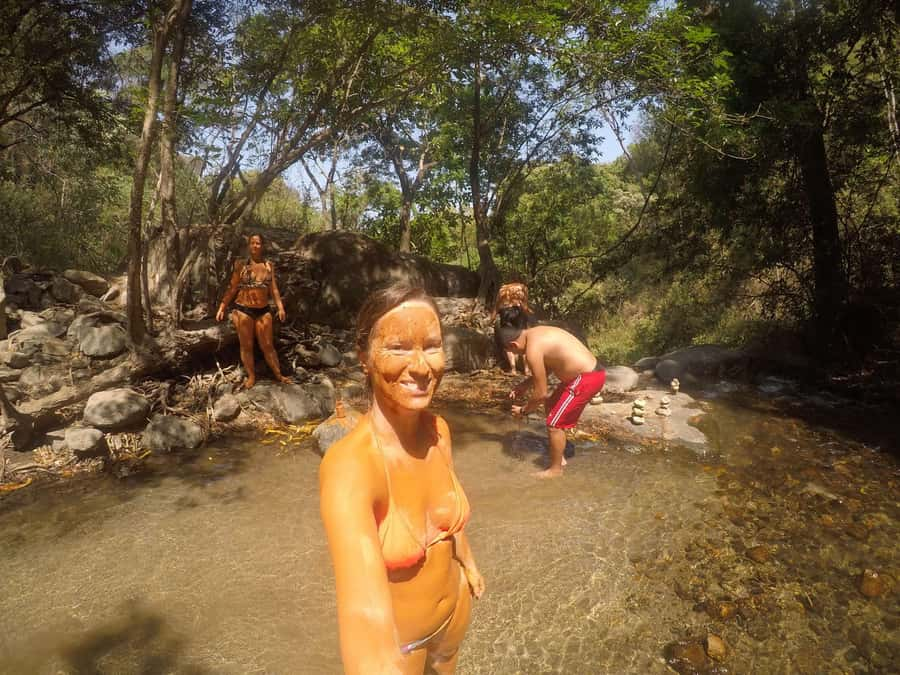
- Chocolate-making is hands-on, including a lesson about cocoa cultivation and a facial mask made from the product.
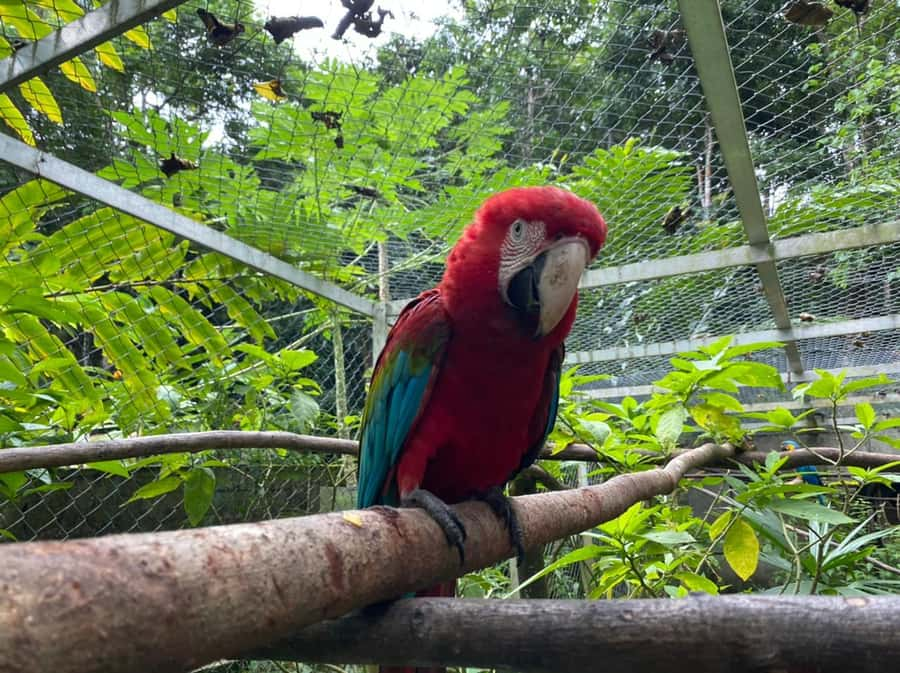
- The animal reserve protects endangered species and is paired with a working reforestation program.
- The route passes the ancient indigenous site of Masinga, with opportunities to see petroglyphs and native plants and animals.
- Marco is praised for his friendly manner and strong English, as well as for taking people to places many tourists do not see.
- The $250 price includes transport, lunch, water, guide services, entrance, and waterfall visits, with pickup within designated parts of Santa Marta.
Leaving Santa Marta for Paso del Mango
Paso del Mango sits in the Sierra Nevada de Santa Marta National Park, outside the usual city sightseeing circuit. Transportation is included, and pickup is available in areas within Santa Marta. If you are staying outside the city, expect an additional transportation charge.
That pickup arrangement matters because this is not a simple walk from a central hotel. The included transport saves you the trouble of arranging your own ride, and it lets the guide manage the route to a more remote part of the region.
The day lasts about eight hours, so plan it as your main activity rather than something to squeeze between other plans. A small group of no more than 10 people gives the guide room to explain the area and keep the pace more personal. It also makes the day easier than joining a large coach group on narrow roads and forest paths.
The tour is offered in Spanish and English. Marco, the named guide connected with this experience, has been praised for being attentive, educational, and easy to understand in English. That matters here because much of the value comes from explanation: the forests, cocoa, animals, local projects, and indigenous remains are not always obvious if you simply walk past them.
A few more chocolate tours around Colombia worth a look
- Cartagena: Boutique Rum and Chocolate Tasting at Lunático
★ 4.9 · 121 reviews - Coffee & Chocolate Private Tour in Medellin: Genuine Experience
★ 5.0 · 100 reviews - Chocolate tour near Medellin
★ 5.0 · 90 reviews
Four forest types on one mountain route
One of the most interesting parts of Paso del Mango is the change in forest types. You can encounter tropical dry forest, cloud forest, primary forest, and secondary forest during the day.
These terms are more than labels. They help explain why the area supports such a wide mix of plants and animals. Tropical dry forest and cloud forest do not look or feel the same, and primary and secondary forest show different stages of forest growth.
A guide can give this variety some meaning. Instead of seeing only a wall of green, you learn how climate, elevation, and past land use affect what grows around you. The supplied information does not give an exact elevation or trail distance, so you should not expect a precise mountaineering route description. Still, the forest variety makes the walk more than a simple trip to a waterfall.
The route also offers opportunities to see native flora and fauna. Keep your eyes open, but do not expect guaranteed wildlife sightings. The area is a natural habitat, not a staged animal show, and conditions can change from one day to the next.
Three waterfalls in the jungle
The waterfall section is one of the main reasons to book this experience. You trek to three waterfalls located in the jungle, giving the day several distinct nature stops rather than one quick photo break.
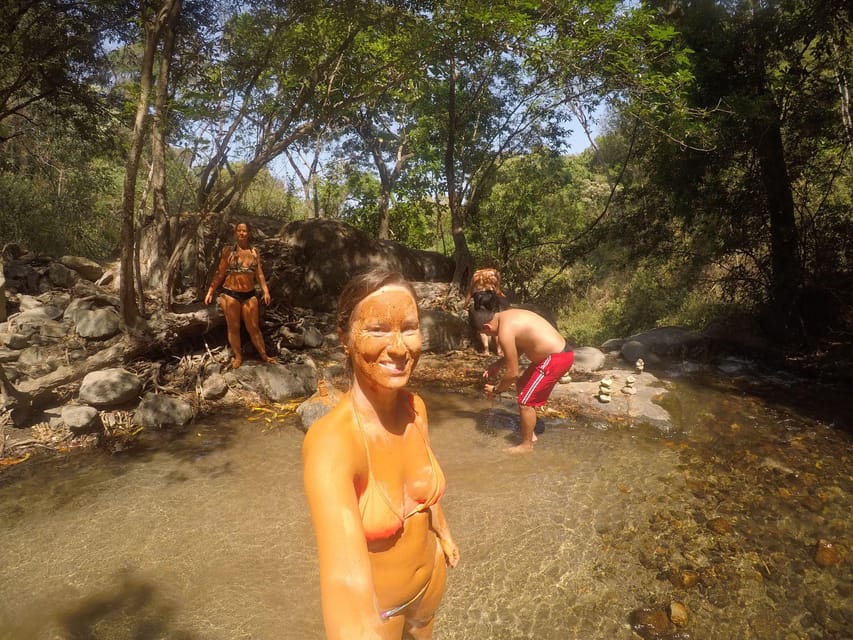
Waterfall walks often sound easier than they are. Here, you should be ready for uneven ground, damp paths, and heat. Comfortable closed-toe shoes are required, and you should bring beachwear if you plan to get wet. The instructions also recommend clothes that can get dirty, which is useful advice rather than a formality.
The water and jungle setting make this part of the day feel refreshing, but comfort depends heavily on preparation. Biodegradable insect repellent is specifically recommended. Avoid bare feet, and do not show up in delicate shoes or clothing you want to keep spotless.
The tour includes the waterfall entrance and visits, so you are not left sorting out separate admission payments at each stop. The exact swimming arrangements are not specified, so bring beachwear as a sensible precaution rather than assuming every waterfall is available for bathing.
Masinga, petroglyphs, and indigenous heritage
Paso del Mango crosses the area of the ancient indigenous city of Masinga. That gives the walk a cultural layer that many waterfall outings lack.
You may also see petroglyphs along the route. These markings are easy to rush past if nobody points them out, so the guide’s role is important. They help you notice that the forest is not empty wilderness. It has long been connected to indigenous communities and human activity.
The information does not identify a specific indigenous group or date the petroglyphs, so you should avoid expecting a full archaeological tour. Still, the chance to encounter indigenous heritage in its original setting is valuable. The experience links the physical setting with the people who have lived in and shaped the region.
You may see indigenous people during the day, but the tour should be approached with respect. This is a place where you are passing through a living area, not entering a museum exhibit.
Same place, a different sort of tasting:
- Cacao Experience Tour
★ 4.8 · 66 reviews - Trekking History and Indigenous Heritage in Minca + Cacao & Coffee + Waterfall
★ 4.9 · 63 reviews - Minca: Full-Day Coffee and Cocoa Tour from Santa Marta
★ 4.5 · 61 reviews - Cacao and Coffee Tour
★ 4.5 · 24 reviews
An animal reserve with a practical purpose
The animal reserve focuses on endangered animals, making it one of the most meaningful stops. You are not simply looking at wildlife for entertainment. The visit connects with protection work in a region where habitat matters.
The reserve is paired with a successful reforestation program. That combination helps you understand the relationship between animal protection and forest recovery. Endangered species need more than rescue or care in isolation. They also depend on suitable natural areas, and reforestation can help rebuild those conditions.
Specific species are not provided, so do not book this expecting to see a particular animal. The reserve’s value is in learning about conservation and the local effort behind it. If you care about environmental work, this stop may be more rewarding than a standard wildlife photo opportunity.
The visit also breaks up the walking. After time on forest paths and around waterfalls, a conservation stop gives the day a different focus before lunch and the cocoa activity.
Making chocolate from locally grown cocoa
The cocoa session is the most unusual part of the day. You learn about cultivation, then make your own chocolate. The activity also includes facial masks made from the product, adding a playful and hands-on finish.
I like this because it turns an agricultural product into something you understand through touch and taste. Cocoa is often treated as a finished sweet in shops, but this activity explains the work and plants behind it. You leave with a better sense of how local farming connects to a familiar food.
The description does not specify the exact chocolate-making recipe, the amount you make, or whether the chocolate is packaged to take home. You should treat it as a guided workshop rather than a full cooking class.
The facial mask is also part of the fun, but it may not suit everyone. If you have sensitive skin or do not want food products on your face, you can ask the guide about the activity before taking part. The important point is that the cocoa session is interactive, not just a short explanation from the side of a path.
Lunch at a jungle restaurant
Lunch is served at a jungle restaurant using local, organic, and sustainable ingredients. This is a strong match for the rest of the day because the meal supports the same themes of place, farming, and responsible use of resources.
The menu is not provided, so you should not expect a specific dish or plan around dietary details that have not been confirmed. If you have food restrictions, ask before booking or contact the provider directly.
Lunch is included in the $250 price, along with water, transportation, the guide, entrance, and waterfall visits. That makes the meal more than a convenience. It keeps you from needing to bring a full packed lunch and gives you a chance to eat in the same natural setting you have been exploring.
The jungle restaurant may not offer the polished setting of a city dining room. That is part of the appeal for some people and a possible drawback for others. You are paying for a day built around local connections and outdoor access, not formal dining.
What the $250 price gets you
At $250 per person, this is a premium full-day outing. The value depends on how much you want included and how difficult it would be to arrange the same combination on your own.
You receive transportation, a live guide, lunch, water, entrance, and access to the waterfall visits. The day also combines three major activities: jungle trekking, conservation, and cocoa-making. Add the cultural elements around Masinga and the petroglyphs, and the price covers more than a basic nature walk.
I would consider it better value for someone who wants one organized day with a clear educational focus. It is less compelling if you only want to see waterfalls at the lowest possible cost.
The small group size helps justify the price. A maximum of 10 people allows more room for questions and gives the guide a better chance to explain what you are seeing. Marco’s reported strengths in English and his habit of showing people less-visited places add further value for English-speaking participants.
Who should book this experience?
This day suits adults and older children who are comfortable with walking, wet conditions, and outdoor facilities. It is not suitable for children under five or people over 70, according to the activity information.
You should bring:
- Comfortable closed-toe shoes
- Comfortable clothes
- Beachwear
- Clothes that can get dirty
- Biodegradable insect repellent
Do not bring alcohol, drugs, coolers, handcarts, fireworks, explosives, baby carriages, or electric wheelchairs. Bare feet are not allowed.
The tour is a good fit if you want nature with context. You will probably enjoy it most if you like learning about forests, local conservation, farming, and indigenous heritage rather than rushing from one viewpoint to the next.
It may not suit you if you want a gentle sightseeing day, a short transfer, or a highly predictable schedule. The exact route conditions, wildlife sightings, meals, and workshop details are not specified, so some flexibility is part of the deal.
Booking, cancellation, and final advice
You can cancel up to 24 hours before departure for a full refund, and the reserve-now, pay-later option lets you hold a place without paying immediately. Starting times depend on availability, so check the date carefully before booking.
The strongest reason to choose Mango Passage is its combination of experiences. Three waterfalls alone would make a pleasant day, but the animal reserve, reforestation work, cocoa workshop, local lunch, Masinga, and petroglyphs give the outing more substance.
I would book this if you want a small-group day away from Santa Marta that puts local people, nature, and conservation at the center. Bring sturdy shoes, accept that you may get muddy, and leave room for a slower pace. If your only goal is a quick waterfall swim, the $250 cost and eight-hour schedule may be more than you need.
FAQ
Where is Paso del Mango located?
Paso del Mango is located in the Sierra Nevada de Santa Marta National Park in the Magdalena region of Colombia.
How long does the experience last?
The experience lasts approximately eight hours.
What languages are available?
The live tour guide service is available in Spanish and English.
Is transportation included?
Yes, transportation and pickup within designated areas of Santa Marta are included. Pickup outside Santa Marta costs extra.
How many people can join the group?
The group is limited to 10 participants.
Are the waterfalls included in the price?
Yes, visits to the waterfalls and the required entrance are included.
Is lunch included?
Yes, lunch at a jungle restaurant is included. The ingredients are described as local, organic, and sustainable.
What activities are included besides trekking?
The day includes a visit to an endangered animal reserve and reforestation program, a cocoa cultivation lesson, chocolate-making, and facial masks made from the cocoa product.
What should I bring?
Bring comfortable closed-toe shoes, comfortable clothes, beachwear, clothes that can get dirty, and biodegradable insect repellent.
Can I cancel for a refund?
Yes. You can cancel up to 24 hours in advance for a full refund. You can also reserve the experience and pay later.
Just added around Colombia
- Cocoa Tour – San Rafael Antioquia from Medellín★ 5.0 · 2 reviews
- Medellín: Chocolate Tour & Exfoliation in beautiful river★ 5.0 · 3 reviews
- Chocolate tour near the Medellín★ 5.0 · 13 reviews
- Bean to Bar: Cocoa and Chocolate Workshop★ 5.0 · 5 reviews
- Cartagena: The Legendary Colombian Rum and Chocolate Tasting★ 5.0 · 8 reviews
- Cartagena: Express Rum and Chocolate Tasting Experience★ 5.0 · 10 reviews
- Bogotá: Candelaria Tour with Cacao and Coffee Workshop★ 5.0 · 3 reviews
- Cacao and Coffee Tour★ 4.5 · 24 reviews
Chocolate Tours, compared.

Choco-Story Brussels: Chocolate Museum Entrance with Tasting
Read our review →
City Tour, Cruise, and Lindt Home of Chocolate Visit
Read our review →
The Chocolatarium Chocolate Tour Experience in Edinburgh
Read our review →
Award-Winning Geneva Chocolate &Old Town Tour with Boat Ride (3h)
Read our review →
Yarra Valley Wine, Gin, Whisky and Chocolate Tour
Read our review →
4×4 Dominican Adventure with Chocolate and Coffee Tasting
Read our review →
Browse the lists this tour appears in