
Review · COLOMBIA
Cartagena: Boutique Rum and Chocolate Tasting at Lunático
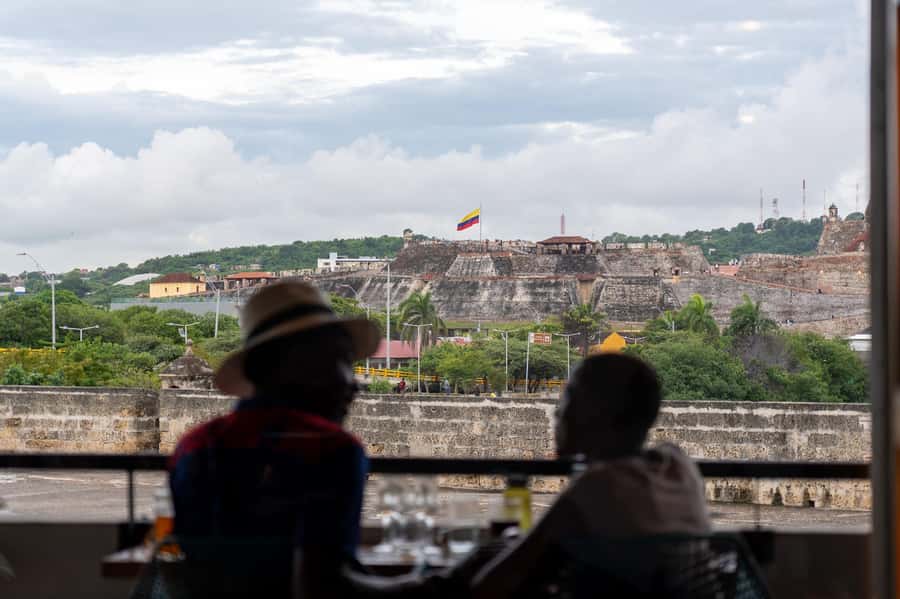
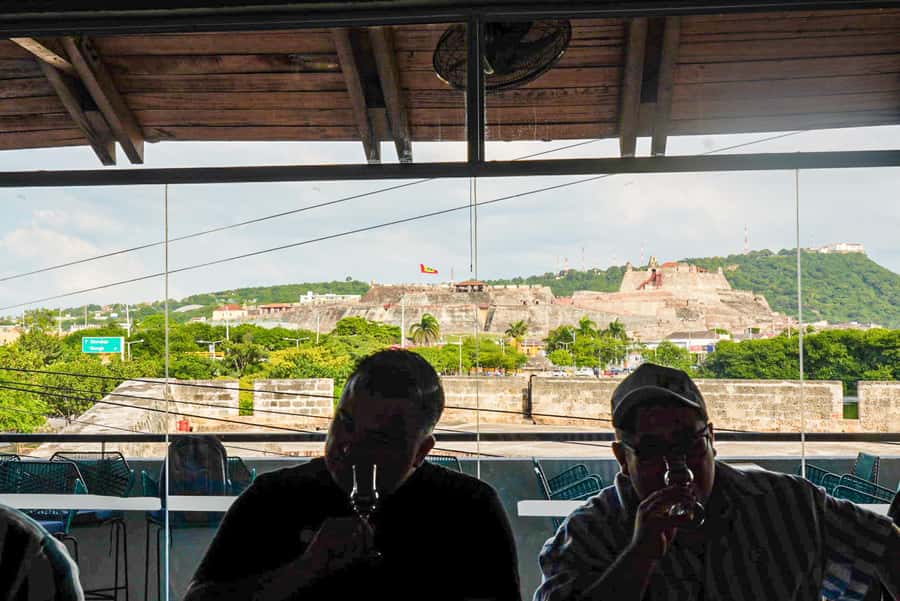
Rum tastes better with a story. Cartagena’s Lunático rum and chocolate tasting gives you two hours of Colombian spirits, regional traditions, guided sampling, and a hands-on cocktail session. I especially like the pairing of 8 to 10 rums with Colombian chocolate, and the setting near Getsemaní, with views toward Castillo San Felipe from the Caffé Lunático terrace.
The main caution is the $105 price per person, which is a serious spend for two hours. You also receive a generous amount of alcohol, so eat beforehand and do not plan this as a quick pre-dinner drink.
Key points at a glance
- Eight to 10 Colombian spirits: The tasting may include rums from different parts of Colombia, along with a few other local distillates.
- Chocolate pairing with a purpose: Different chocolates, from sweet to bitter, show how food can change the flavor of each rum.
- A cocktail you make yourself: The session ends with a practical lesson rather than one more passive sample.
- A strong Cartagena setting: The studio and terrace are at Caffé Lunático, close to Getsemaní and facing Castillo San Felipe.
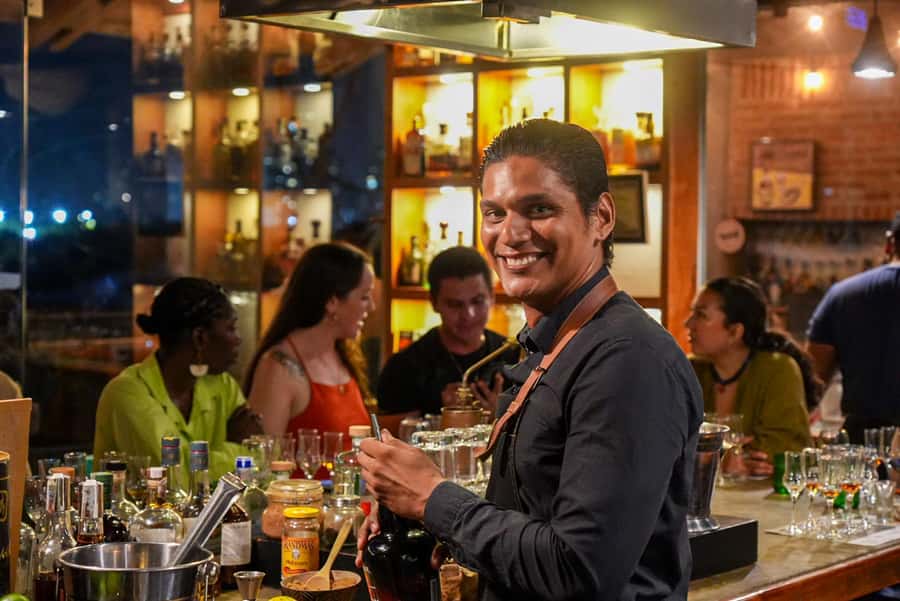
- Warm, trained hosts: Renato Molo created the experience, and hosts such as Adrian, Dylan, Luz, Sofia, and others guide the sessions.
- Best for adults who enjoy a social class: It is not suitable for anyone under 18 or for pregnant women.
What makes this Cartagena tasting different
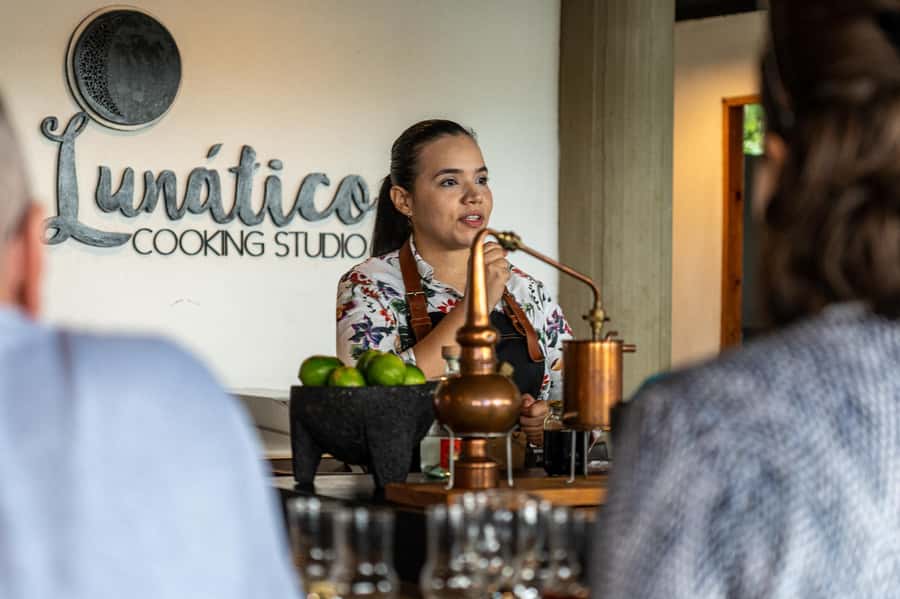
Many rum tastings amount to a few pours and a sales pitch. This one is designed more like a short class. Renato Molo, a certified Rummelier® and member of the Royal Rum Society™, built the program around Colombian rum production, regional character, tasting technique, and food pairing.
That structure matters. You are not simply asked if you like one rum more than another. You learn how to look at the spirit, smell it, taste it, and compare it with the next pour. The guide explains how rum is made and why spirits from different Colombian regions can show different qualities.
I like that the focus is Colombian rather than a general Caribbean rum sampler. The session also introduces other Colombian spirits, so you get a broader look at local drinking culture. It offers useful context without requiring you to be a rum expert before you arrive.
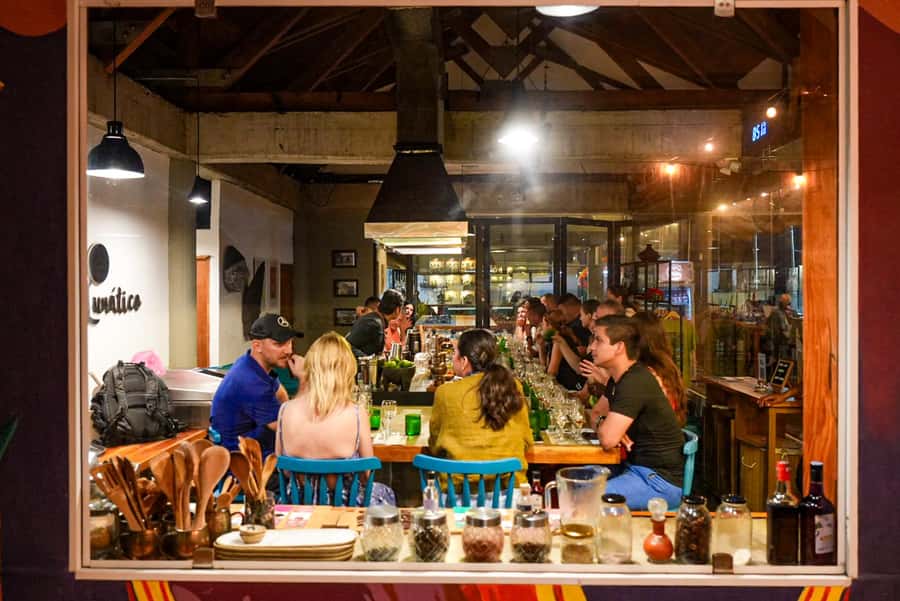
The mood is social, too. Group sizes can be small, sometimes only a few people, which makes it easier to ask questions and talk with the host. Larger sessions still have a built-in conversation starter: everyone compares reactions to the same rum and chocolate.
More Rum and Chocolate Tours in Colombia:
- Cartagena: Express Rum and Chocolate Tasting Experience
★ 5.0 · 10 reviews - Cartagena: The Legendary Colombian Rum and Chocolate Tasting
★ 5.0 · 8 reviews - Full-Day Tour: Concord Waterfall, Chocolate Factory, Rum Distillery, Grand Etang
★ 5.0 · 871 reviews
Arriving at Caffé Lunático near Getsemaní
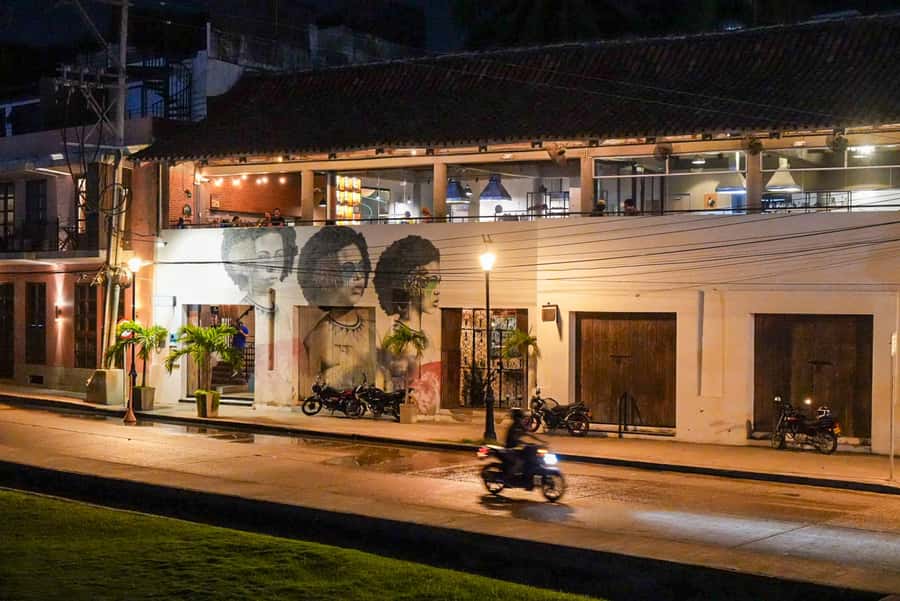
The meeting point is Caffé Lunático at Avenida del Pedregal 29-225. The café is close to Getsemaní and is also worth knowing as a place for food and drinks before or after the class.
Look for the large mural of three women, called tres guerreras, at the entrance. The directions describe the studio as upstairs, though they also give conflicting first-floor and second-floor instructions. If you have any trouble finding the room, use the mural as your landmark and ask the café staff or contact the host.
You do not need to bring special equipment. The rum, chocolate, glassware, and cocktail supplies are provided. Hotel pickup and drop-off are not included, so you need to make your own way to the venue.
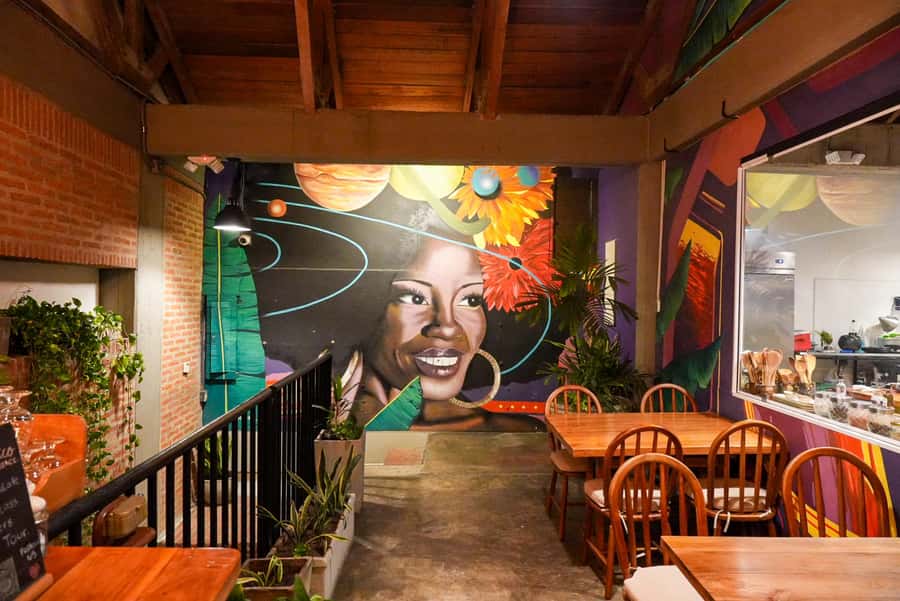
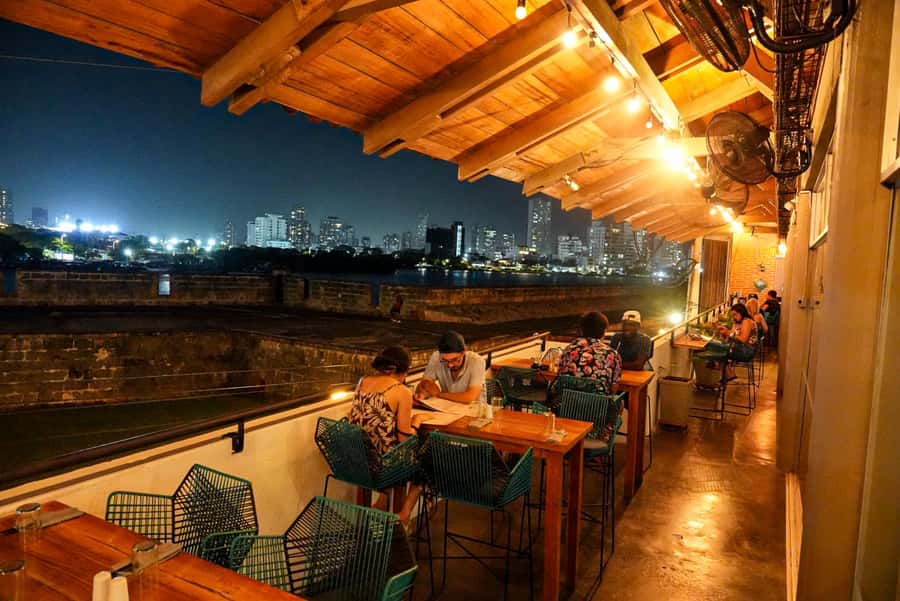
The setting adds real value. The tasting may take place in the studio or on the terrace, where you can see Castillo San Felipe. That view gives the evening a sense of place that a hotel bar would lack. If your session is indoors, the room is described as clean, modern, and comfortable.
The first pours: learning how Colombian rum is made
The class begins with an introduction to rum and the process behind it. Your guide explains the ingredients and stages involved in producing the spirit, then connects those methods to the bottles in front of you.
You will hear about the history and culture surrounding Colombian rum, not just technical production. That is useful because rum is tied to agriculture, regional identity, aging traditions, and local drinking habits. The presentation helps you understand why a bottle is more than a sweet or strong drink.
The guide also explains how to taste properly. You may be encouraged to examine the color, smell the spirit, take a small sip, and notice how the flavor changes in your mouth. This sounds simple, but it gives the tasting a clear rhythm and keeps the experience from turning into a string of random shots.
A few sessions begin with other Colombian liquors before moving fully into rum. Some people will enjoy that wider introduction, while others may prefer to get straight to the main subject. Either way, the tasting is not limited to one familiar style of rum.
Eight to 10 spirits from different regions
The exact number of pours can vary. Some sessions include six rums plus additional spirits, while others feature 10 or 11 rums. The experience description promises 8 to 10 unique Colombian spirits, so you should expect a substantial range rather than a token sample.
This variety is one of the best reasons to book. You can compare lighter and fuller styles, notice differences in sweetness and oak, and see how aging affects the final drink. The guide explains each spirit and its connection to Colombia, giving you a reason to pay attention to the details.
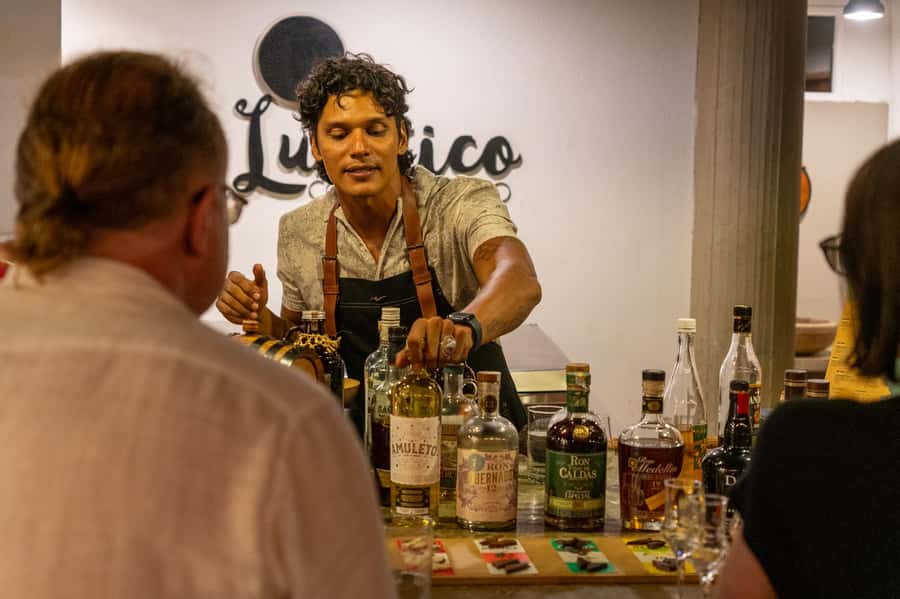
Adrian receives especially strong praise for keeping the class lively while explaining the rum-making process. Dylan has also helped lead sessions, while Luz is noted for clear explanations and a friendly manner. Renato sometimes leads the class himself, bringing the authority of the person who created the program.
The tone is relaxed rather than stiff. You can ask questions, discuss flavors with the group, and receive recommendations for other drinks or places to eat in Cartagena. One useful feature is that the hosts do not treat beginners as outsiders. You can arrive with no rum vocabulary and still follow the class.
The downside is the alcohol volume. Several portions are described as generous, and the full sequence can include additional spirit samples plus a cocktail. Eat before you arrive. You should also plan your evening sensibly and avoid combining this with a late-night bar crawl.
More Chocolate Tastings in Colombia:
- Brussels: Belgian Chocolate Making Workshop with Tastings
★ 4.7 · 1,629 reviews - Bruges: Choco-Story Chocolate Museum Guided Tour w/Tastings
★ 4.2 · 1,379 reviews - Paris French Sweets Tasting Tour with Pastries and Chocolates
★ 4.5 · 947 reviews - Brussels Walking and Tasting Tour (Beers,Chocolates&Fries/Waffle)
★ 5.0 · 929 reviews
Colombian chocolate changes the rum
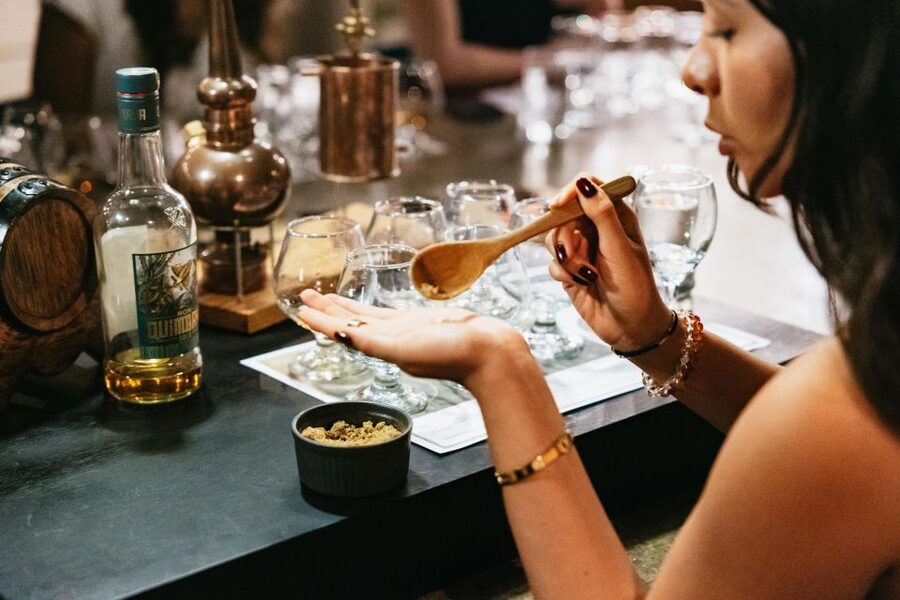
The chocolate portion is more than a sweet snack between drinks. You pair different Colombian chocolates with the spirits and watch how the combination changes your impression of each pour.
The selection may range from sweet to bitter. A chocolate with more bitterness can make a rum seem less sweet or bring out darker notes, while a sweeter piece may soften the alcohol or emphasize vanilla and fruit impressions. The point is not to find one correct pairing. It is to notice how your palate shifts.
This is where the class becomes especially useful for anyone who enjoys food and drink together. You gain a practical way to think about pairing at home, even if you never buy the same bottles again.
One fair criticism is that the chocolate can feel secondary to the rum. The experience gives you a lot of spirits, while the chocolate portions may be more modest. If you are booking mainly for a chocolate tasting, this is probably not the right choice. Think of it as a rum class with a well-planned chocolate partner.
Making your own rum cocktail
The final hands-on part is the cocktail session. After tasting the spirits and comparing them with chocolate, you use what you have learned to make your own rum drink.
This is a smart ending. You move from learning about production and tasting technique to using rum in a social drink. The cocktail also gives you a break from tasting neat spirits and lets you apply your new preferences.
The host guides you through the process, so you do not need bartending experience. You may discover that the rum you liked neat is not the one you prefer in a mixed drink. That contrast is part of the lesson.
The cocktail is included in the price. You can enjoy it while talking with the guide and other people in the group, or while taking in the view if your class is on the terrace.
The guides shape the experience
The program is built on Renato’s expertise, but the session is often led by another host trained by him. That matters because the class depends as much on presentation as on the bottles.
Adrian is described as lively, informed, and good at keeping people engaged. Luz receives praise for explaining the rums clearly and creating a welcoming atmosphere. Sofia has assisted during sessions, and Dylan has co-hosted with Adrian. Renato himself is praised for his passion and for adding personal stories, including a taste of a home-aged spirit in one session.
You should expect a host who talks throughout the class. That is part of the design, not a flaw in itself. Still, the style can vary. One person may enjoy a guide who shares personal stories, while another may prefer a tighter technical presentation.
The best sessions seem to balance facts, questions, humor, and group conversation. If you want a silent tasting where you can concentrate alone, choose a different activity. If you like learning in a social setting, this format should suit you well.
Is $105 a fair price?
At $105 per person, this is not a budget activity. You are paying for a guided two-hour class, several Colombian spirits, chocolate pairings, a cocktail, and the expertise behind the program. The setting and small-group feel can add to the value.
The price makes more sense if you are curious about rum and want more than a standard bar experience. You receive a structured explanation of production and tasting, rather than simply ordering drinks from a menu. The cocktail and food pairing also give the class a practical edge.
Still, the cost is high compared with many other things you can do in Cartagena. If you mainly want to drink rum, you can spend less at a bar. If you dislike strong spirits, the number of pours may not justify the price.
I would view this as a specialty class, similar to paying for a cooking lesson or wine tasting. It is worthwhile for someone who values instruction, local context, and a carefully planned tasting. It is less convincing for a casual drinker on a tight budget.
Who should book this experience?
This class fits adults who want to understand Colombian rum, not just consume it. It works particularly well for couples, friends, solo visitors who enjoy meeting people, and parents traveling with adult children. One session even worked well for a 40-year-old attending with her 66-year-old mother, which says something about the broad appeal.
You do not need prior tasting experience. Beginners can follow the explanations, while rum fans have enough variety to keep the session interesting. The bilingual format, in English and Spanish, makes it accessible to a wide range of people.
It is also a good choice at the start of a Cartagena stay. The guides may offer useful recommendations for food and drinks, and the class gives you an early introduction to Colombian ingredients and drinking customs.
Avoid booking it if you are pregnant, under 18, or uncomfortable with a high alcohol intake. Also skip it if you are looking for a chocolate-first activity. The rum is the main event.
Practical tips for a better evening
- Eat before you arrive. The tasting can include many pours, additional local spirits, and a cocktail.
- Leave two full hours free. This is a class, not a quick sample at the bar.
- Use the mural as your landmark. Find the tres guerreras mural at Caffé Lunático and then head upstairs.
- Ask questions early. The guides are there to explain production, tasting technique, regional differences, and pairing.
- Do not judge the rum alone. Try each spirit with the chocolate and note how the flavor changes.
- Consider eating at Lunático. The café and restaurant are convenient before or after the class, and the view toward Castillo San Felipe adds to the evening.
- Plan your transport afterward. Hotel pickup and drop-off are not included.
Cancellation is free up to 24 hours before the start time, and you can reserve while paying later, which helps if your Cartagena plans are still changing. Starting times vary, so check availability when booking.
Should you book the Lunático rum tasting?
I would book it if you want a social, educational evening built around Colombian spirits. The strongest features are the range of rums, the clear food pairing, the cocktail you make yourself, and the hosts who keep the class personal rather than formal.
I would hesitate only because of the price and the amount of alcohol. Eat first, arrive ready to participate, and treat the $105 as the cost of a specialty class rather than a simple night out. For rum fans and curious beginners, it offers a thoughtful way to connect Colombian taste, place, and craftsmanship in one Cartagena evening.
FAQ
How long does the Lunático rum and chocolate tasting last?
The experience lasts two hours.
Where does the tasting take place?
You meet at Caffé Lunático at Avenida del Pedregal 29-225 in Cartagena. The session may take place in the studio or on the terrace, with views toward Castillo San Felipe.
How many spirits will I taste?
The experience includes approximately 8 to 10 Colombian spirits. Depending on the session, the selection may include six rums plus additional liquors, or as many as 10 or 11 rums.
Is the cocktail included?
Yes. A cocktail is included, and you make it during the class after the rum and chocolate tasting.
Are hotel pickup and drop-off included?
No. You need to travel to and from Caffé Lunático yourself.
Who can participate?
The experience is offered in English and Spanish and is intended for adults. It is not suitable for pregnant women or children under 18.
Just added around Colombia
- Waterfalls, Animal Reserve and Chocolate: Mango Passage★ 5.0 · 2 reviews
- Cocoa Tour – San Rafael Antioquia from Medellín★ 5.0 · 2 reviews
- Medellín: Chocolate Tour & Exfoliation in beautiful river★ 5.0 · 3 reviews
- Chocolate tour near the Medellín★ 5.0 · 13 reviews
- Bean to Bar: Cocoa and Chocolate Workshop★ 5.0 · 5 reviews
- Cartagena: The Legendary Colombian Rum and Chocolate Tasting★ 5.0 · 8 reviews
- Cartagena: Express Rum and Chocolate Tasting Experience★ 5.0 · 10 reviews
- Bogotá: Candelaria Tour with Cacao and Coffee Workshop★ 5.0 · 3 reviews
Chocolate Tastings, compared.
Belgian Chocolate Making Workshop with Tastings
Read our review →
Choco-Story Chocolate Museum Guided Tour w/Tastings
Read our review →
Paris French Sweets Tasting Tour with Pastries and Chocolates
Read our review →
Brussels Walking and Tasting Tour (Beers,Chocolates&Fries/Waffle)
Read our review →

Brussels and Bruges Tour & Optional Chocolate Tasting
Read our review →
Beer Tour with 6 Beers and 3 Chocolate Tastings
Read our review →Browse the lists this tour appears in