
Review · INDONESIA
Ubud: Chocolate Workshop, Class & Tasting
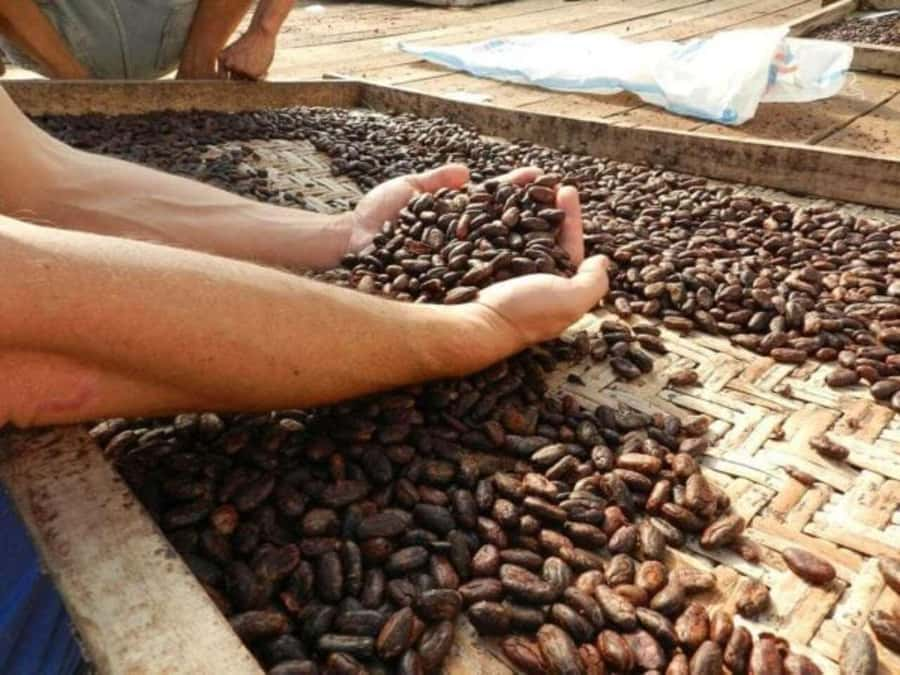
Chocolate begins with a plant, not a wrapper. I like this Ubud experience because it connects cacao cultivation with hands-on cooking, then lets you taste the results in a peaceful plantation setting. I also like the family-friendly format, with a chocolate drink, toppings, a certificate, and 150 grams of dark chocolate for adults. The main caution is that the class may feel simple rather than technical, especially for older children or adults expecting to make chocolate from raw cacao.
The setting gives the activity more character than a standard kitchen class. You can learn about cocoa, watch the production process, melt and mold chocolate, and sample different flavors. Still, the actual plantation tour needs careful attention: one participant found there was no proper walk through the plantation, while others praised the warm staff and their care with children during a sudden rainstorm.
Key points before you book
- The workshop takes place at Tebasari Coffee & Chocolate, on Jl. Raya Gelogor in Lodtunduh, south of central Ubud.
- The core experience lasts about one hour, though the total booking may show a duration of one to three hours depending on the option selected.
- Adults receive 150 grams of dark chocolate, while children take part in a chocolate-painting activity without a mold.
- Three toppings are provided: Balinese peanut, chocolate sprinkles, and chocolate chips.
- Hotel pickup is optional from Ubud and several south Bali areas, with an extra fee for Uluwatu.
- A separate option may include two hours of Ayung River rafting, so check exactly what your chosen package contains.
What happens at Tebasari Coffee & Chocolate
You begin at Tebasari Coffee & Chocolate, a cacao and coffee venue at Jl. Raya Gelogor, Lodtunduh, Kecamatan Ubud, Kabupaten Gianyar. If you arrange your own transport, use Google Maps and arrive 15 minutes early. That matters here because late arrivals can delay a short class.
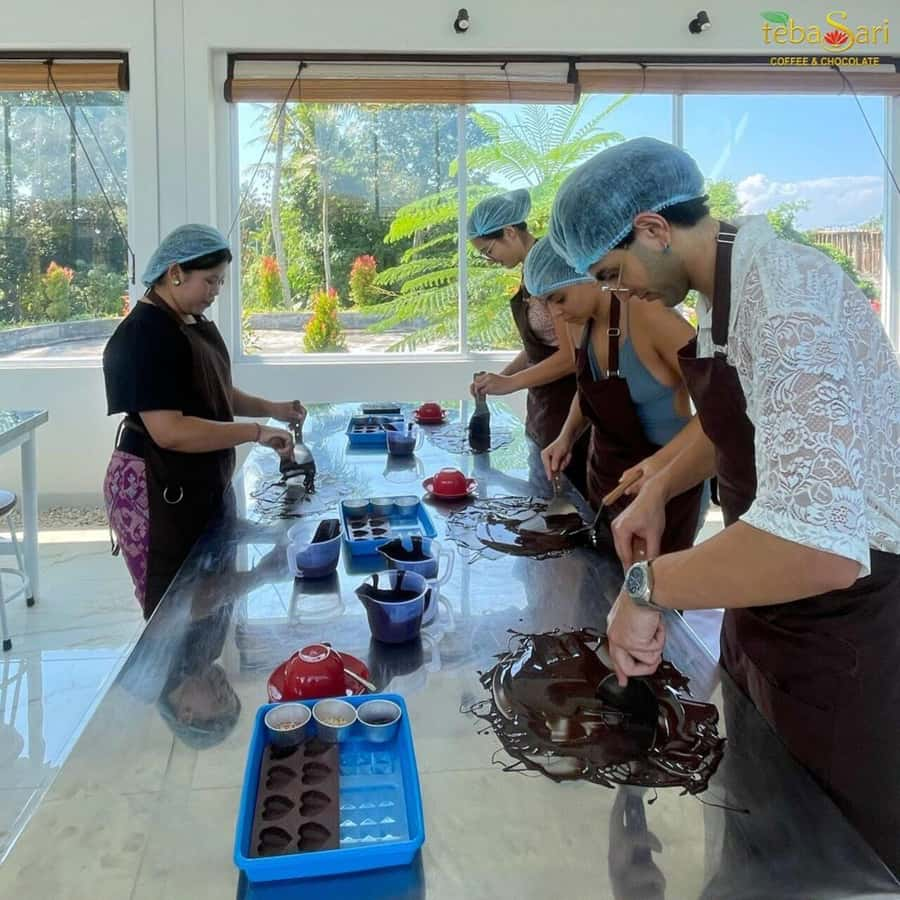
The session opens with an introduction to cocoa and chocolate. You learn basic ingredients, flavor differences, and the broad path from cocoa to finished confectionery. The English-speaking instructor then shows the main steps, including melting, mixing, and molding.
This is not presented as a professional pastry course. I would think of it as a relaxed introduction for curious visitors, families, couples, and chocolate fans. You get to handle the ingredients and make something of your own, but the class is designed to be accessible rather than technically demanding.
That distinction is important. One adult described the activity as little more than pouring melted chocolate into a mold, adding sprinkles, and waiting for it to set. An 11-year-old received a premade chocolate and icing for decoration, which felt too young for that participant. If you want tempering, roasting, grinding, recipe development, or detailed confectionery instruction, this may not go far enough.
For a younger child, however, the simple format can be the point. There are no complicated tools or difficult steps to master. Kids can decorate chocolate, choose toppings, and enjoy the pleasure of making something edible. The staff have also shown care when working with children, including helping families stay comfortable when heavy rain interrupted the activity.
More Chocolate Making Workshops in the world:
- Vienna: Chocolate Workshop in Chocolate Museum w/ Tasting
★ 4.5 · 1,802 reviews - Brussels: Belgian Chocolate Making Workshop with Tastings
★ 4.7 · 1,629 reviews - Brussels: 2.5-Hour Belgian Chocolate Making Workshop
★ 4.8 · 933 reviews
The cacao plantation setting
The plantation element is meant to connect your food with its source. Rather than treating chocolate as an anonymous sweet, the experience introduces cacao cultivation and the production process in a natural setting. That gives the class a useful local link, especially if you have already seen Bali’s rice fields and want a different look at rural life.
I like this part in principle because it adds context to the cooking. You are not only pouring chocolate into a shape. You are also learning that chocolate starts as an agricultural product, and that its flavor depends on the ingredients and handling along the way.
Keep your expectations measured, though. The amount of walking and the detail of the plantation visit may depend on the instructor and the conditions that day. One person found no real guided plantation tour and felt the session was rushed and poorly organized. That means you should ask at the start if a plantation walk is included in your selected option.
Comfortable shoes and loose, comfortable clothing make sense. The activity is wheelchair accessible, but the outdoor portion may still vary with weather and ground conditions. Extreme weather can lead the provider to change or cancel the activity.
Melting, molding, and toppings
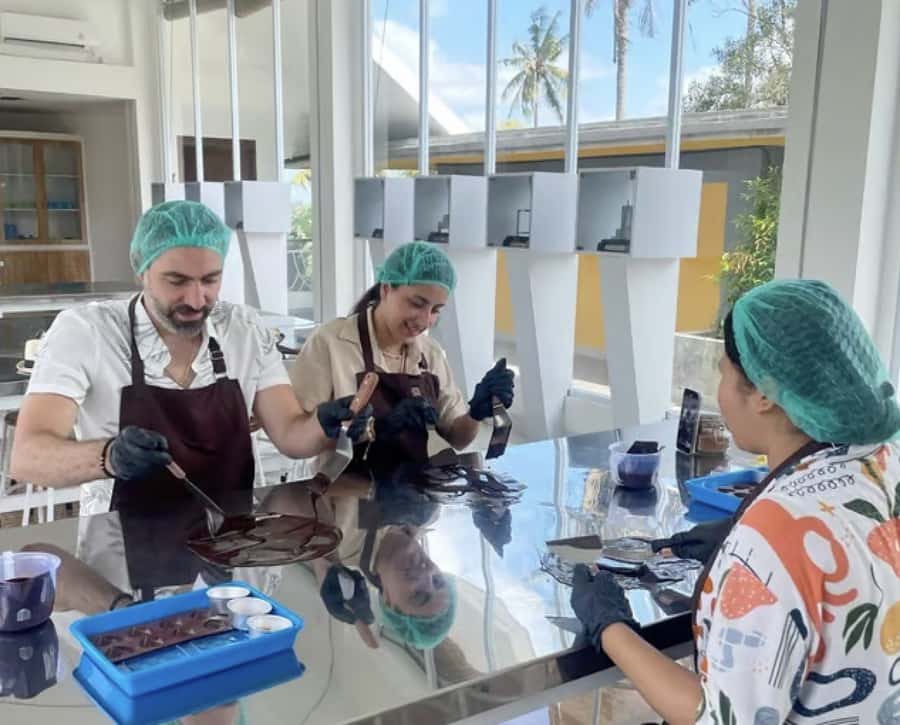
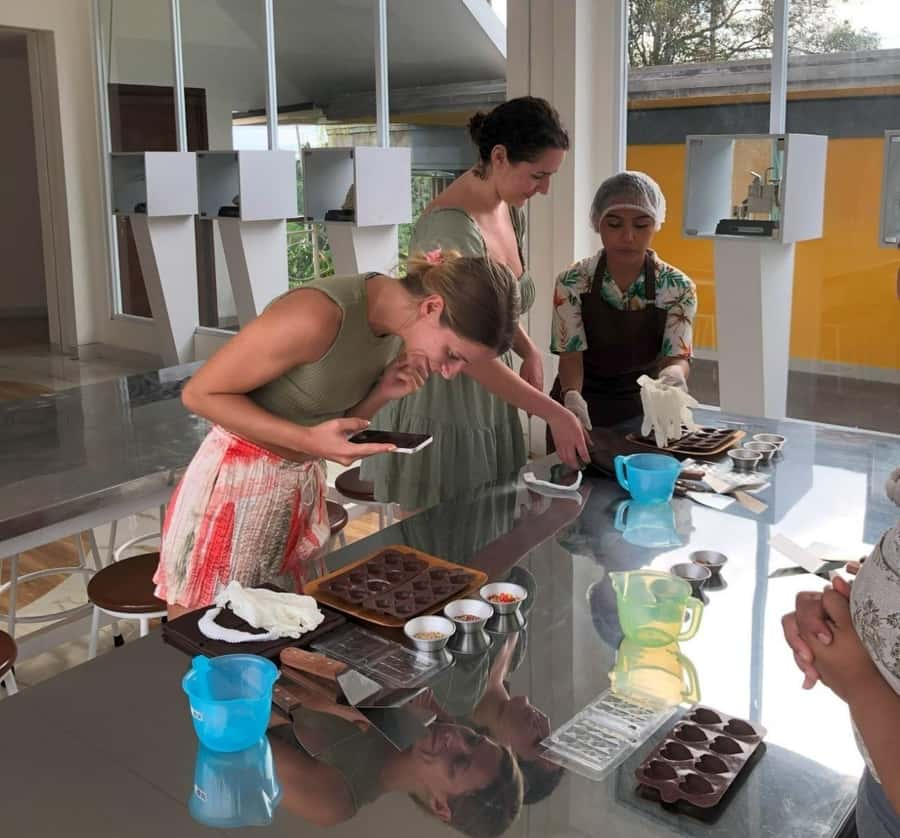
The practical part centers on melted chocolate. You watch or help with the basic process, then pour chocolate into a mold or use it for decoration. The class supplies all ingredients and equipment, so you do not need to bring cooking tools or prior experience.
Three toppings are included:
- Balinese peanut
- Chocolate sprinkles
- Chocolate chips
These toppings add a small local touch through the Balinese peanut option. They also give children an easy way to make a personal treat without facing a complex recipe.
Adults receive 150 grams of dark chocolate. That is a respectable take-home portion for a one-hour class, especially when combined with the tasting and drink-making. The exact finished form may depend on the activity option and how quickly the chocolate sets.
Children take part in a different activity. The supplied information describes fun chocolate painting without a mold, which may suit younger kids better than a more technical lesson. Older children may find it too basic, so I would match the booking to the child’s expectations. A six-year-old and an 11-year-old may want very different levels of involvement.
The chocolate drink and tasting
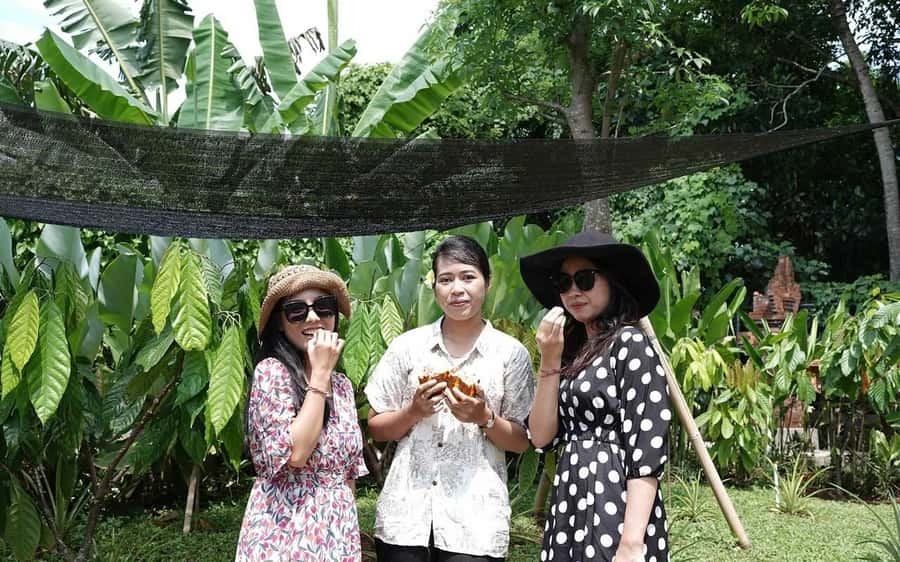
The experience includes making a chocolate drink, followed by a guided tasting. This is where the class shifts from craft project to food lesson. You sample chocolate, pay attention to flavor and texture, and learn how different chocolate styles can taste and feel.
I would encourage you to slow down during this part. Notice sweetness, bitterness, smoothness, and the way the chocolate changes as it melts. The tasting is not just a reward at the end. It helps explain why ingredients and preparation matter.
Freshly made chocolate in a plantation setting also gives the activity a pleasant sense of place. You are tasting something connected to the cacao around you, not simply buying a packaged bar in a shop. The experience remains modest, but it has more meaning than a quick dessert stop.
The chocolate drink may be especially appealing to children, though people with diabetes or food allergies should not book this activity. The provider also specifically advises against participation for anyone with a chocolate allergy. If you have a particular dietary concern or special request, contact the provider before booking.
A few more chocolate tours around the world worth a look
- Lindt Home of Chocolate Museum Entry Ticket
★ 4.7 · 9,329 reviews - Choco-Story Brussels: Chocolate Museum Entrance with Tasting
★ 4.3 · 4,883 reviews - Zurich: City Tour, Cruise, and Lindt Home of Chocolate Visit
★ 4.5 · 4,624 reviews - The Chocolatarium Chocolate Tour Experience in Edinburgh
★ 5.0 · 4,322 reviews
A certificate and a small souvenir
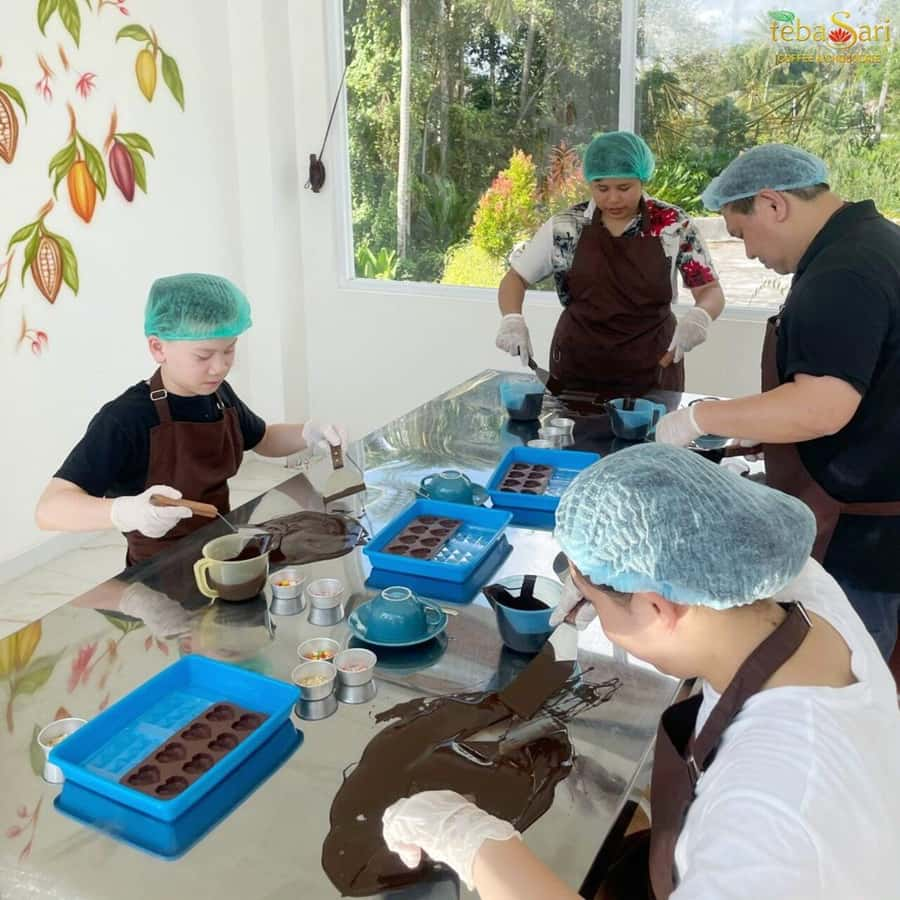
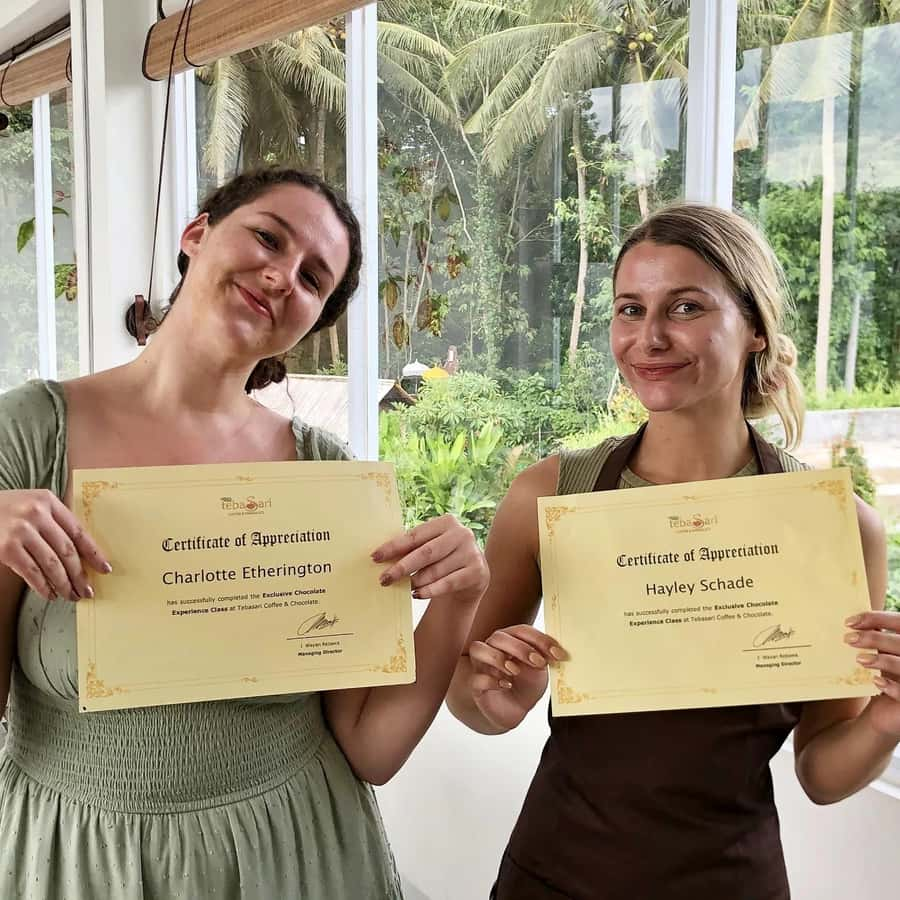
At the end, you receive a certificate of appreciation. It is a simple extra, but children often enjoy having a physical reminder of the activity. The adult chocolate portion provides the more useful souvenir, since you can take it with you after the class.
I would not choose the experience for the certificate alone. Its value comes from the combination of setting, instruction, tasting, and hands-on work. The certificate works best as a lighthearted finish, especially for families.
The optional Ayung River rafting add-on
The listed itinerary also includes Ayung River rafting for two hours, followed by a return to Ubud. This appears to be part of a selected combination rather than an automatic part of every chocolate booking. The chocolate activity itself is described as a one-hour experience, while the overall booking can show one to three hours.
Check your package carefully before paying. If rafting is included, you should plan for a much more active day than the chocolate session alone. The information provided does not detail the rafting equipment, rapids, changing facilities, meal arrangements, or transfer timing, so I would ask the operator for those specifics.
For someone looking only for a calm food activity, the chocolate option makes more sense by itself. For families or couples wanting to pair food with outdoor activity, the combination could be appealing, provided you are prepared for a longer outing.
Pickup areas and getting there
Round-trip hotel transfers are optional. Pickup and drop-off cover Ubud, Tegallalang, Tampaksiring, Sanur, Kuta, Seminyak, Canggu, and Benoa. Uluwatu requires an additional 150,000 Indonesian rupiah.
The transfer option can improve the value if you are staying outside central Ubud or do not want to arrange a taxi. It also reduces the chance of arriving late at a location that may be unfamiliar. If you are already near Lodtunduh, self-arranged transport may be simpler.
The meeting point is Tebasari Coffee & Chocolate, not necessarily your hotel. Confirm the pickup choice and starting time when booking. Since the class is short, even a small delay can take up a large part of your session.
How much value do you get for $24?
At $24 per person, this experience offers fair value if you want a light activity with food, instruction, and a small take-home portion. The price includes admission, English-speaking staff, the one-hour cocoa and chocolate session, ingredients, equipment, the drink activity, tasting, certificate, and adult chocolate.
The value is strongest for families. Children can take part without needing previous cooking skills, and the staff have been praised for being friendly and attentive with young participants. Couples may also enjoy it as a short break from temple visits and sightseeing.
The value is weaker if you expect a serious chocolate course. The class may be more about pouring, decorating, tasting, and having fun than learning advanced production methods. I would not compare it with a specialist bean-to-bar workshop.
Transfers can change the total cost. Pickup is useful across the wide service area, but Uluwatu travelers pay an extra 150,000 IDR. Personal expenses are not included, so budget separately for anything you buy beyond the supplied food and materials.
Staff, pace, and organization
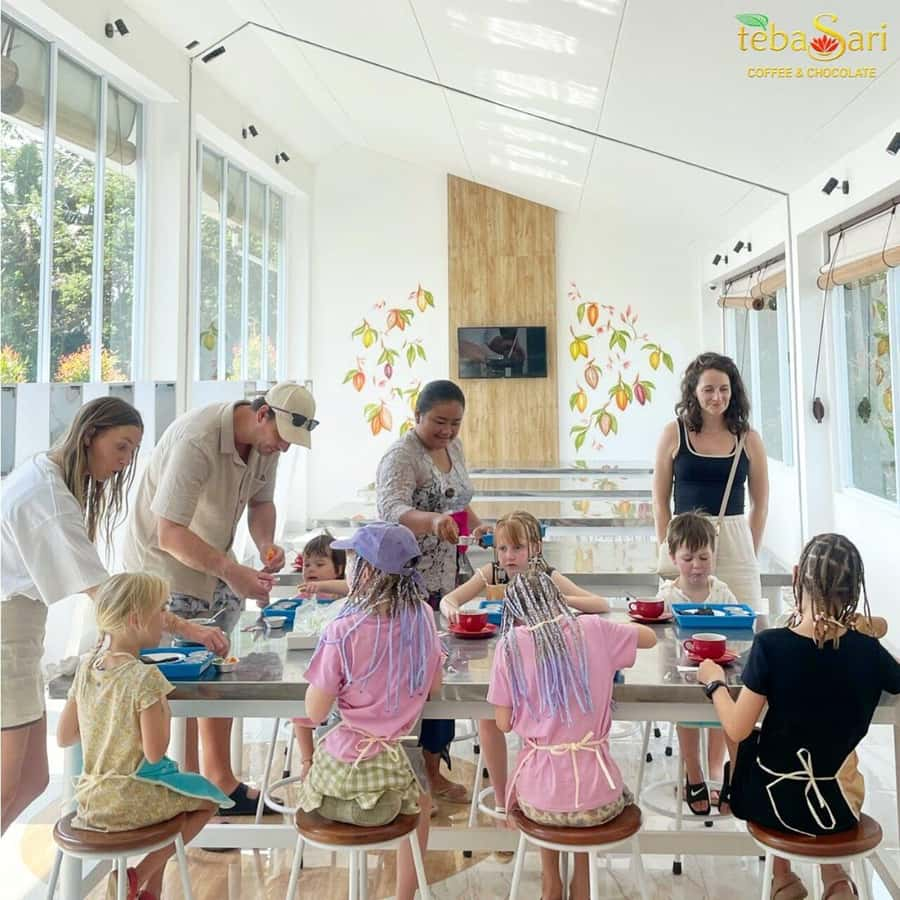
The strongest human feature is the staff’s friendliness. One French participant appreciated the welcome and the effort made to communicate despite a language barrier. That suggests a warm, patient approach, even when English is not perfect.
A separate experience during heavy rain showed the staff being mindful of children and helping the activity remain pleasant. That kind of care matters in Bali, where sudden weather can change an outdoor plan quickly.
Organization appears less consistent. One participant described a stressful, crowded process and said they had to ask for each step. I would arrive early, listen carefully to the opening instructions, and ask direct questions if you are expecting the plantation tour or a more involved chocolate-making process.
The class may work best when you treat it as a casual activity rather than a tightly choreographed culinary course. If you need a quiet, highly structured lesson, ask about the group size and exact format before booking.
Who should book this activity?
I would recommend it to:
- Families with younger children who enjoy decorating and tasting
- Couples looking for a short food activity near Ubud
- Chocolate lovers who want a simple introduction to cacao
- Visitors interested in connecting a local agricultural setting with cooking
- Anyone who values an easy activity with optional hotel transport
I would be more cautious if you are:
- Looking for advanced chocolate techniques
- Traveling with an older child who wants serious hands-on work
- Allergic to chocolate or other supplied ingredients
- Managing diabetes
- Expecting a guaranteed, detailed plantation walk
- Uncomfortable with a class that may feel busy or basic
Wheelchair access is listed, and English is the teaching language. For mobility needs beyond that, contact the provider before arrival so the outdoor portion can be discussed clearly.
Should you book the Ubud chocolate workshop?
Book it if you want a friendly, low-pressure hour built around cacao, chocolate tasting, and simple hands-on making. The $24 price is reasonable for the included chocolate, drink, toppings, equipment, certificate, and setting. Families get the most from it, especially when children are happy with decorating rather than advanced cooking.
Skip it if your main goal is a serious look at chocolate production from cacao pod to finished bar. The experience can be basic, and the plantation walk may not always be as thorough as you expect. Before booking, confirm the exact format, ask if the plantation tour is included, and check if your package includes rafting.
Free cancellation is available up to 24 hours before the start time, and you can reserve now and pay later. Arrive 15 minutes early, wear comfortable shoes and clothing, and treat the session as a pleasant taste of Balinese cacao culture rather than a professional chocolatier course.
FAQ
Where does the chocolate workshop take place?
The meeting point is Tebasari Coffee & Chocolate at Jl. Raya Gelogor, Lodtunduh, Kecamatan Ubud, Kabupaten Gianyar, Bali 80571, Indonesia.
How long does the experience last?
The chocolate and cacao experience lasts about one hour. The booking options may show a total duration of one to three hours.
Is hotel pickup included?
Pickup is optional, depending on the selected option. Transfers cover Ubud, Tegallalang, Tampaksiring, Sanur, Kuta, Seminyak, Canggu, and Benoa.
Is there an extra charge for pickup from Uluwatu?
Yes. Pickup from the Uluwatu area requires an additional 150,000 IDR.
What language is the class taught in?
The instructor and staff use English.
Do I need previous chocolate-making experience?
No. The class is designed for beginners and includes the ingredients and equipment you need.
What is included for adults?
Adults receive a chocolate-making experience, a chocolate drink activity, a tasting, a certificate of appreciation, and 150 grams of dark chocolate.
What do children do during the class?
Children take part in a chocolate-painting activity without a mold. The experience also includes three toppings: Balinese peanut, chocolate sprinkles, and chocolate chips.
Is the activity suitable for people with food allergies?
No. The activity is not suitable for people with food allergies or chocolate allergies. It is also not recommended for people with diabetes.
Can I cancel the booking?
You can cancel up to 24 hours in advance for a full refund. A reserve-now, pay-later option is also available.
Just added around the world
- Lindt Chocolate Museum with Cruise Transfer from Zurich★ 4.6 · 7 reviews
- Zagreb: Lake Bled and Ljubljana Day Tour with Chocolate Gift★ 5.0 · 26 reviews
- Zurich: Chocolate Tasting and Walking Tour with a Local★ 4.2 · 13 reviews
- Zurich Open-top Tour and Chocolate and Cheese Countryside★ 3.5 · 11 reviews
- Wine and Chocolate experience★ 4.6 · 3 reviews
- York: Introduction to Chocolate Making Experience★ 4.9 · 10 reviews
- Zaandijk-Near Zaanse Schans Chocolate making demo & tasting★ 4.8 · 13 reviews
- Private Wine and Chocolate Tasting Experience★ 4.4 · 3 reviews
Chocolate Making Workshops, compared.

Chocolate Workshop in Chocolate Museum w/ Tasting
Read our review →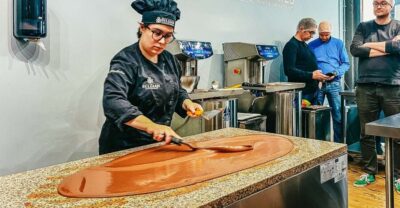
Belgian Chocolate Making Workshop with Tastings
Read our review →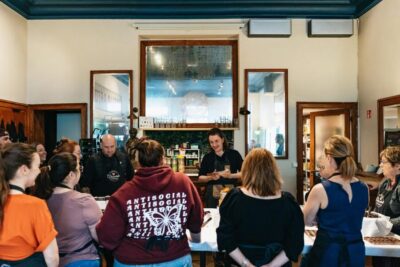
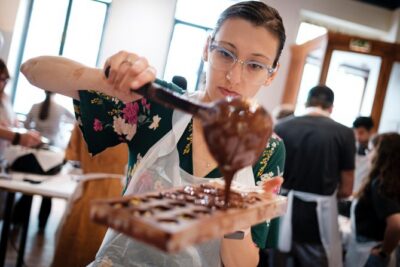
Belgian Praline and Mendiants Chocolate Workshop
Read our review →
1.5h Belgian Chocolate Workshop in Brussels (bean to bar)
Read our review →
45-minute Chocolate Making Workshop at Choco-Story
Read our review →
Chocolate Bar Making Workshop at York Cocoa Works
Read our review →Browse the lists this tour appears in