
Review · ITALY
Fine Chocolate Tasting in Turin
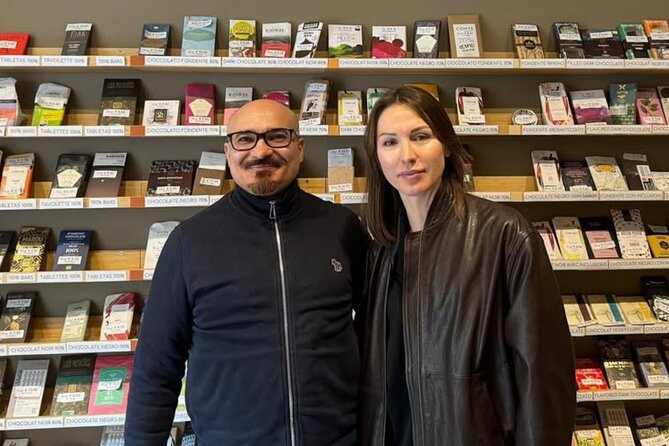
Chocolate can tell Turin’s story. At Chocolate7, you taste local gianduja, Italian luxury chocolates, and bean-to-bar bars from around the world while Giovanni explains how each one is made. I like the small group of up to eight people, which gives you room to ask questions. I also like the generous range, from white and milk chocolate to dark bars with different tasting notes.
The main point to consider is the sheer amount of chocolate. The scheduled experience lasts about one to one and a half hours, but the tasting may run longer. If you are expecting a quick sample and a coffee afterward, plan carefully. This can become a serious chocolate session.
Key Points Before You Book
- Turin’s gianduja takes center stage: Compare local versions of the hazelnut and chocolate specialty that helped make the city famous for confectionery.
- More than a sweets stop: You learn about chocolate’s history, bean-to-bar production, and how to notice tasting notes.
- Giovanni leads the session: His enthusiasm, clear English, and experience as a chocolate taster are central to the appeal.
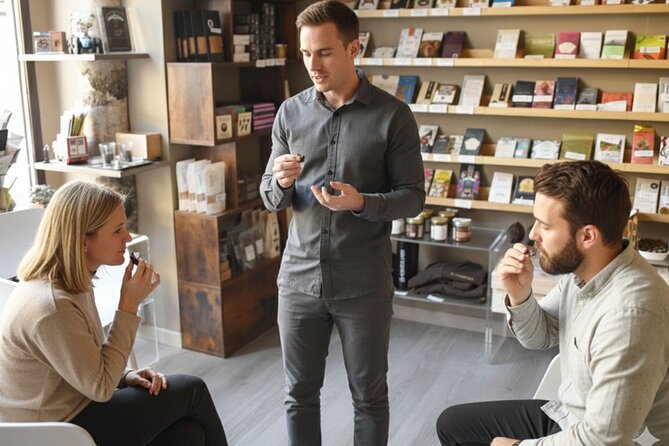
- Small and relaxed setting: Chocolate7 is a cozy local shop, with a maximum of eight participants and plenty of time for questions.
- Expect many samples: The selection can include more than 30 Italian and international chocolates, along with white, milk, and dark varieties.
- Easy city-center logistics: The tasting begins and ends at Via San Massimo 7 and is close to public transportation.
Why Turin Is a Fine Place for Chocolate
Turin is not simply a city where you can buy chocolate. It is a place where chocolate has a clear local identity, and gianduja is the key to understanding it. This soft combination of chocolate and hazelnut appears again and again in the tasting, with different local producers offering their own versions.
That makes this experience more useful than a basic shop stop. You are not only eating sweets. You are comparing how makers handle the same broad tradition, then setting those local bars beside chocolates from other parts of Italy and the world.
I especially like this approach for a first visit to Turin. A tasting gives you a quick introduction to a local food custom without taking half a day. At the same time, the session has enough detail to reward anyone who already buys dark chocolate, follows bean-to-bar makers, or wants to understand why one bar tastes sharper, fruitier, nuttier, or smoother than another.
More Chocolate Tastings in Italy
- The Turin Chocolate & Wine Tasting Experience
★ 4.7 · 87 reviews - The Turin Chocolate Tasting Experience
★ 4.7 · 83 reviews - Fine Chocolate Tasting in Turin
★ 4.8 · 71 reviews
Arriving at Chocolate7 on Via San Massimo
You meet at Chocolate7, at Via San Massimo 7, 10123 Torino. The activity ends at the same place, so you do not need to arrange a ride back or find your way to a separate finish point.
The shop is described as small and cozy. That is important. This is not a large factory visit or a theatrical food show. You sit close to the host, handle the tasting at an unhurried pace, and can ask questions as they occur to you.
The group limit is eight people. For a subject like chocolate, that size works well. You are likely to hear the explanations clearly, and the host can respond to individual questions rather than giving a fixed speech to a crowd. It also makes comparison easier, since you can discuss which bars you prefer as the tasting progresses.
Chocolate7 is near public transportation, which keeps the practical side simple. The meeting point is an address rather than a broad neighborhood instruction, so check the exact location before setting out. The booking includes a mobile ticket, and confirmation is provided at booking.
The First Tastes: Local Italian Chocolate and Gianduja
The tasting begins with local and Italian luxury chocolates. Gianduja is a major part of the selection, and this is where Turin’s connection to chocolate becomes especially clear.
You may taste several versions from different local producers. The value is in the comparison. Instead of deciding that you like or dislike gianduja after one bite, you can notice how texture, sweetness, hazelnut character, and chocolate flavor vary from maker to maker.
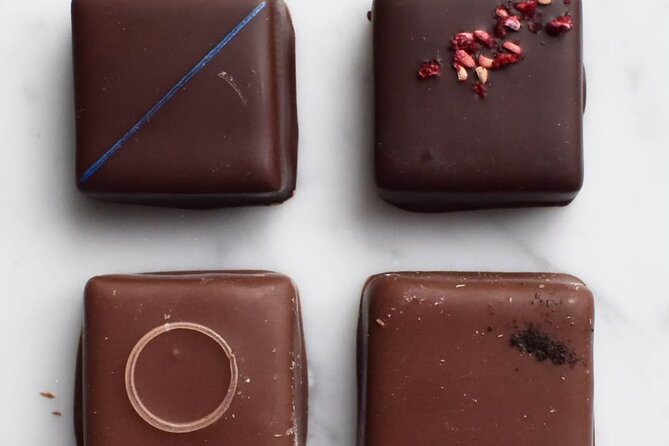
The session also includes white, milk, and dark chocolates. That range matters because it keeps the tasting from becoming a parade of similar squares. White chocolate lets you focus on sweetness and creamy texture. Milk chocolate may show more caramel or roasted notes. Dark chocolate can bring out stronger contrasts and more complex tasting notes.
Giovanni’s role is not limited to handing out samples. He explains what you are tasting and encourages questions. His style comes across as friendly and generous, with enough humor to keep the lesson from feeling stiff. His English is described as excellent, and he is comfortable with guests who want to try a little Italian during the conversation.
Learning How Bean-to-Bar Chocolate Is Made
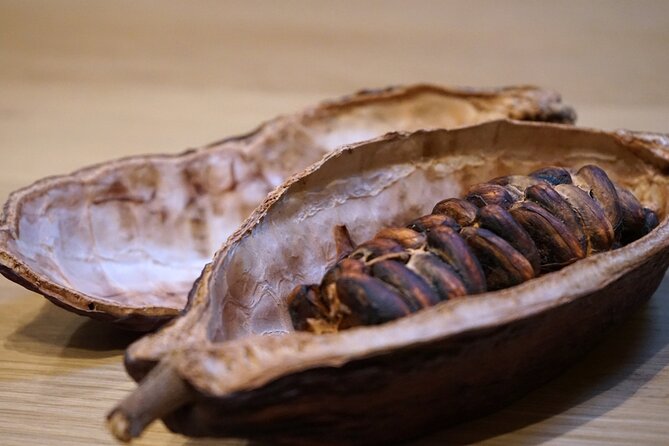
A useful part of the experience is the introduction to the bean-to-bar method. The phrase refers to chocolate made by working with cocoa beans through the production process rather than simply melting and reshaping finished chocolate.
You learn why the method matters and how it can affect the final result. The tasting then gives you a practical way to think about the explanation. Instead of hearing production terms in isolation, you can taste different bars and consider how their flavor and texture change.
This is one of the strongest reasons to book the experience if you want more than a sugar fix. Chocolate can seem simple until you start comparing bars side by side. Then small differences become easier to notice. The guide’s job is to help you pay attention without making you feel as if there is one correct answer.
The session also covers chocolate’s history. The material provided does not set out a full lecture outline, so you should not expect a formal academic course. You can expect a story-based explanation tied to the products in front of you, with particular attention to Turin, gianduja, and the wider world of fine chocolate.
More Chocolate Tastings in Turin:
- The Turin Chocolate & Wine Tasting Experience
★ 5.0 · 62 reviews - The Turin Chocolate Tasting Experience
★ 4.5 · 31 reviews - Chocolate Made in Piedmont: Guided Tour with Tastings
★ 4.5 · 10 reviews - Turin Chocolate Tasting Walking Tour
★ 5.0 · 4 reviews
Tasting Notes Without the Snobbery
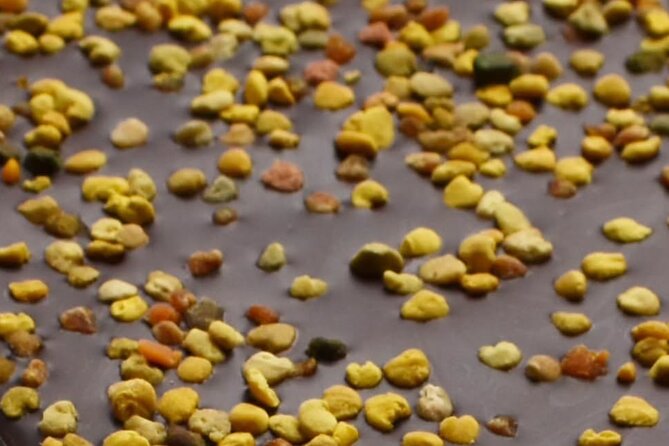
The tasting notes section is likely to be most useful when you are given several chocolates close together. You can look for differences in aroma, texture, sweetness, bitterness, and the length of the finish.
You do not need prior experience. The setting is relaxed, and questions are encouraged. That makes it suitable for someone who normally buys chocolate by the wrapper rather than by its cocoa percentage or origin.
At the same time, serious chocolate fans should not find the session too basic. Giovanni is described as a professional taster, similar in role to a wine sommelier. His background helps explain why some chocolate tastes more refined or balanced than another bar, and why production choices matter.
I like the fact that the session does not appear to force a single definition of good chocolate. Your favorite may be a milk chocolate, a dark bar, or a local gianduja. The point is to understand what you are tasting and make your own choice.
International Bars Alongside Turin Favorites
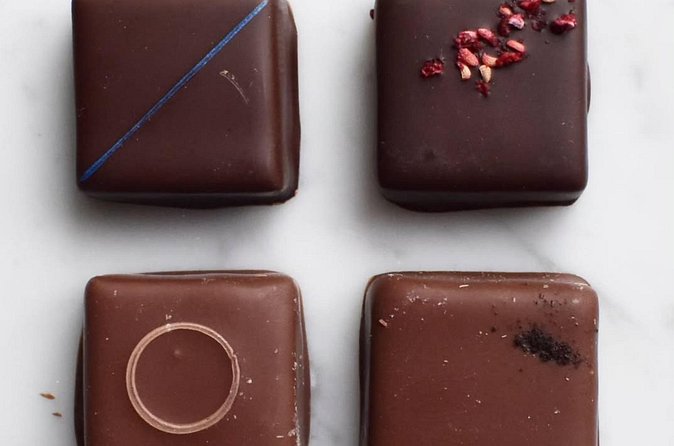
After the local selection, the tasting moves beyond Turin and Italy. International bean-to-bar chocolates add contrast and help you place the local products in a wider context.
The range can be substantial. The experience includes international fine chocolates, and one account describes tasting more than 30 varieties in total. That number may vary by session, but it gives you a realistic idea of the format: this is not one praline and a short explanation.
The international selection is useful because Turin’s chocolate tradition can otherwise feel like a self-contained subject. Comparing Italian makers with producers from other countries shows how broad the category has become. You may find that a local gianduja appeals to you more than a highly praised dark bar, or the reverse.
The generous sampling is also the chief warning. Several accounts describe the experience as a chocolate marathon. You may be invited to continue tasting, but you do not have to prove anything. Pace yourself, take small bites, and say when you have had enough. After a long session, even a devoted chocolate lover may be ready for a break.
How Long Does the Experience Take?
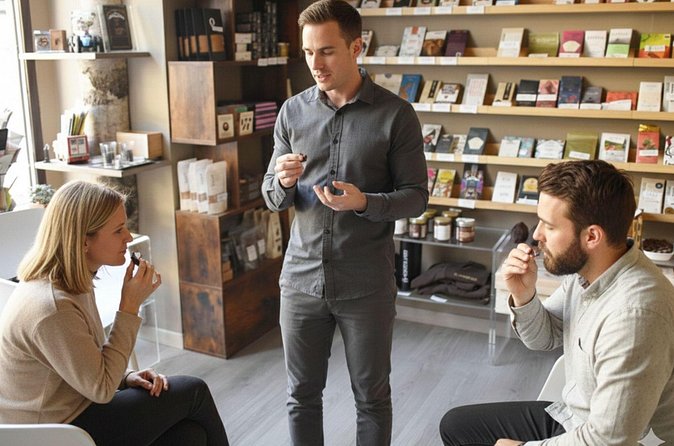
The stated duration is approximately one hour to one hour and 30 minutes. However, descriptions of the session also refer to tastings lasting about two hours. I would plan for flexibility rather than schedule a train, museum entry, or meal immediately afterward.
The difference may depend on the pace of the group, the number of samples, and the questions people ask. A small group can make the experience better, but it can also allow the conversation to continue. Giovanni’s willingness to explain and offer additional chocolate appears to be part of the appeal.
If you need a tightly timed activity, confirm the expected duration when booking. If you have a free part of the day, the longer format is a benefit. You get more time to compare products and ask about anything that catches your attention.
Is the $37.35 Price Good Value?
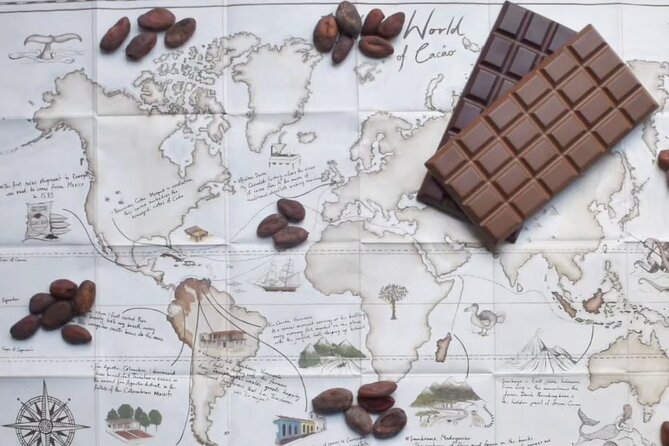
The price is $37.35 per person. That is more than you would spend on a few chocolate bars in a shop, but the comparison is not quite fair. You are paying for guided tasting, a broad selection of local and international products, an explanation of chocolate production, and direct time with the host.
The small group improves the value. A large tasting can feel like a sales pitch. With no more than eight people, you get a more personal introduction and a better chance to ask about a specific bar, flavor, or production method.
The price makes the most sense for you if you would otherwise buy several chocolates and still wonder what made them different. It is less compelling if you only want a quick Turin souvenir. In that case, visiting Chocolate7 independently and buying a bar may suit you better, although you would miss the guided comparison and the teaching.
The tasting also offers practical value after the tour. Once you understand the basics of bean-to-bar production and tasting notes, you can make smarter choices in Italian chocolate shops. You may still buy the prettiest package, but at least you will know what is inside it.
Who Will Enjoy This Tasting Most?
I would recommend this experience to chocolate lovers, curious food travelers, and anyone who enjoys small-group activities. It is also a good choice for couples, friends, and solo visitors who prefer conversation over a large guided production tour.
You do not need specialist knowledge. The guide explains the subject in an approachable way, and the mood is informal. The experience can also suit a mixed group, since one person can focus on the local history while another simply enjoys trying new flavors.
Families may need to consider the length and the amount of chocolate. The supplied information says most people can participate, and service animals are allowed. Still, the session is built around tasting and discussion, so it may not hold the attention of a young child for its full duration.
You should also think about your tolerance for sweets. If you enjoy chocolate in small portions, the number of samples could become tiring. If you approach the event as a guided tasting rather than an all-you-can-eat challenge, it should be easier to enjoy.
Practical Details That Matter
The activity is offered in English. The host’s English is described as excellent, so English-speaking participants can expect to follow the explanations and ask detailed questions.
Private transportation is not included. That is not much of a problem here because the meeting point is near public transportation, and the activity ends where it starts. You are responsible for reaching Via San Massimo 7.
A mobile ticket is available, and booking confirmation arrives at the time of booking. Free cancellation is offered if you cancel at least 24 hours before the start time. Cancellations or changes made inside that 24-hour window are not accepted for a refund, and the cut-off follows Turin local time.
The experience is operated by Slow Travel Italia. It is offered in English and has a maximum of eight participants.
Should You Book the Turin Chocolate Tasting?
Book it if you want to understand Turin through its chocolate rather than simply buy a box of sweets. The best parts are the close setting, Giovanni’s enthusiasm, the focus on gianduja, and the chance to compare Italian chocolates with international bean-to-bar examples.
I would be especially keen to book this early in a Turin stay. With an average booking lead time of 21 days, reserving ahead is sensible if your schedule is fixed. It also gives you ideas about which chocolates to look for during the rest of your visit.
Skip it if you dislike long tastings, want a factory tour, or need an activity that ends at an exact time. For everyone else, the $37.35 fee buys more than samples. It gives you a useful way to taste with attention, understand Turin’s chocolate traditions, and leave with a better sense of what makes one bar worth choosing over another.
FAQ
Where does the fine chocolate tasting take place?
The tasting takes place at Chocolate7, Via San Massimo 7, 10123 Torino TO, Italy.
Where does the experience end?
It ends back at the Chocolate7 meeting point.
How long does the chocolate tasting last?
The stated duration is approximately one hour to one hour and 30 minutes. Some descriptions of the experience refer to tasting for about two hours, so allow extra time.
How much does the experience cost?
The listed price is $37.35 per person.
What kinds of chocolate are included?
The tasting includes local and Italian luxury chocolates, Turin gianduja, and international bean-to-bar fine chocolates. White, milk, and dark chocolates may be included.
Is the tasting offered in English?
Yes. The experience is offered in English.
How many people can join?
The maximum group size is eight participants.
Is transportation included?
Private transportation is not included. The activity begins and ends at Chocolate7, which is near public transportation.
Can I cancel for a full refund?
Yes. You can cancel for a full refund up to 24 hours before the experience starts. Cancellations or changes made less than 24 hours before the start time are not accepted for a refund.
Just added around Turin
- Willy Wonka in Turin – A chocolate adventure★ 3.7 · 6 reviews
- Turin: 45-Minute Chocolate Workshop at Choco-Story★ 4.7 · 25 reviews
- Turin’s Sweet Delights: A Chocolate Walking Tour★ 4.9 · 26 reviews
- The Turin Chocolate Tasting Experience★ 4.5 · 31 reviews
- Turin Chocolate Tasting Walking Tour★ 5.0 · 4 reviews
- CioccolaTOur, discover the sweet side of Turin tasting the most famous chocolate★ 4.5 · 3 reviews
- Guided Tour of the Chocolate Factory: Tasting Included★ 4.5 · 3 reviews
- Chocolate Made in Piedmont: Guided Tour with Tastings★ 4.5 · 10 reviews
Chocolate Tastings, compared.
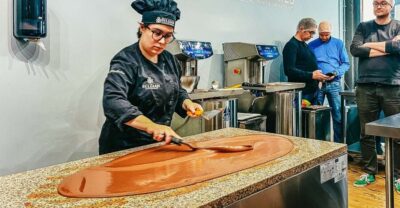
Belgian Chocolate Making Workshop with Tastings
Read our review →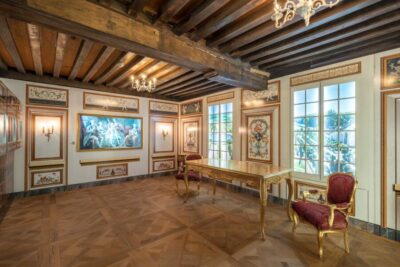
Choco-Story Chocolate Museum Guided Tour w/Tastings
Read our review →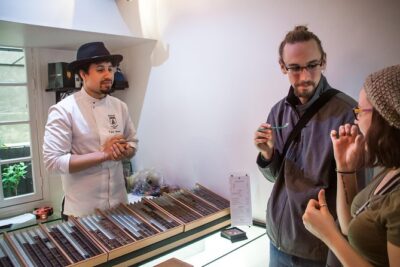
Paris French Sweets Tasting Tour with Pastries and Chocolates
Read our review →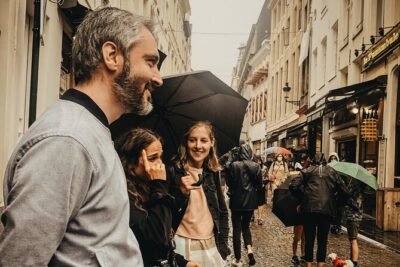
Brussels Walking and Tasting Tour (Beers,Chocolates&Fries/Waffle)
Read our review →

Brussels and Bruges Tour & Optional Chocolate Tasting
Read our review →
Beer Tour with 6 Beers and 3 Chocolate Tastings
Read our review →Browse the lists this tour appears in