

Review · KENYA
Kibera Chocolate City Tour
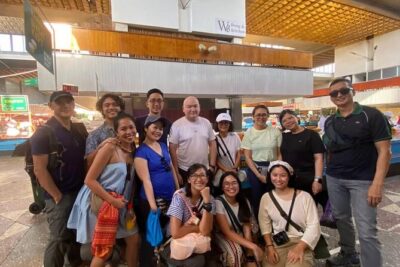
See Kibera with someone who calls it home. This two to three-hour walk offers a grounded look at daily life, local enterprise, and community projects rather than a quick drive-by view of Nairobi’s most misunderstood area. I like the local guides, especially Collins, who grew up in Kibera, and I like the chance to visit places such as Toi Market, Victoria Bones Craftshop, and the Agape school and library. The main consideration is that this is a serious, sometimes confronting experience, not a polished sightseeing excursion.
I also like the small-group limit of 30 people and the flexible approach to private visits or special interests. The $22 price is modest for a guided community visit, though you should book with the right attitude: you are entering a lived-in neighborhood, not a set built for tourists.
Key points to know before you book

- Local guides lead the way: Collins, Allan, and Rama are named in visitor accounts, with Collins described as having grown up in Kibera.
- Toi Market brings the tour into daily business life: You see local shops and activity rather than only hearing statistics.
- The Agape school and library add a community focus: Children’s education and play are part of the visit.
- Victoria Bones Craftshop offers a look at local creativity: This stop connects the tour with work and income.
- The railway gives you a wider view: The historic railway helps place Kibera within Nairobi’s past and present.
- The tour costs $22 and lasts about two to three hours: It begins and ends at Kibera Town Centre.
What this Kibera walk is really about

Kibera is often reduced to a single word: poverty. That label misses the people, shops, schools, artists, families, and working life that make up the community.
This tour tries to correct that narrow picture. You hear about the difficulties residents face, but you also see how people earn a living, support children, make crafts, and organize for better conditions. That balance matters. I would much rather walk with a guide who can explain local life than simply look out a vehicle window and leave with a collection of gloomy images.
The strongest part of the experience is the human connection. Collins is repeatedly singled out for knowing the area from personal experience and for introducing visitors to people in the community. Allan and Rama have also led visits. Their local connection can make the walk feel more natural and less like an outsider’s inspection.
Still, you should arrive with humility. Kibera is home to many people. Keep your camera away unless you have permission, listen before asking personal questions, and avoid treating hardship as entertainment. The tour’s purpose is to challenge stereotypes, and your behavior is part of whether it succeeds.
More City Tours in the world:
- Zurich: City Tour, Cruise, and Lindt Home of Chocolate Visit
★ 4.5 · 4,624 reviews - Puerto Plata Private City Tour with Mount Isabel & Rum &Chocolate
★ 4.5 · 123 reviews - Tony`s private city tour with picnic & chocolate degustation
★ 5.0 · 80 reviews
Starting at Kibera Town Centre
The walk begins at Kibera Town Centre, at Kamukunji Grounds in Nairobi. The tour returns to the same meeting point, which keeps the logistics simple. It is also near public transportation, useful if you are arranging your own way across Nairobi.
The opening section is meant to give you a broad understanding of how people live in Kibera. Do not expect a long formal lecture before moving on. The experience is built around walking, seeing the neighborhood, and speaking with a guide who can explain what you are passing.
The published duration is about two hours, while the general tour description allows two to three hours. That difference is worth noting if you have a tight schedule. Allow the full three-hour window, especially if you want time for conversation or if the walk includes extra stops.
The group limit is 30 people. That is not tiny, but it is far more manageable than a large bus group. If you prefer more privacy or want to focus on a certain subject, the operator says private tours and specific requests can be arranged.
Toi Market: Seeing Kibera as a working neighborhood
Toi Market is one of the most useful early stops because it shifts the focus from living conditions to local trade. You visit an area where many businesses operate, giving you a clearer sense of how people earn money and serve their neighbors.
Markets can be busy and crowded, so this is a place where you should stay close to the guide and keep your belongings secure. The tour information does not promise shopping time, but you will be around local businesses and may find opportunities to buy something if the group’s pace allows.
I like this stop because it helps put household life in context. A neighborhood is not defined only by its buildings or infrastructure. It also includes sellers, customers, makers, repair workers, and small enterprises. Toi Market gives the tour an economic side that many visitors would otherwise miss.
If you are hoping for a calm, staged craft market, adjust your expectations. The point is to see local commerce as part of everyday life, not to browse a tourist shopping arcade.
Victoria Bones Craftshop and local creativity

The next stop is Victoria Bones Craftshop. It offers a chance to see creative work connected with local income and enterprise.
The supplied tour details do not explain exactly what products are made there, so I would not book this expecting a particular item or demonstration. What is clear is the larger point: the visit shows people creating and selling goods rather than presenting Kibera only through its problems.
Some visitor accounts also describe seeing a local factory during their visit. Since the tour is flexible, this may reflect a customized itinerary rather than a guaranteed stop. If local manufacturing or craft production matters to you, ask about it when booking.
This part of the walk may suit visitors interested in responsible buying. If you purchase something, do so because you like it and because you want to support a local maker, not because you feel pressured to give. A good tour lets you meet people as professionals and neighbors, not as objects of charity.
A few more chocolate tours around the world worth a look
- Lindt Home of Chocolate Museum Entry Ticket
★ 4.7 · 9,329 reviews - Choco-Story Brussels: Chocolate Museum Entrance with Tasting
★ 4.3 · 4,883 reviews - The Chocolatarium Chocolate Tour Experience in Edinburgh
★ 5.0 · 4,322 reviews - Award-Winning Geneva Chocolate &Old Town Tour with Boat Ride (3h)
★ 5.0 · 3,721 reviews
Agape school and library: the emotional center

The visit to the school and library connected with Agape gives the tour a direct community purpose. You see a place where children receive education and have space to play with friends.
Several accounts describe the children as happy and energetic, including a visit made on Boxing Day when children were playing in the streets. Another account says a large amount of the tour money goes to children, though the exact allocation is not provided. I would treat that as an encouraging claim, but ask the organization directly if you need precise information about how the fee is used.
This stop can be moving. It can also bring up difficult questions about inequality, access to education, and the role of outside visitors. Try not to turn the children into photo subjects. Ask your guide what is appropriate, and respect any school rules.
The school and library are valuable because they show a practical response to local needs. Instead of hearing only about what is missing, you see an effort to provide learning, play, and support. That gives the tour a forward-looking side without pretending that serious problems have disappeared.
Walking beside the historic railway
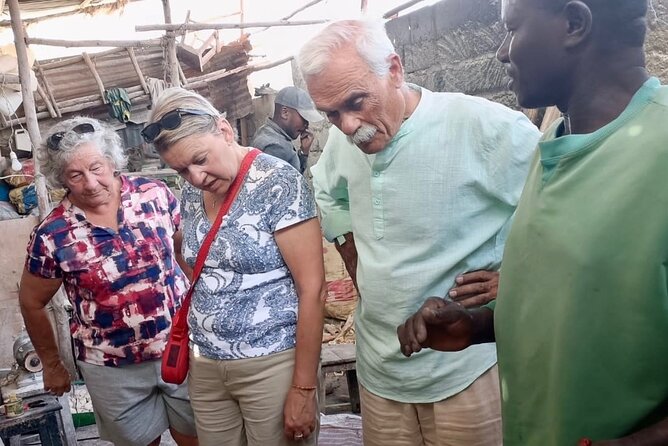
The final part of the walk takes you along the historic railway and offers a broader view of Kibera. This is useful after the narrower market and community stops because it gives you a chance to understand the area in relation to Nairobi.
The railway also adds a historical layer. The supplied details do not provide a full account of the railway’s past, so expect your guide to shape this part around local knowledge rather than a formal museum presentation.
The walk can be physically simple for most people, but conditions in a lived-in urban neighborhood may not be smooth or predictable. Wear practical shoes, stay with the group, and expect the route to feel more like a neighborhood walk than a paved attraction.
This last section may be especially useful if you prefer a wider view after meeting individuals and visiting projects. It helps tie the personal stories to the larger city.
Collins, Allan, and the value of local leadership

The guides are central to the experience. Collins is the name most often connected with the tour, and he is described as having been born and raised in Kibera. That personal background can change the tone of the walk. He is not simply reciting facts about a place he studied. He can explain the community through lived experience and personal relationships.
Allan and Rama are also mentioned as guides. The accounts describe the guides as welcoming, protective of the group, and committed to improving their community. One visit included chess, and another included introductions to local residents. These details suggest that the tour can include small, human moments rather than a fixed script alone.
The guide’s role is not to make every part of Kibera seem comfortable. It is to help you understand what you are seeing. A strong guide can explain both hardship and resilience without turning either into a slogan.
Because the tour is flexible, the quality of your questions matters. Ask about education, local work, community projects, or the history of the railway. If you have a particular interest, tell the operator in advance.
Is $22 good value?

At $22 per person, this is reasonably priced for a guided two to three-hour experience with local leadership and several community stops. You are paying for time, orientation, introductions, and access to a part of Nairobi that is difficult to understand on your own.
The value is not in the number of attractions. There is no major monument or formal exhibition here. The value comes from context and contact. You visit a market, craftshop, school, library, and railway area, while a local guide explains how they connect to daily life.
The fee may also support Agape’s work, but the supplied information does not provide a detailed financial breakdown. If that point is important to you, ask how the money is divided between guides, operating costs, and community programs.
I would consider the price fair if you want a thoughtful introduction to Kibera and are willing to participate respectfully. It is less suitable if you want entertainment, polished facilities, or a tightly scripted sightseeing route.
Practical advice for a better visit
The tour operates Monday through Sunday from 8:00 a.m. to 6:00 p.m., with confirmation provided at booking. It uses a mobile ticket, so keep the confirmation available on your phone.
Wear comfortable shoes and clothing suitable for walking. The tour lasts around two hours, but plan for three so you are not watching the clock. Stay near the guide, particularly around the market and railway.
Service animals are allowed, and most people can participate. The operator lists the activity as being near public transportation. The maximum group size is 30, though a private option may be possible if you arrange it in advance.
This experience requires good weather. If poor weather cancels the tour, you are offered another date or a full refund. You can also cancel for a full refund up to 24 hours before the start time. Changes or cancellations inside that 24-hour window are not accepted, and no refund is provided.
Who should book this Kibera experience?
I would recommend it to you if you want to understand Nairobi through local voices, support a community-based organization, and accept that the subject matter may be uncomfortable at times.
It is particularly suitable for adults, older children who can listen respectfully, students interested in urban development, and anyone who wants more than standard city landmarks. It also suits repeat visitors to Nairobi who have already seen the main attractions.
I would think twice if you mainly want photographs, shopping, or a cheerful afternoon with little emotional weight. The tour is designed to challenge easy assumptions. That is its strength, but it also means you should be ready to listen and reflect.
Should you book the Kibera Chocolate City Tour?
Yes, if you want a personal, locally guided look at Kibera and understand that the community is more than a headline about poverty. The combination of Toi Market, Victoria Bones Craftshop, Agape’s school and library, and the railway gives the walk a useful range.
Book it because you want context, not because you want to collect dramatic images. Ask about the guide, the route, and any special interests when arranging your visit. At $22, it offers strong value for a respectful introduction to one of Nairobi’s most complex communities.
FAQ
Where does the Kibera Chocolate City Tour begin?
The tour begins at Kibera Town Centre, at Kamukunji Grounds in Nairobi, Kenya.
Where does the tour end?
The experience ends back at the same meeting point at Kibera Town Centre.
How long does the tour last?
The main walk takes about two hours, while the overall experience is described as lasting approximately two to three hours.
What places are visited?
The route includes Toi Market, Victoria Bones Craftshop, the Agape school and library, and the historic railway area.
How much does the tour cost?
The listed price is $22 per person.
How far in advance is it usually booked?
The experience is booked an average of 17 days in advance.
How large can the group be?
The activity allows a maximum of 30 participants.
Are private tours available?
Yes. The operator says private tours can be arranged, along with visits focused on specific topics or places of interest.
What happens if bad weather cancels the tour?
You can choose a different date or receive a full refund if the tour is canceled because of poor weather.
Just added around the world
- Lindt Chocolate Museum with Cruise Transfer from Zurich★ 4.6 · 7 reviews
- Zagreb: Lake Bled and Ljubljana Day Tour with Chocolate Gift★ 5.0 · 26 reviews
- Zurich: Chocolate Tasting and Walking Tour with a Local★ 4.2 · 13 reviews
- Zurich Open-top Tour and Chocolate and Cheese Countryside★ 3.5 · 11 reviews
- Wine and Chocolate experience★ 4.6 · 3 reviews
- York: Introduction to Chocolate Making Experience★ 4.9 · 10 reviews
- Zaandijk-Near Zaanse Schans Chocolate making demo & tasting★ 4.8 · 13 reviews
- Private Wine and Chocolate Tasting Experience★ 4.4 · 3 reviews
City Tours, compared.
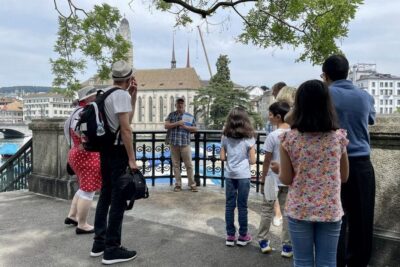
City Tour, Cruise, and Lindt Home of Chocolate Visit
Read our review →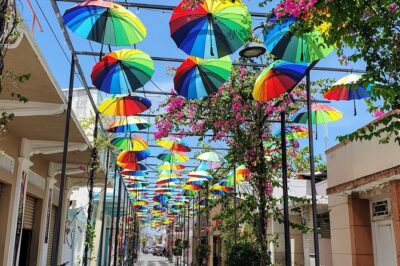
Puerto Plata Private City Tour with Mount Isabel & Rum &Chocolate
Read our review →
Tony`s private city tour with picnic & chocolate degustation
Read our review →
Wildlife adventure, Chocolate factory, city Tour & Beach Break
Read our review →
Cruise Ship Combo: Sloths, Chocolate Factory, City Tour, Beach, Private Shuttle
Read our review →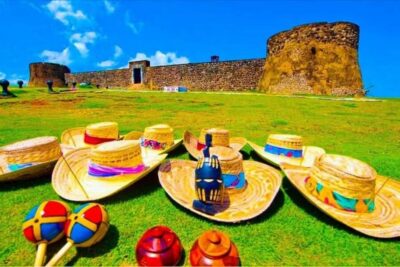

Almaty: City Highlights Walking Tour with Chocolate Shop
Read our review →Browse the lists this tour appears in