
Review · PERU
1.5h Cusco Chocolate Workshop – Truffles & Hot Chocolate
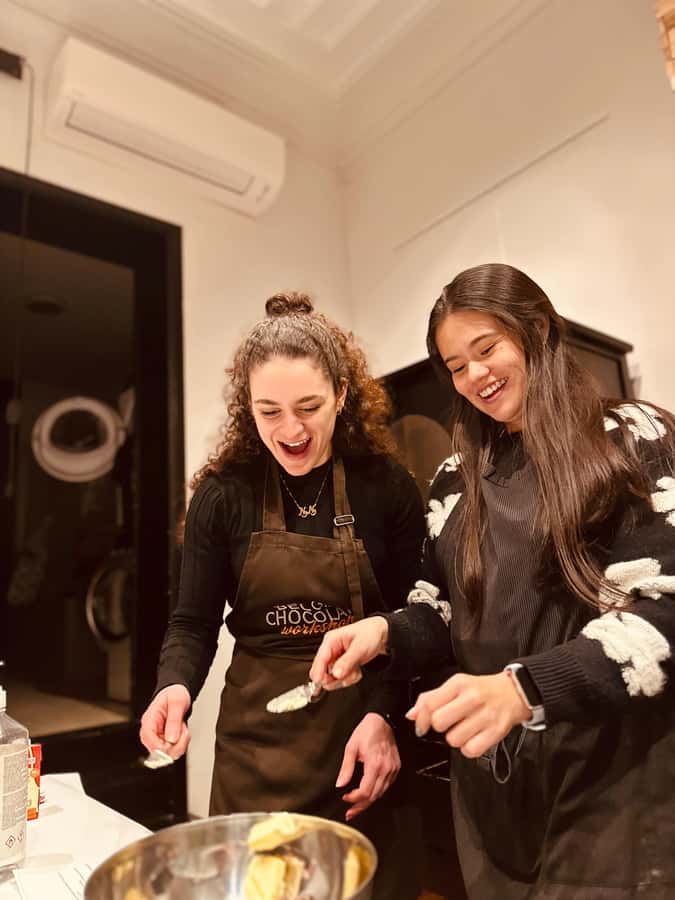
Chocolate makes a fine break from Cusco’s stone streets. This 90-minute class at Limbus restobar in San Blas gives you a practical way to work with Peruvian cacao, from the first explanation of the recipe to rolling, shaping, and coating 20 handmade truffles. I like the generous take-home portion, and I also like the relaxed pause for hot chocolate while your creations chill. The main drawback is that a booking can be cancelled if you are the only person signed up, and one customer reported poor notice when that happened.
The class is led in English, Spanish, or French, with Erika receiving especially warm praise for her clear explanations, humor, and friendly teaching. You also receive a 20 percent discount on the full menu at Limbus, which helps add value if you want to stay for food or another drink. Just remember that transportation and extra drinks cost more.
Key points before you book
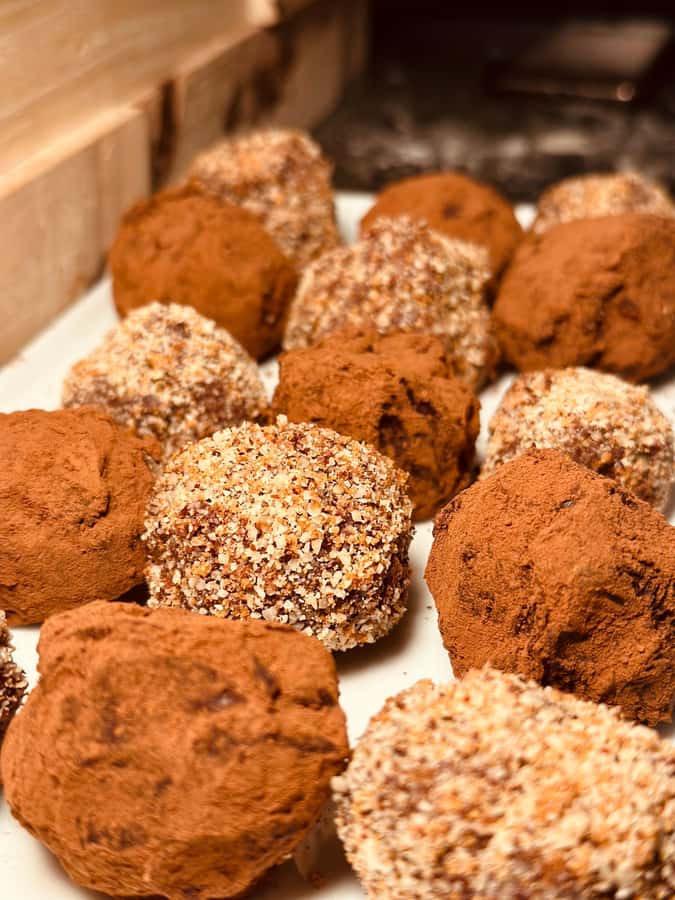
- Twenty truffles to take away: You make your own batch and pack it at the end, so this is both a class and an edible souvenir.
- Hot chocolate during the waiting time: While the truffles harden in the fridge, you sip hot chocolate and chat with the guide.
- A hands-on format: You do the rolling, shaping, and coating yourself rather than watching a demonstration from the sidelines.
- San Blas setting: The workshop takes place inside Limbus restobar, with the meeting point at reception.
- Languages and guide support: The class is available in English, Spanish, and French, and Erika has been singled out for her teaching.
- A useful price perk: The $37 fee includes the workshop, ingredients, tools, water, 20 truffles, and 20 percent off the Limbus menu.
What the $37 price really includes
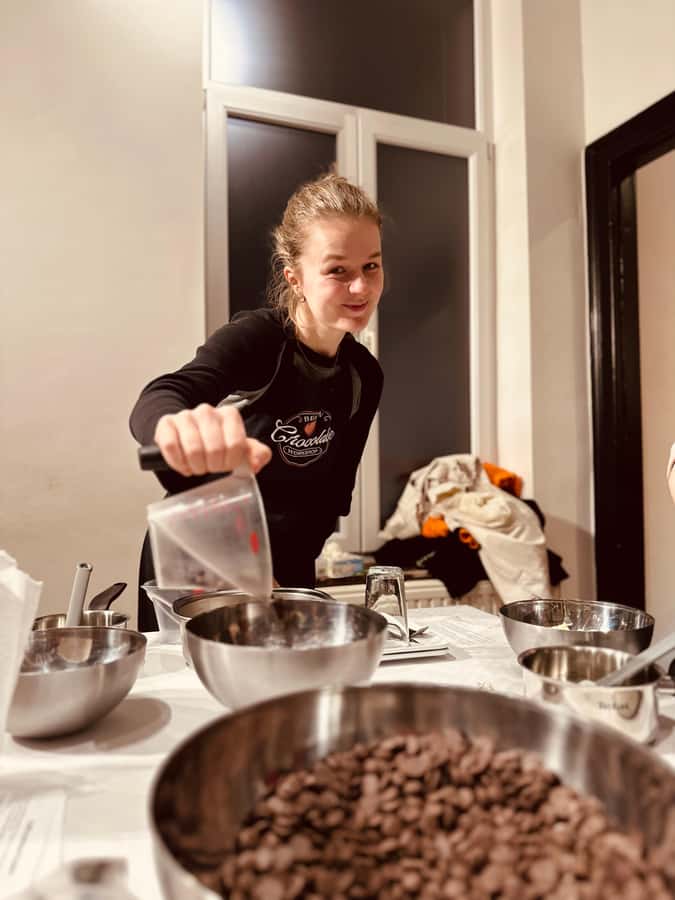
At $37 per person, this is not the cheapest snack stop in Cusco. It is also more than a simple chocolate tasting. You are paying for a guided activity, ingredients, equipment, hot chocolate, and 20 truffles that you make yourself.
That final quantity matters. You do not leave with a single sample or two carefully boxed chocolates. You leave with a full batch, enough to share with friends, save for later, or quietly keep for yourself. The class also gives you a story to attach to the sweets: you shaped and coated them during a workshop in San Blas.
I see the price as fair for visitors who want an activity rather than another meal. The value is strongest when you take advantage of the 20 percent discount at Limbus afterward. The discount applies to the restobar’s full menu, so you can turn the class into a longer stop, though the details of the menu and other drinks are not included in the workshop fee.
The fee includes drinking water, but additional drinks are not included. That distinction is worth noting if you plan to order something beyond the included hot chocolate.
More Hot Chocolate Stops in the world:
- Northern Lights Small-Group Tour with Hot Chocolate & Photos
★ 4.5 · 2,068 reviews - Northern Lights Bus Tour from Reykjavik with Hot Chocolate
★ 4.0 · 1,782 reviews - Reykjavik: Northern Lights Adventure Tour with Hot Chocolate
★ 4.2 · 729 reviews
Arriving at Limbus in San Blas
The class is held inside Limbus restobar in the San Blas neighborhood. At reception, tell the hostess that you are there for the chocolate workshop. The staff will direct you to the class.
You arrange your own transportation, so allow enough time to reach San Blas and find the restobar before the scheduled start. No hotel pickup is included. Since the meeting point is the venue itself, you do not need to search for a separate street corner or guide meeting point.
The information does not specify a particular floor, room, group size, or seating arrangement. That means it is sensible to arrive a little early, especially if you are unfamiliar with Limbus. You want to be at reception, not still trying to locate the building when the recipe explanation begins.
Limbus is also part of the value here. You are not being taken to a separate factory or farm. The chocolate work happens in a restobar, so you can combine the activity with a meal or drink before or after. The setting may feel less specialized than a dedicated chocolate school, but it makes the workshop easy to fit into a Cusco day.
The first lesson: understanding the recipe
The class begins with the guide explaining the recipe and showing the process step by step. This opening is important because the activity is designed for participation. You are not expected to know how to handle the mixture before you begin.
The guide’s role is practical. You receive tips for making the truffles, then get the chance to repeat the process yourself. The available languages are English, Spanish, and French, so choose the language you are most comfortable using when you book.
The workshop also introduces you to organic cacao from Peru. The supplied details describe it as some of the best organic cacao in the world, though the class information does not specify a farm, region, cacao variety, or production method. You should expect a general chocolate-focused experience rather than a detailed agricultural lecture.
That is not a weakness for everyone. If you want a short, social activity with useful instruction, the recipe demonstration keeps the pace moving. If you are looking for a serious bean-to-bar course, this 90-minute format may feel too brief.
Rolling and coating your own 20 truffles
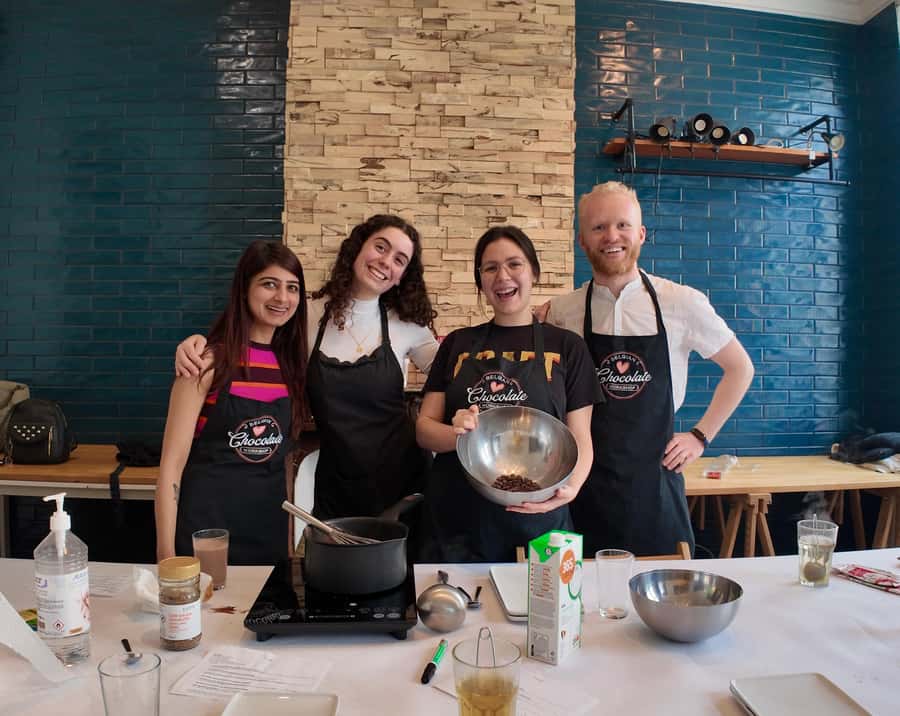
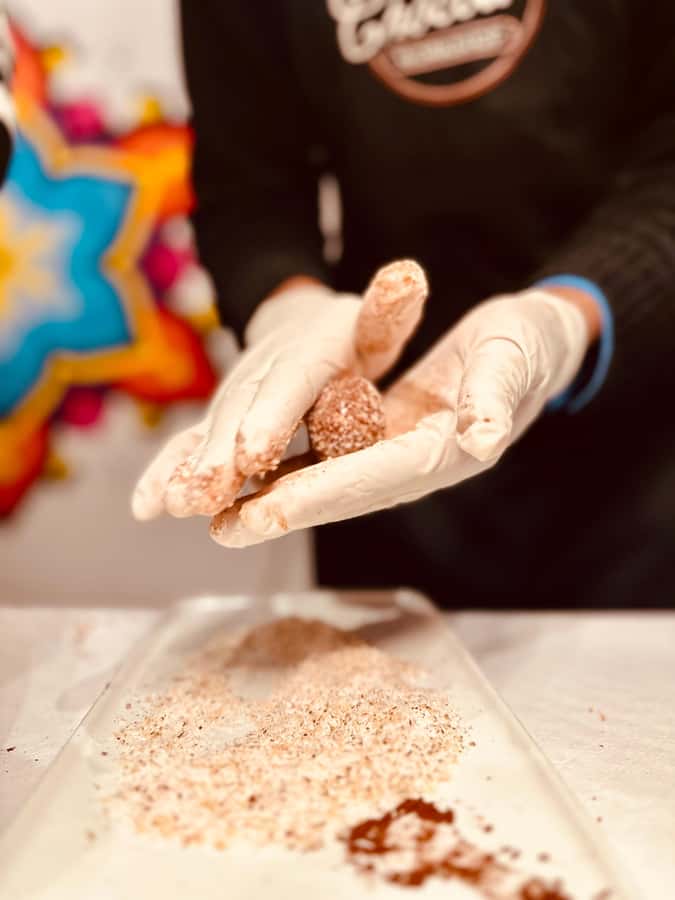
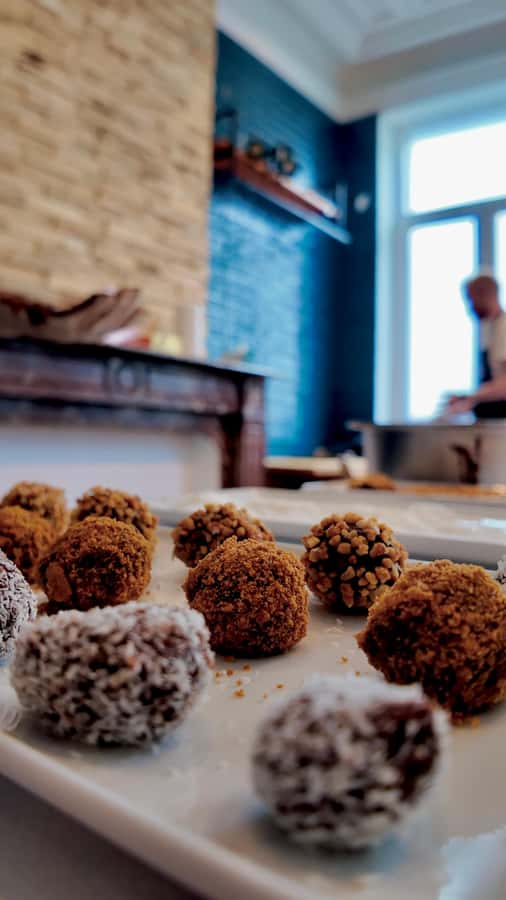
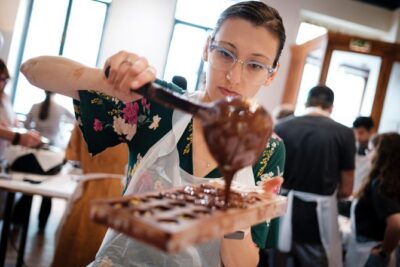
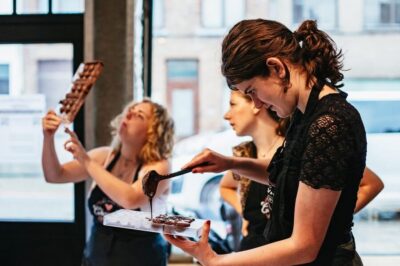
Once the demonstration is over, you take over. You make the chocolate truffles from scratch, then roll, shape, and coat them with your chosen toppings.
This is the heart of the class. The difference between a tasting and a workshop is that your hands are involved. Your truffles may not all look identical, and that is part of the charm. The experience is built around making your own batch, not producing factory-perfect chocolates.
A large selection of toppings gives you room to vary the finish. The exact toppings are not listed, so you should not book expecting a particular ingredient. What is clear is that you can add toppings to your truffles and create your own final look and texture.
I like this format for couples, friends, and families with older children. It gives everyone a task and creates a natural reason to talk. It may be less appealing if you dislike sticky food preparation or want a quiet tasting with no hands-on work.
The age rules need attention. The information lists children under 10, under 11, and under 12 as not suitable, which is inconsistent. If you are booking for a child aged 10 or 11, confirm acceptance with the provider before paying. Children under 12 should not be assumed to qualify.
More Chocolate Making Workshops in the world:
- Vienna: Chocolate Workshop in Chocolate Museum w/ Tasting
★ 4.5 · 1,802 reviews - Brussels: Belgian Chocolate Making Workshop with Tastings
★ 4.7 · 1,629 reviews - Brussels: 2.5-Hour Belgian Chocolate Making Workshop
★ 4.8 · 933 reviews - Belgian Chocolate Workshop in Bruges
★ 5.0 · 660 reviews
Hot chocolate while the truffles chill
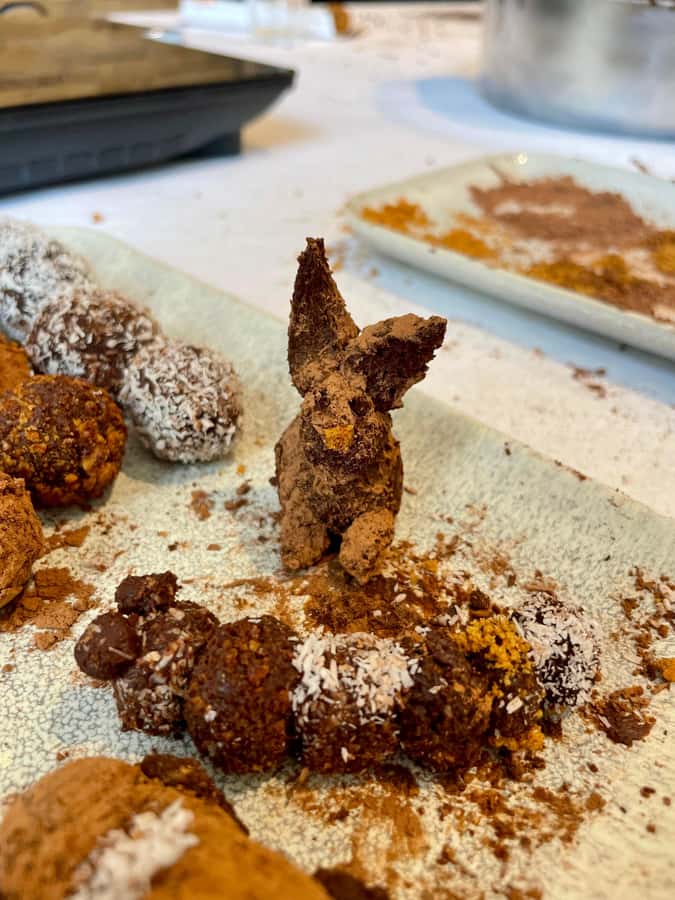
After you shape and coat the truffles, they go into the fridge to harden. This waiting period is used for conversation and a serving of hot chocolate.
That small pause gives the 90-minute class a pleasant rhythm. You are not standing around watching a timer. You can chat with the guide and enjoy the drink while the chocolate sets. It also gives you a chance to compare your creations with the people at your table.
The hot chocolate is included as part of the workshop experience. Additional drinks are not included, so any second beverage or other order at Limbus will be charged separately.
The guide’s personality can make a real difference here. Erika has been praised for explaining the process clearly and keeping the group laughing. That combination matters in a short class. Clear instruction helps you follow the recipe, while a relaxed tone keeps the activity from feeling like a formal cooking lesson.
Packing the finished chocolates
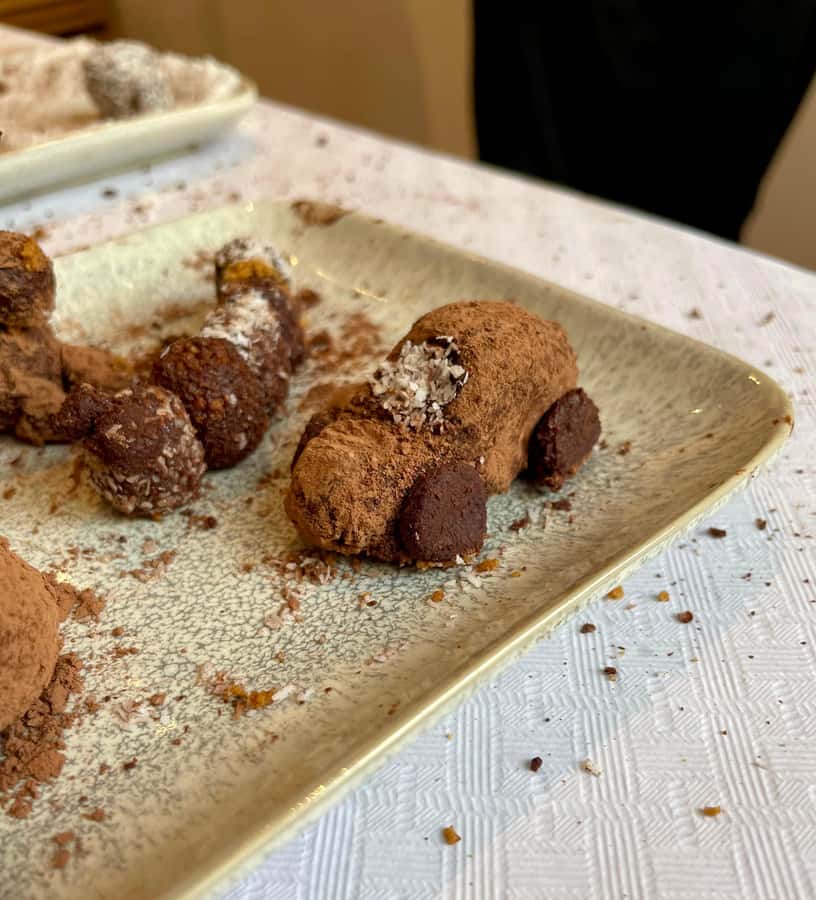
At the end, you pack your own truffles and take them with you. This is a useful touch, especially if you are collecting small food souvenirs instead of buying another mass-produced gift.
The truffles are handcrafted during the class, so they serve as a reminder of the activity as well as something sweet to eat. You can share them, save them for later, or keep the whole box. The experience description leaves the choice to you.
The class information does not specify the type of packaging, how long the truffles remain fresh, or whether they are suitable for air travel. If you plan to carry them onward, ask the guide about storage before leaving. That is particularly sensible if your next destination is warm or your journey is long.
The views and the restobar setting
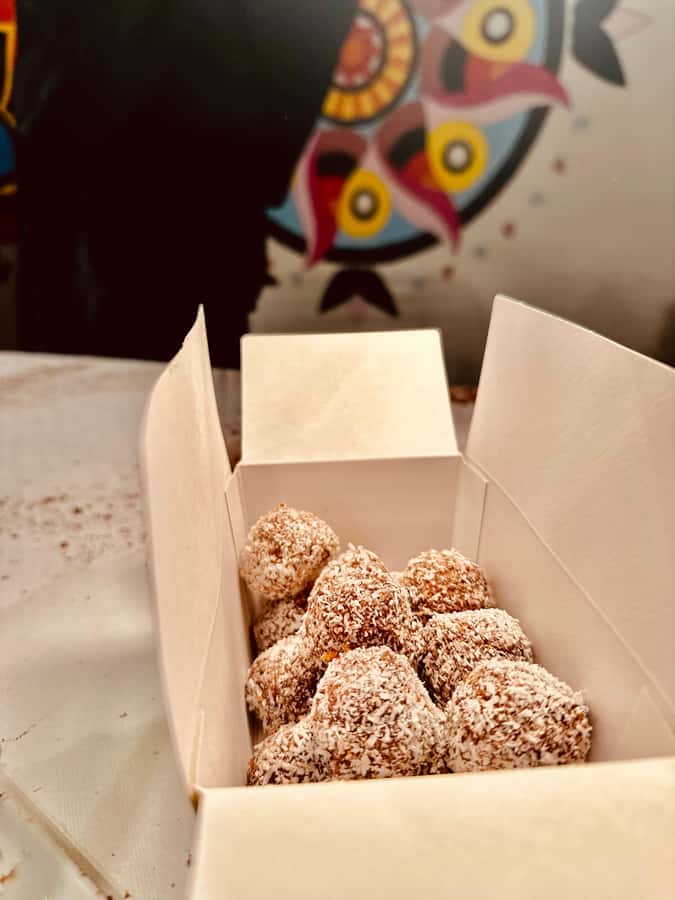
One customer specifically praised the view as part of the experience. The available details do not identify what the view looks toward, and the outlook may depend on your seat and the conditions on the day.
Still, the setting adds something beyond the recipe. You are working on truffles in a San Blas restobar rather than sitting in an anonymous classroom. The combination of chocolate, hot drink, and a view can make this a welcome slower moment during a busy Cusco itinerary.
Keep your expectations measured. This is not advertised as a panoramic sightseeing tour, and the main focus is the chocolate-making process. Treat the view as a possible bonus, not the reason to book.
How the teaching affects the experience
The strongest praise centers on the instruction and the mood of the class. Erika is described as explaining the process perfectly, teaching a lot about chocolate, and keeping the group laughing. That tells you what the workshop does best: it combines simple instruction with a social atmosphere.
The provider is Original Perú. The class is live and guide-led, not a self-service station. You can ask questions during the process, though the supplied information does not list a fixed lesson about cacao farming, roasting, tempering, or chocolate chemistry.
The current score is 4.3 out of 5 from eight ratings. Most of the available feedback is highly positive, with specific praise for the fun atmosphere, the taste of the truffles, the guide, and the large quantity produced. One one-star experience involved a cancellation and poor communication rather than the chocolate class itself.
That complaint is worth taking seriously. The customer arrived at the designated place and learned through the hostess that the class had been cancelled because only one person had booked. The customer reported no timely email, phone, or app notice, and no formal cancellation or refund confirmation at the time of the complaint.
This appears to be a booking reliability problem, not a criticism of the teaching or food. Still, it can disrupt a carefully planned day in Cusco. Check your messages before leaving for Limbus, and if you are the only person booked, consider confirming that the workshop is going ahead.
Who will enjoy this Cusco activity?
I would recommend this workshop most strongly to:
- Couples looking for a shared activity that is shorter than a full cooking class
- Friends who enjoy making and eating something together
- Families with children old enough to meet the age requirement
- Chocolate fans who want more than a tasting
- Visitors who want a small, edible souvenir made during their trip
- Anyone with a free 90-minute gap near San Blas
The class may not suit wheelchair users, since the activity is listed as not suitable for wheelchair users. It is also not suitable for babies under one year or people over 95 years, according to the stated restrictions.
You should also skip it if you need transportation included, want a long technical course, or prefer a private experience. The available details do not promise a private group, and no transport is provided.
Timing your booking in a Cusco itinerary
Ninety minutes is long enough to feel worthwhile without taking over an entire day. You can place it between sightseeing plans, use it as a break from walking, or schedule it before staying at Limbus for food.
The best plan is to avoid booking it immediately before a fixed departure or timed attraction. The workshop includes several stages: the explanation, hands-on preparation, chilling time, hot chocolate, and packing. Even though the advertised duration is 90 minutes, you should give yourself some breathing room around it.
San Blas can be a practical base for combining activities, but the workshop itself does not include a city tour. You need to arrange your own route to the restobar and continue on your own afterward.
Free cancellation is available up to 24 hours before the start for a full refund. You can also reserve now and pay later, which helps if you are still arranging your Cusco schedule. These terms reduce the risk of committing too early, but they do not remove the need to check for a provider cancellation close to the activity date.
Should you book the chocolate workshop?
Book it if you want a friendly, hands-on Cusco activity with a generous edible result. The 20 truffles, included hot chocolate, multilingual guide, and Limbus discount give the $37 price real substance. The clearest strength is the balance between doing the work yourself and still having enough guidance to avoid feeling lost.
I would be especially happy to recommend it for a free afternoon in San Blas, a rainy-day plan, or a couple’s activity that does not require a full day. Erika’s teaching style appears to add warmth and fun, and the take-home truffles make the class more memorable than a standard drink stop.
Book with a little caution if your schedule is tight or you are the only person in the session. Confirm the class close to the date, and make sure the age and accessibility rules fit your group. If those points work for you, this is a tasty, practical way to meet Peruvian cacao without spending half a day in a formal cooking school.
FAQ
How long does the chocolate workshop last?
The workshop lasts 90 minutes, or one and a half hours.
Where does the workshop take place?
It takes place inside Limbus restobar in the San Blas neighborhood of Cusco. At reception, tell the hostess that you are attending the workshop.
What languages are available?
The live guide can lead the workshop in English, Spanish, or French.
How many truffles do I make?
You receive 20 truffles of your own creation. You can pack them and take them with you at the end.
Is hot chocolate included?
Yes. You sip hot chocolate while your truffles harden in the fridge. Additional drinks are not included.
Is transportation included?
No. You must arrange your own transportation to and from Limbus restobar.
Can I cancel for a refund?
You can cancel up to 24 hours in advance for a full refund. The activity also offers reserve now and pay later booking.
Just added around the world
- Lindt Chocolate Museum with Cruise Transfer from Zurich★ 4.6 · 7 reviews
- Zagreb: Lake Bled and Ljubljana Day Tour with Chocolate Gift★ 5.0 · 26 reviews
- Zurich: Chocolate Tasting and Walking Tour with a Local★ 4.2 · 13 reviews
- Zurich Open-top Tour and Chocolate and Cheese Countryside★ 3.5 · 11 reviews
- Wine and Chocolate experience★ 4.6 · 3 reviews
- York: Introduction to Chocolate Making Experience★ 4.9 · 10 reviews
- Zaandijk-Near Zaanse Schans Chocolate making demo & tasting★ 4.8 · 13 reviews
- Private Wine and Chocolate Tasting Experience★ 4.4 · 3 reviews
Chocolate Making Workshops, compared.
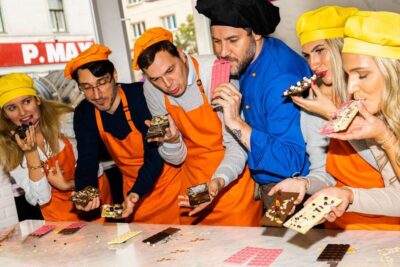
Chocolate Workshop in Chocolate Museum w/ Tasting
Read our review →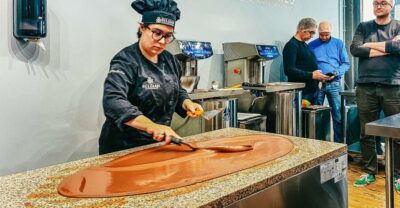
Belgian Chocolate Making Workshop with Tastings
Read our review →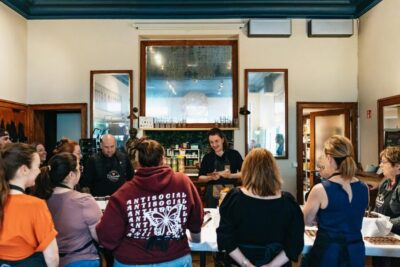
Belgian Praline and Mendiants Chocolate Workshop
Read our review →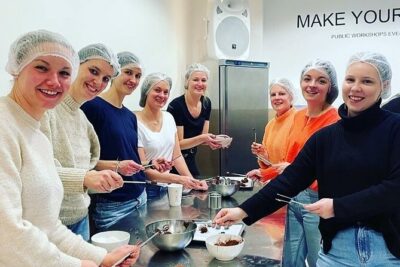
1.5h Belgian Chocolate Workshop in Brussels (bean to bar)
Read our review →
45-minute Chocolate Making Workshop at Choco-Story
Read our review →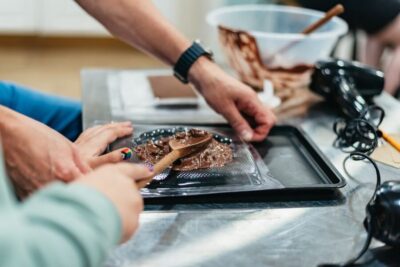
Chocolate Bar Making Workshop at York Cocoa Works
Read our review →Browse the lists this tour appears in