
Review · UNITED KINGDOM
York’s Chocolate Story: Guided Tour
Chocolate tells York’s story. York’s Chocolate Story turns that story into a lively 75-minute tour, mixing local history, chocolate tasting, demonstrations, and a hands-on chocolate activity. I especially like the focus on York families such as Rowntree’s, Terry’s, and Craven’s, plus the way guides use humor and audience participation to keep the tour moving. The chance to make your own chocolate lolly is another strong point, especially for families.
The main thing to consider is the price: $30 per person is fair if you enjoy guided attractions and make good use of the samples, but it may feel high if you only want a quick look at chocolate-making equipment. Photography is limited, and the tour is delivered in English, so plan around those points.
Key points at a glance
- York’s confectionery families: Learn how Rowntree’s, Terry’s, and Craven’s shaped the city’s chocolate reputation.
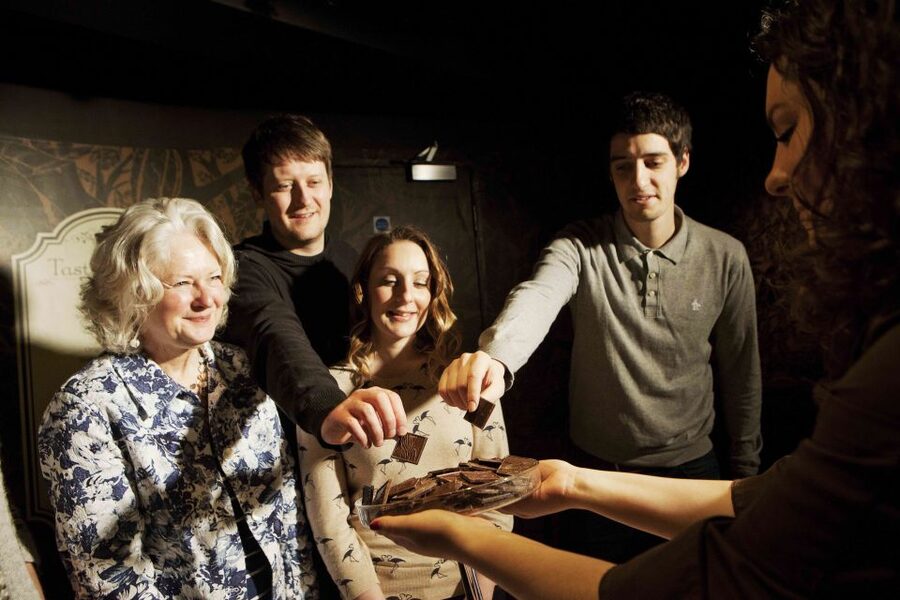
- A tasting lesson: Try chocolate and cocoa in different forms while learning how to taste more carefully.
- Guides make the difference: Guides such as Pip, Austin, Rachel, Lee, Sarah, and Josh have been praised for humor, energy, and clear explanations.
- A hands-on finish: Make your own chocolate creation, including a chocolate lolly made under supervision.
- Three floors, one compact visit: The attraction uses interactive exhibitions to cover chocolate from the cocoa bean to the finished product.
- Useful for mixed ages: Children have plenty to do, but the content is not aimed only at young visitors.
Why York is a natural home for a chocolate museum
York is not simply using chocolate as a theme. The city has a genuine connection to major confectionery families and businesses, and that local link gives this attraction more purpose than a general chocolate display.
The tour begins with the wider story of chocolate, including the ancient discovery of the cocoa bean. From there, it moves toward York and the companies that made the city important in British confectionery. The emphasis on Rowntree’s and Terry’s gives you a useful local frame. You are not just hearing how chocolate is made. You are seeing how an industry affected the identity of a city.
I like this approach because it gives the tasting and demonstrations some context. A sample means more when you understand where it fits in the process. The same is true of the displays about the people and businesses behind York’s chocolate trade.
The story is presented in a light, accessible way. You do not need prior interest in industrial history, food production, or brand history to follow it. At the same time, adults are likely to pick up plenty of details, including small facts about familiar sweets. One amusing detail from the tour experience is the explanation of what M&M stands for, the sort of fact that gives you something to repeat later.
A few more chocolate tours around the UK worth a look
- The Chocolatarium Chocolate Tour Experience in Edinburgh
★ 5.0 · 4,322 reviews - Mayfair Chocolate Tour
★ 5.0 · 443 reviews - York: Chocolate Bar Making Workshop at York Cocoa Works
★ 4.7 · 401 reviews
Meeting your guide at King’s Square
York’s Chocolate Story is at King’s Square, YO1 7LD, in the historic center of York. That central location makes it easy to fit into a walking day around the city.
You meet your guide before entering the main exhibition areas. The guide is important here because this is not simply a self-guided museum visit. The attraction depends on a person linking the displays together, explaining the samples, and keeping the group involved.
The strongest part of the experience appears to be the quality of the guiding. Pip has been praised for being witty, entertaining, and warm. Austin is noted for his rapport with people of different ages. Rachel C, Lee, Sarah, Josh, and several other guides have also been praised for making the information easy to follow.
That matters because a chocolate attraction could easily become a string of displays and brand names. A good guide adds rhythm. There is an explanation, then a sample, then a question or demonstration. The best guides also adjust their delivery to the group instead of speaking at everyone in the same flat way.
The tour starts on time, and groups can include quite a few people. That does not seem to prevent participation, but you should expect a shared tour rather than a private experience. If you have a reservation problem, the check-in staff have shown flexibility in helping people get sorted, though it is still sensible to arrive with your booking details ready.
Three floors of chocolate history
The attraction covers three floors, all linked by interactive exhibitions. The displays take you from the origins of cocoa through the development of chocolate-making and into York’s own confectionery story.
The first part gives you the broad background. Cocoa is not presented as a finished bar appearing by magic. You learn about the bean and the stages that lead to chocolate. This section is useful for children because it gives them a simple sequence to follow, while adults can focus on the trade, production, and historical detail.
The York section is the heart of the visit. Rowntree’s, Terry’s, and Craven’s receive particular attention, and the focus on these businesses helps explain why York became so closely linked with chocolate. The story also connects the companies with the people and families behind them, giving the attraction a local character.
I would allow yourself time to look at the displays rather than rushing from sample to sample. The sweets are the obvious attraction, but the city story is what gives the tour lasting interest. It is also the part that helps the visit work for adults who may not normally choose a child-friendly food attraction.
Some of the visual displays are interactive, and guides may use images and characters during the presentation. Hannah, for example, was praised for interacting with the pictures in a way that made them feel unusually lively. That style helps hold attention without turning the whole visit into a noisy game.
Learning to taste chocolate like an expert
Chocolate tasting is spread through the tour rather than saved for one final session. You receive samples as the story develops, which means the tasting supports the explanation instead of becoming a separate sugar break.
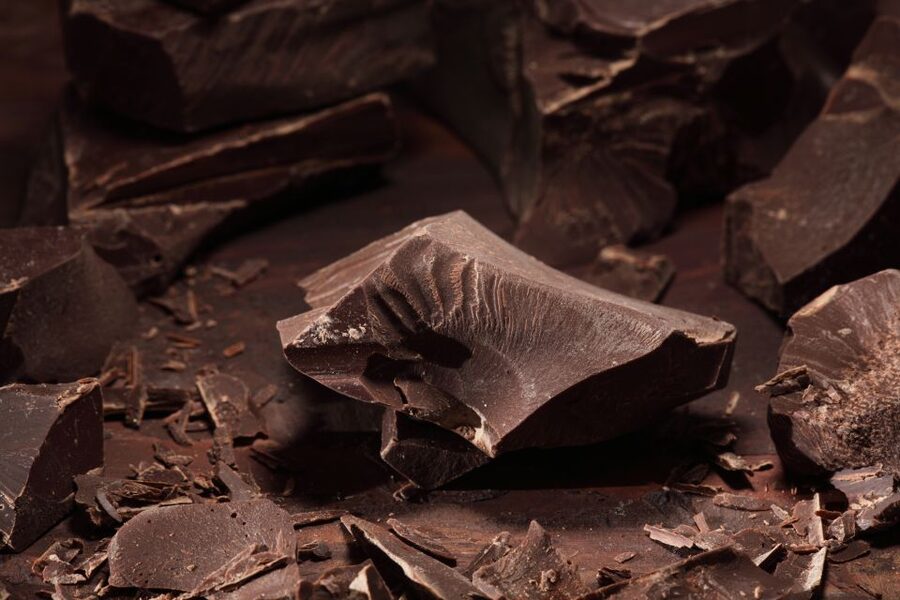
You may try cocoa and chocolate in different forms. Some samples are familiar and sweet, while others may be less immediately appealing. That contrast is useful. It shows you that chocolate flavor changes during production and that tasting involves more than deciding if something is simply nice.
The guides explain how to taste, helping you pay attention to flavor and texture. You do not need specialist language or a trained palate. The point is to slow down and notice what you are eating.
There are plenty of samples throughout the visit, and one person specifically appreciated receiving gluten-free treats. If you have a dietary concern, tell the staff before or at the start of the tour so they can explain what is available. The supplied information confirms a gluten-free experience for at least one participant, but it does not provide a complete allergy menu.
The tasting also makes the $30 price easier to assess. You are paying for admission, guiding, demonstrations, and samples, not just for access to a shop. If you value food tastings, the cost is easier to justify. If you rarely eat chocolate or prefer a short museum stop, the value is less obvious.
Same place, a different sort of tasting:
- Glasgow: Glengoyne Distillery Tour with Whisky & Chocolate
★ 4.9 · 299 reviews - Chocolate Bar Making Workshop – York Cocoa Works
★ 4.5 · 170 reviews - York Historical Gems Tour & A Taste of York Chocolate
★ 5.0 · 101 reviews - York: Historical Gems Tour & A Taste of York Chocolate
★ 4.7 · 90 reviews
Watching a chocolatier work
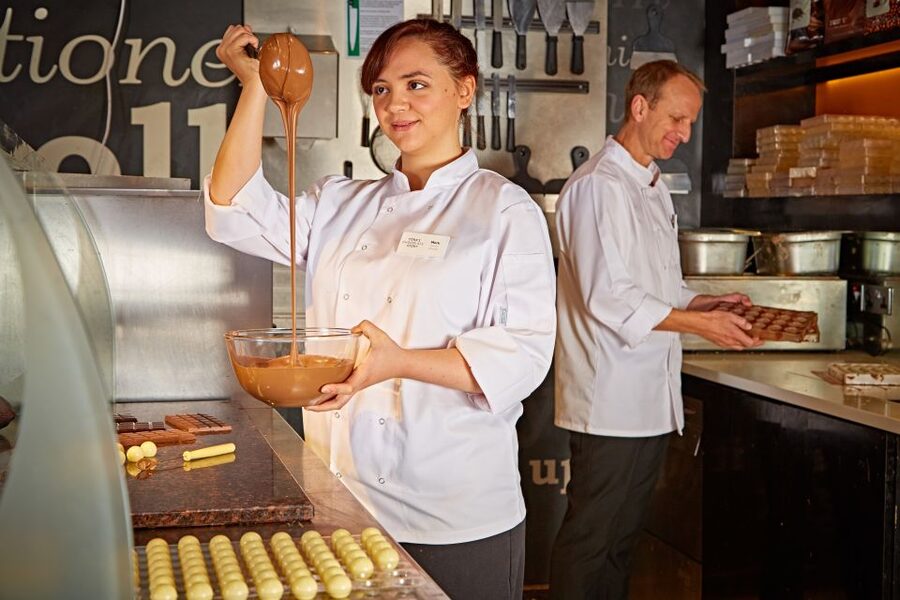
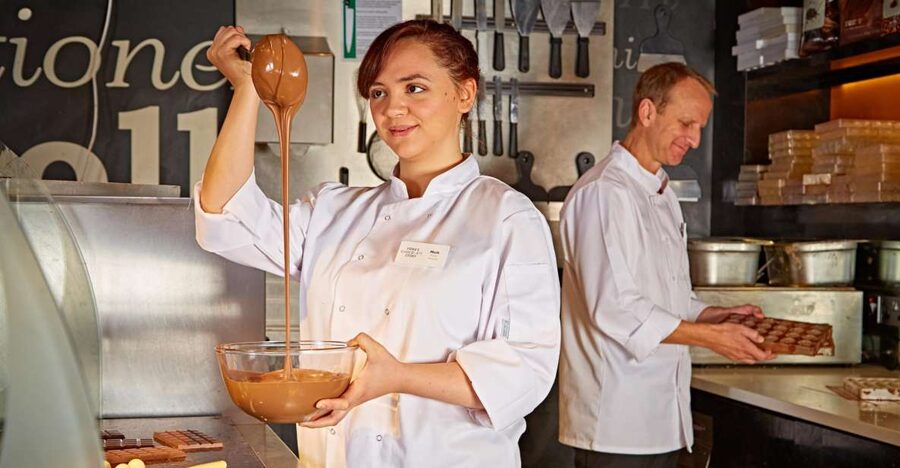
Near the end of the tour, a chocolatier demonstrates the craft. This is one of the most useful parts for anyone who wants to see how chocolate changes from a prepared ingredient into something decorative and edible.
The demonstration puts a practical face on the earlier explanations. You have heard about chocolate-making, then you see an expert at work. The chocolatier also helps connect the polished sweets in the shop with the techniques used to make them.
The demonstration is not described as a long workshop, so you should not expect to spend the whole visit producing several complex chocolates. One piece of useful feedback is that there could be more to make. That is worth noting if you are booking mainly for a serious confectionery class.
For most people, the balance works. You get to watch a professional, then take part in a simpler activity yourself. It gives children a clear role without requiring adults to stand aside.
Making your own chocolate lolly
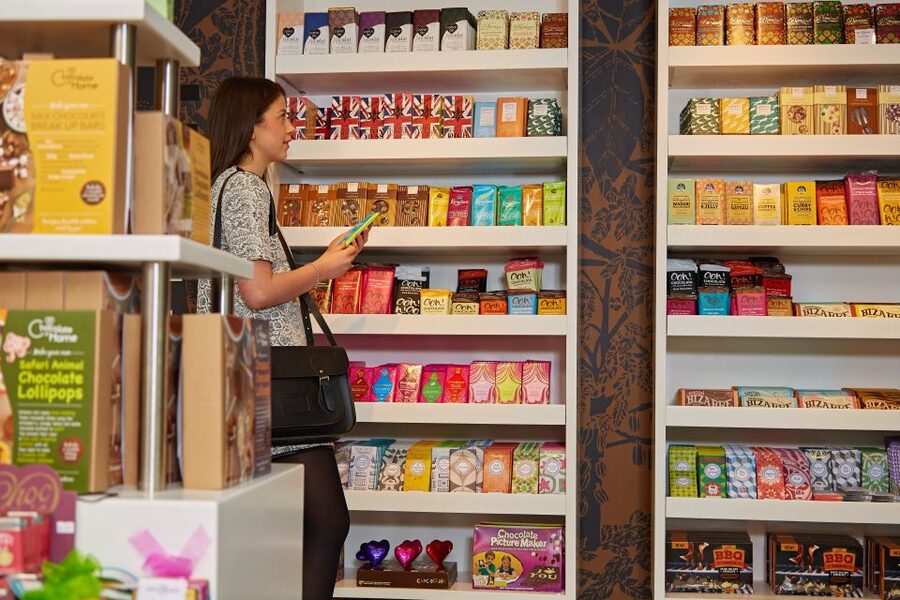
The hands-on finale is making your own chocolate creation, commonly described as a chocolate lolly. You work under the guide’s supervision, and the task is simple enough for children while still being enjoyable for adults.
This is not a full chocolate-making course. It is a short, tidy activity that gives you something personal to take from the visit. The practical element also helps break up the information-heavy parts of the tour.
I like that the activity comes at the end. You first learn how chocolate developed, then taste it, watch a chocolatier, and finally make something yourself. That order gives the visit a clear shape.
Children tend to enjoy this stage most, but the tour does not become child-only. Adults can take part, ask questions, and enjoy the history and tasting. It also works well for group occasions. One person considered it a good choice for a hen do, while another booked it for a work event and found it far more engaging than expected.
The cafe and shop after the tour
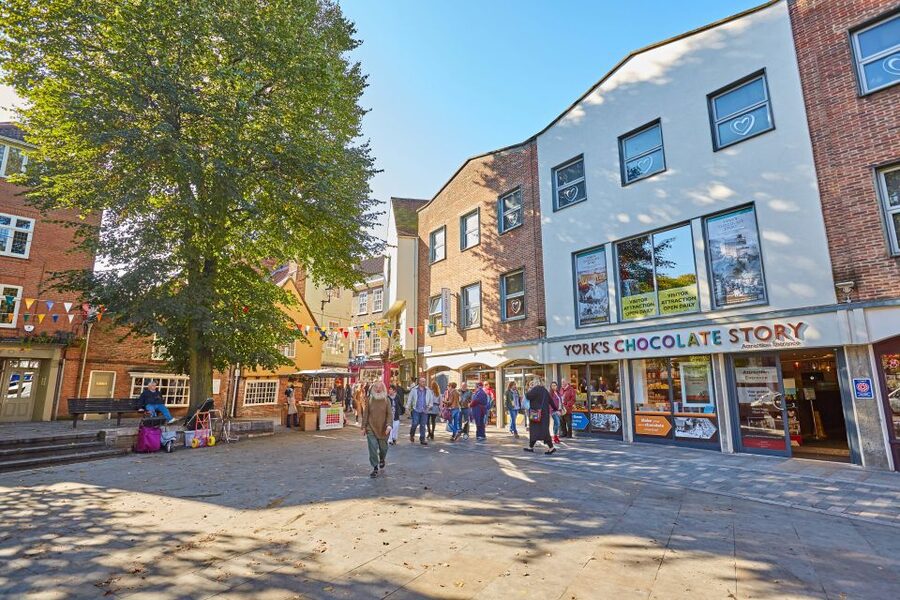
After the guided visit, you can look around the cafe and gift shop. The shop carries artisan chocolates and other sweet treats, along with books and gifts.
This is a useful place to finish because you can buy something connected to what you have just learned. The shop is not included in the ticket, and food and drinks are separate costs, so set a spending limit if you are traveling with children. The chocolate displays can make that harder than planned.
You might want to buy a book if the York connection interests you, or choose chocolates as a small gift. The shop also gives you a chance to pause after the tour rather than leaving immediately.
The cafe is optional. Since food and drinks are not included, think of it as an extra stop rather than part of the ticket value.
How the 75 minutes feels
Seventy-five minutes is a good length for this attraction. It is long enough to tell the story properly, but short enough to fit around York’s other sights.
The experience has several changes of pace: history, images, samples, demonstrations, and the chocolate-making activity. That variety keeps the visit from feeling like one long talk.
The strongest guide performances add to this. Sarah has been praised for warmth and clear delivery, while Lee and Charly have been noted for humor and an ability to keep attention. Josh was also praised for making the tour good value. These comments point to an important practical truth: the guide’s energy can shape the visit.
The tour can work for a mixed-age group because children have interactive elements and tasting opportunities, while adults get the city and business story. If you want a quiet, self-paced museum, this is not the right format. You will move with the group, listen to a live guide, and follow the planned sequence.
Photography is limited throughout the attraction. Bring your camera if you like, but do not expect to photograph every display or stage of the demonstration.
Accessibility, language, and booking flexibility
All floors are accessible by elevator, and the attraction is wheelchair accessible. That makes the three-floor layout more practical for people who might otherwise find a multilevel visit difficult.
The live tour is in English. If you need another language, this experience may not suit you because English is the only language specified.
The listed price is $30 per person. You can cancel up to 24 hours in advance for a full refund, and the reserve now, pay later option can help if your York plans are still shifting. Starting times vary, so check availability for the date you want.
Who will enjoy York’s Chocolate Story most?
I would recommend this tour to families who want more than a shop visit. Children get samples, pictures, and a making activity, while adults get a real local story and a guide-led presentation.
It also suits couples, solo visitors, and groups who enjoy food history. The tour has enough humor and participation to avoid feeling like a formal lecture.
It is a good option for a rainy day in York, although the supplied information does not give indoor waiting details, so arrive ready for the scheduled start. It can also fit well into a celebration or work outing because the format is social and easy to follow.
You may want to skip it if you dislike sweet foods, want extensive hands-on cooking, or prefer to explore at your own speed. The chocolate-making activity is enjoyable but brief, and the tour is designed as an attraction rather than a professional workshop.
Should you book it?
I would book York’s Chocolate Story if you want a compact, well-organized York experience with a clear local connection. The best reasons are the York focus on Rowntree’s and Terry’s, the steady stream of samples, and the guides who bring humor and personality to the presentation.
At $30, it offers fair value when you take part in the tasting and making activity. Families should find plenty to hold their attention, while adults can enjoy the business history and chocolate craft. Just remember that photography is restricted, the tour is in English, and the hands-on section is a simple chocolate lolly rather than a full workshop.
FAQ
Where is York’s Chocolate Story located?
It is at King’s Square, York, North Yorkshire, YO1 7LD.
How long does the guided tour last?
The tour lasts 75 minutes, or 1 hour and 15 minutes.
What is included in the ticket?
Admission to the attraction, a fully guided tour, and chocolate samples throughout the tour are included.
Is chocolate-making part of the visit?
Yes. Near the end, you can make your own chocolate creation, including a chocolate lolly, and watch a chocolatier demonstrate chocolate-making.
Is the tour suitable for children?
Yes. Children can take part in interactive parts of the tour, taste samples, and make chocolate. The content is also designed to appeal to adults.
Is the attraction wheelchair accessible?
Yes. All floors are accessible by elevator, and the attraction is wheelchair accessible.
Can I cancel my booking?
Yes. You can cancel up to 24 hours in advance for a full refund. A reserve now, pay later option is also available.
Just added around the UK
- York: Introduction to Chocolate Making Experience★ 4.9 · 10 reviews
- Class – Introduction to Chocolate Making at York Cocoa Works★ 4.5 · 6 reviews
- 3 Hour Chocolate Making Experience in The Mayford business centre★ 5.0 · 4 reviews
- Hands-On Churros & Chocolate Class on a London Houseboat★ 3.5 · 2 reviews
- Melt Chocolate’s Magical Master Class★ 4.5 · 10 reviews
- Chocolate Tasting tour★ 4.5 · 3 reviews
- Tequila Tasting, with Chocolate & Cocktails Pairing Night★ 5.0 · 4 reviews
- Cacao Ceremony and Sound Healing★ 5.0 · 2 reviews
Chocolate Tours, compared.
Choco-Story Brussels: Chocolate Museum Entrance with Tasting
Read our review →
City Tour, Cruise, and Lindt Home of Chocolate Visit
Read our review →
The Chocolatarium Chocolate Tour Experience in Edinburgh
Read our review →
Award-Winning Geneva Chocolate &Old Town Tour with Boat Ride (3h)
Read our review →
Yarra Valley Wine, Gin, Whisky and Chocolate Tour
Read our review →
4×4 Dominican Adventure with Chocolate and Coffee Tasting
Read our review →
Browse the lists this tour appears in