
Review · USA
Seattle Chocolate Tour
Chocolate makes Seattle easier to read. This two-hour-plus tasting walk links bakeries, chocolate shops, Pike Place Market, and striking views over Elliott Bay. I like the broad mix of treats, from champurrado and brownies to Venezuelan chocolate, truffles, marzipan, and unusual pairings. I also like that guides such as Ivy, Ben, Will, and Jade add Seattle stories instead of simply handing out samples.
The main catch is the walking. You may spend about 90 minutes on foot, with short sitting breaks at cafes and shops, and the route can run longer than the advertised 2 hours 15 minutes. The $85 price makes sense if you value a guide, a dozen tastings, and local orientation, but it will feel high if you mainly want a few handmade chocolates.
The sweet details that shape the experience
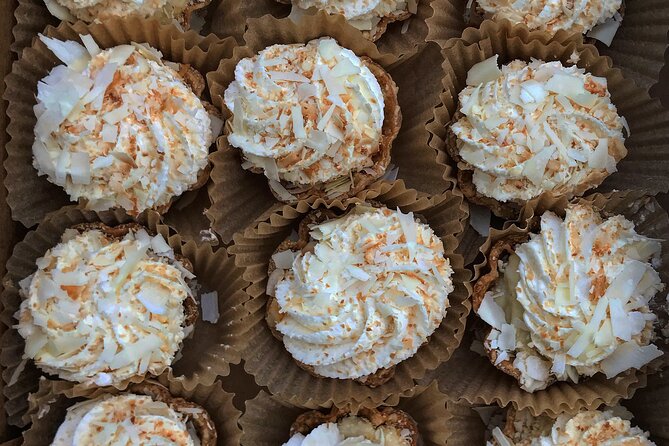
- Start with two chocolate-laced bakery treats at Dahlia Bakery, including a famous coconut cream pie and a sea salted brownie.
- Taste cacao in several forms, from traditional champurrado and Mexican chocolate to Belgian baking chocolate and New Zealand dark chocolate.
- Walk through Pike Place Market with a guide, adding Seattle stories and vendor background to the food stops.
- See Elliott Bay and the Olympic Mountains from a high viewpoint along the route.
- Expect a small group, with a maximum of 12 people, which makes questions and dietary requests easier.
- Plan for variety rather than a chocolate factory tour, since some samples are finished desserts, bakery items, or store-bought bars.
Starting at Dahlia Bakery on Fourth Avenue
The tour begins at Dahlia Bakery, at 2001 4th Avenue, in central Seattle. This is a sensible opening because you get time to settle in before the walking begins. You can order a coffee, use the restroom, and get acquainted with the guide and the rest of the group.
The first tasting includes two baked goods featuring dark and white chocolate. The sample menu lists a world-famous triple coconut cream pie and a sea salted brownie, so the opening is less about tasting a single chocolate bar and more about seeing how chocolate behaves in a finished dessert.
That distinction matters. If you want a technical lesson in cacao percentages right away, this first stop may feel more like a bakery visit. If you enjoy comparing creamy, baked, salty, dark, and sweet flavors, it gives you a useful starting point.
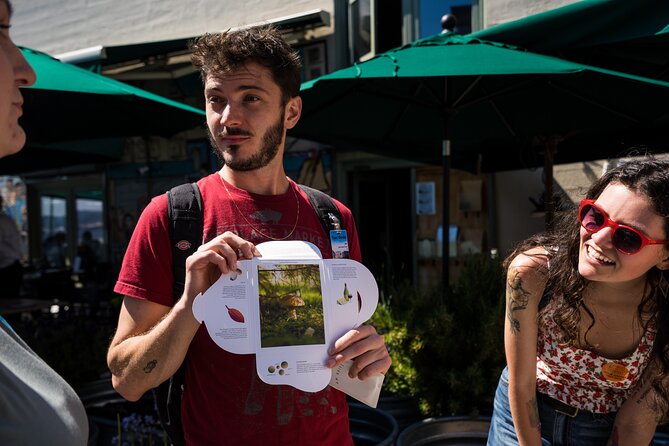
Guides have been a major part of the pleasure here. Ivy has been praised for explaining how personal memories affect the way you taste flavors, while Will used simple analogies to help children and adults notice differences. That kind of coaching can turn a quick bite into a proper tasting exercise.
A few more chocolate tours around the USA worth a look
- Lahaina: Maui Ku’ia Estate Guided Cacao Farm Tour and Tasting
★ 5.0 · 1,103 reviews - Princeville Botanical Gardens Tour and Chocolate Tasting Ticket
★ 5.0 · 774 reviews - Kauai Chocolate Farm Tasting Tour
★ 5.0 · 666 reviews
Maíz and the older story of cacao
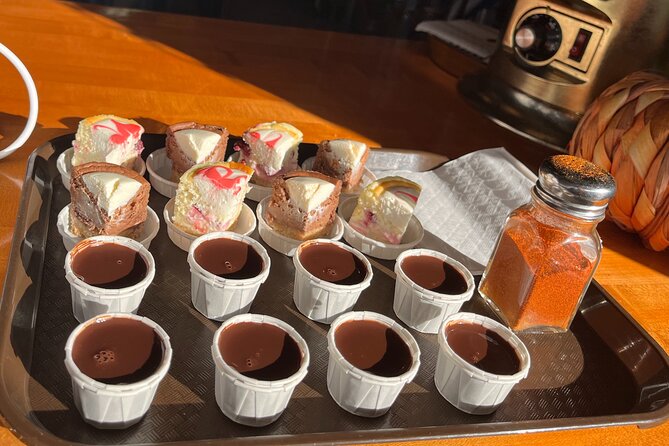
At Maíz, the tour shifts away from familiar pastries and introduces cacao in a more traditional form. The listed tasting is champurrado, a warm chocolate drink with Mexican roots. The sample menu also includes 70 percent dark chocolate from Mexico.
This is one of the more useful stops for anyone who thinks chocolate begins and ends with candy. The guide explains where cacao comes from and how it moves from bean to bar. You get a sense of chocolate as a plant and a cultural food, not just a sweet finish after dinner.
The warm drink also breaks up the parade of solid sweets. Several people have singled out Mexican hot chocolate or Mexican chocolate drinks as a favorite part of the outing. If you have mostly tasted European-style chocolate, this stop gives the route a different accent.
The tour is not a formal chocolate-making workshop. You will learn about production and origins, but you should not expect to roast beans or make a bar yourself. Its strength is guided tasting and context.
Pike Place Market, with more than chocolate
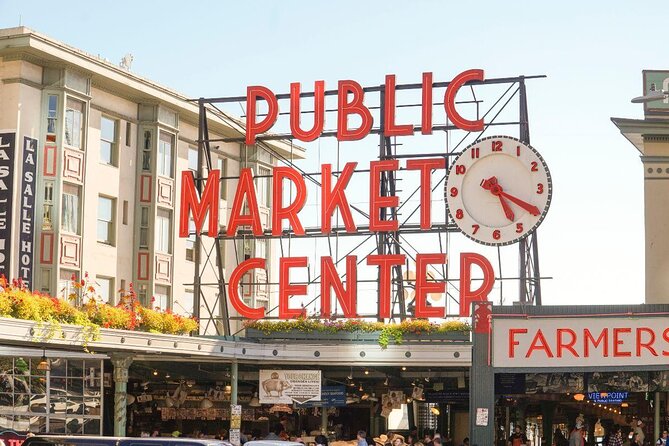
The route passes through famous parts of Pike Place Market, where the city’s food culture becomes part of the tour. The guide can point out market sights, vendors, and local social history while leading you between tastings.
This is where the experience becomes more than a dessert crawl. Ivy has been praised for explaining Pike Place and its community services, while Ben has added stories about Seattle and the market between food stops. A good guide helps you notice the setting rather than keeping your eyes fixed on the next sample.
The market can also slow the pace. Crowds, narrow paths, and shop access may affect the order of stops. One account describes waiting outside some businesses rather than entering each one as a group. That is worth knowing if you picture a private sit-down tasting at every location.
You also get a scenic pause with roughly 180-degree views of Seattle, Elliott Bay, and the Olympic Mountains. The exact feel of the view depends on the day, but it gives your palate and feet a break. Bring a camera, but do not count on a long sightseeing stop. Chocolate remains the main event.
Freya Bakery and the familiar side of chocolate
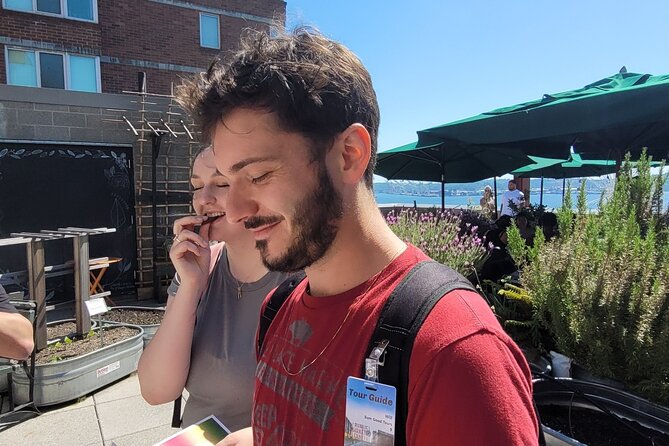
Freya Bakery & Cafe brings the route back to a modern Danish bakery style. After the more traditional cacao presentation at Maíz, this stop shows how chocolate appears in familiar European and American bakery forms.
The menu lists Copenhagen cocoa and a 55 percent Belgian baker’s chocolate. Other tastings reported along the route have included cookies, donuts, gelato, and hot chocolate, so the exact item can change. That flexibility seems intentional. The guide may adjust the selection based on what is available, what the group enjoys, or dietary concerns.
I like this contrast between traditional chocolate and polished bakery work. You are not tasting one official Seattle flavor. You are comparing methods, origins, textures, and levels of sweetness.
The downside is that a bakery item may not satisfy someone looking for a sample made entirely from single-origin chocolate. You are paying for the range, the explanation, and the route, not just the cost of raw chocolate.
Same place, a different sort of tasting:
- Award Winning Farm Tour: Coffee, Chocolate and Unique Gifts
★ 5.0 · 484 reviews - Big Island: Night Swim with Manta Ray with Hot Chocolate
★ 4.9 · 420 reviews - Nashville’s Goo Goo Chocolate Tasting & Candy Making Class
★ 5.0 · 247 reviews - Orlando: Factory Adventure Tour in Chocolate Kingdom
★ 4.5 · 240 reviews
Woodring’s Venezuelan chocolate at Pike Place
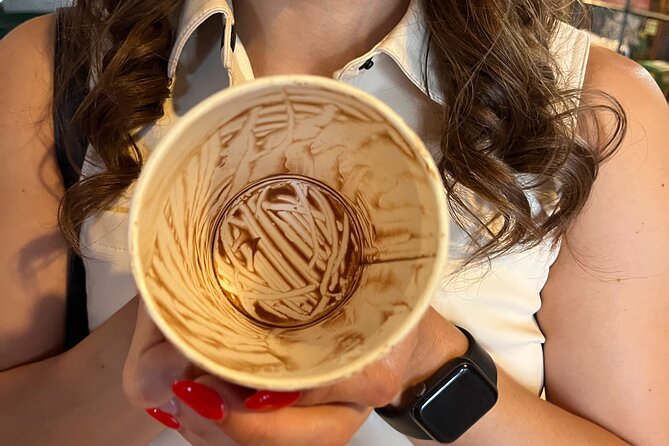
Woodring at Pike Place Market focuses on chocolate sourced directly from Venezuela and used in several different products. The tasting may include fudge, marzipan, and caramel.
This is a strong part of the route because one chocolate origin appears in different textures. Fudge gives you dense sweetness. Marzipan brings almond flavor and a firmer bite. Caramel shifts the balance again, making it easier to notice how added ingredients can change the character of cacao.
It also helps explain why a chocolate tour should not be judged by the number of plain squares alone. A chocolate can be tasted on its own, but it can also act as a base for a filled confection, a bakery dessert, or a soft candy.
You may not enter every shop for a full visit. The group can be asked to wait outside while a guide gathers samples, particularly in busy market spaces. If browsing is important to you, leave time after the tour to return to shops on your own.
Truffle Queen and unexpected pairings
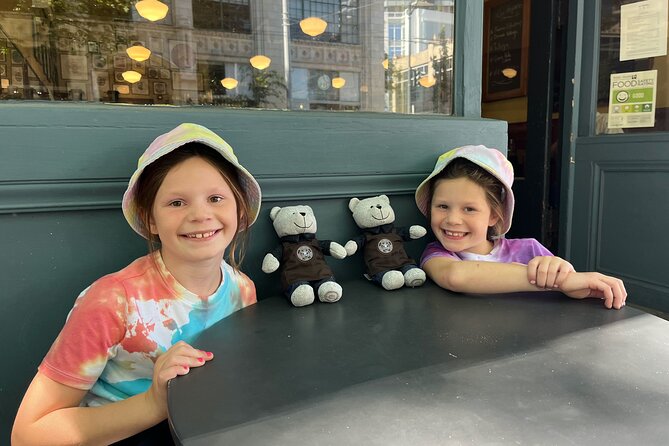
Truffle Queen brings a more European style to the walk. The emphasis is on truffles and pairings that may be less familiar than a standard milk chocolate bar.
This stop is best for readers who enjoy trying something without knowing in advance whether it will become a new favorite. The guide may ask you to think about how fruit, tea, honey, or spirits change the base chocolate. The goal is not simply to label a sample good or bad. It is to notice aroma, sweetness, bitterness, and the way flavors develop after the first bite.
The small group helps here. With no more than 12 people, you can ask why a filling tastes the way it does or compare your reaction with someone else’s. Guides such as Ivy have been praised for answering questions and helping children take part without turning the tour into a lecture.
Still, expectations matter. A truffle stop is not the same as watching a chocolatier work. The route teaches through tasting and explanation, not through a behind-the-scenes production demonstration.
DeLaurenti and the world in chocolate-bar form
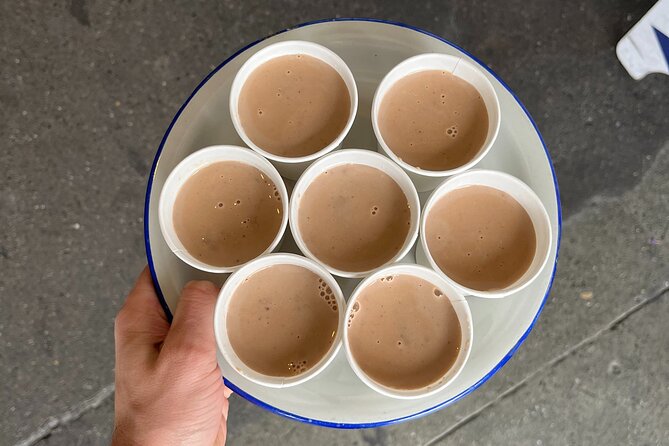
At DeLaurenti, you encounter a large selection of chocolate bars from different countries. The guide explores the shelves with the group and may invite people to suggest a bar the guide has not tried.
This is the most flexible stop. Instead of receiving one fixed confection, you compare bars by origin, cacao percentage, or style. The menu lists 85 percent dark chocolate from New Zealand, which gives the group a chance to test a more intense, less sugary profile.
Some people love this freedom. Others may feel they could have entered a specialty food shop and chosen a packaged bar without paying for a tour. That criticism is fair. The value comes from having someone explain what to look for, connect the bar to the earlier cacao lesson, and place it in the larger Seattle food route.
If you plan to buy gifts, this is a useful scouting stop. You can note which bars appeal to you, then return later or continue shopping after the tour. The guide can also help you choose something for people who prefer dark, milk, white, nutty, fruity, or boozy chocolate.
Finishing with Seattle-made truffles at SELEUŠS
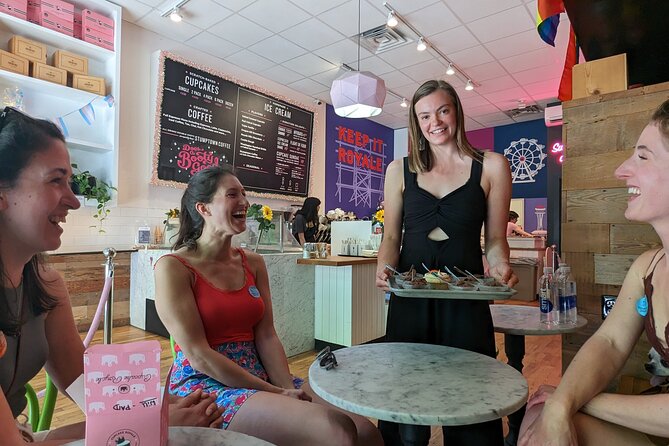
The walk ends at SELEUŠS Chocolates, at 1910 1st Avenue. This final stop turns the attention back to a local truffle maker and gives the route a proper finish.
The selection can include chocolate blended with honey, fruit, tea, and alcohol. Truffles are a good closing format because they bring together the ideas introduced earlier: cacao origin, texture, fillings, aroma, and pairing.
The final destination is not just a last sugar hit. It also gives you a chance to identify the style of chocolate you prefer after sampling the full range. You might discover that you like tea-infused dark chocolate, fruit fillings, or a softer caramel more than a high-percentage plain bar.
One practical warning: shop hours and timing can affect the final stop. A participant once had to leave when the last location was not open on schedule. If you have another timed activity afterward, do not schedule it too tightly. The route may take longer than the stated 2 hours 15 minutes, especially with questions, market crowds, or extra tastings.
How much chocolate do you really get?
The experience advertises 12 individual chocolate samples, though the exact mix can change. The listed menu includes coconut cream pie, brownie, champurrado, Mexican dark chocolate, Copenhagen cocoa, Belgian baker’s chocolate, fudge, white chocolate marzipan, New Zealand dark chocolate, and truffles.
That is a generous amount of food for a walking tour. You may also encounter cookies, donuts, gelato, hot chocolate, tart, or other sweets depending on the day. Several guides have adjusted selections to suit the group, so do not treat the sample menu as a rigid promise.
The variety is the main strength. You taste chocolate in drinks, baked goods, bars, fillings, and truffles. The weakness is that not every item is a small piece of handmade chocolate. One person found two hot chocolate tastings repetitive and expected more products made directly by the shops.
I suggest arriving hungry but not empty. The route includes enough food that you probably will not need a large meal during the outing. Water is also useful, since repeated sweet samples can make your palate tire.
Guides, group size, and the walking pace
The maximum group size is 12. That is small enough for a guide to notice dietary needs, answer questions, and help a family keep up. Guides named in the feedback include Ivy, Ben, Will, Jade, Maia, and Woody, with Ivy receiving especially frequent praise for her warmth, organization, and chocolate knowledge.
The strongest guide moments are not scripted facts. They are the small adjustments. One guide brought samples to a participant whose husband was struggling after a fall. Other guides kept children involved and used clear comparisons rather than technical jargon.
Expect a real walking tour, not a series of nearby counters. The route includes about an hour and a half of walking with intermittent sitting. Comfortable shoes matter, and you should tell the operator about dietary concerns before the tour so accommodations can be arranged.
Most people can take part, and service animals are allowed. The meeting point is near public transportation. The tour is offered in English.
Is $85 a fair price?
At $85 per person, this is not a cheap way to buy chocolate. You could purchase several bars and pastries for less. The price includes the guided route, the food samples, local stories, market orientation, and the convenience of having someone select and explain the tastings.
For me, the value is strongest if you are new to Seattle, enjoy food history, or want a guided introduction to Pike Place. It is also a good choice for families because the guides have kept children engaged and the route offers many textures and formats.
The value is weaker if you already know Seattle’s chocolate shops, dislike walking, or want a hands-on factory visit. It can also disappoint if your main goal is to receive 12 pieces of premium truffle chocolate. Some tastings are bakery items or packaged bars.
The high rating of 4.8 from 216 reviews and the 95 percent recommendation rate fit the overall picture: most people get a friendly, informative, very sweet afternoon. The small group and adaptable guides do much of the work.
Who should book this chocolate walk?
I would choose this for first-time Seattle visitors, couples, solo food fans, and families with children old enough to manage a long walk. It works particularly well early in a Seattle stay because the Pike Place orientation can help you return later with a better sense of the market.
It is also useful for serious chocolate beginners. You will learn how cacao origin, percentage, fillings, and preparation affect taste without needing prior experience.
I would skip it if you have limited mobility, a tight schedule, or little interest in Seattle history and market culture. The operator can accommodate dietary concerns, but the route still centers on chocolate and sweet foods, so people with strict restrictions should ask what can be substituted before booking.
Free cancellation is available up to 24 hours before the start time. Changes or cancellations inside that window are not accepted for a refund.
Should you book the Seattle Chocolate Tour?
Book it if you want a guided tasting route with Seattle context, not merely a box of chocolates. The best parts are the range of formats, the Pike Place stories, the scenic pause, and guides such as Ivy and Ben who make the food easier to understand.
Go in expecting a flexible route. Stops may change, exact samples may vary, and the final visit can run late. Wear comfortable shoes, leave room in your schedule, and think of the $85 as payment for a small food tour, local orientation, and a dozen chances to find a new favorite.
FAQ
How long does the Seattle Chocolate Tour last?
The tour is listed at approximately 2 hours 15 minutes. The walking portion can total about 90 minutes, with intermittent sitting, and some outings may take longer.
Where does the tour start and finish?
It starts at Dahlia Bakery, 2001 4th Avenue, Seattle. It ends at SELEUŠS Chocolates, 1910 1st Avenue, Seattle.
How many chocolate samples are included?
The experience includes 12 individual chocolate samples, though the exact items can vary. The selection may include baked goods, drinks, bars, fudge, marzipan, caramel, and truffles.
Is the tour suitable for dietary concerns?
Accommodations can be made for dietary concerns. Share your needs when booking or before the tour so the operator has a chance to plan.
How large is the group?
The tour has a maximum of 12 participants.
Can I cancel for a full refund?
Yes. You can cancel at least 24 hours before the local start time for a full refund. Cancellations or changes made less than 24 hours before the start time are not refunded or accepted.
Just added around the USA
- Waterfall, Chocolate Tour, Rainforest, Royal Historical★ 4.6 · 16 reviews
- Vegas: Taste, Explore & Shop Chocolate Tour★ 3.4 · 16 reviews
- Churches & Chocolate Cart Tour★ 5.0 · 4 reviews
- Savannah History plus Coffee and Chocolate Walking Tour★ 5.0 · 28 reviews
- Santa Barbara’s Ultimate Wine and Chocolate Walking Tour★ 5.0 · 19 reviews
- Make your own Chocolate Bars & Chocolate Box★ 4.5 · 38 reviews
- Santa Fe Chocolate Tasting and History Exploration Tour★ 5.0 · 6 reviews
- Shared Wine, Chocolate and Cheese Tasting in Conesus Lake★ 5.0 · 13 reviews
Chocolate Tours, compared.
Choco-Story Brussels: Chocolate Museum Entrance with Tasting
Read our review →
City Tour, Cruise, and Lindt Home of Chocolate Visit
Read our review →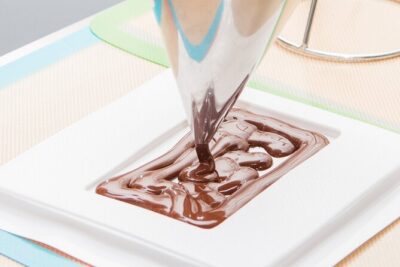
The Chocolatarium Chocolate Tour Experience in Edinburgh
Read our review →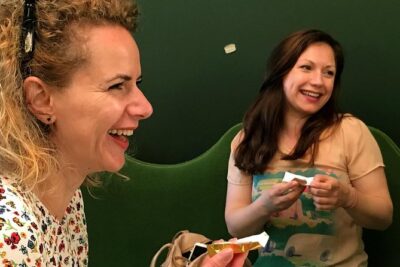
Award-Winning Geneva Chocolate &Old Town Tour with Boat Ride (3h)
Read our review →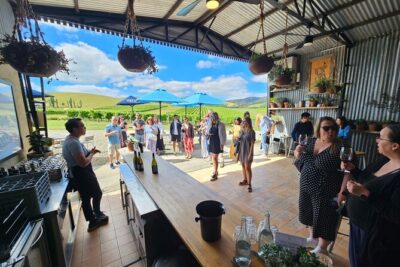
Yarra Valley Wine, Gin, Whisky and Chocolate Tour
Read our review →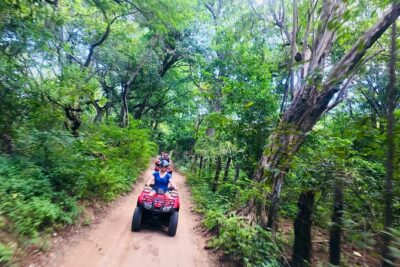
4×4 Dominican Adventure with Chocolate and Coffee Tasting
Read our review →
Browse the lists this tour appears in