
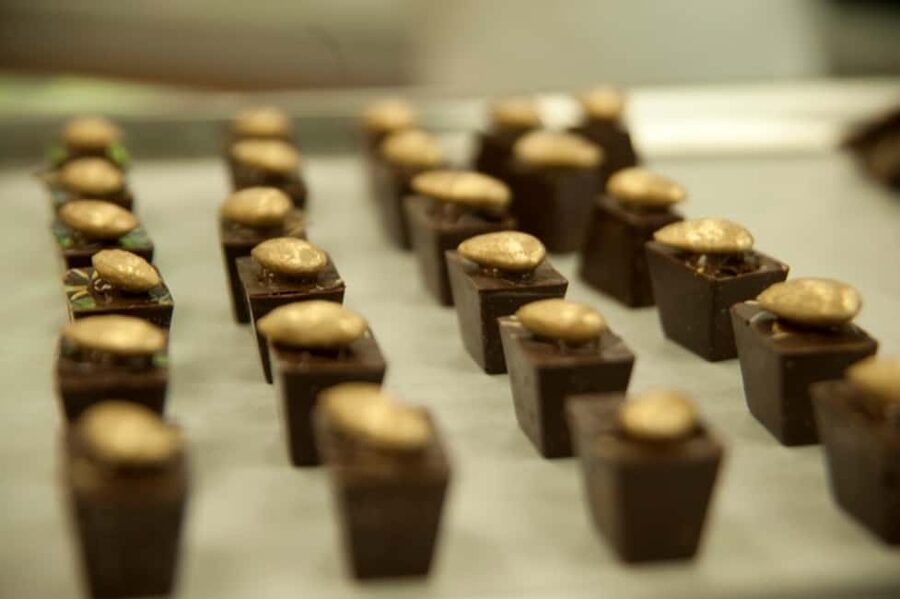
Review · DOMINICAN REPUBLIC
Dominican Republic: 3-Hour Chocolate Lovers Tour
Chocolate starts with a seed. This three-hour outing takes you from cacao planting to finished chocolate, with lunch and a guided tasting along the way. I like the hands-on chance to sow your own cacao plant, and I like that the tour explains fermentation and drying, the less glamorous steps that decide how good chocolate becomes. The main drawback is timing: one booking reported about two and a half hours rather than four, so you should keep your schedule flexible.
The visit also brings Dominican culture and farming into the picture, rather than treating chocolate as a simple candy-making show. It costs $83 per person, which is fair if you value instruction, food, and several stops in one compact outing, but less attractive if you only want samples.
Key points to know before you go
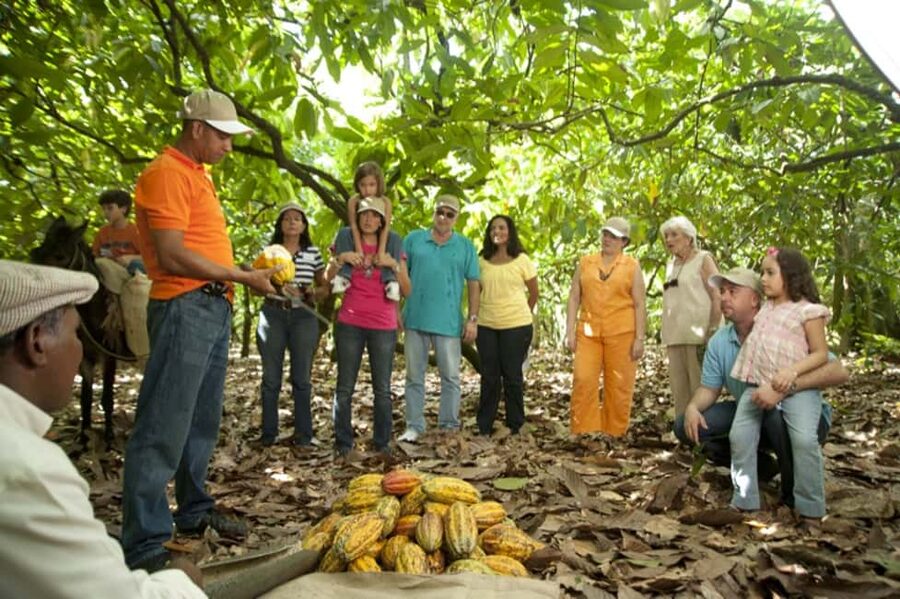
- You plant cacao yourself: Sowing a cacao seed gives you a direct connection to the crop before you taste the finished product.
- Fermentation matters here: You learn why post-harvest work, especially fermentation and drying, shapes gourmet chocolate.
- The tasting uses all five senses: The session goes beyond eating chocolate and teaches you how to notice its qualities.
- Lunch and hot chocolate are included: The price covers a local meal, a guided tour, and hot chocolate.
- Two cacao settings show different methods: You visit an organic plantation and another site with more automated small-scale processing.
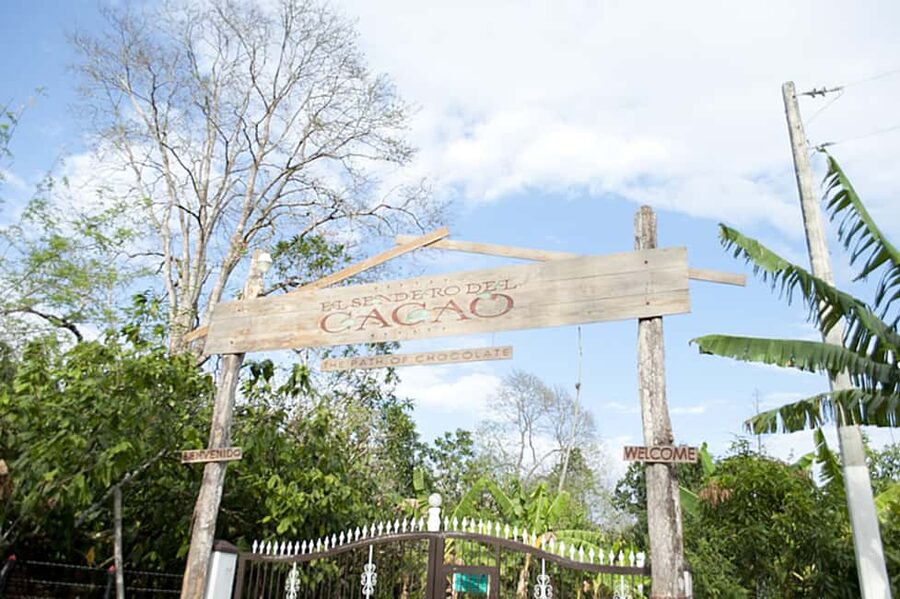
- The meeting point is outside central Santo Domingo: You must arrange your own transportation to El Sendero del Cacao in Duarte.
From cacao seed to finished chocolate
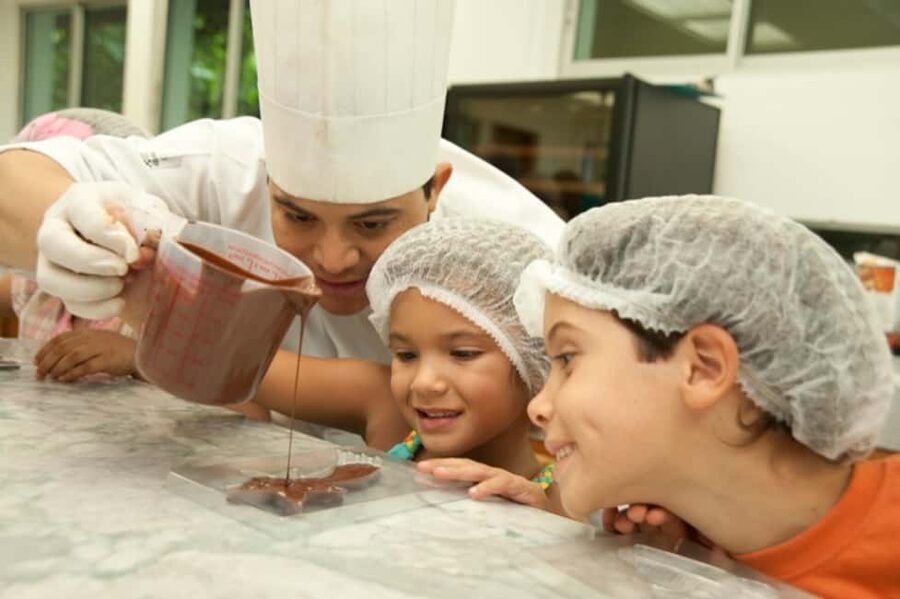
This tour works best because it follows the actual order of cacao production. You begin with the plant, then move through the pod, the beans, post-harvest treatment, factory work, and tasting. That sequence helps you understand why a chocolate bar can taste refined, sour, fruity, bitter, or flat.
At the organic cacao plantation, you learn about the conditions that allow fine cacao to grow in the Dominican Republic. The tour connects the crop to the local ecosystem, so you are not simply shown rows of trees without context. You hear how the growing environment supports cacao that can later become high-quality chocolate.
The planting portion is simple but useful. You can sow your own cacao plant and get a clearer sense of how much comes before the finished product reaches a shop. I like this step because it gives the visit a practical touch. You are not only looking at a crop; you are taking part in one small stage of its life.
The guide then explains harvest and the work done to a cacao pod. You learn about cutting the pod open and extracting the grains. Those details matter because most chocolate tours jump straight to roasting or tasting. Here, you see that the bean is only raw material, not yet the chocolate you know.
A few more chocolate tours around the Dominican Republic worth a look
- Award-Winning Geneva Chocolate &Old Town Tour with Boat Ride (3h)
★ 5.0 · 3,721 reviews - Bruges: 3-Hour Beer and Chocolate Tasting Private Tour
★ 4.9 · 8 reviews - 3 Hour Chocolate Making Experience in The Mayford business centre
★ 5.0 · 4 reviews
Why fermentation and drying change the flavor
The most useful part of the visit may be the post-harvest lesson. Cacao beans need fermentation and drying before they can produce good chocolate, and the tour explains both steps in plain terms.
Fermentation is not a minor holding stage. It helps develop the flavors that later appear in chocolate. Drying then prepares the beans for further processing. If these stages are poorly handled, the final chocolate cannot simply be rescued by adding sugar or attractive packaging.
You will hear why Dominican cacao can be well suited to gourmet chocolate. The focus is not only on the tree itself, but also on the climate and ecosystem around it. That makes the tour valuable for anyone who wants to understand the connection between agriculture and taste.
I would pay close attention here, even if you came mainly for the sweets. The tasting later makes more sense once you know what happened to the beans before they reached the factory.
Following the smell to the chocolate factory
The tour moves from the plantation toward the chocolate-making stage. The description promises that you follow your sense of smell to the factory, which gives this part a playful quality without losing the educational purpose.
At the factory, experts explain the final process used to make chocolate. You learn how the prepared cacao becomes an edible product and how careful handling affects the result. This is not presented as a giant industrial factory visit. A second plantation offers a look at more automated cacao processing on a small scale.
That contrast is helpful. The organic plantation shows you the crop and the traditional steps in a more direct setting. The other site lets you see machinery and a more organized processing system. Together, the two stops give you a fuller picture of how cacao moves from farm work toward commercial production.
Do not expect a long factory tour with a large production line. The available information points to a small-scale operation, with an emphasis on seeing and understanding the process. For many people, that is a benefit because the guide can keep attention on the important steps instead of sending you through a huge facility.
The five-sense chocolate tasting after lunch
After the plantation and factory lessons, you sit down for a local lunch. Since lunch is included, the $83 price covers more than a short sample session. The meal also creates a natural break in a three-hour program that includes walking, instruction, and tasting.
The tasting session teaches you to use all five senses. You may be asked to notice appearance, aroma, texture, sound, and flavor. The point is to slow down and pay attention rather than eat each sample quickly.
This is a good feature for anyone who already loves chocolate but wants a better vocabulary for it. You can begin to separate sweetness from aroma, texture from flavor, and personal preference from quality. Even if you are new to tastings, the guided format should make the process easier than trying to judge chocolate on your own.
Hot chocolate is included as well. That gives you a familiar drink alongside the more structured tasting. I like the balance: you get the serious explanation of cacao production, but the visit still leaves room for simple enjoyment.
Keep in mind that the supplied details do not name specific chocolate varieties, tasting quantities, or lunch dishes. You should not book expecting a fixed menu or a long list of labeled samples. The clear promise is an educational tasting, hot chocolate, and local lunch.
Same place, a different sort of tasting:
- 4×4 Dominican Adventure with Chocolate and Coffee Tasting
★ 5.0 · 2,920 reviews - 4×4 ATV Experience, Water Cave, Chocolate and Coffee Tasting
★ 5.0 · 1,430 reviews - Buggy Adventure Tour with Chocolate and Coffee in Punta Cana
★ 5.0 · 953 reviews - Buggy Ride Into the jungle with cave coffee & chocolate tasting
★ 5.0 · 465 reviews
Dominican culture through cacao
The cultural lesson is woven into the farm visit rather than offered as a separate lecture. You learn how cacao fits into Dominican agriculture and why the country can produce fine cacao. This makes the outing more meaningful than a generic chocolate workshop that could happen anywhere.
The tour also shows how the crop depends on careful work at several stages. Planting, harvesting, extracting, fermenting, drying, and processing all affect what you eventually taste. That chain gives you a better sense of the people and skills behind the product.
I appreciate that the activity includes both local food and a locally grown crop. You are not just buying a chocolate-themed attraction; you are spending part of the morning or afternoon learning how an important agricultural product is handled in the Dominican Republic.
The cultural side is described as fun, so you should expect an approachable presentation rather than a formal academic class. That suits families, couples, and curious eaters who want useful information without a heavy lecture.
What the $83 price really buys you
At $83 per person, this is not the cheapest way to spend three hours in the Dominican Republic. The value depends on whether you want a complete, guided program rather than a quick plantation stop.
The fee includes a guided tour, local lunch, and hot chocolate. It also covers instruction at an organic plantation, the opportunity to sow cacao, information on harvesting and post-harvest work, a factory visit, and a five-sense chocolate tasting. Taken together, that is a reasonable package for someone who would otherwise pay separately for food and a chocolate activity.
Transportation is not included. This matters because the meeting point is El Sendero del Cacao, Duarte, 31000, Dominican Republic. You need to arrange your own way there, and the cost and travel time will affect the final value.
The tour makes more financial sense for chocolate fans, food-focused visitors, and anyone curious about farming. If you only want a drink and a few bites of chocolate, you may find the price high. If you enjoy understanding how food is made, the combination of plantation, processing, lunch, and tasting gives you more for your money.
Timing, languages, and comfort
The stated duration is three hours. One booking described the actual visit as two and a half hours rather than four, so I would avoid placing an important transfer immediately afterward. A little spare time will keep a shorter or slightly longer schedule from causing trouble.
Starting times depend on availability. Check the current options before booking, especially if your day includes other activities. The tour is compact, but it has several parts, so arriving late could mean missing the opening explanation or planting activity.
Guides are available in English, Spanish, and French. That is useful for mixed-language groups and gives you a better chance of receiving detailed explanations in the language you prefer.
Wear comfortable shoes and comfortable clothes. The program includes a plantation visit, so practical clothing is more sensible than anything formal. The activity is wheelchair accessible, which is an important advantage, though you should still confirm any personal access needs when arranging your visit.
No transportation is provided. Plan your route to the meeting point before the day begins, and do not assume hotel pickup is part of the package.
Who will enjoy this most
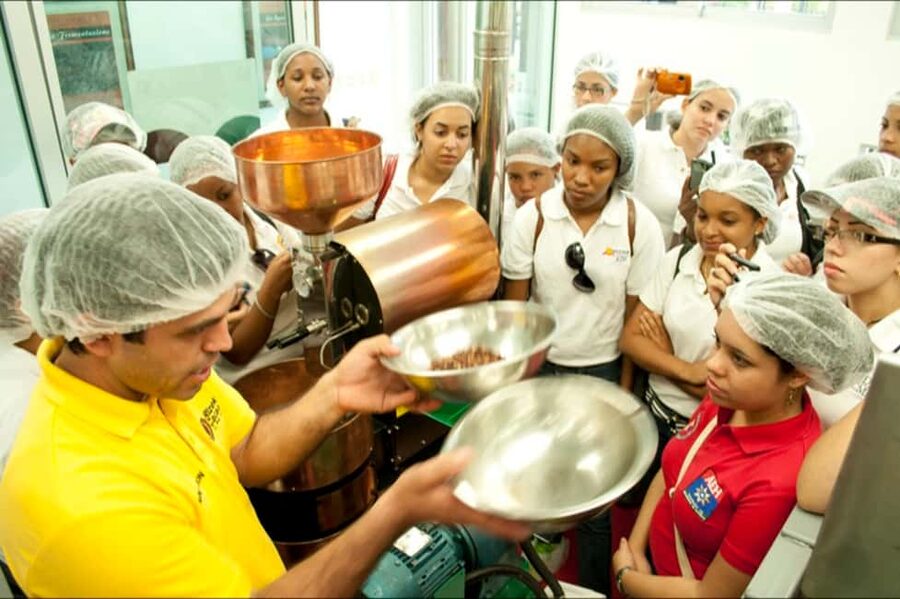
I would recommend this for anyone who wants food with a story. Chocolate lovers get a full look at production, while families can make the subject more memorable through planting and tasting. The format also suits couples looking for something different from a standard city tour.
It is a good choice for curious eaters who want to understand quality rather than simply hear that a product is organic or gourmet. The explanations of fermentation and drying give you information you can use later when buying chocolate.
The tour may be less satisfying if you dislike structured instruction or have no interest in agriculture. The plantation and processing explanations are central, not filler between samples. You also need to arrange your own transportation, and the timing may not match an imagined four-hour program.
The positive comments attached to this activity repeatedly point to two useful qualities: the visit is well organized, and the guide is very pleasant. One booking was even moved to the next day by phone, which suggests some practical flexibility, though you should not count on a change unless the operator confirms it.
Booking advice and final verdict
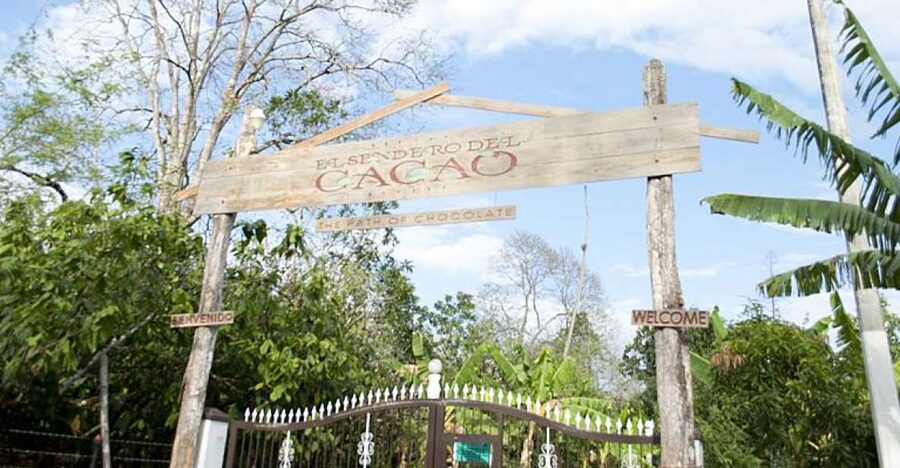
This is a strong pick if you want to see cacao before it becomes chocolate. The best moments are the hands-on planting, the explanation of fermentation and drying, and the tasting lesson that makes you pay attention to more than sweetness.
Book it if $83 fits your budget, you can reach El Sendero del Cacao on your own, and you have about three hours available with a little extra flexibility. It is especially worthwhile for food lovers who want a local agricultural connection, not just a souvenir box.
Skip it if you want a short, casual tasting with no farm or factory instruction. You should also choose another activity if you need hotel transportation or a precise end time. For everyone else, this is a thoughtful and enjoyable way to understand Dominican cacao from seed to cup.
FAQ
Where does the chocolate tour meet?
The meeting point is El Sendero del Cacao, Duarte, 31000, Dominican Republic.
How long does the tour last?
The advertised duration is three hours. One booking reported an actual duration of about two and a half hours, so allow some flexibility.
Is transportation included?
No. Transportation to and from the meeting point is not included.
What food and drinks are included?
The tour includes lunch and hot chocolate. It also includes an exclusive chocolate tasting.
Which languages are available?
The live guide is available in English, Spanish, and French.
Is the tour wheelchair accessible?
Yes, the activity is listed as wheelchair accessible.
Can I cancel for a full refund?
Yes. You can cancel up to 24 hours in advance for a full refund.
Just added around the Dominican Republic
- Punta Cana Buggy with Chocolate, Coffee & Cave Swim★ 4.5 · 21 reviews
- Buggy Off-Roading with Chocolate and Coffee Tasting in Punta Cana★ 5.0 · 16 reviews
- ATV Ride with Coffee, Chocolate Tasting and Cenote in Punta Cana★ 5.0 · 13 reviews
- Extreme Jungle Buggy Ride with Coffee and Chocolate Tasting★ 5.0 · 10 reviews
- Guided Shopping Tour – Rum tasting, chocolate factory, Cigar factory★ 4.5 · 6 reviews
- Guided Shopping Tour to Bella Mare Store (Cigars, Chocolate, Rum and Souvenirs)★ 3.5 · 24 reviews
- Discover Dominican Treasures: Rum, Cigars, Coffee & Chocolate★ 3.0 · 5 reviews
- Buggy Ride with Cenote Coffee and Chocolate Tasting★ 5.0 · 2 reviews
Chocolate Tours, compared.
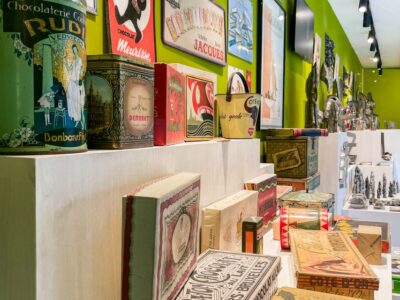
Choco-Story Brussels: Chocolate Museum Entrance with Tasting
Read our review →
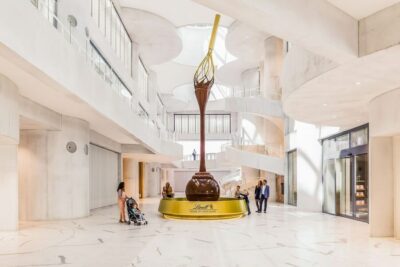
City Tour, Cruise, and Lindt Home of Chocolate Visit
Read our review →
The Chocolatarium Chocolate Tour Experience in Edinburgh
Read our review →
Award-Winning Geneva Chocolate &Old Town Tour with Boat Ride (3h)
Read our review →
Yarra Valley Wine, Gin, Whisky and Chocolate Tour
Read our review →
4×4 Dominican Adventure with Chocolate and Coffee Tasting
Read our review →
Browse the lists this tour appears in