
Review · DOMINICAN REPUBLIC
Chocolate Master Class & Taino Concept Store
Chocolate makes a fine vacation souvenir. This short Punta Cana class gives you a hands-on look at Dominican cacao, from crushed beans to finished chocolate bars, inside Taino’s Kitchen Lab. I like the small-group feel and the fact that you take home everything you make. The class is also easy to fit into a busy beach holiday.
I especially like the mix of tasting, instruction, and messy kitchen work. You sample different chocolates, learn about the cacao fruit, form cacao balls for hot chocolate, and make chocolate bark or molded bars. The guides, including Rudy, Felix, Wendell, and Anthony, are praised for being friendly, patient, and entertaining.
The main caution is the timing. The advertised class lasts about an hour, but the full outing can take several hours once you add pickup, shopping, waiting for chocolate to set, and the ride back. One customer found the actual making portion much shorter than expected, and the advertised contest and entertainment may not always take place.
Key Points Before You Book
- Hand-crushed cacao: Some sessions involve crushing cacao beans and grinding them by hand, so this is more active than a simple tasting.
- Two main creations: You make cacao balls for hot chocolate and chocolate bark or molded bars with toppings.
- Friendly named instructors: Rudy, Felix, Wendell, and Anthony are singled out for clear explanations, humor, patience, and good English.
- A useful rainy-day or low-key outing: The activity suits families, couples, and anyone who wants a break from beaches and high-energy excursions.
- Hotel pickup is offered: Round-trip transportation from your hotel is included, though pickup times may not match the listed class start exactly.
- Taino shopping afterward: The on-site store sells chocolate, cacao products, rum, alcohol, art, souvenirs, and items connected with Dominican and Indigenous culture.
What You Actually Do at Taino’s Kitchen Lab
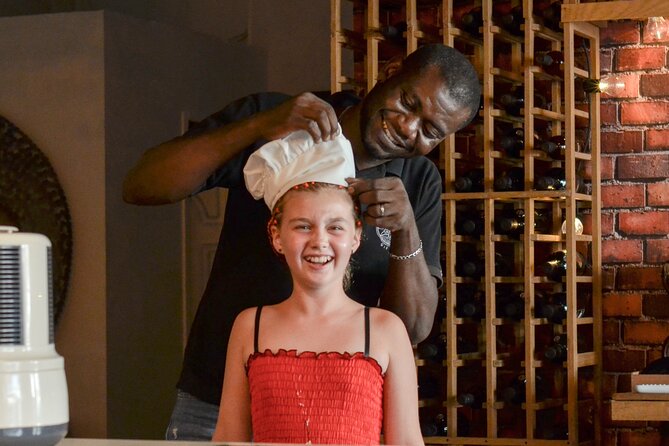
The experience takes place at Taino Gourmet’s Concept Store and Kitchen Lab on Boulevard Turístico del Este, about 3.5 kilometers along the road, at Cormont Plaza II, Local 26. The setting is more polished than a basic cooking room, with a stylish shop attached to the class space.
Your visit begins with an introduction to cacao and the chocolate-making process. The teaching may include the history of the cacao fruit, how beans are handled, the equipment used, and the temperatures needed to work with chocolate properly. The lesson is not only about eating the finished product. You get a look at the work behind it.
The tasting portion can include white, milk, and dark chocolate with different cocoa percentages. One family session sampled chocolate from 60 percent through 100 percent cacao. The 100 percent version is very bitter because it contains no sugar, which makes the tasting a useful lesson in how much sweetness changes chocolate.
You may also taste cacao nibs and hot chocolate. Chocolate wine is another product that has received praise, and it is available for purchase in the shop. The tasting gives you a better sense of cacao as an ingredient rather than treating chocolate as one uniform candy.
More Shopping Trips in Punta Cana:
- Shopping tour Punta Cana rum cigars coffee larimar chocolate souvenirs mamajuan
★ 4.0 · 44 reviews - Guided Shopping Tour to Bella Mare Store (Cigars, Chocolate, Rum and Souvenirs)
★ 3.5 · 24 reviews - Chocolate Master Class & Taino concept Store
★ 4.6 · 12 reviews
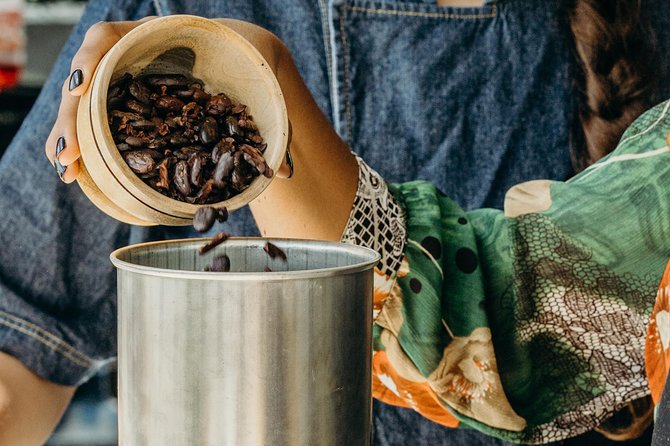
Crushing Beans and Making Cacao Balls
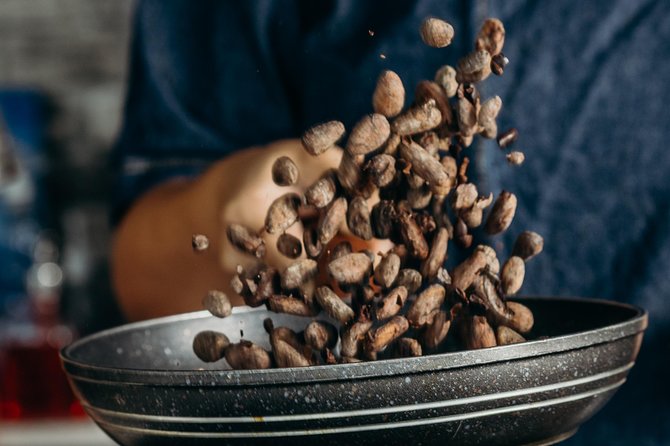
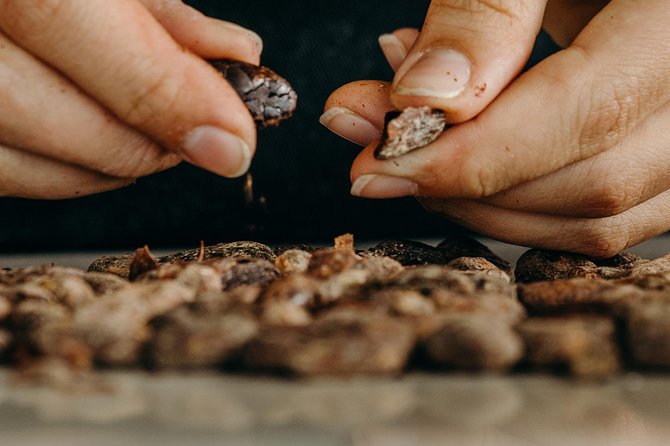
The most hands-on part is the cacao ball preparation. You work with ground cacao beans and shape them into balls that can later be used for hot chocolate. This step gives the class a more traditional, tactile feel than simply melting chocolate from a packet.
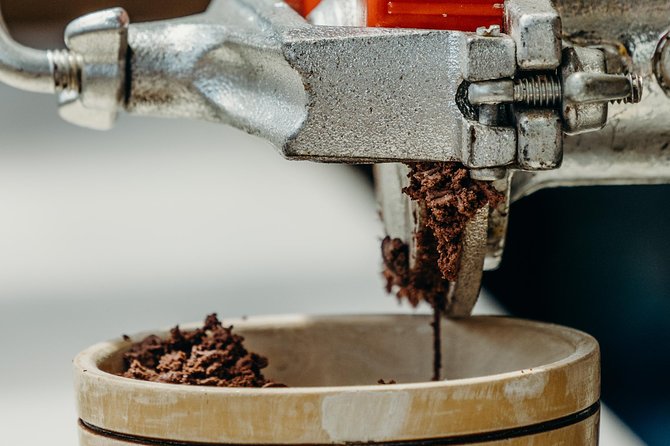
Be prepared to use some upper-body strength. One group of three women described crushing the cacao beans and manually grinding them as a real workout, though they found the result rewarding. You may leave with chocolate on your hands and clothing, so wear something you do not mind getting dirty.
The cacao balls are one of the most useful things you make. A finished chocolate bar is a holiday treat, while a cacao ball can go into hot chocolate or even a protein shake once you return home. That practical afterlife makes this part more memorable than a quick decoration exercise.
The class is suitable for children, but younger children may need help with the grinding and handling steps. Families with children as young as three and five have found ways to include them, while older children and teenagers can take part more independently.
Tempering, Molds, and Chocolate Bark
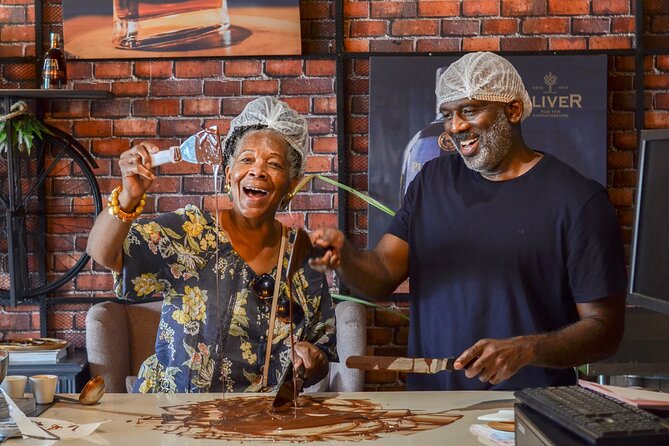
After the cacao work, you move on to liquid chocolate. The instructor explains tempering, which is the process that helps chocolate set with a firm texture and a glossy finish. You pour chocolate into molds, add toppings, and wait for it to harden.
This is where the class can feel like a proper kitchen lesson. You are not just dipping one item and calling it finished. You see how temperature affects the chocolate and why a bar may need to be reheated if it begins setting too soon.
The finished products vary by session. Some groups make chocolate bars and chocolate candies, while others prepare chocolate bark on platters with different toppings. One group of eight made eight bars, while another family group took home two large platters of chocolate made at shared stations.
The work is fun but not perfectly smooth every time. One session had to reheat chocolate for two couples so the bars could be made properly. That is not a serious problem, but it shows that this is a working kitchen activity rather than a polished stage show.
You take home the chocolate you make. The amount can depend on the group setup and the day’s format, so do not assume every session produces exactly the same quantity. Still, leaving with handmade candy is a strong part of the price.
Guides Who Make the Lesson Work
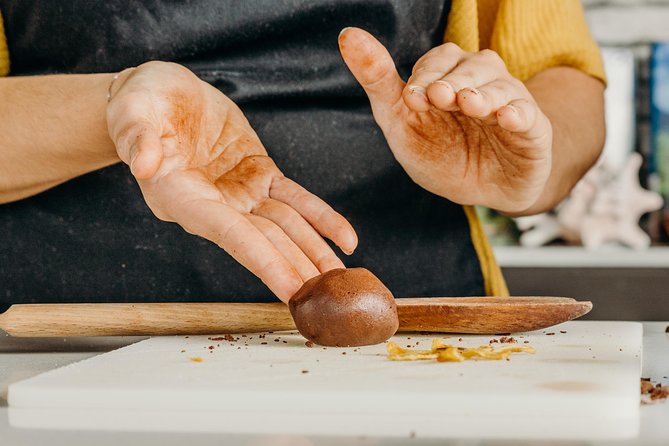
The instructors are central to the quality of this experience. Rudy is praised for being kind, patient, humorous, and clear when explaining both the chocolate process and the techniques needed to form a bar or hot chocolate bomb.
Felix has led sessions that begin with cacao history and tastings before moving into the kitchen. Wendell has also handled the introductory talk and chocolate samples. Anthony is especially praised for working well with children and making sure each person at the station feels included.
English-speaking instruction is available, though the clarity can depend on the guide and the room. One person found it difficult to hear and felt the instructor spoke too much without focusing evenly on every couple. If the room is busy, stand close to the guide during the explanation and ask questions as you work.
The strongest sessions appear to be interactive rather than lecture-heavy. You will get more from the class when you take part, taste the samples, and ask about the beans, temperatures, tools, and finished products.
A few more chocolate tours around Punta Cana worth a look
- 4×4 Dominican Adventure with Chocolate and Coffee Tasting
★ 5.0 · 2,920 reviews - 4×4 ATV Experience, Water Cave, Chocolate and Coffee Tasting
★ 5.0 · 1,430 reviews - Buggy Adventure Tour with Chocolate and Coffee in Punta Cana
★ 5.0 · 953 reviews - Buggy Ride Into the jungle with cave coffee & chocolate tasting
★ 5.0 · 465 reviews
How Long the Experience Really Takes
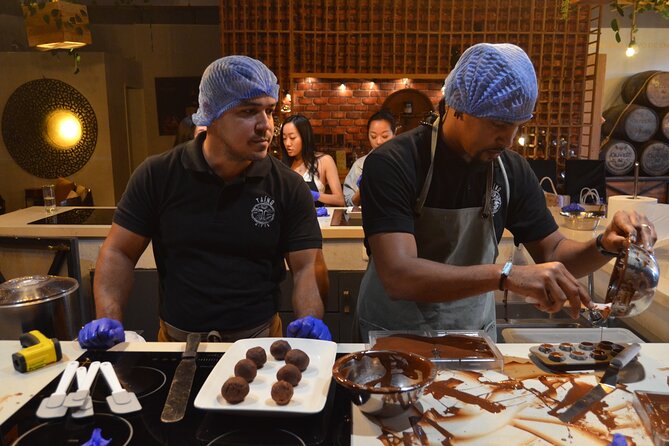
The class itself is listed at about one hour, and the start time is given as 1:00 pm. In practice, the full outing can be much longer.
One family was picked up around 2:00 pm for a 3:30 pm class, then returned to the hotel around 5:45 pm. Their chocolate-making session ran from about 3:30 to 4:45, followed by time in the shop while the chocolate hardened. The total outing was roughly three and a half hours.
Another customer expected the class to begin when pickup arrived, but the vehicle came later than expected and the guide had already started the lesson. The staff repeated the opening explanation, but the situation caused confusion.
This is important if you have a dinner reservation, airport transfer, or another booked activity. Treat the one-hour figure as the approximate teaching time, not necessarily the time from hotel departure to hotel return. Pickup times can be approximate, so confirm the details before the day of the class.
The experience may also feel short once the actual making begins. One person timed roughly 20 minutes of active chocolate work, followed by around 20 minutes while the bark set. Other sessions lasted longer and included more steps, toppings, or shared production. Expect some variation.
The Taino Concept Store Is Part of the Visit
The store is not simply a place to wait for your ride. It is part of the experience and gives you time to browse while the chocolate hardens.
You may find locally made chocolate and cacao products, rum, alcohol, art, souvenirs, and products connected with the Indigenous peoples of the Dominican Republic. The shop has been described as attractive, well organized, and reasonably priced, with staff who do not pressure you to buy.
This is also where the $57 price needs a fair look. You are paying for hotel transport, instruction, tastings, drinks, equipment, the shop setting, and the chocolate you make. If you only want a quick candy-making activity, the cost may seem high for an hour of kitchen work. If you value round-trip pickup and a broader cultural introduction to cacao, the price is easier to justify.
The store gives the outing more local character than a generic resort activity. At the same time, shopping can extend the visit, so allow for it in your plans even if you do not intend to buy anything.
Drinks, Entertainment, and What May Vary
The experience includes two soft drinks in the stated program. Actual service may vary. One person received water and felt this did not match the description.
The program also mentions entertainment and a surprise contest. These features were not present for every session, so I would treat them as possible extras rather than the main reason to book. The reliable core is the cacao lesson, tasting, chocolate preparation, and take-home treats.
This distinction matters because the experience works best when judged as a short cooking class. If you expect a full show with games, contests, and a long guided presentation, you may leave disappointed. If you want a relaxed activity with food, a shop, and some local context, the format makes more sense.
Who Will Enjoy This Most
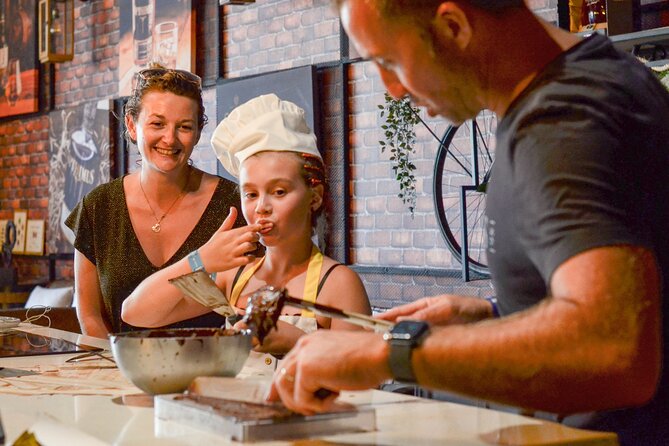
I would recommend the class to families, couples, and small groups who want something calm and hands-on. It is especially useful for a free afternoon when you do not want a full-day excursion or a physically demanding activity.
Children can take part, and several sessions have worked well for families. The guides make an effort to include younger participants, though adults should expect to help with grinding, hot chocolate, and mold handling.
Chocolate fans will get the most from the tasting and the chance to compare cocoa percentages. Even if you already know a little about chocolate, the raw cacao, bitter 100 percent sample, bean crushing, and tempering steps add useful detail.
I would be more cautious if you need a tightly scheduled activity or want a long, technical workshop. The total duration can stretch, while the active making can sometimes feel brief. You may also find the lesson less satisfying if you want to produce several chocolate types, such as milk, dark, and white chocolate. Most of the work centers on cacao balls and bark or molded bars.
Practical Details for a Smoother Visit
Hotel pickup is offered, and round-trip transportation is included. One transfer was described as early and faultless, while another caused confusion because the pickup time and class time did not line up clearly. Confirm where and when you will be collected.
The maximum group size is 18 people, but several sessions had five to eight participants. A smaller group allows more room at the workstations and makes it easier to hear the instructor. The exact group size can change from one date to another.
Wear clothing that can handle chocolate marks. The class is intentionally hands-on, and the grinding, pouring, and decorating can get messy.
You receive confirmation when booking, and free cancellation is available up to 24 hours before the start time for a full refund. Changes or cancellations inside that 24-hour window are not accepted for a refund. If the minimum number of participants is not reached and the activity is canceled, you are offered another date or experience, or a full refund.
Should You Book the Chocolate Master Class?
Book it if you want a family-friendly, low-key Punta Cana outing with hotel pickup, local cacao instruction, and handmade treats to take home. The best sessions combine a lively guide, a small group, generous tastings, and enough kitchen time to make the process feel worthwhile.
Think twice if your schedule is tight or if you expect a full three-hour chocolate workshop. The entire outing may take several hours, but the active class can be much shorter, and the promised contest or entertainment may not appear.
At 4.8 out of 5 from 43 ratings, with 95 percent recommending it, the experience has a strong record. I would book it for a relaxed afternoon, especially with children or anyone who prefers food and culture to high-adrenaline activities. Just confirm the pickup time, allow extra hours, wear washable clothes, and judge the value by the full package rather than the number of minutes spent pouring chocolate.
FAQ
Where does the chocolate class take place?
The class takes place at Taino’s Kitchen Lab and Concept Store at Boulevard Turístico del Este, 3.5 kilometers, Cormont Plaza II, Local 26, Punta Cana, Altagracia, 23000.
What time does the experience start?
The stated start time is 1:00 pm. Pickup times can be approximate, so confirm your hotel collection details before the activity.
Is hotel transportation included?
Yes. Round-trip transportation from your hotel is included, and pickup is offered in Punta Cana.
What do you make during the class?
You make cacao balls from ground cacao beans and chocolate bark or molded chocolate bars from liquid chocolate. You take home the chocolate you make.
How many people can join the class?
The maximum group size is 18 people. Some sessions have had much smaller groups, including five or eight people.
Can I cancel for a full refund?
Yes, if you cancel at least 24 hours before the experience start time. Cancellations or changes made less than 24 hours in advance are not refunded.
Just added around Punta Cana
- Punta Cana Buggy with Chocolate, Coffee & Cave Swim★ 4.5 · 21 reviews
- Buggy Off-Roading with Chocolate and Coffee Tasting in Punta Cana★ 5.0 · 16 reviews
- ATV Ride with Coffee, Chocolate Tasting and Cenote in Punta Cana★ 5.0 · 13 reviews
- Extreme Jungle Buggy Ride with Coffee and Chocolate Tasting★ 5.0 · 10 reviews
- Guided Shopping Tour – Rum tasting, chocolate factory, Cigar factory★ 4.5 · 6 reviews
- Guided Shopping Tour to Bella Mare Store (Cigars, Chocolate, Rum and Souvenirs)★ 3.5 · 24 reviews
- Discover Dominican Treasures: Rum, Cigars, Coffee & Chocolate★ 3.0 · 5 reviews
- Buggy Ride with Cenote Coffee and Chocolate Tasting★ 5.0 · 2 reviews
Shopping Tours, compared.
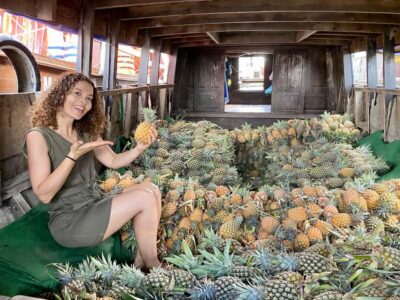
A Real Mekong Tour, Floating Market, Cacao & Life’s
Read our review →
Cai Rang floating market, Cacao & hidden small canal
Read our review →
Basel Farmer’s Market, Cheese, Chocolate & Pastry Tour
Read our review →
Floating Market, Canal, Cacao Farm & Mekong’ Life
Read our review →
Cai Rang floating market, see sunrise, CaCao orchard, small canal
Read our review →
Shopping tour Punta Cana rum cigars coffee larimar chocolate souvenirs mamajuan
Read our review →
Floating Market, Cacao & Canals with French Guide
Read our review →
Guided Shopping Tour to Bella Mare Store (Cigars, Chocolate, Rum and Souvenirs)
Read our review →Browse the lists this tour appears in