
Review · FRANCE
Become a Chocolate Master! Chocolate Bar Workshop in Paris
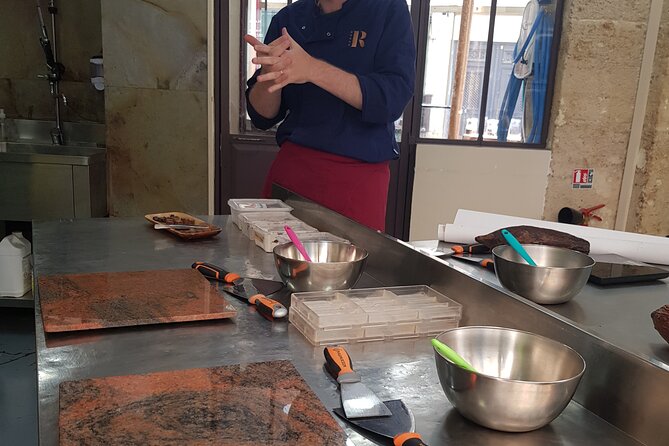
Chocolate gets serious in Paris. This two-hour workshop at Rrraw Cacao combines a clear lesson on bean-to-bar chocolate with hands-on work, so you do more than watch a chocolatier at a counter. I like the small maximum of seven people, and I like that instructors such as Hugo and Sébastien give the session a warm, personal feel. One thing to know: the chocolate is mostly dark, so this may not suit anyone expecting a sweet milk-chocolate class.
You will learn about cacao’s history, taste it in several forms, and make your own bars with toppings. The only real question is the price, $117.16 per person, which is not a casual chocolate-shop purchase. Still, the instruction, materials, tasting, and finished bars make it a fair pick for families and curious food lovers who want an activity rather than just another box of sweets.
Key points to know before booking
- You make your own bars: You melt, temper, mold, and decorate chocolate instead of simply watching a demonstration.
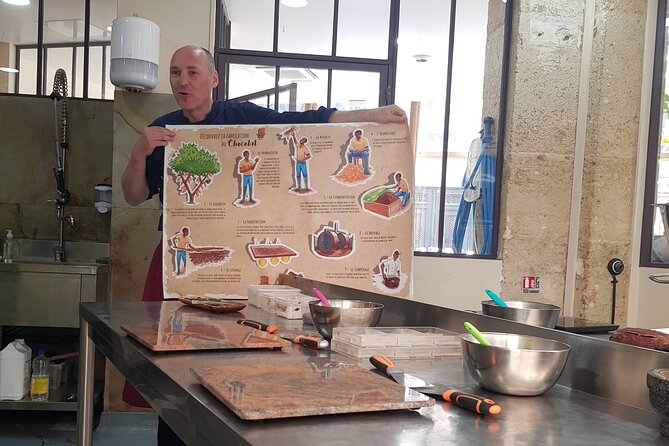
- The lesson starts with the cacao tree: The class follows chocolate from Theobroma cacao to the finished bar.
- You taste cocoa in several forms: Sampling may include raw beans, roasted beans, bars, and truffles.
- The group is capped at seven: This keeps the class small enough for questions and individual help.
- English instruction is offered: The workshop is listed in English, with Hugo and Sébastien praised for clear, friendly teaching.
- The chocolate leans dark: Prepare for a more cocoa-forward taste than the very sweet chocolate sold in many souvenir shops.
What this Paris chocolate class is really about
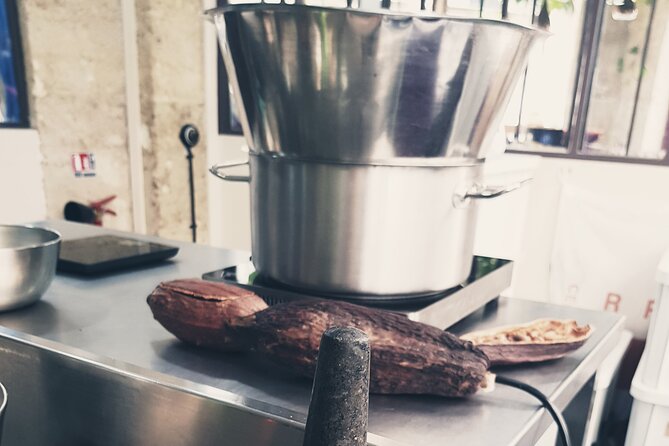
This is not simply a decoration session with a few chocolate chips and a paper box. The workshop aims to show you the full path from cacao bean to chocolate bar, then puts you to work.
You begin with the story and history of chocolate. That matters because the finished bar can seem simple, while the process behind it is not. The class introduces Theobroma cacao, the tree that produces cacao, and explains the steps between the tree and the bar you eat.
I like this approach because it gives the practical work a purpose. When you later melt and temper the chocolate, you understand that the smooth surface and firm snap are the result of careful handling, not magic.
The class also touches on bean harvesting, fair trade, and common claims about chocolate and wellness. Sébastien, described as the owner and lead chocolatier, has used the session to explain the industry as well as the recipe. That gives the workshop more substance than a standard tourist activity.
A few more chocolate tours around Paris worth a look
- Paris: Entrance Ticket to the Chocolate Museum
★ 4.1 · 1,105 reviews - Paris French Sweets Tasting Tour with Pastries and Chocolates
★ 4.5 · 947 reviews - Paris: Brussels and Bruges Tour & Optional Chocolate Tasting
★ 4.6 · 643 reviews
From raw bean to chocolate bar
The tasting portion helps you notice how much cacao changes as it moves through production. You may taste raw cacao beans, roasted beans, finished chocolate bars, and truffles.
Each form offers a different lesson. A raw bean does not give you the same flavor or texture as a finished bar. Roasting changes the character, while grinding, mixing, and working the chocolate create the smooth product most people recognize.
You will not need specialist vocabulary to follow the class. The point is to taste carefully and connect each sample with a stage in production. If you normally eat chocolate quickly, this part encourages you to slow down and pay attention.
The tasting also sets expectations for the hands-on portion. The chocolate here is described as fairly dark, so its flavor may be stronger and less sugary than the chocolate many children expect. That is not a flaw, but it is worth explaining to younger children before you arrive.
Melting and tempering on marble
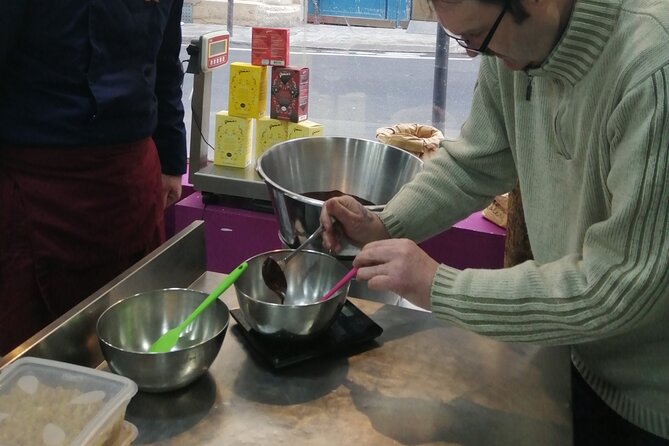
The practical work begins with melting chocolate. You are not only adding toppings to a ready-made slab. You take part in a key stage that affects the final texture and appearance.
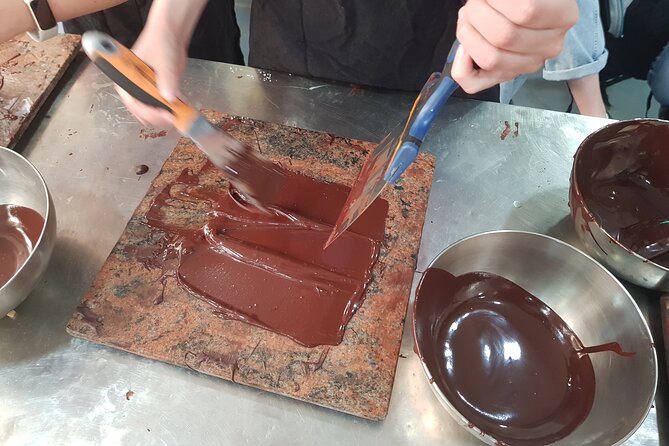
Next comes tempering on marble. Tempering helps chocolate become smooth and stable, and the marble work gives you a direct look at the technique used to prepare it for molds.
This is the sort of step that makes the price easier to understand. A simple chocolate bar from a shop costs far less than this class, of course. You are paying for instruction, ingredients, equipment, tasting, and the chance to handle the chocolate yourself.
The work also gives the session a useful balance. The history and tasting engage your head and palate, while melting and tempering keep your hands busy. In a two-hour class, that mix should help the time pass quickly.
Filling molds and adding toppings
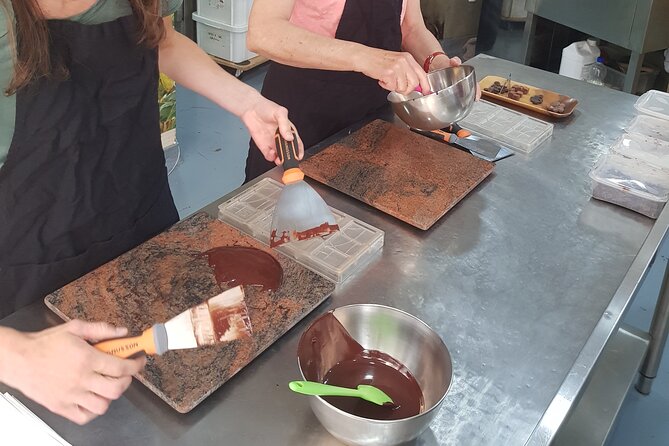
Once the chocolate is ready, you fill molds to create your bars. The workshop includes toppings, and one family made four bars per person with toppings they enjoyed.
The exact topping choices are not specified, so do not book this expecting a particular ingredient or a fixed design. The important point is that you build and decorate your own bars, giving you something personal to take from the session.
This is where the class works well for families. Children can see a clear result from the effort they put in, while adults can ask more detailed questions about the chocolate and the trade. The small group size should help the instructor give attention as each person works.
Still, the class is not presented as a sugar-heavy children’s party. Its focus is craft, tasting, and education. Children aged 9 to 12 had a good time in the reported family visits, and one family included children aged 10 and 12. That makes the workshop a sensible choice for school-age children who can follow an explanation and take part in careful food preparation.
Same place, a different sort of tasting:
- A Morning in Paris Food Tour: Croissants, Baguettes & Chocolate
★ 5.0 · 556 reviews - Saint-Germain: Gourmet Chocolate & Pastry Walking Food Tour
★ 4.8 · 495 reviews - Paris: 45-minute Chocolate Making Workshop at Choco-Story
★ 4.4 · 444 reviews - Paris Chocolate, Macaron & Pastry Food Tour: 10 Gourmet Tastings
★ 5.0 · 339 reviews
Why the small group matters
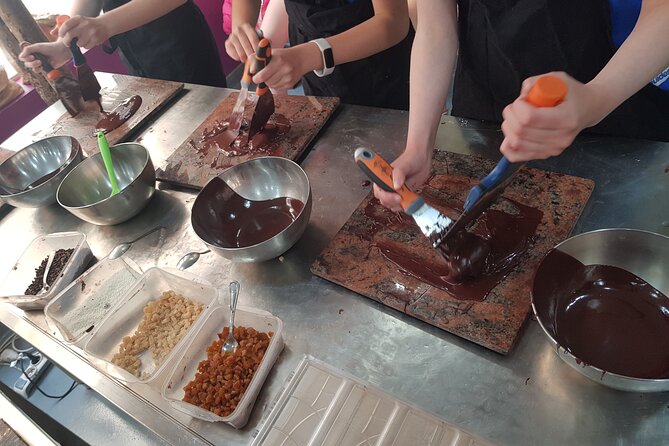
The class has a maximum of seven people. That is a useful limit for a hands-on workshop, since you will want room to ask questions and receive help while working with the chocolate.
A small group also makes it easier to hear the instructor during the history and tasting sections. You are less likely to feel like one face in a large demonstration, and you can ask about the parts that interest you most.
The setting can be especially personal when the group is smaller than the maximum. Hugo described one session with a family as an especially private tasting workshop, which allowed plenty of questions. You should not assume every booking will be private, but the group cap keeps the class intimate.
The instructor makes a difference here. Hugo is praised for being funny, informative, and comfortable speaking English. Sébastien is described as the owner and lead chocolatier, with a teaching style that covers both chocolate production and fair trade. The staff names are useful to know because the experience seems tied closely to the people leading it, rather than to a scripted presentation alone.
A practical two-hour Paris activity
The workshop lasts about two hours and offers morning or afternoon start times. That makes it easy to fit around sightseeing, though you will want to allow enough time to reach the meeting point without rushing.
You meet at 8 Rue de Mulhouse, 75002 Paris, France. The activity finishes at the same location, which keeps the plan simple. It is near public transportation, so you can reach it by transit rather than building your day around a long taxi ride.
The mobile ticket is another small convenience. You can keep the booking on your phone, and confirmation is sent within 48 hours, subject to availability. Since the class is small, I would avoid leaving the booking until the last moment if the time matters to your schedule.
Morning and afternoon choices are helpful for different kinds of days. A morning class can give you a relaxed food activity before more sightseeing. An afternoon class may work better after a museum or neighborhood walk. Since the activity ends where it starts, you can continue with your Paris plans without arranging a separate return point.
Is $117.16 per person good value?
At $117.16 per person, this is an expensive chocolate bar. If your only goal is to buy chocolate, use a shop instead.
The value comes from the complete experience. You receive instruction, raw materials, tasting samples, access to the chocolate-making process, and your own finished bars. You also get a lesson on cacao, harvesting, fair trade, and the steps from bean to bar.
I would compare it with the price of a guided food activity, not with the price of a confectionery purchase. For a couple or family looking for a memorable indoor activity, the cost can make sense. The class offers both a story to remember and something edible to bring away.
The price is harder to justify if you have little interest in chocolate production or prefer very sweet treats. You may also find the dark flavor less appealing than expected. In that case, the educational part needs to matter to you for the booking to feel worthwhile.
The materials are included, so you do not need to buy supplies separately. That makes the final cost clearer and removes the guesswork that can come with craft classes.
Who will enjoy this workshop most?
I would recommend it most strongly to people who want to understand how food is made. The class suits couples, families, and small groups who like practical activities with a story behind them.
Families with children around ages 9 to 12 appear to be a good match based on the children who took part successfully. The class can give young participants a reason to pay attention, since they eventually make their own bars. Parents should still prepare children for dark chocolate and for a lesson that includes trade and production, not only sweets.
It also suits adults who want something more personal than a standard tasting. The opportunity to ask Hugo or Sébastien questions and handle the chocolate gives the session a more direct feel.
I would think twice if you dislike dark chocolate, want a large social event, or prefer to spend two hours simply eating. The class is educational and hands-on. That is its strength, but it may not be what every chocolate lover wants.
What the praise tells you about the experience
The strongest pattern is the combination of fun and instruction. Hugo is singled out for humor and clear English, while Sébastien receives praise for explaining chocolate from cacao bean to bar and for discussing fair trade and harvesting.
The family angle also comes through clearly. Two families with children around 9 to 12 described the class as a highlight of their Paris visit. That suggests the workshop can hold the attention of young people better than a long, passive food lecture.
Another strong point is the finished product. Participants made chocolate bars that turned out well, and one family made four bars each. That result matters because a hands-on class can disappoint if the final item feels like a rushed token. Here, the bars are a central part of the experience.
The tasting is also more varied than a single sample. You compare cacao in raw, roasted, bar, and truffle forms. That gives you a better sense of how processing changes taste and texture.
Booking, cancellation, and small details
Free cancellation is available if you cancel at least 24 hours before the experience begins. If you cancel less than 24 hours before the start time, you will not receive a refund, and changes made inside that period are not accepted.
The cut-off time follows Paris local time. Keep that in mind if you are arranging the workshop while booking from another time zone.
The activity is offered in English, uses a mobile ticket, and is near public transportation. Confirmation arrives within 48 hours, subject to availability. The group maximum is seven people, and the activity returns to the meeting point at 8 Rue de Mulhouse.
Should you book the Rrraw Cacao workshop?
Book it if you want a small, friendly Paris activity that mixes food, craft, and useful context. You will learn how cacao moves from tree to bar, taste several forms of chocolate, and make your own bars with guidance from an English-speaking instructor.
I would give this priority to families with school-age children, couples who enjoy food education, and anyone curious about fair trade and chocolate production. I would skip it if you want milk chocolate, a bargain, or a quick tasting with no instruction.
The price is high, but the class offers more than a souvenir. If you treat it as a two-hour chocolate lesson with tasting and making included, the value is easier to see.
FAQ
Where does the chocolate workshop meet?
The meeting point is 8 Rue de Mulhouse, 75002 Paris, France.
Where does the activity finish?
The workshop ends back at the meeting point.
How long does the workshop last?
The experience lasts approximately two hours.
Is the workshop offered in English?
Yes. The activity is offered in English.
How many people can join the class?
The maximum group size is seven people.
Are morning and afternoon times available?
Yes. You can choose from morning or afternoon tour times.
Are the chocolate-making materials included?
Yes. All raw materials and instruction are provided.
What will I learn during the workshop?
You will learn about the history of chocolate, Theobroma cacao, the stages from tree to bar, melting, tempering on marble, and filling molds.
What will I taste?
The tasting includes different cocoa forms, including raw cacao beans, roasted beans, chocolate bars, and truffles.
How does cancellation work?
You can cancel at least 24 hours before the start time for a full refund. Cancellations or changes made less than 24 hours before the experience are not accepted for a refund.
Just added around Paris
- Private Wine and Chocolate Tasting Experience★ 4.4 · 3 reviews
- Paris Sweet & Chocolate Family Treasure Hunt★ 5.0 · 37 reviews
- Molded Bonbons Chocolate making class in Paris (collective)★ 4.5 · 20 reviews
- Private Wine and Chocolate Tasting in Paris★ 4.5 · 4 reviews
- Paris Saint-Germain Private Tasting Tour with Chocolate plus Pastries & Macaron★ 5.0 · 10 reviews
- Private Family Chocolate Making Class in Paris★ 5.0 · 16 reviews
- Pure Chocolate Tour in Paris★ 5.0 · 20 reviews
- Expert-Led Sweet Secrets of Paris Pastry & Chocolate Marathon★ 5.0 · 3 reviews
Chocolate Tours, compared.
Choco-Story Brussels: Chocolate Museum Entrance with Tasting
Read our review →
City Tour, Cruise, and Lindt Home of Chocolate Visit
Read our review →
The Chocolatarium Chocolate Tour Experience in Edinburgh
Read our review →
Award-Winning Geneva Chocolate &Old Town Tour with Boat Ride (3h)
Read our review →
Yarra Valley Wine, Gin, Whisky and Chocolate Tour
Read our review →
4×4 Dominican Adventure with Chocolate and Coffee Tasting
Read our review →
Browse the lists this tour appears in